Project
Alberto Peña Kay
Protecting the Santurban páramo from mining's damage
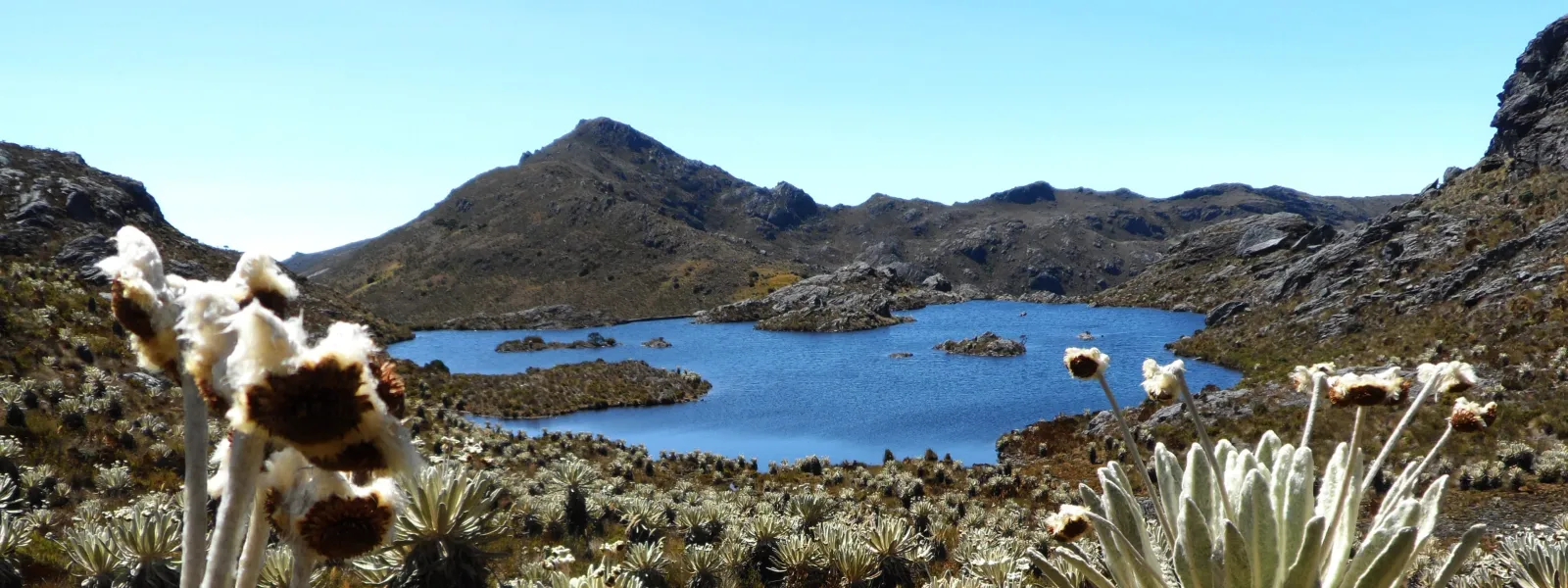
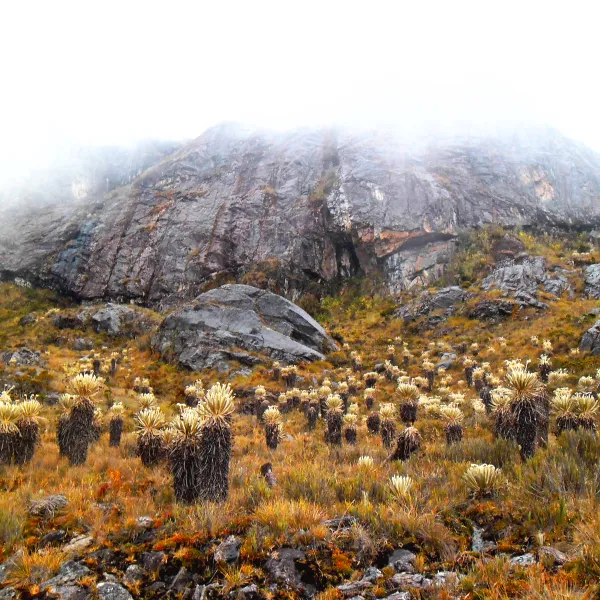
In the Andean region, high-mountain ecosystems known as páramos capture water from the fog and supply it to the lowlands. One such ecosystem is the Santurbán páramo, which provides fresh water to more than two million people in Colombia.
Santurbán, like the other páramos on the continent, also captures large amounts of carbon, making it a key ally in mitigating the climate crisis. It is also a refuge for hundreds of endangered species, including the iconic spectacled bear.
The land in and around the páramo contains gold and other minerals. This has put Santurbán in the spotlight of the multinational mining industry, which for decades has sought to establish large-scale projects in the ecosystem that threaten to degrade it.
The Committee for the Defense of Water and the Santurbán Páramo—a coalition of environmental advocates—has thwarted these ongoing attempts, with support from AIDA and other civil society organizations.
Background
The Santurbán páramo is located in the heart of the Eastern Cordillera of the Colombian Andes, in the departments of Santander and Norte de Santander, at an elevation ranging from 2,200 to 4,290 meters above sea level.
It covers an area of 129,743 hectares and is home to 57 lakes. It serves as a habitat for 457 plant species and 293 species of vertebrate fauna.
There are mineral deposits in Santurbán, primarily gold, but also silver and copper. This explains the region’s mining tradition, particularly in the part of the páramo located in Santander, in the province of Soto Norte. The communities in the area have built their culture and identity around gold mining, which is mainly artisanal and small-scale.
But since the 1990s, the gold deposits in the páramo have also attracted foreign mining conglomerates seeking to develop large-scale projects. This has raised concerns among the population that relies on the Santurbán water sources, who have mobilized in defense of water, their land, and life.
Although national and international regulations prohibit mining in páramos, the Colombian government has granted mining concessions to transnational corporations in Santurbán.
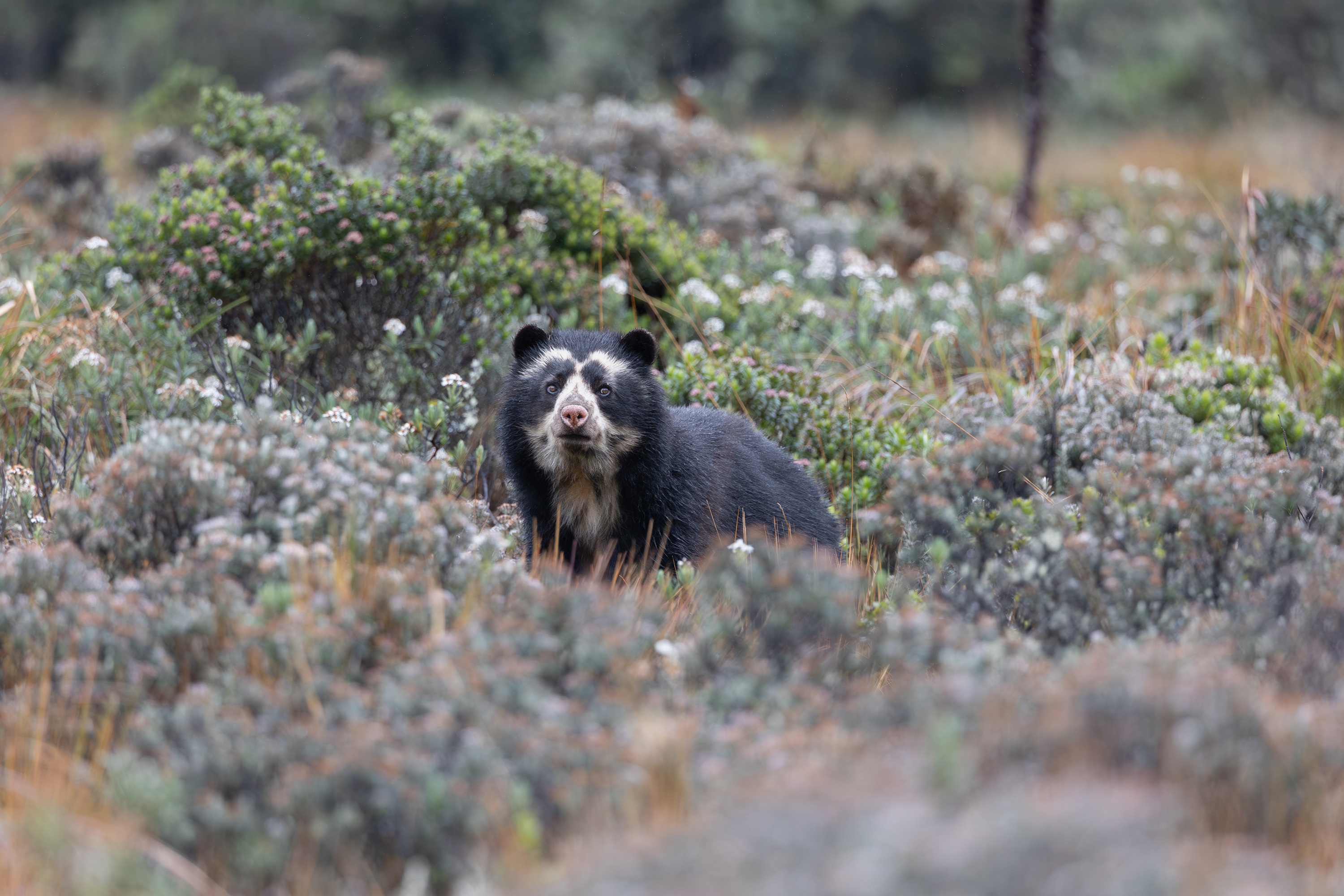
Photo: Keishpixl / Pixabay.
The long struggle to protect the páramo
One of the companies that sought to develop large-scale mining in Santurbán is Eco Oro Minerals Corp.—formerly Greystar Resources—a Canadian company that intended to establish the Angostura open-pit mine there to extract gold and silver. Between 1994 and 1995, the company acquired its mining titles and conducted exploration. And in 2010, it applied for a mining permit.
That was the year AIDA became involved in defending the ecosystem, supporting the Committee for the Defense of Water and the Santurbán Páramo. Our legal work helped convince the Colombian government to deny the mine an environmental permit in May 2011.
In January 2013, the government designated a portion of the páramo (11,700 hectares) as a Regional Natural Park. That year—together with the committee and partner organizations—we carried out a campaign and advocacy efforts to urge the government to recognize the entire Santurbán area as a páramo ecosystem through a delimitation based on scientific criteria. In December 2014, the Ministry of the Environment established a delimitation that protected 76% of the páramo (98,954 hectares).
Furthermore, as a result of a litigation supported by AIDA, in February 2016, Colombia’s highest court reaffirmed that mining in páramos is prohibited.
That same year, in December, the International Finance Corporation (IFC), the World Bank Group’s private sector arm, decided to divest from Eco Oro Minerals. This achievement was the result of a process that began in 2012, when the committee—advised and supported by AIDA and international partner organizations—filed a complaint before an independent accountability mechanism, which concluded that the IFC’s investment in the Angostura project failed to take into account the project’s social and environmental impacts, thereby contradicting the financial institution’s internal policies.
Also in 2016, Eco Oro Minerals filed an arbitration claim against the Colombian government with the International Centre for Settlement of Investment Disputes (ICSID), arguing that it had been adversely affected by government decisions aimed at protecting the country’s páramos, including the delimitation of Santurbán.
In 2017, the Constitutional Court invalidated the delimitation because the affected communities were not consulted. The high court ordered that a participatory delimitation be carried out.
And that year, a new threat to Santurbán emerged when the Canadian multinational Aris Mining applied for an environmental permit for Soto Norte, a gold mining project located near the páramo. Following citizen protests and technical objections, in October 2020, the National Environmental Licensing Authority shelved the project.
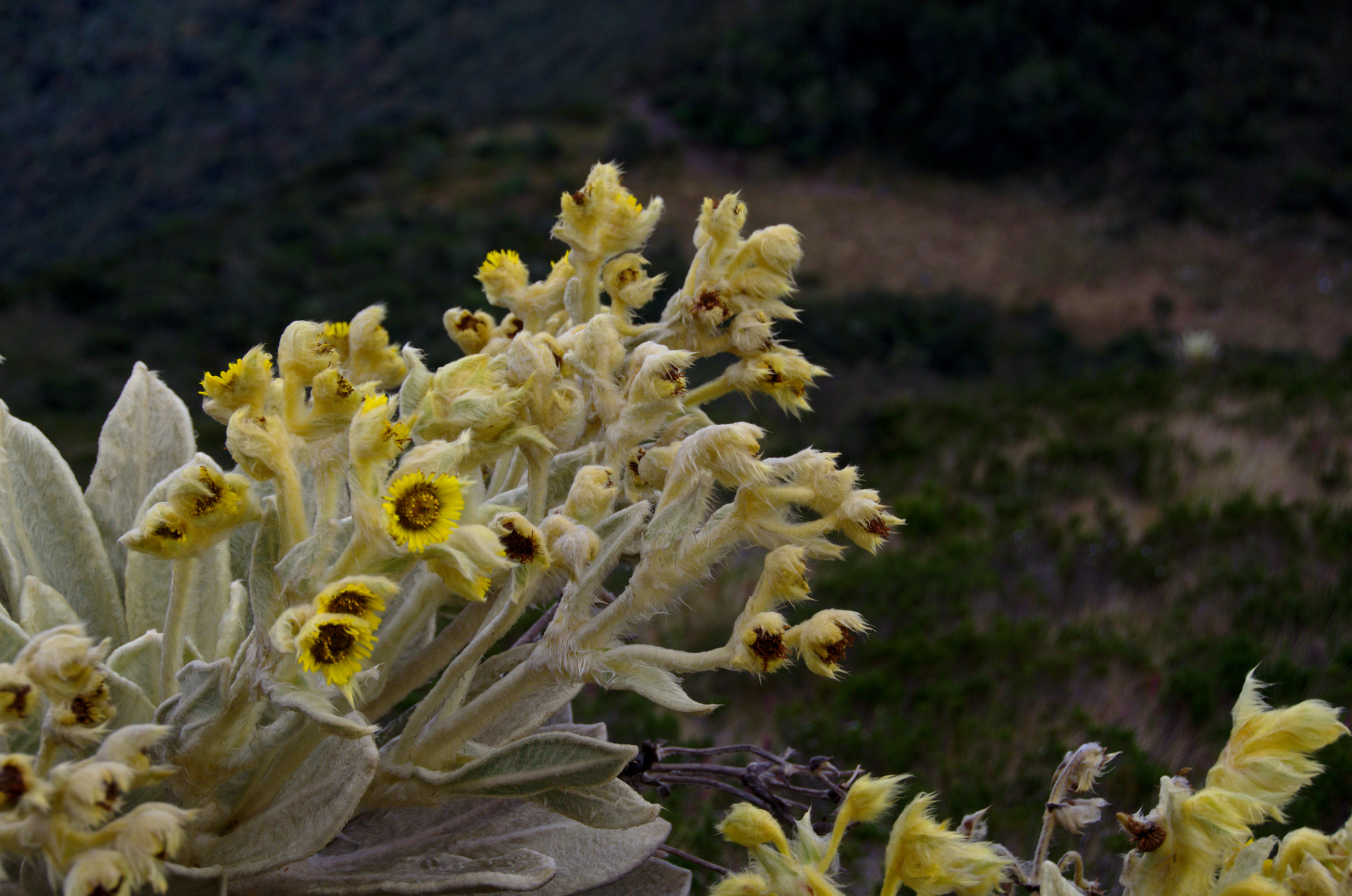
Photo: Aztlec.
Current situation
In March 2025, the Colombian government designated the western flank of the Santurbán massif as a temporary renewable natural resource reserve area, delimiting and protecting an area of 75,344.65 hectares. This resulted in a two-year suspension of the Soto Norte project. However, Aris Mining's contract to formalize Calimineros' small-scale mining activities through the purchase and processing of mineralized material remains in effect.
In addition, the Canadian mining company continues to move the project forward. In September 2025, it released its prefeasibility study, revising the mine’s original design.
Meanwhile, members of the Committee for the Defense of Water and the Santurbán Páramo face threats and stigmatization because of their work. In March 2025, UN Special Rapporteurs and the Working Group on Business and Human Rights denounced these incidents in communications sent to the governments of Colombia, Canada, and the United Arab Emirates, as well as to the companies Aris Mining and MDC Industry Holding Company LLC, the former co-owner of the Soto Norte project.
Regarding the arbitration claim filed by Eco Oro Minerals, in July 2024, ICSID ruled in favor of the Colombian government and rejected the Canadian company’s claim for USD 1.1 billion in compensation.
Concerning the delimitation of Santurbán, in July 2026, the Ministry of the Environment issued a resolution introducing the concept of "progressive delimitation." On that basis, the government proposes to progressively demarcate the páramo, covering 29,199 hectares across 19 municipalities—those where the participatory agreements required by the Constitutional Court in its 2017 ruling have already been finalized. It also proposes two measures on the creation and expansion of reserves to restrict mining in the ecosystem.
Learn more about the impacts of mining on the páramos of Latin America (in Spanish).
Partners:
Related projects

Green Climate Fund Begins Accreditation Process
2015. This is the year. Sink or swim. It’s all or nothing. Opening the Green Climate Fund’s Ninth Meeting of the Board last month, Executive Director Hela Cheikhrouhou spoke with an urgency characteristic of the lead-up to December’s UN Climate Conference in Paris, describing this year as one of the last opportunities humanity has to change course and steer a sustainable path. As we approach the signing of a new global agreement on climate change, the efficacy of the Green Climate Fund (GCF) holds particular importance. Counting now with $10.2 billion, it will serve as the primary vehicle to finance projects designed to help all societies – whether developed or developing – confront the causes, and the effects, of a changing climate. At last month’s meeting, the Fund’s Board accredited its first intermediary and implementing institutions – charged with channeling money into developing nations – and then announced plans to begin allocating its resources before the year’s end. These accreditations, in turn signaling the imminent arrival of the first project proposals, represent an important milestone in the rigorous, nearly five-year process since the Fund was first established. "This will be the ultimate test of the effectiveness of the institution," said Andrea Rodríguez Osuna, AIDA’s Senior Attorney for Climate Change, who has been monitoring the development of the Fund. "When it all comes down to it, this is the step that matters." The first seven entities accredited by the Board represent a broad geographic and thematic range, and will likely be the first to submit proposals for funding. Including organizations from Senegal to Peru, they specialize in issues such as coastal protection, biodiversity conservation, sustainable development, and improving the lives of low-income communities. While the accreditations represent an advance towards the actualization of the Fund’s mission, a number of significant organizational decisions remain under debate, or are as yet unaddressed. Among other topics on the agenda last month, the Board addressed the expected role and impact of the Fund, which will enable them to identify financing priorities, and the Initial Investment Framework, which will outline what types of projects will be financed and how they will be selected and assessed. "Alongside accreditation, these elements are essential. Without them, the Fund can’t advance toward the future, toward having more focused and productive discussions," Rodríguez explained. The criteria and methodology for the Fund’s Initial Investment Framework triggered a heated debate, which largely pitted developed against developing nations. On one side, the developed nations pushed for minimum required benchmarks that would enable simpler measurement of success; on the other side, developing nations pushed for qualitative measures with no strict requirements that would better ensure more equal access to funds. Finally, they reached a compromise, deciding to use non-mandatory indicative minimum benchmarks that would both encourage ambition and take into account the needs of those developing countries most vulnerable to the adverse effects of climate change. The Secretariat will present the proposed benchmarks for further development in about a year’s time, at the 13th meeting of the Board. Discussing the expected role and impact of the Fund, the Board came to an uncharacteristically unified decision – to keep the Initial Investment Framework under review, and to take action as needed regarding the criterion on needs of the recipient countries. Agreeing the document presented by the Secretariat lacked sufficient information, the Board requested they be presented with more technical and scientific data before beginning to outline their priorities. Notably missing from the conversation, due to lack of time, was an item particularly important to AIDA’s work, Enhanced Direct Access, which would obligate public participation in certain projects. If approved, this direct access would ensure the moreequitable involvement of all the actors working to confront the effects of a changing climate. The next meeting of the Board of the Green Climate Fund will be July 6-9 at the Fund’s headquarters in Songdo, South Korea. AIDA will be there again to monitor these issues and report back on important developments, as the world prepares for a new global climate accord, and the Green Climate Fund moves ever closer to implementation.
Read more
Citizens' petition urges Mexican government to revoke authorizations set to harm protected areas
Petition open for signatures on Change.org requests that CONANP and SEMARNAT stop the pending use of explosives in Los Tuxtlas rainforest reserve, and avoid the destruction of the country’s largest coral ecosystem, the Veracruz Reef System. Mexico City, Mexico. Along the Eastern Coast of Mexico, two of the greatest natural treasures in the state of Veracruz are at grave risk from the government-sanctioned expansion of the Port of Veracruz. In response to the shortsighted permission granted by Mexico's Secretary of the Environment and Natural Resources (SEMARNAT), the Interamerican Association for Environmental Defense (AIDA), CEMDA and other civil society organizations have joined together to support a citizens' petition requesting the authorizations be revoked and the country's natural heritage be protected. The petition, launched today on Change.org,[1] urges SEMARNAT to revoke the environmental permit granted to the Port Authority to mine basaltic rock in Los Tuxtlas Biosphere Reserve. It also asks the National Commission of Natural Protected Areas to increase protection of the Veracruz Reef System by adding it to the Montreux Record, a register of sites on the List of Wetlands of International Importance. Registering the Veracruz Reef would allow Mexico access to financial resources to help preserve it. The government authorized the extraction of two million cubic meters of basaltic rock to build the port’s new breakwater. The Los Tuxtlas Management Plan expressly prohibits the use of explosives within the Reserve, but the project requires them to release the rock. The noise and presence of workers will disrupt the habitual behavior of the reserve’s fauna, including the endangered Mexican howler monkey. Removal of rock from Los Tuxtlas will irreversibly alter the topography, vegetation and ecosystem services of the area, in addition to contravening the purposes of the Reserve. It would also increase the region’s vulnerability to climatic events such as tropical storms and hurricanes. To accommodate the port’s new footprint, the government shrunk the surface area of the protected Reef System without sufficient scientific information to understand the impact it would have.[2] The change allows the port to be built on a previously protected area of the reef. This action violates national and international standards and ignores the cumulative impacts that the project will have on the fragile ecosystem due to, among other things, increases in population and maritime traffic. The authorization granted by the Secretary of the Environment and Natural Resources would permit the construction of two breakwalls with a combined length of 7,740 meters, a main basin 800 meters in diameter, nine types of terminal docks, and 30 berths for boats. In total, the proposed enlargement of the Port of Veracruz covers an area of about 910 hectares, double the current size of the port. The removal, fragmentation and siltation of the coral reefs of the Veracruz Reef System and the disappearance of land reclaimed by the sea will irreversibly damage the health of the entirety of Mexico’s most resilient coral ecosystem. The Veracruz Reef System consists of at least 23 coral reefs of varying sizes, shapes and depth. Within its boundaries live coral ecosystems, subtidal seagrass beds, shallow marine waters, mangroves and sandy beaches. In 1992 the government declared it a Natural Protected Area, and in 2002 it was registered as a Wetland of International Importance under the Ramsar Convention, an intergovernmental treaty. The national park is the habitat of sea creatures such as dolphins and sea turtles. As a rich marine ecosystem, it supports abundant fisheries, and its incredible beauty draws sport and tourism to its shores. The coral reefs within are important climate regulators, and serve as a natural barrier against large waves and storms. In 2010, the reef protected the city of Veracruz from Hurricane Karl, a dangerous Category 4 storm.[3] For the great benefits these natural ecosystems provide, the Conserve Veracruz campaign is asking for the signatures and support of citizens around the world to urge the Mexican government to revoke the port’s environmental permit, and instead to fulfill its primary responsibility of protecting Mexico’s rich natural heritage. [1] https://www.change.org/p/semarnat-protect-the-coral-reefs-and-jungle-of-veracruz [2] The federal government issued a new decree removing protection from the Punta Gorda and Bahia Vergara reefs. [3] National Oceanic and Atmospheric Association (NOAA), United States Department of Commerce, available at: http://oceanservice.noaa.gov/podcast/feb10/dd022410transcript.html
Read more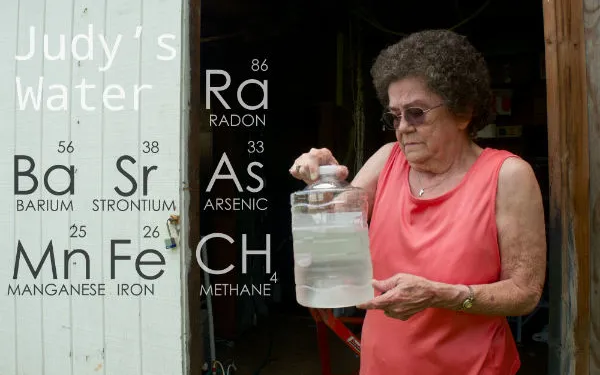
Stopping Fracking: Together We’re Stronger!
It’s an increasingly recognized reality: the world cannot burn its reserves of fossil fuels and expect the planet to be habitable. But energy companies continue extracting fossil fuels in pursuit of near-term profit, rather than adapting their business models for the sake of long-term sustainability. Already, much of the world’s reserves of easily extracted, high-quality fossil fuels have been exhausted. New horizontal drilling technology, combined with hydraulic fracturing (fracking), has made exploitation of hard-to-reach ("unconventional") oil and gas deposits possible. For a variety of reasons, fracking poses very high risks to public health and the environment. AIDA has begun working with civil society organizations and institutions to generate information, stimulate debate, and join forces to prevent the negative impacts of fracking in Latin America. The Risks of Fracking Fracking for unconventional deposits involves drilling into the ground vertically, to a depth below aquifers, and then horizontally through layers of shale rock. Then fracking fluid (a high-volume mixture of water, sand, and undisclosed chemicals) is injected at very high pressure to fracture the shale, thus releasing the oil and gas trapped inside. After fracking fluid surfaces, energy companies typically dump it into unlined ponds. The chemical soup—now also contaminated with heavy metals and even radioactive elements—seeps into aquifers and overflows into streams. The severe and irreversible damage associated with fracking includes: Exhaustion of freshwater supplies. Contamination of ground and surface waters. Air pollution from drill and pump rigs. Harms to the health of people (low birth weight, birth defects, increases in congenital heart defects, deformities, allergies, cancer, and respiratory disease) and other living things. Unregulated emissions of methane, which traps 25 times more heat than carbon dioxide. Earthquakes. Effects on subsistence activities, such as agriculture. For and Against Fracking Given these risks, France, Bulgaria, Ireland, and New York State have turned their backs on fracking, banning it or declaring a moratorium in their territories. In Latin America, however, many countries are opening their doors to fracking. Governments are doing so with little or no understanding of its impacts, and in the absence of an adequate process to inform, consult, or invite the participation of affected communities: Mexico promoted fracking through a landmark energy reform law in 2013. As of 2015, 20 wells have been drilled using this technique. Argentina has the largest number of fracking operations in the region, and the largest reserves of shale gas in America. As of 2014, there were more than 500 fracking wells in Neuquén, Chubut, and Rio Negro[6], including wells in the Auca Mahuida reserve and in Mapuche indigenous territories. In Chile, the state-owned oil company ENAP started fracking on the island of Tierra del Fuego in 2013. More drilling is planned in the coming years. Colombia and Brazil have opened public bidding and signed contracts with oil companies for exploitation of unconventional hydrocarbons through fracking. Bolivia's state-owned oil company signed an agreement in 2013 with its counterpart from Argentina to study the potential of fracking in Bolivia. Better together In October 2014, with the help of AIDA, the Regional Alliance on Fracking was formed to raise awareness, generate public debate, and prevent risks associated with the technique. The alliance seeks to ensure that the rights to life, public health, and a healthy environment are respected in Latin America. The idea for the alliance came from previous regional coordination initiatives promoted by Observatorio Petrolero Sur and the Heinrich Böll Foundation. The alliance currently consists of 33 civil society organizations and academic institutions from seven countries in the region. They are working together to: Identify fracking operations in the region, their impacts and affected communities, and promote civil society strategies to stop them. Organize workshops and virtual seminars on the impacts of fracking. Develop international advocacy strategies to stop fracking in the region. Conduct a regional outreach campaign on the issue. The alliance is strengthened by the expertise of its members, its regional scope, and the institutional support provided by organizations in each country. Given its collaborative nature, it is always open to the participation of new institutions and individuals interested in the subject. Major achievements Many civil society organizations, indigenous peoples, and institutions in the region have been working to stop fracking. They have developed strategies to generate information, raise awareness, promote public debate, and influence decision makers. Their achievements encourage us to improve coordination for greater impact throughout Latin America. Already, their efforts have resulted in: More than 30 municipal orders declaring a ban or moratorium on fracking in Argentina, Brazil, and Uruguay. Many have been based on the precautionary principle, as well as on concerns about surface and ground waters and public health. Judgments suspending contracts for fracking in Brazilian oil basins in Sao Paulo, Piauí, Bahia, and Paraná. Judges have also ordered Brazil’s National Petroleum Agency not to open further bidding until the environmental risks and impacts of fracking are sufficiently understood. Publications on the impacts of fracking, community awareness campaigns, and a bill – supported by more than 60 national deputies and nearly 20,000 people – to ban fracking in Mexico. Greater public awareness of fracking, and public debate, in Colombia and Bolivia. Through regional collaboration, AIDA will continue to make progress on preventing the impacts of fracking in our communities, and promote an energy future that is both renewable and humane.
Read more