
Project
Amazon Watch / Maíra Irigaray
The Belo Monte Dam on the Xingu River: 10 years of impacts in the Amazon and the search for reparations
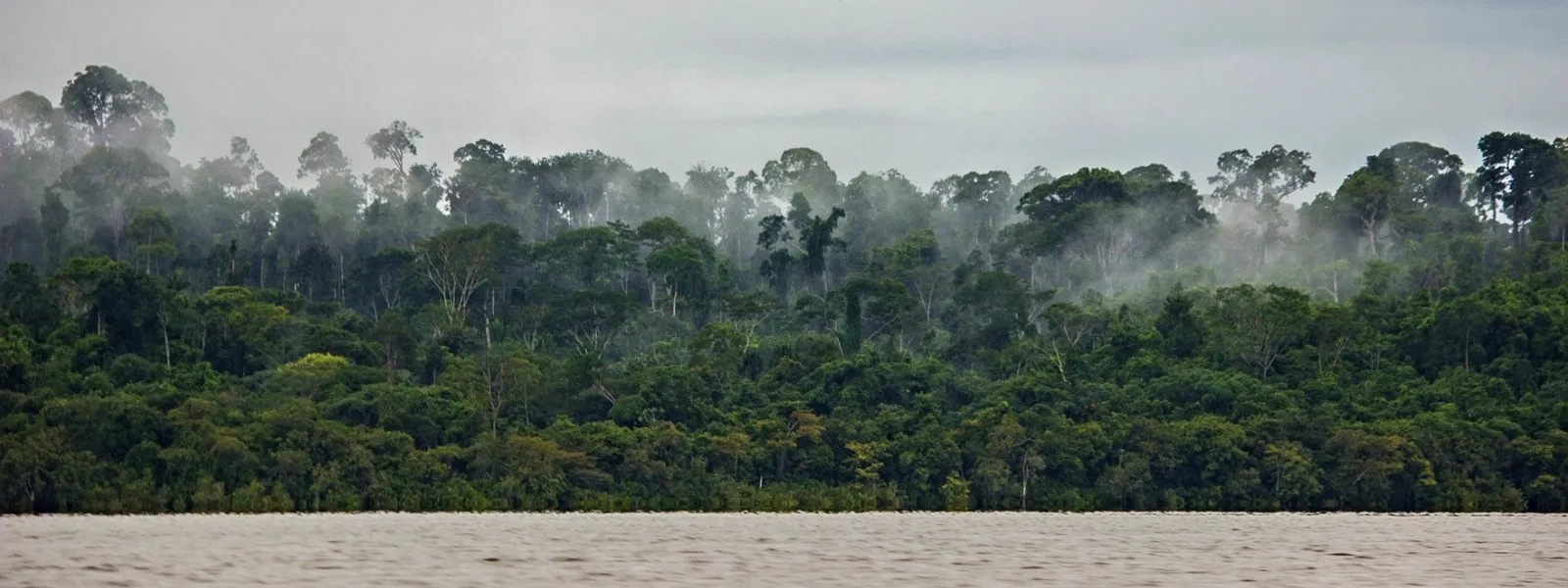
The Belo Monte Dam has caused an environmental and social disaster in the heart of the Amazon—one of the most important ecosystems on the planet.
This situation has only worsened since the hydroelectric plant began operations in 2016. The quest for justice and reparations by the affected indigenous, fishing, and riverine communities continues to this day.
In 2011, the Inter-American Commission on Human Rights (IACHR) granted them protective measures that, to date, have not been fully implemented by the Brazilian State.
Furthermore, since June of that same year, the IACHR has yet to rule on a complaint against the State regarding its international responsibility in the case.
The IACHR may refer the case to the Inter-American Court of Human Rights, which has the authority to issue a ruling condemning the Brazilian State.
After 10 years of the hydroelectric plant's operation and more than 15 years of documented human rights violations, it is time for justice to be served for the affected communities.
Read the open letter from the organizations bringing the case before the IACHR
Background
The Belo Monte hydroelectric plant—the fourth largest in the world by installed capacity (11,233 MW)—was built on the Xingu River in Pará, a state in northern Brazil.
It was inaugurated on May 5, 2016, with a single turbine. At that time, 80% of the river’s course was diverted, flooding 516 km² of land—an area larger than the city of Chicago. Of that area, 400 km² was native forest. The dam began operating at full capacity in November 2019.
Belo Monte was built and is operated by the Norte Energia S.A. consortium, which is composed primarily of state-owned companies. It was financed by the Brazilian Development Bank (BNDES), which provided the consortium with 25.4 billion reais (approximately US$10.16 billion), the largest investment in the bank’s history. Therefore, the BNDES is also legally responsible for the socio-environmental impacts associated with the hydroelectric plant.
Decades of harm to the environment and people
Human rights violations and degradation of the Amazon have been occurring since the project’s inception. In March 2011, Norte Energía began construction of the dam without adequate consultation and without the prior, free, and informed consent of the affected communities.
The construction caused the forced displacement of more than 40,000 people, severing social and cultural ties. The resettlement plan in Altamira—a city directly affected by the hydroelectric dam—involved housing units located on the outskirts, lacking adequate public services and decent living conditions for the relocated families, with no special provisions for those from indigenous communities.
Belo Monte's operations have caused a permanent, man-made drought in the Volta Grande (or "Great Bend") of the Xingu River, exacerbated by the historic droughts in the Amazon in 2023 and 2024. As a result, the deaths of millions of fish eggs were documented for four consecutive years (from 2021 to 2024), and for the past three years, there has been no upstream migration of fish to spawn and reproduce. Thus, artisanal fishing, the main source of protein for indigenous peoples and riverside communities, was severely affected: fish dropped from 50% to 30% of total protein consumed, replaced by processed foods. In summary, there was an environmental and humanitarian collapse that resulted in the breakdown of fishing as a traditional way of life, food insecurity, and access to drinking water for thousands of families, impoverishment, and disease.
Furthermore, the construction of the dam increased deforestation and intensified illegal logging and insecurity on indigenous and tribal lands, putting the survival of these communities at risk. Another consequence was the deepening of poverty and social conflicts, as well as the strain on health, education, and public safety systems in Altamira—a city ranked as the most violent in the country in 2017, where human trafficking and sexual violence increased. Violence was also reported against human rights defenders involved in the case.
In 2025, during the 30th UN Climate Change Conference (COP30), held in Brazil, the Federal Public Prosecutor’s Office labeled the damage caused by the Belo Monte dam as ecocide.
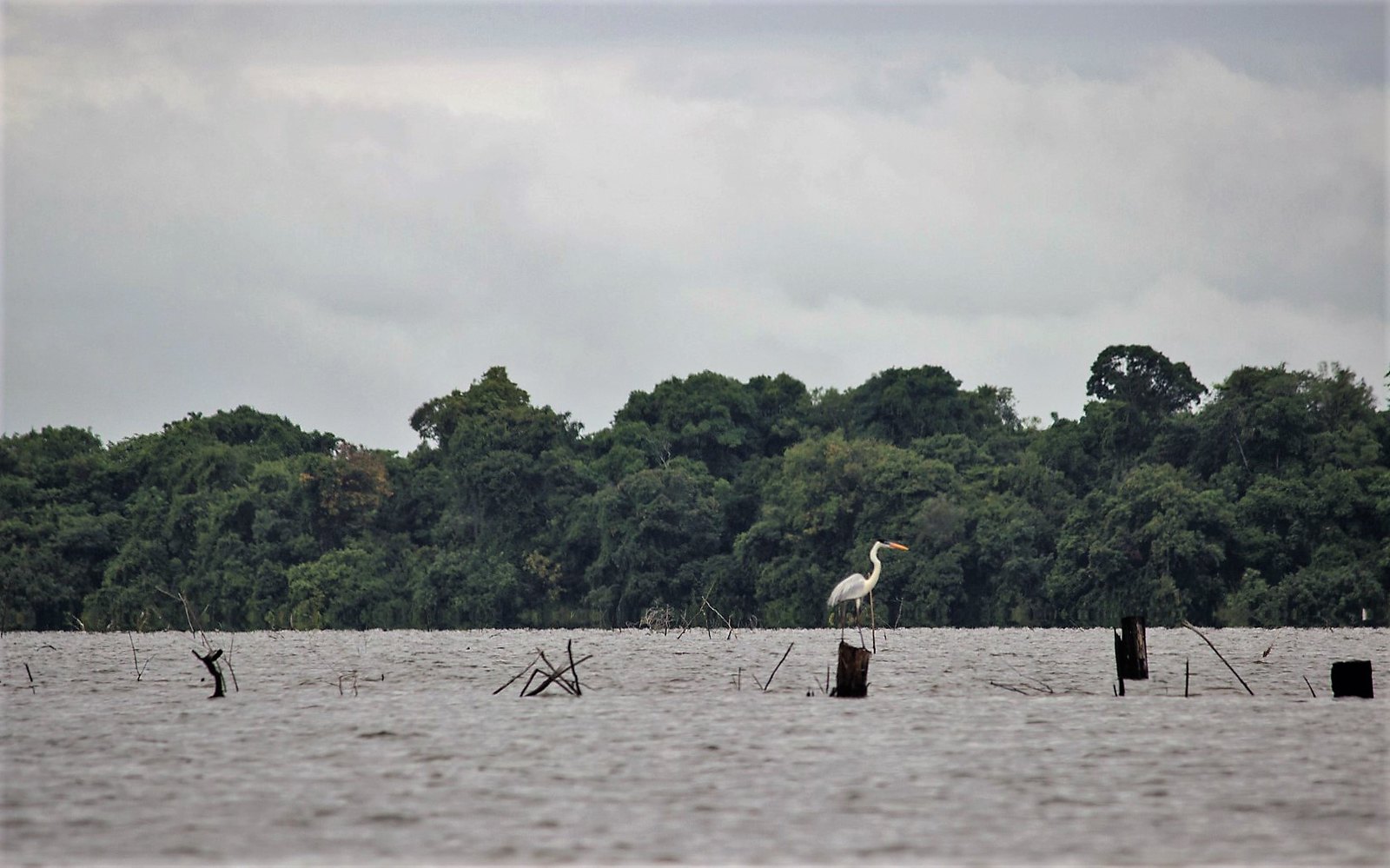
Photo: Amazon Watch / Maíra Irigaray.
The search for justice and reparations
Over the years, the Federal Public Prosecutor’s Office in Pará, the Public Defender’s Office, and civil society organizations have filed dozens of legal actions in Brazilian courts to challenge the project’s various irregularities and its impacts. Most of the claims are still pending resolution, some for more than 10 years.
These efforts have failed because the national government has repeatedly overturned rulings in favor of the affected communities by invoking a mechanism that allowed a court president to suspend a judicial decision based solely on generic arguments such as "the national interest" or "economic order."
In the absence of effective responses at the national level, AIDA, together with a coalition of partner organizations, brought the case before the Inter-American Commission on Human Rights (IACHR) and, in 2010, requested precautionary measures to protect the lives, safety, and health of the affected indigenous communities.
On April 1, 2011, the IACHR granted these measures and requested that the Brazilian government suspend environmental permits and any construction work until the conditions related to prior consultation and the protection of the health and safety of the communities are met.
And on June 16, 2011 —together with the Xingu Vivo Para Sempre Movement, the Coordinating Committee of Indigenous Organizations of the Brazilian Amazon, the Diocese of Altamira, the Indigenous Missionary Council, the Pará Society for the Defense of Human Rights and Global Justice— we filed a formal complaint against the Brazilian State for its international responsibility in the violation of the human rights of the people affected in the case. The case was opened for processing in December 2015.
On August 3, 2011, the IACHR amended the precautionary measures to request, instead of the suspension of permits and construction, the protection of people living in voluntary isolation, the health of indigenous communities, and the regularization and protection of ancestral lands.
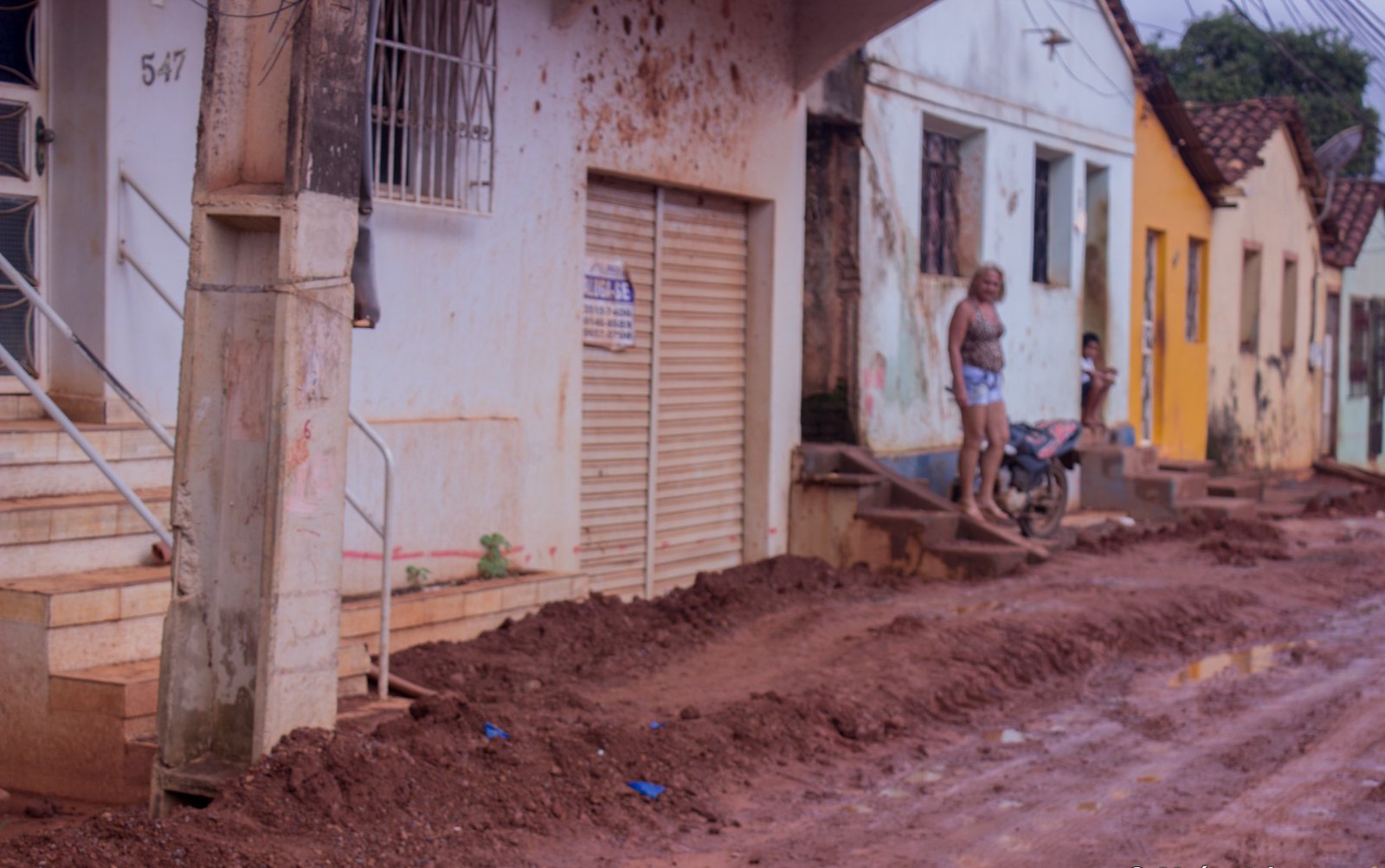
Photo: Amazon Watch / Maíra Irigaray.
Current situation
The protective measures granted by the IACHR remain in effect, but the Brazilian government has not fully complied with them, reporting only on general actions. The communities have documented the ongoing violations of their rights. The situation that prompted the request for these measures—the risk to the lives, physical integrity, and ways of life of the communities—persists and has worsened with the hydroelectric plant operating at full capacity and the recent extreme droughts in the Amazon.
In addition to the impacts of Belo Monte, there is a risk of further social and environmental impacts from the implementation of another mining megaproject in the Volta Grande do Xingu. There, the Canadian company Belo Sun plans to build Brazil’s largest open-pit gold mine.
The combined and cumulative impacts of the dam and the mine were not assessed. The government excluded Indigenous peoples, riverine and peasant communities from the project’s environmental permitting process. Despite protests by Indigenous communities and other irregularities surrounding the project, the government of Pará formally authorized the mine in April 2026.
Like other hydroelectric dams, Belo Monte exacerbates the climate emergency by generating greenhouse gas emissions in its reservoir. And it is inefficient amid the longer, more intense droughts caused by the crisis, as it loses its ability to generate power.
The case before the Inter-American Commission
In October 2017, the IACHR announced that it would rule jointly on the admissibility (whether the case meets the requirements for admission) and the merits (whether a human rights violation actually occurred) of the international complaint against the Brazilian State.
Fifteen years after the complaint was filed, the affected communities and the organizations representing them are still awaiting this decision. If the IACHR concludes that human rights violations occurred and issues recommendations that the Brazilian State fails to comply with, it may refer the case to the Inter-American Court of Human Rights, whose rulings are binding.
A potential ruling by the international court in this case would set a regional legal precedent regarding the rights of indigenous and riverine peoples, public participation in megaprojects, and state responsibility in the context of the climate crisis—a precedent that is particularly relevant in light of the Court’s Advisory Opinion No. 32, which reaffirmed the obligations of States to protect the people and communities of the continent from the climate emergency.
Partners:
Related projects
Federal Judge Suspends Construction of the La Parota Hydroelectric Project!
FOR IMMEDIATE RELEASE August 28, 2007 CONTACT: Claudia Gómez-Portugal, (5255) 5268-3323 ext. 23, [email protected] Federal Judge Suspends Construction of the La Parota Hydroelectric Project! Mexico DF. August 28, 2007 - On August 14th, a federal judge in Acapulco, in the state of Guerrero, ordered the temporary suspension of all work related to the La Parota Hydroelectric Project, in response to an accion de amparo (similar to an injunction) filed by small-scale farmers in the Community of Common Goods of Cacahuatepec. The farmers are represented by the Mexican Center for Environmental Law (CEMDA). The judge granted the suspension to prevent irreversible damage to the farmers’ constitutional rights to a healthy environment, a fair trail, and adequate judicial protection . The judge also accepted the amparo on the grounds that these rights could be violated by the environmental impact assessment authorization granted by SEMARNAT, and the water concession for the Papagayo River granted to the Federal Electricity Commission (CFE) by the National Water Commission to construct the hydroelectric project. Once completed, this dam will tower more than 700 feet high and have a capacity of 30 megawatts. It will flood approximately 41,000 acres of land, affecting more than 25,000 small farmers. “The suspension of La Parota is an important precedent in Mexico, because it places protection of the environment ahead of a very large infrastructure project, and enables the public interest to be protected,” asserted Xavier Martínez Esponda, a CEMDA lawyer. “Constructing the dam would cause grave and irreversible damage to the low and medium deciduous forests, impacting hundreds of threatened and endangered plant and animal species. It would also affect the quality and quantity of water in the Papagayo River, in addition to impacting the communities in the region,” he noted. In the amparo, the farmers allege that both the General Law of Ecological Equilibrium and Environmental Protection (LGEEPA) and the National Water Law (LAN) are unconstitutional because they do not allow the affected communities to participate in the procedures to grant the authorizations. This, in turn, violates their individual constitutional rights which grant that no one can be deprived of their life, liberty, property, possessions or rights without a fair trial. In this case, the authorities granted the environmental impact authorization and water concession without notifying the communities, despite the fact that these decisions would affect their lands and their right to water. “The goal of the injunction is to permanently suspend the unconstitutional construction of the dam. If the dam is constructed, the farmers would lose their lands, be displaced from their town, and additional irreversible social and environmental harm would take place. Therefore, this legal action attempts to prevent, as occurs in many cases, the development of a large-scale infrastructure project without adequate compensation and indemnization,” explains Astrid Puentes Riaño, Legal Director of AIDA. Past projects implemented by CFE have not included fair compensation, and when they were granted, did so long after the damages occurred. This injunction brought suit against eight government authorities, including the President of the Republic, the Federal Congress, the National Water Commission, the Secretary of the Environment and Natural Resources, and the Federal Electricity Commission. The decisions of each of these authorities are directly involved in the illegalities and violations of rights alleged in this legal action.
Read moreIACHR Forwards La Oroya Human Rights Petition to Peruvian Government for Comment
For immediate release: April 24, 2007 PRESS CONTACTS: Astrid Puentes, AIDA (+5255) 52120141 [email protected] Martin Wagner, Earthjustice (510) 550-6700 [email protected] Carlos Chirinos (+511) 422-2720 [email protected] U.S. Smelter's Pollution Now Human Rights Issue for Peru IACHR to Examine Peru’s Responsibility for Contamination from Doe Run Corp. Facility WASHINGTON DC, LIMA – The Inter-American Commission on Human Rights (a division of the Organization of American States) forwarded a petition alleging human rights violations to the Government of Peru, giving them two months to respond. The petition asserts that severe contamination from a smelter owned by U.S.-based Doe Run Corporation, and lack of effective pollution and human health controls by the government, gravely threaten the rights of the residents of La Oroya, Peru, including their rights to life, health, and integrity. “This first step by the IACHR is good news,” assured Carlos Chirinos, an attorney with the Peruvian Society for Environmental Defense (SPDA), an organization that has been associated with the case since its inception, and one of the lawyers representing the community. “It shows the strength of our petition, and is a positive step in the process to identify the government’s responsibilities.” The IACHR determined that the petition, prepared by Earthjustice, the Interamerican Association for Environmental Defense (AIDA), the Center for Human Rights and Environment (CEDHA), and Peruvian lawyer, Carlos Chirinos, met the Commission’s procedural requirements and forwarded it to the Peruvian government last week. According to the Commission’s rules, after this two-month period the IACHR will take into account Peru’s comments in evaluating the admissibility of the case, determining whether the contamination violates human rights, and the resulting responsibilities of the Peruvian government. The Commission is simultaneously evaluating a request by these groups for precautionary measures to address the urgent health threats to the citizens in La Oroya. “We are now waiting for the government’s comments on the petition, as well as a decision by the Commission on the request for precautionary measures. These measures could help considerably to provide effective protection for the people’s human rights in La Oroya,” added Astrid Puentes of AIDA. The precautionary measures requested include: adequate diagnosis and medical treatment for the persons represented, education programs and efficient access to information, effective emissions and contamination controls, an evaluation of contamination in key areas of the city, and implementation of adequate clean-up measures. According to Martin Wagner of Earthjustice, the goal of the precautionary measures is “to improve human rights conditions for the people we represent in La Oroya, and ensure that those responsible take definitive action to control the contamination.”
Read moreAIDA and Participating Organizations Submit La Oroya Petition to the Inter-American Commission on Human Rights
FOR IMMEDIATE RELEASE: March 21, 2007 Press Contacts: Astrid Puentes, AIDA (+5255) 52120141 [email protected] Luis Eduardo Cisneros (+511) 422-2720 [email protected] Martin Wagner (510) 550-6700 [email protected] Inter-American Commission on Human Rights to Examine Responsibility for Violations at La Oroya, Peru Children breathe sulfur dioxide pollution at 300 times level permitted by WHO Lima, Peru, Washington, D.C. — Public health and environmental organizations from throughout the Western Hemisphere today announced the filing of a petition with the human rights division of the Organization of American States in Washington, D.C. The petition accuses the Peruvian government of doing little to halt contamination from a metallurgical complex that is impacting the lives and health of the citizens of La Oroya, Peru. The petition’s filing was announced at a press conference in Lima, Peru this morning by Carlos Chirinos of the Sociedad Peruana de Derecho Ambiental (SPDA), Astrid Puentes of the Interamerican Association Environmental Defense (AIDA), Earthjustice, and the Centro de Derechos Humanos y Ambiente (CEDHA). The petition claims the Peruvian government failed to place pollution controls on the metallurgical complex that operates in La Oroya, a situation that tramples on the human rights of the town’s citizens. Located in the city of La Oroya, some 175 kms from Lima, the complex has been operating for 80 years. Doe Run Peru, a subsidiary of Doe Run Company of St. Louis, Missouri, USA owns the complex. Recent monitoring of air quality – performed by Doe Run itself – has shown that daily average sulfur dioxide levels are between 80 and 300 times the maximum level permitted by the World Health Organization. The Blacksmith Institute even declared the city of La Oroya one of the Top Ten Most Polluted cities in the world. The petition asks the Inter-American Commission on Human Rights (IACHR) to recommend that the Peruvian government implement urgent measures to halt the grave violations against the health and lives of the citizens of La Oroya. Learn more about the conditions in La Oroya by watching a short film: http://www.youtube.com/v/gY6WXa9aKrM More Background http://www.aida-americas.org/en/project/doerun_en Read a copy of the petition here (in Spanish).
Read more