
Project
Amazon Watch / Maíra Irigaray
Barragem de Belo Monte no rio Xingu: 10 anos de impactos na Amazônia e de busca por reparações
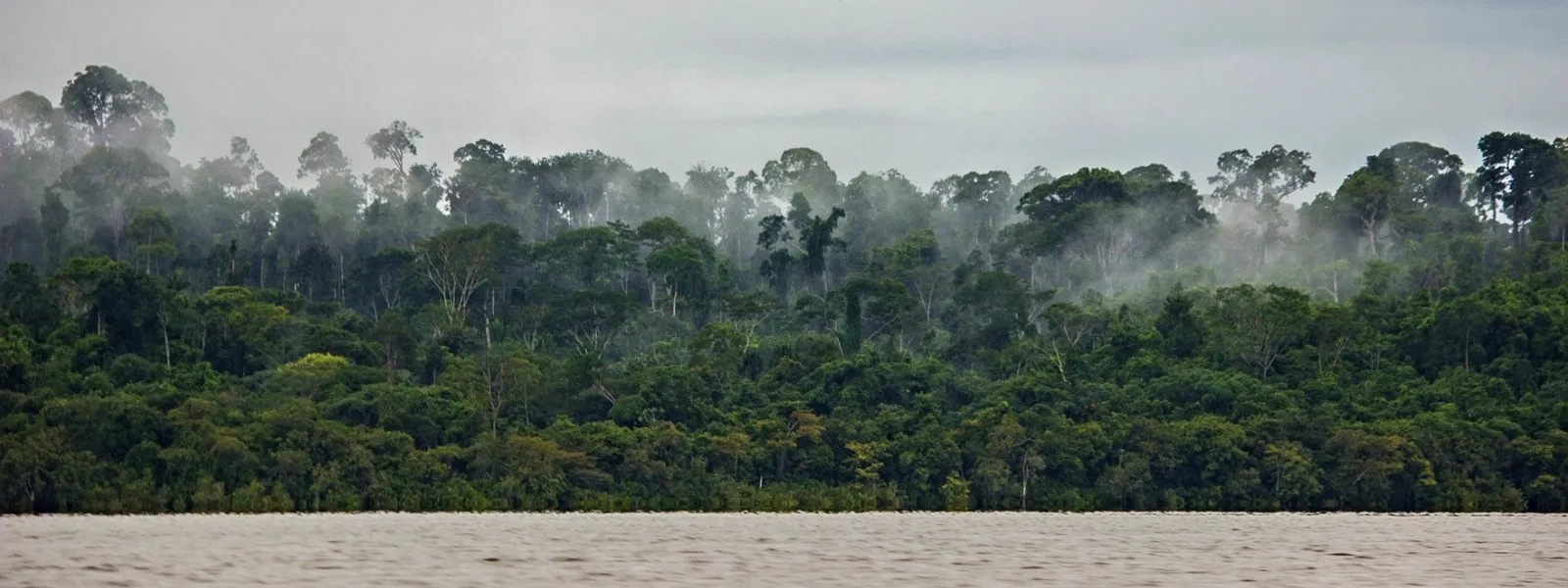
A usina hidrelétrica de Belo Monte causou um desastre ambiental e social no coração da Amazônia: um dos ecossistemas mais importantes do planeta.
Essa situação só piorou desde que a usina começou a operar em 2016. A busca por justiça e reparação para as comunidades indígenas e ribeirinhas afetadas continua até hoje.
Em 2011, a Comissão Interamericana de Direitos Humanos (CIDH) concedeu a essas comunidades medidas de proteção, que até hoje não foram totalmente implementadas pelo Estado brasileiro.
E, desde junho daquele mesmo ano, a CIDH mantém um processo contra o Estado por sua responsabilidade internacional no caso.
A CIDH pode encaminhar o caso à Corte Interamericana de Direitos Humanos, que tem o poder de emitir uma sentença condenatória contra o Estado brasileiro.
Consulta o expediente de fatos do caso
Após 10 anos de operação da usina hidrelétrica e mais de 15 anos de violações de direitos humanos documentadas, é hora da justiça ser feita para as comunidades afetadas.
Leia a carta aberta das organizações que levam o caso à CIDH
Leia nosso comunicado à imprensa
Contexto
A usina hidrelétrica de Belo Monte — a quarta maior do mundo em capacidade instalada (11.233 MW) — foi construída no rio Xingu, no estado do Pará, norte do Brasil.
Foi inaugurada em 5 de maio de 2016, com uma única turbina. Naquela época, 80% do curso do rio foi desviado e 516 km² de terra foram inundados, uma área maior que a cidade de Chicago. Desse total, 400 km² eram de mata nativa. A usina começou a operar em plena capacidade em novembro de 2019.
Belo Monte foi construída e é operada pelo consórcio Norte Energia S.A., composto principalmente por empresas estatais. Foi financiada pelo Banco Nacional de Desenvolvimento Econômico e Social (BNDES), que aportou ao consórcio 25,4 bilhões de reais (aproximadamente US$ 10,16 bilhões), o maior investimento de sua história. Portanto, o BNDES também é legalmente responsável pelos impactos socioambientais associados ao projeto hidrelétrico.
Décadas de danos ambientais e humanos
As violações dos direitos humanos e a degradação da Amazônia remontam ao início do projeto. Em março de 2011, a Norte Energia iniciou a construção da barragem sem consulta adequada e sem o consentimento prévio, livre e informado das comunidades afetadas.
A construção levou ao deslocamento forçado de mais de 40.000 pessoas, rompendo laços sociais e culturais. O plano de reassentamento em Altamira — cidade diretamente afetada pelo projeto hidrelétrico — incluía moradias na periferia da cidade, sem serviços públicos adequados, moradias dignas para as famílias reassentadas e moradias diferenciadas para aqueles pertencentes a comunidades indígenas.
A operação da barragem de Belo Monte impôs uma seca permanente e artificial na Volta Grande do rio Xingu, agravada pelas secas históricas na Amazônia em 2023 e 2024. Como resultado, a morte de milhões de ovos de peixe foi documentada por quatro anos consecutivos (de 2021 a 2024) e, nos últimos três anos, não houve migração de peixes rio acima para desovar e se reproduzir. Assim, a pesca artesanal, principal fonte de proteína para os povos indígenas e comunidades ribeirinhas, foi severamente afetada: o consumo de peixe caiu de 50% para 30% do total de proteínas consumidas, sendo substituído por alimentos processados. Em suma, houve um colapso ambiental e humanitário que resultou no colapso da pesca como modo de vida tradicional, insegurança alimentar e falta de acesso à água potável para milhares de famílias, empobrecimento e doenças.
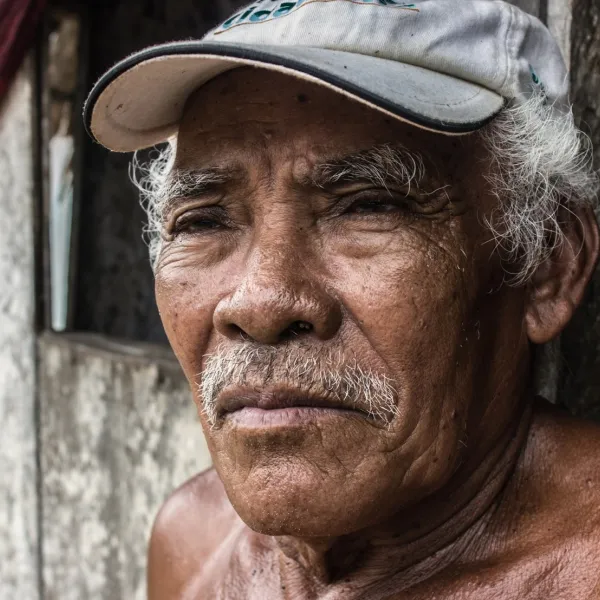
Além disso, a construção da barragem aumentou o desmatamento e intensificou a extração ilegal de madeira e a insegurança em terras indígenas e tribais, colocando em risco a sobrevivência dessas comunidades. Outra consequência foi o agravamento da pobreza e dos conflitos sociais, bem como a sobrecarga dos sistemas de saúde, educação e segurança pública em Altamira, cidade considerada a mais violenta do país em 2017, onde houve aumento do tráfico de pessoas e da violência sexual. Também foram registrados casos de violência contra defensores de direitos humanos envolvidos no caso.
Em 2025, durante a 30ª Conferência das Nações Unidas sobre Mudanças Climáticas (COP30), realizada no Brasil, o Ministério Público Federal classificou os danos causados por Belo Monte como ecocídio.
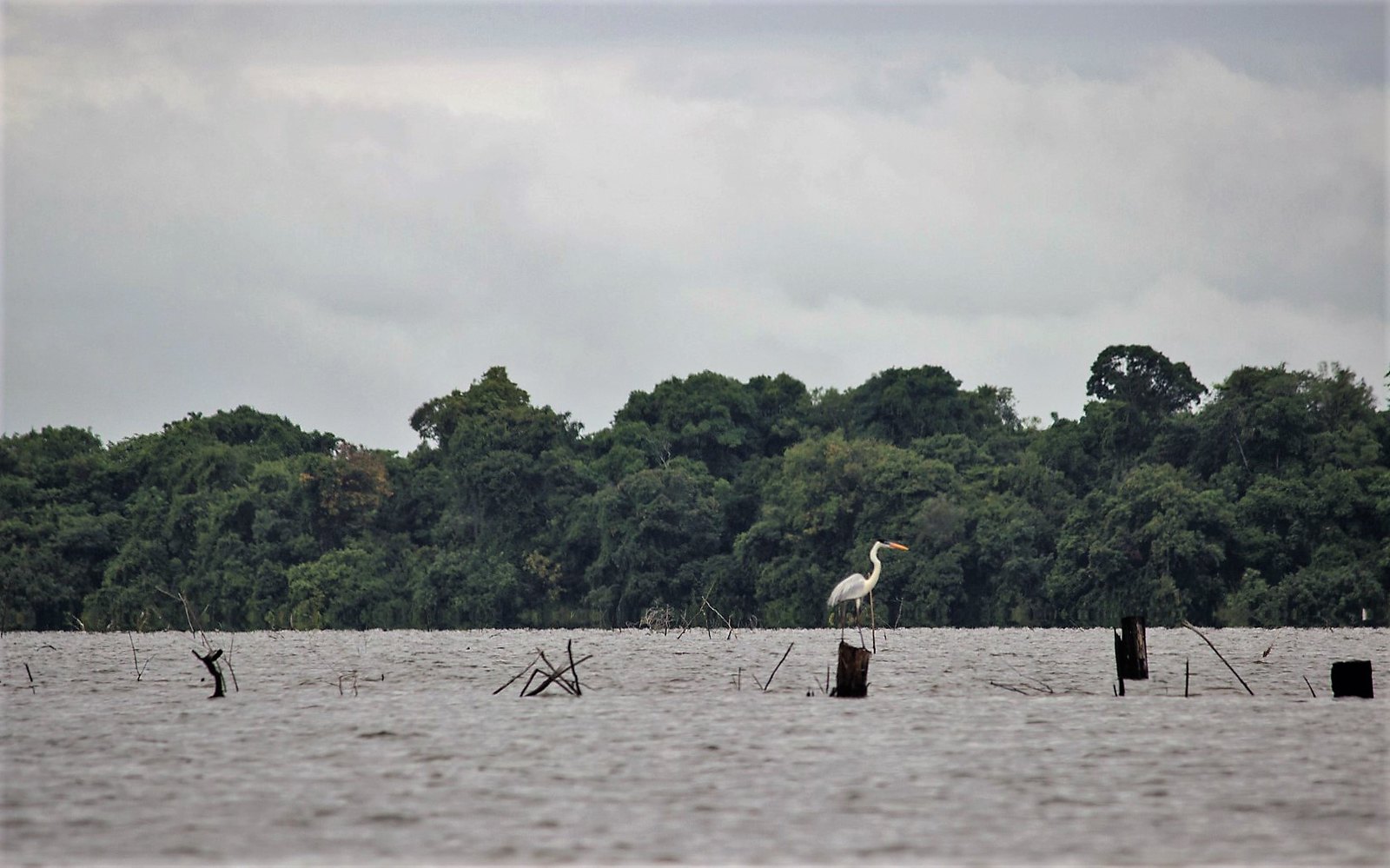
Foto: Amazon Watch / Maíra Irigaray.
A busca por justiça e reparação
Ao longo dos anos, o Ministério Público Federal do Pará, a Defensoria Pública e organizações da sociedade civil impetraram dezenas de ações judiciais em tribunais brasileiros para contestar as diversas irregularidades do projeto, bem como seus impactos. A maioria das ações permanece sem solução, algumas há mais de 10 anos.
Essas ações não obtiveram sucesso porque o governo federal tem reiteradamente anulado decisões favoráveis às comunidades afetadas, recorrendo a um mecanismo pelo qual o presidente do Supremo Tribunal Federal pode suspender uma decisão judicial com base unicamente em argumentos genéricos como "interesse nacional" ou "ordem econômica".
Diante da falta de respostas eficazes em nível nacional, a AIDA — juntamente com uma coalizão de organizações aliadas — levou o caso à Comissão Interamericana de Direitos Humanos (CIDH) e, em 2010, solicitou medidas cautelares para proteger a vida, a integridade e a saúde das comunidades indígenas afetadas.
Em 1º de abril de 2011, a CIDH concedeu essas medidas e solicitou ao Estado brasileiro a suspensão das licenças ambientais e de quaisquer obras de construção até que as condições relativas à consulta prévia e à proteção da saúde e integridade das comunidades fossem atendidas.
E, em 16 de junho de 2011, apresentamos uma denúncia formal à CIDH — juntamente com o Movimento Xingu Vivo Para Siempre, a Coordenação das Organizações Indígenas da Amazônia Brasileira, a Diocese de Altamira, o Conselho Missionário Indígena, a Sociedade Pará de Defesa dos Direitos Humanos e a Global Justice — contra o Estado brasileiro por sua responsabilidade internacional nas violações de direitos humanos contra os povos afetados neste caso. A denúncia foi apresentada em dezembro de 2015.
Em 3 de agosto de 2011, a CIDH modificou as medidas cautelares para solicitar — em vez da suspensão de licenças e obras — a proteção dos povos que vivem em isolamento voluntário, a saúde das comunidades indígenas e a regularização e proteção das terras ancestrais.
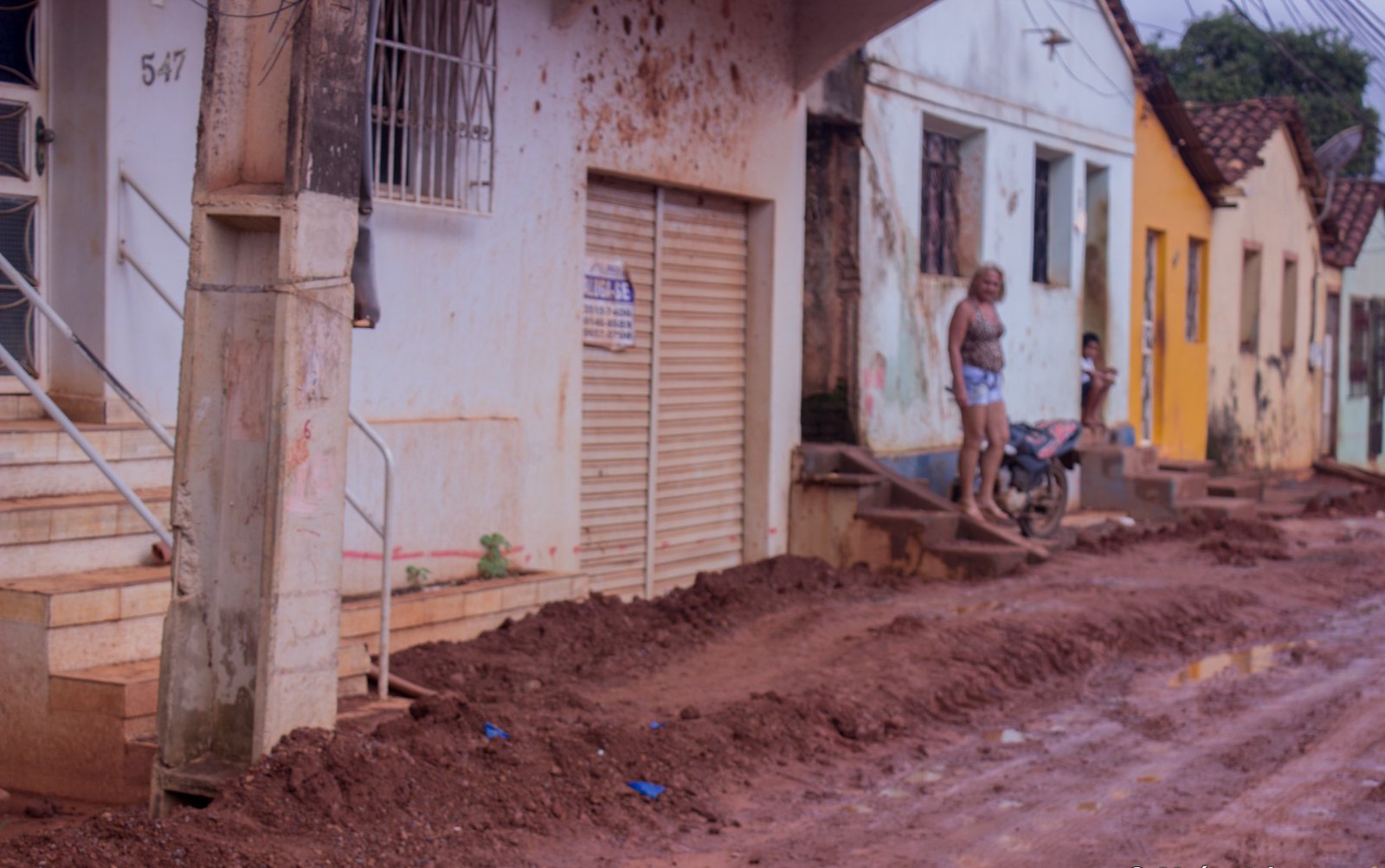
Foto: Amazon Watch / Maíra Irigaray.
Situação atual
As medidas de proteção concedidas pela CIDH permanecem em vigor, mas o Estado brasileiro não as cumpriu integralmente, relatando apenas ações genéricas. As comunidades documentaram as contínuas violações de seus direitos. A situação que motivou o pedido dessas medidas — o risco à vida, à segurança e aos meios de subsistência das comunidades — persiste e se agravou com a usina hidrelétrica operando em plena capacidade e com as recentes secas extremas na Amazônia.
Além do ocorrido em Belo Monte, existe o risco de maiores danos sociais e ambientais decorrentes da implementação de outro megaprojeto de mineração na Volta Grande do Xingu. Lá, a empresa canadense Belo Sun pretende construir a maior mina de ouro a céu aberto do Brasil.
Os impactos sinérgicos e cumulativos da usina e da mina não foram avaliados. O Estado excluiu povos indígenas, comunidades ribeirinhas e comunidades camponesas do processo de licenciamento ambiental do projeto. Apesar disso, dos protestos indígenas e de outras irregularidades em torno do projeto, o governo do estado do Pará autorizou formalmente a mina em abril de 2026.
Belo Monte, assim como outras usinas hidrelétricas, agrava a emergência climática ao gerar emissões de gases de efeito estufa em seu reservatório. Além disso, é ineficiente diante das secas prolongadas e intensas causadas pela crise, pois perde capacidade de geração de energia.
O caso perante a Comissão Interamericana
Em outubro de 2017, a CIDH anunciou que decidiria conjuntamente sobre a admissibilidade (se o caso preenche os requisitos para admissão) e o mérito (se houve, de fato, violação de direitos humanos) da denúncia internacional contra o Estado brasileiro.
Quinze anos após a apresentação da denúncia, as comunidades afetadas e as organizações que as representam ainda aguardam essa decisão. Caso a CIDH conclua que houve violações de direitos humanos e emita recomendações que o Estado brasileiro não cumpra, poderá encaminhar o caso à Corte Interamericana de Direitos Humanos, cujas decisões são vinculativas.
Uma possível decisão da Corte Internacional de Direitos Humanos neste caso estabeleceria um precedente jurídico regional em relação aos direitos dos povos indígenas e ribeirinhos, à participação pública em megaprojetos e à responsabilidade do Estado no contexto da crise climática. Isso é particularmente relevante à luz do Parecer Consultivo nº 32 da Corte, que reafirmou as obrigações dos Estados de proteger pessoas e comunidades em todo o continente da emergência climática.
Partners:
Related projects
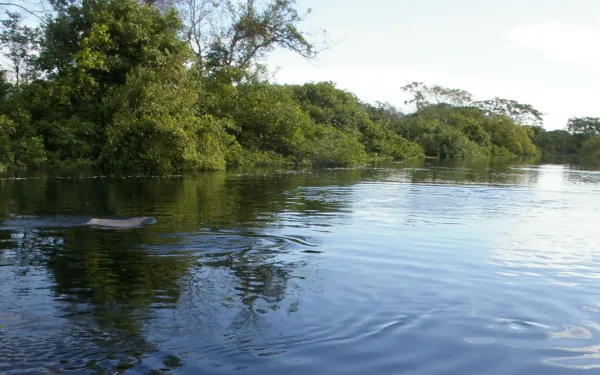
International tribunal supports indigenous struggle for the Amazon
“The most beautiful jungle in the world,” wrote Alcides D’orbigny, a French biologist, of the Isiboro Sécure Indigenous Territory and National Park (known locally as Tipnis, for its Spanish initials) in the 1830s. Located between the departments of Beni and Cochabamba, Tipnis is a natural protected area that extends over 12,363 square kilometers of Bolivian Amazon. It’s one of the world’s most biodiverse sites and home to many indigenous cultures—among them the Mojeño Trinitarios, the Tsiman and the Turacaré. Despite its recognition as a National Park and Indigenous Territory, the area has for decades been threatened by a proposed highway that would effectively divide it in two. The construction would cause grave social and environmental damages, some of which have already occurred—two of three proposed stretches of road have already been built. As long as the highway has been proposed, the indigenous people of Tipnis have stood strong in their resistence, calling to protect the rainforest and the life it holds. Their efforts paid off last month in a precedent-setting legal victory for the protection of human rights and the environment. The International Rights of Nature Tribunal ruled that the Bolivian State had “violated” the rights of nature and of the indigenous people that inhabit Tipnis by encouraging the highway’s construction. The Tribunal was created in April 2010 at the People’s Conference on Climate Change and the Rights of Mother Earth, when the Universal Declaration of Rights of Mother Earth was also signed. Its role is to establish and investigate any violation of the rights outlined in the Declaration and found in the internal laws of each country. The Tribunal determines whether there was a violation and, if so, who was responsible. It emits recommendations, advisory opinions, and can determine provisional measures. Indigenous defense of the Bolivian Amazon The proposed highway through Tipnis has spurred strong indigenous resistance, and has also caused great suffering. The most painful incident happened in 2011 when more than 100 indigenous people marching on La Paz, headquarters of the Bolivian government, were brutally repressed by police. Despite the conflict, that demonstration achieved the enactment of a law that bestowed the national park the status of “intangible zone” or absolute reserve. Unfortunately, six years later, that law was null and void when the government enacted a new law through more expeditious process. Tipnis indigenous representatives denounced this and other acts before the International Rights of Nature Tribunal, which agreed to consider the case in January 2018, and then sent an international commission of observers to visit the zone and interview stakeholders. Indigenous representatives denounced that, despite being a single roadway, the project was actually presented separately, in three separate phases. Currently, only the final section remains unconstructed. Other irregularities included the awarding of the project to a Brazilian company without first completing an environmental impact assessment, and the lack of adequate consultation with affected indigenous communities. The Tribunal's sentence, issued May 15, finds the Bolivian government responsible for rights violations and calls for immediate compliance with measures including: Definitively stopping of any progress on construction; Recognizing the faculties of indigenous peoples to guarantee their control in Tipnis, including territorial autonomy and the right to prior consultation; Annuling a law that removed the status of intangible zone from Tipnis; Stopping the advance of colonization toward the central zone of the national park; Canceling plans for oil expansion on the site; Effectively applying the law to guarantee the protection of the rights of Mother Earth; and Guaranteeing indigenous peoples their fundamental role as defenders of Mother Earth. What’s next for Tipnis? Although the Tribunal’s judgment is not binding, it is a precedent established by a recognized and ethical court. For this reason, the Coordinator of Indigenous Organizations of the Amazon River Basin—an international indigenous organization—announced it would use the ruling as an instrument of proof to bring the case before the Inter-American Commission on Human Rights. The situation in Tipnis is complex. While construction of the missing section was suspended after losing credit for its execution, some actors continue to defend the road as fundamental to connecting the center and the north of the country, facilitating access to basic services and other development opportunities for the communities of Tipnis. The other side of that argument is the extensive environmental degradation to an area rich in biodiversity—acknowleding that the road would be just the beginning of activities within the protected area. I don’t believe anyone has the absolute answer. And so my analysis isn’t about making a value judgment, but about complying with the law, which resides in reason and justice. Although part of the road is constructed, there is much more to go, and so the resistance continues. The Tribunal’s decision can and should be used as an added impulse toward protecting the land. In the end, every effort is worthwhile knowing that the destruction of such a valuable natural ecosystem represents a point of no return.
Read more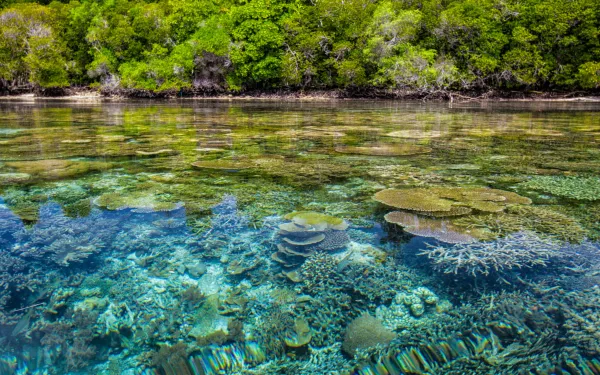
In historic decree, Costa Rica legally protects its corals
On the occasion of World Oceans Day, Costa Rica issued a decree to protect its vast coral ecosystems. We congratulate the government for taking this important step and setting a legal precedent for the protection of marine environments in the region. San José, Costa Rica. The Costa Rican government issued a precedent-setting decree today that legally protects its vast coral ecosystems from harmful human activities. Following years of work on the issue, the Interamerican Association for Environmental Defense (AIDA) and Conservation International celebrate this important instrument for the conservation of these fragile and vital marine environments. “We are very pleased with this advance, promoted by the Vice Ministry of Water and Seas, which guarantees the survival of coral reefs and the various species that contribute to their conservation—species like the parrotfish, which feed on the algae that can deprive reefs of oxygen,” said Gladys Martínez, senior attorney of AIDA’s Marine Biodiversity and Coastal Protection Program. The decree provides a series of measures the government must adopt in order to preserve reef ecosystems and the species that depend on them, threatened by a combination of unsustainable use, climate change, inadequate management, and invasive species. The measures include: the creation and implementation of science-based strategies and policies to confront the effects of climate change; and the restoration of degraded reefs. The law also prohibits harmful activities like the extraction and commercialization of reefs, dumping of waste, and anchoring. “It’s our hope that the legal precedent established by this decree will be replicated in other countries of the Americas that, like Costa Rica, are bound by international treaties to safeguard their corals,” said Magie Rodríguez, AIDA attorney. “In the coming years, we will be closely monitoring the decree’s implementation.” In 2012, AIDA and Conservation International joined forces with national experts to prepare a report detailing the economic and environmental benefits of corals, urging the creation of legislation in Costa Rica to protect them. AIDA also supported the Vice Ministry in the preparation of the decree based on the organization’s experience in international law and understanding of regulations in other countries of the region. “Costa Rica is a nation privileged by the dimensions of its marine spaces and biodiversity. The coral systems are incredibly productive, but they are also threatened by human activity and climate change,” said Marco A. Quesada Alpízar, director of Conservation International - Costa Rica. “By taking action on this issue, Costa Rica has assumed responsibility for the conservation and management of its marine ecosystems, and has set an example that can be replicated in other countries.” The decree answers a years-long call for Costa Rica to comply with international obligations and protect its threatened marine ecosystems. Scientific studies have shown that a large part of the coral reefs in the country are at great risk due to human activities including land-based pollution and destructive fishing practices. Their conservation must be a priority. “This decree fills an important gap in the regulation of coral reefs in Costa Rica. It recognizes, once again, that marine resources provide people with services and well-being, which requires they be adequately protected and managed,” explained Quesada. “Costa Rica is globally recognized for its ecotourism and natural richness,” added Ana Gloria Guzmán of Conservation International’s Oceans Center. “With this decree, the nation is setting an example about the protection and management of essential marine ecosystems as a means to ensure the health of the oceans and safeguard the well-being of coastal communities that depend on the services they provide.” press contacts: Victor Quintanilla, AIDA, +521 5570522107, [email protected] Kipp Lanham, Conservation International, (202) 412-5533, [email protected] Marco Quesada, Conservation International, +506 2253-0500 ext. 139, [email protected]
Read more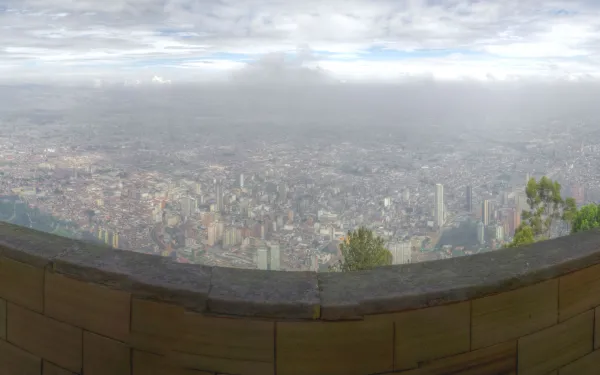
Clean air should be a human right, says UN Special Rapporteur
Even on a clear day in Bogotá, the air pollution can be so overwhelming that the sky is cast in a foggy, washed out haze that hangs over the city. In Bogotá—as in many cities across the Americas—air pollution has become a part of daily life. But it shouldn’t have to be that way. In a recent report, David Boyd, the UN Special Rapporteur on human rights and the environment said that breathing clean air should be considered a human right. While the majority of countries around the world have recognized the right to a healthy environment, the right to clean air does not yet enjoy the same level of global recognition. Air pollution is a dual killer: not only is it one of the biggest risks to public health worldwide, airborne pollutants also exacerbate the climate crisis. States and the human rights community, therefore, must incorporate the Rapporteur’s recommendations into law, because tackling air pollution is the best thing we can do to improve public health while also saving the planet. Air pollution: a dual killer More than six billion people, including two billion children around the world, are breathing air that adversely affects their health, according to the World Heath Organization (WHO). The effects of ambient and household air pollution cause roughly 7 million premature deaths worldwide each year, more than 300 thousand of which occur in the Americas alone. Hundreds of millions of people around the world suffer from illnesses caused by air pollution, which is considered one of the five leading factors contributing to non-communicable diseases like stroke, heart disease, chronic obstructive pulmonary disease, and cancer. Fine particulate matter like soot, black carbon, sulfates, nitrates and heavy metals all significantly increase the risk of these diseases. Moreover, air pollution disproportionately affects society’s most vulnerable populations. Children and the elderly are particularly affected by airborne pollutants, and suffer disproportionate impacts including illnesses and chronic breathing problems. Low income and poor communities, more often located near the sources of pollution—factories, power plants, and busy roads, among others—also suffer outsized health risks. Global air pollution is more than just a public health concern. Often, the same polluting activities that harm human health are also speeding up climate crisis. Research shows that black carbon—generated by burning fossil fuels, biofuels, and biomass—may accelerate snowmelt in glaciers, contributing to water insecurity and natural disasters. And methane, another short-lived climate pollutant, can trap up to 30 times more heat than CO2, speeding up global heating. Both issues amount to a costly problem. The World Bank estimates that global costs of air pollution will soon exceed $5 trillion per year, and says that unless countries curb global air pollution, air pollution-induced mortality could increase 50 to 100 percent by 2050. The economic benefits of slowing climate change will far outweigh the astronomical costs caused by flooding, more powerful storms, and crippling droughts, which could reach hundreds of billions of dollars by the end of the century, according to a report by the United States’ fourth National Climate Assessment. Respecting human rights While reducing air pollution makes good economic sense, curbing airborne pollutants is also a matter of respecting human rights. Besides violating the right to a clean and healthy environment, poor air quality can affect one’s right to life, health, water, food, housing and adequate standard of living, as well as the rights of the child, the UN report said. According to the Special Rapporteur, States should immediately devise action plans that: Monitor air quality and its impacts on human health; Assess sources of air pollution; Make information publicly available and release public health advisories; Establish air quality legislation, regulations, standards and policies; Develop air quality action plans at the local, nation, or regional level; Implement that air quality action plan and enforce its standards; and Evaluate progress and strengthen the plan to ensure the standards are met. Not only does this framework charge states with monitoring air quality, educating the public on air pollution, and making information accessible, it also urges States to establish strong, enforceable standards that will hold polluters accountable. Without those standards, improving air quality would be impossible. What’s more, States should apply the precautionary principle and use adequate margins of safety in order to protect society’s most vulnerable. Cities across Latin America are already starting to take air pollution seriously. Curitiba, Brazil, for example, built an extensive rapid bus system and, in 2013, launched an ambitious plan to add 300 kilometers of bicycle paths. Now, life expectancy in the city is two years longer than the national average, and the city has relatively low infant mortality, according to the WHO. In 2014, the Chilean government implemented a progressive tax on air pollution, taxing industry at higher rates in more densely populated areas to hold polluters accountable for their disproportionate impacts on urban populations. Although these examples show that change is possible, air pollution won’t be solved overnight, and States must begin establishing ambitious regulations to curb airborne contaminants. Otherwise, the world will continue coughing and sputtering into the 21st Century, as the impacts of climate crisis only continue to get worse.
Read more