
Project
Amazon Watch / Maíra Irigaray
Barragem de Belo Monte no rio Xingu: 10 anos de impactos na Amazônia e de busca por reparações
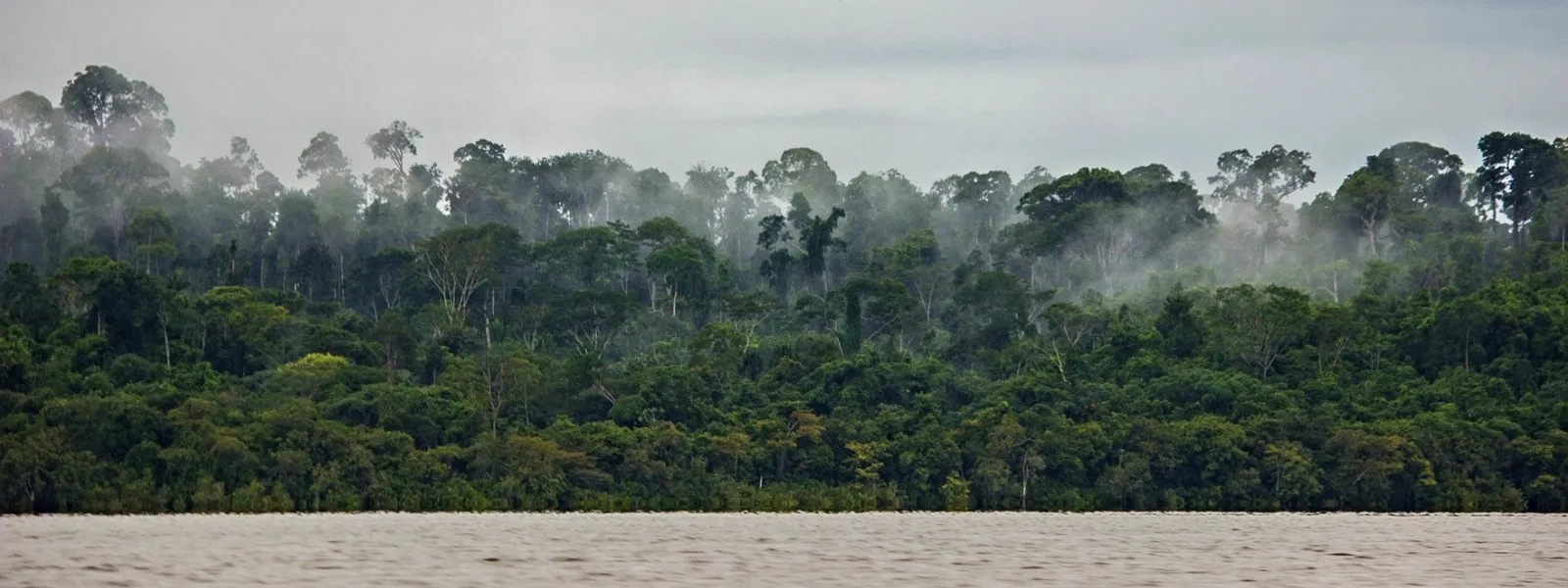
A usina hidrelétrica de Belo Monte causou um desastre ambiental e social no coração da Amazônia: um dos ecossistemas mais importantes do planeta.
Essa situação só piorou desde que a usina começou a operar em 2016. A busca por justiça e reparação para as comunidades indígenas e ribeirinhas afetadas continua até hoje.
Em 2011, a Comissão Interamericana de Direitos Humanos (CIDH) concedeu a essas comunidades medidas de proteção, que até hoje não foram totalmente implementadas pelo Estado brasileiro.
E, desde junho daquele mesmo ano, a CIDH mantém um processo contra o Estado por sua responsabilidade internacional no caso.
A CIDH pode encaminhar o caso à Corte Interamericana de Direitos Humanos, que tem o poder de emitir uma sentença condenatória contra o Estado brasileiro.
Consulta o expediente de fatos do caso
Após 10 anos de operação da usina hidrelétrica e mais de 15 anos de violações de direitos humanos documentadas, é hora da justiça ser feita para as comunidades afetadas.
Leia a carta aberta das organizações que levam o caso à CIDH
Leia nosso comunicado à imprensa
Contexto
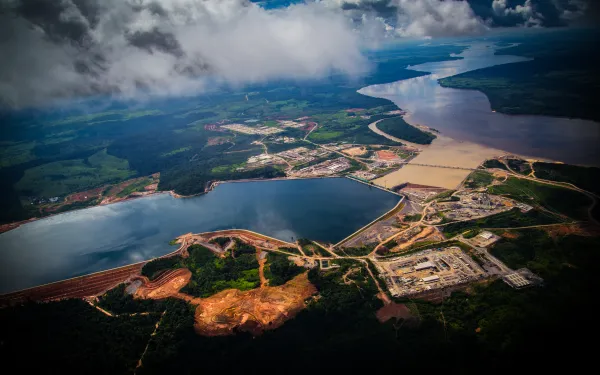
A usina hidrelétrica de Belo Monte — a quarta maior do mundo em capacidade instalada (11.233 MW) — foi construída no rio Xingu, no estado do Pará, norte do Brasil.
Foi inaugurada em 5 de maio de 2016, com uma única turbina. Naquela época, 80% do curso do rio foi desviado e 516 km² de terra foram inundados, uma área maior que a cidade de Chicago. Desse total, 400 km² eram de mata nativa. A usina começou a operar em plena capacidade em novembro de 2019.
Belo Monte foi construída e é operada pelo consórcio Norte Energia S.A., composto principalmente por empresas estatais. Foi financiada pelo Banco Nacional de Desenvolvimento Econômico e Social (BNDES), que aportou ao consórcio 25,4 bilhões de reais (aproximadamente US$ 10,16 bilhões), o maior investimento de sua história. Portanto, o BNDES também é legalmente responsável pelos impactos socioambientais associados ao projeto hidrelétrico.
Décadas de danos ambientais e humanos
As violações dos direitos humanos e a degradação da Amazônia remontam ao início do projeto. Em março de 2011, a Norte Energia iniciou a construção da barragem sem consulta adequada e sem o consentimento prévio, livre e informado das comunidades afetadas.
A construção levou ao deslocamento forçado de mais de 40.000 pessoas, rompendo laços sociais e culturais. O plano de reassentamento em Altamira — cidade diretamente afetada pelo projeto hidrelétrico — incluía moradias na periferia da cidade, sem serviços públicos adequados, moradias dignas para as famílias reassentadas e moradias diferenciadas para aqueles pertencentes a comunidades indígenas.
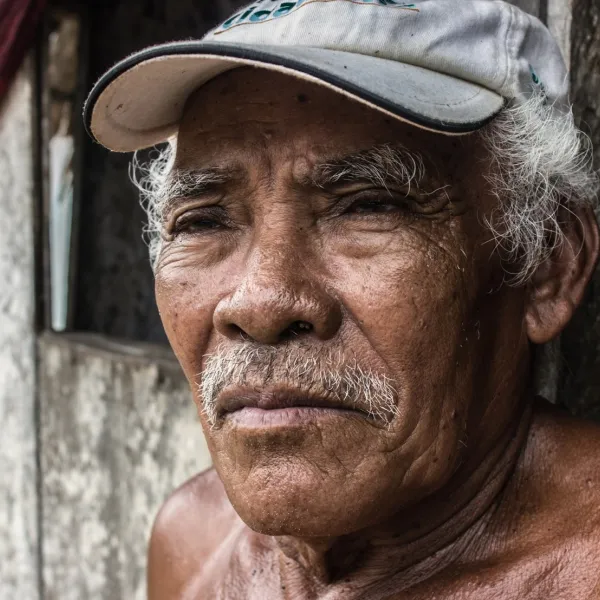
A operação da barragem de Belo Monte impôs uma seca permanente e artificial na Volta Grande do rio Xingu, agravada pelas secas históricas na Amazônia em 2023 e 2024. Como resultado, a morte de milhões de ovos de peixe foi documentada por quatro anos consecutivos (de 2021 a 2024) e, nos últimos três anos, não houve migração de peixes rio acima para desovar e se reproduzir. Assim, a pesca artesanal, principal fonte de proteína para os povos indígenas e comunidades ribeirinhas, foi severamente afetada: o consumo de peixe caiu de 50% para 30% do total de proteínas consumidas, sendo substituído por alimentos processados. Em suma, houve um colapso ambiental e humanitário que resultou no colapso da pesca como modo de vida tradicional, insegurança alimentar e falta de acesso à água potável para milhares de famílias, empobrecimento e doenças.
Além disso, a construção da barragem aumentou o desmatamento e intensificou a extração ilegal de madeira e a insegurança em terras indígenas e tribais, colocando em risco a sobrevivência dessas comunidades. Outra consequência foi o agravamento da pobreza e dos conflitos sociais, bem como a sobrecarga dos sistemas de saúde, educação e segurança pública em Altamira, cidade considerada a mais violenta do país em 2017, onde houve aumento do tráfico de pessoas e da violência sexual. Também foram registrados casos de violência contra defensores de direitos humanos envolvidos no caso.
Em 2025, durante a 30ª Conferência das Nações Unidas sobre Mudanças Climáticas (COP30), realizada no Brasil, o Ministério Público Federal classificou os danos causados por Belo Monte como ecocídio.
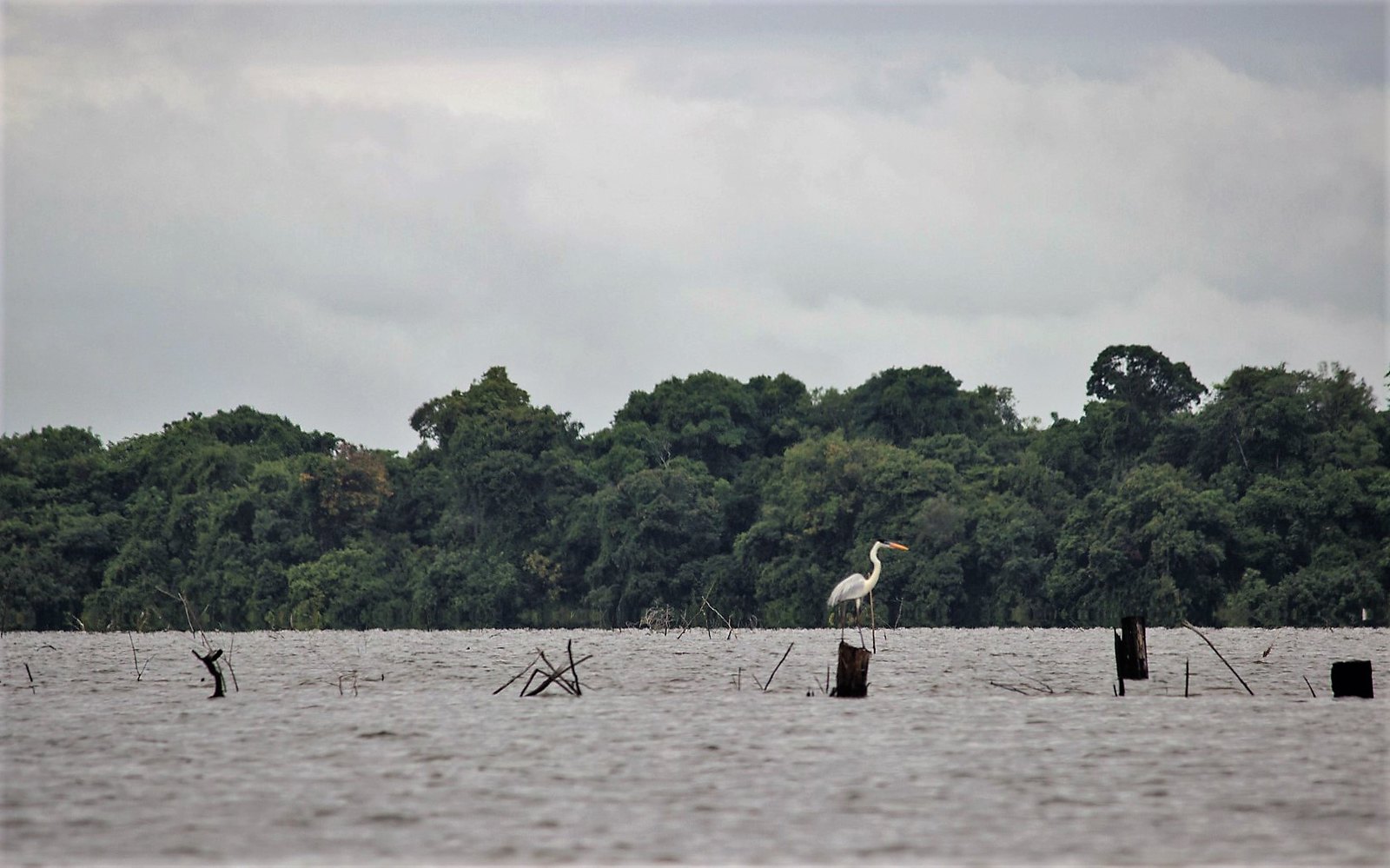
Foto: Amazon Watch / Maíra Irigaray.
A busca por justiça e reparação
Ao longo dos anos, o Ministério Público Federal do Pará, a Defensoria Pública e organizações da sociedade civil impetraram dezenas de ações judiciais em tribunais brasileiros para contestar as diversas irregularidades do projeto, bem como seus impactos. A maioria das ações permanece sem solução, algumas há mais de 10 anos.
Essas ações não obtiveram sucesso porque o governo federal tem reiteradamente anulado decisões favoráveis às comunidades afetadas, recorrendo a um mecanismo pelo qual o presidente do Supremo Tribunal Federal pode suspender uma decisão judicial com base unicamente em argumentos genéricos como "interesse nacional" ou "ordem econômica".
Diante da falta de respostas eficazes em nível nacional, a AIDA — juntamente com uma coalizão de organizações aliadas — levou o caso à Comissão Interamericana de Direitos Humanos (CIDH) e, em 2010, solicitou medidas cautelares para proteger a vida, a integridade e a saúde das comunidades indígenas afetadas.
Em 1º de abril de 2011, a CIDH concedeu essas medidas e solicitou ao Estado brasileiro a suspensão das licenças ambientais e de quaisquer obras de construção até que as condições relativas à consulta prévia e à proteção da saúde e integridade das comunidades fossem atendidas.
E, em 16 de junho de 2011, apresentamos uma denúncia formal à CIDH — juntamente com o Movimento Xingu Vivo Para Siempre, a Coordenação das Organizações Indígenas da Amazônia Brasileira, a Diocese de Altamira, o Conselho Missionário Indígena, a Sociedade Pará de Defesa dos Direitos Humanos e a Global Justice — contra o Estado brasileiro por sua responsabilidade internacional nas violações de direitos humanos contra os povos afetados neste caso. A denúncia foi apresentada em dezembro de 2015.
Em 3 de agosto de 2011, a CIDH modificou as medidas cautelares para solicitar — em vez da suspensão de licenças e obras — a proteção dos povos que vivem em isolamento voluntário, a saúde das comunidades indígenas e a regularização e proteção das terras ancestrais.
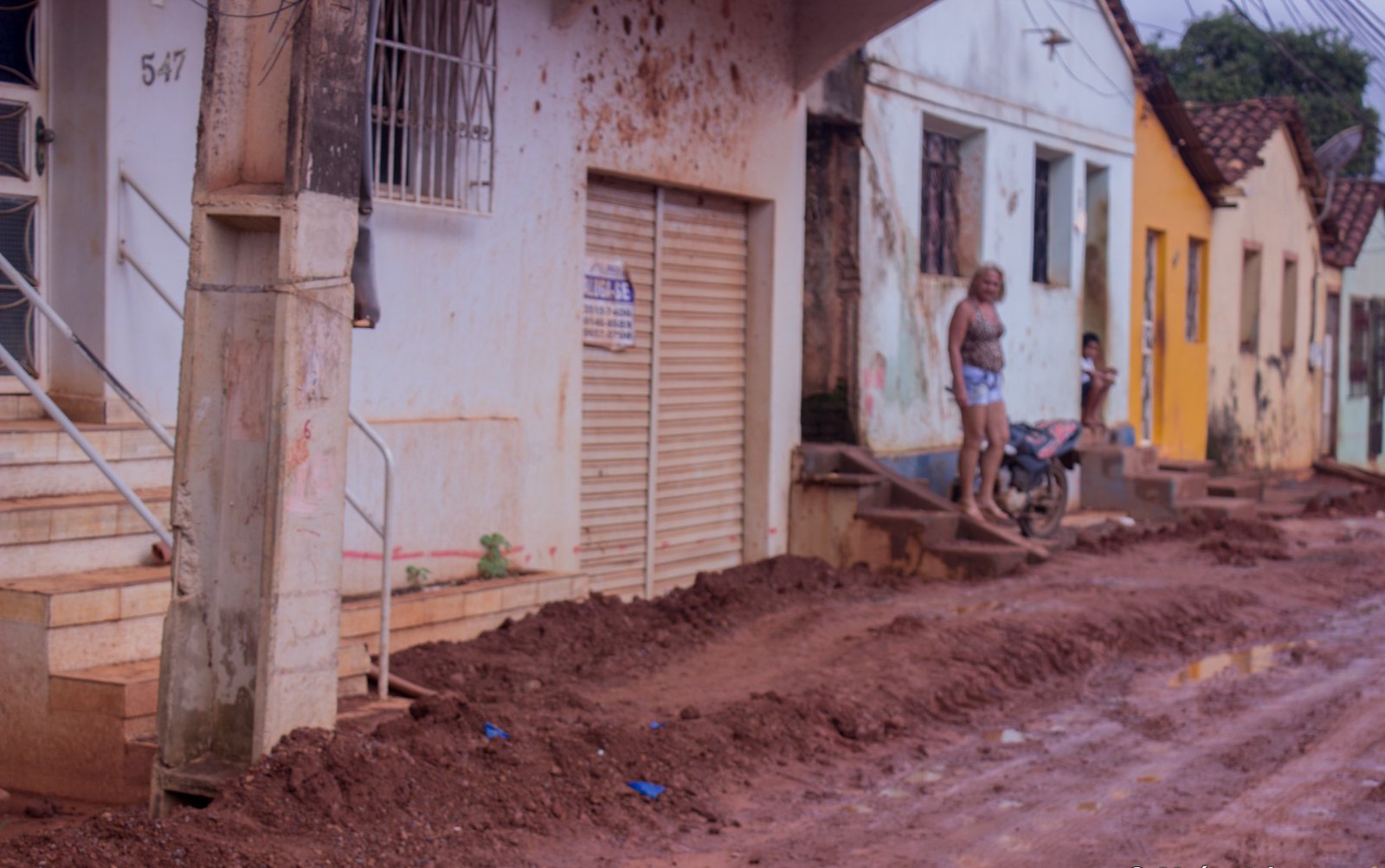
Foto: Amazon Watch / Maíra Irigaray.
Situação atual
As medidas de proteção concedidas pela CIDH permanecem em vigor, mas o Estado brasileiro não as cumpriu integralmente, relatando apenas ações genéricas. As comunidades documentaram as contínuas violações de seus direitos. A situação que motivou o pedido dessas medidas — o risco à vida, à segurança e aos meios de subsistência das comunidades — persiste e se agravou com a usina hidrelétrica operando em plena capacidade e com as recentes secas extremas na Amazônia.
Além do ocorrido em Belo Monte, existe o risco de maiores danos sociais e ambientais decorrentes da implementação de outro megaprojeto de mineração na Volta Grande do Xingu. Lá, a empresa canadense Belo Sun pretende construir a maior mina de ouro a céu aberto do Brasil.
Os impactos sinérgicos e cumulativos da usina e da mina não foram avaliados. O Estado excluiu povos indígenas, comunidades ribeirinhas e comunidades camponesas do processo de licenciamento ambiental do projeto. Apesar disso, dos protestos indígenas e de outras irregularidades em torno do projeto, o governo do estado do Pará autorizou formalmente a mina em abril de 2026.
Belo Monte, assim como outras usinas hidrelétricas, agrava a emergência climática ao gerar emissões de gases de efeito estufa em seu reservatório. Além disso, é ineficiente diante das secas prolongadas e intensas causadas pela crise, pois perde capacidade de geração de energia.
O caso perante a Comissão Interamericana
Em outubro de 2017, a CIDH anunciou que decidiria conjuntamente sobre a admissibilidade (se o caso preenche os requisitos para admissão) e o mérito (se houve, de fato, violação de direitos humanos) da denúncia internacional contra o Estado brasileiro.
Quinze anos após a apresentação da denúncia, as comunidades afetadas e as organizações que as representam ainda aguardam essa decisão. Caso a CIDH conclua que houve violações de direitos humanos e emita recomendações que o Estado brasileiro não cumpra, poderá encaminhar o caso à Corte Interamericana de Direitos Humanos, cujas decisões são vinculativas.
Uma possível decisão da Corte Internacional de Direitos Humanos neste caso estabeleceria um precedente jurídico regional em relação aos direitos dos povos indígenas e ribeirinhos, à participação pública em megaprojetos e à responsabilidade do Estado no contexto da crise climática. Isso é particularmente relevante à luz do Parecer Consultivo nº 32 da Corte, que reafirmou as obrigações dos Estados de proteger pessoas e comunidades em todo o continente da emergência climática.
Partners:
Related projects
The False Promises of Hydropower
How dams fail to deliver the Paris Climate Agreement and UN Sustainable Development Goals A Joint Statement by Civil Society Organizations on occasion of the 2019 World Hydropower Congress in Paris, France We live in an age of urgency. Scientists have warned that we have little time to act to bring climate change under control and protect the integrity of life on our planet. Confronting the climate crisis requires creative solutions that both protect nature and respect human rights. Facing these challenges, we cannot remain silent onlookers while corporate profiteers, financiers, and their allies peddle false solutions for addressing climate change and implementing sustainable development. A flagrant example of such deception is the attempt to portray large hydroelectric dams as a ‘clean and green’ source of energy, as can be seen at the 2019 World Hydropower Congress. Organized in Paris by the industrial lobby of the International Hydropower Association (IHA) in partnership with UNESCO, the conference’s title reads, “Delivering the Paris Climate Agreement and the Sustainable Development Goals.” Such glossy portrayals of hydroelectric dam projects—with an eye toward capturing financial incentives through mechanisms like Climate Bonds and the Green Climate Fund—conveniently ignore a long legacy of social and environmental catastrophes, economic waste and, all too often, massive corruption schemes that are the antithesis of truly sustainable development. ... A Call for Action The undersigned civil society organizations call on the members of the International Hydropower Association, governments and international financial institutions to implement the following urgent actions: Steer priorities, investments and financial incentives away from additional hydroelectric projects and towards energy efficiency and truly sustainable renewable energy options (solar, wind and biomass and, when appropriate, micro-hydro). Special attention should be given to opportunities for technological innovation, decentralized generation and improving energy access among isolated, off-grid communities. Eliminate financial incentives for new hydroelectric projects within climate change mechanisms, such as the Green Climate Fund and Nationally Determined Contributions, and within programs to promote implementation of the UN Sustainable Development Goals (with the possible exception of micro-hydro projects). Commission independent audits of controversial existing dam projects and basin-wide cascades in terms of their social and environmental consequences, identifying steps to mitigate impacts and ensure just reparations for affected communities, based on direct consultations. When such measures are prohibitively expensive or otherwise inviable, the de-commissioning of dam projects should be promoted. Ensure the alignment of operational procedures for existing hydroprojects with relevant territorial plans at the basin level, such as integrated water resource management and protected areas that ensure key ecological processes and the rights of local communities, based on the concepts and tools of participatory, adaptive management. Ensure that renewable energy policies and projects adopt, across the board, robust guidelines to safeguard human rights and environmental protections, such as ILO Convention 169 and the UN Principles on Business and Human Rights. No energy facilities that potentially impact the territories and livelihoods of indigenous peoples and other traditional communities should be authorized without obtaining the free, prior and informed consent of the community and ensuring the cooperative design of co-management strategies. Among the benefits of such a paradigm shift in energy strategies and development planning will be major contributions toward protecting the world’s last free-flowing rivers, vital for climate resiliency, biodiversity conservation and sustainable livelihoods. Energy companies and governments must halt all efforts to dam the world’s remaining free-flowing rivers and concentrate instead on: i) improving efficiency and the sustainability of existing hydropower projects and cascades; and ii) investing in energy efficiency and truly sustainable renewables. Moreover, governments must urgently promote the permanent legal protection of the world’s last free-flowing rivers, including transboundary watercourses, with due respect for the territorial rights of indigenous peoples and other traditional communities, who play fundamental roles as the guardians of healthy rivers. Read the Full Statement Here
Read more
Nature first: it’s time to build environmental consciousness
Speaking in front of more than 500 people was a unique and beautiful experience, above all for the reason I came together with such an amazing group of people. We were seven diverse individuals with two powerful things in common: our love for the natural environment and our work to preserve it. We were in Santiago, Chile as part of the conference, “Nature first: a new deal with the environment.” The great interest the audience had in the event filled me with such joy, as did the opportunity to speak beside my colleagues from The Naturalists, a series of interviews in which professionals from distinct environmental professions were invited to speak about what being a naturalist implies in the modern world. The video series and this event was put on by Ladera Sur, an online platform and community built around nature, the environment, the outdoors, travel, and much more. It was Ladera Sur that introduced us as 20thCentury Naturalists, a great honor and an even greater obligation. But what does “nature first,” a title with such urgency, really mean? It means that, for too long, nature has been subsidizing our technological advancements and even our quality of life. We live in a world in which those who have the means can do practically anything. Perhaps some of us have stopped to think about tomorrow, and how it may be difficult for our children or grandchildren to enjoy even the simplest things in life. But the time has come to reorganize our priorities. We have neither the time, nor the credit, to continue borrowing from nature. Before proceeding with any potentially harmful project or activity, we first must demonstrate that the activity would not hurt the health of the planet. Only after assuring that is it worth asking whether a project is also good business, or if it will make our lives easier or more comfortable. This is not the position of an eco-terrorist, nor is it counter to economic development. It’s simply looking ahead at the reality of a living on a sick planet—a planet on whose health we depend. The good news is that the changes we need to make to resolve the environmental crisis are not only achievable; they are what people living on this planet actually want. A world with low emissions is a cleaner and more just world; a world driven by renewables means less pollution and more equitable access to energy; a world with more protected natural areas is a greener, healthier, more verdant world; it is rich in biodiversity and has a greater capacity to provide clean air and water. See the complete video of the conference below.
Read more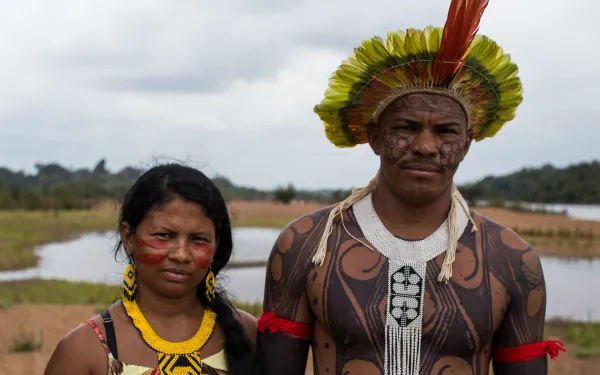
Inter-American Commission to examine rollback of indigenous rights in Brazil
In a hearing before the Inter-American Commission on Human Rights, civil society organizations will demonstrate how measures adopted by the administration of Brazilian President Jair Bolsonaro are undoing decades of human rights protections in the country. Rio De Janiero, Brazil. On May 9, the Inter-American Commission on Human Rights (IACHR) will hear how measures adopted by the government of President Jair Bolsonaro have rolled back protections for human rights in the country, creating a dangerous situation for indigenous communities and violating Brazil’s international obligations to protect human rights. The hearing was requested by the Interamerican Association for Environmental Defense, International Rivers, Conectas, Teles Pires Forum, Operation Native Amazon and Brazil Indigenous People Articulation (APIB) in an effort to halt further rollbacks, and to demand a reversal of the government’s actions that are currently threatening indigenous communities. The hearing will form part of the Commission’s 172 Period of Sessions, which is taking place in Kingston, Jamaica from May 3 to 10, 2019. During the hearing, organizations will detail how reforms made by the Bolsonaro government in matters of law, public policy, foreign policy, and other areas, violate the preservation of indigenous communities’ way of life in the country. The case will also show how those reforms violate communities’ rights to life, culture, food, a healthy environment, clean water, and the delimitation of their ancestral homelands, among others. The government has diminished legal and administrative protections for indigenous communities through the following actions: The transfer of key functions from the Ministry of Environment to the Ministry of Agriculture. Increased precarity for employees at the Brazilian Institute for the Environment and Renewable Natural Resources. Weakening of the Chico Mendes Institute for the Conservation of Biodiversity and of the process for granting environmental permits. The threat of exposing indigenous lands to the dangers of mining. Measures adopted by the Ministry of Environment that fragment the legal order that guarantees minimum conditions for the protection of the environment and indigenous rights. The transfer of authority for the demarcation of indigenous lands from the National Indian Foundation to the Ministry of Agriculture. The threat of withdrawing Brazil from international treaties like the Paris Agreement and others valuable agreements to protect the environment and human rights. In addition to these rollbacks, the above organizations assert that the situation has been aggravated by increased deforestation, encroachment on indigenous lands, and violence against environmental and human rights defenders. press contacts Victor Quintanilla (Mexico), AIDA, [email protected], +521 5570522107 Eloy Terena (Brazil), Brazil Indigenous People Articulation (APIB), [email protected], +55 61 9695-1377
Read more