
Project
Amazon Watch / Maíra Irigaray
Barragem de Belo Monte no rio Xingu: 10 anos de impactos na Amazônia e de busca por reparações
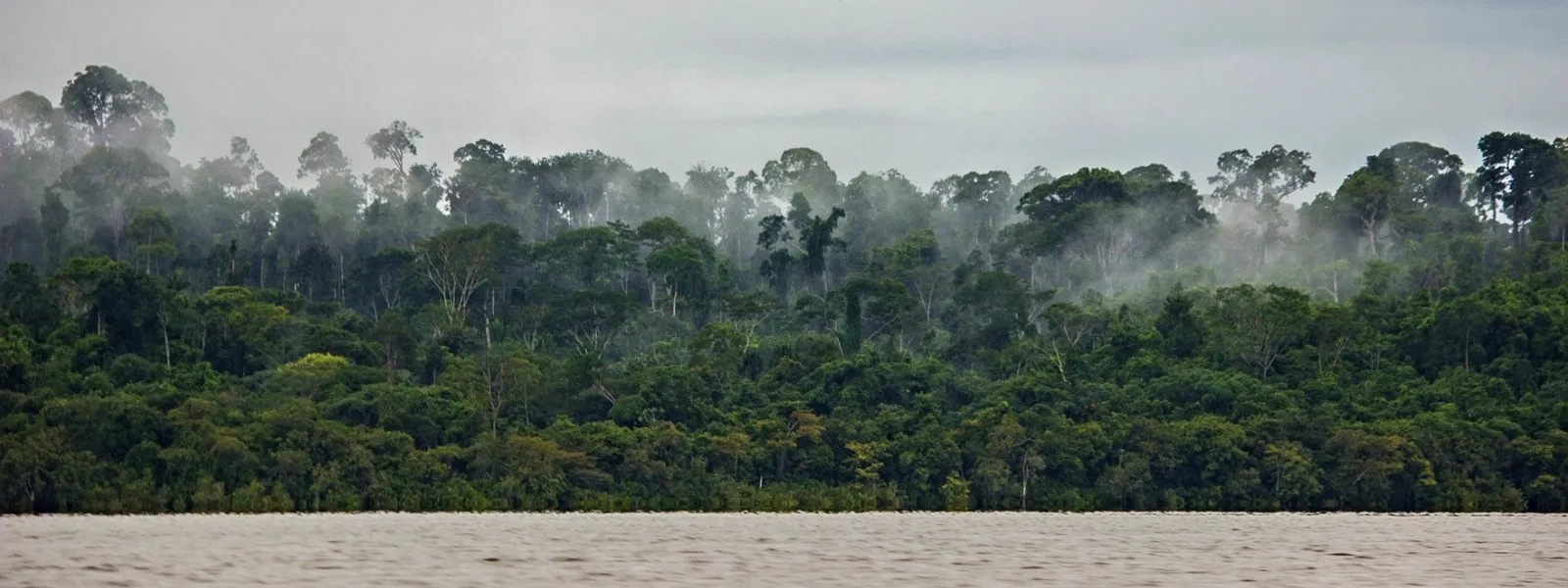
A usina hidrelétrica de Belo Monte causou um desastre ambiental e social no coração da Amazônia: um dos ecossistemas mais importantes do planeta.
Essa situação só piorou desde que a usina começou a operar em 2016. A busca por justiça e reparação para as comunidades indígenas e ribeirinhas afetadas continua até hoje.
Em 2011, a Comissão Interamericana de Direitos Humanos (CIDH) concedeu a essas comunidades medidas de proteção, que até hoje não foram totalmente implementadas pelo Estado brasileiro.
E, desde junho daquele mesmo ano, a CIDH mantém um processo contra o Estado por sua responsabilidade internacional no caso.
A CIDH pode encaminhar o caso à Corte Interamericana de Direitos Humanos, que tem o poder de emitir uma sentença condenatória contra o Estado brasileiro.
Consulta o expediente de fatos do caso
Após 10 anos de operação da usina hidrelétrica e mais de 15 anos de violações de direitos humanos documentadas, é hora da justiça ser feita para as comunidades afetadas.
Leia a carta aberta das organizações que levam o caso à CIDH
Leia nosso comunicado à imprensa
Contexto
A usina hidrelétrica de Belo Monte — a quarta maior do mundo em capacidade instalada (11.233 MW) — foi construída no rio Xingu, no estado do Pará, norte do Brasil.
Foi inaugurada em 5 de maio de 2016, com uma única turbina. Naquela época, 80% do curso do rio foi desviado e 516 km² de terra foram inundados, uma área maior que a cidade de Chicago. Desse total, 400 km² eram de mata nativa. A usina começou a operar em plena capacidade em novembro de 2019.
Belo Monte foi construída e é operada pelo consórcio Norte Energia S.A., composto principalmente por empresas estatais. Foi financiada pelo Banco Nacional de Desenvolvimento Econômico e Social (BNDES), que aportou ao consórcio 25,4 bilhões de reais (aproximadamente US$ 10,16 bilhões), o maior investimento de sua história. Portanto, o BNDES também é legalmente responsável pelos impactos socioambientais associados ao projeto hidrelétrico.
Décadas de danos ambientais e humanos
As violações dos direitos humanos e a degradação da Amazônia remontam ao início do projeto. Em março de 2011, a Norte Energia iniciou a construção da barragem sem consulta adequada e sem o consentimento prévio, livre e informado das comunidades afetadas.
A construção levou ao deslocamento forçado de mais de 40.000 pessoas, rompendo laços sociais e culturais. O plano de reassentamento em Altamira — cidade diretamente afetada pelo projeto hidrelétrico — incluía moradias na periferia da cidade, sem serviços públicos adequados, moradias dignas para as famílias reassentadas e moradias diferenciadas para aqueles pertencentes a comunidades indígenas.
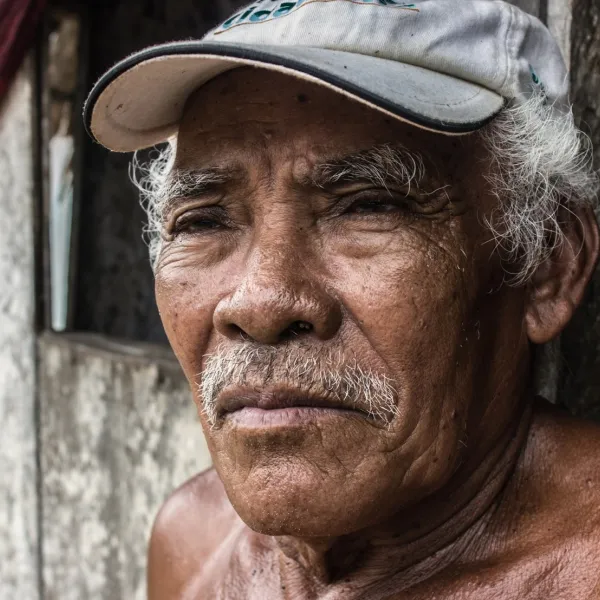
A operação da barragem de Belo Monte impôs uma seca permanente e artificial na Volta Grande do rio Xingu, agravada pelas secas históricas na Amazônia em 2023 e 2024. Como resultado, a morte de milhões de ovos de peixe foi documentada por quatro anos consecutivos (de 2021 a 2024) e, nos últimos três anos, não houve migração de peixes rio acima para desovar e se reproduzir. Assim, a pesca artesanal, principal fonte de proteína para os povos indígenas e comunidades ribeirinhas, foi severamente afetada: o consumo de peixe caiu de 50% para 30% do total de proteínas consumidas, sendo substituído por alimentos processados. Em suma, houve um colapso ambiental e humanitário que resultou no colapso da pesca como modo de vida tradicional, insegurança alimentar e falta de acesso à água potável para milhares de famílias, empobrecimento e doenças.
Além disso, a construção da barragem aumentou o desmatamento e intensificou a extração ilegal de madeira e a insegurança em terras indígenas e tribais, colocando em risco a sobrevivência dessas comunidades. Outra consequência foi o agravamento da pobreza e dos conflitos sociais, bem como a sobrecarga dos sistemas de saúde, educação e segurança pública em Altamira, cidade considerada a mais violenta do país em 2017, onde houve aumento do tráfico de pessoas e da violência sexual. Também foram registrados casos de violência contra defensores de direitos humanos envolvidos no caso.
Em 2025, durante a 30ª Conferência das Nações Unidas sobre Mudanças Climáticas (COP30), realizada no Brasil, o Ministério Público Federal classificou os danos causados por Belo Monte como ecocídio.
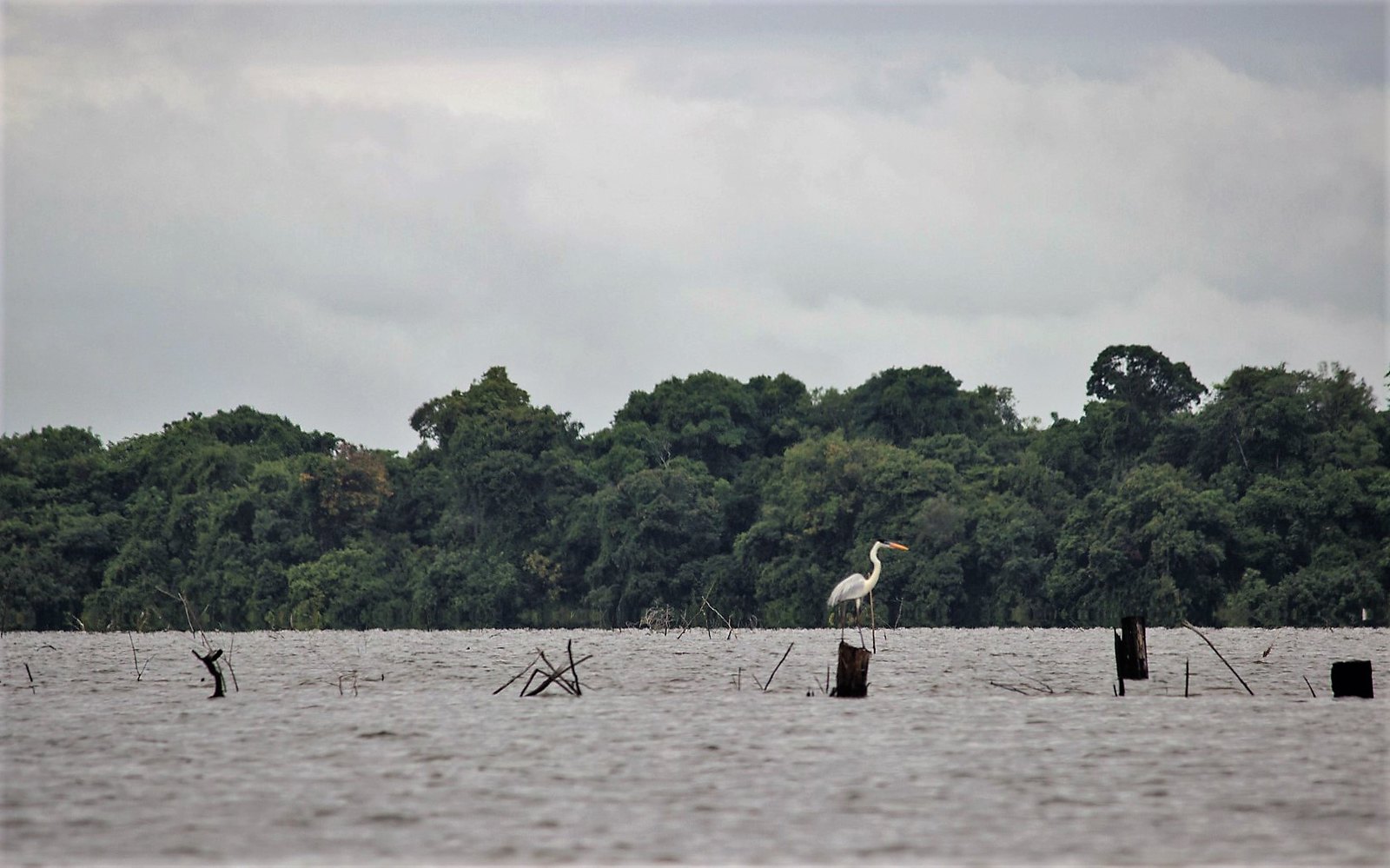
Foto: Amazon Watch / Maíra Irigaray.
A busca por justiça e reparação
Ao longo dos anos, o Ministério Público Federal do Pará, a Defensoria Pública e organizações da sociedade civil impetraram dezenas de ações judiciais em tribunais brasileiros para contestar as diversas irregularidades do projeto, bem como seus impactos. A maioria das ações permanece sem solução, algumas há mais de 10 anos.
Essas ações não obtiveram sucesso porque o governo federal tem reiteradamente anulado decisões favoráveis às comunidades afetadas, recorrendo a um mecanismo pelo qual o presidente do Supremo Tribunal Federal pode suspender uma decisão judicial com base unicamente em argumentos genéricos como "interesse nacional" ou "ordem econômica".
Diante da falta de respostas eficazes em nível nacional, a AIDA — juntamente com uma coalizão de organizações aliadas — levou o caso à Comissão Interamericana de Direitos Humanos (CIDH) e, em 2010, solicitou medidas cautelares para proteger a vida, a integridade e a saúde das comunidades indígenas afetadas.
Em 1º de abril de 2011, a CIDH concedeu essas medidas e solicitou ao Estado brasileiro a suspensão das licenças ambientais e de quaisquer obras de construção até que as condições relativas à consulta prévia e à proteção da saúde e integridade das comunidades fossem atendidas.
E, em 16 de junho de 2011, apresentamos uma denúncia formal à CIDH — juntamente com o Movimento Xingu Vivo Para Siempre, a Coordenação das Organizações Indígenas da Amazônia Brasileira, a Diocese de Altamira, o Conselho Missionário Indígena, a Sociedade Pará de Defesa dos Direitos Humanos e a Global Justice — contra o Estado brasileiro por sua responsabilidade internacional nas violações de direitos humanos contra os povos afetados neste caso. A denúncia foi apresentada em dezembro de 2015.
Em 3 de agosto de 2011, a CIDH modificou as medidas cautelares para solicitar — em vez da suspensão de licenças e obras — a proteção dos povos que vivem em isolamento voluntário, a saúde das comunidades indígenas e a regularização e proteção das terras ancestrais.
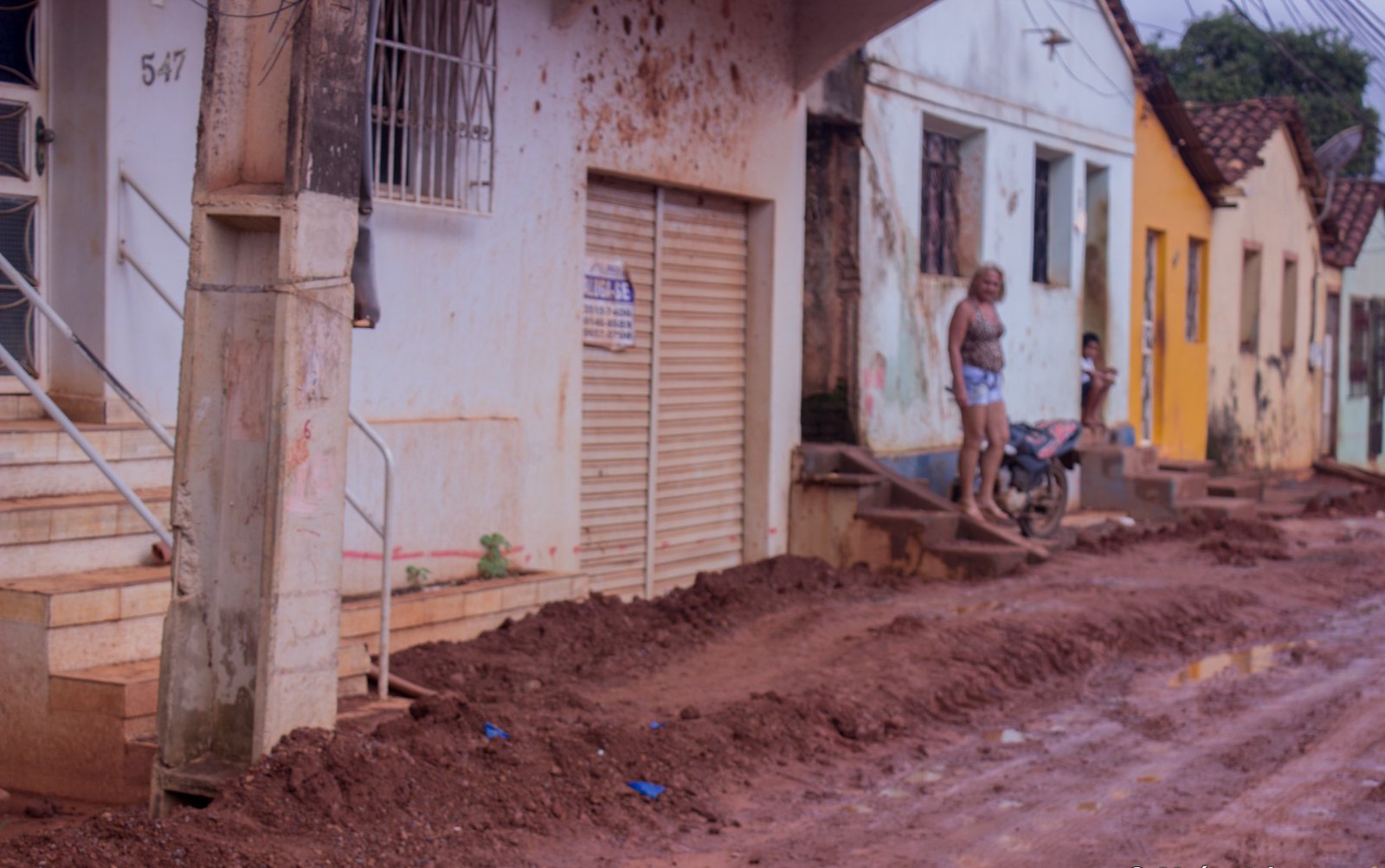
Foto: Amazon Watch / Maíra Irigaray.
Situação atual
As medidas de proteção concedidas pela CIDH permanecem em vigor, mas o Estado brasileiro não as cumpriu integralmente, relatando apenas ações genéricas. As comunidades documentaram as contínuas violações de seus direitos. A situação que motivou o pedido dessas medidas — o risco à vida, à segurança e aos meios de subsistência das comunidades — persiste e se agravou com a usina hidrelétrica operando em plena capacidade e com as recentes secas extremas na Amazônia.
Além do ocorrido em Belo Monte, existe o risco de maiores danos sociais e ambientais decorrentes da implementação de outro megaprojeto de mineração na Volta Grande do Xingu. Lá, a empresa canadense Belo Sun pretende construir a maior mina de ouro a céu aberto do Brasil.
Os impactos sinérgicos e cumulativos da usina e da mina não foram avaliados. O Estado excluiu povos indígenas, comunidades ribeirinhas e comunidades camponesas do processo de licenciamento ambiental do projeto. Apesar disso, dos protestos indígenas e de outras irregularidades em torno do projeto, o governo do estado do Pará autorizou formalmente a mina em abril de 2026.
Belo Monte, assim como outras usinas hidrelétricas, agrava a emergência climática ao gerar emissões de gases de efeito estufa em seu reservatório. Além disso, é ineficiente diante das secas prolongadas e intensas causadas pela crise, pois perde capacidade de geração de energia.
O caso perante a Comissão Interamericana
Em outubro de 2017, a CIDH anunciou que decidiria conjuntamente sobre a admissibilidade (se o caso preenche os requisitos para admissão) e o mérito (se houve, de fato, violação de direitos humanos) da denúncia internacional contra o Estado brasileiro.
Quinze anos após a apresentação da denúncia, as comunidades afetadas e as organizações que as representam ainda aguardam essa decisão. Caso a CIDH conclua que houve violações de direitos humanos e emita recomendações que o Estado brasileiro não cumpra, poderá encaminhar o caso à Corte Interamericana de Direitos Humanos, cujas decisões são vinculativas.
Uma possível decisão da Corte Internacional de Direitos Humanos neste caso estabeleceria um precedente jurídico regional em relação aos direitos dos povos indígenas e ribeirinhos, à participação pública em megaprojetos e à responsabilidade do Estado no contexto da crise climática. Isso é particularmente relevante à luz do Parecer Consultivo nº 32 da Corte, que reafirmou as obrigações dos Estados de proteger pessoas e comunidades em todo o continente da emergência climática.
Partners:
Related projects
Colombia makes the right move by suspending fracking project
Citing a recent court order, Colombia’s environmental authority has suspended the licensing process for a fracking project in the Middle Magdalena Valley. The decision represents an advance in the movement to stop fracking’s expansion in Latin America. Bogotá. In an advance for the struggle against fracking’s expansion in Latin America, Colombia’s National Environmental Licensing Authority has suspended the licensing process for a fracking project in the Middle Magdalena Valley. With this decision, Colombia joins a growing list of communities, municipalities, and regions across Latin America and the world who have made progress to stop the expansion of fracking in their territories, many through the enactment of bans or moratoriums. "The Environmental Authority’s decision is a positive example for nations across Latin America and the world,” said Astrid Puentes Riaño, co-executive director of AIDA. “It’s the result of an admirable civic movement and of the use of the precautionary principle as a tool to protect human health and ecosystems, and to confront the climate crisis.” The decision to halt the process for Ecopetrol’s "APE Guane A” project is founded on the State Council’s suspension, in November 2018, of the regulatory framework for fracking in the country, citing the precautionary principle. The Interamerican Association for Environmental Defense (AIDA) supports the Council’s decision and considers the Environmental Authority’s enactment of that order to be a step in the right direction. “In the absence of existing regulations on fracking, in Colombia we have a judicial moratorium. This implies that no project may be implemented that seeks to exploit unconventional oil and gas deposits using this technique,” explained Juana Hofman, AIDA attorney. “All activities aimed at the development of fracking activities must be suspended.” In its decision, the Environmental Authority states: “… The temporary suspension of the aforementioned provisions translates to those provisions being temporarily outside the legal system, which consequently means that this Environmental Authority does not have technical regulations that allow it to verify the management measures that should be included in the Environmental Impact Study, to be analyzed within the environmental assessment procedure, and thus could not determine whether or not the granting of the environmental license required for new projects in unconventional deposits was viable.” The suspended project involves the use of hydraulic fracturing in a boggy complex located between the municipalities of Barrancabermeja and Puerto Wilches in Northeast Colombia. Fracking, or hydraulic fracturing, is an extractive technique that proves incredibly damaging for water, air quality, human health and the climate. It emits methane, a pollutant strongly associated with global warming. Due to its negative impacts on the environment and public health, fracking has been prohibited by judicial or legislative means in many municipalities, regions and nations around the world, such as Scotland, the state of New York (USA), and the province of Quebec (Canada). Global efforts to stop fracking’s expansion have largely been citizen-led and driven by concerns for the risks fracking poses to the climate, environment and public health. The Alliance for a Colombia Free from Fracking has been steadfast in their commitment to stopping fracking’s advance in Colombia, and should be congratulated for this important advance. AIDA urges the Colombian government to continue down the path of prevention and to comply with its international environmental obligations to confront the climate crisis, and to protect its land, water and communities. We urge the government to deny authorizations for fracking operations in Colombia. “Fracking is a procedure that furthers us from our climate goals, and from the energy path that all nations should be targeting” Puentes Riaño said. “Decisions like these are an invitation to seek out renewable energies that are better for our planet and our communities, not only in Colombia but around the world.” Press Contacts: Carlos Lozano Acosta (Colombia), AIDA, [email protected], +57 (300) 564 0282 Juana Hofman (Colombia), AIDA, [email protected], +57 (310) 884 6715
Read more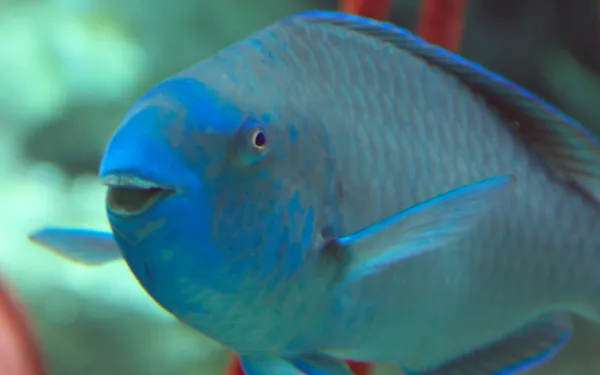
Why these algae-eating fish may be corals’ greatest allies
Numerous studies have shown that herbivorous fish play a fundamental role in the health and survival of coral reefs by removing the algae that robs corals of the light and space they need to grow. But populations of these small algae-eating fish are diminishing rapidly due to human activity, which puts our reefs at greater risk. In the Mexican Caribbean, for example, 60 percent of the reefs are considered in poor or critical health. There exist a diverse array of herbivorous fish in our oceans; they’re grouped into various families that are, in turn, divided into groups according to their feeding habits and roles in controlling algae growth. Parrotfish are among the most important species, as their strong beaks allow them to clean large amounts of macroalgae. Herbivorous fish live in tropical and subtropical waters, including many Latin American and Caribbean nations—Belize, Colombia, Guatemala, and Mexico, to name a few. These fish contribute to the health of key coral ecosystems like the Mesoamerican Reef System. Despite serving as fish hatcheries and natural barriers against hurricanes, coral reefs are extremely fragile and vulnerable to the global climate crisis, which is driving ocean acidification, sea level rise, and increased algae growth. Experts say that, when faced with the reduced presence of herbivorous fish, reef systems lose their capacity to recover from extreme weather events like hurricanes, which are becoming more and more powerful. But the relationship between herbivorous fish and coral reefs is at increasing risk. Dwindling herbivorous fish populations are evident in the Caribbean, where fishing communities have begun to capture parrotfish after overfishing commercial species. The destruction of mangroves and marine grassland habitats put these fish at risk, since many species of parrotfish rely on them during their life cycle. Environmental degradation also increases sedimentation and the concentration of nutrients, causing an increase in macroalgae. Algae growth and an increase in coral diseases are the result of pollution caused by inadequate wastewater management and runoff from commercial agriculture. These problems require the implementation of urgent measures aimed at preserving herbivorous fish populations and, with them, maintaining the health and regenerative capacity of coral reefs. Such measures should include the establishment and adoption of clear fisheries management and conservation strategies to ensure the recuperation of herbivorous fish, particularly parrotfish, populations. Protected marine areas or regeneration zones that prohibit fishing in key areas should also be created. To adequately protect these fish, States must also: standardize the monitoring of fish populations in the region and implement alternative management strategies; promote comprehensive, regional management that enables local authorities to share experiences and establish common conservation tools; and create and implement regulations and laws to combat overfishing and bad tourism practices, and promote low-impact coastal development. In nature, symbiotic relationships, like that of herbivorous fish and corals, are abundant. We must learn to recognize and value them. Likewise, if we take care of nature, nature will take care of us.
Read more
Putting people’s fundamental rights at the core of solutions to the climate emergency
Announcing the First Ever Global Summit on Human Rights and Climate Change The People’s Summit on Climate, Rights and Human Survival – the first ever global summit on human rights and climate change – will be hosted by leading civil society groups and the UN Human Rights Office in New York on 18-19 September. The People’s Summit aims to galvanize the human rights community to urgently scale-up its efforts on climate justice, creating the most diverse movement ever assembled to tackle the climate crisis. The People’s Summit was announced in an open-letter below, which was published on the Thomson Reuters Foundation. The human rights and environmental communities must seek solutions together. It’s time for all of us to come forward as one to face the climate crisis. Our organisations seek a world where people thrive in a safe and healthy environment, where human rights come before corporate profits. To make it happen, we need to face the climate crisis united in the strongest and most diverse movement ever assembled. Only together can we make world leaders take this emergency seriously. Real solutions to the climate breakdown must place people and our fundamental rights at the core. This is an invitation to all those who value human dignity and wellbeing to fully throw their weight behind the call for global climate justice. And to those working to protect our planet to center their efforts in communities, particularly the people most impacted and least responsible for the climate crisis. The human rights community can bring key constituencies, power and skills to the fight for climate justice. The strength of a collective movement to overcome the climate crisis needs to match the gravity of the problem. Our organisations are coming together to make it happen, and we are urging the environmental and human rights communities to join us. To meet the challenge we, the people, must be more connected with each other and more committed to our planet than ever before. This is a matter of survival. Rampant carbon emissions have triggered unprecedented, dangerous and destabilising changes in our climate. Corporate and governmental neglect has already exposed millions to increasingly extreme weather disasters. We must reverse course now; the window of opportunity to act is closing. Make no mistake. The impacts of climate change already hinder our rights to health, food, water, housing, work and even life itself. These impacts are even more severe for people already in vulnerable situations in places impacted by severe weather, poverty or oppression. Our societies cannot keep on like this. People need access to justice, governments must work for the people and corporations need to be accountable for their actions. Now is the time to act. The signs of a shared will to do so are everywhere. Students are taking to the streets to call for a safe future. Indigenous Peoples are speaking up for the defense of land, water and communities’ rights. Workers are demanding safe and well-paying jobs in better, cleaner industries. Women’s rights activists are putting forward a wealth of feminist solutions. Religious leaders are calling on us to protect communities and nature. Scientists are gathering and sharing evidence to guide us out of the crisis. We know the challenge, and the answers are there. Solutions are available now, including renewable energy sources, respect for fundamental rights and traditional knowledge, and a true focus on the needs of the people over corporate greed. All of our organisations work on climate change already, some more explicitly than others. But now is the moment for us to connect the dots between our causes and join forces. A climate emergency is upon us, and we must act now. Environmental human rights defenders, Indigenous Peoples and local activists have long risked everything to fight environmental degradation. They are now joined in their struggle by growing mass movements such as the school climate strikes, Extinction Rebellion and campaigners calling for a Green New Deal. In this new era of climate activism, the human rights community cannot remain on the sidelines. It is more urgent than ever that we step up by working together to protect the communities and individuals on the frontlines of the climate struggle. That is why 150 non-governmental leaders and activists from different communities are coming together on September 18 and 19 for the ‘People’s Summit on Climate, Rights and Human Survival’. Our organisations will be there along with the United Nations Human Rights Office to support people demanding immediate and ambitious climate action from their governments to protect communities. We believe in unleashing the potential of a diverse movement to safeguard present and future generations. We are united to demand climate justice. Confirmed signers: Astrid Puentes, Co-Executive Director, Interamerican Association for Environmental Defense (AIDA) Bridget Burns, Director, Women’s Environment and Development Organization Carroll Muffett, President and CEO, Center for International Environmental Law Chris Grove, Executive Director, ESCR-Net Ellen Dorsey, Executive Director, Wallace Global Fund Gillian Caldwell, CEO, Global Witness Iago Hairon Souza, Coordinator, Engajamundo Jennifer Morgan, International Executive Director, Greenpeace International Kumi Naidoo, Secretary General, Amnesty International May Boeve, Executive Director, 350.org Phil Bloomer, Executive Director, Business & Human Rights Resource Centre Philip Alston, Center for Human Rights and Global Justice Chair, New York University Sharan Burrow, General Secretary, International Trade Union Confederation Sofia Monsalve, Secretary General, FIAN International Steve Trent, Executive Director, Environmental Justice Foundation Thalita Silva e Silva, Coordinator, Engajamundo
Read more