
Project
Amazon Watch / Maíra Irigaray
Barragem de Belo Monte no rio Xingu: 10 anos de impactos na Amazônia e de busca por reparações
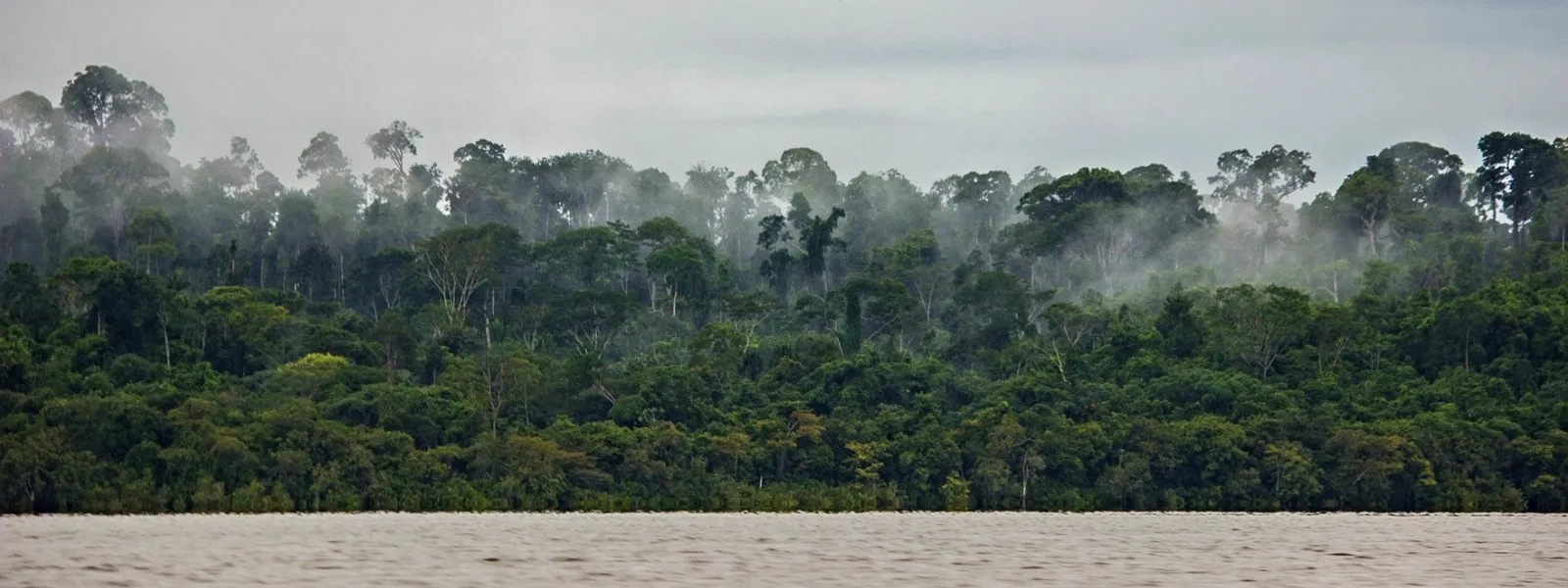
A usina hidrelétrica de Belo Monte causou um desastre ambiental e social no coração da Amazônia: um dos ecossistemas mais importantes do planeta.
Essa situação só piorou desde que a usina começou a operar em 2016. A busca por justiça e reparação para as comunidades indígenas e ribeirinhas afetadas continua até hoje.
Em 2011, a Comissão Interamericana de Direitos Humanos (CIDH) concedeu a essas comunidades medidas de proteção, que até hoje não foram totalmente implementadas pelo Estado brasileiro.
E, desde junho daquele mesmo ano, a CIDH mantém um processo contra o Estado por sua responsabilidade internacional no caso.
A CIDH pode encaminhar o caso à Corte Interamericana de Direitos Humanos, que tem o poder de emitir uma sentença condenatória contra o Estado brasileiro.
Consulta o expediente de fatos do caso
Após 10 anos de operação da usina hidrelétrica e mais de 15 anos de violações de direitos humanos documentadas, é hora da justiça ser feita para as comunidades afetadas.
Leia a carta aberta das organizações que levam o caso à CIDH
Leia nosso comunicado à imprensa
Contexto
A usina hidrelétrica de Belo Monte — a quarta maior do mundo em capacidade instalada (11.233 MW) — foi construída no rio Xingu, no estado do Pará, norte do Brasil.
Foi inaugurada em 5 de maio de 2016, com uma única turbina. Naquela época, 80% do curso do rio foi desviado e 516 km² de terra foram inundados, uma área maior que a cidade de Chicago. Desse total, 400 km² eram de mata nativa. A usina começou a operar em plena capacidade em novembro de 2019.
Belo Monte foi construída e é operada pelo consórcio Norte Energia S.A., composto principalmente por empresas estatais. Foi financiada pelo Banco Nacional de Desenvolvimento Econômico e Social (BNDES), que aportou ao consórcio 25,4 bilhões de reais (aproximadamente US$ 10,16 bilhões), o maior investimento de sua história. Portanto, o BNDES também é legalmente responsável pelos impactos socioambientais associados ao projeto hidrelétrico.
Décadas de danos ambientais e humanos
As violações dos direitos humanos e a degradação da Amazônia remontam ao início do projeto. Em março de 2011, a Norte Energia iniciou a construção da barragem sem consulta adequada e sem o consentimento prévio, livre e informado das comunidades afetadas.
A construção levou ao deslocamento forçado de mais de 40.000 pessoas, rompendo laços sociais e culturais. O plano de reassentamento em Altamira — cidade diretamente afetada pelo projeto hidrelétrico — incluía moradias na periferia da cidade, sem serviços públicos adequados, moradias dignas para as famílias reassentadas e moradias diferenciadas para aqueles pertencentes a comunidades indígenas.
A operação da barragem de Belo Monte impôs uma seca permanente e artificial na Volta Grande do rio Xingu, agravada pelas secas históricas na Amazônia em 2023 e 2024. Como resultado, a morte de milhões de ovos de peixe foi documentada por quatro anos consecutivos (de 2021 a 2024) e, nos últimos três anos, não houve migração de peixes rio acima para desovar e se reproduzir. Assim, a pesca artesanal, principal fonte de proteína para os povos indígenas e comunidades ribeirinhas, foi severamente afetada: o consumo de peixe caiu de 50% para 30% do total de proteínas consumidas, sendo substituído por alimentos processados. Em suma, houve um colapso ambiental e humanitário que resultou no colapso da pesca como modo de vida tradicional, insegurança alimentar e falta de acesso à água potável para milhares de famílias, empobrecimento e doenças.
Além disso, a construção da barragem aumentou o desmatamento e intensificou a extração ilegal de madeira e a insegurança em terras indígenas e tribais, colocando em risco a sobrevivência dessas comunidades. Outra consequência foi o agravamento da pobreza e dos conflitos sociais, bem como a sobrecarga dos sistemas de saúde, educação e segurança pública em Altamira, cidade considerada a mais violenta do país em 2017, onde houve aumento do tráfico de pessoas e da violência sexual. Também foram registrados casos de violência contra defensores de direitos humanos envolvidos no caso.
Em 2025, durante a 30ª Conferência das Nações Unidas sobre Mudanças Climáticas (COP30), realizada no Brasil, o Ministério Público Federal classificou os danos causados por Belo Monte como ecocídio.
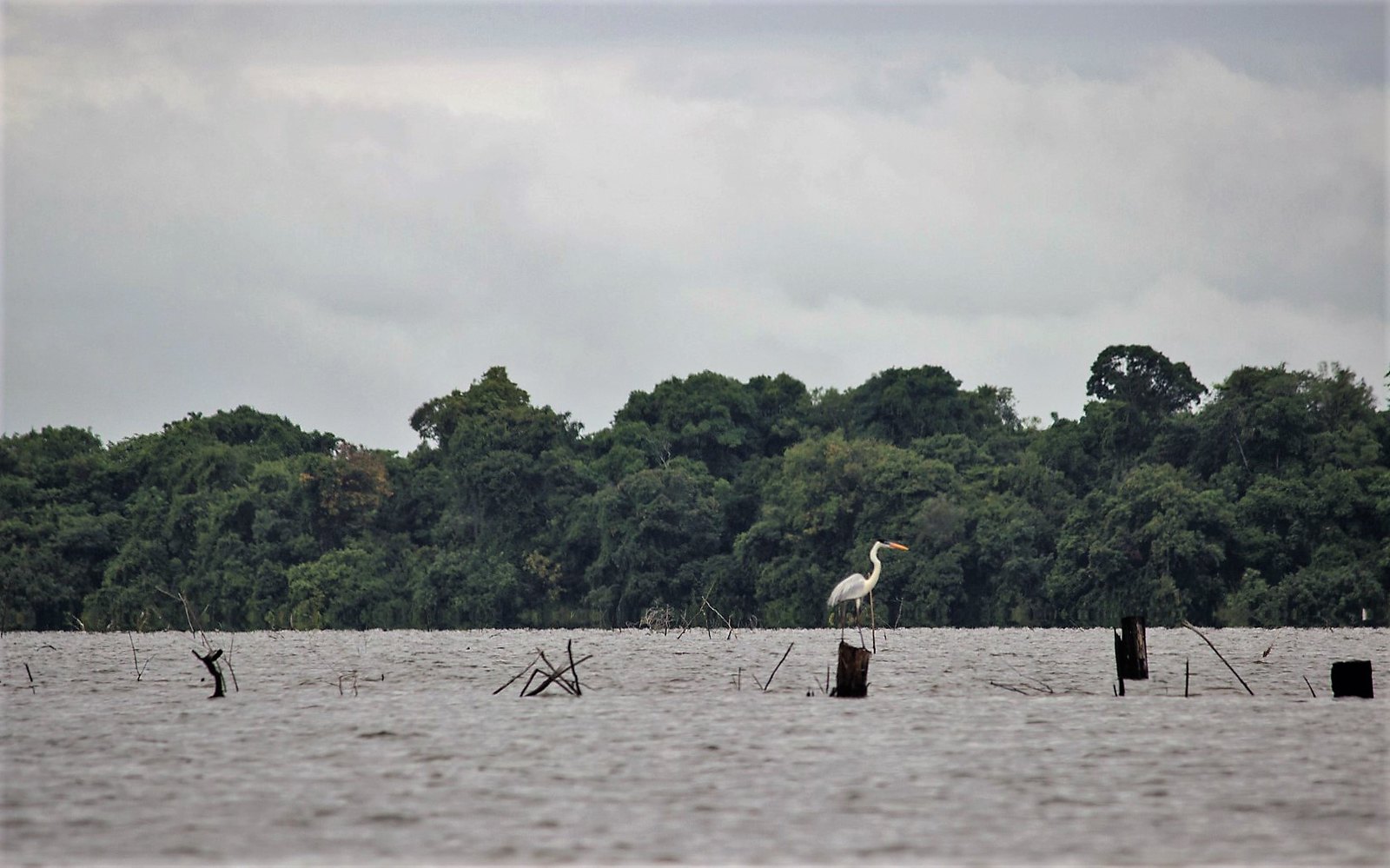
Foto: Amazon Watch / Maíra Irigaray.
A busca por justiça e reparação
Ao longo dos anos, o Ministério Público Federal do Pará, a Defensoria Pública e organizações da sociedade civil impetraram dezenas de ações judiciais em tribunais brasileiros para contestar as diversas irregularidades do projeto, bem como seus impactos. A maioria das ações permanece sem solução, algumas há mais de 10 anos.
Essas ações não obtiveram sucesso porque o governo federal tem reiteradamente anulado decisões favoráveis às comunidades afetadas, recorrendo a um mecanismo pelo qual o presidente do Supremo Tribunal Federal pode suspender uma decisão judicial com base unicamente em argumentos genéricos como "interesse nacional" ou "ordem econômica".
Diante da falta de respostas eficazes em nível nacional, a AIDA — juntamente com uma coalizão de organizações aliadas — levou o caso à Comissão Interamericana de Direitos Humanos (CIDH) e, em 2010, solicitou medidas cautelares para proteger a vida, a integridade e a saúde das comunidades indígenas afetadas.
Em 1º de abril de 2011, a CIDH concedeu essas medidas e solicitou ao Estado brasileiro a suspensão das licenças ambientais e de quaisquer obras de construção até que as condições relativas à consulta prévia e à proteção da saúde e integridade das comunidades fossem atendidas.
E, em 16 de junho de 2011, apresentamos uma denúncia formal à CIDH — juntamente com o Movimento Xingu Vivo Para Siempre, a Coordenação das Organizações Indígenas da Amazônia Brasileira, a Diocese de Altamira, o Conselho Missionário Indígena, a Sociedade Pará de Defesa dos Direitos Humanos e a Global Justice — contra o Estado brasileiro por sua responsabilidade internacional nas violações de direitos humanos contra os povos afetados neste caso. A denúncia foi apresentada em dezembro de 2015.
Em 3 de agosto de 2011, a CIDH modificou as medidas cautelares para solicitar — em vez da suspensão de licenças e obras — a proteção dos povos que vivem em isolamento voluntário, a saúde das comunidades indígenas e a regularização e proteção das terras ancestrais.
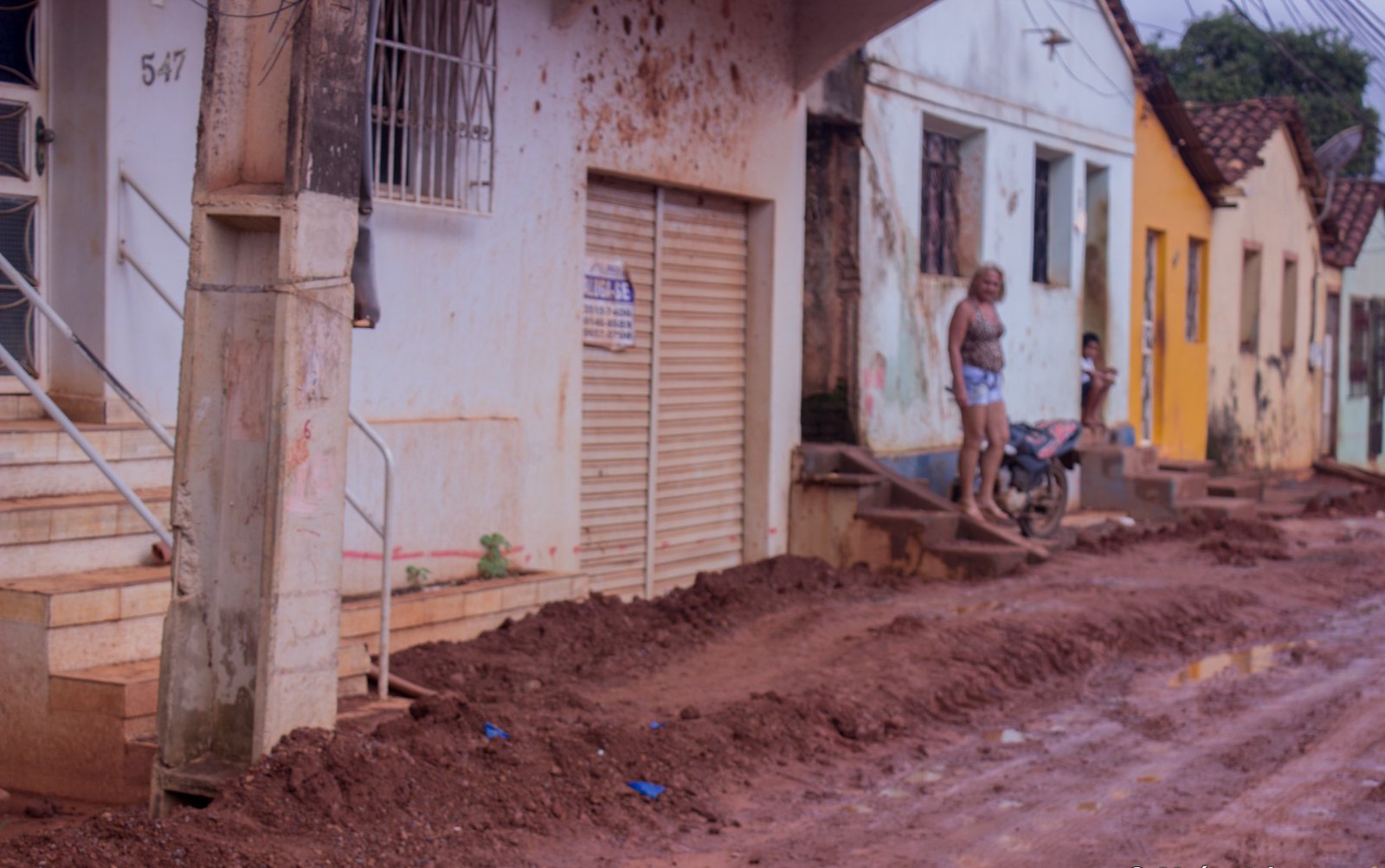
Foto: Amazon Watch / Maíra Irigaray.
Situação atual
As medidas de proteção concedidas pela CIDH permanecem em vigor, mas o Estado brasileiro não as cumpriu integralmente, relatando apenas ações genéricas. As comunidades documentaram as contínuas violações de seus direitos. A situação que motivou o pedido dessas medidas — o risco à vida, à segurança e aos meios de subsistência das comunidades — persiste e se agravou com a usina hidrelétrica operando em plena capacidade e com as recentes secas extremas na Amazônia.
Além do ocorrido em Belo Monte, existe o risco de maiores danos sociais e ambientais decorrentes da implementação de outro megaprojeto de mineração na Volta Grande do Xingu. Lá, a empresa canadense Belo Sun pretende construir a maior mina de ouro a céu aberto do Brasil.
Os impactos sinérgicos e cumulativos da usina e da mina não foram avaliados. O Estado excluiu povos indígenas, comunidades ribeirinhas e comunidades camponesas do processo de licenciamento ambiental do projeto. Apesar disso, dos protestos indígenas e de outras irregularidades em torno do projeto, o governo do estado do Pará autorizou formalmente a mina em abril de 2026.
Belo Monte, assim como outras usinas hidrelétricas, agrava a emergência climática ao gerar emissões de gases de efeito estufa em seu reservatório. Além disso, é ineficiente diante das secas prolongadas e intensas causadas pela crise, pois perde capacidade de geração de energia.
O caso perante a Comissão Interamericana
Em outubro de 2017, a CIDH anunciou que decidiria conjuntamente sobre a admissibilidade (se o caso preenche os requisitos para admissão) e o mérito (se houve, de fato, violação de direitos humanos) da denúncia internacional contra o Estado brasileiro.
Quinze anos após a apresentação da denúncia, as comunidades afetadas e as organizações que as representam ainda aguardam essa decisão. Caso a CIDH conclua que houve violações de direitos humanos e emita recomendações que o Estado brasileiro não cumpra, poderá encaminhar o caso à Corte Interamericana de Direitos Humanos, cujas decisões são vinculativas.
Uma possível decisão da Corte Internacional de Direitos Humanos neste caso estabeleceria um precedente jurídico regional em relação aos direitos dos povos indígenas e ribeirinhos, à participação pública em megaprojetos e à responsabilidade do Estado no contexto da crise climática. Isso é particularmente relevante à luz do Parecer Consultivo nº 32 da Corte, que reafirmou as obrigações dos Estados de proteger pessoas e comunidades em todo o continente da emergência climática.
Partners:
Related projects
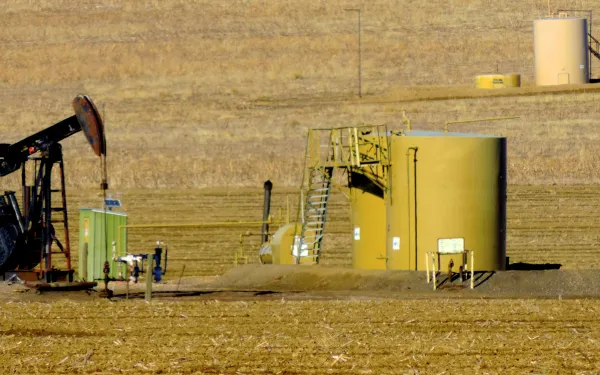
Is the UN finally turning against fracking?
The world is divided over the issue of fracking, a fact that is (at times painfully) apparent in the United Kingdom (UK) where I grew up. Four separate countries make up the UK. Of them, England is the only nation that still allows hydraulic fracturing; Scotland, Wales and Northern Ireland (along with a host of other countries worldwide) have banned the controversial process. Despite earthquakes linked to fracking in areas of the country where such things are virtually unheard of—plus waves of protests, controversy and opposition campaigns— the British government has so far refused to change its position. However, a recent United Nations recommendation to the UK may signal the beginning of the end for fracking in England and, hopefully, around the world. Fracking and the United Nations Until recently, the UN has appeared to have a complicated relationship with fracking. Several different UN bodies have made conflicting statements about the benefits of, and issues with, this means of energy production. In early 2018, the UN Conference on Trade and Development released a report that, according to one of its authors, did “not [say fracking] is good or bad,” but rather that each project’s cost/benefit analysis was dependent on a number of context-specific factors. The report cited positive aspects of fracking, calling it a useful “bridge fuel” for States aiming to move towards more environmentally-friendly renewable power sources, alongside it’s disadvantages. This argument is not viable since the environmental impact of hydraulic fracturing is even greater than that of conventional gas and oil exploitation. Over the last few months, however, it seems the UN has been hardening its position against fracking, particularly given its negative climate change impacts in the context of the Paris Agreement, the intergovernmental treaty in which nations have committed to taking ambitious steps to keep global warming below 1.5 degrees centigrade with respect to pre-industrial levels. Since October 2018, there have been 2 UN recommendations issued against fracking. In the UK, the government was urged to consider a complete and comprehensive ban on fracking; and in Argentina, the government was urged to reconsider the development of a large fracking project. The dangers of fracking Although for its promoters fracking has led to a huge spike in oil and gas production around the world—perhaps most notably in the US—its use has come at great environmental cost, particularly with regards to air quality and water supply due to the amount of water used in the process and its consequent contamination. Fracking releases large quantities of methane, a greenhouse gas whose global warming potential is 86 times greater than carbon dioxide over a 20-year period, according to the Intergovernmental Panel on Climate Change. In addition, the release of this gas can be hugely detrimental to the air quality surrounding fracking sites. Fracking also leads to increased earthquake risks due to the high pressure used to fracture layers of shale rock and extract oil and gas from it. In its recommendations to the UK and Argentina, the UN has clearly stressed the dangers of fracking. The key reason behind its recommendation to Argentina to reconsider the fracking project was its effect on climate change, especially in light of the Paris Agreement, and “the negative impact [that the project would have] on global warming and on the enjoyment of economic and social rights by the world’s population and future generations.” In its recommendation to the UK, it was noted that women in the UK are “disproportionately affected by the harmful effects of fracking, including exposure to hazardous and toxic chemicals, environmental pollution, and climate change.” Stopping the spread of fracking While operational in certain areas of the world, and being banned in others, fracking is advancing rapidly in Latin America. In the face of increasing global energy demand, it is crucial that the region, and the international community as a whole, commits to developing only truly sustainable energy projects. Fracking is not one. I believe the UN’s recent change in tone on fracking is a positive advance that should inspire both Argentina and the UK to react accordingly. From a personal point of view, I hope the UK heeds the growing evidence about the dangers of fracking and abandons the practice immediately. For Latin America, and other regions facing fracking’s blind advance, there are many countries to hold up as examples of how to confront the controversial practice. That’s why AIDA recently published a report highlighting the arguments and mechanisms that have been used around the world to restrict fracking and avoid its negative impacts on people and the environment. It is crucial that these impacts be properly considered as we take the ambitious steps needed to create an energy matrix that can solve the world’s energy needs without violating human rights, destroying our common goods, or worsening the catastrophic impacts of the climate crisis.
Read more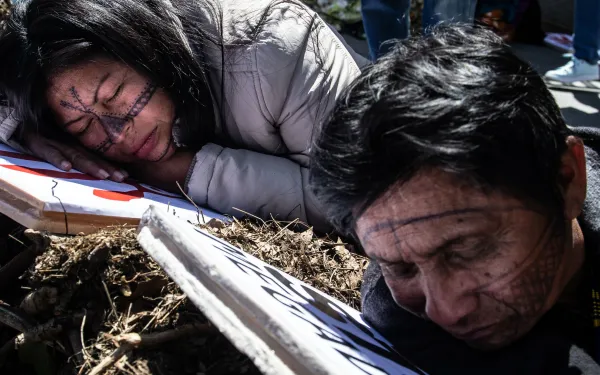
Protests Challenge Hydropower Companies at Global Event in Paris
Civil society organizations denounce corporate attempts to label hydroelectric dams as “green energy,” citing human rights abuses and environmental damage. Paris, France—A coalition of activists, organizations and indigenous leaders convened a series of events this week in light of the opening of the World Hydropower Conference, calling attention to the socially and environmentally destructive nature of hydroelectric dams, as well at their climate-aggravating impacts. From May 14-16, the International Hydropower Association (IHA) is hosting its biannual World Hydropower Congress in central Paris. The industry seeks to portray hydroelectric dams as a clean source of renewable energy, which they claim are essential for delivering the Paris Climate Agreement and the United Nations’ Sustainable Development Goals. However, a broad coalition of environmental and human rights organizations, together with social movements, argue that the dam industry’s claims amount to greenwashing, and are aimed at capturing new sources of finance from institutions like the Green Climate Fund. They point to numerous cases where hydropower projects have provoked disastrous consequences for people and the environment. Citing mounting scientific evidence that dams are a significant source of greenhouse gases—CO2and, particularly, methane—civil society groups also highlight the role of dams in aggravating climate change. A joint statement signed by more than 250 civil society groups from 70 countries calls attention to the false promises of hydropower and the urgent need for truly sustainable energy solutions. It is available in five languages. These and other issues—including the impacts of hydroelectric dams on natural and cultural heritage sites—were debated by scientists, activists and representatives of affected communities from Brazil, Colombia, Myanmar and Turkey in a parallel event to the IHA Congress, held at the Town Hall of the 6thArrondissement of Paris on May 13. The conference was organized by the NGOs Planète Amazone, GegenStrömung / CounterCurrent, Rivers without Boundaries, International Rivers, and AIDA. Myint Zaw, an activist and researcher from Myanmar who was awarded the 2015 Goldman Prize, was one of the speakers at the conference. “The food security of millions of people is threatened by dam projects planned for the Irrawaddy River that would impact important farmlands needed for rice production along the river and in delta region,” Zaw said. During Tuesday’s opening of the World Hydropower Congress, representatives of indigenous communities, social movements and non-governmental organizations protested together with activists from Extinction Rebellion in front of the Espace Grande Arche in La Défense. A focus of the protest was to call attention to the growing number of human rights and environmental activists murdered in dam-related conflicts. “Miguel Ángel Pabón Pabón disappeared as a result of his activism against the Hidrosogamoso Dam in Colombia, which has continued despite severe human rights violations,“ said Juan Pablo Soler from Movimiento Ríos Vívos of Colombia, mentioning one of many defenders lost. In Gabon, the Kingélé and Tchimbélé dams are adversely affecting populations living beside rivers. “During heavy rains, some villages are flooded when reservoirs overflow. Rivers turn into lakes, water becomes polluted and fish die intoxicated. There is no structure to help us on the ground, nor does the government hear our complaints, which is why we look abroad to issue a distress call,” proclaimed Assossa, a Pigmy leader. Three representatives of the Munduruku people from the Brazilian Amazon—Chief Arnaldo Kabá, Alessandra Korap and Candido Waro Munduruku—participated in both the parallel conference and the protest. After the protest, the Munduruku attempted to hand deliver a letter to the corporate headquarters of Électricité de France (EDF), majority-controlled by the French government. EDF is involved in the controversial Sinop dam on the Teles Pires River, a tributary of the Tapajos, and has contributed to studies that promote the São Luiz do Tapajós mega-dam, which would flood Munduruku territory. EDF representatives refused to speak with the Munduruku leaders. “EDF invades our territory, destroys our rivers, our territory and our sacred places. And when we come here to deliver a letter to this huge company, we’re barred,” stated Alessandra Munduruku. “We’re sad, but we’re determined to continue our struggle to defend our territory.” Press Contacts: Gert-Peter Bruch, Planète Amazone, [email protected] (French, English), + 33 (0)7 81 23 92 91 Brent Millikan, International Rivers, [email protected] (English, Portuguese), +55 61 8153-7009 Thilo F. Papacek, GegenStrömung – CounterCurrent / Forum Umwelt und Entwicklung, [email protected] (German, Portuguese, Spanish, English), ++49 151 412 145 19 Eugene Simonov, Rivers without Boundaries, [email protected](Russian, English, Chinese), +79 (0) 165 491 22 Resources: Further information about the parallel event from May 13: http://www.transrivers.org/2019/2634/ The joint statement, available in Chinese, English, Portuguese, Russian and Spanish can be downloaded here: https://drive.google.com/open?id=1pgS3YHm4zy5_LFSSjRe0KH-DMK773DQI Link to the Munduruku letter of protest to EDF: Électricité de France (Portuguese and English):https://drive.google.com/file/d/1TxqIiOuJDxNUI2YKPtUBrE_wucJLFl-E/view?usp=sharing Press photos available free of charge (Credit: Todd Southgate): https://tinyurl.com/y34b2g7u Clip reel of protest at opening of IHA Congress and Munduruku attempt to deliver letter at IHA headquarters: https://youtu.be/9BrI3AqVnXE Fact sheet from CounterCurrent on hydroelectric dams and UN Sustainable Development: tinyurl.com/y6mbjqj2
Read moreProtests Challenge Hydropower Companies at Global Event in Paris
Civil society organizations denounce corporate attempts to label hydroelectric dams as “green energy,” citing human rights abuses and environmental damage. Paris, France—A coalition of activists, organizations and indigenous leaders convened a series of events this week in light of the opening of the World Hydropower Conference, calling attention to the socially and environmentally destructive nature of hydroelectric dams, as well at their climate-aggravating impacts. From May 14-16, the International Hydropower Association (IHA) is hosting its biannual World Hydropower Congress in central Paris. The industry seeks to portray hydroelectric dams as a clean source of renewable energy, which they claim are essential for delivering the Paris Climate Agreement and the United Nations’ Sustainable Development Goals. However, a broad coalition of environmental and human rights organizations, together with social movements, argue that the dam industry’s claims amount to greenwashing, and are aimed at capturing new sources of finance from institutions like the Green Climate Fund. They point to numerous cases where hydropower projects have provoked disastrous consequences for people and the environment. Citing mounting scientific evidence that dams are a significant source of greenhouse gases—CO2and, particularly, methane—civil society groups also highlight the role of dams in aggravating climate change. A joint statement signed by more than 250 civil society groups from 70 countries calls attention to the false promises of hydropower and the urgent need for truly sustainable energy solutions. It is available in five languages. These and other issues—including the impacts of hydroelectric dams on natural and cultural heritage sites—were debated by scientists, activists and representatives of affected communities from Brazil, Colombia, Myanmar and Turkey in a parallel event to the IHA Congress, held at the Town Hall of the 6thArrondissement of Paris on May 13. The conference was organized by the NGOs Planète Amazone, GegenStrömung / CounterCurrent, Rivers without Boundaries, International Rivers, and AIDA. Myint Zaw, an activist and researcher from Myanmar who was awarded the 2015 Goldman Prize, was one of the speakers at the conference. “The food security of millions of people is threatened by dam projects planned for the Irrawaddy River that would impact important farmlands needed for rice production along the river and in delta region,” Zaw said. During Tuesday’s opening of the World Hydropower Congress, representatives of indigenous communities, social movements and non-governmental organizations protested together with activists from Extinction Rebellion in front of the Espace Grande Arche in La Défense. A focus of the protest was to call attention to the growing number of human rights and environmental activists murdered in dam-related conflicts. “Miguel Ángel Pabón Pabón disappeared as a result of his activism against the Hidrosogamoso Dam in Colombia, which has continued despite severe human rights violations,“ said Juan Pablo Soler from Movimiento Ríos Vívos of Colombia, mentioning one of many defenders lost. In Gabon, the Kingélé and Tchimbélé dams are adversely affecting populations living beside rivers. “During heavy rains, some villages are flooded when reservoirs overflow. Rivers turn into lakes, water becomes polluted and fish die intoxicated. There is no structure to help us on the ground, nor does the government hear our complaints, which is why we look abroad to issue a distress call,” proclaimed Assossa, a Pigmy leader. Three representatives of the Munduruku people from the Brazilian Amazon—Chief Arnaldo Kabá, Alessandra Korap and Candido Waro Munduruku—participated in both the parallel conference and the protest. After the protest, the Munduruku attempted to hand deliver a letter to the corporate headquarters of Électricité de France (EDF), majority-controlled by the French government. EDF is involved in the controversial Sinop dam on the Teles Pires River, a tributary of the Tapajos, and has contributed to studies that promote the São Luiz do Tapajós mega-dam, which would flood Munduruku territory. EDF representatives refused to speak with the Munduruku leaders. “EDF invades our territory, destroys our rivers, our territory and our sacred places. And when we come here to deliver a letter to this huge company, we’re barred,” stated Alessandra Munduruku. “We’re sad, but we’re determined to continue our struggle to defend our territory.” Press Contacts: Gert-Peter Bruch, Planète Amazone, [email protected] (French, English), + 33 (0)7 81 23 92 91 Brent Millikan, International Rivers, [email protected] (English, Portuguese), +55 61 8153-7009 Thilo F. Papacek, GegenStrömung – CounterCurrent / Forum Umwelt und Entwicklung, [email protected] (German, Portuguese, Spanish, English), ++49 151 412 145 19 Eugene Simonov, Rivers without Boundaries, [email protected](Russian, English, Chinese), +79 (0) 165 491 22 Resources: Further information about the parallel event from May 13: http://www.transrivers.org/2019/2634/ The joint statement, available in Chinese, English, Portuguese, Russian and Spanish can be downloaded here: https://drive.google.com/open?id=1pgS3YHm4zy5_LFSSjRe0KH-DMK773DQI Link to the Munduruku letter of protest to EDF: Électricité de France (Portuguese and English):https://drive.google.com/file/d/1TxqIiOuJDxNUI2YKPtUBrE_wucJLFl-E/view?usp=sharing Press photos available free of charge (Credit: Todd Southgate): https://tinyurl.com/y34b2g7u Clip reel of protest at opening of IHA Congress and Munduruku attempt to deliver letter at IHA headquarters: https://youtu.be/9BrI3AqVnXE Fact sheet from CounterCurrent on hydroelectric dams and UN Sustainable Development: tinyurl.com/y6mbjqj2
Read more