
Project
Amazon Watch / Maíra Irigaray
Barragem de Belo Monte no rio Xingu: 10 anos de impactos na Amazônia e de busca por reparações
A usina hidrelétrica de Belo Monte causou um desastre ambiental e social no coração da Amazônia: um dos ecossistemas mais importantes do planeta.
Essa situação só piorou desde que a usina começou a operar em 2016. A busca por justiça e reparação para as comunidades indígenas e ribeirinhas afetadas continua até hoje.
Em 2011, a Comissão Interamericana de Direitos Humanos (CIDH) concedeu a essas comunidades medidas de proteção, que até hoje não foram totalmente implementadas pelo Estado brasileiro.
E, desde junho daquele mesmo ano, a CIDH mantém um processo contra o Estado por sua responsabilidade internacional no caso.
A CIDH pode encaminhar o caso à Corte Interamericana de Direitos Humanos, que tem o poder de emitir uma sentença condenatória contra o Estado brasileiro.
Consulta o expediente de fatos do caso
Após 10 anos de operação da usina hidrelétrica e mais de 15 anos de violações de direitos humanos documentadas, é hora da justiça ser feita para as comunidades afetadas.
Leia a carta aberta das organizações que levam o caso à CIDH
Leia nosso comunicado à imprensa
Contexto
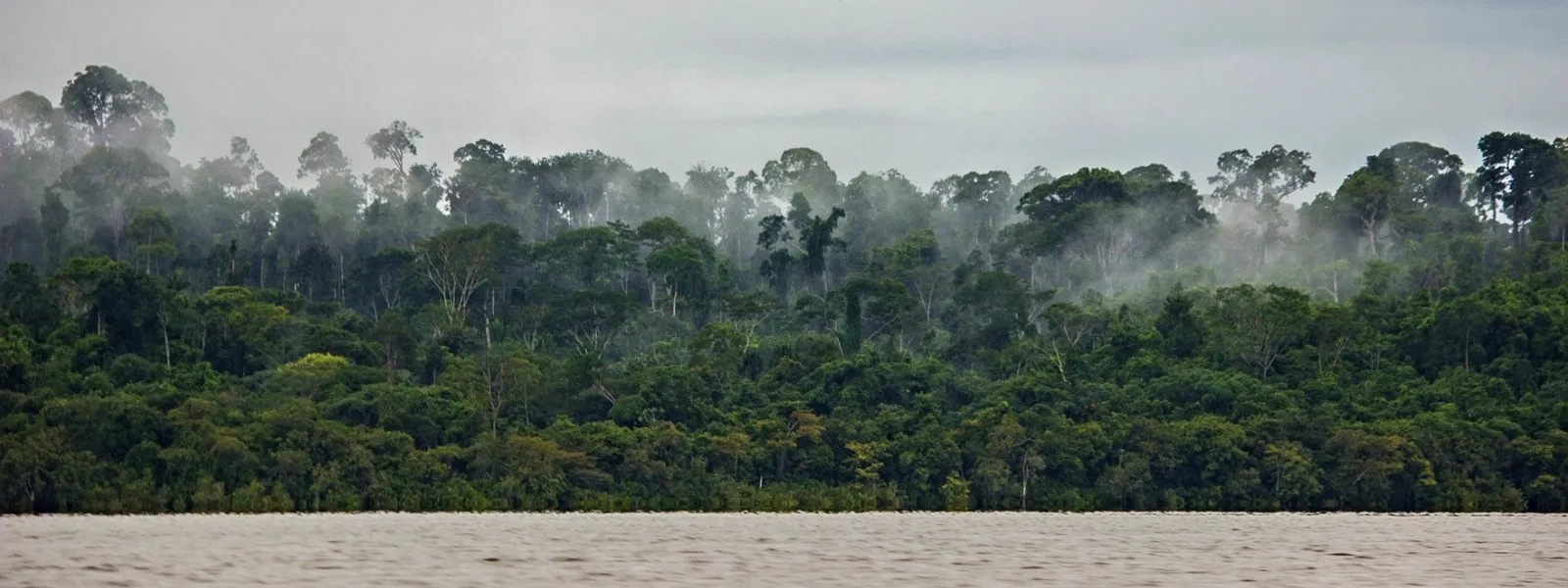
A usina hidrelétrica de Belo Monte — a quarta maior do mundo em capacidade instalada (11.233 MW) — foi construída no rio Xingu, no estado do Pará, norte do Brasil.
Foi inaugurada em 5 de maio de 2016, com uma única turbina. Naquela época, 80% do curso do rio foi desviado e 516 km² de terra foram inundados, uma área maior que a cidade de Chicago. Desse total, 400 km² eram de mata nativa. A usina começou a operar em plena capacidade em novembro de 2019.
Belo Monte foi construída e é operada pelo consórcio Norte Energia S.A., composto principalmente por empresas estatais. Foi financiada pelo Banco Nacional de Desenvolvimento Econômico e Social (BNDES), que aportou ao consórcio 25,4 bilhões de reais (aproximadamente US$ 10,16 bilhões), o maior investimento de sua história. Portanto, o BNDES também é legalmente responsável pelos impactos socioambientais associados ao projeto hidrelétrico.
Décadas de danos ambientais e humanos
As violações dos direitos humanos e a degradação da Amazônia remontam ao início do projeto. Em março de 2011, a Norte Energia iniciou a construção da barragem sem consulta adequada e sem o consentimento prévio, livre e informado das comunidades afetadas.
A construção levou ao deslocamento forçado de mais de 40.000 pessoas, rompendo laços sociais e culturais. O plano de reassentamento em Altamira — cidade diretamente afetada pelo projeto hidrelétrico — incluía moradias na periferia da cidade, sem serviços públicos adequados, moradias dignas para as famílias reassentadas e moradias diferenciadas para aqueles pertencentes a comunidades indígenas.
A operação da barragem de Belo Monte impôs uma seca permanente e artificial na Volta Grande do rio Xingu, agravada pelas secas históricas na Amazônia em 2023 e 2024. Como resultado, a morte de milhões de ovos de peixe foi documentada por quatro anos consecutivos (de 2021 a 2024) e, nos últimos três anos, não houve migração de peixes rio acima para desovar e se reproduzir. Assim, a pesca artesanal, principal fonte de proteína para os povos indígenas e comunidades ribeirinhas, foi severamente afetada: o consumo de peixe caiu de 50% para 30% do total de proteínas consumidas, sendo substituído por alimentos processados. Em suma, houve um colapso ambiental e humanitário que resultou no colapso da pesca como modo de vida tradicional, insegurança alimentar e falta de acesso à água potável para milhares de famílias, empobrecimento e doenças.
Além disso, a construção da barragem aumentou o desmatamento e intensificou a extração ilegal de madeira e a insegurança em terras indígenas e tribais, colocando em risco a sobrevivência dessas comunidades. Outra consequência foi o agravamento da pobreza e dos conflitos sociais, bem como a sobrecarga dos sistemas de saúde, educação e segurança pública em Altamira, cidade considerada a mais violenta do país em 2017, onde houve aumento do tráfico de pessoas e da violência sexual. Também foram registrados casos de violência contra defensores de direitos humanos envolvidos no caso.
Em 2025, durante a 30ª Conferência das Nações Unidas sobre Mudanças Climáticas (COP30), realizada no Brasil, o Ministério Público Federal classificou os danos causados por Belo Monte como ecocídio.
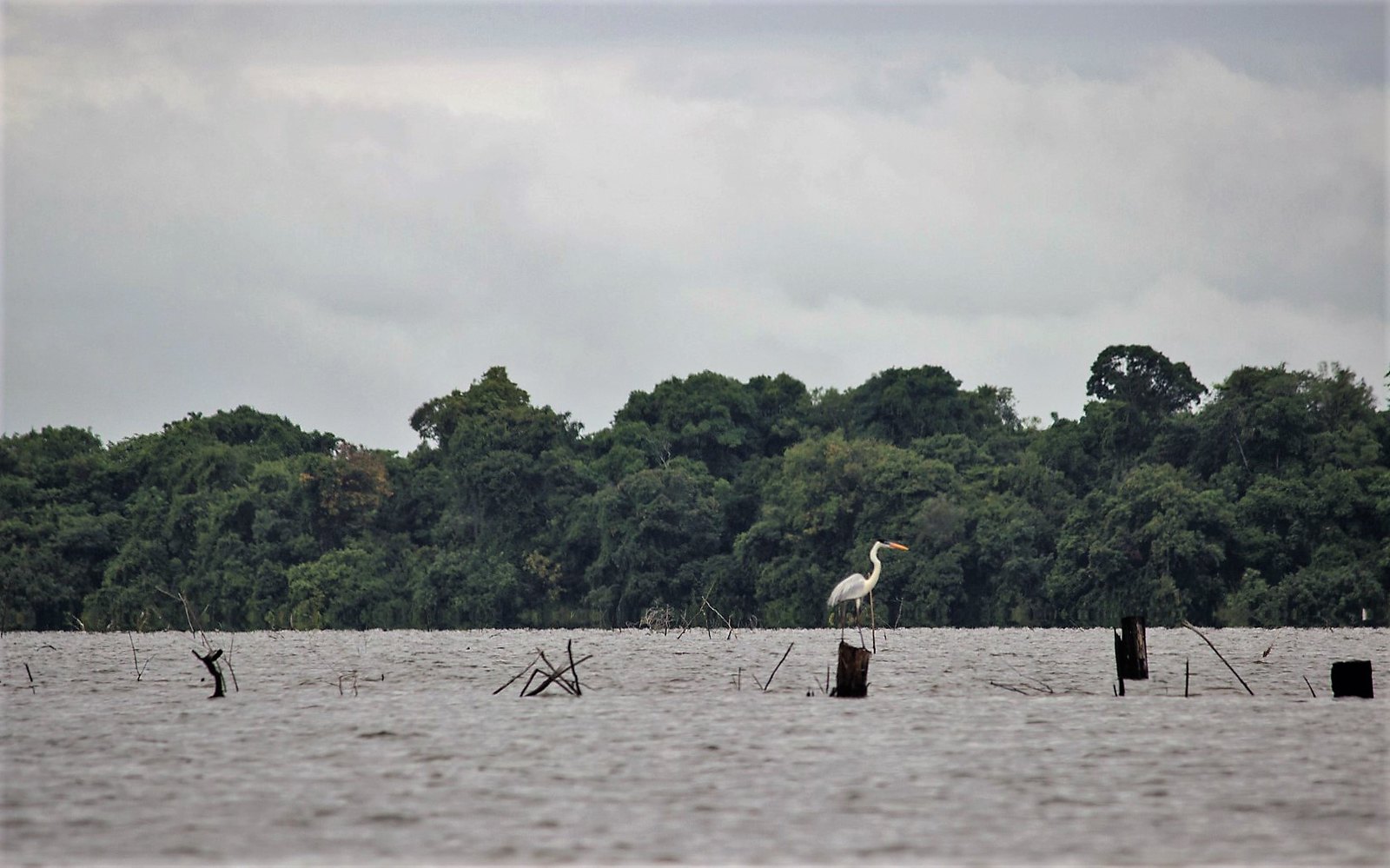
Foto: Amazon Watch / Maíra Irigaray.
A busca por justiça e reparação
Ao longo dos anos, o Ministério Público Federal do Pará, a Defensoria Pública e organizações da sociedade civil impetraram dezenas de ações judiciais em tribunais brasileiros para contestar as diversas irregularidades do projeto, bem como seus impactos. A maioria das ações permanece sem solução, algumas há mais de 10 anos.
Essas ações não obtiveram sucesso porque o governo federal tem reiteradamente anulado decisões favoráveis às comunidades afetadas, recorrendo a um mecanismo pelo qual o presidente do Supremo Tribunal Federal pode suspender uma decisão judicial com base unicamente em argumentos genéricos como "interesse nacional" ou "ordem econômica".
Diante da falta de respostas eficazes em nível nacional, a AIDA — juntamente com uma coalizão de organizações aliadas — levou o caso à Comissão Interamericana de Direitos Humanos (CIDH) e, em 2010, solicitou medidas cautelares para proteger a vida, a integridade e a saúde das comunidades indígenas afetadas.
Em 1º de abril de 2011, a CIDH concedeu essas medidas e solicitou ao Estado brasileiro a suspensão das licenças ambientais e de quaisquer obras de construção até que as condições relativas à consulta prévia e à proteção da saúde e integridade das comunidades fossem atendidas.
E, em 16 de junho de 2011, apresentamos uma denúncia formal à CIDH — juntamente com o Movimento Xingu Vivo Para Siempre, a Coordenação das Organizações Indígenas da Amazônia Brasileira, a Diocese de Altamira, o Conselho Missionário Indígena, a Sociedade Pará de Defesa dos Direitos Humanos e a Global Justice — contra o Estado brasileiro por sua responsabilidade internacional nas violações de direitos humanos contra os povos afetados neste caso. A denúncia foi apresentada em dezembro de 2015.
Em 3 de agosto de 2011, a CIDH modificou as medidas cautelares para solicitar — em vez da suspensão de licenças e obras — a proteção dos povos que vivem em isolamento voluntário, a saúde das comunidades indígenas e a regularização e proteção das terras ancestrais.
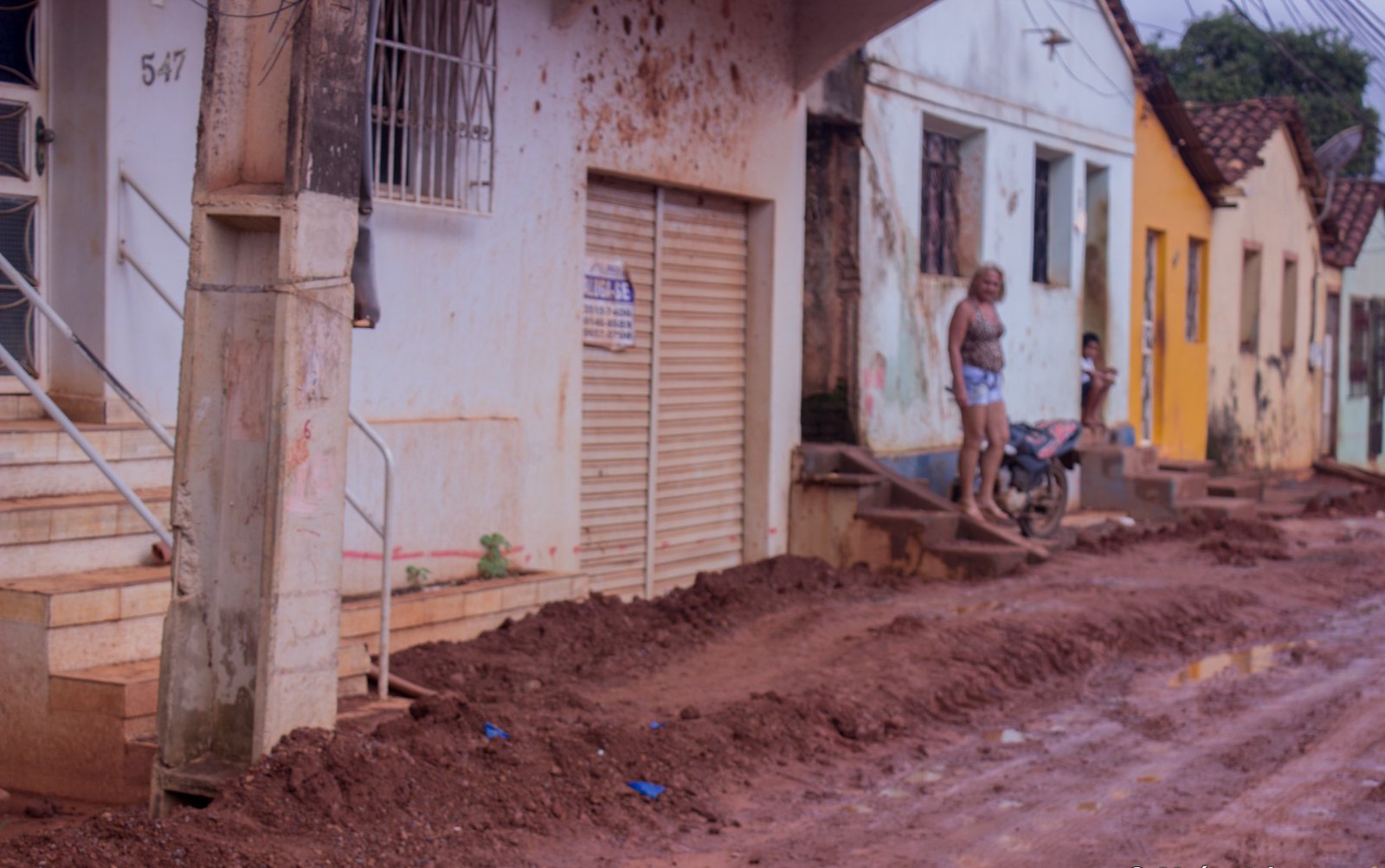
Foto: Amazon Watch / Maíra Irigaray.
Situação atual
As medidas de proteção concedidas pela CIDH permanecem em vigor, mas o Estado brasileiro não as cumpriu integralmente, relatando apenas ações genéricas. As comunidades documentaram as contínuas violações de seus direitos. A situação que motivou o pedido dessas medidas — o risco à vida, à segurança e aos meios de subsistência das comunidades — persiste e se agravou com a usina hidrelétrica operando em plena capacidade e com as recentes secas extremas na Amazônia.
Além do ocorrido em Belo Monte, existe o risco de maiores danos sociais e ambientais decorrentes da implementação de outro megaprojeto de mineração na Volta Grande do Xingu. Lá, a empresa canadense Belo Sun pretende construir a maior mina de ouro a céu aberto do Brasil.
Os impactos sinérgicos e cumulativos da usina e da mina não foram avaliados. O Estado excluiu povos indígenas, comunidades ribeirinhas e comunidades camponesas do processo de licenciamento ambiental do projeto. Apesar disso, dos protestos indígenas e de outras irregularidades em torno do projeto, o governo do estado do Pará autorizou formalmente a mina em abril de 2026.
Belo Monte, assim como outras usinas hidrelétricas, agrava a emergência climática ao gerar emissões de gases de efeito estufa em seu reservatório. Além disso, é ineficiente diante das secas prolongadas e intensas causadas pela crise, pois perde capacidade de geração de energia.
O caso perante a Comissão Interamericana
Em outubro de 2017, a CIDH anunciou que decidiria conjuntamente sobre a admissibilidade (se o caso preenche os requisitos para admissão) e o mérito (se houve, de fato, violação de direitos humanos) da denúncia internacional contra o Estado brasileiro.
Quinze anos após a apresentação da denúncia, as comunidades afetadas e as organizações que as representam ainda aguardam essa decisão. Caso a CIDH conclua que houve violações de direitos humanos e emita recomendações que o Estado brasileiro não cumpra, poderá encaminhar o caso à Corte Interamericana de Direitos Humanos, cujas decisões são vinculativas.
Uma possível decisão da Corte Internacional de Direitos Humanos neste caso estabeleceria um precedente jurídico regional em relação aos direitos dos povos indígenas e ribeirinhos, à participação pública em megaprojetos e à responsabilidade do Estado no contexto da crise climática. Isso é particularmente relevante à luz do Parecer Consultivo nº 32 da Corte, que reafirmou as obrigações dos Estados de proteger pessoas e comunidades em todo o continente da emergência climática.
Partners:
Related projects
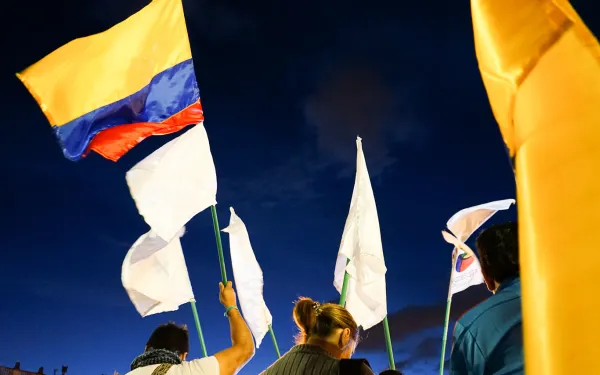
We Too Demand Peace: International Civil Society Organizations Join with Colombians Marching for Peace
Washington, D.C. Colombians march for peace in their country on July 26, we echo their call for a permanent end to the war that claimed 260,000 lives and forced 8 million people, the majority from Afro-descendant and indigenous communities, and mostly women and children, to flee their homes. We join their call for the Colombian government to protect the social leaders building peace in their communities. Hundreds have been killed since the peace accords were signed in 2016, while many more live under the constant pressure of daily threats and attacks. This tragedy must end. We vigorously support their demand that the Colombian government fully and faithfully implement the peace accords signed between the government and the FARC guerrillas—or this once-in-a-lifetime chance for peace will be lost. Finally, we call on the United States and the international community at large to back the effective implementation of the peace accords wholeheartedly. We stand in solidarity with the millions of Colombians who are struggling to build a just, complete, and lasting peace and who tomorrow say #26deJulioElGrito. Signed, 350.org Abogadas y Abogados para la Justicia y los Derechos Humanos Acción Solidaria ActionAid USA AFL-CIO ÁGORA Espacio Civil Paraguay Amazon Watch Asistencia Legal por los Derechos Humanos A.C. (ASILEGAL) Asociación Interamericana para la Defensa del Ambiente (AIDA) Center for Justice and International Law (CEJIL) Center for Reproductive Rights Centro de Derechos Humanos Fray Bartolomé de Las Casas, A.C. - México Centro de Derechos Humanos y Ambiente (CEDHA) Centro de Documentación en Derechos Humanos "Segundo Montes Mozo S.J." (CSMM) Chicago Religious Leadership Network on Latin America (CRLN) Christian Peacemaker Teams Ciudadanos en Apoyo a los Derechos Humanos, A.C. (CADHAC) CIVICUS - World Alliance for Citizen Participation Colombia Grassroot Support, New Jersey Colombia Human Rights Committee, Washington DC Comisión Ecuménica de Derechos Humanos Comisión Mexicana de Defensa y Promoción de los Derechos Humanos Comité de América Latina y el Caribe para la Defensa de los Derechos de las Mujeres Convergencia por los Derechos Humanos Coordinadora Nacional de Derechos Humanos Corporación Humanas Chile CSW Defensor de derechos humanos en México Equipo de Reflexión, Investigación y Comunicación de la Compañía de Jesús en Honduras (ERIC-SJ) Global Witness International Institute on Race, Equality and Human Rights (Race and Equality) International Labor Rights Forum International Rivers InterReligious Task Force On Central America and Colombia Latin America Working Group (LAWG) Movimiento Autónomo de Mujeres, Nicaragua Mujeres Libres COLEM, A.C. Grupo de Mujeres de San Cristóbal Las Casas, A.C. NJ Peace Council Not1More Oxfam Paz y Esperanza Presbyterian Church USA Presbyterian Peace Fellowship Red Para la Infancia y la Adolescencia de El Salvador (RIA) Redes por los Derechos de la Infancia (REDIM) Robert F. Kennedy Human Rights Servicio Internacional para los Derechos Humanos (ISHR) United Church of Christ, Justice and Witness Ministries Washington Office on Latin America (WOLA) Witness for Peace Solidarity Collective
Read more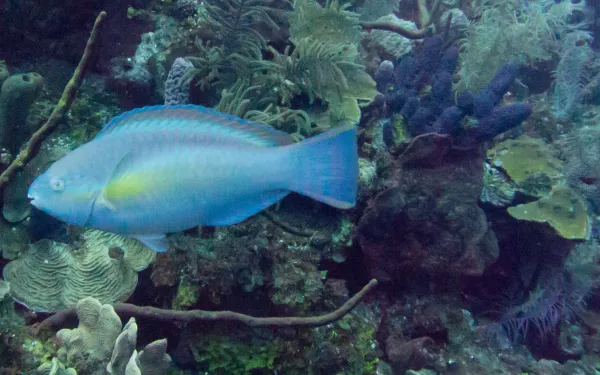
Resolution provides measures to protect corals in the Colombia Caribbean
Setting a positive precedent in Colombia and an important region of the Greater Caribbean, CORALINA has prohibited the fishing and commercialization of several species of herbivorous and omnivorous fish, a measure aimed at conserving the area’s coral reef ecosystems. San Andrés, Colombia. With the objective of conserving the coral reef and beach ecosystems of the Archipelago of San Andrés, Providencia and Santa Catalina, Colombia, the region’s autonomous corporation authority emitted a resolution prohibiting the capture and commercialization of several species of herbivorous and omnivorous fish. The waters around these Caribbean islands host the greatest marine and coastal biodiversity in Colombia, with more than 2,354 marine species registered to date. “This progress towards the conservation of corals and beaches occurs after a process of more than 20 years that included environmental education, research and monitoring,” said Nacor Bolaños, coordinator of protected areas for the Corporation for the Sustainable Development of the Archipelago of San Andrés, Providencia and Santa Catalina (CORALINA). “The need to protect parrotfish and other species of herbivorous and omnivorous fish was supported by artisanal fishermen themselves and by local communities, with whom we met.” The resolution issued by the decentralized public entity protects 14 species of parrotfish, four of surgeonfish, five of butterfly fish and six species of angelfish. It completely prohibits commercial, industrial, sport, or recreational fishing of these species. It also prohibits commercial fishing using harpoons and/or similar fishing gears. It also completely restricts their commercialization, possession and storage, as well as their transfer to other areas of the country. “The resolution is of great importance because it recognizes the benefits of corals for fishing, tourism, pharmaceutical resources, and protection against the impacts of the climate crisis,” said Maria José Gonzalez-Bernat, scientific advisor to AIDA. “It also recognizes the vital role several species of fish play in keeping these ecosystems healthy.” By feeding on algae that take away light and space from corals, herbivorous fish support the survival of these fragile environments. Numerous studies have demonstrated that parrotfish contribute to the growth of corals and the creation of sand for beaches. Some omnivorous species like angelfish also help to clean algae from corals. AIDA has supported CORALINA’s initiative since its inception, providing technical, scientific and legal information; and has advocated for the inclusion in the resolution of international and regional commitments that protect these fish. The Archipelago of San Andrés, Providencia and Santa Catalina concentrates 77 percent of the surface coral areas of Colombia and houses the third largest coral reef in the world. The area was declared a UNESCO Biosphere Reserve in 2000, and borders eight nations of the Greater Caribbean: Venezuela, the Dominican Republic, Haiti, Jamaica, Honduras, Nicaragua, Costa Rica and Panama. Yet its coral coverage has deteriorated over time due to natural phenomenon and human activities, as have populations of herbivorous fish like the parrotfish. “In this sense, this regulation is an example for other countries with coral reefs along their coasts,” said Gonzalez-Bernat. “The resolution is based on scientific information and emphasizes the international legal framework that recommends the protection of corals and the fish that support their conservation.” Press contacts: Victor Quintanilla (Mexico), AIDA, [email protected], +52 155 70522107 Claudia Marcela Delgado (Colombia), CORALINA, [email protected], +57 313 8517300
Read more
What we must do to preserve the planet’s biodiversity and natural heritage
Society is at serious risk of losing our natural world and all that sustains us. Our actions are provoking mass extinction and accelerating the loss of natural resources, plants and animals. Among these actions are the growth of agriculture and livestock production, the destruction of habitats, the introduction of invasive species, the expansion of urban areas, poaching and overfishing, overpopulation and pollution. That’s according to the most complete global evaluation of biodiversity yet, recently published by scientists at the United Nations’ Intergovernmental Science-Policy Platform on Biodiversity and Ecosystem Services (IPBES). The report shows that the capacity of Earth’s ecosystems to provide benefits to people has diminished drastically over the last 70 years. That’s because, on average: global resources have diminished by 47 percent; 25 percent of flora and fauna species are in danger of extinction; and the climate crisis is driving higher temperatures and increased acidification of the ocean, which is causing coral reef coverage worldwide to shrink. What’s more, a third of all species in the ocean are being overfished. Despite these alarming statistics, we can still take the planet out of the grave situation we’ve put it in. But it will require radical changes to our approach. The diagnosis for Latin America Historically, the world has passed through five mass extinctions that have caused the loss of more than 70 percent of the Earth’s life forms. Currently, we seem to be living through the sixth. Although species extinction occurs naturally, it generally does so at a rate of about one species per million each year. The current rate far exceeds that, as at least 100 species per million are going extinct each year—and that rate is rising. Another way to visualize this global threat is by listing the countries with the most species in danger of extinction. Five countries in Latin America are in the top 10 for species loss, with Mexico topping the list at 665 threatened species (71 species of birds, 96 mammals, 98 reptiles, 181 types of fish and 219 amphibians). Mexico’s situation is largely being driven by high rates of deforestation, a practice aimed at increasing agricultural area to cover the country’s growing demand for food. In fact, Latin America and Southeast Asia have lost millions of hectares of terrestrial ecosystems and fresh water through increased livestock production and agriculture (which includes the use of fertilizers). Other countries in the region with high rates of species loss include Colombia (540 species), Ecuador (436), Brazil (413), and Peru (385). Species extinction alters and impedes the proper functioning of ecosystems, which rely on interactions between varied forms of life to produce food, manage water supply, regulate climate, and more. Big changes to ensure a better future Although life on our planet has existed for some 4 billion years, humanity has only been around 200 thousand of those; yet we’ve managed to disrupt the Earth’s natural balance. Although our actions have negatively affected the earth, this shows that we, as humans, have the ability to transform our environment. The IPBES report mentions the Aichi Biodiversity Targets as transformative actions that can protect biodiversity. One of those is the creation of natural protected areas, which have helped reduce the risk of extinction for species like mammals and amphibians. Nevertheless, the report emphasizes the need for a drastic change in the values and objectives of our governments so that decisions at the local, national, and international levels are aligned to combat the causes behind the planet’s degradation. To that end, and taking into account the UN’s Sustainable Development Goals, nations must: Expand and coordinate the global network of natural protected areas. Invest in green infrastructure. Produce food, materials, and energy in sustainable ways. Conserve and use water efficiently. Support indigenous and traditional communities, who protect many of the planet’s remaining natural resources. Adequately approach population growth and global consumption levels. Create new environmental laws and better compliance with existing ones. Slow pollution and the overexploitation of our natural resources. “People shouldn’t panic, but they should begin to make drastic changes,” said Josef Settele, an IPBES co-chair and entomologist at the Helmholtz Center for Environmental Research in Germany. “Business as usual with small adjustments won’t be enough.” Our air, water, and food depend on biodiversity—the varied forms of life on our planet and the interaction between them. Caring for this natural heritage is a shared task; it is now more important than ever.
Read more