
Project
Amazon Watch / Maíra Irigaray
Barragem de Belo Monte no rio Xingu: 10 anos de impactos na Amazônia e de busca por reparações
A usina hidrelétrica de Belo Monte causou um desastre ambiental e social no coração da Amazônia: um dos ecossistemas mais importantes do planeta.
Essa situação só piorou desde que a usina começou a operar em 2016. A busca por justiça e reparação para as comunidades indígenas e ribeirinhas afetadas continua até hoje.
Em 2011, a Comissão Interamericana de Direitos Humanos (CIDH) concedeu a essas comunidades medidas de proteção, que até hoje não foram totalmente implementadas pelo Estado brasileiro.
E, desde junho daquele mesmo ano, a CIDH mantém um processo contra o Estado por sua responsabilidade internacional no caso.
A CIDH pode encaminhar o caso à Corte Interamericana de Direitos Humanos, que tem o poder de emitir uma sentença condenatória contra o Estado brasileiro.
Consulta o expediente de fatos do caso
Após 10 anos de operação da usina hidrelétrica e mais de 15 anos de violações de direitos humanos documentadas, é hora da justiça ser feita para as comunidades afetadas.
Leia a carta aberta das organizações que levam o caso à CIDH
Leia nosso comunicado à imprensa
Contexto
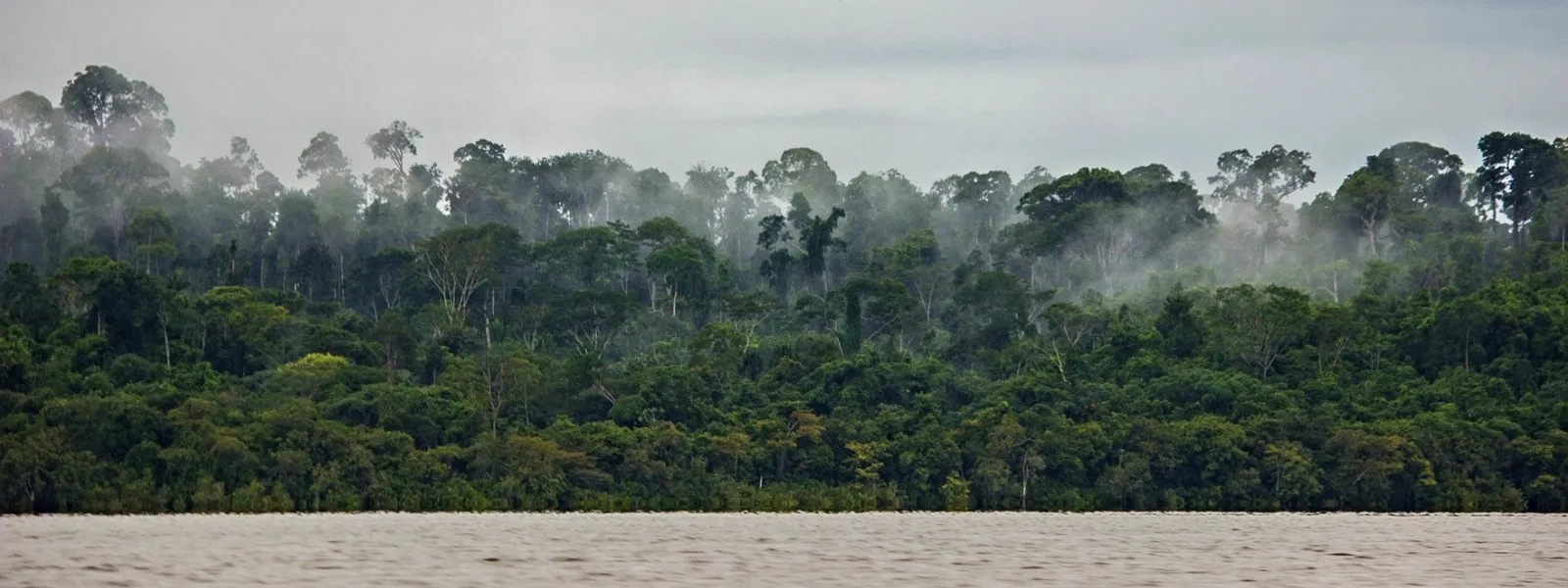
A usina hidrelétrica de Belo Monte — a quarta maior do mundo em capacidade instalada (11.233 MW) — foi construída no rio Xingu, no estado do Pará, norte do Brasil.
Foi inaugurada em 5 de maio de 2016, com uma única turbina. Naquela época, 80% do curso do rio foi desviado e 516 km² de terra foram inundados, uma área maior que a cidade de Chicago. Desse total, 400 km² eram de mata nativa. A usina começou a operar em plena capacidade em novembro de 2019.
Belo Monte foi construída e é operada pelo consórcio Norte Energia S.A., composto principalmente por empresas estatais. Foi financiada pelo Banco Nacional de Desenvolvimento Econômico e Social (BNDES), que aportou ao consórcio 25,4 bilhões de reais (aproximadamente US$ 10,16 bilhões), o maior investimento de sua história. Portanto, o BNDES também é legalmente responsável pelos impactos socioambientais associados ao projeto hidrelétrico.
Décadas de danos ambientais e humanos
As violações dos direitos humanos e a degradação da Amazônia remontam ao início do projeto. Em março de 2011, a Norte Energia iniciou a construção da barragem sem consulta adequada e sem o consentimento prévio, livre e informado das comunidades afetadas.
A construção levou ao deslocamento forçado de mais de 40.000 pessoas, rompendo laços sociais e culturais. O plano de reassentamento em Altamira — cidade diretamente afetada pelo projeto hidrelétrico — incluía moradias na periferia da cidade, sem serviços públicos adequados, moradias dignas para as famílias reassentadas e moradias diferenciadas para aqueles pertencentes a comunidades indígenas.
A operação da barragem de Belo Monte impôs uma seca permanente e artificial na Volta Grande do rio Xingu, agravada pelas secas históricas na Amazônia em 2023 e 2024. Como resultado, a morte de milhões de ovos de peixe foi documentada por quatro anos consecutivos (de 2021 a 2024) e, nos últimos três anos, não houve migração de peixes rio acima para desovar e se reproduzir. Assim, a pesca artesanal, principal fonte de proteína para os povos indígenas e comunidades ribeirinhas, foi severamente afetada: o consumo de peixe caiu de 50% para 30% do total de proteínas consumidas, sendo substituído por alimentos processados. Em suma, houve um colapso ambiental e humanitário que resultou no colapso da pesca como modo de vida tradicional, insegurança alimentar e falta de acesso à água potável para milhares de famílias, empobrecimento e doenças.
Além disso, a construção da barragem aumentou o desmatamento e intensificou a extração ilegal de madeira e a insegurança em terras indígenas e tribais, colocando em risco a sobrevivência dessas comunidades. Outra consequência foi o agravamento da pobreza e dos conflitos sociais, bem como a sobrecarga dos sistemas de saúde, educação e segurança pública em Altamira, cidade considerada a mais violenta do país em 2017, onde houve aumento do tráfico de pessoas e da violência sexual. Também foram registrados casos de violência contra defensores de direitos humanos envolvidos no caso.
Em 2025, durante a 30ª Conferência das Nações Unidas sobre Mudanças Climáticas (COP30), realizada no Brasil, o Ministério Público Federal classificou os danos causados por Belo Monte como ecocídio.
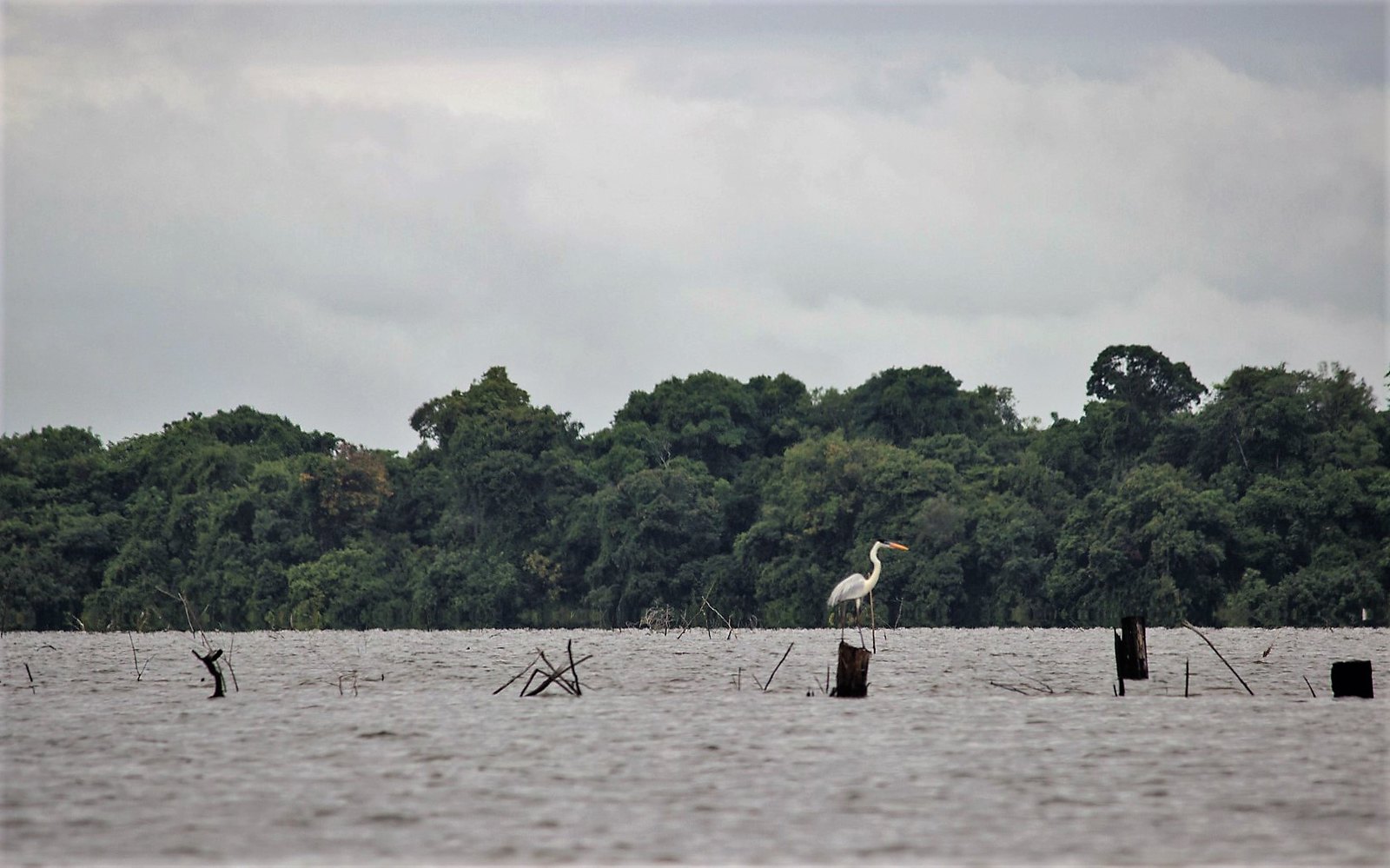
Foto: Amazon Watch / Maíra Irigaray.
A busca por justiça e reparação
Ao longo dos anos, o Ministério Público Federal do Pará, a Defensoria Pública e organizações da sociedade civil impetraram dezenas de ações judiciais em tribunais brasileiros para contestar as diversas irregularidades do projeto, bem como seus impactos. A maioria das ações permanece sem solução, algumas há mais de 10 anos.
Essas ações não obtiveram sucesso porque o governo federal tem reiteradamente anulado decisões favoráveis às comunidades afetadas, recorrendo a um mecanismo pelo qual o presidente do Supremo Tribunal Federal pode suspender uma decisão judicial com base unicamente em argumentos genéricos como "interesse nacional" ou "ordem econômica".
Diante da falta de respostas eficazes em nível nacional, a AIDA — juntamente com uma coalizão de organizações aliadas — levou o caso à Comissão Interamericana de Direitos Humanos (CIDH) e, em 2010, solicitou medidas cautelares para proteger a vida, a integridade e a saúde das comunidades indígenas afetadas.
Em 1º de abril de 2011, a CIDH concedeu essas medidas e solicitou ao Estado brasileiro a suspensão das licenças ambientais e de quaisquer obras de construção até que as condições relativas à consulta prévia e à proteção da saúde e integridade das comunidades fossem atendidas.
E, em 16 de junho de 2011, apresentamos uma denúncia formal à CIDH — juntamente com o Movimento Xingu Vivo Para Siempre, a Coordenação das Organizações Indígenas da Amazônia Brasileira, a Diocese de Altamira, o Conselho Missionário Indígena, a Sociedade Pará de Defesa dos Direitos Humanos e a Global Justice — contra o Estado brasileiro por sua responsabilidade internacional nas violações de direitos humanos contra os povos afetados neste caso. A denúncia foi apresentada em dezembro de 2015.
Em 3 de agosto de 2011, a CIDH modificou as medidas cautelares para solicitar — em vez da suspensão de licenças e obras — a proteção dos povos que vivem em isolamento voluntário, a saúde das comunidades indígenas e a regularização e proteção das terras ancestrais.
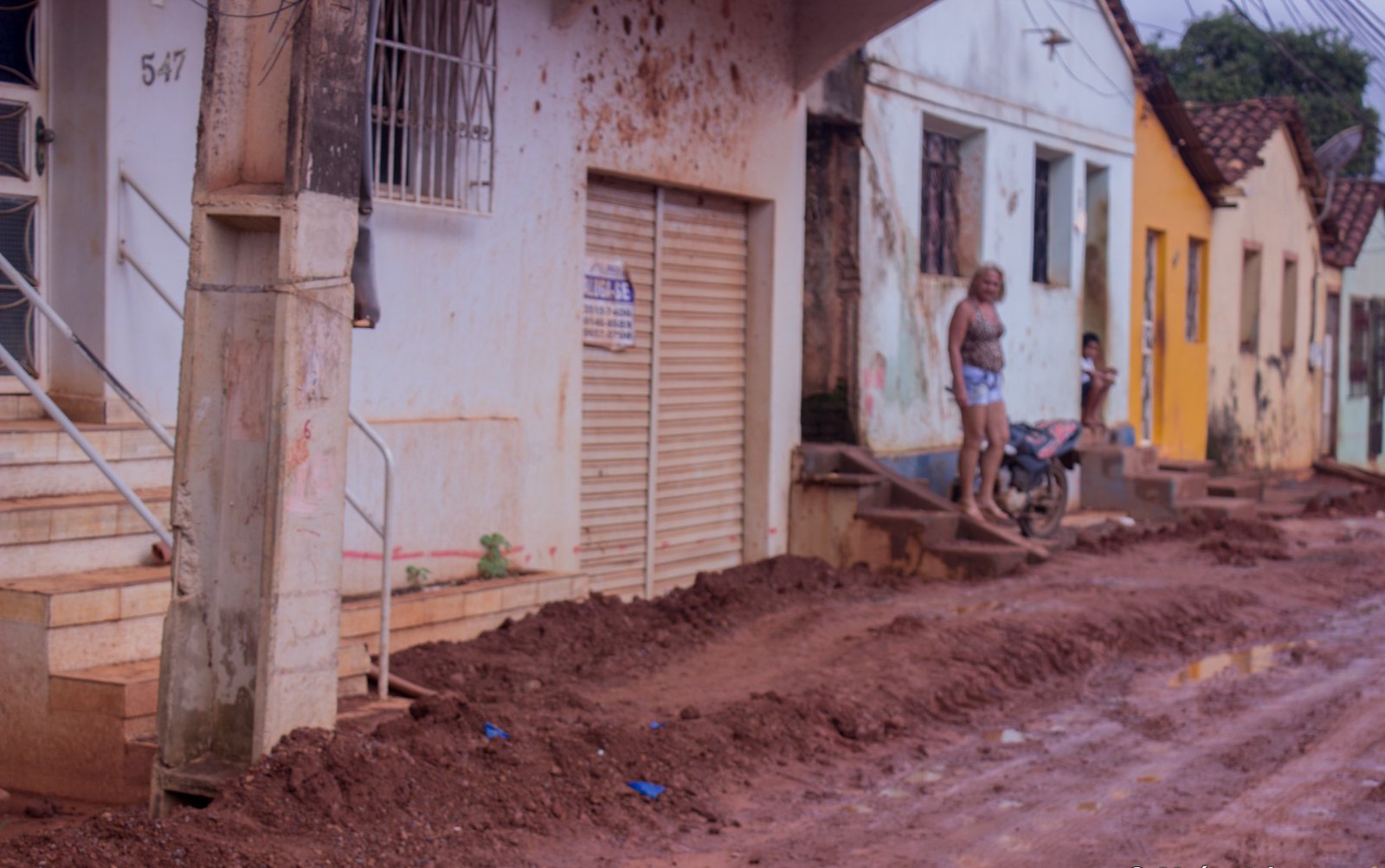
Foto: Amazon Watch / Maíra Irigaray.
Situação atual
As medidas de proteção concedidas pela CIDH permanecem em vigor, mas o Estado brasileiro não as cumpriu integralmente, relatando apenas ações genéricas. As comunidades documentaram as contínuas violações de seus direitos. A situação que motivou o pedido dessas medidas — o risco à vida, à segurança e aos meios de subsistência das comunidades — persiste e se agravou com a usina hidrelétrica operando em plena capacidade e com as recentes secas extremas na Amazônia.
Além do ocorrido em Belo Monte, existe o risco de maiores danos sociais e ambientais decorrentes da implementação de outro megaprojeto de mineração na Volta Grande do Xingu. Lá, a empresa canadense Belo Sun pretende construir a maior mina de ouro a céu aberto do Brasil.
Os impactos sinérgicos e cumulativos da usina e da mina não foram avaliados. O Estado excluiu povos indígenas, comunidades ribeirinhas e comunidades camponesas do processo de licenciamento ambiental do projeto. Apesar disso, dos protestos indígenas e de outras irregularidades em torno do projeto, o governo do estado do Pará autorizou formalmente a mina em abril de 2026.
Belo Monte, assim como outras usinas hidrelétricas, agrava a emergência climática ao gerar emissões de gases de efeito estufa em seu reservatório. Além disso, é ineficiente diante das secas prolongadas e intensas causadas pela crise, pois perde capacidade de geração de energia.
O caso perante a Comissão Interamericana
Em outubro de 2017, a CIDH anunciou que decidiria conjuntamente sobre a admissibilidade (se o caso preenche os requisitos para admissão) e o mérito (se houve, de fato, violação de direitos humanos) da denúncia internacional contra o Estado brasileiro.
Quinze anos após a apresentação da denúncia, as comunidades afetadas e as organizações que as representam ainda aguardam essa decisão. Caso a CIDH conclua que houve violações de direitos humanos e emita recomendações que o Estado brasileiro não cumpra, poderá encaminhar o caso à Corte Interamericana de Direitos Humanos, cujas decisões são vinculativas.
Uma possível decisão da Corte Internacional de Direitos Humanos neste caso estabeleceria um precedente jurídico regional em relação aos direitos dos povos indígenas e ribeirinhos, à participação pública em megaprojetos e à responsabilidade do Estado no contexto da crise climática. Isso é particularmente relevante à luz do Parecer Consultivo nº 32 da Corte, que reafirmou as obrigações dos Estados de proteger pessoas e comunidades em todo o continente da emergência climática.
Partners:
Related projects
The Ocean-Climate Link: 5 Things to Know
Por Víctor Quintanilla y Natalia Oviedo*Although the ocean is essential for stabilizing the planet's climate, it is rarely the focus of attention when we talk about the global climate crisis.The ocean is our best ally in the face of the climate emergency because it absorbs much of the greenhouse gases that humanity emits and that are the source of the problem.At the same time, the ocean is a victim of the climate crisis, whose impacts are pushing it to the limit with acidification of its waters, rising sea levels, and loss of oxygen, processes that seriously affect marine life.Despite its importance, the relationship between the ocean and climate has not been fully included in international negotiations in which governments seek agreements and policies to address the climate crisis.Faced with this gap and in a historic breakthrough, the International Tribunal for the Law of the Sea issued a ruling in 2024 clarifying the obligations of States to protect the marine environment from the climate crisis.Below, we present five keys to understanding the link between the ocean and climate.1. The role of the ocean in the climate crisis.According to the Intergovernmental Panel on Climate Change, the ocean is “a fundamental climate regulator on timescales ranging from seasonal to millennial.” Since 1955, it has absorbed 90 percent of the excess heat caused by global warming, along with a quarter of the carbon dioxide released by human activities.Ocean currents transport warm water from the tropics to the poles, sending colder water back. This balances the temperature and makes much of the Earth habitable. The ocean influences climate variations on land by being the main source of rain, which feeds rivers and other vital freshwater systems.The ocean is known as a lung for the planet because, through microscopic organisms known as phytoplankton, it is responsible for generating approximately half of the world's oxygen supply. In turn, coastal ecosystems such as mangroves, marshes, and seagrass beds absorb enormous amounts of carbon from the atmosphere, mitigating the climate crisis. 2. The impact of the climate crisis on the ocean.The climate crisis alters the physical and chemical properties of the ocean, affecting its ability to regulate the climate. One of the irreversible impacts of climate change is ocean warming, whose rate and heat absorption has more than doubled since 1993. As its waters warm, they begin to release carbon dioxide back into the atmosphere.In addition, rising ocean temperatures are expected to reduce the amount of oxygen available, altering nutrient cycles and thereby affecting fish distribution and abundance. Another consequence is sea level rise, which is due to thermal expansion of the ocean and loss of land ice.Finally, the absorption of increasing amounts of carbon dioxide has resulted in ocean acidification, understood as a decrease in pH. This reduces calcium levels, a substance necessary for the shells and external skeletons of various species of marine fauna and ecosystems such as coral reefs.3. The inclusion of the ocean in international climate negotiations.Although the link between the ocean and climate change has been recognized since the beginning of negotiations under the United Nations Framework Convention on Climate Change (UNFCCC)—by including the ocean in the definition of “climate system”—its presence in these negotiations has been gradual. A decisive milestone occurred at the 25th UN Climate Change Conference (COP25) in 2019, where the first official dialogue on the subject was called for, resulting in recommendations to align climate and ocean action, while also promoting the mobilization of financing to protect marine ecosystems. Since then, the ocean has earned a permanent place on the climate agenda. At subsequent conferences, the inclusion of the ocean was further expanded. The Glasgow Climate Pact (COP26, 2021) recognized the ocean as an ally in carbon absorption, called for the integration of ocean-based action into UNFCCC work plans, and mandated an annual dialogue on the topic. At COP27 (2022), countries were encouraged to include ocean-based action in their nationally determined contributions (NDCs). And at COP28 (2023), the ocean was included in the first global stocktake of the Paris Agreement.Ahead of this year's COP30 in Brazil, which will have a specific agenda on “Forests, Oceans, and Biodiversity,” the challenge is to move from political recognition to the implementation of concrete actions to protect the ocean.4. States' obligations to protect the ocean in the face of the climate crisis.The health and resilience of the ocean is essential not only for addressing the climate crisis, but also for the exercise of fundamental human rights such as life, health, culture, food, access to water, and the right to a healthy environment. This highlights the interdependence between the ocean, climate change, and human rights.Recognizing this link, on May 21, 2024, the International Tribunal for the Law of the Sea issued an important decision clarifying the obligations of States to preserve the ocean in the face of the climate crisis. These duties include adopting concrete mitigation measures to minimize the release of toxic substances into the marine environment, as well as exercising strict due diligence to ensure that non-state actors effectively comply with such measures.The tribunal emphasized the obligations of states to prevent climate change-related pollution that affects other states and the marine environment outside national jurisdiction. In relation to the right to a healthy environment, the ruling emphasizes the use of precautionary and ecosystem approaches in the context of states' obligations to conduct environmental and socioeconomic impact assessments of any activity that may cause marine pollution related to climate change. This includes that, in the face of the possibility of serious or irreversible damage to the marine environment, the lack of full scientific certainty should not be used as an excuse to delay protective measures.5. Some key actions to protect our ocean and, with it, the climate.Effective protection of our ocean requires the commitment of governments, which must act at the national and international levels to prioritize its health. These include:Prioritizing concrete measures that integrate the ocean into climate mitigation and adaptation actions. Among the most effective are the protection and restoration of ecosystems, especially those that, in addition to capturing and storing enormous amounts of carbon, protect coastlines and maintain vital ecosystem services (mangroves, marshes, seagrass beds, coastal wetlands, and coral reefs, among others).Ensuring the protection and sustainable use of biodiversity in the ocean area beyond national jurisdiction. This involves the effective implementation of the High Seas Treaty, which will enter into force on January 17, 2026, as well as its ratification by countries that have not yet done so, to ensure fair, equitable, and sustainable governance.Defending the deep sea from mining. This requires imposing moratoriums on deep-sea mining activities on the grounds that there is insufficient technical and scientific information to prevent, control, and mitigate the potential impacts on the biological diversity of unknown ecosystems in deep waters and on the seabed.Protect the rights of coastal and island communities, which depend on fishing and local tourism for their livelihoods. These populations face increasing impacts from the climate crisis and multiple environmental pressures. Governments have a responsibility to ensure their resilience and well-being by safeguarding the marine and coastal biodiversity that sustains their ways of life and culture.Acknowledging the link between the ocean and climate, and translating it into concrete and effective measures, is essential to protect and maintain the balance of both life systems.This is what will guarantee the health of marine and coastal biodiversity, our food security, and, ultimately, a future for the planet.* Víctor Quintanilla is AIDA's Content Coordinator; Natalia Oviedo is a Costa Rican international lawyer and former intern at the organization.
Read more
Historic milestone for global ocean protection: 60th ratification triggers entry into force of High Seas Treaty
Following the deposit of ratification instruments by four new countries this week at the United Nations–Sri Lanka, St. Vincent and the Grenadines, Sierra Leone and Morocco- the High Seas Treaty has reached the milestone of 60 state ratifications needed to trigger its entry into force. Formally known as the Agreement under the United Nations Convention on the Law of the Sea on the Conservation and Sustainable Use of Marine Biological Diversity of Areas Beyond National Jurisdiction (or BBNJ Agreement), the Treaty will become legally effective 120 days from today (17 January 2026).“This historic moment is the culmination of years of dedication and global diplomacy by governments and stakeholders” said Rebecca Hubbard, Director of the High Seas Alliance. “The High Seas Treaty is a powerful testament to multilateralism- showing what the world can achieve when we come together for the common good for our ocean, which covers more than 70% of the planet. Today marks an important step when promises start becoming action.”The Treaty is the first legally binding international agreement safeguarding marine life in the High Seas, which covers two-thirds of the world’s ocean and plays a critical role in ensuring a healthy planet. It provides new tools to halt biodiversity loss and ocean degradation through enabling the creation of marine protected areas (MPAs) in international waters and ensuring environmental impact assessments of planned human activities. It will also boost equity for developing countries through increasing knowledge and technology access, strengthening capacity, and ensuring the equitable access and sharing of the benefits of marine genetic resources.These provisions are vital to achieving climate and biodiversity global goals, including the Kunming-Montreal Global Biodiversity Framework (GBF) 30×30 target to protect 30% of the planet’s land and ocean by 2030.Adopted in June 2023, after nearly two decades of discussion and negotiations, the Treaty opened for signature on 20 September 2023. Palau became the first country to ratify on 22 January 2024, and since then States from every region have joined. In addition to the 60 ratifications, 142 countries plus the European Union have signed, signaling their intent to ratify.Under the Treaty, the first Conference of the Parties (CoP) must convene within a year of entry into force, likely toward the end of 2026. Preparatory work is already underway at the UN to build the institutions and processes in time for CoP1 that will ensure the Treaty’s ambition and long-term effectiveness. Governments and stakeholders are also laying the groundwork for developing High Seas MPA proposals to protect critical biodiversity sites once the Treaty is operational. These include the Salas y Gómez and Nazca Ridges, the Lord Howe Rise and South Tasman Sea, the Sargasso Sea and the Thermal Dome in the Eastern Pacific.“Achieving 60 ratifications is not the finish line–it’s just the starting block,” said Rebecca Hubbard. “The Treaty’s true strength lies in universal participation. While we must celebrate this incredible progress, we urge all remaining nations to join this historic Agreement and help us go from 60 to global ahead of the first CoP.”Further ratifications are expected during the upcoming UN General Assembly High-Level Week in New York (beginning 22 September 2025). Notes to editorThe official status of signatures and ratifications can be found on the UN website and the High Seas Alliance’s ratification tracker. Note: The number shown on the High Seas Alliance tracker reflects only the ratifications that count toward entry into force and does not include the EU’s ratification and therefore differs from the UN’s total count. The High Seas Alliance (HSA) sometimes uses the term "High Seas Treaty" as a short-hand for the BBNJ Agreement. HSA acknowledges that the scope of the BBNJ Agreement encompasses all Areas beyond national jurisdiction, including the seafloor and water column. This choice of wording is intended to ease understanding for broad audiences and does not convey a prioritization among the components or principles of the BBNJ Agreement.
Read more
Circular economy: what is it and what role does it play regarding the climate crisis and energy transition?
Life on the planet, including our own, depends on nature.To create more sustainable ways of life and keep global warming under control, we need to ensure healthy, resilient, and productive ecosystems.The climate crisis, as well as the pollution and biodiversity loss crises, stem from human activities that exploit nature beyond its limits, without giving it a chance to recover, degrading ecosystems and pushing them to points of “no return.”These activities are based on the conventional economic model, which is linear and follows the logic of extracting, producing, using, and discarding resources.A more sustainable use of natural resources requires a different economic model.One option among many is the circular economy, an economic model of production and consumption traditionally described as a combination of reduction, reuse, and recycling activities.However, most current approaches to the circular economy, incorporated into various public policies, focus on extending the life cycle of products that have already been manufactured. They do not comprehensively incorporate the processes of extracting the materials needed to manufacture the products or their final disposal. This considerably reduces the protection of nature and territories during the economic cycle.That is why it is important to understand what the circular economy is and what it should include, in theory and in practice, so that it can truly contribute to a more sustainable and fair world. Circular economy: Definition and challengesAs an alternative to the linear economic system, the circular economy involves closing the economic cycle through various mechanisms. These include reducing the use of virgin natural resources, increasing the use of recycled materials, and minimizing waste through the repair and reuse of products, keeping them in circulation for as long as possible.It also means creating additional value for products whose useful life has ended when their materials are used again and again. In the face of our continued and unsustainable use of resources, the concept of the circular economy is becoming increasingly prevalent in different areas.Although it is a living and evolving concept, when it becomes public policy, most definitions of the circular economy consider its main objective to be economic prosperity, with environmental care as a secondary result.In 2020, a legal definition of the circular economy in the European Union considered it to be “aneconomic system whereby the value of products, materials and other resources in the economy is maintained for as long as possible, enhancing their efficient use in production and consumption, thereby reducing the environmental impact of their use, minimising waste and the release of hazardous substances at all stages of their life cycle” …This and other definitions show that the positive effects of the circular economy on nature tend to be taken for granted, when certain theories or practices associated with the concept may actually hinder the protection of ecosystems and the people who depend on them.This is happening with the type of circular economy promoted to make extractive processes linked to the energy transition, designed to address the climate crisis, environmentally friendly. Circular economy and energy transitionHistorically, extractive activities such as mining have degraded ecosystems and violated human rights in Latin America, creating so-called “sacrifice zones.”Today, to address the climate crisis, several international organizations have positioned an energy transition that requires doubling the production of renewable energies and electromobility to decarbonize the global energy matrix.This also implies intensifying the extraction of so-called "critical" minerals for the development of clean technologies. One of these is lithium, a mineral of which the region has large reserves.Thus, far from putting an end to it, the energy transition promoted by the Global North is renewing the historical extractivist trend, generating great pressure on Latin American territories rich in minerals for the transition, affecting ecosystems and populations near extraction areas.In this context, the circular economy is promoted as a tool to make mining an environmentally responsible process. However, international proposals in this regard do not guarantee the resilience of ecosystems or the well-being of communities.This is evident in countries such as Argentina, Bolivia, and Chile due to the growing global demand for minerals such as lithium.Currently, the circular economy applied to mining in Latin America focuses on the internal processes of mining companies, but not on the consequences that their interactions with ecosystems and communities generate in the extraction territories, without stopping the expansion of extractivism or the high socio-environmental impacts caused.Obtaining lithium for electromobility, for example, involves a complex, transnational supply chain. This includes mineral extraction, refining, the production of electrodes for batteries, battery manufacturing, and finally, the manufacture of electric vehicles.From a global northern perspective, the circular economy is mainly applied here to battery recycling and industrial improvements for mining. However, it does not include measures to protect the biophysical limits and resilience of the ecosystems where lithium is extracted, ensure environmental restoration, prevent damage to local economies, guarantee human rights, and repair those that have already been violated. Proposals from Latin America for a just circular economyTo ensure that the energy transition does not become a new extractive process that generates the same conflicts and environmental impacts that it has systematically caused and that are precursors to the current climate crisis, it is essential that the circular economy comprehensively integrates the mineral extraction territories.Circular economy schemes must avoid the creation, expansion, and/or deepening of “sacrifice zones.” They must also recognize the strategic value of ecosystems as natural capital for countries and communities, given the ecosystem functions they provide, including freshwater supply and carbon capture.To move towards a just circular economy in the extraction territories, the following principles must be respected:Protection of the human rights of local populations, guaranteeing their permanence in the territory and the continuity of their economic activities, linked to their livelihoods and their relationship with ecosystems.Promotion of environmental balance in accordance with the biophysical limits of ecosystems, recognizing their intrinsic values, which favor the conservation of their functions.Internalization of environmental costs in mineral value chains, incorporating the value of ecosystem services used for extraction into prices.Learn more in our policy brief Reimagining the circular economy from the extraction territories. Proposals from Latin America.
Read more