
Project
Amazon Watch / Maíra Irigaray
Barragem de Belo Monte no rio Xingu: 10 anos de impactos na Amazônia e de busca por reparações
A usina hidrelétrica de Belo Monte causou um desastre ambiental e social no coração da Amazônia: um dos ecossistemas mais importantes do planeta.
Essa situação só piorou desde que a usina começou a operar em 2016. A busca por justiça e reparação para as comunidades indígenas e ribeirinhas afetadas continua até hoje.
Em 2011, a Comissão Interamericana de Direitos Humanos (CIDH) concedeu a essas comunidades medidas de proteção, que até hoje não foram totalmente implementadas pelo Estado brasileiro.
E, desde junho daquele mesmo ano, a CIDH mantém um processo contra o Estado por sua responsabilidade internacional no caso.
A CIDH pode encaminhar o caso à Corte Interamericana de Direitos Humanos, que tem o poder de emitir uma sentença condenatória contra o Estado brasileiro.
Consulta o expediente de fatos do caso
Após 10 anos de operação da usina hidrelétrica e mais de 15 anos de violações de direitos humanos documentadas, é hora da justiça ser feita para as comunidades afetadas.
Leia a carta aberta das organizações que levam o caso à CIDH
Leia nosso comunicado à imprensa
Contexto
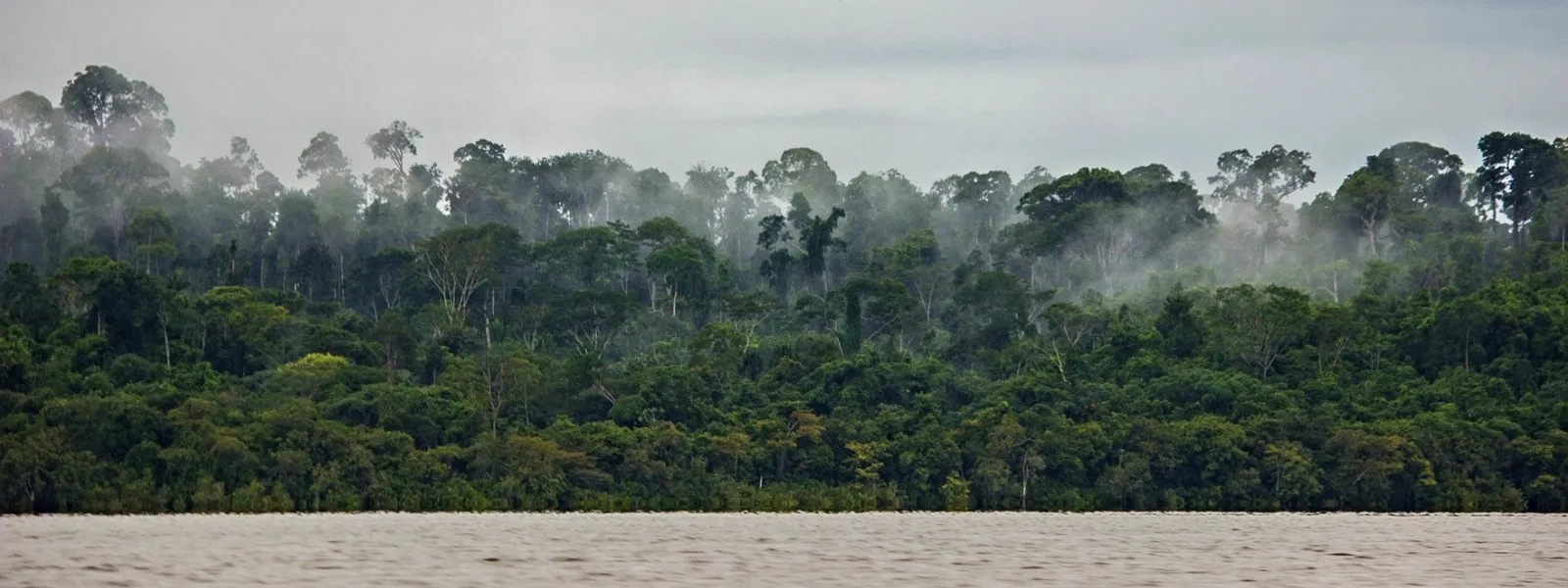
A usina hidrelétrica de Belo Monte — a quarta maior do mundo em capacidade instalada (11.233 MW) — foi construída no rio Xingu, no estado do Pará, norte do Brasil.
Foi inaugurada em 5 de maio de 2016, com uma única turbina. Naquela época, 80% do curso do rio foi desviado e 516 km² de terra foram inundados, uma área maior que a cidade de Chicago. Desse total, 400 km² eram de mata nativa. A usina começou a operar em plena capacidade em novembro de 2019.
Belo Monte foi construída e é operada pelo consórcio Norte Energia S.A., composto principalmente por empresas estatais. Foi financiada pelo Banco Nacional de Desenvolvimento Econômico e Social (BNDES), que aportou ao consórcio 25,4 bilhões de reais (aproximadamente US$ 10,16 bilhões), o maior investimento de sua história. Portanto, o BNDES também é legalmente responsável pelos impactos socioambientais associados ao projeto hidrelétrico.
Décadas de danos ambientais e humanos
As violações dos direitos humanos e a degradação da Amazônia remontam ao início do projeto. Em março de 2011, a Norte Energia iniciou a construção da barragem sem consulta adequada e sem o consentimento prévio, livre e informado das comunidades afetadas.
A construção levou ao deslocamento forçado de mais de 40.000 pessoas, rompendo laços sociais e culturais. O plano de reassentamento em Altamira — cidade diretamente afetada pelo projeto hidrelétrico — incluía moradias na periferia da cidade, sem serviços públicos adequados, moradias dignas para as famílias reassentadas e moradias diferenciadas para aqueles pertencentes a comunidades indígenas.
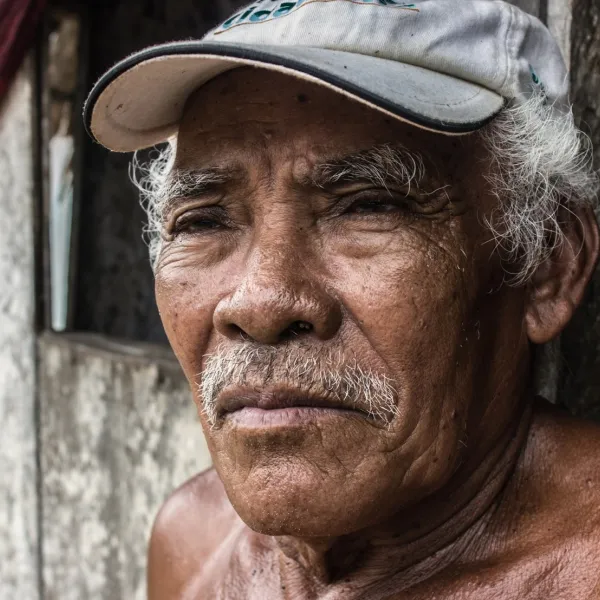
A operação da barragem de Belo Monte impôs uma seca permanente e artificial na Volta Grande do rio Xingu, agravada pelas secas históricas na Amazônia em 2023 e 2024. Como resultado, a morte de milhões de ovos de peixe foi documentada por quatro anos consecutivos (de 2021 a 2024) e, nos últimos três anos, não houve migração de peixes rio acima para desovar e se reproduzir. Assim, a pesca artesanal, principal fonte de proteína para os povos indígenas e comunidades ribeirinhas, foi severamente afetada: o consumo de peixe caiu de 50% para 30% do total de proteínas consumidas, sendo substituído por alimentos processados. Em suma, houve um colapso ambiental e humanitário que resultou no colapso da pesca como modo de vida tradicional, insegurança alimentar e falta de acesso à água potável para milhares de famílias, empobrecimento e doenças.
Além disso, a construção da barragem aumentou o desmatamento e intensificou a extração ilegal de madeira e a insegurança em terras indígenas e tribais, colocando em risco a sobrevivência dessas comunidades. Outra consequência foi o agravamento da pobreza e dos conflitos sociais, bem como a sobrecarga dos sistemas de saúde, educação e segurança pública em Altamira, cidade considerada a mais violenta do país em 2017, onde houve aumento do tráfico de pessoas e da violência sexual. Também foram registrados casos de violência contra defensores de direitos humanos envolvidos no caso.
Em 2025, durante a 30ª Conferência das Nações Unidas sobre Mudanças Climáticas (COP30), realizada no Brasil, o Ministério Público Federal classificou os danos causados por Belo Monte como ecocídio.
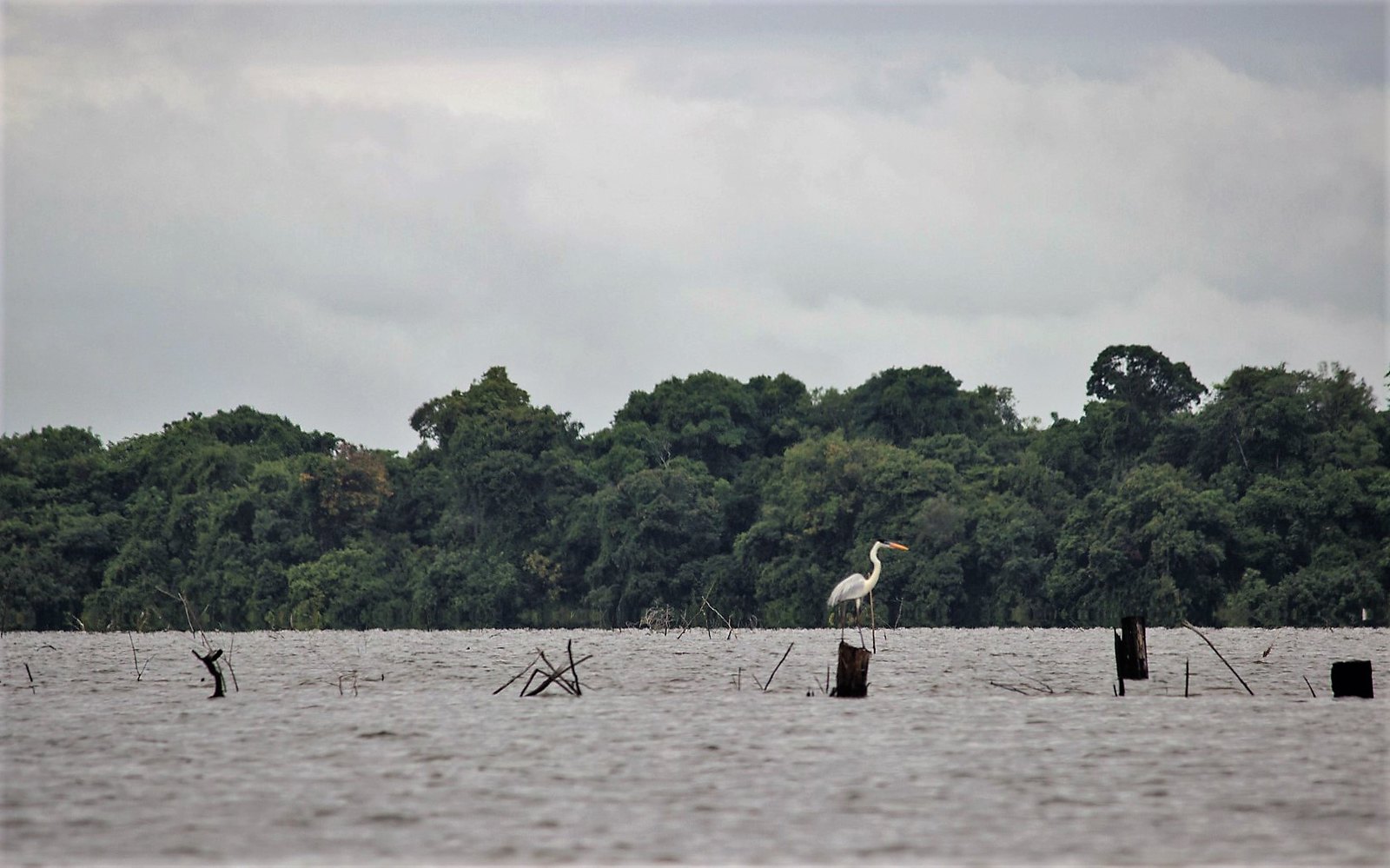
Foto: Amazon Watch / Maíra Irigaray.
A busca por justiça e reparação
Ao longo dos anos, o Ministério Público Federal do Pará, a Defensoria Pública e organizações da sociedade civil impetraram dezenas de ações judiciais em tribunais brasileiros para contestar as diversas irregularidades do projeto, bem como seus impactos. A maioria das ações permanece sem solução, algumas há mais de 10 anos.
Essas ações não obtiveram sucesso porque o governo federal tem reiteradamente anulado decisões favoráveis às comunidades afetadas, recorrendo a um mecanismo pelo qual o presidente do Supremo Tribunal Federal pode suspender uma decisão judicial com base unicamente em argumentos genéricos como "interesse nacional" ou "ordem econômica".
Diante da falta de respostas eficazes em nível nacional, a AIDA — juntamente com uma coalizão de organizações aliadas — levou o caso à Comissão Interamericana de Direitos Humanos (CIDH) e, em 2010, solicitou medidas cautelares para proteger a vida, a integridade e a saúde das comunidades indígenas afetadas.
Em 1º de abril de 2011, a CIDH concedeu essas medidas e solicitou ao Estado brasileiro a suspensão das licenças ambientais e de quaisquer obras de construção até que as condições relativas à consulta prévia e à proteção da saúde e integridade das comunidades fossem atendidas.
E, em 16 de junho de 2011, apresentamos uma denúncia formal à CIDH — juntamente com o Movimento Xingu Vivo Para Siempre, a Coordenação das Organizações Indígenas da Amazônia Brasileira, a Diocese de Altamira, o Conselho Missionário Indígena, a Sociedade Pará de Defesa dos Direitos Humanos e a Global Justice — contra o Estado brasileiro por sua responsabilidade internacional nas violações de direitos humanos contra os povos afetados neste caso. A denúncia foi apresentada em dezembro de 2015.
Em 3 de agosto de 2011, a CIDH modificou as medidas cautelares para solicitar — em vez da suspensão de licenças e obras — a proteção dos povos que vivem em isolamento voluntário, a saúde das comunidades indígenas e a regularização e proteção das terras ancestrais.
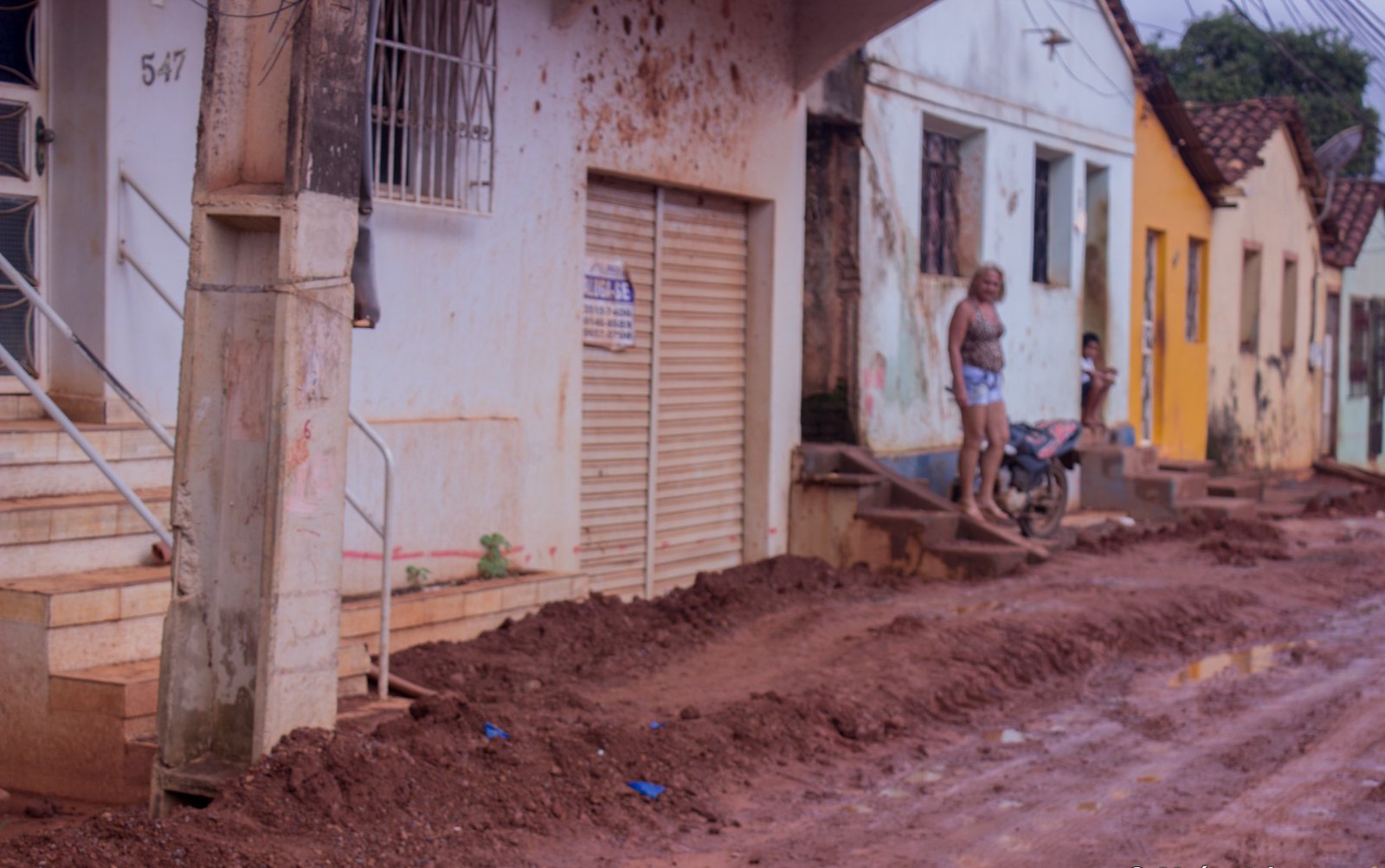
Foto: Amazon Watch / Maíra Irigaray.
Situação atual
As medidas de proteção concedidas pela CIDH permanecem em vigor, mas o Estado brasileiro não as cumpriu integralmente, relatando apenas ações genéricas. As comunidades documentaram as contínuas violações de seus direitos. A situação que motivou o pedido dessas medidas — o risco à vida, à segurança e aos meios de subsistência das comunidades — persiste e se agravou com a usina hidrelétrica operando em plena capacidade e com as recentes secas extremas na Amazônia.
Além do ocorrido em Belo Monte, existe o risco de maiores danos sociais e ambientais decorrentes da implementação de outro megaprojeto de mineração na Volta Grande do Xingu. Lá, a empresa canadense Belo Sun pretende construir a maior mina de ouro a céu aberto do Brasil.
Os impactos sinérgicos e cumulativos da usina e da mina não foram avaliados. O Estado excluiu povos indígenas, comunidades ribeirinhas e comunidades camponesas do processo de licenciamento ambiental do projeto. Apesar disso, dos protestos indígenas e de outras irregularidades em torno do projeto, o governo do estado do Pará autorizou formalmente a mina em abril de 2026.
Belo Monte, assim como outras usinas hidrelétricas, agrava a emergência climática ao gerar emissões de gases de efeito estufa em seu reservatório. Além disso, é ineficiente diante das secas prolongadas e intensas causadas pela crise, pois perde capacidade de geração de energia.
O caso perante a Comissão Interamericana
Em outubro de 2017, a CIDH anunciou que decidiria conjuntamente sobre a admissibilidade (se o caso preenche os requisitos para admissão) e o mérito (se houve, de fato, violação de direitos humanos) da denúncia internacional contra o Estado brasileiro.
Quinze anos após a apresentação da denúncia, as comunidades afetadas e as organizações que as representam ainda aguardam essa decisão. Caso a CIDH conclua que houve violações de direitos humanos e emita recomendações que o Estado brasileiro não cumpra, poderá encaminhar o caso à Corte Interamericana de Direitos Humanos, cujas decisões são vinculativas.
Uma possível decisão da Corte Internacional de Direitos Humanos neste caso estabeleceria um precedente jurídico regional em relação aos direitos dos povos indígenas e ribeirinhos, à participação pública em megaprojetos e à responsabilidade do Estado no contexto da crise climática. Isso é particularmente relevante à luz do Parecer Consultivo nº 32 da Corte, que reafirmou as obrigações dos Estados de proteger pessoas e comunidades em todo o continente da emergência climática.
Partners:
Related projects

Reimagining the circular economy from territories of extraction. Proposals from Latin America
Among the various global commitments to address the current climate crisis, international governance bodies — such as the United Nations — have highlighted the need to double renewable energy production and expand electromobility to decarbonize the global energy mix, calling this process the "energy transition." However, this transition entails intensifying the extraction of minerals essential for developing these technologies. Each region of the world plays a distinct role in the supply chains of minerals used in decarbonization processes. Latin America has been identified as one of the regions with vast mineral reserves capable of fueling this transition. Yet, in this context of growing mining interest, there is a tendency to render invisible the populations who inhabit these territories, as well as the hydrogeological systems of local, regional, and global significance that exist there.Lithium is one of the minerals whose commercial demand has grown significantly in connection with progress toward energy decarbonization. It is in the Gran Atacama region — located in the border area of Argentina, Bolivia, and Chile — where the largest global reserves are found. Nevertheless, for lithium to become available, it must pass through a complex international supply chain, which includes mineral extraction, refining, production of battery electrodes, battery manufacturing, and, finally, the production of electric vehicles.This surge in mineral demand within complex global supply chains raises concerns for the region about the risk of reproducing a new cycle of extractivism, unless public policies are devised and implemented that effectively integrate environmental, social, and territorial development standards.The circular economy, closely linked to the energy transition, emerges as a key strategy to overcome the logic of the traditional linear economic model ("take–make–consume–dispose"). Its aim is to reduce pressure on territories and common goods by incorporating sustainability criteria into supply chains and promoting more rational management of extracted mineral resources.However, this vision of the circular economy — when applied to minerals for the energy transition — can also perpetuate extractivism, particularly in the Global South. Decarbonization options often require vast quantities of minerals for energy storage, extracted at the cost of high environmental and social impacts. This threatens the resilience of the ecosystems from which they are taken and poses risks to the populations that inhabit them.Given these limitations, a circular economy proposal — from the perspective of Latin American extraction zones and applied to transition minerals — should contribute to ensuring that changes in the energy mix toward technologies with lower greenhouse gas emissions (commonly referred to as the energy transition) are truly just throughout all stages of the process. This entails avoiding the creation, expansion, and/or deepening of sacrifice zones; ensuring environmental restoration; guaranteeing the protection of human rights; and securing reparation where rights have been violated. It also requires respecting biophysical boundaries and the resilience capacity of ecosystems. Read and download
Read more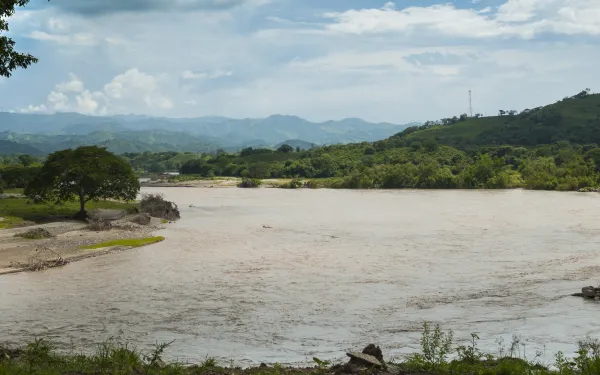
Motagua River: A story of contamination and a call for justice
The Motagua River, Guatemala's largest river, is severely polluted with sewage, solid waste, and other types of waste.It flows into the Caribbean Sea, so contamination reaches those waters, as well as the Mesoamerican Barrier Reef System - the world's largest transboundary reef - and the Honduran coast, causing unquantifiable social and environmental damage.Polluting activities occur throughout the river basin, including sub-basins and micro-basins.In general terms, the contamination has deteriorated the health and violated the right to water, development and a healthy environment of all the people living in the basin.The contamination of the Motagua is a problem that has been going on for decades and requires urgent long-term measures that contribute to the sanitation and integrated management of the river basin.Where is the Motagua River?The Motagua River is one of the main rivers in Guatemala. With a length of 486 km, it crosses 96 municipalities and 14 departments of the country. It originates in Quiché, a department located in the northwest, and flows into the Caribbean Sea.It is at its mouth that its flow meets the Mesoamerican Reef, which extends for approximately 1,000 km and covers the territorial waters of Belize, Guatemala, Honduras and Mexico. Thus, the pollution carried by the river deteriorates the health of the reef system, which is home to the second longest barrier reef in the world.The Mesoamerican Reef protects thousands of kilometers of coastline from currents, waves and storms. In addition to being a breeding and feeding ground for a great diversity of species, it is a carbon dioxide sink and a detoxifier of water and air. The ecological and economic health of the entire South Atlantic area depends on its conservation.In addition, pollution from the Motagua River reaches the coast of Honduras and spreads to Amatique Bay, located along the eastern coast of Guatemala and Belize. This is clearly a transboundary problem.Where does the pollution in of the Motagua River come from?The largest volume of contamination of the Motagua River comes from Guatemala City, the capital of the country, mainly through the waters of the Las Vacas River, which receives a large amount of solid waste from the Chinautla River, as well as sewage that is discharged into its waters on a daily basis.Solid waste from the Chinautla River, which flows through the municipality of the same name, comes from a landfill located in Zone 3 of the capital. Any small landslide in this landfill generates waste that is automatically dumped into the river at any time of the year.The pollution that the Chinautla river carries also consists of a large amount of sewage, generated by at least 500,000 people living in the northern part of Guatemala City, which does not receive any previous cleaning treatment.In the municipality of Chinautla there are numerous illegal landfills. In addition, many private vehicles and collection trucks dump waste on the banks of the Chinautla and Las Vacas rivers.According to data from the Integrated Environmental Management of the Motagua River Basin project, financed by the United Nations Development Program (UNDP), it is estimated that 66% of urban solid waste in Guatemala is not collected and there is no guarantee that the remaining 34% is properly disposed of. In addition, of the total number of landfills in the country, 88.32% are illegal or do not have municipal authorization.Most of the waste is dumped in streams and/or on surfaces that are susceptible to dragging, ending up in one way or another in water sources, such as the Motagua basin.In other words, the main source of contamination of the Motagua River is the poor management of solid waste and water resources in the country; the lack of compliance with existing regulations on wastewater discharge, disposal and treatment of waste and solid waste; as well as the lack of a water law.Who is affected by the contamination of the Motagua River?The contamination of the Motagua River affects the entire population of Guatemala. In the lower basin, it directly affects people dedicated to fishing, who have seen their catches reduced.And, by harming tourism in the Caribbean, it also affects the communities that depend on tourism for their livelihoods.As a basin-wide problem, the contamination of the Motagua affects those living in the main sub-basins and micro-basins of the river, including the indigenous communities of the Mayan Poqomam people in the cities of Chuarrancho and Chinautla.In Chinautla, the contamination affects the living conditions, health, environment, water sources, economy and culture of more than 18,000 people.The restoration of the Motagua River is crucial to improve the quality of life of at least 30% of the Guatemalan population, as well as those affected in neighboring countries.Actions to rescue the Motagua River from contaminationIn the face of the serious degradation of Guatemala's largest river basin, the damage to key ecosystems such as the Mesoamerican Reef, and the human rights violations that pollution generates, urgent measures are required, among them:Verify compliance with environmental and municipal regulations, as well as prevent and halt environmental damage at the source through regulation, monitoring, supervision and oversight of activities that affect the rights of the inhabitants of the Motagua River basin.Strengthen regulations related to wastewater disposal and solid waste management so that they are implemented in a timely manner through complete treatment systems in the municipalities of the basin.Initiate actions to enable the socio-environmental restoration of affected ecosystems throughout the basin, including political, legislative and administrative measures to strengthen the legal system and allocate sufficient financial resources to ensure the protection of waters and territories.
Read more
The treaty protecting life on the high seas: Why should governments ratify it?
The ocean covers two-thirds of the planet. It is so immense and vast that 64% of its waters are outside any border, in a space known as the high seas.It is an area that lies outside national jurisdictions and represents 40% of the Earth's surface.Because of the wealth of marine life it harbors - including species new to science - the high seas are one of the world's greatest reserves of biodiversity. It is also a source of food and oxygen, regulates the climate, cushions the impacts of the climate crisis and sustains the livelihoods of fishing and tourism communities.Despite their importance, only 1.2% of the waters of the high seas have international protection.To fill this gap, in June 2023, UN member countries formally adopted an agreement to protect biodiversity in the high seas, which needs ratification by at least 60 countries to enter into force.Find out how many and which countries have ratified the treaty. As a reservoir of global common goods, the protection and sustainable use of the high seas is a right and an obligation of all governments. What does the High Seas Treaty state?The High Seas Treaty - short name for the Agreement on the Conservation and Sustainable Use of Marine Biological Diversity of Areas beyond National Jurisdiction (BBNJ Agreement) - is universal and can benefit all countries, even those that are not party to the United Nations Convention on the Law of the Sea (UNCLOS), such as Colombia, El Salvador, Peru and Venezuela.The treaty contains the following key elements:Area-based management tools. The treaty establishes a legal framework and a clear process for creating networks of marine protected areas, which can provide comprehensive protection for biodiversity in the high seas from multiple activities, maintaining the health and resilience of this part of the ocean.Environmental impact assessments. Under the treaty, any new activity on the high seas is subject to detailed, modern environmental impact assessments that include the cumulative impacts of multiple activities affecting the same ecosystem. Developing countries will be supported to take part in this task.Fair and equitable sharing of benefits from marine genetic resources. The agreement establishes obligations to share monetary and non-monetary benefits from the utilization of genetic resources found in the high seas (genetic material of any animal, plant or microbe) to develop new medicines, for example.Capacity building and technology transfer. The treaty provides for the provision of financing and technology transfer on fair terms for developing countries to increase their marine scientific and technological capacity, including data exchange, infrastructure development and improvement, and respect for traditional knowledge. Why should governments ratify the High Seas Treaty?Having a High Seas Treaty took more than two decades, including five years of negotiations at the UN. To secure this historic breakthrough, the agreement must enter into force - become law under international law - which will occur 120 days after 60 countries have ratified it. So far, 28 countries have ratified the treaty.Ratification means that countries, in addition to signing it, give their formal consent to the treaty, which often involves ensuring that their national laws are consistent with it.There are many reasons why ratification of the agreement will benefit developing countries, particularly those in Latin America and the Caribbean. Some of these are:The treaty brings us closer to environmental justice. It will benefit countries historically excluded from access to the resources of the high seas, providing them with new opportunities for technological, scientific and economic development. It will also allow all countries to be active players in a global platform for decision-making, coordination and cooperation for the protection and sustainable use of these resources.The treaty allows for the conservation of key ecosystems. Under the treaty, all countries will be able to propose marine protected areas on the high seas, including landlocked countries (such as Bolivia and Paraguay). This will allow the protection of areas rich in biodiversity and endemic species in Latin America, such as the Salas y Gómez & Nazca submarine mountain ranges (Chile-Peru) or the Thermal Dome in the Central American Pacific.The treaty benefits local livelihoods and economies. By promoting a healthy and resilient high seas, the treaty will have positive effects on coastal areas and economic activities that depend on migratory species, such as whale and turtle watching, diving, tourism, commercial and sport fishing. Highly migratory species such as squid are vital to Latin American economies.The treaty provides a voice in decision-making on the high seas. Countries that have signed the treaty will participate in the meetings of the Preparatory Commission and those that ratify it will be able to participate in the Conference of the Parties (COP) of the agreement, the first version of which will take place one year after its entry into force, where key aspects of its implementation and the realization of its benefits will be decided.The call is therefore for all countries to ratify the High Seas Treaty, thus protecting 64% of our ocean, which today lacks effective protection.It is time to act for marine life and for future generations.
Read more