
Project
Amazon Watch / Maíra Irigaray
Barragem de Belo Monte no rio Xingu: 10 anos de impactos na Amazônia e de busca por reparações
A usina hidrelétrica de Belo Monte causou um desastre ambiental e social no coração da Amazônia: um dos ecossistemas mais importantes do planeta.
Essa situação só piorou desde que a usina começou a operar em 2016. A busca por justiça e reparação para as comunidades indígenas e ribeirinhas afetadas continua até hoje.
Em 2011, a Comissão Interamericana de Direitos Humanos (CIDH) concedeu a essas comunidades medidas de proteção, que até hoje não foram totalmente implementadas pelo Estado brasileiro.
E, desde junho daquele mesmo ano, a CIDH mantém um processo contra o Estado por sua responsabilidade internacional no caso.
A CIDH pode encaminhar o caso à Corte Interamericana de Direitos Humanos, que tem o poder de emitir uma sentença condenatória contra o Estado brasileiro.
Consulta o expediente de fatos do caso
Após 10 anos de operação da usina hidrelétrica e mais de 15 anos de violações de direitos humanos documentadas, é hora da justiça ser feita para as comunidades afetadas.
Leia a carta aberta das organizações que levam o caso à CIDH
Leia nosso comunicado à imprensa
Contexto
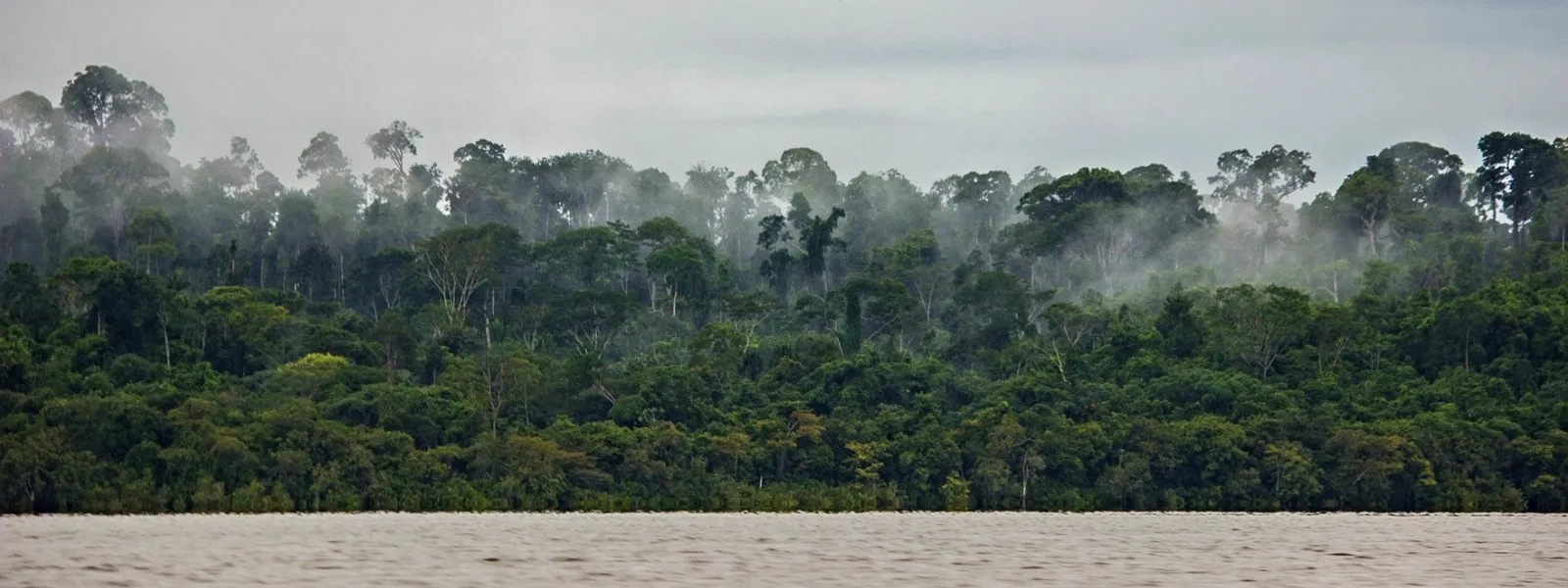
A usina hidrelétrica de Belo Monte — a quarta maior do mundo em capacidade instalada (11.233 MW) — foi construída no rio Xingu, no estado do Pará, norte do Brasil.
Foi inaugurada em 5 de maio de 2016, com uma única turbina. Naquela época, 80% do curso do rio foi desviado e 516 km² de terra foram inundados, uma área maior que a cidade de Chicago. Desse total, 400 km² eram de mata nativa. A usina começou a operar em plena capacidade em novembro de 2019.
Belo Monte foi construída e é operada pelo consórcio Norte Energia S.A., composto principalmente por empresas estatais. Foi financiada pelo Banco Nacional de Desenvolvimento Econômico e Social (BNDES), que aportou ao consórcio 25,4 bilhões de reais (aproximadamente US$ 10,16 bilhões), o maior investimento de sua história. Portanto, o BNDES também é legalmente responsável pelos impactos socioambientais associados ao projeto hidrelétrico.
Décadas de danos ambientais e humanos
As violações dos direitos humanos e a degradação da Amazônia remontam ao início do projeto. Em março de 2011, a Norte Energia iniciou a construção da barragem sem consulta adequada e sem o consentimento prévio, livre e informado das comunidades afetadas.
A construção levou ao deslocamento forçado de mais de 40.000 pessoas, rompendo laços sociais e culturais. O plano de reassentamento em Altamira — cidade diretamente afetada pelo projeto hidrelétrico — incluía moradias na periferia da cidade, sem serviços públicos adequados, moradias dignas para as famílias reassentadas e moradias diferenciadas para aqueles pertencentes a comunidades indígenas.
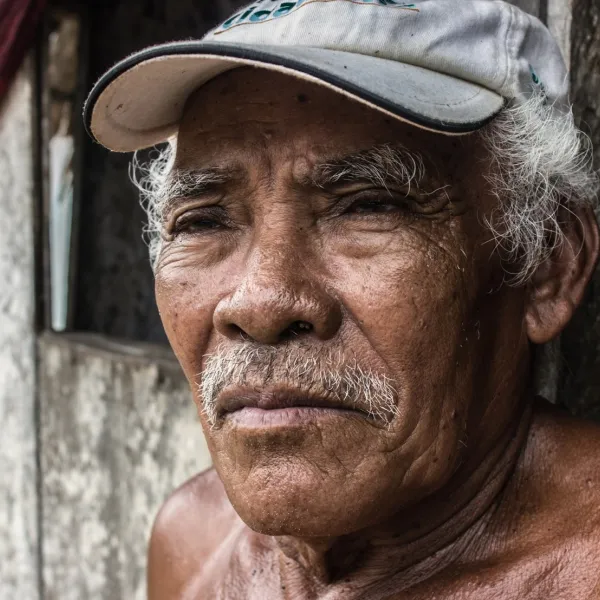
A operação da barragem de Belo Monte impôs uma seca permanente e artificial na Volta Grande do rio Xingu, agravada pelas secas históricas na Amazônia em 2023 e 2024. Como resultado, a morte de milhões de ovos de peixe foi documentada por quatro anos consecutivos (de 2021 a 2024) e, nos últimos três anos, não houve migração de peixes rio acima para desovar e se reproduzir. Assim, a pesca artesanal, principal fonte de proteína para os povos indígenas e comunidades ribeirinhas, foi severamente afetada: o consumo de peixe caiu de 50% para 30% do total de proteínas consumidas, sendo substituído por alimentos processados. Em suma, houve um colapso ambiental e humanitário que resultou no colapso da pesca como modo de vida tradicional, insegurança alimentar e falta de acesso à água potável para milhares de famílias, empobrecimento e doenças.
Além disso, a construção da barragem aumentou o desmatamento e intensificou a extração ilegal de madeira e a insegurança em terras indígenas e tribais, colocando em risco a sobrevivência dessas comunidades. Outra consequência foi o agravamento da pobreza e dos conflitos sociais, bem como a sobrecarga dos sistemas de saúde, educação e segurança pública em Altamira, cidade considerada a mais violenta do país em 2017, onde houve aumento do tráfico de pessoas e da violência sexual. Também foram registrados casos de violência contra defensores de direitos humanos envolvidos no caso.
Em 2025, durante a 30ª Conferência das Nações Unidas sobre Mudanças Climáticas (COP30), realizada no Brasil, o Ministério Público Federal classificou os danos causados por Belo Monte como ecocídio.
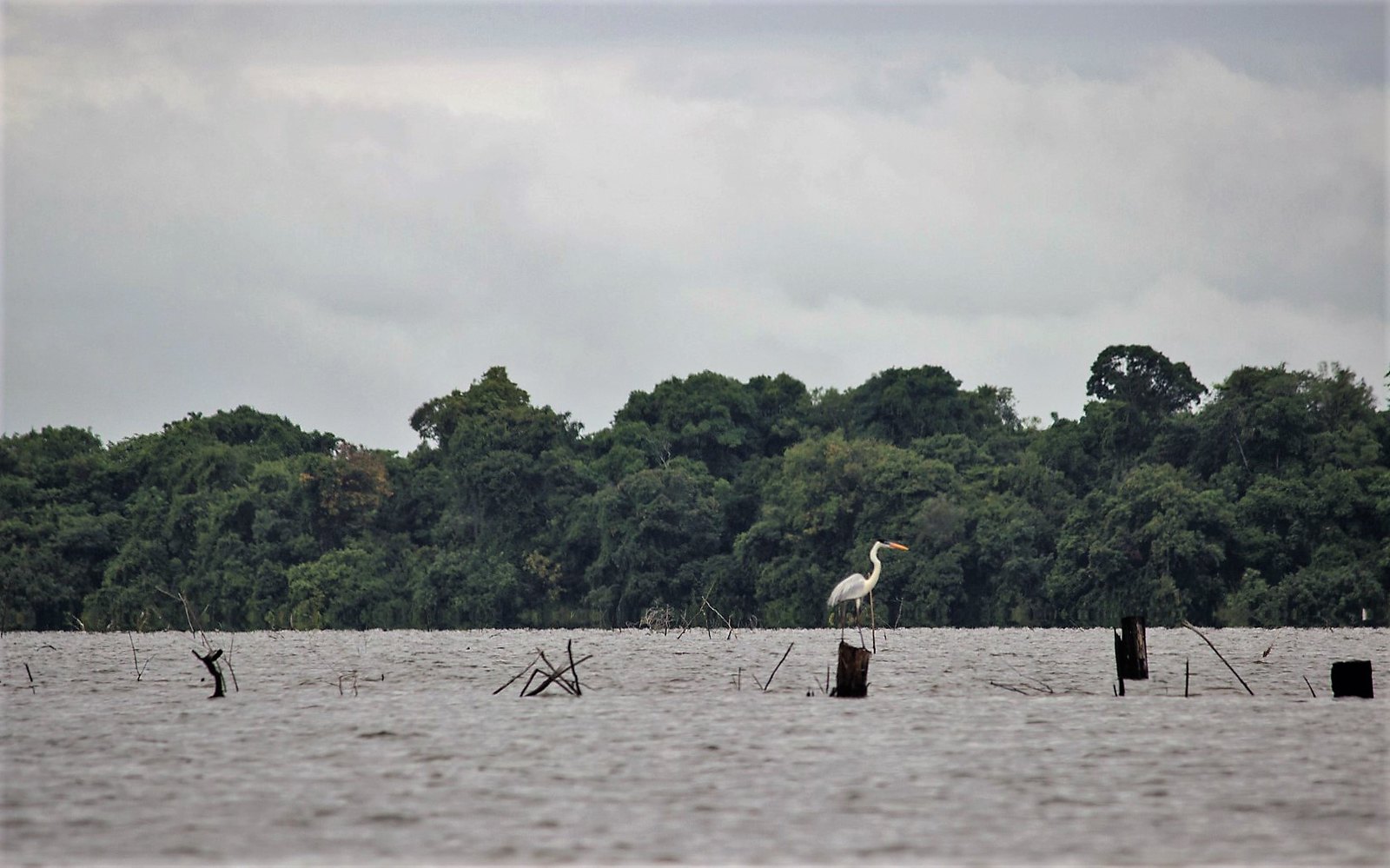
Foto: Amazon Watch / Maíra Irigaray.
A busca por justiça e reparação
Ao longo dos anos, o Ministério Público Federal do Pará, a Defensoria Pública e organizações da sociedade civil impetraram dezenas de ações judiciais em tribunais brasileiros para contestar as diversas irregularidades do projeto, bem como seus impactos. A maioria das ações permanece sem solução, algumas há mais de 10 anos.
Essas ações não obtiveram sucesso porque o governo federal tem reiteradamente anulado decisões favoráveis às comunidades afetadas, recorrendo a um mecanismo pelo qual o presidente do Supremo Tribunal Federal pode suspender uma decisão judicial com base unicamente em argumentos genéricos como "interesse nacional" ou "ordem econômica".
Diante da falta de respostas eficazes em nível nacional, a AIDA — juntamente com uma coalizão de organizações aliadas — levou o caso à Comissão Interamericana de Direitos Humanos (CIDH) e, em 2010, solicitou medidas cautelares para proteger a vida, a integridade e a saúde das comunidades indígenas afetadas.
Em 1º de abril de 2011, a CIDH concedeu essas medidas e solicitou ao Estado brasileiro a suspensão das licenças ambientais e de quaisquer obras de construção até que as condições relativas à consulta prévia e à proteção da saúde e integridade das comunidades fossem atendidas.
E, em 16 de junho de 2011, apresentamos uma denúncia formal à CIDH — juntamente com o Movimento Xingu Vivo Para Siempre, a Coordenação das Organizações Indígenas da Amazônia Brasileira, a Diocese de Altamira, o Conselho Missionário Indígena, a Sociedade Pará de Defesa dos Direitos Humanos e a Global Justice — contra o Estado brasileiro por sua responsabilidade internacional nas violações de direitos humanos contra os povos afetados neste caso. A denúncia foi apresentada em dezembro de 2015.
Em 3 de agosto de 2011, a CIDH modificou as medidas cautelares para solicitar — em vez da suspensão de licenças e obras — a proteção dos povos que vivem em isolamento voluntário, a saúde das comunidades indígenas e a regularização e proteção das terras ancestrais.
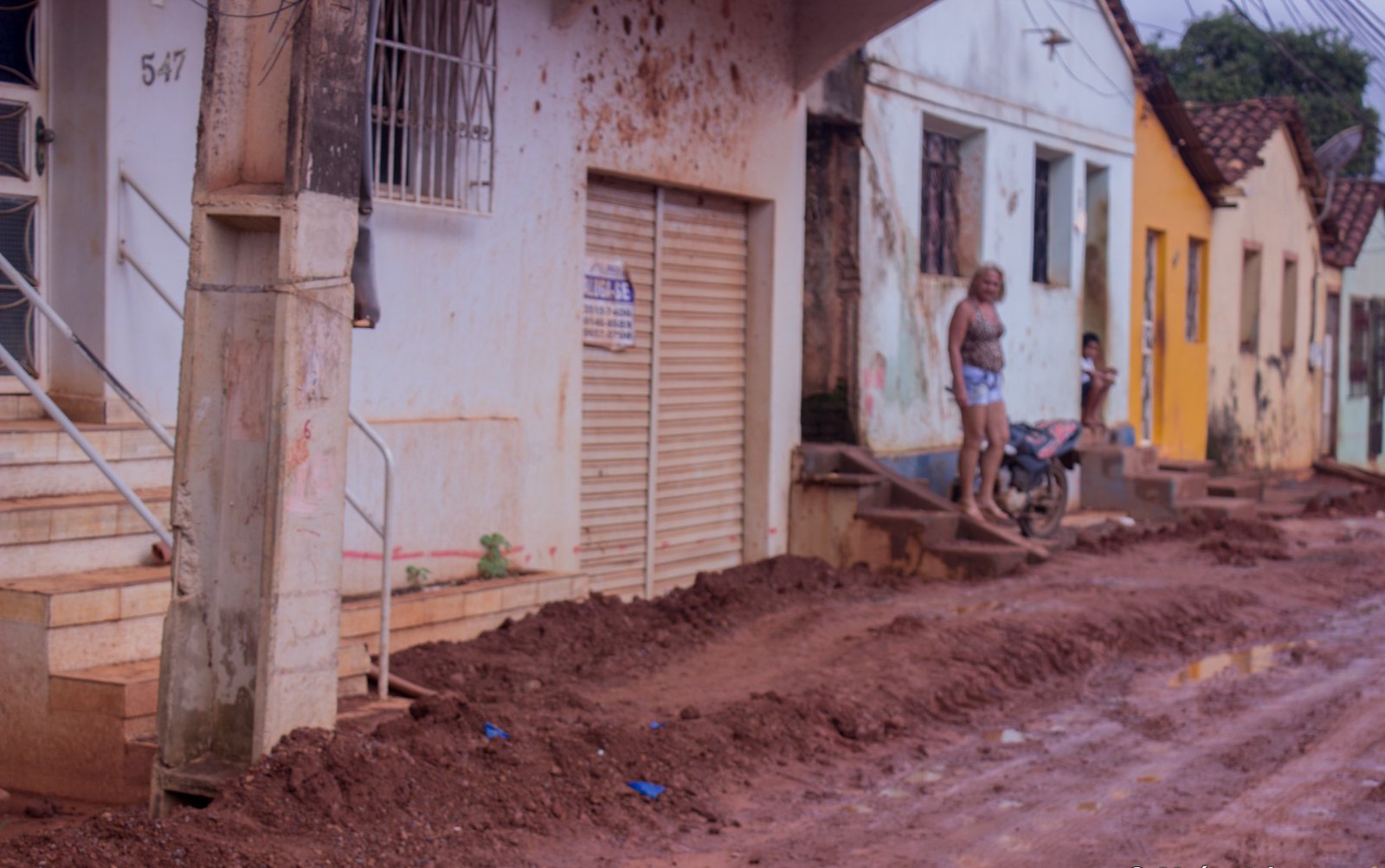
Foto: Amazon Watch / Maíra Irigaray.
Situação atual
As medidas de proteção concedidas pela CIDH permanecem em vigor, mas o Estado brasileiro não as cumpriu integralmente, relatando apenas ações genéricas. As comunidades documentaram as contínuas violações de seus direitos. A situação que motivou o pedido dessas medidas — o risco à vida, à segurança e aos meios de subsistência das comunidades — persiste e se agravou com a usina hidrelétrica operando em plena capacidade e com as recentes secas extremas na Amazônia.
Além do ocorrido em Belo Monte, existe o risco de maiores danos sociais e ambientais decorrentes da implementação de outro megaprojeto de mineração na Volta Grande do Xingu. Lá, a empresa canadense Belo Sun pretende construir a maior mina de ouro a céu aberto do Brasil.
Os impactos sinérgicos e cumulativos da usina e da mina não foram avaliados. O Estado excluiu povos indígenas, comunidades ribeirinhas e comunidades camponesas do processo de licenciamento ambiental do projeto. Apesar disso, dos protestos indígenas e de outras irregularidades em torno do projeto, o governo do estado do Pará autorizou formalmente a mina em abril de 2026.
Belo Monte, assim como outras usinas hidrelétricas, agrava a emergência climática ao gerar emissões de gases de efeito estufa em seu reservatório. Além disso, é ineficiente diante das secas prolongadas e intensas causadas pela crise, pois perde capacidade de geração de energia.
O caso perante a Comissão Interamericana
Em outubro de 2017, a CIDH anunciou que decidiria conjuntamente sobre a admissibilidade (se o caso preenche os requisitos para admissão) e o mérito (se houve, de fato, violação de direitos humanos) da denúncia internacional contra o Estado brasileiro.
Quinze anos após a apresentação da denúncia, as comunidades afetadas e as organizações que as representam ainda aguardam essa decisão. Caso a CIDH conclua que houve violações de direitos humanos e emita recomendações que o Estado brasileiro não cumpra, poderá encaminhar o caso à Corte Interamericana de Direitos Humanos, cujas decisões são vinculativas.
Uma possível decisão da Corte Internacional de Direitos Humanos neste caso estabeleceria um precedente jurídico regional em relação aos direitos dos povos indígenas e ribeirinhos, à participação pública em megaprojetos e à responsabilidade do Estado no contexto da crise climática. Isso é particularmente relevante à luz do Parecer Consultivo nº 32 da Corte, que reafirmou as obrigações dos Estados de proteger pessoas e comunidades em todo o continente da emergência climática.
Partners:
Related projects

Life in Andean wetlands at risk from extractivism
The expansion of industrial extraction of lithium and other minerals for the energy transition of the global north threatens wetlands in Argentina, Bolivia and Chile. These delicate ecosystems are an abundant source of life and fundamental for human subsistence, environmental balance and for mitigating and adapting to the climate crisis.The Andean wetlands - including salt flats, lakes and lagoons - of Argentina, Bolivia and Chile are at serious risk due to the advance of the extraction of lithium and other minerals demanded for the energy transition in the countries of the global north. The Andean Wetlands Alliance warns of this threat to these ecosystems where life abounds and which are key to human subsistence and biodiversity in general and to the fight against the climate crisis.This year, the Convention on Wetlands proposes as the theme for World Wetlands Day: “Protecting wetlands for our common future”. This theme highlights the importance of collective action to protect these ecosystems, on which the future of humanity depends.According to United Nations data, although they cover only 6% of the earth's surface, wetlands are home to 40% of all plant and animal species. And, worldwide, more than 1 billion people (one eighth of the Earth's population) live in rural and urban areas that depend on these ecosystems for their livelihoods. However, with a 35% global loss in the last 50 years (since 1970), wetlands are the most threatened ecosystem, disappearing three times faster than forests.In Latin America, the Andean wetlands of the Gran Atacama region - located in the border area of Argentina, Bolivia and Chile - are home to unique species of flora and fauna, especially adapted to extreme climatic conditions, as well as microorganisms that absorb carbon dioxide and release oxygen. Its high capacity to purify and store water guarantees the supply of the resource for communities and species, also generating conditions for adaptation to the climate crisis.However, due to the presence of large quantities of lithium in these wetlands - the three countries concentrate more than 53% of the resources (potentially exploitable material) of the mineral - there is great pressure on them: corporate and state actors have developed a growing and massive mining industry to meet the demand for lithium in the global north, oriented to the manufacture of electric vehicles and energy storage from renewable sources, among other purposes.On the other hand, national and provincial governments see the industry as an opportunity to attract investment and strengthen their economies, for which they relax or poorly implement regulations that require an adequate analysis of the environmental and social impacts of projects. Likewise, there are no processes of consultation and free, prior and informed consent with the indigenous communities living in the territories. Nor are the rights of access to information, citizen participation, access to justice in environmental matters, or a safe environment for environmental defenders guaranteed.One of the main impacts of this type of mining (lithium extraction) is on water, a central element of Andean wetlands. Lithium is extracted from the water beneath the salt flats, a process that requires both saltwater and freshwater. Andean wetlands exist in regions where survival depends on the scarce water that defines them. The expansion of extractivism in the Gran Atacama regionArgentinaAccording to official data, the country has a portfolio of more than 50 lithium projects in different stages of progress, mainly located in the provinces of Salta, Catamarca and Jujuy. Three of them are in production and export stage (a fourth project started production in July 2024), four are under construction and more than 40 are at different stages of progress (prospecting/exploration/feasibility), mostly in advanced exploration phase. In Salta and Jujuy operate large companies such as Pan American Energy, Pluspetrol and Tecpetrol, historically linked to the oil and gas industry, which are now expanding their presence in renewable energy sectors, with a marked interest in lithium extraction.However, through an amparo action filed against the authorities and government of the province of Jujuy, it has come to light that there are more than 40 mining projects in the Salinas Grandes Basin and Guayatayoc Lagoon alone, an endorheic basin where more than thirty native communities belonging to the Kolla and Atacama peoples/nations live. To date, their progress and whether there are other projects is unknown because access to public environmental information is restricted and is not provided in a complete and timely manner, in breach of national regulations and international standards. In the Salar del Hombre Muerto, Catamarca, is the oldest lithium mining enclave in the country. The salt flat has been exploited since 1996 by the company Livent (now Arcadium Lithium), causing the total and irreversible drying up of the vega of the Trapiche River. In March 2024, the Supreme Court of Catamarca ordered a halt to mining activity in this salar until a cumulative environmental impact assessment is conducted. BoliviaIn the Salar de Uyuni, the largest in the world, resources of 23 million tons of lithium have been identified. And there are 26 other salt flats that, by regulation, are reserved for the exploitation of the mineral; exploration activities are being carried out in six of them. In Bolivia, lithium is state-owned. The country has a state-owned exploitation plant that began operating in 2024 at 20% of its capacity. In 2012 and 2018, two public consultations were held for state-owned plants, but these excluded indigenous and native communities with titled collective lands. Some communities have informally denounced a significant depletion of springs and water wells. The degradation of the Salar de Chalviri and the overexploitation of lithium and boron in the Salar de Capina have also been denounced.Since 2023, agreements have been signed and exploration and camp installation activities have begun with one Russian and two Chinese companies. These agreements have resulted in two contracts, signed at the end of 2024 and pending approval by the Legislative Assembly, with the Russian company Uranium One Group for a plant in the Salar de Uyuni and with the Chinese consortium CBC Hong Kong (CATL-BRUMP-CMOC companies) for two other plants in the same salar. Also at the end of last year, a second international call was launched for the exploitation of four other salt flats (Empexa, Capina, Cañapa and Chiguana), which has resulted in the signing of agreements with the companies EAU Lithium Pty Ltd (Australia), Tecpetrol S.A. (Argentina) and Geolith Actaris (France). These agreements, contracts and processes have been developed without prior consultation processes and with a lack of transparency. ChileThe Salar de Atacama basin is home to more than 90% of Chile's lithium reserves and was one of the first to be exploited by the mining industry. Currently, there are four major mining operations in the Salar Atacama, located in the Antofagasta Region: lithium extraction by Sociedad Química y Minera de Chile (SQM) and Albemaerle, under contracts with the Corporación de Fomento de la Producción (CORFO), which involves the extraction of more than 2,000 liters of water per second; and the parallel extraction of copper by Minera Escondida and Minera Zaldívar, which extract more than 1,400 liters of fresh water per second, aggravating the already critical water crisis in the area. The Atacameño Community of Peine, who live in the salar basin, has taken legal action denouncing the overexploitation of their aquifers, while in Calama, citizen movements are demanding water governance in the face of uncontrolled extraction by mining companies. In 2015, a government-appointed committee recognized that brine extraction has adverse effects on the ecosystem, but instead of regulating its use, it confirmed the government's long-standing policy of regulating lithium production.In Chile, the government has exclusive property rights over lithium under Decree Law 2886 (1979). This means that state institutions, particularly CORFO, set the conditions under which private companies operate in the salars. In 1979, following U.S. directives, the Chilean government - the dictatorship of Augusto Pinochet - declared lithium a “strategic mineral” and took measures to safeguard long-term reserves by limiting production through quotas accredited by the Chilean Nuclear Energy Commission.The National Lithium Strategy, launched in 2023, seeks to expand state exploitation, including new projects in the Maricunga and Pedernales salt flats. Chile concentrates 36% of global lithium production and, with at least 31 new green hydrogen projects in the pipeline, pressure on water resources will increase exponentially. It is known that, since 2013, on SQM's property, 32.4% of the carob trees (Prosopis chilenis) have dried up due to lack of water. The carob tree is a native tree, resistant to drought and with very deep roots that allow it to survive in this environment. Press contacts Víctor Quintanilla, Interamerican Association for Environmental Defense (AIDA), [email protected], +52 5570522107Rocío Wischñevsky, Fundación Ambiente y Recursos Naturales (FARN), Argentina, [email protected], +54 1159518538Verónica Gostissa, Asamblea Pucará (Argentina), [email protected], +54 93834771717Juan Donoso, Formando Rutas (Chile), [email protected], +4915780743628
Read more
Biocultural Corridor: Hope for a better future for the Pantanal
By Jorge Lu Palencia and Andrea Islas López*The Pantanal is a unique and rich wetland. It integrates elements of the semi-arid Amazon Rainforest, the Atlantic Forest (humid forest), the Cerrado (tropical savannah), the Chiquitano Dry Forest and the steppe savannah of the Chaco. With an extension of almost 18 million hectares, it crosses the borders of Bolivia, Brazil and Paraguay. Its biodiversity is fundamental to water conservation, food production, climate regulation, and the life and culture of millions of people: farmers, traditional communities, quilombola communities, and indigenous peoples. The Pantanal, however, is in danger of disappearing due to devastating seasons of forest fires and other threats caused by structural deficiencies in the institutional management of the ecosystem.In 2022, civil society organizations asked the Ramsar Convention to apply the protection mechanisms for wetlands of international importance to the Pantanal, warning that the number of heat sources had increased to five times the historical average. And in 2024, they reported that the fire season again exceeded historical average conditions.A few weeks after the fires, in November 2024, the Popular Water and Climate Committees—made up of small farmers from the Paraguay River basin—gathered to celebrate nature and reaffirm their commitment to water conservation through the self-affirmation of the Paraguay River / Pantanal Biocultural Corridor.These committees have been working for more than 25 years to confront the socio-environmental threats posed by mining, projects such as waterways and hydroelectric dams, and soy and sugarcane monocultures.They represent an alternative model of ecosystem management in which communities organize themselves to protect their territory and promote sustainable practices. What does self-affirmation of the biocultural corridor mean?In environmental practice, the term “corridor” is applied to ecological corridors, whose main function is connectivity, i.e., the movement of wildlife species for shelter, feeding and reproduction, as well as plant dispersal.Adding the “biocultural” element to the corridors means thinking that human beings are part of the ecosystem, that the conservation of nature does not exclude the purpose of making possible the full life of human groups, and that culture—materialized in the diverse world views, ancestral knowledge, traditional practices and forms of organization—is a fundamental element for effective conservation of nature.The self-affirmation of the popular committees of the Pantanal is a milestone that reminds us that the protection of nature does not depend only on the action of governments but is made possible by the awareness and popular initiative of communities and peoples. It shows that the exercise of public participation rights is indispensable and fundamental for public policies that make life and socio-environmental justice possible.Biocultural corridors make it possible to integrate conservation and economic and cultural activities with ecological practices, thus promoting a more sustainable future for the communities and the Pantanal region.They represent the birth of a more legitimate and effective conservation initiative, a participatory management and an organizational system in which decisions and policies flourish from the bottom up. An alternative model to poor institutional governance In the context of the climate crisis and a political and economic system that exacerbates the threats, the devastating fire seasons in the Pantanal highlight the problems of land-use change, irresponsible use of fire for agricultural and cattle raising activities, inadequate management of resources to prevent and fight fires, and the lack of coordination and transboundary cooperation.Structural deficiencies in institutional governance have led to inadequate public policies or even to habitat loss through incentives for monocultures and extensive cattle ranching, water regulation using waterways and dams that provide ecosystem services, subsistence and culture for local communities and indigenous peoples.Faced with this panorama, the self-affirmation of the biocultural corridor emerges as an alternative model of territorial management, driven by the people as a response to the lack of effective public policies.With this model, the communities promote conscious popular education to protect water and adopt ecological agricultural practices, instead of relying on a system that favors an economy of degradation at the expense of habitat destruction. Reasons to be hopeful about preserving the PantanalThe self-affirmation of the biocultural corridor allows us to be optimistic due to:The resilience of the people of the Pantanal, which allows them to overcome the devastation and open an alternative path for the conservation of the ecosystem, with the initiative and participation of the farmers.Emancipatory awareness and action that puts life at the center, based on the rights of nature, respect for human rights, and social and environmental justice.An organization that resists and builds itself democratically, based on the Pantanal’s identity, mystique, ancestral knowledge and sustainable traditional practices.A popular and participatory management model that harmonizes conservation and integral development goals, builds bridges with other communities and indigenous peoples, and has the potential to expand as a transboundary socio-environmental governance system with an ecosystem approach.Thanks to the popular committees, the Pantanal is alive and has possibilities for a more sustainable future. The creation of the biocultural corridor is a clear sign of hope for this vast and rich wetland.This model, based on popular management and respect for nature, offers a viable alternative to the threats facing the Pantanal and is a source of inspiration for other territories in crisis on the continent.* Jorge Lu Palencia is an attorney with AIDA's Ecosystems Program; Andrea Islas López is an attorney and intern at AIDA.
Read more
The international search for justice of the Mapuche communities in Mendoza, Argentina
In the context of a global climate crisis that has deepened existing inequalities in Latin America, Mapuche communities in Mendoza, Argentina, face multiple threats that increase their vulnerability to climate change and violate their rights.One of these activities is hydraulic fracturing, or fracking, a method of extracting hydrocarbons widely associated with socio-environmental impacts. In Argentina, it is widely used in the Vaca Muerta mega-development, which covers an area of about 30,000 square kilometers and is considered the second largest gas deposit and the fourth largest unconventional oil deposit in the world.A significant portion of Vaca Muerta is in Mendoza Province. The megaproject covers 8,700 square kilometers. Here, Mapuche communities also face a complex political environment that is threatening their territorial rights and even their identity. Added to this are national policies that are detrimental to indigenous rights in the country. These policies aim to dispossess the communities and make it easier to carry out fracking and other extractive activities.Faced with this situation, the Mapuche people are not willing to give up in the defense of their rights, their way of life and their territorial integrity.The Malalweche Territorial Identity Organization, which represents more than 20 Mapuche communities in the province of Mendoza, has appealed to various international organizations to denounce and publicize the critical situation and to demand justice.This process of international denunciation includes communications to the UN Special Rapporteurs on the Rights of Indigenous Peoples and on the Environment and Human Rights, and the submission of an amicus curiae brief to the Inter-American Court of Human Rights on climate emergency and human rights. Fracking's many impactsOil and gas extraction through fracking in Vaca Muerta takes place on the ancestral lands of the Mapuche people. Fracking is an extreme extraction technique that has significant environmental impacts, including increased greenhouse gas emissions. In the provinces of Neuquén and Río Negro, where the exploitation of Vaca Muerta is most widespread, serious environmental and human damage has been occurring for more than a decade and continues to increase.For Mapuche communities, the impact of fracking goes beyond physical damage to the environment. Extractive activities in their territories undermine their capacity for self-determination and profoundly affect their psychological and spiritual well-being, as their relationship with the land is fundamental to their identity and culture.Although fracking in Mendoza is in its infancy, with only a few active wells, the companies and the province have plans to expand it, in addition to the continued growth of activity throughout Vaca Muerta. In order to do this, they will need larger areas of land and the availability of large amounts of water. In this context, traditional practices such as transhumance – a type of seasonal migration in which shepherds move their animals between pastures at different times of the year – are seriously threatened.The growth of these activities, in the current context of water and climate crises in the region, increases the vulnerability of these communities and compromises their ability to continue living sustainably in their natural environment. Reduced human rights safeguardsThe strategy of expanding the occupation of Mapuche lands with mining and other extractive activities has led to the adoption of retrogressive policies that are undermining the framework for the protection of the rights of the Mapuche people in Mendoza and throughout the country.One of these is the declaration approved in March 2023 by the Chamber of Deputies of Mendoza, which questions the status of the Mapuche as an indigenous people of Argentina. This has raised concerns about the possibility of recognizing their territorial rights and the increase in evictions they are already suffering.Complementary measures that facilitate the development of extractive activities over the human rights of indigenous peoples are also being promoted at the national level. These include the closure by decree of the National Institute against Discrimination, Xenophobia and Racism, whose mission was to promote policies and actions aimed at achieving a society free of discrimination. This measure weakens the institutional protection of human rights.Similarly, the government announced the closure of the National Institute of Indigenous Affairs, dedicated to the promotion and defense of indigenous rights. Although this measure has not been carried out, its functional autonomy has been abolished and the areas dedicated to the recognition of communities and the regularization of their territories have been eliminated. In practice, these measures prevent these peoples from exercising their constitutional right to their ancestral lands.In addition, Law 26160, which had suspended the evictions of indigenous peoples while their territorial regularization was in process, has also been repealed. The Secretary of National Security, Patricia Bullrich, argued that there cannot be permanent laws preventing evictions, since "there cannot be a right to usurp.” Violent evictions against indigenous communities have already begun. Actions of international defenseIn response, the Mapuche communities of Mendoza have shown an enormous capacity for organization and resistance.They have turned to international bodies to expose their situation and demand concrete action from local and national authorities. A key example is the communications sent to the UN Rapporteurs on Indigenous Peoples and on Environment and Human Rights to denounce political persecution and violations of their territorial rights. These communications highlight the complacency of the authorities towards extractive interests. The focus of these denunciations has been the defense of their rights in the face of the advance of fracking and other extractive activities.Additionally, the communities were part of the advisory opinion process through which the Inter-American Court of Human Rights will clarify the continent's states' obligations to protect human rights in the face of the climate crisis.The Malalweche Organization submitted an amicus curiae brief, and its representative testified at a public hearing before the International Court of Justice to demonstrate that the extraction of hydrocarbons through fracking and metalliferous mining in their territories reduces their capacity to resist the climate crisis and exacerbates the severe water scarcity in the area, threatening their very survival.The Mapuche communities of Mendoza also presented concrete proposals for action. They called for their inclusion in all consultation and decision-making processes that affect their territories, in accordance with Convention 169 of the International Labor Organization. They stressed the importance of including their traditional wisdom in the development of public policies that benefit indigenous communities and contribute to more effective and sustainable solutions to global environmental challenges.They also called for the intervention of multilateral organizations to demand that the Argentine state guarantee free, prior and informed consultation and strengthen the national institutions responsible for protecting the rights of indigenous peoples.Supported by organizations that defend human rights and the environment, these struggles aim not only to protect the ancestral territories of the Mapuche, but also to guarantee their right to live in peace, with dignity, and in harmony with their natural environment. Their goal is to ensure the self-determination of indigenous peoples. This will allow them to manage their lands and resources in accordance with their worldview, which is deeply linked to conservation.Recognition of the rights of Mapuche communities, including the cessation of extractive activities such as fracking in their territories, is essential to protect their culture, health and livelihoods. With their ancestral wisdom, they offer a way to effectively address the climate crisis and build a more just and sustainable future.
Read more