
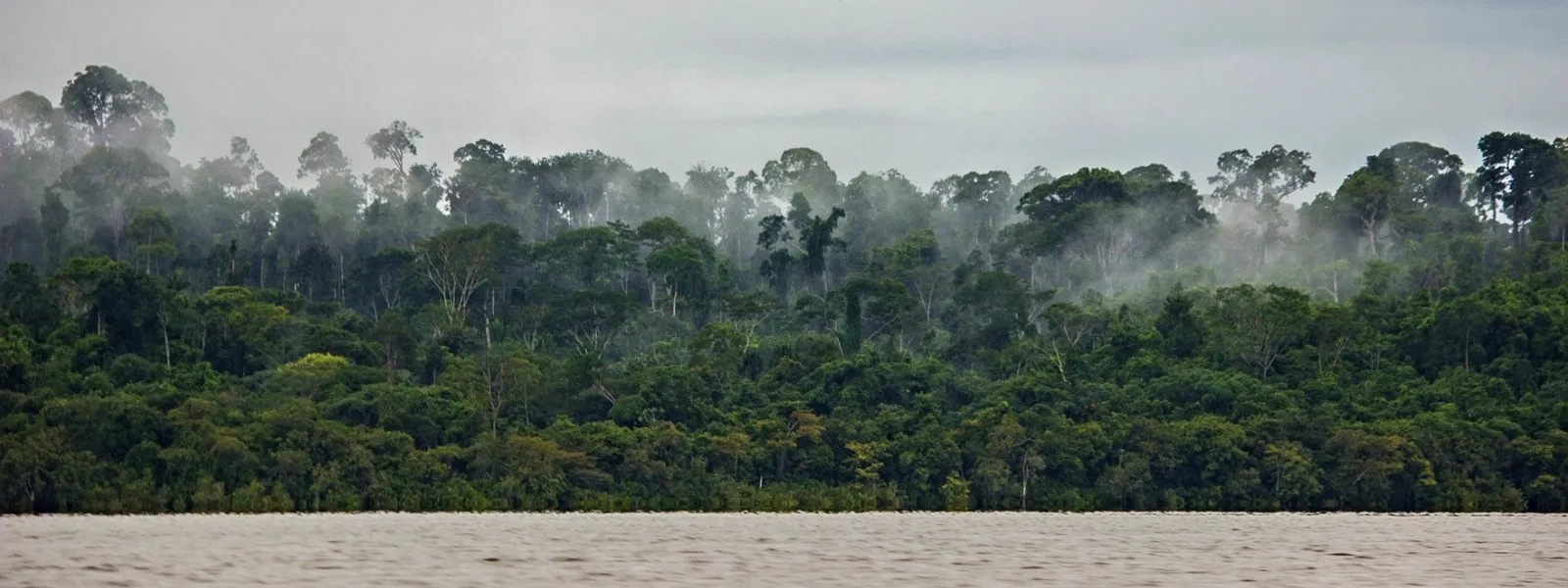
Project
Amazon Watch / Maíra Irigaray
Barragem de Belo Monte no rio Xingu: 10 anos de impactos na Amazônia e de busca por reparações
A usina hidrelétrica de Belo Monte causou um desastre ambiental e social no coração da Amazônia: um dos ecossistemas mais importantes do planeta.
Essa situação só piorou desde que a usina começou a operar em 2016. A busca por justiça e reparação para as comunidades indígenas e ribeirinhas afetadas continua até hoje.
Em 2011, a Comissão Interamericana de Direitos Humanos (CIDH) concedeu a essas comunidades medidas de proteção, que até hoje não foram totalmente implementadas pelo Estado brasileiro.
E, desde junho daquele mesmo ano, a CIDH mantém um processo contra o Estado por sua responsabilidade internacional no caso.
A CIDH pode encaminhar o caso à Corte Interamericana de Direitos Humanos, que tem o poder de emitir uma sentença condenatória contra o Estado brasileiro.
Consulta o expediente de fatos do caso
Após 10 anos de operação da usina hidrelétrica e mais de 15 anos de violações de direitos humanos documentadas, é hora da justiça ser feita para as comunidades afetadas.
Leia a carta aberta das organizações que levam o caso à CIDH
Leia nosso comunicado à imprensa
Contexto
A usina hidrelétrica de Belo Monte — a quarta maior do mundo em capacidade instalada (11.233 MW) — foi construída no rio Xingu, no estado do Pará, norte do Brasil.
Foi inaugurada em 5 de maio de 2016, com uma única turbina. Naquela época, 80% do curso do rio foi desviado e 516 km² de terra foram inundados, uma área maior que a cidade de Chicago. Desse total, 400 km² eram de mata nativa. A usina começou a operar em plena capacidade em novembro de 2019.
Belo Monte foi construída e é operada pelo consórcio Norte Energia S.A., composto principalmente por empresas estatais. Foi financiada pelo Banco Nacional de Desenvolvimento Econômico e Social (BNDES), que aportou ao consórcio 25,4 bilhões de reais (aproximadamente US$ 10,16 bilhões), o maior investimento de sua história. Portanto, o BNDES também é legalmente responsável pelos impactos socioambientais associados ao projeto hidrelétrico.
Décadas de danos ambientais e humanos
As violações dos direitos humanos e a degradação da Amazônia remontam ao início do projeto. Em março de 2011, a Norte Energia iniciou a construção da barragem sem consulta adequada e sem o consentimento prévio, livre e informado das comunidades afetadas.
A construção levou ao deslocamento forçado de mais de 40.000 pessoas, rompendo laços sociais e culturais. O plano de reassentamento em Altamira — cidade diretamente afetada pelo projeto hidrelétrico — incluía moradias na periferia da cidade, sem serviços públicos adequados, moradias dignas para as famílias reassentadas e moradias diferenciadas para aqueles pertencentes a comunidades indígenas.
A operação da barragem de Belo Monte impôs uma seca permanente e artificial na Volta Grande do rio Xingu, agravada pelas secas históricas na Amazônia em 2023 e 2024. Como resultado, a morte de milhões de ovos de peixe foi documentada por quatro anos consecutivos (de 2021 a 2024) e, nos últimos três anos, não houve migração de peixes rio acima para desovar e se reproduzir. Assim, a pesca artesanal, principal fonte de proteína para os povos indígenas e comunidades ribeirinhas, foi severamente afetada: o consumo de peixe caiu de 50% para 30% do total de proteínas consumidas, sendo substituído por alimentos processados. Em suma, houve um colapso ambiental e humanitário que resultou no colapso da pesca como modo de vida tradicional, insegurança alimentar e falta de acesso à água potável para milhares de famílias, empobrecimento e doenças.
Além disso, a construção da barragem aumentou o desmatamento e intensificou a extração ilegal de madeira e a insegurança em terras indígenas e tribais, colocando em risco a sobrevivência dessas comunidades. Outra consequência foi o agravamento da pobreza e dos conflitos sociais, bem como a sobrecarga dos sistemas de saúde, educação e segurança pública em Altamira, cidade considerada a mais violenta do país em 2017, onde houve aumento do tráfico de pessoas e da violência sexual. Também foram registrados casos de violência contra defensores de direitos humanos envolvidos no caso.
Em 2025, durante a 30ª Conferência das Nações Unidas sobre Mudanças Climáticas (COP30), realizada no Brasil, o Ministério Público Federal classificou os danos causados por Belo Monte como ecocídio.
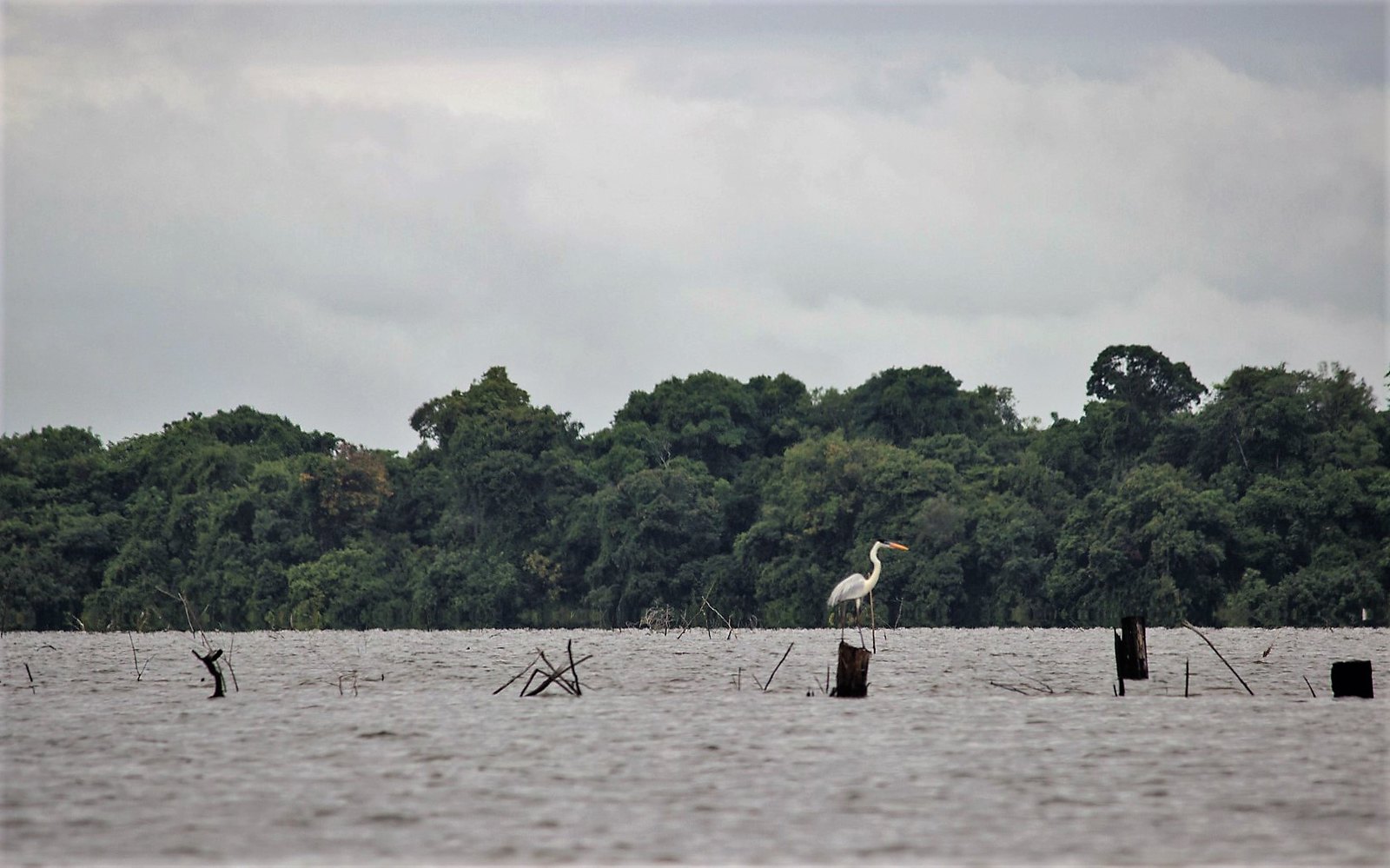
Foto: Amazon Watch / Maíra Irigaray.
A busca por justiça e reparação
Ao longo dos anos, o Ministério Público Federal do Pará, a Defensoria Pública e organizações da sociedade civil impetraram dezenas de ações judiciais em tribunais brasileiros para contestar as diversas irregularidades do projeto, bem como seus impactos. A maioria das ações permanece sem solução, algumas há mais de 10 anos.
Essas ações não obtiveram sucesso porque o governo federal tem reiteradamente anulado decisões favoráveis às comunidades afetadas, recorrendo a um mecanismo pelo qual o presidente do Supremo Tribunal Federal pode suspender uma decisão judicial com base unicamente em argumentos genéricos como "interesse nacional" ou "ordem econômica".
Diante da falta de respostas eficazes em nível nacional, a AIDA — juntamente com uma coalizão de organizações aliadas — levou o caso à Comissão Interamericana de Direitos Humanos (CIDH) e, em 2010, solicitou medidas cautelares para proteger a vida, a integridade e a saúde das comunidades indígenas afetadas.
Em 1º de abril de 2011, a CIDH concedeu essas medidas e solicitou ao Estado brasileiro a suspensão das licenças ambientais e de quaisquer obras de construção até que as condições relativas à consulta prévia e à proteção da saúde e integridade das comunidades fossem atendidas.
E, em 16 de junho de 2011, apresentamos uma denúncia formal à CIDH — juntamente com o Movimento Xingu Vivo Para Siempre, a Coordenação das Organizações Indígenas da Amazônia Brasileira, a Diocese de Altamira, o Conselho Missionário Indígena, a Sociedade Pará de Defesa dos Direitos Humanos e a Global Justice — contra o Estado brasileiro por sua responsabilidade internacional nas violações de direitos humanos contra os povos afetados neste caso. A denúncia foi apresentada em dezembro de 2015.
Em 3 de agosto de 2011, a CIDH modificou as medidas cautelares para solicitar — em vez da suspensão de licenças e obras — a proteção dos povos que vivem em isolamento voluntário, a saúde das comunidades indígenas e a regularização e proteção das terras ancestrais.
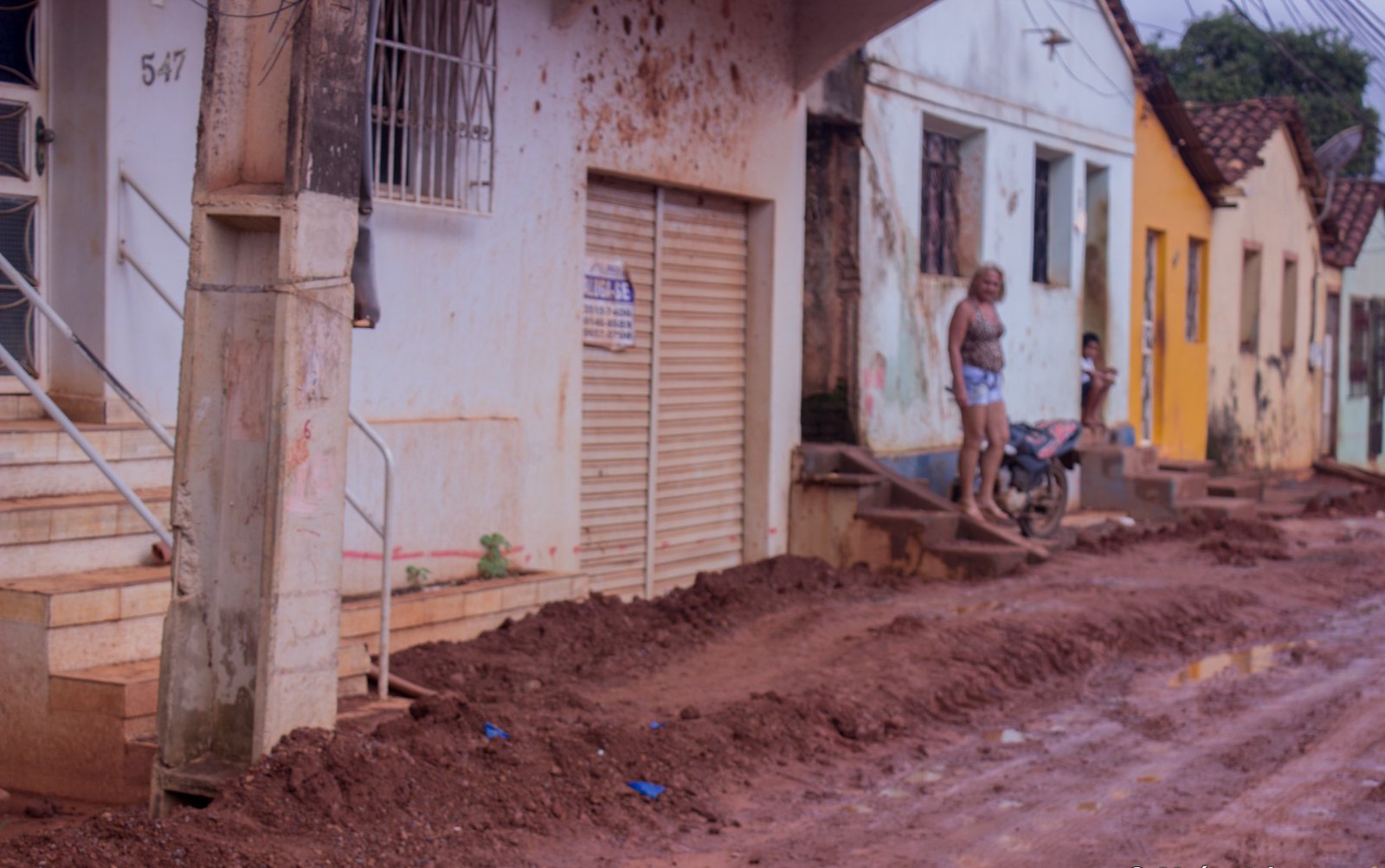
Foto: Amazon Watch / Maíra Irigaray.
Situação atual
As medidas de proteção concedidas pela CIDH permanecem em vigor, mas o Estado brasileiro não as cumpriu integralmente, relatando apenas ações genéricas. As comunidades documentaram as contínuas violações de seus direitos. A situação que motivou o pedido dessas medidas — o risco à vida, à segurança e aos meios de subsistência das comunidades — persiste e se agravou com a usina hidrelétrica operando em plena capacidade e com as recentes secas extremas na Amazônia.
Além do ocorrido em Belo Monte, existe o risco de maiores danos sociais e ambientais decorrentes da implementação de outro megaprojeto de mineração na Volta Grande do Xingu. Lá, a empresa canadense Belo Sun pretende construir a maior mina de ouro a céu aberto do Brasil.
Os impactos sinérgicos e cumulativos da usina e da mina não foram avaliados. O Estado excluiu povos indígenas, comunidades ribeirinhas e comunidades camponesas do processo de licenciamento ambiental do projeto. Apesar disso, dos protestos indígenas e de outras irregularidades em torno do projeto, o governo do estado do Pará autorizou formalmente a mina em abril de 2026.
Belo Monte, assim como outras usinas hidrelétricas, agrava a emergência climática ao gerar emissões de gases de efeito estufa em seu reservatório. Além disso, é ineficiente diante das secas prolongadas e intensas causadas pela crise, pois perde capacidade de geração de energia.
O caso perante a Comissão Interamericana
Em outubro de 2017, a CIDH anunciou que decidiria conjuntamente sobre a admissibilidade (se o caso preenche os requisitos para admissão) e o mérito (se houve, de fato, violação de direitos humanos) da denúncia internacional contra o Estado brasileiro.
Quinze anos após a apresentação da denúncia, as comunidades afetadas e as organizações que as representam ainda aguardam essa decisão. Caso a CIDH conclua que houve violações de direitos humanos e emita recomendações que o Estado brasileiro não cumpra, poderá encaminhar o caso à Corte Interamericana de Direitos Humanos, cujas decisões são vinculativas.
Uma possível decisão da Corte Internacional de Direitos Humanos neste caso estabeleceria um precedente jurídico regional em relação aos direitos dos povos indígenas e ribeirinhos, à participação pública em megaprojetos e à responsabilidade do Estado no contexto da crise climática. Isso é particularmente relevante à luz do Parecer Consultivo nº 32 da Corte, que reafirmou as obrigações dos Estados de proteger pessoas e comunidades em todo o continente da emergência climática.
Partners:
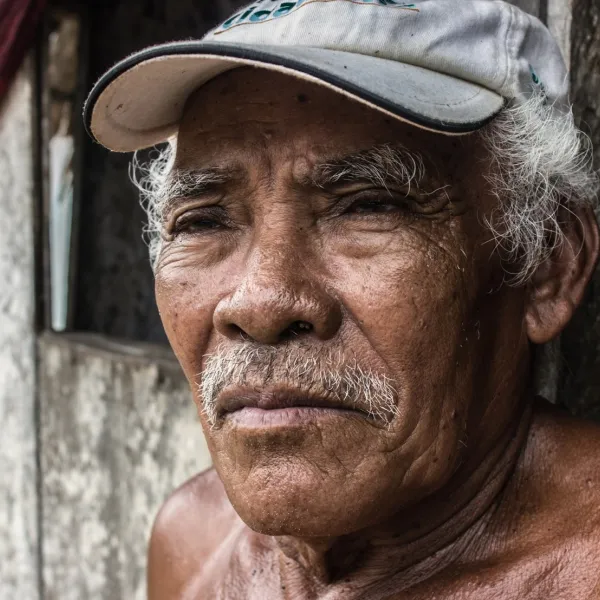
Related projects
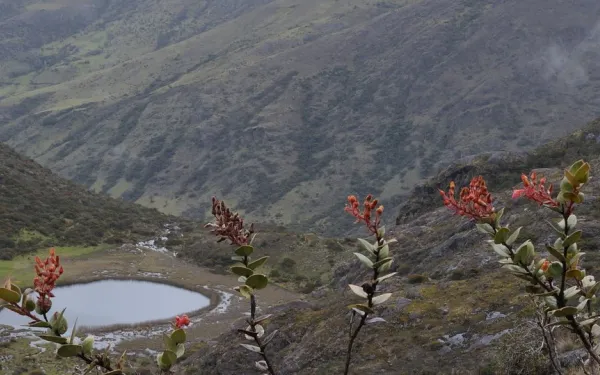
Declaration for the protection of the páramos and montane forests of the Tropical Andes
The undersigned civil society organizations, gathered in the framework of the 16th meeting of the Conference of the Parties (COP16) to the Convention on Biological Diversity (CBD) in Cali, Colombia: 1.URGE States Parties to the CBD to adopt domestic regulations and make international commitments to:recognize the crucial role of the páramos and the montane forest that protects them in global water regulation, mitigation and adaptation to the climate crisis, as well as in the conservation of biocultural diversity;protect the human rights, traditional knowledge and sustainable practices of indigenous peoples and peasant and traditional communities that inhabit the páramos and montane forest; andprohibit large-scale mining or similar practices in paramos and montane forests in terms of their socio-environmental impacts, in accordance with the principles of precaution and prevention. 2. REQUEST the States to include in their national biodiversity strategies and action plans indicators and monitoring mechanisms before the CBD that allow them to adequately measure and report compliance with the commitments they assume to advance in the conservation of these ecosystems under the terms of this declaration, as well as to guarantee the rights of the peoples and communities that inhabit them. 3. REQUIRE States and multilateral financial institutions to mobilize sufficient resources and technical capacities to guarantee the conservation of these ecosystems, as well as the protection of the indigenous peoples and peasant and traditional communities that inhabit them. We submit these requests to the States Parties to the CBD: Taking into account that there is a scientific consensus on the water regulatory power of the páramo and montane forest ecosystems[1] because they not only host endemic flora that captures freshwater from rain and fog, supplying it to the Andean cities located downstream; but also soils, lake and peatland systems that have a high concentration of organic matter and an enormous capacity to retain the liquid. In addition, the páramos wetlands are high Andean wetlands[2] under the protection of the Ramsar Convention on Wetlands of International Importance.Recognizing that páramos and their montane forests are fundamental in the carbon cycle; that due to low temperatures and the slow rate of decomposition of organic matter present in them, their soils, vegetation and wetlands capture and retain carbon dioxide (CO2)[3], contributing to climate change mitigation and adaptation and reducing the impact of meteorological events; and that these ecosystems are carbon sinks under the terms of the United Nations Framework Convention on Climate Change (UNFCCC).Reminding that, due to their biological and climatic characteristics, these ecosystems provide essential services for the population and contain biodiversity that is subject to special protection[4] and are home to endemic and native species of flora and fauna such as frailejones, pajonales, epiphytes, the chivito hummingbird, the Andean condor and the Andean bear, among others.Considering that the indigenous peoples and peasant and traditional communities of the region manage and protect the páramos and montane forests, ensure the preservation of common goods in their territories and are guardians of ancestral knowledge that is crucial for the conservation of biodiversity; that the integrity of the páramos is fundamental for the conservation of these ancestral practicess[5]; and that the páramos and montane forests are reserves of biocultural diversity within the framework of the CBD.Reiterating that the Intergovernmental Panel on Climate Change (IPCC)[6] warned of the impact of the climate crisis on páramos; and that they face other anthropogenic pressures such as fires, monocultures, livestock and invasive species[7].Warning that despite being strategic and sensitive ecosystems, deserving of the greatest protection, some of them are currently under strong pressure to develop large-scale mining projects, while others are at risk of being subject to mining concessions due to non-compliance with regulations and public policies that protect them or the lack of them.Bearing in mind that indigenous peoples and peasant and traditional communities have rejected these mining projects in their territories, even winning by majority vote "popular consultations" with which they have succeeded in defending the use of the land for traditional activities in their territories.Insisting that the removal of vegetation cover and the fragmentation of ecosystems generated by large-scale mining can affect the ecological balance, biocultural diversity and the provision of ecosystem services essential for life; acidify and reduce the amount of freshwater available for life systems; and break ecological and spiritual interconnectivity with other biomes and ecosystems, ending their capacity to capture carbon[8] and causing impacts in perpetuity.Following the warnings made by several UN rapporteurs and working groups on the negative impacts of mining on the environment and on human rights[9].Warning about certain dynamics recently employed by some mining companies in the countries of the region, particularly multinationals -such as the splitting of large mining titles, the change of exploitation method from surface to underground mining, as well as the formalization of small-scale miners in the area to outsource their activities by requesting multiple smaller areas-, which threaten to disguise large-scale mining processes with cumulative and synergistic environmental impacts on páramo ecosystems and montane forests that can be equal or more serious than those of a large-scale mining concession.Recalling that under the CBD States are required to: (i) monitor activities that have or are likely to have significant adverse effects on the conservation and sustainable use of biological diversity[10], such as mining; (ii) establish protected areas for biodiversity conservation[11] based on the traditional knowledge of indigenous peoples and peasant and traditional communities[12]; and (iii) adopt emergency measures when there are serious and imminent risks to biological diversity from natural or other events[13], such as risk from extractive activities. Signed byCentro Sociojurídico para la Defensa Territorial Siembra (Colombia)Colectivo Socio-Ambiental Juvenil de Cajamarca COSAJUCA (Colombia)Comité para la Defensa del Agua y el Páramo de Santurbán (Colombia)Consejo Territorial de Cabildos de la Sierra Nevada de Gonawindua CTC (Colombia)Corporación Ecológica y Cultural Penca de Sábila (Colombia)Movimiento Socioambiental Kumanday (Colombia)Natural Seeds Alliance (Colombia)Proyecto Dulcepamba (Ecuador)Acción Ecológica (Ecuador)Latinoamérica Sustentable (Ecuador)Unión de Defensores del Agua - UNAGUA (Ecuador)Federación de Organizaciones Indígenas y Campesinas del Azuay - FOA (Ecuador)Alianza de Organizaciones por los Derechos Humanos del Ecuador (Ecuador)Legal Defense Institute - IDL (Peru)Red Muqui (Perú)Red Internacional de Forestería Análoga - RIFA (Costa Rica)Mining Watch Canadá (Canada)Both ENDS (Netherlands)Redes del Agua Latinoamérica (Regional)Interamerican Association for Environmental Defense - AIDA (Regional)[1]Buytaert W. et al. Hidrología del páramo andino: propiedades, importancia y vulnerabilidad. Lovaina, U. de Lovaina, s.f.,, p. 10, 11, 23.[2] COP del Convenio de Ramsar, Resolución VIII.39. Los humedales altoandinos como sistemas estratégicos. Valencia, 2002.[3] Robert Hofstede et al. “Los páramos del Ecuador: Pasado, presente y futuro”, capítulo 12, págs 328 – 330, 2023[4] Robert Hofstede et al. págs 158 – 163, 2023.[5] IPBES (2018). The IPBES Regional Assessment Report on Biodiversity and Ecosystem Services for the Americas. Recuperado de: https://www.ipbes.net/assessment-reports/americas[6] IPCC (2013). Panel Intergubernamental de Cambio Climático, Quinto Informe de Evaluación, Recuperado de: http://www.ipcc.ch/home_languages_main_spanish.shtml[7] Ochoa-Tocachi et al., 2016, Tomado de IPBES (2018).[8] Madriñán, S., Cortés, A. J., & Richardson, J. E. (2013). Páramo is the world's fastest evolving and coolest biodiversity hotspot. Frontiers in genetics, 192.[9] Asamble General de la ONU, (i) Relatoría Especial sobre derechos humanos y sustancias y desechos peligrosos. Asamblea General de la ONU. A/HRC/51/35, 8 de julio de 2022, (ii) Relatoría Especial sobre el derecho humano a un medio ambiente limpio, saludable y sostenible. A/79/270, 2 de agosto de 2024, (iii) Grupo de Trabajo sobre la cuestión de los derechos humanos y las empresas transnacionales. Asamblea General de la ONU. A/78/155, 11 de julio de 2023.[10] Convenio sobre la Diversidad Biológica, Art. 7.C.[11] Ibid. Art. 8.C. CDB.[12] Ibid. Art. 8.J CDB.[13] Ibid. Art. 14.E. CDB.
Read more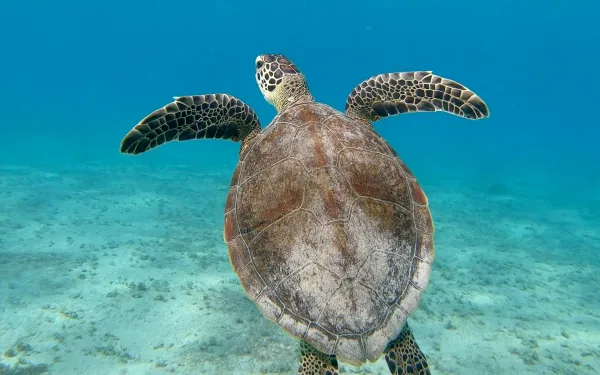
To defend the ocean's biodiversity is to defend human well-being
Statement by civil society organizations at COP16 of the Convention on Biological Diversity (CBD) The ocean is one of the world's main reserves of biodiversity, as well as a source of food, renewable energy and our main ally in combating the global climate crisis. Human populations, in addition to having their livelihoods in the ocean, maintain cultural connections around the ocean that define their past, present and future. However, this immense source of life continues to suffer increasingly significant damage and impacts, while efforts to protect and restore it are not increasing at the same rate.The intrinsic connection between ocean and climate itself embraces the balance of the planet. On the one hand, the ocean regulates weather patterns and, on the other, its characteristics are seriously altered by the climate crisis. The main indicators of these changes are the increase in temperature and sea level, acidification, deoxygenation, modifications in ocean currents, and a greater intensity of hurricanes and meteorological events. This affects marine biodiversity, causing the loss of particularly vulnerable species and habitat fragmentation. Coral bleaching associated with changes in climate, for example, alters the dynamics of many other species that depend on them, generating consequences for tourism, fisheries, climate resilience and biodiversity, as well as socioeconomic and cultural impacts.Overfishing puts commercial target species and coastal-marine ecosystems in general at risk. Some of the fishing practices of greatest concern are the extraction of vulnerable or endangered species; the non-compliance with or non-existence of closed fishing areas, the demarcation of fishing zones, permitted sizes and volumes; as well as the abandonment of fishing gear, which contributes to the problem of marine debris and causes the death of many animals that are trapped in them. Intensive aquaculture, such as salmon farming, directly destroys the marine ecosystem through contamination due to the constant incorporation of nutrients and the high use of antibiotics, producing anoxia and harmful algae blooms.Marine pollution from land-based sources continues to be a major stress factor for the marine environment and poses particularly serious problems in developing countries, where integrated waste management is extremely deficient. This has resulted in the introduction of polluting substances and materials into the ocean (untreated sewage, solid waste, including plastics, and agricultural runoff), causing changes in the quality conditions of the water column and sediments, often fatal to marine biodiversity and affecting human health.Likewise, maritime sources of pollutants require particular attention, as the ocean is the main means of transporting goods globally. Maritime traffic involves the transport of substances harmful to the marine environment - such as hydrocarbons, toxic chemicals, sewage, ballast water, garbage, and other hazardous substances - that are discharged into the sea in routine operational tasks and in maritime incidents. Hydrocarbons pose a particularly complex problem because they are not only transported as cargo but are also used to propel ships, thus representing a latent risk scenario with impacts on air quality due to atmospheric emissions of carbon dioxide, nitrogen oxides, sulfur oxides and methane, mainly in ships that use liquefied natural gas (LNG) for propulsion. In addition, the negative impact on marine fauna of collisions with ships and underwater noise from various sources cannot be ruled out; these factors still lack sufficient and effective public policies and regulations.Additionally, oil spills in the marine environment cause suffocation and intoxication of marine species, bioaccumulation of harmful substances, and even the functional destruction of important habitats. These impacts in turn affect relevant social and economic activities - such as shipping, fishing, tourism, and port activities - as well as endangering the health and the right to a healthy environment of coastal communities. Spills from offshore oil and gas exploration and exploitation are not adequately controlled and regulated by governments, being authorized activities in the vicinity of vulnerable areas such as coral reefs. These operations face serious limitations to prevent and provide timely response to spills with mitigation, restoration, and compensation actions for the damage caused. Environmental impacts from related activities, such as seismic exploration, dismantling of underwater infrastructures and platforms, and associated maritime traffic, are rarely evaluated.Finally, although there are no exploitation efforts yet, underwater mining poses risks that are impossible to assess in their magnitude, including habitat destruction, which could be irreversible, and species extinction. This is especially worrisome considering how little is known about the ecological and physicochemical dynamics in deep-sea and deep-sea ecosystems. The development of these intrusive activities - without having the technical and scientific base information that would allow us to objectively identify the potential impacts, as well as the possibility or not of preventing, mitigating or restoring damages - would doubtless cause the alteration of a highly sensitive and complex ecosystem.In consideration of the above - in our role as civil society organizations working for the protection and sustainable use of the ocean and for the defense of the right to a clean, healthy and sustainable environment - WE URGENTLY CALL ON THE STATES PARTY TO THE CONVENTION ON BIOLOGICAL DIVERSITY TO: Incorporate the ecosystem approach - which notes the interdependence between the atmosphere, land, and ocean - into their national biodiversity policies, strategies, and action plans, considering the provisions set forth in the Advisory Opinion of the International Tribunal on the Law of the Sea, which notes that anthropogenic greenhouse gas (GHG) emissions meet the definition of marine pollution under the UN Convention on the Law of the Sea. Use environmental impact and cumulative impact assessment tools to promote transparency and citizen participation with a gender focus and with emphasis on the consultation and consent processes of groups in vulnerable situations, such as indigenous peoples and local communities, so that the traditional and cultural knowledge that comes from the territories is included and valued to promote the implementation of projects and human development activities in a responsible and fair manner, weighing the right to a clean, healthy and sustainable environment over short-term economic benefits. Sign, ratify, and commit to the effective implementation of the Regional Agreement on Access to Information, Public Participation, and Access to Justice in Environmental Matters in Latin America and the Caribbean (Escazú Agreement) for these rights, and establish mechanisms for transparency and accountability in any environmental proceedings. Apply the precautionary principle in the absence of certainty or scientific information and recognize technical knowledge, science, and local wisdom as the basis for decision-making processes focused on the protection of the environment and biodiversity. Sign, ratify, and commit to the effective implementation of the Agreement on the Conservation and Sustainable Use of Biodiversity beyond National Jurisdiction (BBNJ Agreement), an instrument that will make it possible to advance in the protection of at least 2/3 of our planet. This will allow for: the equitable sharing of benefits derived from the use of marine genetic resources; the use of area-based management mechanisms, including the designation of marine protected areas; the development of environmental impact assessments prior to offshore activities; as well as capacity building and the transfer of marine technology for the benefit of the ocean. Continue to apply moratoriums on underwater mining activities based on the lack of sufficient technical and scientific information to foresee, prevent, control, and mitigate the potential impacts on the biological diversity of unknown ecosystems in deep waters and on the seabed. Sign, ratify, and commit to the effective implementation of the Agreement on Port State Measures (MERP Agreement) - to prevent, deter, and eliminate illegal, unreported, and unregulated fishing - as well as the Agreement on Fisheries Subsidies, to promote fishing practices that recognize the relevance of ocean sustainability. Strengthen and harmonize regulations on fishing and aquaculture, also advancing in their correct control, with the objective of ensuring the sustainability of these activities; avoiding illegal, unreported, and unregulated fishing; minimizing negative impacts on marine ecosystems and vulnerable species. Implement the Guidelines for Achieving Sustainability in Small-scale Fisheries in the Context of Food Security and Poverty Eradication (SSF Guidelines) in order to: recognize the contribution to the fishing economy of men and women working in all activities of the fisheries value chain; guarantee food security and the right to food; contribute to the development of communities engaged in this type of fishing; achieve sustainability of fishery resources; as well as promote culture and ancestral and traditional knowledge around fishing. Advance quickly and effectively in the process of negotiating a legally binding instrument on plastic pollution through the application of the circular economy model and responsible management throughout the entire cycle of these products. Plan mitigation and adaptation actions in the short-- and medium-term to address the effects of the climate crisis on the ocean and protect its carbon sinks through strategies and policies that contemplate the just and equitable energy transition in ocean-dependent sectors, in addition to the conservation and restoration of key ecosystems such as mangrove forests, seagrasses and coral reefs with a holistic and socio-ecological approach. The obligation of States Parties to the United Nations Framework Convention on Climate Change (UNFCCC) to submit updated Nationally Determined Contributions (NDCs) by 2025 is an opportunity to include, as climate commitments, measures aimed at mitigating impacts on the ocean and their restoration. These measures should not be limited to the creation of carbon markets in the ocean, but rather ensure the comprehensive protection of marine and coastal ecosystems, especially considering their fundamental role in climate regulation. Sign, ratify, and commit to the effective implementation of the Convention for the Protection and Development of the Marine Environment of the Wider Caribbean Region (Cartagena Convention); prioritize the creation and application of national regulations on standards and permitted thresholds for the discharge of polluting substances into the sea, harmonized with international law, and based on follow-up and monitoring programs that respond to the dynamics of each country. Adopt relevant domestic measures to reduce anthropogenic pressures currently affecting coral reefs, slowing the processes that are causing their degradation and allowing coral cover to be maintained at minimum levels that guarantee their permanence and connectivity. These measures include: Regulating environmental impact studies and management plans for offshore hydrocarbon extractive and prospective activities and other activities carried out near coral reefs and areas sensitive to coral bleaching.Avoid authorizing offshore hydrocarbon exploration and exploitation activities near coral reefs.Regulate the transit of ships near marine protected areas and particularly sensitive marine zones in terms of ballast water pollution and other polluting technologies for the marine environment that may affect the state of coral reefs. This will also reduce the possibility of accidents and groundings. Guarantee the rights and meet the needs of coastal and island communities that live from fishing - especially artisanal fishing - and local tourism that are being affected by the climate crisis and environmental problems, seeking to protect them from the degradation of marine-coastal biodiversity. Increase governmental efforts to create and implement programs and activities for capacity building and transfer of marine technology to reduce the gaps between developing and developed countries. This will enable ocean protection to be embraced globally as a pathway to climate and environmental justice. Guarantee the financing of policies, programs, plans, studies, and regulations, ensuring the necessary budgetary allocations to safeguard and manage coastal-marine ecosystems. To this end, they should target the use of all available means within countries, as well as international climate finance funds, cooperation projects and multilateral instruments dedicated to addressing the climate crisis and the mechanisms that have been agreed upon in the framework of the UNFCCC and the Paris Agreement, including the Green Climate Fund (GCF), as well as available resources from the private sector. Similarly, blue finance mechanisms that benefit vulnerable groups and have a positive impact on ocean health should be prioritized. Effective protection of our ocean is not possible without the commitment of the States Parties to the Convention on Biological Diversity. We therefore call for action and the definition of urgent national and international interventions to strengthen ocean governance.The risks of ignoring the accelerating impacts are too great. It is time to prioritize the health of the ocean and with it our own health. Signatory organizations:Interamerican Association for Environmental Defense (AIDA).Mexican Center for Environmental Law (CEMDA)Center for Marine JusticeMesoamerican Reef Fund (MAR Fund)Cethus FoundationMarViva FoundationHealthy Reef Initiative (HRI)Coral Reef AllianceFoundation for Eco-development and Conservation (FUNDAECO)High Seas Alliance (HSA)
Read more
COP16: To conserve biodiversity, governments must respect indigenous and local knowledge
At the UN Conference on Biodiversity, countries must also make progress in ensuring the participation of indigenous and local communities in decision-making on biodiversity. The energy transition model of the global north implies irreversible impacts for the Andean wetlands and the communities that inhabit them, whose territories overlap with lithium reserves. Ahead of the 16th meeting of the Conference of the Parties (COP16) to the Convention on Biological Diversity (CBD), which will take place from October 21 to November 1 in Cali, Colombia, the Alliance for Andean Wetlands (Alianza por los Humedales Andinos) calls on member countries to respect, preserve and maintain the knowledge, innovations and practices of indigenous and local communities for the conservation and sustainable use of biological diversity. Doing so implies honoring the obligations acquired with the signing of the treaty.In addition, the signatory countries of the convention must make progress, through the presentation of concrete action plans at the national level, in ensuring the participation of communities in decision-making on biodiversity issues, one of the 23 targets of the Kunming-Montreal Global Biodiversity Framework adopted in 2022.One of the goals of COP16 is to review compliance with these targets, aimed at halting and reversing biodiversity loss by 2030.According to the Living Planet Report, Latin America is the region with the greatest loss of biodiversity, as populations of all species show an average decline of 94% and 83% in the case of freshwater species.The Alliance warns of the irreversible impacts that the energy transition model promoted from the global north implies for the Andean wetlands, where some of the most sought-after transition minerals, such as lithium and copper, are found.These ecosystems harbor more than that: they are home to an enormous and unique biodiversity, as well as to local communities that depend on them and that for thousands of years have protected and preserved them, maintaining the ecological balance. Quotes from members of the Alliance for Andean WetlandsLaura Castillo, Coordinator of the High Andean Program at Fundación Ambiente y Recursos Naturales (FARN), Argentina:"To address the biodiversity crisis, it is crucial to transcend the current paradigm of production and consumption, which promotes excessive use of environmental goods and exacerbates the ecological crisis. To this end, it is imperative to promote the reduction of high levels of consumption of natural goods, especially from the global north. Solutions to the climate and biodiversity crises -which are closely related- will inevitably require countries to define their own socio-ecological transitions towards models of life that respect human rights and planetary limits." Vivian Lagrava Flores, Coordinator of Empodérate and the Wetlands, Biodiversity and Water Protection project, Bolivia:"Biodiversity and water should not be assumed as an 'exploitable resource' by the States. As long as this mercantilist view persists, we will have more people affected by mining and sacrificed and, therefore, more biodiversity exposed and at risk of extinction." Verónica Gostissa, attorney and coordinator of the Alianza por los Humedales Andinos project at Asamblea Pucará, Catamarca, Argentina:"It is urgent to address the problem of lithium exploitation in the Puna. It is advertised as 'clean energy', but it is devastating our ecosystems. In Argentina, they intend to turn the Salar del Hombre Muerto into an industrial park, installing more than eight projects in the same territory. In this COP, it is crucial to recognize the irreversible impact generated by extractivism and, from there, to deploy ecosystemic links based on the care of all that is vital." Cynthia Escares, biologist and director of the NGO Defensa Ambiental, Chile:"The climate crisis is an undeniable reality. However, in its name, forms of extractivism disguised as clean energy and equity are being promoted, without recognizing the profound implications of these processes. Projects such as lithium and rare earth mining, essential for batteries and green technologies, are presented as solutions to climate change, but they replicate the same logics of exploitation that have historically devastated territories and communities. This time, not only will we lose the inhabitants of these vulnerable regions, but we are leading the planet and all its biodiversity towards an irreversible collapse." Yeny Rodríguez, senior attorney with the Ecosystems Program at the Interamerican Association for Environmental Defense (AIDA):"The biological and cultural diversity of our region is at risk. After COP16, it should be understood that we can no longer talk about defossilization as the panacea that will save us from the climate crisis. The energy transition towards 'clean energy' also requires the extraction of minerals such as lithium, an industry that in Latin America is already causing the destruction of Andean wetlands and the disappearance of rivers. We are facing an opportunity to move towards the protection of biodiversity and the human rights of the native communities that have cared for the territories since before the existence of our States." Ramón Balcázar Morales, executive director and researcher of Fundación Tantí, Chile:"The salt flats from which South American lithium is obtained are wetlands, territories inhabited by indigenous peoples and communities whose ways of life are key to the conservation of ecosystems that sustain a threatened biodiversity. Faced with the deepening of the polycrisis, we must promote democratic processes that allow us, as a society, to overcome the profound contradiction between the climate agenda based on green growth and the biodiversity conservation agenda. This requires governmental and institutional efforts and will to strengthen and dialogue with communities and social actors in the territories affected by mining and energy megaprojects associated with the energy transition."
Read more