
Project
Amazon Watch / Maíra Irigaray
Barragem de Belo Monte no rio Xingu: 10 anos de impactos na Amazônia e de busca por reparações
A usina hidrelétrica de Belo Monte causou um desastre ambiental e social no coração da Amazônia: um dos ecossistemas mais importantes do planeta.
Essa situação só piorou desde que a usina começou a operar em 2016. A busca por justiça e reparação para as comunidades indígenas e ribeirinhas afetadas continua até hoje.
Em 2011, a Comissão Interamericana de Direitos Humanos (CIDH) concedeu a essas comunidades medidas de proteção, que até hoje não foram totalmente implementadas pelo Estado brasileiro.
E, desde junho daquele mesmo ano, a CIDH mantém um processo contra o Estado por sua responsabilidade internacional no caso.
A CIDH pode encaminhar o caso à Corte Interamericana de Direitos Humanos, que tem o poder de emitir uma sentença condenatória contra o Estado brasileiro.
Consulta o expediente de fatos do caso
Após 10 anos de operação da usina hidrelétrica e mais de 15 anos de violações de direitos humanos documentadas, é hora da justiça ser feita para as comunidades afetadas.
Leia a carta aberta das organizações que levam o caso à CIDH
Leia nosso comunicado à imprensa
Contexto
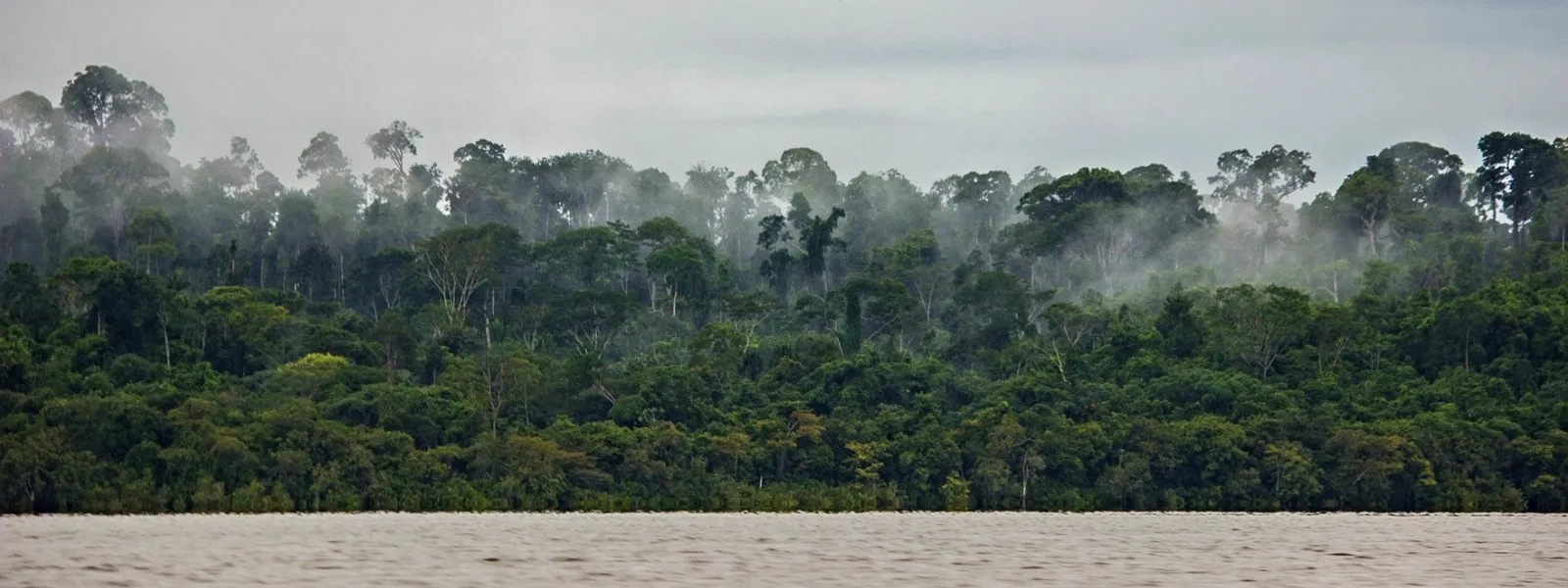
A usina hidrelétrica de Belo Monte — a quarta maior do mundo em capacidade instalada (11.233 MW) — foi construída no rio Xingu, no estado do Pará, norte do Brasil.
Foi inaugurada em 5 de maio de 2016, com uma única turbina. Naquela época, 80% do curso do rio foi desviado e 516 km² de terra foram inundados, uma área maior que a cidade de Chicago. Desse total, 400 km² eram de mata nativa. A usina começou a operar em plena capacidade em novembro de 2019.
Belo Monte foi construída e é operada pelo consórcio Norte Energia S.A., composto principalmente por empresas estatais. Foi financiada pelo Banco Nacional de Desenvolvimento Econômico e Social (BNDES), que aportou ao consórcio 25,4 bilhões de reais (aproximadamente US$ 10,16 bilhões), o maior investimento de sua história. Portanto, o BNDES também é legalmente responsável pelos impactos socioambientais associados ao projeto hidrelétrico.
Décadas de danos ambientais e humanos
As violações dos direitos humanos e a degradação da Amazônia remontam ao início do projeto. Em março de 2011, a Norte Energia iniciou a construção da barragem sem consulta adequada e sem o consentimento prévio, livre e informado das comunidades afetadas.
A construção levou ao deslocamento forçado de mais de 40.000 pessoas, rompendo laços sociais e culturais. O plano de reassentamento em Altamira — cidade diretamente afetada pelo projeto hidrelétrico — incluía moradias na periferia da cidade, sem serviços públicos adequados, moradias dignas para as famílias reassentadas e moradias diferenciadas para aqueles pertencentes a comunidades indígenas.
A operação da barragem de Belo Monte impôs uma seca permanente e artificial na Volta Grande do rio Xingu, agravada pelas secas históricas na Amazônia em 2023 e 2024. Como resultado, a morte de milhões de ovos de peixe foi documentada por quatro anos consecutivos (de 2021 a 2024) e, nos últimos três anos, não houve migração de peixes rio acima para desovar e se reproduzir. Assim, a pesca artesanal, principal fonte de proteína para os povos indígenas e comunidades ribeirinhas, foi severamente afetada: o consumo de peixe caiu de 50% para 30% do total de proteínas consumidas, sendo substituído por alimentos processados. Em suma, houve um colapso ambiental e humanitário que resultou no colapso da pesca como modo de vida tradicional, insegurança alimentar e falta de acesso à água potável para milhares de famílias, empobrecimento e doenças.
Além disso, a construção da barragem aumentou o desmatamento e intensificou a extração ilegal de madeira e a insegurança em terras indígenas e tribais, colocando em risco a sobrevivência dessas comunidades. Outra consequência foi o agravamento da pobreza e dos conflitos sociais, bem como a sobrecarga dos sistemas de saúde, educação e segurança pública em Altamira, cidade considerada a mais violenta do país em 2017, onde houve aumento do tráfico de pessoas e da violência sexual. Também foram registrados casos de violência contra defensores de direitos humanos envolvidos no caso.
Em 2025, durante a 30ª Conferência das Nações Unidas sobre Mudanças Climáticas (COP30), realizada no Brasil, o Ministério Público Federal classificou os danos causados por Belo Monte como ecocídio.
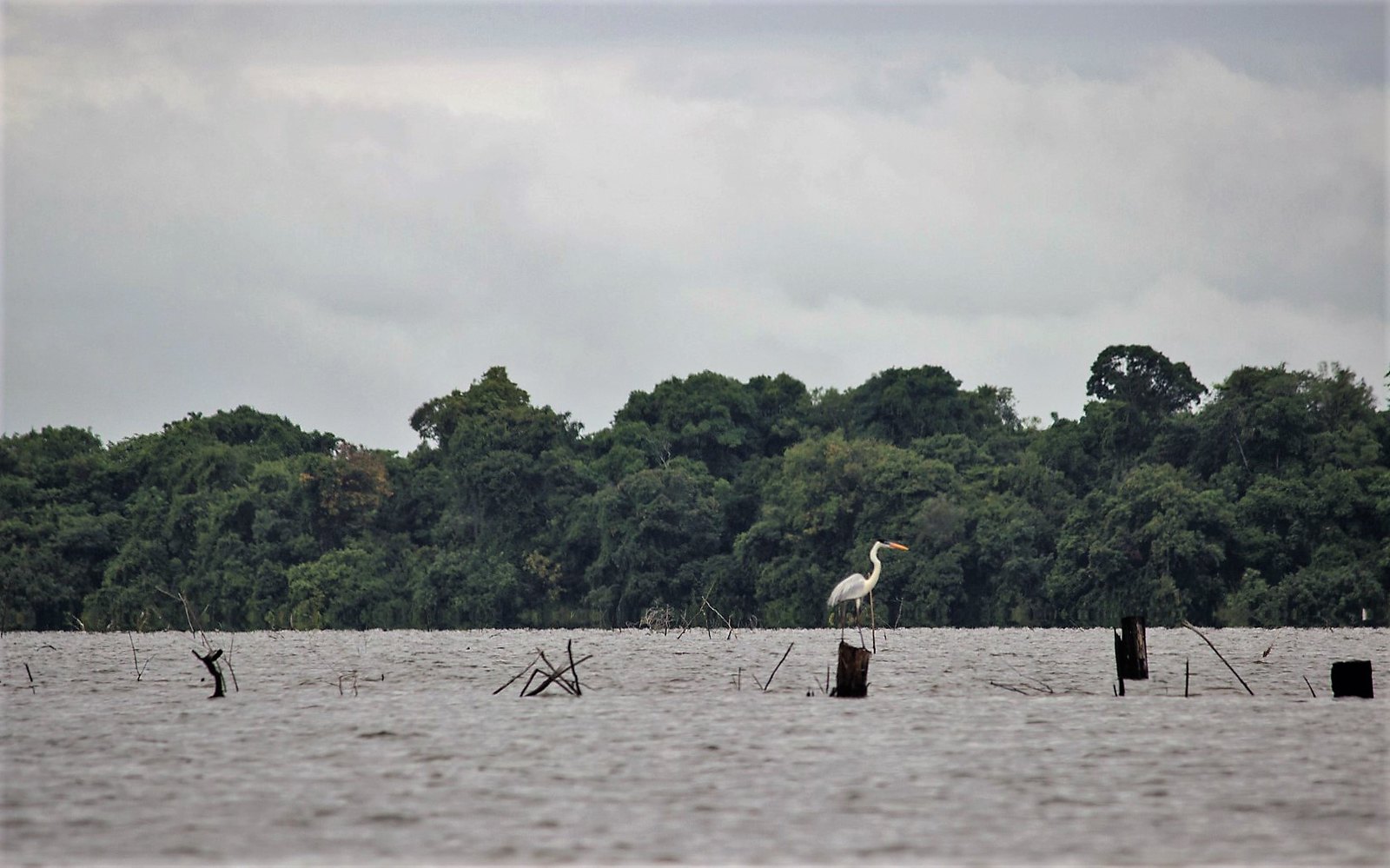
Foto: Amazon Watch / Maíra Irigaray.
A busca por justiça e reparação
Ao longo dos anos, o Ministério Público Federal do Pará, a Defensoria Pública e organizações da sociedade civil impetraram dezenas de ações judiciais em tribunais brasileiros para contestar as diversas irregularidades do projeto, bem como seus impactos. A maioria das ações permanece sem solução, algumas há mais de 10 anos.
Essas ações não obtiveram sucesso porque o governo federal tem reiteradamente anulado decisões favoráveis às comunidades afetadas, recorrendo a um mecanismo pelo qual o presidente do Supremo Tribunal Federal pode suspender uma decisão judicial com base unicamente em argumentos genéricos como "interesse nacional" ou "ordem econômica".
Diante da falta de respostas eficazes em nível nacional, a AIDA — juntamente com uma coalizão de organizações aliadas — levou o caso à Comissão Interamericana de Direitos Humanos (CIDH) e, em 2010, solicitou medidas cautelares para proteger a vida, a integridade e a saúde das comunidades indígenas afetadas.
Em 1º de abril de 2011, a CIDH concedeu essas medidas e solicitou ao Estado brasileiro a suspensão das licenças ambientais e de quaisquer obras de construção até que as condições relativas à consulta prévia e à proteção da saúde e integridade das comunidades fossem atendidas.
E, em 16 de junho de 2011, apresentamos uma denúncia formal à CIDH — juntamente com o Movimento Xingu Vivo Para Siempre, a Coordenação das Organizações Indígenas da Amazônia Brasileira, a Diocese de Altamira, o Conselho Missionário Indígena, a Sociedade Pará de Defesa dos Direitos Humanos e a Global Justice — contra o Estado brasileiro por sua responsabilidade internacional nas violações de direitos humanos contra os povos afetados neste caso. A denúncia foi apresentada em dezembro de 2015.
Em 3 de agosto de 2011, a CIDH modificou as medidas cautelares para solicitar — em vez da suspensão de licenças e obras — a proteção dos povos que vivem em isolamento voluntário, a saúde das comunidades indígenas e a regularização e proteção das terras ancestrais.
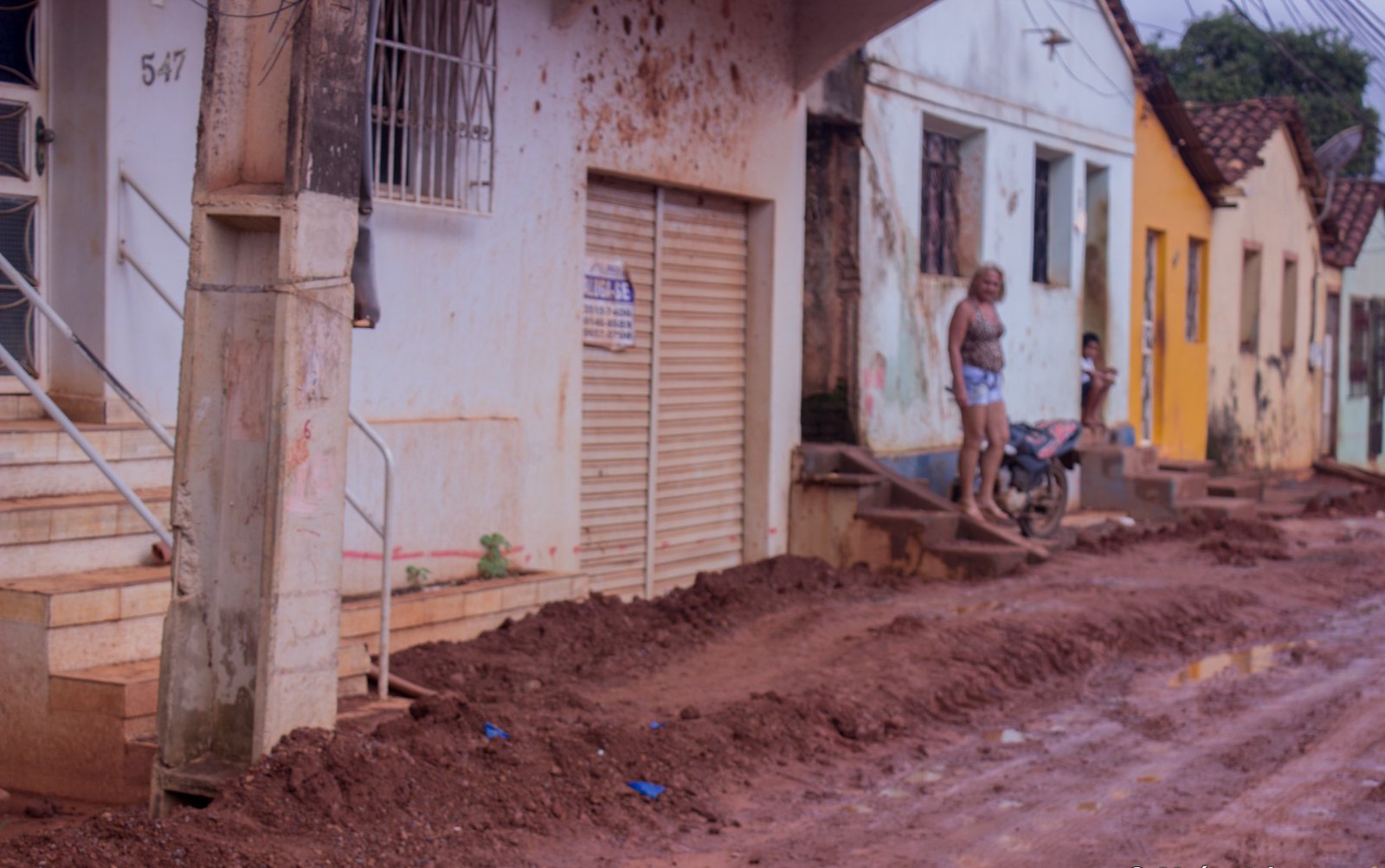
Foto: Amazon Watch / Maíra Irigaray.
Situação atual
As medidas de proteção concedidas pela CIDH permanecem em vigor, mas o Estado brasileiro não as cumpriu integralmente, relatando apenas ações genéricas. As comunidades documentaram as contínuas violações de seus direitos. A situação que motivou o pedido dessas medidas — o risco à vida, à segurança e aos meios de subsistência das comunidades — persiste e se agravou com a usina hidrelétrica operando em plena capacidade e com as recentes secas extremas na Amazônia.
Além do ocorrido em Belo Monte, existe o risco de maiores danos sociais e ambientais decorrentes da implementação de outro megaprojeto de mineração na Volta Grande do Xingu. Lá, a empresa canadense Belo Sun pretende construir a maior mina de ouro a céu aberto do Brasil.
Os impactos sinérgicos e cumulativos da usina e da mina não foram avaliados. O Estado excluiu povos indígenas, comunidades ribeirinhas e comunidades camponesas do processo de licenciamento ambiental do projeto. Apesar disso, dos protestos indígenas e de outras irregularidades em torno do projeto, o governo do estado do Pará autorizou formalmente a mina em abril de 2026.
Belo Monte, assim como outras usinas hidrelétricas, agrava a emergência climática ao gerar emissões de gases de efeito estufa em seu reservatório. Além disso, é ineficiente diante das secas prolongadas e intensas causadas pela crise, pois perde capacidade de geração de energia.
O caso perante a Comissão Interamericana
Em outubro de 2017, a CIDH anunciou que decidiria conjuntamente sobre a admissibilidade (se o caso preenche os requisitos para admissão) e o mérito (se houve, de fato, violação de direitos humanos) da denúncia internacional contra o Estado brasileiro.
Quinze anos após a apresentação da denúncia, as comunidades afetadas e as organizações que as representam ainda aguardam essa decisão. Caso a CIDH conclua que houve violações de direitos humanos e emita recomendações que o Estado brasileiro não cumpra, poderá encaminhar o caso à Corte Interamericana de Direitos Humanos, cujas decisões são vinculativas.
Uma possível decisão da Corte Internacional de Direitos Humanos neste caso estabeleceria um precedente jurídico regional em relação aos direitos dos povos indígenas e ribeirinhos, à participação pública em megaprojetos e à responsabilidade do Estado no contexto da crise climática. Isso é particularmente relevante à luz do Parecer Consultivo nº 32 da Corte, que reafirmou as obrigações dos Estados de proteger pessoas e comunidades em todo o continente da emergência climática.
Partners:
Related projects
The Amazon: The complexities and challenges of its protection
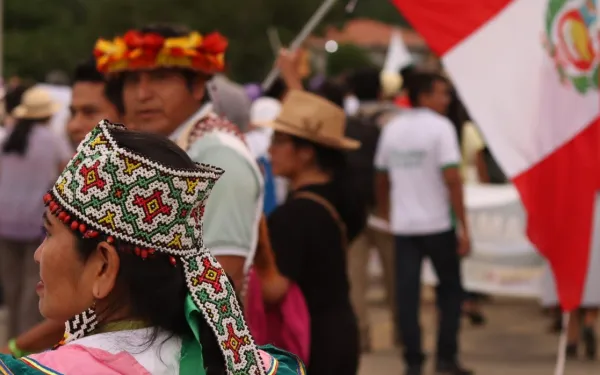
By Vania Albarracín and José David Castilla* Protecting the Amazon is one of the region's greatest challenges. Facing it requires coordination and cooperation between states, peoples and organizations. In this context, the Pan-Amazonian Social Forum (FOSPA) was born out of the need to think about the Pan-Amazonian region - a region made up of the countries that have jurisdiction or territory in the Amazon basin, and/or have jungle coverage, and/or are part of the Amazon Cooperation Treaty (TCA) - in all its complexity. FOSPA is a regional space for articulation, reflection and exchange between indigenous peoples, social movements and civil society from Bolivia, Brazil, Colombia, Ecuador, Guyana, French Guiana, Peru, Venezuela and Suriname. The reason why so many actors have come together around the Amazon is that it is a mega-diverse ecosystem and a global climate stabilizer, containing more than 13% of all known plant and animal species and releasing 6,600 km³ of freshwater annually into the Atlantic Ocean, representing between 16 and 20% of global runoff. It is therefore essential to consider the interconnections and interdependencies between the Amazon and other ecosystems in the region. Marine-coastal ecosystems, Andean wetlands, mountain ranges and forests are interconnected throughout the continent and should be recognized as part of a comprehensive conservation strategy. The Amazon region is facing serious problems of deforestation and ecosystem degradation, which have led to warnings of reaching the so-called point of no return. This refers to the loss of the ecological balance and climatic functions of the Amazon, which would have incalculable negative global repercussions. FOSPA holds biannual meetings in different cities and sub-regions of the Amazon to discuss the violations of human, environmental, territorial and natural rights that afflict the region, as well as to propose alternatives that come from the local communities and indigenous peoples that inhabit the region. The eleventh version of FOSPA was held from June 12 to 15 in the cities of Rurrenabaque and San Buenaventura, in the Amazon region of Bolivia. The meeting resulted in a joint declaration in defense of life, peoples and nature. AIDA participated in the meeting and we share below our assessment of the main agreements, the gaps in their implementation and what is missing to ensure the protection of the Amazon. The agreements 1. Mining threats The threats posed by mining to the Amazon region can be seen in two key issues: the promotion and impact of new extractivism (such as copper mining) and mercury contamination from gold mining. The meeting highlighted the need to ban the global trade of mercury and to develop multinational strategies to combat its use in gold mining, in accordance with the Minamata Convention. In addition, a biocultural approach to assessing the impacts of mining was advocated, recognizing the interrelationship between biodiversity and indigenous cultures, the fundamental role of women in preserving and reproducing life, and the participation of civil society in decision-making spaces, ensuring transparency and full disclosure. 2. An Amazon free of extractivism One of the main concerns of the communities, peoples and organizations that participated in the meeting is the presence of different types of extractivism in the Amazon region. They recognized that their rights are violated and threatened by hydrocarbon extraction and transportation projects, by the exploitation of transition minerals such as gold and copper, and by the implementation of public policies related to the energy transition. One of the most relevant proposals in this regard was to generate a multifactorial and plurinational declaration of the Amazon as a zone free of fossil fuels and mining, not only as a slogan, but as a political, social and environmental horizon for the protection of life in all its forms. This proposal must be evaluated in the context of the different tensions and social realities of the region. 3. Guarantees for a just and popular energy transition A just and popular energy transition was another relevant point of the meeting. Indigenous communities and peoples raised the need to decolonize the concept of energy transition and propose a process that comes from them, who have historically suffered the impacts of extractivism. The call was for an energy transition that remediates these impacts and restores affected ecosystems. Achieving this goal requires responsible project closure and exit processes, as well as transition processes that incorporate the highest human rights standards and the perspectives of affected communities. Practical gaps 1. Insufficient commitment to regional cooperation The eleventh version of the FOSPA revealed a lack of political commitment on the part of the member governments of the Amazon Cooperation Treaty Organization (ACTO), reflected in the absence of firm agreements and mechanisms for effective participation. This favors extractivist policies and weakens the protection of indigenous and environmental rights. It is essential that ACTO review and strengthen its structures to ensure that international commitments are implemented and that pan-Amazonian communities play an active and decisive role in policy formulation. 2. Exclusion of indigenous peoples and communities from the decision-making process The exclusion of indigenous peoples and indigenous Amazonian communities from decision-making processes is evident. This results in policies and agreements that do not reflect their needs and realities. A clear example of this is the Conferences of the Parties (COP) on climate change and biodiversity, where indigenous representation is not real or substantive, resulting in a failure to value their ancestral knowledge and fundamental role in biodiversity and climate protection. 3. Absence of a binding mechanism The implementation of agreements reached in forums such as FOSPA has been inadequate and, in many cases, non-existent. This has been one of the main demands of indigenous peoples and communities. Due to the non-binding nature of FOSPA and its lack of relevance to the state perspective, many of the demands remain in the realm of declarations. Although the FOSPA is essential for pan-Amazonian integration and the construction of alternatives from the territories, a joint effort is needed to strengthen its link with decision-makers, to promote the active participation of communities and to turn the forum into a platform for mobilization and action. The road ahead The next FOSPA meeting will take place in two years, but the effective protection of the Pan-Amazon region cannot wait. In the short term, it is necessary to take concrete actions to mitigate the impacts on the ecosystem and to adopt regional cooperation measures to ensure its integral and transboundary protection. Among other things, it is necessary and urgent: Achieve a regional consensus and design a plan to guarantee the declaration of the Amazon as a zone free of fossil fuels and all forms of extractivism. Coordinate an Andean-Amazonian and coastal articulation for the integral defense of territories, demanding concrete actions against mining with a biocultural approach. Demand regulatory frameworks for environmental and human rights due diligence in the Amazonian countries and in the countries of origin of the companies, in order to oblige them to comply with international standards in these two areas. Urge states to apply the principles of prevention and precaution and to raise their standards for projects that may affect the Amazon. Develop a mechanism for the closure and phasing out of fossil fuel extraction projects in the Amazon. Guarantee the active, representative and binding participation of Pan-Amazonian communities and peoples in international forums where decisions are made about nature, such as the next UN Conference on Biodiversity (COP16 in Colombia) and the next UN Conferences on Climate Change (COP29 in Azerbaijan and COP30 in Brazil). *Vania Albarracín Silva is an attorney with AIDA's Ecosystems Program and José David Castilla Parra is an attorney with Human Rights and Environment Program.
Read more
Communities bring their voice on the climate crisis before the Inter-American Court
By Liliana Ávila and Marcella Ribeiro* The hearing was held May 25 to 29 in Manaus, Brazil's largest Amazon city, where the mighty Amazon River is born when the dark waters of the Negro River meet the lighter waters of the Solimões. A delegation of seven communities and a network of trans and non-binary people from different corners of the continent arrived there to tell the Inter-American Court of Human Rights where they come from, what territory and habitat they occupy, how the climate crisis and environmental injustice affect their way of life, and what they propose so that the international court can help guarantee their rights in the face of the global crisis and actions to combat it. As in Bridgetown, Barbados, a month earlier, Manaus was the venue for the public hearings of the Advisory Opinion on Climate Emergency and Human Rights, an opinion in which the Court will clarify the obligations of the hemisphere's states to protect people, especially those in vulnerable situations, from the effects of the climate crisis. The voices from the territories Oral hearings are part of the process by which the Court delivers its advisory opinions. In these hearings, the judges of the Court listen to States and other actors in interventions that should not exceed 10 minutes. The history of peoples and their struggles do not fit into 10 minutes. Nevertheless, the testimonies of each member of the delegation were full of wisdom, dignity and hope. Francis Cruz, representative of the Honduran Climate Change Alliance and resident of the community of Marcovia, told how the sea destroyed his house and restaurant, everything he had. Coastal erosion has taken away more than 12 meters of land in his community, which depends on fishing and tourism. In fact, the community and others in the southern part of the country live with the constant threat of meteorological events whose intensity and frequency are linked to climate change and the environmental degradation it causes. The Court also learned that the extraction of hydrocarbons through fracking in the province of Mendoza, Argentina, is limiting the resilience of Mapuche communities in the face of the climate crisis and is exacerbating the serious situation of water scarcity in the area. This was explained by Gabriel Jofré, spokesperson for the Malalweche Territorial Identity Organization, who highlighted the traditional knowledge of the Mapuche people as a source of answers to their situation of climate vulnerability. In her testimony, Katta Alonso, spokesperson for the territorial movement MUZOSARE (Mujeres de Zona de Sacrificio en Resistencia), described what it is like to live in Quintero and Puchuncaví, Chile, a highly polluted place that has been transformed forever into an industrial complex of thermoelectric, oil and chemical plants, where energy conversion projects are exacerbating the problem. "Climate change affects us because it affects everyone, but even more because we are already in a situation of environmental vulnerability. We are also affected by the policies and measures that the government adopts in its attempts to deal with the climate crisis, because they are sacrificing us again. Once again, they are offering our territories for the installation of harmful industries that will supposedly solve the problem. There is no information, no participation, no possibility of defense," she said. On behalf of Mujeres Unidas en Defensa del Agua: Lago Titicaca Perú-Bolivia, María Eugenia Millares spoke about the contamination of the lake and how temperature changes affect planting, food production cycles and food preservation. She highlighted the role of women: "Our capacity to adapt is diminishing as we lose our livelihoods due to the climate crisis and the failure of the state. But we know that we can change this situation. We women, who are the most affected because we use the water for household and other activities, must be heard and recognized for our role in saving the lake and its life." Angelica Ortiz, representing the communities of La Gran Parada and El Rocío - located in the department of La Guajira, Colombia - and the organization Wayuu Women's Forces, also spoke at the hearing. She highlighted the reality of the Wayuu indigenous people, whose ability to adapt to the climate emergency has been diminished in a situation of economic vulnerability, water crisis, decades of coal exploitation and, more recently, wind energy projects being developed in their territories without consulting them. "We don't know when it will rain, so we don't know when to plant.” The Court also heard the case of the four indigenous communities of the Sierra Nevada de Santa Marta, an ecosystem that has lost more than 90 percent of its glaciers due to global warming. "Our mother is sick, the climate crisis is the disease that we have caused to the mother, and that is the message we are receiving today," said Jaime Luis Arias, Cabildo Governor of the Kankuamo people. Among other things, the climate crisis threatens the ancestral knowledge system of these peoples, their traditional practices and their spiritual life. Finally, Yoko Ruiz, Territorial Coordinator of the Trans Health League, spoke about the differentiated impacts of the climate crisis on women, girls and LGBTIQ+ people. She urged that the Court's decision to clarify state obligations to protect human rights in the face of climate emergency be consistent with the realities of discrimination and structural violence faced by these populations. Contributing from experience and wisdom The members of the delegation came to Manaus not only to talk about the problems they face. As agents of change, they also brought concrete proposals on how to urgently address the climate crisis, based on their knowledge and experience, and respecting human rights. Their proposals are a cry of hope that they wish to be heard by the Court. They are a call to rethink the structural causes of the natural and spiritual imbalance; and to stop the affronts to Mother Earth, her sacred elements, organs and vital systems. Among many other things, they suggested to: Establish a declaration of integral protection for ethnic and rural territories and ecosystems that are highly vulnerable to the climate crisis. Strengthen the adaptive capacity of populations through ancestral knowledge, community monitoring and other mechanisms that ensure the climate resilience of their inhabitants. Recognize the validity of ancestral knowledge and urge states to strengthen the capacity of populations to monitor and care for ecosystems as a means of promoting climate adaptation. Ensure that plans for prevention, preparedness, response, recovery and adaptation to climate disasters include a gender perspective and guarantee services and inputs related to health in general and the sexual and reproductive health of women, girls and LGBTQ+ people. The convening of the peoples of the Americas to prepare for the Advisory Opinion of the Inter-American Court is more than a formality and a 10-minute presentation. It is above all a bet on hope, an affirmation that the fight against the climate crisis will be with and for the peoples, or not at all. AIDA supported various communities in the region to bring their voices to the process by participating in the hearings in Bridgetown and Manaus, and by submitting legal briefs to the Court highlighting the multiple socio-environmental impacts of the climate emergency and valuable proposals to address them. This experience reflects our commitment to build ethical, collective and horizontal processes together with Latin American communities to strengthen the reach of their voices and promote the renewal of international law based on their knowledge. For our team, it is essential to be a bridge between defenders who fight for life every day. We seek to change the traditionally exclusionary logic of international decision-making spaces, promoting the exchange of diverse knowledge and working to ensure that decisions about nature include the voice of those who truly protect it and live in harmony with it. *Liliana Ávila is the Director of AIDA's Human Rights and Environment Program; Marcella Ribeiro is a senior attorney with the program.
Read more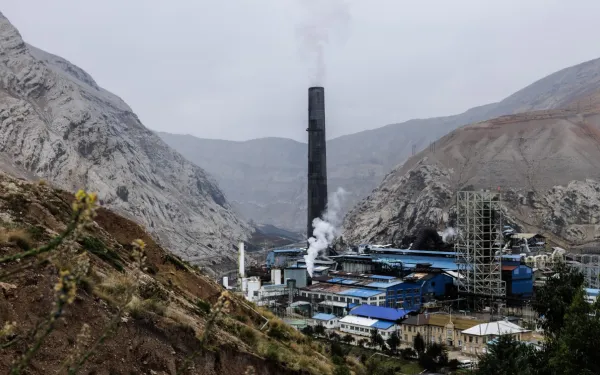
La Oroya v. Peru: Historic precedent on human rights and the environment
The Inter-American Court of Human Rights set an important precedent for state oversight of industrial pollution. By Rosa Peña and Jacob Kopas*This past March, the Inter-American Court of Human Rights, the human rights tribunal for the Americas, released an historic ruling condemning Peru for failing to control toxic industrial pollution. The ruling set an important precedent for the right to a healthy environment and state oversight of corporate activities across the Americas.This victory began as a petition that the Interamerican Association for Environmental Defense (AIDA) and Earthjustice, together with partner organizations, presented in 2006 on behalf of families and environmental defenders in La Oroya, a small town in the heart of the Peruvian Andes. For more than 100 years, an industrial smelter has exposed La Oroya to extreme levels of toxic pollution, leading to nearly all the town’s children having dangerously high levels of lead and other heavy metals in their blood.The court’s binding judgment is a powerful condemnation that the families of La Oroya are today using to demand concrete action from the Peruvian government. In addition to financial compensation, the court ordered Peru to halt further harmful pollution from the smelter, clean up the toxic metals in the soil and water, and provide specialized health care for the victims and inhabitants of La Oroya. The court's judgment itself also constitutes a form of reparations for the victims, by acknowledging the legitimacy of their work as environmental defenders.The significance of the ruling goes far beyond the immediate benefits for people in La Oroya and Peru. Ensuring the environmental quality of water and air in Latin America remains a major challenge across the Americas. This is the first time that the Inter-American Court has held that industrial pollution can harm human rights, opening a path to justice for communities in so-called “Sacrifice Zones” overburdened with industrial pollution.The court’s landmark ruling establishes several key precedents with significance for both international and domestic jurisprudence. Innovative new measures for collective reparations.This case went beyond previous cases by ordering not only individual reparations, but also collective reparations that benefit all inhabitants of La Oroya. These include environmental remediation of the surrounding ecosystem (para. 351), comprehensive and specialized health care for any inhabitant who presents symptoms (para. 348), and support for relocating inhabitants who wish to do so (para. 355). In addition, the court ordered differentiated measures for women, children, and elderly victims. The judgment also ordered environmental and public health measures that will improve the lives of all Peruvians impacted by the mining industry, including bringing air quality standards in line with international standards (para. 346), guaranteeing that mining companies adhere to the UN Guiding Principles on Business and Human Rights (para. 352), and creating an information system that proactively provides updated air and water quality data in mining areas (para. 354). Showing causality: Exposure to a significant health risk is enough to prove a human rights violation.One major obstacle to access to justice for communities exposed to dangerous pollution is showing causality, that is, proving that pollution caused a specific health condition. Showing causality is often difficult because many communities lack access to proper health care and diagnostic tests, because some conditions such as cancer can be latent and lie undetected for years, and because many different factors contribute to poor health. To account for this reality, the court held that it is sufficient to show that an exposure to pollution created a significant health risk, without having to prove that the exposure caused a concrete condition or disease (para. 204). The court also went a step further, and noted that under the precautionary principle, the lack of scientific certainty regarding those risks cannot be an excuse for failing to adopt measures to protect public health (para. 207). The right to clean air and water as substantive elements of the right to a healthy environment.In the judgment, the Court established that the right to a healthy environment includes the rights to air and water that are free of pollution which could constitute a significant risk to health and rights. These rights also entail specific obligations for states. These include:Setting environmental quality standards that do not constitute a risk to health and that are based on the best available scienceMonitoring air and water quality and providing access to information on pollution that endangers healthCreating plans to maintain air and water qualityEffectively enforcing environmental quality standards and ensuring the proper management of water resources (paras. 120-121) Access to public participation in environmental decisions.This ruling is also the first time that the Inter-American Court has condemned a state for failing to guarantee effective public participation in environmental decision-making affecting the general public (para. 256). In prior cases, the court examined the right to public participation only in the context of consultation with Indigenous Peoples, who have special protections under international law. In addition, the court held that the mere existence of formal procedures for public participation may not be sufficient for states to satisfy their obligations under the American Convention. Authorities must also ensure that these procedures provide an effective opportunity to be heard and participate in decision making (para. 260). The judgment also consolidated advances in other important issues for environmental justice in the region:Business and human rights obligations. The court emphasized states’ obligations to protect human rights and their duties to supervise and control companies (paras. 109-110). It also held that companies themselves have responsibilities to respect human rights and act with due diligence, regardless of their size, sector, operational context, ownership, or structure (para. 111).Environmental pollution violates the right to a dignified life. Because pollution impacted many different areas of the lives of families in La Oroya, it also violated their right to a dignified life. These impacts included not being able to carry out a life project under normal circumstances, which affected their personal, family, psychological, and professional development (paras. 220-230).The effects of environmental contamination fall disproportionately on individuals, groups, and communities that already bear the burden of poverty, discrimination, and systemic marginalization. The court recognized that pregnant women, children, teenagers and the elderly, who, given their condition, are frequently exposed to a greater risk of harm from pollution (para. 134). Given the principle of intergenerational equity, states have particular obligations to protect children’s health from environmental pollution and provide specialized care for those that acquired illnesses as a result of exposure (para. 141).The right to a healthy environment as jus cogens. The ruling noted that guaranteeing the interest of both present and future generations from serious, extensive, long-lasting, and irreversible damage to the environment is fundamental for the survival of humanity. The court thereby called on the international community to recognize such environmental harm as violating a preemptory norm (jus cogens) of international law (para. 129).Weakening air quality standards violates international law. The court found that when Peru rolled back national air quality standards for sulfur dioxide, it violated its duty against retrogressive measures inherent in the right to a healthy environment (paras. 182-186). The court held that any such rollbacks must be justified in light of the state’s maximum available resources for guaranteeing human rights and be consistent with the precautionary principle (para. 186).Obligation of active transparency when guaranteeing access to information. This case is the first time the court has found a state responsible for failing its obligation of “active transparency,” which requires states to not only respond to requests for accessing environmental information, but also to actively distribute and publicize environmental information (para. 247). This information must be complete, comprehensible, and in an accessible language (para. 255). The ruling is poised to a significant legal precedent for the many communities affected by industrial pollution. Its ultimate impact will depend on how it is implemented by courts in Peru and throughout Latin America. In Peru alone, the Peruvian Human Rights Ombudsman estimated that over 10 million people (31% of the population) are at risk of exposure to heavy metal pollutants and other chemicals related to the mining industry. With this new ruling as a powerful legal tool, hopefully other communities will not have to wait 100 years to finally breath clean air. Learn more about the legal contributions of the ruling of the Inter-American Court in the La Oroya case *Rosa Peña is a senior attorney with AIDA's Human Rights and Environment Program; Jacob Kopas is a senior attorney with Earthjustice's International Program.
Read more