
Project
Amazon Watch / Maíra Irigaray
Barragem de Belo Monte no rio Xingu: 10 anos de impactos na Amazônia e de busca por reparações
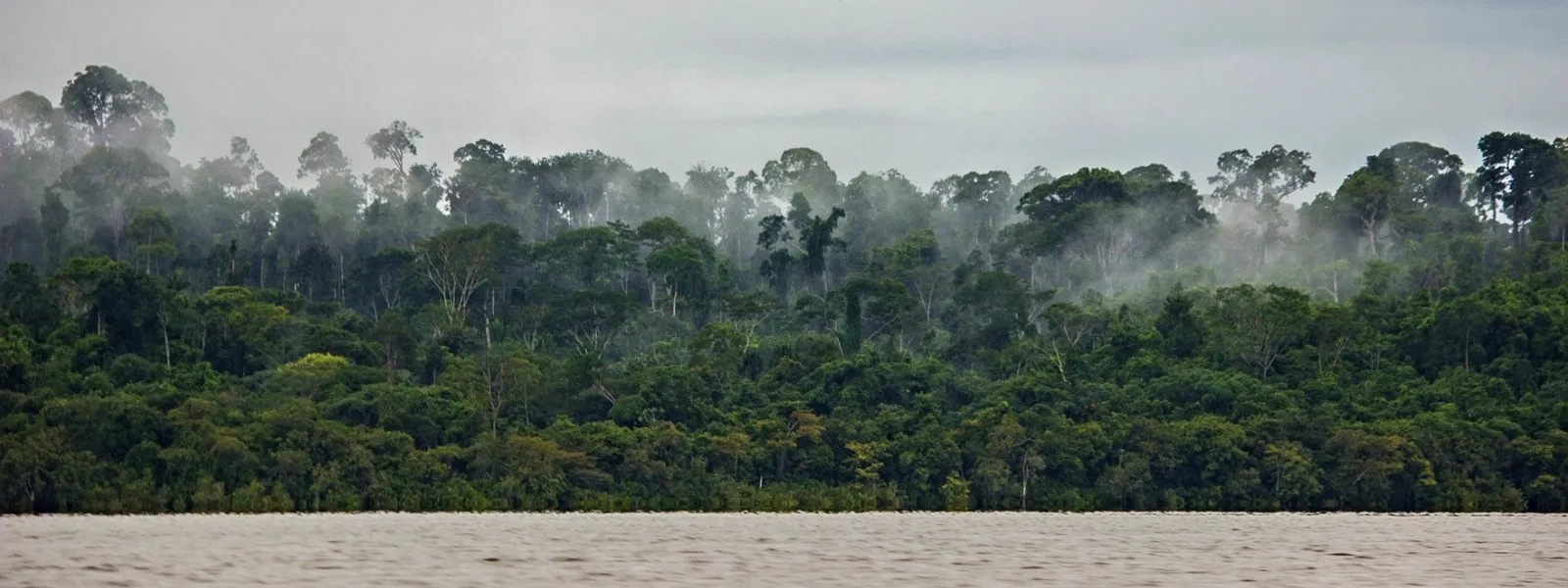
A usina hidrelétrica de Belo Monte causou um desastre ambiental e social no coração da Amazônia: um dos ecossistemas mais importantes do planeta.
Essa situação só piorou desde que a usina começou a operar em 2016. A busca por justiça e reparação para as comunidades indígenas e ribeirinhas afetadas continua até hoje.
Em 2011, a Comissão Interamericana de Direitos Humanos (CIDH) concedeu a essas comunidades medidas de proteção, que até hoje não foram totalmente implementadas pelo Estado brasileiro.
E, desde junho daquele mesmo ano, a CIDH mantém um processo contra o Estado por sua responsabilidade internacional no caso.
A CIDH pode encaminhar o caso à Corte Interamericana de Direitos Humanos, que tem o poder de emitir uma sentença condenatória contra o Estado brasileiro.
Consulta o expediente de fatos do caso
Após 10 anos de operação da usina hidrelétrica e mais de 15 anos de violações de direitos humanos documentadas, é hora da justiça ser feita para as comunidades afetadas.
Leia a carta aberta das organizações que levam o caso à CIDH
Leia nosso comunicado à imprensa
Contexto
A usina hidrelétrica de Belo Monte — a quarta maior do mundo em capacidade instalada (11.233 MW) — foi construída no rio Xingu, no estado do Pará, norte do Brasil.
Foi inaugurada em 5 de maio de 2016, com uma única turbina. Naquela época, 80% do curso do rio foi desviado e 516 km² de terra foram inundados, uma área maior que a cidade de Chicago. Desse total, 400 km² eram de mata nativa. A usina começou a operar em plena capacidade em novembro de 2019.
Belo Monte foi construída e é operada pelo consórcio Norte Energia S.A., composto principalmente por empresas estatais. Foi financiada pelo Banco Nacional de Desenvolvimento Econômico e Social (BNDES), que aportou ao consórcio 25,4 bilhões de reais (aproximadamente US$ 10,16 bilhões), o maior investimento de sua história. Portanto, o BNDES também é legalmente responsável pelos impactos socioambientais associados ao projeto hidrelétrico.
Décadas de danos ambientais e humanos
As violações dos direitos humanos e a degradação da Amazônia remontam ao início do projeto. Em março de 2011, a Norte Energia iniciou a construção da barragem sem consulta adequada e sem o consentimento prévio, livre e informado das comunidades afetadas.
A construção levou ao deslocamento forçado de mais de 40.000 pessoas, rompendo laços sociais e culturais. O plano de reassentamento em Altamira — cidade diretamente afetada pelo projeto hidrelétrico — incluía moradias na periferia da cidade, sem serviços públicos adequados, moradias dignas para as famílias reassentadas e moradias diferenciadas para aqueles pertencentes a comunidades indígenas.
A operação da barragem de Belo Monte impôs uma seca permanente e artificial na Volta Grande do rio Xingu, agravada pelas secas históricas na Amazônia em 2023 e 2024. Como resultado, a morte de milhões de ovos de peixe foi documentada por quatro anos consecutivos (de 2021 a 2024) e, nos últimos três anos, não houve migração de peixes rio acima para desovar e se reproduzir. Assim, a pesca artesanal, principal fonte de proteína para os povos indígenas e comunidades ribeirinhas, foi severamente afetada: o consumo de peixe caiu de 50% para 30% do total de proteínas consumidas, sendo substituído por alimentos processados. Em suma, houve um colapso ambiental e humanitário que resultou no colapso da pesca como modo de vida tradicional, insegurança alimentar e falta de acesso à água potável para milhares de famílias, empobrecimento e doenças.
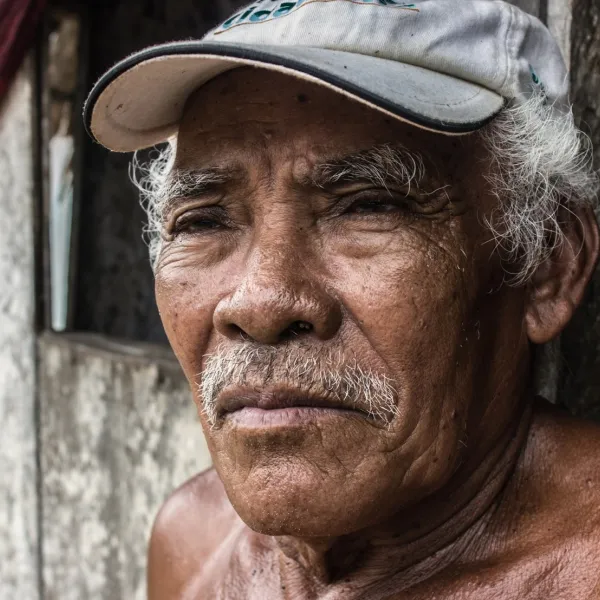
Além disso, a construção da barragem aumentou o desmatamento e intensificou a extração ilegal de madeira e a insegurança em terras indígenas e tribais, colocando em risco a sobrevivência dessas comunidades. Outra consequência foi o agravamento da pobreza e dos conflitos sociais, bem como a sobrecarga dos sistemas de saúde, educação e segurança pública em Altamira, cidade considerada a mais violenta do país em 2017, onde houve aumento do tráfico de pessoas e da violência sexual. Também foram registrados casos de violência contra defensores de direitos humanos envolvidos no caso.
Em 2025, durante a 30ª Conferência das Nações Unidas sobre Mudanças Climáticas (COP30), realizada no Brasil, o Ministério Público Federal classificou os danos causados por Belo Monte como ecocídio.
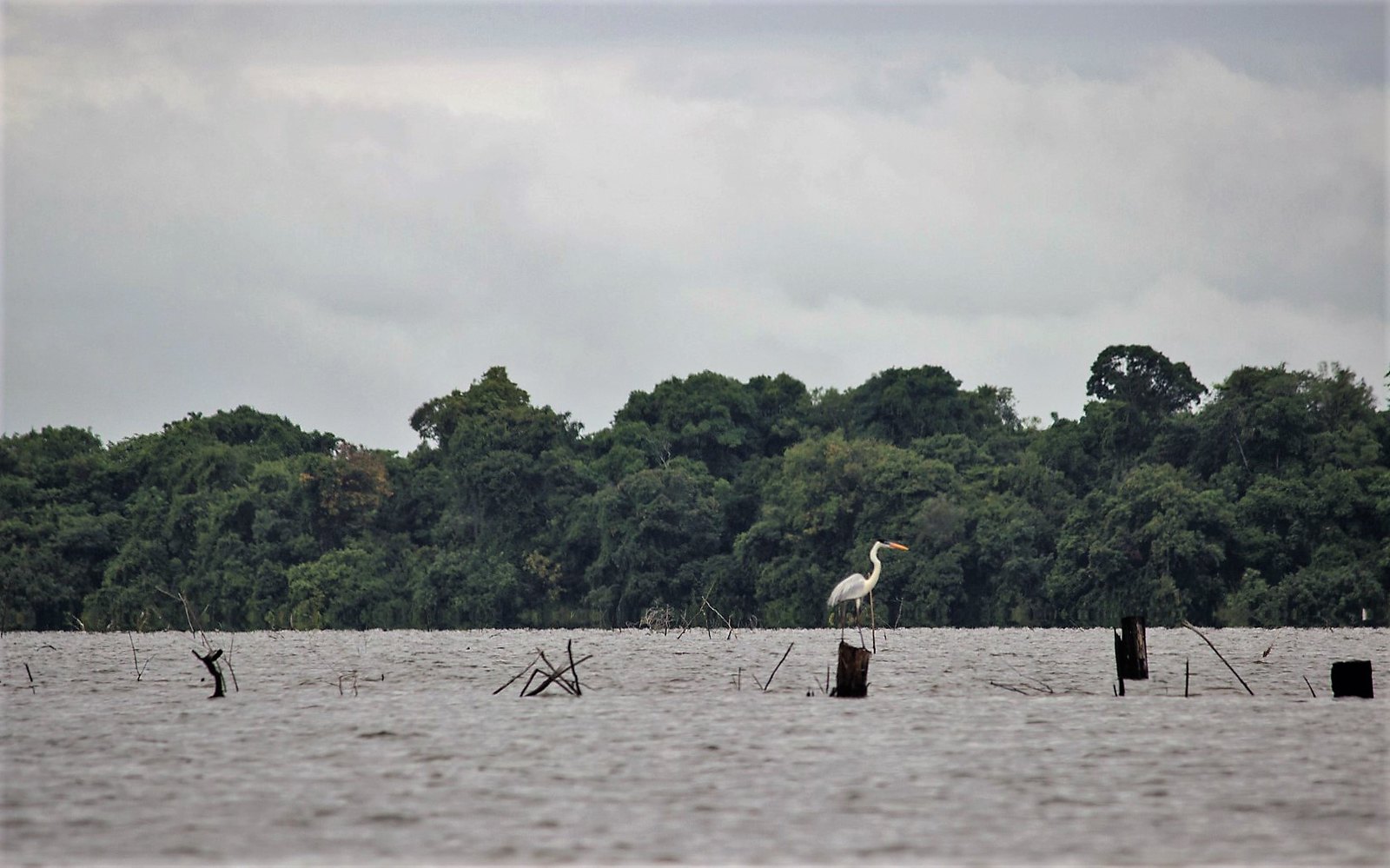
Foto: Amazon Watch / Maíra Irigaray.
A busca por justiça e reparação
Ao longo dos anos, o Ministério Público Federal do Pará, a Defensoria Pública e organizações da sociedade civil impetraram dezenas de ações judiciais em tribunais brasileiros para contestar as diversas irregularidades do projeto, bem como seus impactos. A maioria das ações permanece sem solução, algumas há mais de 10 anos.
Essas ações não obtiveram sucesso porque o governo federal tem reiteradamente anulado decisões favoráveis às comunidades afetadas, recorrendo a um mecanismo pelo qual o presidente do Supremo Tribunal Federal pode suspender uma decisão judicial com base unicamente em argumentos genéricos como "interesse nacional" ou "ordem econômica".
Diante da falta de respostas eficazes em nível nacional, a AIDA — juntamente com uma coalizão de organizações aliadas — levou o caso à Comissão Interamericana de Direitos Humanos (CIDH) e, em 2010, solicitou medidas cautelares para proteger a vida, a integridade e a saúde das comunidades indígenas afetadas.
Em 1º de abril de 2011, a CIDH concedeu essas medidas e solicitou ao Estado brasileiro a suspensão das licenças ambientais e de quaisquer obras de construção até que as condições relativas à consulta prévia e à proteção da saúde e integridade das comunidades fossem atendidas.
E, em 16 de junho de 2011, apresentamos uma denúncia formal à CIDH — juntamente com o Movimento Xingu Vivo Para Siempre, a Coordenação das Organizações Indígenas da Amazônia Brasileira, a Diocese de Altamira, o Conselho Missionário Indígena, a Sociedade Pará de Defesa dos Direitos Humanos e a Global Justice — contra o Estado brasileiro por sua responsabilidade internacional nas violações de direitos humanos contra os povos afetados neste caso. A denúncia foi apresentada em dezembro de 2015.
Em 3 de agosto de 2011, a CIDH modificou as medidas cautelares para solicitar — em vez da suspensão de licenças e obras — a proteção dos povos que vivem em isolamento voluntário, a saúde das comunidades indígenas e a regularização e proteção das terras ancestrais.
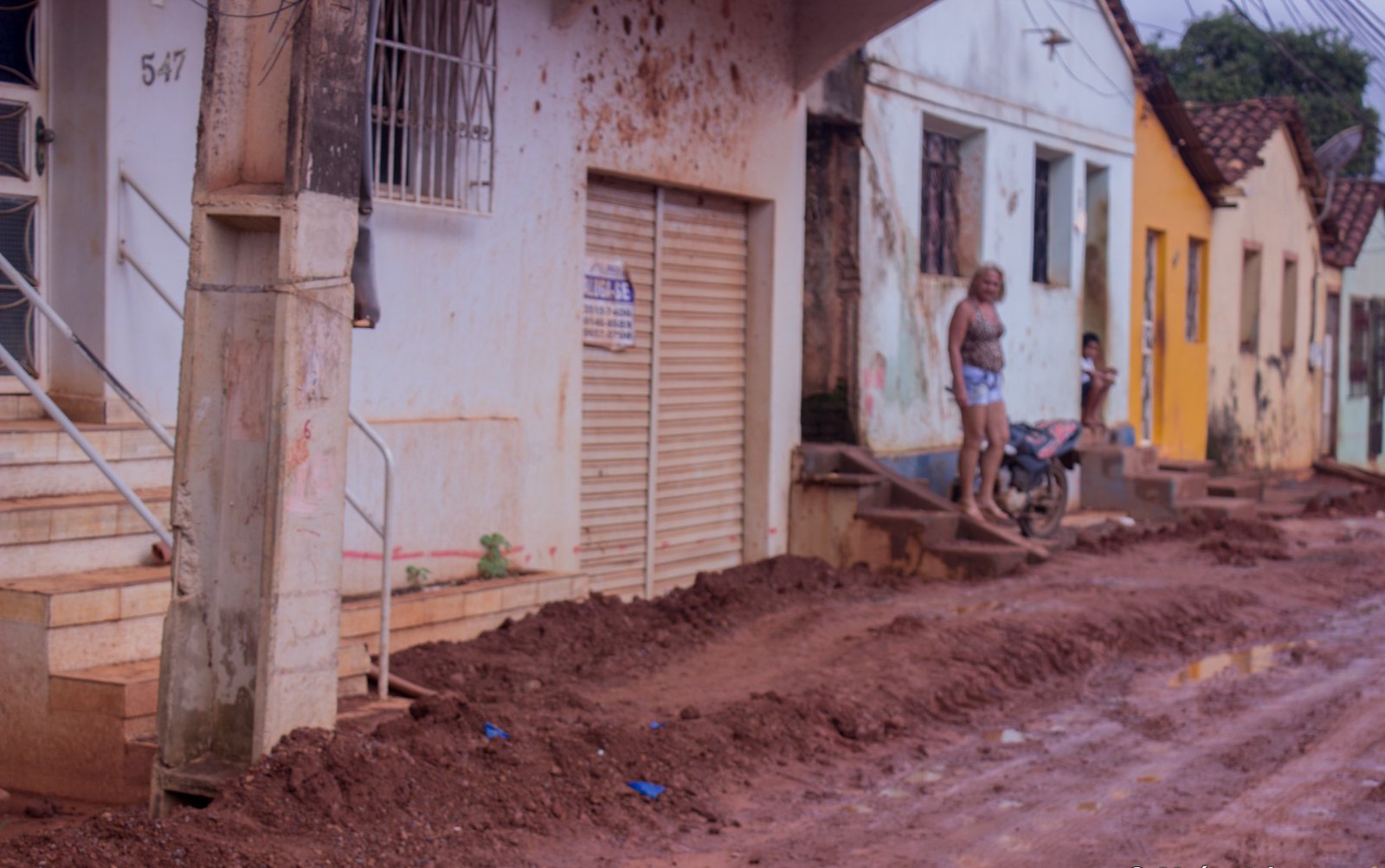
Foto: Amazon Watch / Maíra Irigaray.
Situação atual
As medidas de proteção concedidas pela CIDH permanecem em vigor, mas o Estado brasileiro não as cumpriu integralmente, relatando apenas ações genéricas. As comunidades documentaram as contínuas violações de seus direitos. A situação que motivou o pedido dessas medidas — o risco à vida, à segurança e aos meios de subsistência das comunidades — persiste e se agravou com a usina hidrelétrica operando em plena capacidade e com as recentes secas extremas na Amazônia.
Além do ocorrido em Belo Monte, existe o risco de maiores danos sociais e ambientais decorrentes da implementação de outro megaprojeto de mineração na Volta Grande do Xingu. Lá, a empresa canadense Belo Sun pretende construir a maior mina de ouro a céu aberto do Brasil.
Os impactos sinérgicos e cumulativos da usina e da mina não foram avaliados. O Estado excluiu povos indígenas, comunidades ribeirinhas e comunidades camponesas do processo de licenciamento ambiental do projeto. Apesar disso, dos protestos indígenas e de outras irregularidades em torno do projeto, o governo do estado do Pará autorizou formalmente a mina em abril de 2026.
Belo Monte, assim como outras usinas hidrelétricas, agrava a emergência climática ao gerar emissões de gases de efeito estufa em seu reservatório. Além disso, é ineficiente diante das secas prolongadas e intensas causadas pela crise, pois perde capacidade de geração de energia.
O caso perante a Comissão Interamericana
Em outubro de 2017, a CIDH anunciou que decidiria conjuntamente sobre a admissibilidade (se o caso preenche os requisitos para admissão) e o mérito (se houve, de fato, violação de direitos humanos) da denúncia internacional contra o Estado brasileiro.
Quinze anos após a apresentação da denúncia, as comunidades afetadas e as organizações que as representam ainda aguardam essa decisão. Caso a CIDH conclua que houve violações de direitos humanos e emita recomendações que o Estado brasileiro não cumpra, poderá encaminhar o caso à Corte Interamericana de Direitos Humanos, cujas decisões são vinculativas.
Uma possível decisão da Corte Internacional de Direitos Humanos neste caso estabeleceria um precedente jurídico regional em relação aos direitos dos povos indígenas e ribeirinhos, à participação pública em megaprojetos e à responsabilidade do Estado no contexto da crise climática. Isso é particularmente relevante à luz do Parecer Consultivo nº 32 da Corte, que reafirmou as obrigações dos Estados de proteger pessoas e comunidades em todo o continente da emergência climática.
Partners:
Related projects
Climate negotiations: Reflections after the Bonn meeting ahead of COP29
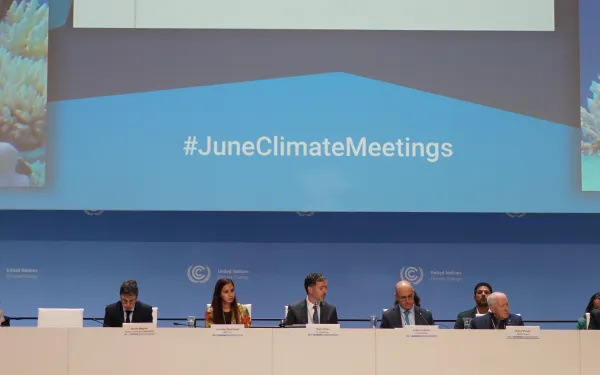
By Florencia Ortúzar and Javier Dávalos* The 60th session of the UN Subsidiary Bodies on Climate Change (SB60) was held in Bonn, Germany, from June 3-13, 2024. These sessions, held twice a year, consist of technical meetings at which government delegates advance the agenda for international climate negotiations. The Bonn session was part of the preparations for the twenty-ninth United Nations Climate Change Conference (COP29) to be held in Baku, Azerbaijan, in November, and was guided by the agreements reached at COP28, held last year in Dubai, United Arab Emirates. AIDA participated in SB60 to bring the voice of Latin America to the negotiations from a human rights and gender perspective. The following are reflections on the four main issues addressed at the meeting: just transition, global accounting, the new financing target, and the Loss and Damage Fund. Work Programme on Just Transition On June 2 and 3, the long-awaited first dialogue took place on the Just Transition Work Programme, which was created at COP27 to address the challenges of the transition to low-carbon economies and societies. The goal is to achieve an equitable and inclusive process that promotes the protection of workers and affected communities. Civil society observer organizations noted that the principles of a just transition require an assessment of the impact of climate action on all human rights - including labor, social, economic and environmental rights - in key areas. To this end, decision-making in the work programme must include social dialogue and multiple levels of consultation with groups and communities. AIDA advocated for the justice dimension to consider the differentiated impacts of the transition in different areas of the planet, particularly in the Global South, where the extraction of transition minerals (lithium, cobalt and copper, among others) threatens fragile ecosystems, species and vulnerable communities. The problems of fossil fuel extraction are being repeated. Safeguards, participatory approaches and international cooperation are therefore relevant. It is also important to support economic diversification approaches that protect us from a new dependence on the sale of raw materials and encourage the search for new sources of income. Follow-up to the Global Stocktake Dialogue The Global Stocktake is a collective assessment mechanism to review global progress on climate mitigation, adaptation and finance every five years. The exercise will allow us to know whether global efforts are sufficient to meet the goals of the Paris Agreement to limit the global temperature rise to below 2°C, and hopefully 1.5°C. The results of the stocktaking should have a direct impact on countries' climate commitments contained in their Nationally Determined Contributions (NDCs). The text of the first stocktaking, adopted in 2023, gave way to the process of updating the NDCs, which countries must submit in 2025 and which must reinforce the historic commitment made at COP28 to phase out fossil fuels, set specific targets to reduce methane emissions, triple renewable energy, and double energy efficiency. The updated NDCs must include clear adaptation measures based on the conservation of biodiversity and key ecosystems such as the Amazon, wetlands and oceans. AIDA will monitor and follow up to ensure that countries in the region make progressive climate commitments that are consistent with what was agreed in the Global Stocktake. The new collective quantified goal on climate finance In 2009, developed countries agreed to mobilize $100 billion per year by 2020 to support climate action in developing countries. Then, in 2015, when the Paris Agreement was signed, it was agreed to set a new collective quantified goal on climate finance (NCQG). This target should be adopted in November, during COP29, and the Bonn meeting should pave the way for it. In addition, the new target will be an indicator of developing countries' ability to meet their updated NDCs, as well as a sign of fairness that could strengthen the credibility of the climate negotiation system. However, reaching an agreement has not been easy due to the number of decisions needed to outline the new target in its entirety. The most difficult point to agree on is the amount that developed countries will have to commit to. So far, they have only agreed that it should exceed US$100 billion. The Latin American countries, for their part, have not been able to propose figures based on the needs of the region. The list of countries that will contribute to the target is also still under discussion. According to the developed countries, some countries at an advanced stage of development could begin to contribute. There is also debate over whether the new target should also be used to finance loss and damage compensation, an issue that was not considered when the previous target was discussed and for which there is now a special fund. Another challenge for developing countries is that the financing resulting from the new target should not increase public debt. There are other details that still require agreement. The COP co-chairs must now propose a document that reconciles divergent visions and serves to reach agreement at COP29. Countries can apply the lessons learned from the first target and secure a new target that is more effective in terms of quantity and implementation. Financing climate action is neither a handout nor a charity, but a duty and responsibility of developed countries. It is also in their interest: the effects of the climate crisis are global. Without a goal, there are no financial flows, and without financing, there is no way to address the crisis. Launching the loss and damage fund The Loss and Damage Fund was established in 2022 at COP27, and its operationalization was agreed a year later at COP28. While the creation of the fund is welcome, it is only a first step in making it the channel of support so desperately needed by countries already suffering the worst impacts of the climate crisis. There are many challenges ahead. The Bonn meeting confirmed that the World Bank will be the interim administrator of the fund for the first four years. For civil society and developing countries in general, loss and damage must be recognized as the third pillar of climate action, alongside mitigation and adaptation. However, some developed countries seem to be suggesting that with the creation of the fund, it would no longer be necessary to include the issue as part of the new collective quantified climate finance goal, which does not make sense. Moreover, the amount that developed countries have pledged to the fund so far is less than 0.2% of what is needed annually. There is still no strategy that proposes how much contributing countries should contribute according to their responsibilities and capacities. The fund must be decentralized and involve civil society, indigenous communities, youth, women and other vulnerable groups from the outset to ensure that the money reaches those who need it. It must also be efficient and sufficient, providing financial and quality assistance as quickly as possible. On the other hand, developing countries, including those in Latin America and the Caribbean, must make efforts to monitor and report losses and damage in their territories, which often poses economic, technical and even methodological challenges that require support, training and guidance. The results of international climate negotiations are slow and the process often frustrating. The attitude of many industrialized countries, which shirk their responsibilities while enjoying development at the expense of the global climate balance, is disappointing. However, in the face of such a scenario, lowering our guard is not an option. The organized civil society working around these negotiations is a cause for hope. It is a demonstration of solidarity and competence that achieves results and does not give up. By being there, representing our region, we are contributing to this movement with the wisdom and strength that comes from the Global South. *Florencia Ortúzar is a senior attorney with AIDA y Javier Dávalos is the Director of AIDA's Climate Program.
Read more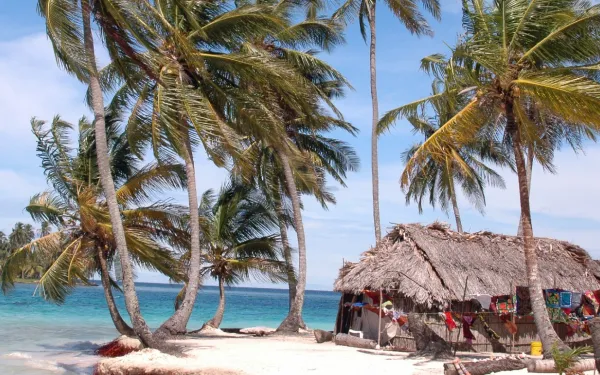
What you need to know about the “loss and damage” of the climate crisis
Recent flooding in the southern Brazilian state of Rio Grande do Sul has forced more than 500,000 people from their homes, turning them into climate refugees and causing millions of dollars in crop and livestock losses.Meanwhile, in Panama, some 300 coastal families had to leave Cartí Sugdupu, an island threatened by rising sea levels, and be relocated to a government-built settlement off the Caribbean coast.These types of negative impacts of extreme weather events, which occur despite or because of the lack of mitigation and adaptation measures, are technically referred to as "loss and damage" of the climate crisis.Scientific evidence shows that these losses and damages are already occurring, will increase, and are unevenly distributed, with a disproportionate impact on developing countries and vulnerable groups.This issue - key to international climate negotiations - is closely linked to the concept of climate justice, as it raises the question of who should pay for the losses and damages in the poorest countries, which bear little historical responsibility for the climate emergency.In this text, we address the basic aspects of this issue, which is becoming increasingly relevant and requires urgent action. What counts as loss and damage?Let's start by breaking down the term a little further:"Loss" refers to what is permanently lost due to the climate crisis, such as human and other species’ lives, territories, water sources, ecosystems, livelihoods, cultural heritage, and languages."Damage" refers to what has been affected by the climate crisis but can be restored or rebuilt, such as impacts on physical and mental health, soils, roads, schools, homes, health centers, and businesses. Loss and damage are usually divided into two categories, which may overlap:Economic. Loss and damage can be assigned a monetary value: destruction of assets such as houses or cars, loss of livelihoods such as crops or livestock, reduced productivity due to lost working hours, damage to basic infrastructure or disruption of supply chains. This can occur at the international, national or local level.Non-economic. Loss and damage that is difficult to measure in monetary terms. They include loss of human life, damage to health, the trauma of forced displacement, and impacts on culture, language, heritage, identity, etc. This category also includes the loss or reduction of biodiversity, the extinction of species, and the disruption or loss of ecosystem services, such as the production of oxygen by a forest. In international climate negotiations, however, the term takes on a different meaning. The United Nations Framework Convention on Climate Change refers to efforts to "avert, minimize and address loss and damage associated with climate change impacts, especially in developing countries that are particularly vulnerable to the adverse effects of climate change."The terms "avoid" and "minimize" generally refer to mitigation and adaptation, respectively, while the word "address" refers to actions to deal with the impacts of the climate crisis that could not be avoided. How much money is needed to address loss and damage?Discussions on loss and damage, which address issues such as liability and compensation, have been contentious in international negotiations. Developed countries – historically responsible for most of the greenhouse gases that have warmed the planet – have resisted possible agreements that would hold them accountable and make them pay for the loss and damage their emissions have caused and continue to cause.How big is the bill?According to a report published by the Loss and Damage Collaboration, 55 of the most climate-vulnerable economies will suffer losses of more than $500 billion between 2000 and 2020, and this could increase by a similar amount in the following decade. Other estimates put the annual cost of loss and damage at $400 billion by 2030.In Latin America, according to a 2019 study, losses and damages due to the climate crisis are expected to reach $462 billion by 2050 and could rise to $891 billion by 2070. What is being done to address loss and damage?Although the issue of loss and damage has emerged in international climate negotiations for more than three decades, it only gained momentum in 2013. That year, at the 19th United Nations Climate Change Conference (COP19), countries established the Warsaw International Mechanism on Loss and Damage with a mandate to share knowledge, strengthen dialogue among stakeholders, and mobilize expertise to strengthen action and support on the issue.In 2015, developing countries successfully lobbied for the inclusion of an article on loss and damage in the Paris Agreement (a legally binding international treaty in force since 2016), but the issue of finance was left out.This brings us to the next milestone, which occurred at COP27 in Egypt in 2022, when it was agreed to establish a Loss and Damage Fund to provide financial support to developing countries.A year later, at COP28 in Dubai, the launch of the fund was agreed, including the rules of operation and other key aspects, like an invitation to the World Bank to act as interim manager for the first four years.In June 2024, during the Bonn negotiations, the World Bank accepted the invitation to manage the fund, and discussions began to make it operational.Civil society is calling for loss and damage to be recognized as the third pillar of climate action (alongside mitigation and adaptation), but developed countries are resisting, suggesting that the creation of the fund would be sufficient and even suggesting that loss and damage should not be part of the new global finance goal.While welcome, the existence of the fund is only the first step in making it what is so desperately needed by countries suffering the worst impacts of the climate crisis. Challenges include:Financing. Developed countries have so far pledged US$700 million, less than 0.2% of what is needed ($400 billion).Governance. Among other things, the World Bank must ensure the independence and integrity of the fund's Board and Secretariat, that all countries party to the Paris Agreement have direct access to resources (even if they are not members of the Bank), and that resources are delivered in a sufficient and efficient manner.Participation. The Fund requires a decentralized structure and the participation of civil society, indigenous communities, youth, women and other vulnerable groups from the outset to ensure that the money reaches those who need it.Access. The fund should provide direct access to funding, not only to national authorities, but also to civil society organizations and affected communities.Inventories. Developing countries need to monitor and report losses and damage on their territory, which requires economic and technical resources. Sources- United Nations Environment Programme, "About Loss and damage".- Preety Bhandari, Nate Warszawski, Deirdre Cogan y Rhys Gerholdt, "What Is 'Loss and Damage' from Climate Change? 8 Key Questions, Answered", World Resources Institute.- United Nations, "Loss and Damage: A Moral Imperative to Act".- The Loss & Damage Collaboration, "WHAT IS LOSS AND DAMAGE?".- The London School of Economics and Political Science, "What is climate change ‘Loss and Damage’?".- Navin Singh Khadka, "COP27: what does the concept of 'loss and damage' mean for extreme weather pitting rich and poor countries against each other," BBC Mundo.- Alejandra Cuéllar, "COP27: What are losses and damages, and what do they mean for Latin America?", Climate Tracker.- Adriana Abramovits, “The Loss and Damage Fund, why is it not what civil society expected?”, Dejusticia.
Read more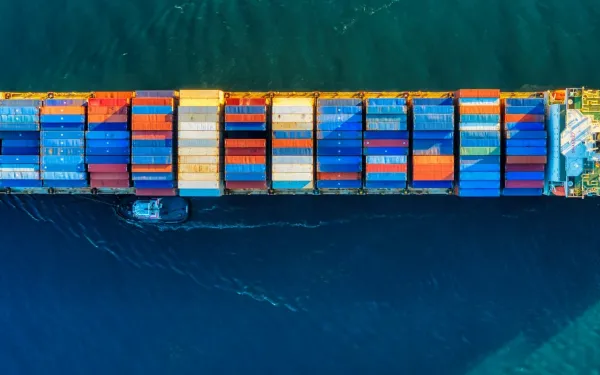
Maritime shipping: what’s being done to reduce emissions?
Maritime transport is the activity of moving goods from one destination to another by sea. It is fundamental to trade and accounts for 80% of global shipping.However, it is also a major source of pollution, particularly greenhouse gases that warm the planet and other pollutants that harm human health.The sector therefore needs to decarbonize its activities by reducing its emissions, both in transport and in the loading and unloading of goods at ports around the world. How many emissions does international shipping produce?Every year, 10 billion tons of cargo are transported by sea, accounting for 2.9% of global greenhouse gas emissions - including carbon dioxide (CO₂) - a percentage close to that of Japan. This is because ships use enormous amounts of oil to move, emitting nearly 1 billion tons of greenhouse gases.The above figures do not include emissions generated at cargo ports, which are not automated and use fossil fuels. The main energy source for ships moving goods around the world is heavy fuel oil, a highly polluting fossil fuel that produces CO₂ emissions that accelerate global warming.In 2023, greenhouse gas emissions from shipping will be 20% higher than they were 10 years ago, according to the United Nations. And projections published by the European Environment Agency indicate that they could reach 17% of global emissions by 2050 if no action is taken to decarbonize the sector.The warming and subsequent melting of the Arctic - the geographic region around the North Pole - is evidence of the impact of shipping emissions on the global climate:According to the Clean Arctic Alliance, the Arctic —one of the world's most important climate regulators— is warming up to four times faster than the rest of the planet.Much of this is due to emissions of black carbon, or soot, from shipping, which is the residue left after heavy fuel is burned on ships.Black carbon is emitted in both gaseous and solid forms. As a gas, it contributes to the greenhouse effect in the atmosphere; as a solid particle, it accelerates the melting of snow and ice. How do ship emissions affect human health?International shipping generates pollutants such as black carbon and particulate matter that affect human health.According to the Barcelona Institute for Global Health, which reviewed 32 studies on shipping emissions, the industry could be responsible for an estimated 265,000 premature deaths worldwide in 2020. This means that 0.5% of global mortality would be associated with its emissions.Although air pollution from shipping is a global problem, it disproportionately affects coastal populations, especially those living near ports and other industrial facilities. Who is responsible for preventing emissions from shipping?The International Maritime Organization (IMO) is the specialized agency of the United Nations responsible for setting standards for safe, efficient, and environmentally sound shipping. In 2023, the 175 countries that make up the IMO agreed to reduce greenhouse gas emissions from industry by 20-30% (compared to 2008) by 2030 and by at least 70% by 2040. The pact is complemented by a target to achieve a zero emissions balance (so that gases released into the atmosphere are neutralized or offset by sinks) by "around 2050."Within this framework, meetings at the IMO in the coming months and until April 2025 will focus on achieving the decarbonization of shipping through a just energy transition.During this period, a range of technical and economic measures will be analyzed and discussed to achieve the objectives of the Ship Emissions Reduction Strategy.The main challenges of these efforts include:Meeting market demand for zero emission fuels in the volume required to power the entire global marine fleet.Bridging the cost gap between fossil fuels and low-emission fuels.Enabling ships to adapt their technology for a rapid transition to cleaner fuels. The process of decarbonizing maritime transport will require the combined efforts of various actors: States, companies, NGOs, and international governance organizations.It is a complex process that involves the entire global shipping chain. For the decarbonization of the sector to be equitable, it is necessary to take into account shared responsibilities as well as the different needs and capacities of countries in the face of the costs of phasing out fossil fuels in maritime transport.It must also consider the impact that global warming is already having on economically and climatically vulnerable countries, such as islands, least developed and developing countries.Sources- International Maritime Organization, "Introduction to the IMO".- Natalie Mueller, "Maritime transport: the forgotten pollution", Barcelona Institute for Global Health.- Michelle Carrere, "Agreements to reduce shipping emissions considered ‘weak’ by environmental organizations", Mongabay.-Paula Mateu, "Maritime transport will reduce emissions by 30% in 2030 but NGOs see it as insufficient", La Vanguardia.
Read more