
Project
Amazon Watch / Maíra Irigaray
Barragem de Belo Monte no rio Xingu: 10 anos de impactos na Amazônia e de busca por reparações
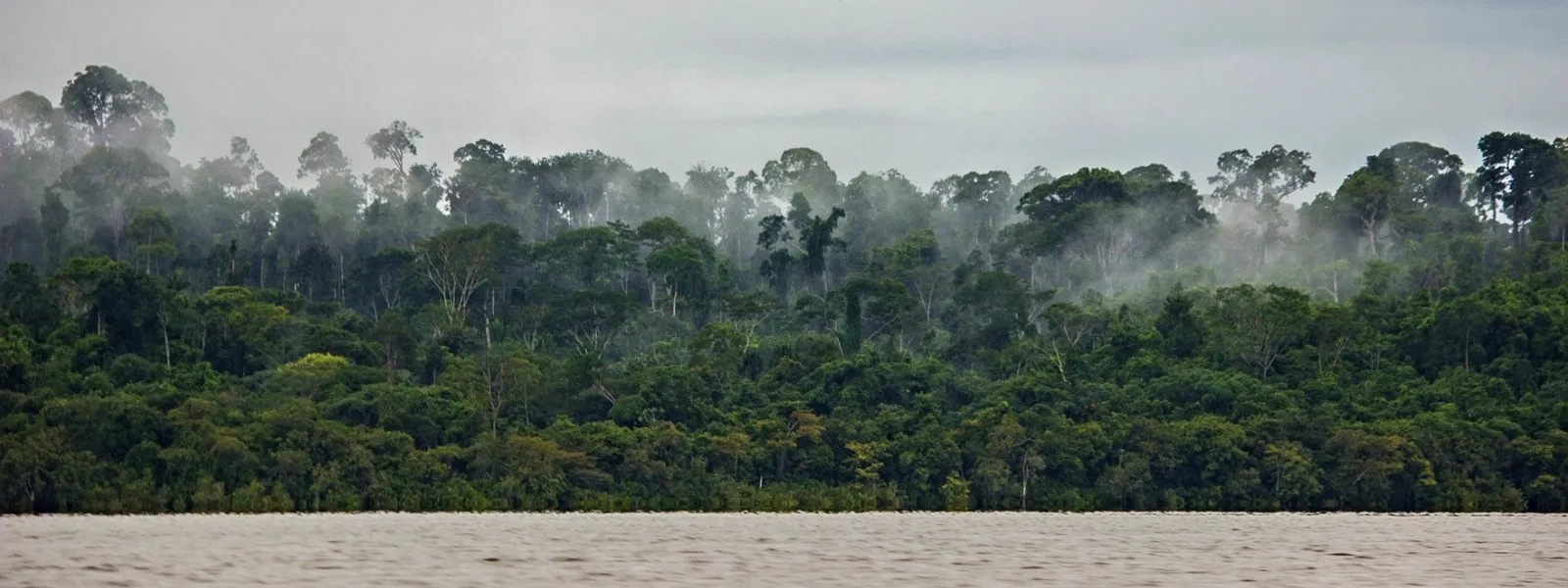
A usina hidrelétrica de Belo Monte causou um desastre ambiental e social no coração da Amazônia: um dos ecossistemas mais importantes do planeta.
Essa situação só piorou desde que a usina começou a operar em 2016. A busca por justiça e reparação para as comunidades indígenas e ribeirinhas afetadas continua até hoje.
Em 2011, a Comissão Interamericana de Direitos Humanos (CIDH) concedeu a essas comunidades medidas de proteção, que até hoje não foram totalmente implementadas pelo Estado brasileiro.
E, desde junho daquele mesmo ano, a CIDH mantém um processo contra o Estado por sua responsabilidade internacional no caso.
A CIDH pode encaminhar o caso à Corte Interamericana de Direitos Humanos, que tem o poder de emitir uma sentença condenatória contra o Estado brasileiro.
Consulta o expediente de fatos do caso
Após 10 anos de operação da usina hidrelétrica e mais de 15 anos de violações de direitos humanos documentadas, é hora da justiça ser feita para as comunidades afetadas.
Leia a carta aberta das organizações que levam o caso à CIDH
Leia nosso comunicado à imprensa
Contexto
A usina hidrelétrica de Belo Monte — a quarta maior do mundo em capacidade instalada (11.233 MW) — foi construída no rio Xingu, no estado do Pará, norte do Brasil.
Foi inaugurada em 5 de maio de 2016, com uma única turbina. Naquela época, 80% do curso do rio foi desviado e 516 km² de terra foram inundados, uma área maior que a cidade de Chicago. Desse total, 400 km² eram de mata nativa. A usina começou a operar em plena capacidade em novembro de 2019.
Belo Monte foi construída e é operada pelo consórcio Norte Energia S.A., composto principalmente por empresas estatais. Foi financiada pelo Banco Nacional de Desenvolvimento Econômico e Social (BNDES), que aportou ao consórcio 25,4 bilhões de reais (aproximadamente US$ 10,16 bilhões), o maior investimento de sua história. Portanto, o BNDES também é legalmente responsável pelos impactos socioambientais associados ao projeto hidrelétrico.
Décadas de danos ambientais e humanos
As violações dos direitos humanos e a degradação da Amazônia remontam ao início do projeto. Em março de 2011, a Norte Energia iniciou a construção da barragem sem consulta adequada e sem o consentimento prévio, livre e informado das comunidades afetadas.
A construção levou ao deslocamento forçado de mais de 40.000 pessoas, rompendo laços sociais e culturais. O plano de reassentamento em Altamira — cidade diretamente afetada pelo projeto hidrelétrico — incluía moradias na periferia da cidade, sem serviços públicos adequados, moradias dignas para as famílias reassentadas e moradias diferenciadas para aqueles pertencentes a comunidades indígenas.
A operação da barragem de Belo Monte impôs uma seca permanente e artificial na Volta Grande do rio Xingu, agravada pelas secas históricas na Amazônia em 2023 e 2024. Como resultado, a morte de milhões de ovos de peixe foi documentada por quatro anos consecutivos (de 2021 a 2024) e, nos últimos três anos, não houve migração de peixes rio acima para desovar e se reproduzir. Assim, a pesca artesanal, principal fonte de proteína para os povos indígenas e comunidades ribeirinhas, foi severamente afetada: o consumo de peixe caiu de 50% para 30% do total de proteínas consumidas, sendo substituído por alimentos processados. Em suma, houve um colapso ambiental e humanitário que resultou no colapso da pesca como modo de vida tradicional, insegurança alimentar e falta de acesso à água potável para milhares de famílias, empobrecimento e doenças.
Além disso, a construção da barragem aumentou o desmatamento e intensificou a extração ilegal de madeira e a insegurança em terras indígenas e tribais, colocando em risco a sobrevivência dessas comunidades. Outra consequência foi o agravamento da pobreza e dos conflitos sociais, bem como a sobrecarga dos sistemas de saúde, educação e segurança pública em Altamira, cidade considerada a mais violenta do país em 2017, onde houve aumento do tráfico de pessoas e da violência sexual. Também foram registrados casos de violência contra defensores de direitos humanos envolvidos no caso.
Em 2025, durante a 30ª Conferência das Nações Unidas sobre Mudanças Climáticas (COP30), realizada no Brasil, o Ministério Público Federal classificou os danos causados por Belo Monte como ecocídio.
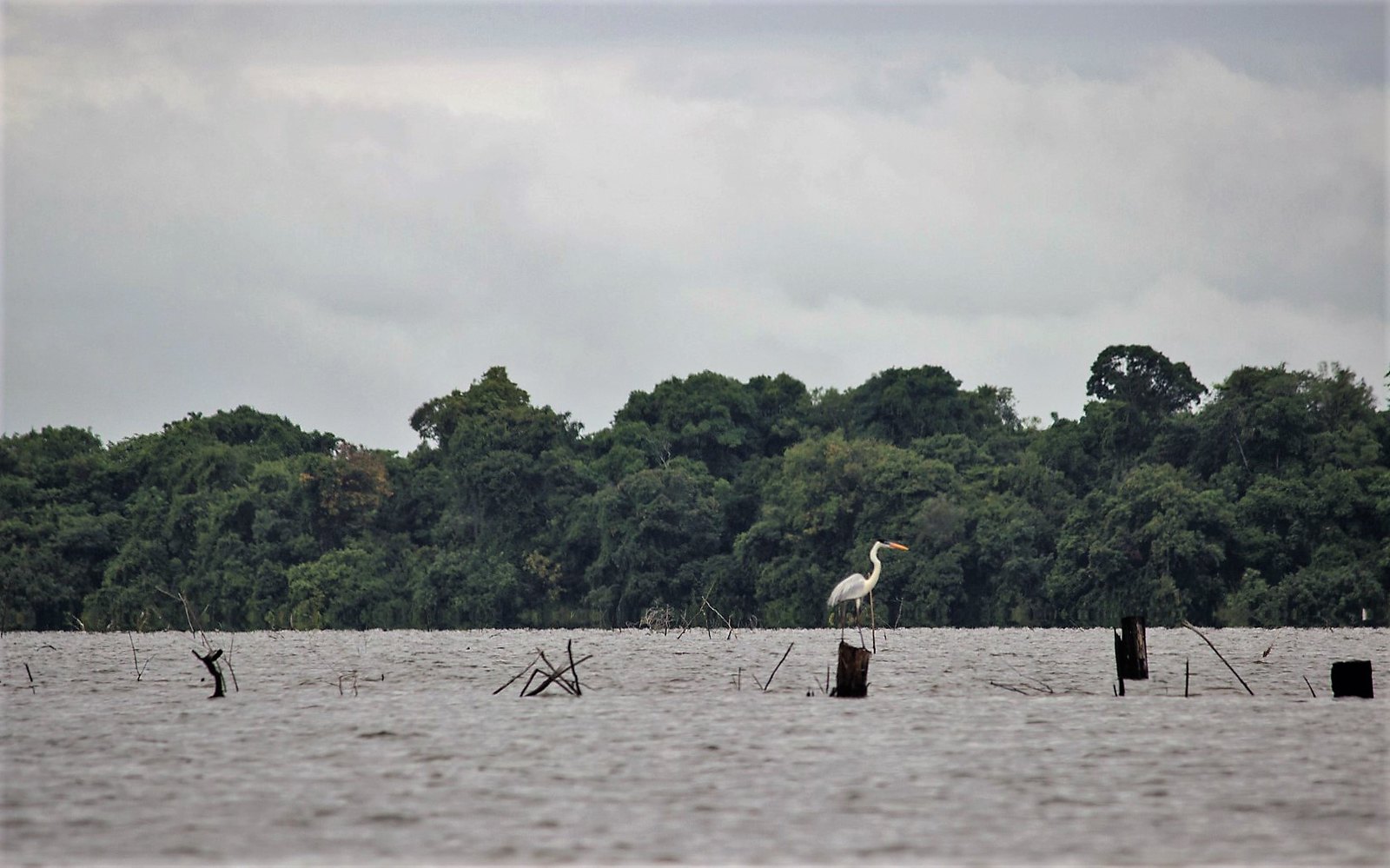
Foto: Amazon Watch / Maíra Irigaray.
A busca por justiça e reparação
Ao longo dos anos, o Ministério Público Federal do Pará, a Defensoria Pública e organizações da sociedade civil impetraram dezenas de ações judiciais em tribunais brasileiros para contestar as diversas irregularidades do projeto, bem como seus impactos. A maioria das ações permanece sem solução, algumas há mais de 10 anos.
Essas ações não obtiveram sucesso porque o governo federal tem reiteradamente anulado decisões favoráveis às comunidades afetadas, recorrendo a um mecanismo pelo qual o presidente do Supremo Tribunal Federal pode suspender uma decisão judicial com base unicamente em argumentos genéricos como "interesse nacional" ou "ordem econômica".
Diante da falta de respostas eficazes em nível nacional, a AIDA — juntamente com uma coalizão de organizações aliadas — levou o caso à Comissão Interamericana de Direitos Humanos (CIDH) e, em 2010, solicitou medidas cautelares para proteger a vida, a integridade e a saúde das comunidades indígenas afetadas.
Em 1º de abril de 2011, a CIDH concedeu essas medidas e solicitou ao Estado brasileiro a suspensão das licenças ambientais e de quaisquer obras de construção até que as condições relativas à consulta prévia e à proteção da saúde e integridade das comunidades fossem atendidas.
E, em 16 de junho de 2011, apresentamos uma denúncia formal à CIDH — juntamente com o Movimento Xingu Vivo Para Siempre, a Coordenação das Organizações Indígenas da Amazônia Brasileira, a Diocese de Altamira, o Conselho Missionário Indígena, a Sociedade Pará de Defesa dos Direitos Humanos e a Global Justice — contra o Estado brasileiro por sua responsabilidade internacional nas violações de direitos humanos contra os povos afetados neste caso. A denúncia foi apresentada em dezembro de 2015.
Em 3 de agosto de 2011, a CIDH modificou as medidas cautelares para solicitar — em vez da suspensão de licenças e obras — a proteção dos povos que vivem em isolamento voluntário, a saúde das comunidades indígenas e a regularização e proteção das terras ancestrais.
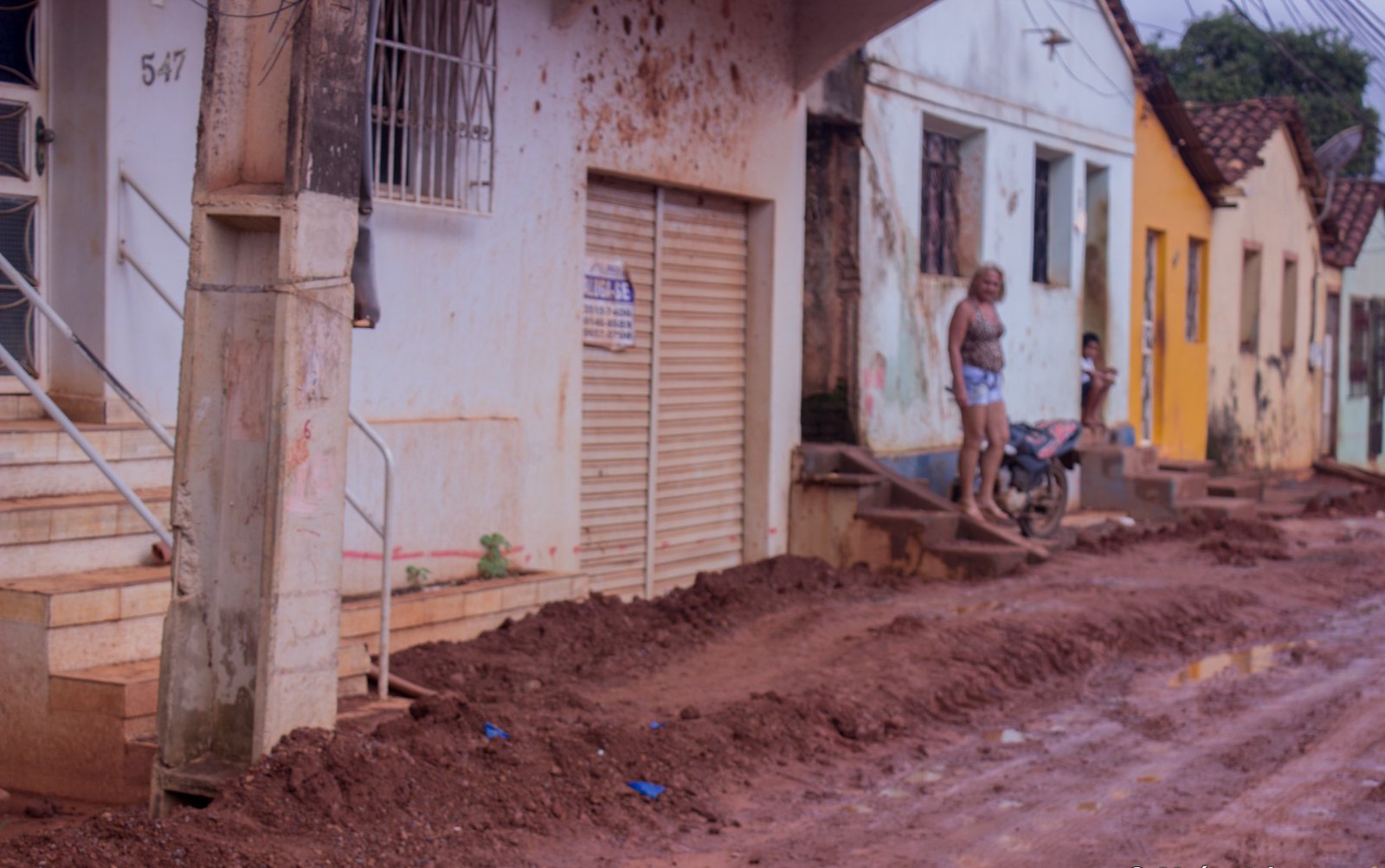
Foto: Amazon Watch / Maíra Irigaray.
Situação atual
As medidas de proteção concedidas pela CIDH permanecem em vigor, mas o Estado brasileiro não as cumpriu integralmente, relatando apenas ações genéricas. As comunidades documentaram as contínuas violações de seus direitos. A situação que motivou o pedido dessas medidas — o risco à vida, à segurança e aos meios de subsistência das comunidades — persiste e se agravou com a usina hidrelétrica operando em plena capacidade e com as recentes secas extremas na Amazônia.
Além do ocorrido em Belo Monte, existe o risco de maiores danos sociais e ambientais decorrentes da implementação de outro megaprojeto de mineração na Volta Grande do Xingu. Lá, a empresa canadense Belo Sun pretende construir a maior mina de ouro a céu aberto do Brasil.
Os impactos sinérgicos e cumulativos da usina e da mina não foram avaliados. O Estado excluiu povos indígenas, comunidades ribeirinhas e comunidades camponesas do processo de licenciamento ambiental do projeto. Apesar disso, dos protestos indígenas e de outras irregularidades em torno do projeto, o governo do estado do Pará autorizou formalmente a mina em abril de 2026.
Belo Monte, assim como outras usinas hidrelétricas, agrava a emergência climática ao gerar emissões de gases de efeito estufa em seu reservatório. Além disso, é ineficiente diante das secas prolongadas e intensas causadas pela crise, pois perde capacidade de geração de energia.
O caso perante a Comissão Interamericana
Em outubro de 2017, a CIDH anunciou que decidiria conjuntamente sobre a admissibilidade (se o caso preenche os requisitos para admissão) e o mérito (se houve, de fato, violação de direitos humanos) da denúncia internacional contra o Estado brasileiro.
Quinze anos após a apresentação da denúncia, as comunidades afetadas e as organizações que as representam ainda aguardam essa decisão. Caso a CIDH conclua que houve violações de direitos humanos e emita recomendações que o Estado brasileiro não cumpra, poderá encaminhar o caso à Corte Interamericana de Direitos Humanos, cujas decisões são vinculativas.
Uma possível decisão da Corte Internacional de Direitos Humanos neste caso estabeleceria um precedente jurídico regional em relação aos direitos dos povos indígenas e ribeirinhos, à participação pública em megaprojetos e à responsabilidade do Estado no contexto da crise climática. Isso é particularmente relevante à luz do Parecer Consultivo nº 32 da Corte, que reafirmou as obrigações dos Estados de proteger pessoas e comunidades em todo o continente da emergência climática.
Partners:
Related projects
Declaration of Manaus urges the Inter-American Court to clarify State obligations in climate emergency
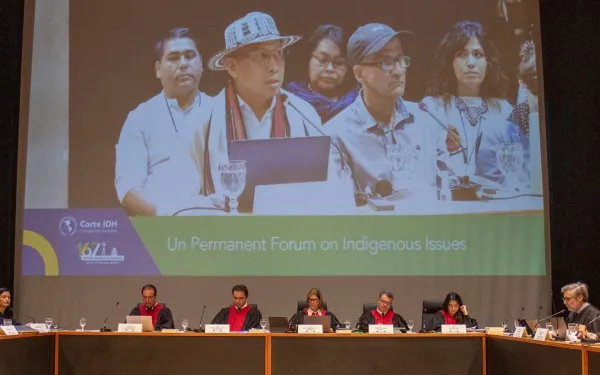
San Jose, Costa Rica - Today, a coalition comprising over 400 communities, Indigenous and Tribal Peoples, and representatives of civil society presented the “Declaration of Manaus on Human Rights in the Climate Emergency” to the Inter-American Court of Human Rights (IACtHR). The widely endorsed declaration calls on the Court to articulate, in its forthcoming Advisory Opinion on the Climate Emergency and Human Rights, minimum standards for respecting and protecting human rights in the context of the climate crisis. It draws upon the insights of more than 150 participants who contributed during the public hearings on the process of the Advisory Opinion mentioned.The hearings, conducted in Bridgetown, Barbados (April 22–25), Brasilia (May 24), and Manaus (May 25–29), Brazil, served as a forum for the presentation of compelling testimonies from individuals and entire communities impacted by the climate emergency. In Manaus, in the heart of the Amazon, there was a strong emphasis on the expectation that the Court would issue a robust advisory opinion aimed at ensuring the protection of both people and the planet.The Declaration urges the Court to clarify the human rights obligations of States and reinforce the accountability of corporations and financial actors for their role in the climate crisis."The role played by the IACtHR Advisory Opinion is strategic at a historic moment for climate justice globally. The Court’s decision can reinforce and expand on what has already been established by the International Tribunal for the Law of the Sea (ITLOS) on the obligations to protect the oceans from climate change. It will undoubtedly influence the subsequent interpretation of the International Court of Justice (ICJ) on the duties of States to protect communities and the planet in the face of the climate crisis," said Marcella Ribeiro, senior attorney with the Human Rights and Environment Program of the Interamerican Association for Environmental Defense. "The standards set by the Court will set new paradigms for access to justice in the context of the triple planetary crisis, influencing pending and future cases, as well as laws and policies inside and outside the continent. Lastly, this decision has great potential to help overcome the political impasse in the international climate negotiations."The Declaration, signed by over 400 parties, requests the Court to:Acknowledge that in the face of the climate emergency, all human rights, including the right to a healthy environment, must be upheld by all States. This obligation should be interpreted under the principle of Common but Differentiated Responsibilities and in line with the average global temperature increase limit established by the Paris Agreement and informed by the best available science.Specify that States need to transition to fossil-free economies without harming local communities and causing environmental impacts that exceed planetary limits.Ensure public access to information and participation, as well as the right to climate justice. This includes providing legal and institutional mechanisms for communities affected by the crisis to seek legal recourse, as well as raising awareness and training the judiciary on climate-related issues.Protect and facilitate the work of environmental defenders in the context of the climate emergency and energy transition.Guarantee adaptation measures to address the effects of climate change, ensuring the protection of all human rights, especially for vulnerable or historically discriminated groups.Uphold the right to self-determination of Indigenous and Tribal Peoples by obtaining their consent for measures directly affecting them in the context of climate change and energy transition.Ensure that victims and survivors of climate-related harm are granted comprehensive and just reparations and that climate judgments have financial resources for their implementation. "The Manaus Declaration also addresses corporate responsibility for the crisis. We urge the Court to reinforce States’ obligations to regulate corporate actors and ensure that those responsible for human rights violations related to the climate crisis are held accountable," adds Luisa Gómez Betancur, senior attorney at the Center for International Environmental Law (CIEL). "Consistent with the polluter pays principle in international law, fossil fuel and agribusiness companies that are the primary drivers of climate change must cover the costs of mitigation and adaptation, as well as provide full reparation to victims for climate harm."Those supporting the Declaration are urging the IACtHR, as a guardian of human rights, to take a strong and forward-thinking stance. This approach should hold those who have had the most impact on the climate crisis responsible, guide inter-American policies towards environmentally sustainable economies, and establish a foundation for climate, environmental, and social justice worldwide, starting with Latin America."We hope that by listening to the testimonies of those of us who suffer the worst consequences of the climate emergency, the IACtHR will heed our call and order the States to respect our right to self-determination and the way in which we relate to our territories, prioritizing their care and conservation. For this reason, we join our voices in the Manaus declaration to remind the Court of the unique opportunity it has to mark a before and after in the fight for climate justice and the protection of our rights," said Everildys Córdoba Borja, legal representative of the Community Council of Black Communities of the Tolo River Basin and Southern Coastal Zone (COCOMASUR), Colombia.Read and download the declaration Press contactsNiccolo Sarno, CIEL, [email protected] Arista, EarthRights International, [email protected], +51 941 242 447Karina Saravia, CANLA, [email protected], +505 84331292
Read more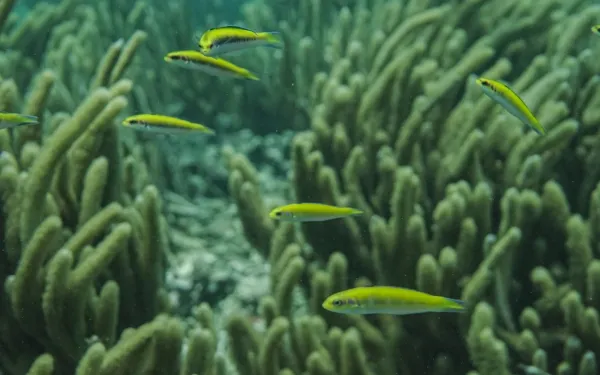
Mexican Supreme Court order to protect the Veracruz reef still unenforced
A port expansion project threatens the reef that hosts the greatest biodiversity of reef species in the western Gulf of Mexico. More than two years after the Supreme Court of Mexico ordered the adoption of several measures to protect the Veracruz Reef System and surrounding ecosystems affected by a port expansion project, the Ministry of Environment and Natural Resources (Semarnat) still refuses to comply with the ruling, putting the largest reef in the Gulf of Mexico and its environmental benefits at risk. The environmental organizations Territorios Diversos para la Vida, A.C. (TerraVida), Mexican Center for Environmental Law (CEMDA), Interamerican Association for Environmental Defense (AIDA) and Earthjustice denounce this failure to comply with the court order. The Veracruz Reef System—a Wetland of International Importance under the Ramsar Convention since 2004—hosts the greatest biodiversity of reef species in the western Gulf of Mexico and is home to several critically endangered species such as the hawksbill sea turtle. The reefs are of high importance to the Veracruz community because they protect the coast from hurricanes and support local fishing and tourism. On February 9, 2022, residents of Veracruz won a victory before the Supreme Court in an amparo action filed to defend the Veracruz reef and other relevant ecosystems from the impacts of the port expansion. The highest court in Mexico determined that Semarnat violated the people of Veracruz’s right to a healthy environment after finding the project’s approval to be severely deficient. As a result, the Court ordered the revocation of the project’s permits, as well as a complete and holistic reevaluation of the project’s impacts, tasks that Semarnat has not yet complied with. "Today, the right to a healthy environment of the people living in the Veracruz-Boca del Río-Medellín metropolitan area continues to be violated because Semarnat, when re-evaluating the port expansion’s environmental impact after the court order, used outdated scientific information, failed to conduct a new evaluation, and allowed the port to again fragment its project by separating out the rock quarries and breakwaters," said Francisco Xavier Martínez Esponda, co-coordinator of TerraVida, the organization representing the plaintiffs in the lawsuit. "In short, the project was never evaluated in a complete and holistic manner, as ordered by the Court, and therefore we remain unaware of the project’s true environmental risk." The environmental authority had authorized the project in a fragmented manner, dividing it into 15 sections, which it evaluated and approved independently, obscuring its full impact. Far from complying with the court’s order, on December 30, 2022, Semarnat's General Directorate of Environmental Impact and Risk conditionally reauthorized the Veracruz port’s expansion, but once again in a fragmented manner, without adequately assessing the full project using the best available science and without allowing for public participation, as the court required. In its decision, Mexico’s highest court also ruled that Semarnat was obligated, among other things, to seek international technical assistance to preserve the site within the framework of the Ramsar Convention, an intergovernmental treaty for the protection and sustainable use of wetlands and coastal areas. To date, Semarnat has not yet finalized its request for international support. "In the absence of adequate and meaningful government efforts, there is a clear delay in obtaining expert advice from the Ramsar Convention," said Jorge Lu Palencia, an attorney with AIDA. "It is paradoxical that the expansion of the port has been authorized while still awaiting an independent technical evaluation, which, by its nature, should be prior to any decision that puts the ecosystem at risk." In addition, a scientific analysis prepared by independent researchers concluded that the mitigation measures proposed by the project promoter—the Veracruz Port System Administration—are not capable of avoiding the adverse consequences on the Veracruz reef because they were not based on a scientifically valid assessment of the project’s impacts. The scientific analysis shows that the environmental agency has not studied the potential impacts on the entirety of the reefs within the Veracruz Reef System National Park. In addition, dredging activities were carried out without considering the direct impact on the invertebrate species that inhabit the marine sediments. In view of the situation, the analysis recommends an external evaluation provided by a public research center. For these reasons, the organizations, at different times, have requested the Fifth District Court in Veracruz—in charge of supervising compliance with the judgment—to withhold from ruling on compliance with the judgment until these deficiencies are corrected. Press contacts Gabriela Sánchez, TerraVida, [email protected], +52 5511429935 Víctor Quintanilla (Mexico), AIDA, [email protected], +521 5570522107
Read more
Let's talk about NDCs, countries' commitments to the climate crisis
Nationally Determined Contributions (NDCs) are the plans developed by each country to address the climate crisis under the Paris Agreement. In them, countries commit to meeting targets for reducing their greenhouse gas (GHG) emissions and making progress in adapting to the climate crisis, including - ideally - how they will finance these actions. The Paris Agreement, from which NDCs are derived, is a legally binding international agreement to combat climate change that entered into force in 2016 after being signed by 195 countries. As such, NDCs are the pathway to achieving the Agreement's goals, which are to: Ensure that the global average temperature increase is well below 2°C, preferably 1.5°C, above pre-industrial levels. Strengthen the capacity to adapt to the impacts of climate change. Align financing with the needs of countries to achieve these goals. Each country is free to decide and commit in its NDCs how it will adjust to and alleviate the impacts of the crisis, based on its unique abilities and circumstances. In this sense, NDCs reinforce the agreed-upon global goals to address the climate crisis and contain specific commitments by countries to achieve them. They also provide short- and medium-term plans, with political backing, in key areas not only to stabilize the climate, but also to promote sustainable development and address other global crises such as pollution and biodiversity loss. Countries that have signed the Paris Agreement must submit their NDCs to the Secretariat of the United Nations Framework Convention on Climate Change (UNFCCC) and update them every five years with increasingly ambitious targets based on their own capabilities. The Conferences of the Parties (COPs), the decision-making body of the Convention, will provide guidance to countries on how to meet these commitments. The first NDCs were presented in 2015, when the Paris Agreement was adopted, and their first update occurred in 2020. Next year, countries must update them again with targets for 2030 and 2035. Given their relevance for global climate action and the proximity of the second update, we will dig deeper into relevant aspects of the NDCs. The content of the NDCs In their NDCs, countries present a projected analysis of climate risks and impacts, as well as specific commitments to reduce greenhouse gas emissions and adapt to the impacts. This results in quantitative or qualitative targets, deadlines and actions in priority sectors such as agriculture, water, biodiversity, forests, energy, risk management, industry, infrastructure, fisheries, health, transport, tourism and coastal zones, among others. Most countries include indicative budgets for achieving their targets, and many developing countries indicate the support they will need—financial, technology transfer, and/or capacity-building—to implement some or all their actions. In an NDC, targets that can be achieved without external support are called "unconditional" and those that depend on such support are called "conditional." Examples of NDC commitments include: Reduce 22 percent of its GHG emissions with its own resources by 2030 (unconditional mitigation target). Increase GHG reduction to 36 percent, but subject to a global agreement that includes technical cooperation and technology transfer, as well as access to low-cost financial resources (conditional mitigation target). Increase, by 2030, the adaptive capacity of the population to climate change and reduce the high vulnerability of 160 municipalities (unconditional adaptation goal). Progress on NDCs According to the World Resource Institute, current NDC emission reduction commitments submitted by countries fall far short of the ambition needed to meet the Paris Agreement's goals, as they would result in a temperature increase of between 2.5 and 2.9°C even if fully implemented. On a more optimistic note, data from the United Nations Development Program's Climate Promise initiative, which is supporting 85 percent of countries in the preparation of their NDCs, shows that the most vulnerable countries are making tangible progress in terms of ambition. For example, African countries are more committed than the global average to their climate resilience goals, increasing transparency efforts, and incorporating just transition, while the NDCs of Latin American and Caribbean countries show high levels of stakeholder engagement and accountability compared to the global average. Although most Latin American countries have plans to reduce GHG emissions, adapt to climate change and promote renewable energy in their NDCs, they remain dependent on oil, gas and coal, making their current climate commitments insufficient. Human rights and gender approach in NDCs While the global crisis is a threat to humanity, its impact is disproportionately felt by vulnerable populations who are less able to cope. This is the case for indigenous and Afro-descendant peoples, as well as peasant and rural populations. Furthermore, according to the UN Human Rights Council, "women are particularly vulnerable to the risks associated with climate change due to gender discrimination, inequalities and gender roles that constrain them. One of the main negative impacts of the climate crisis on women is that it exacerbates the burden of unpaid domestic and care work, thereby deepening existing structural inequalities. Considering the above, it is essential that States incorporate the human rights framework and the gender perspective in the formulation of their climate policies, as recognized by various international instruments and treaties. This implies that States - in the elaboration, implementation and monitoring of NDCs - comply with their obligations to promote, respect, protect and fulfil human rights without discrimination and with a gender and intersectional approach, thereby strengthening the capacity of people and communities to act effectively in the face of the climate crisis, particularly those who have been historically marginalized. NDCs must also ensure the rights of future generations and the long-term integrity of ecosystems. What's next Next year's round of NDCs should focus on delivering on the commitments made at the 28th United Nations Climate Change Conference (COP28) to phase out fossil fuels in energy systems, set specific methane emission reduction targets, triple renewable energy and double energy efficiency. Given that this new round will cover targets up to 2035 - the midpoint between 2020, when countries began implementing their NDCs, and 2050, the year agreed for achieving the global goal of zero net emissions - the commitments presented are critical to aligning near-term actions with long-term goals. In the face of accelerating climate impacts with increasingly severe consequences, there is an urgent need for NDCs with sufficient ambition to contribute to deep emission cuts, enhanced adaptation, adequate attention to loss and damage already caused, and a significant increase in climate finance. Learn more To learn more about the progress of each country's climate commitments, you can: Consult the UNFCCC database, which contains the list of countries that have submitted their NDCs and the date they did so. Consult the information generated by the Climate Action Tracker, which tracks governments' climate actions and compares them to the Paris Agreement targets. Learn about NDC LAC, a digital tool that provides information on progress in implementing and updating NDCs in Latin America and the Caribbean. sources - United Nations Framework Convention on Climate Change, "Nationally determined contributions (NDCs). The Paris Agreement and nationally determined contributions". - United Nations, "All about NDCs." -World Resources Institute, "Next Generation NDCs. Accelerating climate action under the Paris Agreement". - United Nations Development Programme, “What are NDCs and how do they drive climate action?”. - Verónica Méndez Villa and Daniela García Aguirre, "Human Rights and Gender Perspective in Nationally Determined Contributions (NDCs) in Latin America," Interamerican Association for Environmental Defense (AIDA). - Inter Press Service, "Latin America arrives at COP28 with insufficient ambitions for its goals".
Read more