
Project
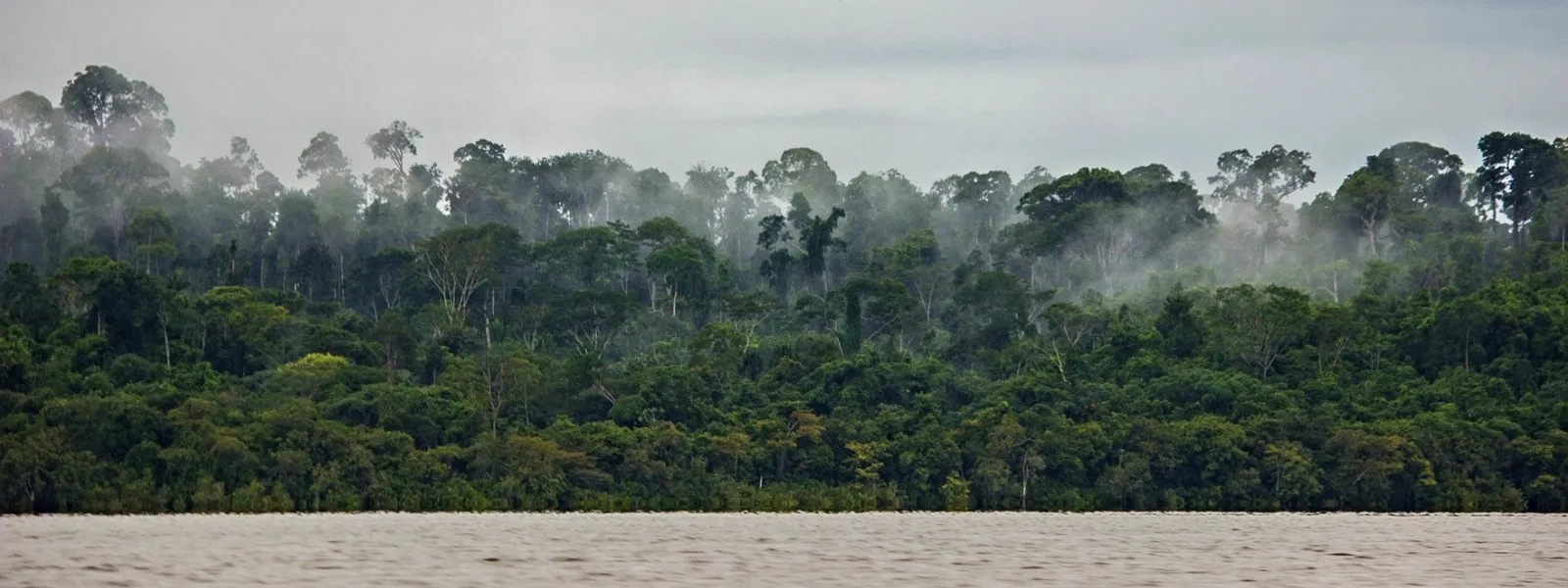
Amazon Watch / Maíra Irigaray
Barragem de Belo Monte no rio Xingu: 10 anos de impactos na Amazônia e de busca por reparações
A usina hidrelétrica de Belo Monte causou um desastre ambiental e social no coração da Amazônia: um dos ecossistemas mais importantes do planeta.
Essa situação só piorou desde que a usina começou a operar em 2016. A busca por justiça e reparação para as comunidades indígenas e ribeirinhas afetadas continua até hoje.
Em 2011, a Comissão Interamericana de Direitos Humanos (CIDH) concedeu a essas comunidades medidas de proteção, que até hoje não foram totalmente implementadas pelo Estado brasileiro.
E, desde junho daquele mesmo ano, a CIDH mantém um processo contra o Estado por sua responsabilidade internacional no caso.
A CIDH pode encaminhar o caso à Corte Interamericana de Direitos Humanos, que tem o poder de emitir uma sentença condenatória contra o Estado brasileiro.
Consulta o expediente de fatos do caso
Após 10 anos de operação da usina hidrelétrica e mais de 15 anos de violações de direitos humanos documentadas, é hora da justiça ser feita para as comunidades afetadas.
Leia a carta aberta das organizações que levam o caso à CIDH
Leia nosso comunicado à imprensa
Contexto
A usina hidrelétrica de Belo Monte — a quarta maior do mundo em capacidade instalada (11.233 MW) — foi construída no rio Xingu, no estado do Pará, norte do Brasil.
Foi inaugurada em 5 de maio de 2016, com uma única turbina. Naquela época, 80% do curso do rio foi desviado e 516 km² de terra foram inundados, uma área maior que a cidade de Chicago. Desse total, 400 km² eram de mata nativa. A usina começou a operar em plena capacidade em novembro de 2019.
Belo Monte foi construída e é operada pelo consórcio Norte Energia S.A., composto principalmente por empresas estatais. Foi financiada pelo Banco Nacional de Desenvolvimento Econômico e Social (BNDES), que aportou ao consórcio 25,4 bilhões de reais (aproximadamente US$ 10,16 bilhões), o maior investimento de sua história. Portanto, o BNDES também é legalmente responsável pelos impactos socioambientais associados ao projeto hidrelétrico.
Décadas de danos ambientais e humanos
As violações dos direitos humanos e a degradação da Amazônia remontam ao início do projeto. Em março de 2011, a Norte Energia iniciou a construção da barragem sem consulta adequada e sem o consentimento prévio, livre e informado das comunidades afetadas.
A construção levou ao deslocamento forçado de mais de 40.000 pessoas, rompendo laços sociais e culturais. O plano de reassentamento em Altamira — cidade diretamente afetada pelo projeto hidrelétrico — incluía moradias na periferia da cidade, sem serviços públicos adequados, moradias dignas para as famílias reassentadas e moradias diferenciadas para aqueles pertencentes a comunidades indígenas.
A operação da barragem de Belo Monte impôs uma seca permanente e artificial na Volta Grande do rio Xingu, agravada pelas secas históricas na Amazônia em 2023 e 2024. Como resultado, a morte de milhões de ovos de peixe foi documentada por quatro anos consecutivos (de 2021 a 2024) e, nos últimos três anos, não houve migração de peixes rio acima para desovar e se reproduzir. Assim, a pesca artesanal, principal fonte de proteína para os povos indígenas e comunidades ribeirinhas, foi severamente afetada: o consumo de peixe caiu de 50% para 30% do total de proteínas consumidas, sendo substituído por alimentos processados. Em suma, houve um colapso ambiental e humanitário que resultou no colapso da pesca como modo de vida tradicional, insegurança alimentar e falta de acesso à água potável para milhares de famílias, empobrecimento e doenças.
Além disso, a construção da barragem aumentou o desmatamento e intensificou a extração ilegal de madeira e a insegurança em terras indígenas e tribais, colocando em risco a sobrevivência dessas comunidades. Outra consequência foi o agravamento da pobreza e dos conflitos sociais, bem como a sobrecarga dos sistemas de saúde, educação e segurança pública em Altamira, cidade considerada a mais violenta do país em 2017, onde houve aumento do tráfico de pessoas e da violência sexual. Também foram registrados casos de violência contra defensores de direitos humanos envolvidos no caso.
Em 2025, durante a 30ª Conferência das Nações Unidas sobre Mudanças Climáticas (COP30), realizada no Brasil, o Ministério Público Federal classificou os danos causados por Belo Monte como ecocídio.
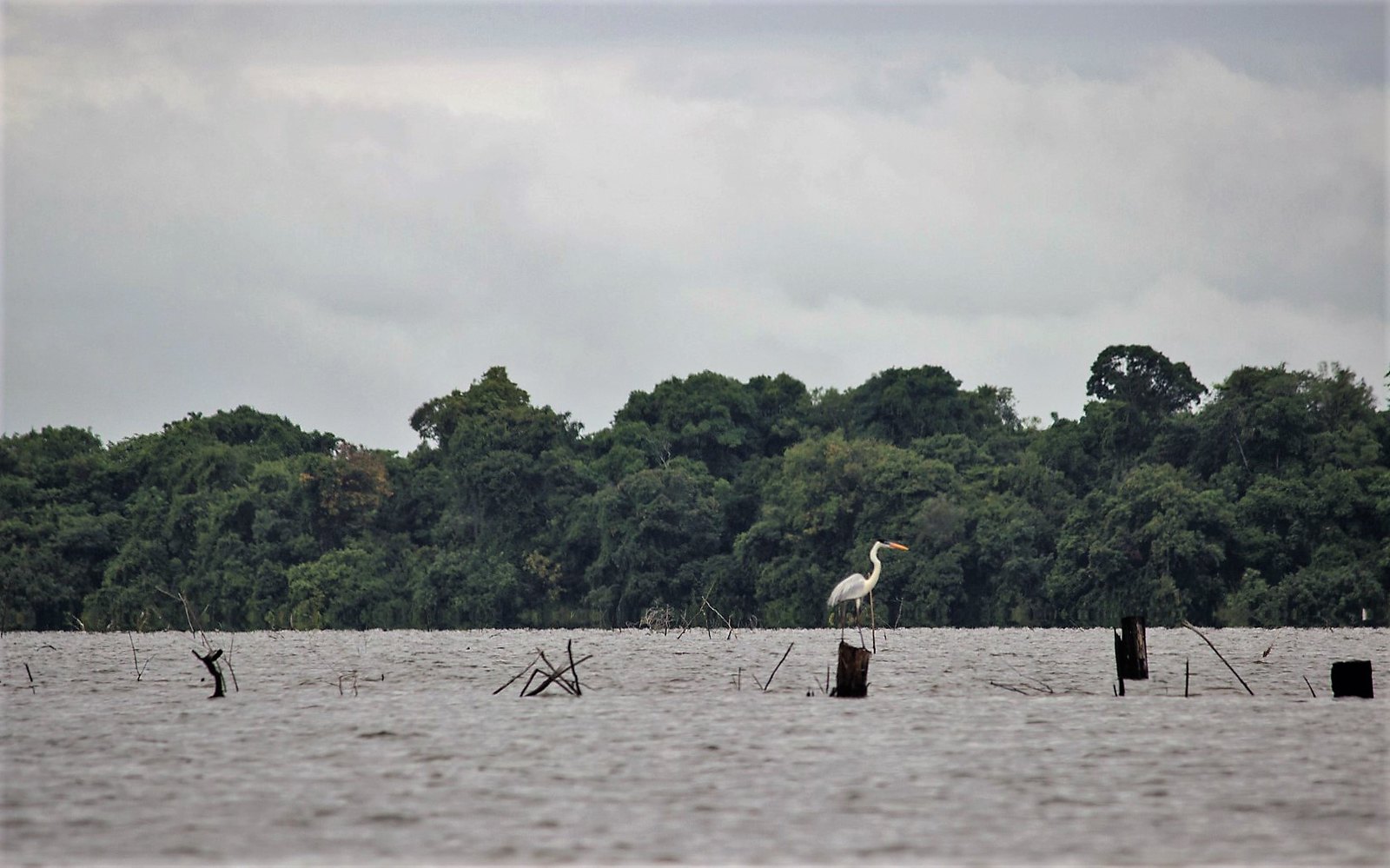
Foto: Amazon Watch / Maíra Irigaray.
A busca por justiça e reparação
Ao longo dos anos, o Ministério Público Federal do Pará, a Defensoria Pública e organizações da sociedade civil impetraram dezenas de ações judiciais em tribunais brasileiros para contestar as diversas irregularidades do projeto, bem como seus impactos. A maioria das ações permanece sem solução, algumas há mais de 10 anos.
Essas ações não obtiveram sucesso porque o governo federal tem reiteradamente anulado decisões favoráveis às comunidades afetadas, recorrendo a um mecanismo pelo qual o presidente do Supremo Tribunal Federal pode suspender uma decisão judicial com base unicamente em argumentos genéricos como "interesse nacional" ou "ordem econômica".
Diante da falta de respostas eficazes em nível nacional, a AIDA — juntamente com uma coalizão de organizações aliadas — levou o caso à Comissão Interamericana de Direitos Humanos (CIDH) e, em 2010, solicitou medidas cautelares para proteger a vida, a integridade e a saúde das comunidades indígenas afetadas.
Em 1º de abril de 2011, a CIDH concedeu essas medidas e solicitou ao Estado brasileiro a suspensão das licenças ambientais e de quaisquer obras de construção até que as condições relativas à consulta prévia e à proteção da saúde e integridade das comunidades fossem atendidas.
E, em 16 de junho de 2011, apresentamos uma denúncia formal à CIDH — juntamente com o Movimento Xingu Vivo Para Siempre, a Coordenação das Organizações Indígenas da Amazônia Brasileira, a Diocese de Altamira, o Conselho Missionário Indígena, a Sociedade Pará de Defesa dos Direitos Humanos e a Global Justice — contra o Estado brasileiro por sua responsabilidade internacional nas violações de direitos humanos contra os povos afetados neste caso. A denúncia foi apresentada em dezembro de 2015.
Em 3 de agosto de 2011, a CIDH modificou as medidas cautelares para solicitar — em vez da suspensão de licenças e obras — a proteção dos povos que vivem em isolamento voluntário, a saúde das comunidades indígenas e a regularização e proteção das terras ancestrais.
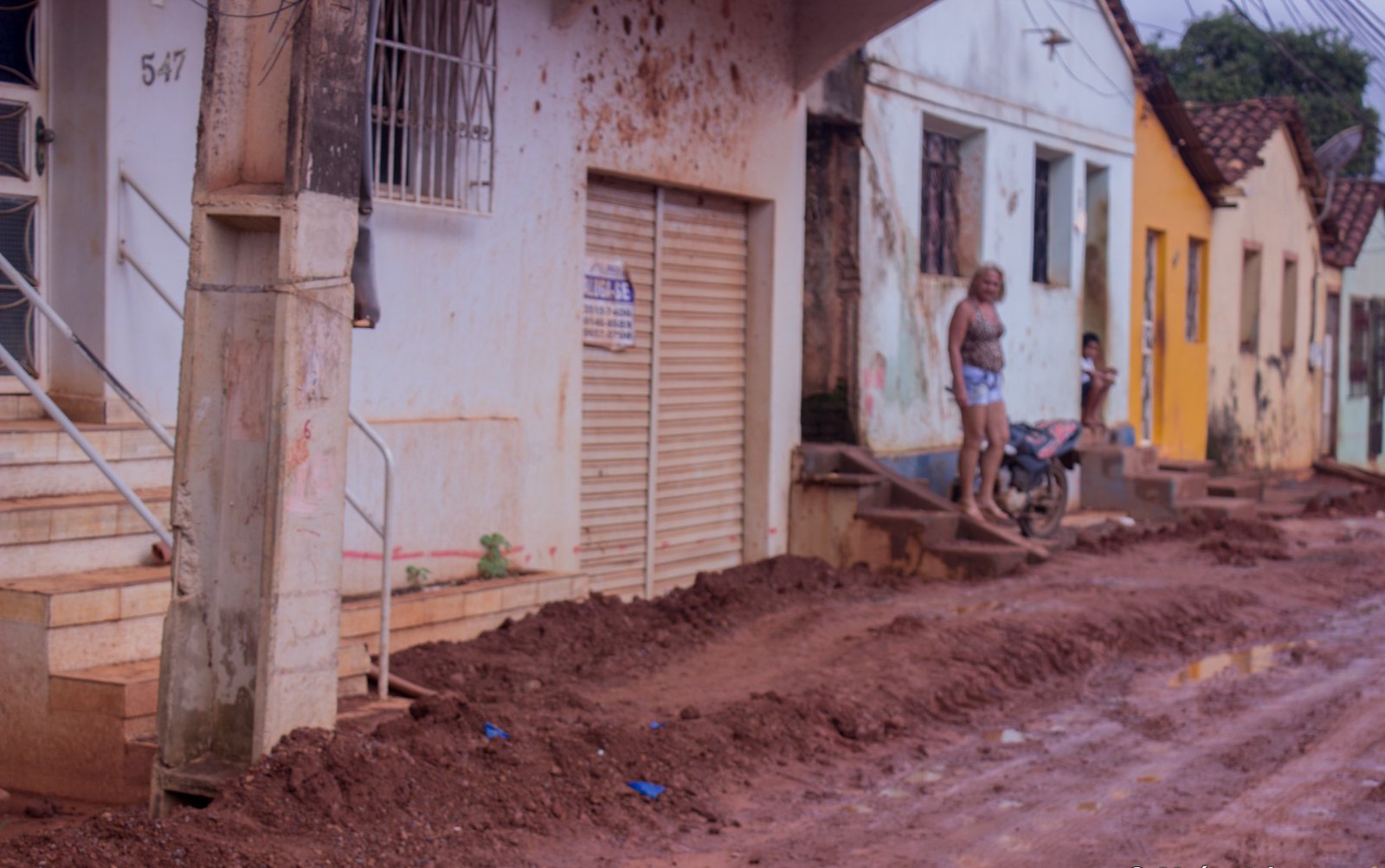
Foto: Amazon Watch / Maíra Irigaray.
Situação atual
As medidas de proteção concedidas pela CIDH permanecem em vigor, mas o Estado brasileiro não as cumpriu integralmente, relatando apenas ações genéricas. As comunidades documentaram as contínuas violações de seus direitos. A situação que motivou o pedido dessas medidas — o risco à vida, à segurança e aos meios de subsistência das comunidades — persiste e se agravou com a usina hidrelétrica operando em plena capacidade e com as recentes secas extremas na Amazônia.
Além do ocorrido em Belo Monte, existe o risco de maiores danos sociais e ambientais decorrentes da implementação de outro megaprojeto de mineração na Volta Grande do Xingu. Lá, a empresa canadense Belo Sun pretende construir a maior mina de ouro a céu aberto do Brasil.
Os impactos sinérgicos e cumulativos da usina e da mina não foram avaliados. O Estado excluiu povos indígenas, comunidades ribeirinhas e comunidades camponesas do processo de licenciamento ambiental do projeto. Apesar disso, dos protestos indígenas e de outras irregularidades em torno do projeto, o governo do estado do Pará autorizou formalmente a mina em abril de 2026.
Belo Monte, assim como outras usinas hidrelétricas, agrava a emergência climática ao gerar emissões de gases de efeito estufa em seu reservatório. Além disso, é ineficiente diante das secas prolongadas e intensas causadas pela crise, pois perde capacidade de geração de energia.
O caso perante a Comissão Interamericana
Em outubro de 2017, a CIDH anunciou que decidiria conjuntamente sobre a admissibilidade (se o caso preenche os requisitos para admissão) e o mérito (se houve, de fato, violação de direitos humanos) da denúncia internacional contra o Estado brasileiro.
Quinze anos após a apresentação da denúncia, as comunidades afetadas e as organizações que as representam ainda aguardam essa decisão. Caso a CIDH conclua que houve violações de direitos humanos e emita recomendações que o Estado brasileiro não cumpra, poderá encaminhar o caso à Corte Interamericana de Direitos Humanos, cujas decisões são vinculativas.
Uma possível decisão da Corte Internacional de Direitos Humanos neste caso estabeleceria um precedente jurídico regional em relação aos direitos dos povos indígenas e ribeirinhos, à participação pública em megaprojetos e à responsabilidade do Estado no contexto da crise climática. Isso é particularmente relevante à luz do Parecer Consultivo nº 32 da Corte, que reafirmou as obrigações dos Estados de proteger pessoas e comunidades em todo o continente da emergência climática.
Partners:
Related projects

Organizations concerned by Mendoza Supreme Court rejecting their Participation while allowing that of the oil industry in litigation over fracking
The Mendoza Supreme Court’s differential treatment occurred in a lawsuit over the authorization of fracking, or hydraulic fracturing, for extracting oil and gas from the Vaca Muerta formation in the Argentinian province. Civil society groups express concern about the Mendoza Supreme Court’s refusal to receive information about the dangerous impacts of using fracking to extract oil and gas on indigenous peoples and the environment in Mendoza. The Court rejected the participation of seven organizations--including an organization of the Mapuche Indigenous People and both Argentinian and international groups on human rights and the environment--in a case that will impact the regulation of the oil and gas industry in Mendoza.The court has instead shown preference toward the fossil fuel industry, having allowed the participation of several groups representing the interests of oil companies in the same court case.The court is weighing a decision involving the authorization of hydraulic fracturing--also known as fracking--to extract oil and gas from the Vaca Muerta formation in Mendoza. Although fracking has not been widely used in Mendoza, the technique has caused public health and safety risks in other countries because of its impact on the environment.The organizations requested to participate in the case as "Friends of the Court" (amicus curiae). This is a common practice permitted in Mendoza and many countries around the world that allows people not otherwise connected with litigation to share information with the courts in cases that affect the public interest.One justice dissented from the Supreme Court's decision, criticizing that this ruling "is far from the level of listening that ought to demand the judge's attention in the resolution of cases of undoubted social interest, such as the one at issue here." Furthermore, the justice pointed out that "[t]he entities requesting this Court to grant them participation as amicus, have vast experience and specialization in environmental issues."So far, the Supreme Court has rejected the interventions of the following organizations: Organización Identidad Territorial Malalweche (Mendoza); Xumek (Mendoza); Centro de Estudios Legales y Sociales (national); the Interamerican Association for Environmental Defense (international), the Center for International Environmental Law (international); Earthjustice (international) and the Environmental Law Alliance Worldwide (international). Statements from the organizations Ana Laura Piccolo, executive director of XUMEK:"At Xumek, we are concerned by the provincial Supreme Court’s repeated rejections of the participation of civil society organizations through the figure of the 'Friend of the Court.' The organizations that have come forward to collaborate have established experience in the subject matter of the case and we make our contributions from a serious and objective perspective, in accordance with the technical and legal knowledge and expertise we possess. In addition, we have participated as amicus curiae in numerous judicial proceedings, both local and international". Ñushpi Quilla Mayhuay Alancay, attorney in charge of the Indigenous Peoples Area of XUMEK:"As expressed in the dissenting vote, ignoring all the voices of civil society in a case of high social complexity affects the dialogue between the judiciary and the citizens, thereby weakening the democratic process in cases of social interest where the human rights of society can be affected". Erika Schmidhuber, attorney with the Center for Legal and Social Studies (CELS):"We consider it essential that the province complies with international human rights standards on free, prior and informed consultation with indigenous peoples for development projects in their ancestral territory, regardless of whether or not that territory is formally recognized. The Argentine State has already been condemned internationally for not complying with these standards. It is necessary for the Mendoza court to evaluate the arguments we have presented as they reflect the obligations that Mendoza must comply with." Jacob Kopas, attorney at Earthjustice:"Strong scientific evidence from other countries shows that fracking generates serious contamination risks, particularly by leeching toxic chemicals into nearby water supplies. It is essential that the Supreme Court of Mendoza take this evidence into consideration along with the support for fracking it has received from groups that profit from oil extraction." Sofía Barquero, attorney with AIDA's Ecosystems Program:"Our interest in this case stems from our desire to ensure that environmental protection and the rights of indigenous peoples are an integral part of any decision that may affect these communities. In that sense, we respectfully call on the Court to reconsider its decision and allow for the inclusion of civil society voices in this judicial process. We trust that the Court will take into consideration the importance of listening to all stakeholders in this case." Upasana Khatri, attorney at the Center for International Environmental Law (CIEL):"Fracking poses long-term environmental and health hazards that outlast production. It is essential that the Court hears from civil society experts on the evidence of such harms and the legal duty to prevent them - not just from industry actors with a stake in fossil fuel production - to ensure an informed decision on the risks and regulation of fracking in Mendoza."Press contactsOrganización Identidad Territorial Malalweche, Werken Gabriel Jofre, +54 2604592679XUMEK Asociación para la promoción y protección de los derechos humanos, Ñushpi Quilla Mayhuay Alancay, +54 9 2616807798CELS, Martina Noailles, [email protected], +54 9 11 6562-6566AIDA, Víctor Quintanilla, [email protected], +521 5570522107Earthjustice, Jacob Kopas, [email protected], +1 5862924603CIEL, Press Office, [email protected]
Read more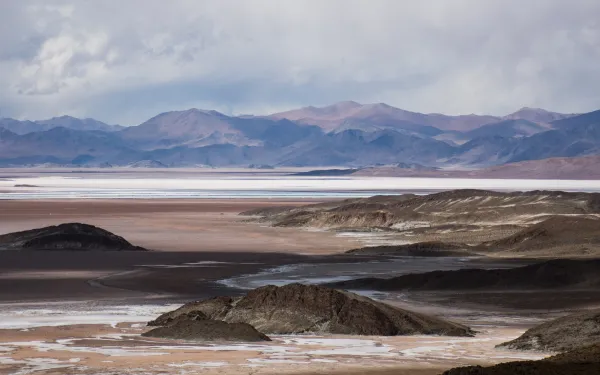
AIDA petitions Argentine court for protection of human rights in lithium mining case
In a legal brief supporting the litigation of the indigenous communities of the Puna in Argentina, we ask the Court of Justice of Catamarca to cancel the permits for two mining projects to avoid irreversible environmental impacts on the territory of the Salar del Hombre Muerto. We also ask that it order a cumulative and comprehensive environmental impact assessment that meets international standards and guarantees the participation of the communities. In support of the lawsuit filed by the Atacameños del Altiplano Indigenous Community, the Interamerican Association for Environmental Defense (AIDA) filed an amicus curiae or "friend of the court" brief before the Court of Justice of Catamarca, requesting that the national government and the government of the province of Catamarca, in accordance with their international obligations, protect the rights of local communities against the cumulative environmental impacts of lithium mining projects in the territory and watershed of the Salar del Hombre Muerto."The accumulation of lithium mining activities in the Salar del Hombre Muerto has exacerbated water stress in the province and today threatens to affect the health of indigenous communities due to the use of large quantities of water and polluting chemicals," said Yeny Rodríguez, Senior Attorney at AIDA. "In application of the principles of prevention and precaution, it is imperative that the State take measures to avoid further impacts; if it fails to do so, it may incur international liability for the damages caused."The brief provides grounds for the application of justice and for the defense of the rights to a healthy environment, to water and to the life project of the communities. The document shows that the national and provincial governments have an obligation under international treaties and standards, such as the American Convention on Human Rights, the Convention on Biological Diversity, and the Convention on Wetlands, among others, to use an environmental assessment that addresses comprehensive and cumulative impacts to authorize existing, proposed, and related mining projects.The writ was filed as part of the amparo action filed by the Atacameños del Altiplano Indigenous Community in August 2021. In it, they asked the Court of Justice of Catamarca to revoke the authorizations granted by the environmental authorities to the projects "Fénix Project Expansion" of the company Livent and "Sal de Vida" of the company Galaxy Lithium S.A., until a proper environmental impact assessment is carried out.In a decision released last March 13, the court ordered the provincial government, as a precautionary measure, to refrain from issuing new permits until a "cumulative and comprehensive" environmental impact study is conducted for all lithium mining projects being developed in the area, and to guarantee free access to information and free, prior and informed consultation with communities for all projects. However, the court did not accept the request to stop lithium mining in the area, so the socio-environmental risks remain.In this sense, in order to protect the ecosystem and not irreparably affect the life project of the indigenous peoples, AIDA presented arguments to the Court of Justice of Catamarca in support of the communities' requests:In application of the international environmental principles of prevention and precaution, revoke the permits for the projects identified in the lawsuit and for all projects in the Salar Basin until an environmental assessment is carried out in accordance with international law.Order the competent authorities to carry out a cumulative and comprehensive environmental impact assessment, respecting at all stages the right to consultation or consent, as well as the right to timely and effective environmental participation of the Atacameños del Altiplano Indigenous Community. "AIDA reiterated before the Court that the Inter-American Court of Human Rights has ruled that the Environmental Impact Assessment is the measure that guarantees the subsistence of indigenous communities in the face of the restrictions imposed by the concessions granted in their territory," said Rodríguez.The brief points out that in this case — given that lithium mining and other projects have already caused serious environmental degradation and affected the water carrying capacity of the ecosystem, in addition to jeopardizing the community's livelihood project — the state had an obligation to conduct a cumulative and comprehensive environmental impact assessment.Due to low rainfall and water evaporation, the Salar del Hombre Muerto — an Andean wetland located in northwestern Argentina, between the provinces of Catamarca and Salta — has a negative natural water balance, which has been exacerbated in the last 27 years by lithium mining. This activity requires the extraction of large quantities of brine (water with a high salt content) and fresh water (surface and groundwater).The region of the Salar Basin has been inhabited for more than 10,000 years by indigenous communities who have a special relationship with the environment that guarantees their individual and collective survival, their culture and their traditions. As a result of lithium mining, their members have had to change their traditional practices and have also suffered water shortages and significant animal losses.The Fénix mining project has diverted the Trapiche River to the point of drying up its last stretch before it reaches the salt flats. And the expansion of mining activities in the area threatens to dry up the Los Patos River as well.In the development of the projects mentioned in the lawsuit, the companies did not provide information to the communities, did not hold public hearings with their participation, and did not carry out a process of free, prior and informed consultation.Press contact:Víctor Quintanilla (Mexico), AIDA, [email protected], +521 5570522107
Read more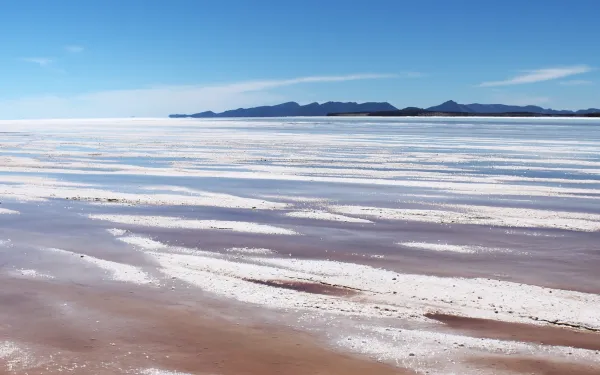
UN takes major step toward prioritizing justice regarding transition minerals
The United Nations’ Critical Energy Transition Minerals Panel issued a series of recommendations and voluntary principles aimed at ensuring equitable, fair and sustainable management of these minerals. The guidelines are aimed at governments, industry and other stakeholders in energy transition processes.This comes at a time when the global renewable energy movement, which seeks to reduce emissions that exacerbate the climate crisis, has highlighted how the environmental and social costs of transition minerals extraction fall disproportionately on local communities and ecosystems.Claudia Velarde, co-director of the Ecosystems Program of the Interamerican Association for Environmental Defense (AIDA), said: “For Latin America, the recommendations and principles are very important, since a large part of the reserves of resources essential for the energy transition are in the region, in complex territories rich in biological and cultural diversity.Significantly, the panel places human rights and justice at the center, recognizing the complexity of the energy transition and the inequality between countries in the global South that host the minerals and those in the North that need them for their own transition.To move forward with justice, the energy transition must break with the development status quo, include perspectives from the global South, respect the human rights of local communities, and recognize ecosystem boundaries.While there is still a long way to go to achieve a truly just and popular energy transition for Latin America, we hope that this contribution will be a step in that direction.” The recommendations and principles are contained in a report in which the Panel explains how the transition t to renewable energy can be based on justice and equity, promoting sustainable development, respect for people, and protection of the environment in developing countries.The Panel proposes seven voluntary guiding principles, based on standards, commitments and legal obligations established in United Nations texts:Human rights must be at the core of all mineral value chains.The integrity of the planet, its environment and biodiversity must be safeguarded.Justice and equity must underpin mineral value chains.Development must be fostered through benefit sharing, value addition and economic diversification.Investments, finance and trade must be responsible and fair.Transparency, accountability and anti-corruption measures are necessary to ensure good governance.Multilateral and international cooperation must underpin global action and promote peace and security. Read the panel report: https://www.un.org/sites/un2.un.org/files/report_sg_panel_on_critical_energy_transition_minerals_11_sept_2024.pdfLearn more about panel: https://www.un.org/en/climatechange/critical-mineralsPress contact:Víctor Quintanilla (Mexico), [email protected], +5215570522107
Read more