
Project
Amazon Watch / Maíra Irigaray
Barragem de Belo Monte no rio Xingu: 10 anos de impactos na Amazônia e de busca por reparações
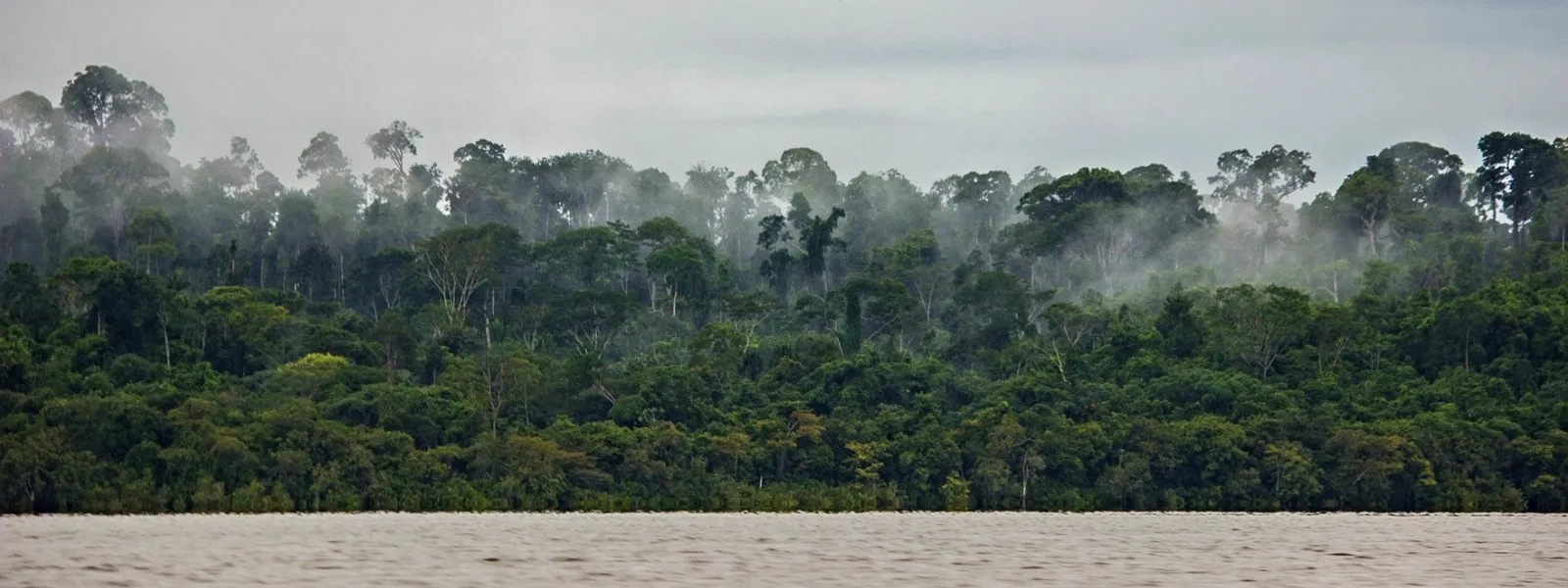
A usina hidrelétrica de Belo Monte causou um desastre ambiental e social no coração da Amazônia: um dos ecossistemas mais importantes do planeta.
Essa situação só piorou desde que a usina começou a operar em 2016. A busca por justiça e reparação para as comunidades indígenas e ribeirinhas afetadas continua até hoje.
Em 2011, a Comissão Interamericana de Direitos Humanos (CIDH) concedeu a essas comunidades medidas de proteção, que até hoje não foram totalmente implementadas pelo Estado brasileiro.
E, desde junho daquele mesmo ano, a CIDH mantém um processo contra o Estado por sua responsabilidade internacional no caso.
A CIDH pode encaminhar o caso à Corte Interamericana de Direitos Humanos, que tem o poder de emitir uma sentença condenatória contra o Estado brasileiro.
Consulta o expediente de fatos do caso
Após 10 anos de operação da usina hidrelétrica e mais de 15 anos de violações de direitos humanos documentadas, é hora da justiça ser feita para as comunidades afetadas.
Leia a carta aberta das organizações que levam o caso à CIDH
Leia nosso comunicado à imprensa
Contexto
A usina hidrelétrica de Belo Monte — a quarta maior do mundo em capacidade instalada (11.233 MW) — foi construída no rio Xingu, no estado do Pará, norte do Brasil.
Foi inaugurada em 5 de maio de 2016, com uma única turbina. Naquela época, 80% do curso do rio foi desviado e 516 km² de terra foram inundados, uma área maior que a cidade de Chicago. Desse total, 400 km² eram de mata nativa. A usina começou a operar em plena capacidade em novembro de 2019.
Belo Monte foi construída e é operada pelo consórcio Norte Energia S.A., composto principalmente por empresas estatais. Foi financiada pelo Banco Nacional de Desenvolvimento Econômico e Social (BNDES), que aportou ao consórcio 25,4 bilhões de reais (aproximadamente US$ 10,16 bilhões), o maior investimento de sua história. Portanto, o BNDES também é legalmente responsável pelos impactos socioambientais associados ao projeto hidrelétrico.
Décadas de danos ambientais e humanos
As violações dos direitos humanos e a degradação da Amazônia remontam ao início do projeto. Em março de 2011, a Norte Energia iniciou a construção da barragem sem consulta adequada e sem o consentimento prévio, livre e informado das comunidades afetadas.
A construção levou ao deslocamento forçado de mais de 40.000 pessoas, rompendo laços sociais e culturais. O plano de reassentamento em Altamira — cidade diretamente afetada pelo projeto hidrelétrico — incluía moradias na periferia da cidade, sem serviços públicos adequados, moradias dignas para as famílias reassentadas e moradias diferenciadas para aqueles pertencentes a comunidades indígenas.
A operação da barragem de Belo Monte impôs uma seca permanente e artificial na Volta Grande do rio Xingu, agravada pelas secas históricas na Amazônia em 2023 e 2024. Como resultado, a morte de milhões de ovos de peixe foi documentada por quatro anos consecutivos (de 2021 a 2024) e, nos últimos três anos, não houve migração de peixes rio acima para desovar e se reproduzir. Assim, a pesca artesanal, principal fonte de proteína para os povos indígenas e comunidades ribeirinhas, foi severamente afetada: o consumo de peixe caiu de 50% para 30% do total de proteínas consumidas, sendo substituído por alimentos processados. Em suma, houve um colapso ambiental e humanitário que resultou no colapso da pesca como modo de vida tradicional, insegurança alimentar e falta de acesso à água potável para milhares de famílias, empobrecimento e doenças.
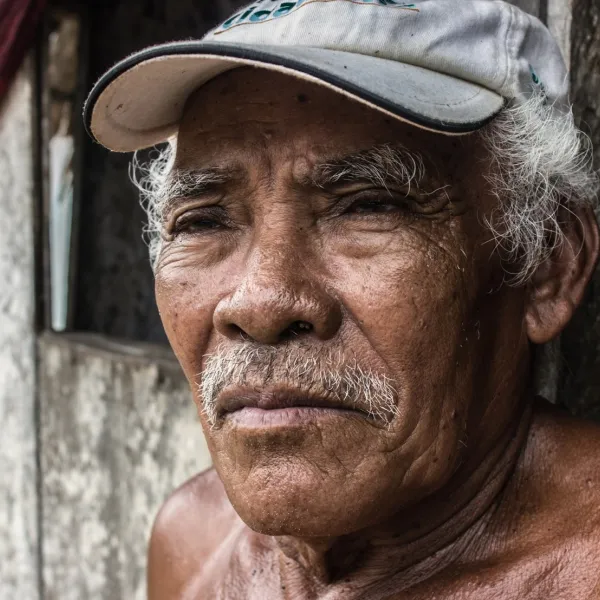
Além disso, a construção da barragem aumentou o desmatamento e intensificou a extração ilegal de madeira e a insegurança em terras indígenas e tribais, colocando em risco a sobrevivência dessas comunidades. Outra consequência foi o agravamento da pobreza e dos conflitos sociais, bem como a sobrecarga dos sistemas de saúde, educação e segurança pública em Altamira, cidade considerada a mais violenta do país em 2017, onde houve aumento do tráfico de pessoas e da violência sexual. Também foram registrados casos de violência contra defensores de direitos humanos envolvidos no caso.
Em 2025, durante a 30ª Conferência das Nações Unidas sobre Mudanças Climáticas (COP30), realizada no Brasil, o Ministério Público Federal classificou os danos causados por Belo Monte como ecocídio.
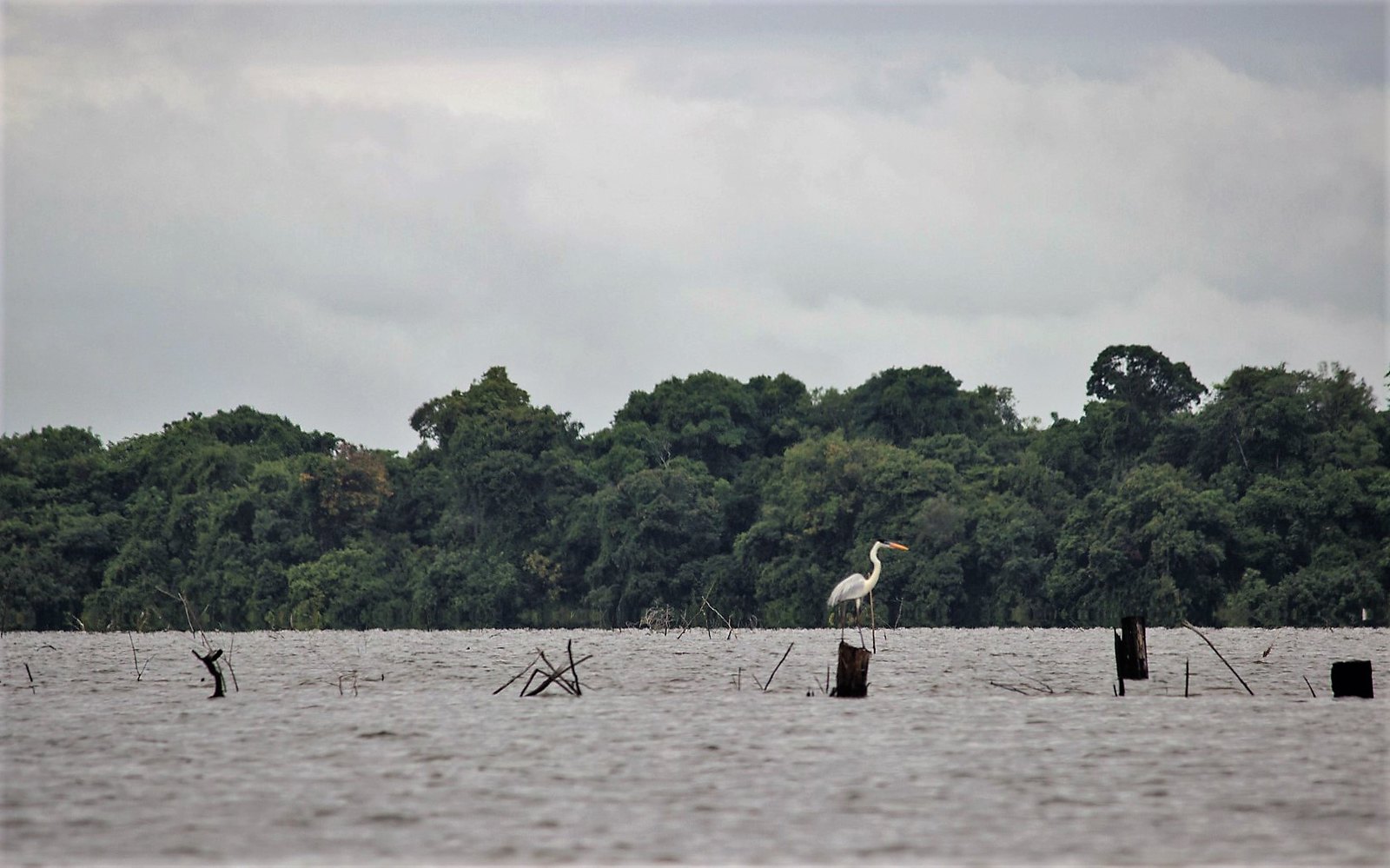
Foto: Amazon Watch / Maíra Irigaray.
A busca por justiça e reparação
Ao longo dos anos, o Ministério Público Federal do Pará, a Defensoria Pública e organizações da sociedade civil impetraram dezenas de ações judiciais em tribunais brasileiros para contestar as diversas irregularidades do projeto, bem como seus impactos. A maioria das ações permanece sem solução, algumas há mais de 10 anos.
Essas ações não obtiveram sucesso porque o governo federal tem reiteradamente anulado decisões favoráveis às comunidades afetadas, recorrendo a um mecanismo pelo qual o presidente do Supremo Tribunal Federal pode suspender uma decisão judicial com base unicamente em argumentos genéricos como "interesse nacional" ou "ordem econômica".
Diante da falta de respostas eficazes em nível nacional, a AIDA — juntamente com uma coalizão de organizações aliadas — levou o caso à Comissão Interamericana de Direitos Humanos (CIDH) e, em 2010, solicitou medidas cautelares para proteger a vida, a integridade e a saúde das comunidades indígenas afetadas.
Em 1º de abril de 2011, a CIDH concedeu essas medidas e solicitou ao Estado brasileiro a suspensão das licenças ambientais e de quaisquer obras de construção até que as condições relativas à consulta prévia e à proteção da saúde e integridade das comunidades fossem atendidas.
E, em 16 de junho de 2011, apresentamos uma denúncia formal à CIDH — juntamente com o Movimento Xingu Vivo Para Siempre, a Coordenação das Organizações Indígenas da Amazônia Brasileira, a Diocese de Altamira, o Conselho Missionário Indígena, a Sociedade Pará de Defesa dos Direitos Humanos e a Global Justice — contra o Estado brasileiro por sua responsabilidade internacional nas violações de direitos humanos contra os povos afetados neste caso. A denúncia foi apresentada em dezembro de 2015.
Em 3 de agosto de 2011, a CIDH modificou as medidas cautelares para solicitar — em vez da suspensão de licenças e obras — a proteção dos povos que vivem em isolamento voluntário, a saúde das comunidades indígenas e a regularização e proteção das terras ancestrais.
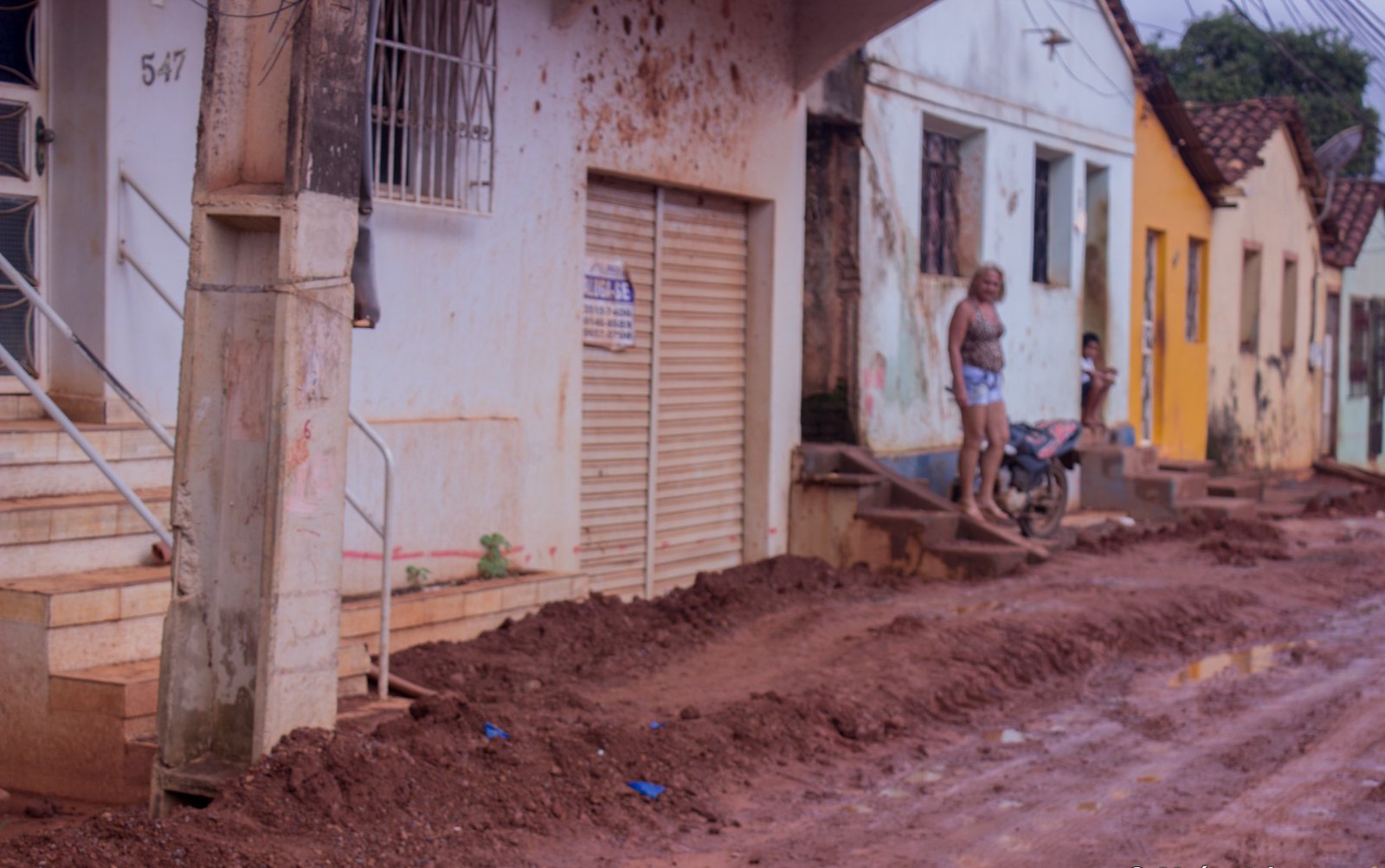
Foto: Amazon Watch / Maíra Irigaray.
Situação atual
As medidas de proteção concedidas pela CIDH permanecem em vigor, mas o Estado brasileiro não as cumpriu integralmente, relatando apenas ações genéricas. As comunidades documentaram as contínuas violações de seus direitos. A situação que motivou o pedido dessas medidas — o risco à vida, à segurança e aos meios de subsistência das comunidades — persiste e se agravou com a usina hidrelétrica operando em plena capacidade e com as recentes secas extremas na Amazônia.
Além do ocorrido em Belo Monte, existe o risco de maiores danos sociais e ambientais decorrentes da implementação de outro megaprojeto de mineração na Volta Grande do Xingu. Lá, a empresa canadense Belo Sun pretende construir a maior mina de ouro a céu aberto do Brasil.
Os impactos sinérgicos e cumulativos da usina e da mina não foram avaliados. O Estado excluiu povos indígenas, comunidades ribeirinhas e comunidades camponesas do processo de licenciamento ambiental do projeto. Apesar disso, dos protestos indígenas e de outras irregularidades em torno do projeto, o governo do estado do Pará autorizou formalmente a mina em abril de 2026.
Belo Monte, assim como outras usinas hidrelétricas, agrava a emergência climática ao gerar emissões de gases de efeito estufa em seu reservatório. Além disso, é ineficiente diante das secas prolongadas e intensas causadas pela crise, pois perde capacidade de geração de energia.
O caso perante a Comissão Interamericana
Em outubro de 2017, a CIDH anunciou que decidiria conjuntamente sobre a admissibilidade (se o caso preenche os requisitos para admissão) e o mérito (se houve, de fato, violação de direitos humanos) da denúncia internacional contra o Estado brasileiro.
Quinze anos após a apresentação da denúncia, as comunidades afetadas e as organizações que as representam ainda aguardam essa decisão. Caso a CIDH conclua que houve violações de direitos humanos e emita recomendações que o Estado brasileiro não cumpra, poderá encaminhar o caso à Corte Interamericana de Direitos Humanos, cujas decisões são vinculativas.
Uma possível decisão da Corte Internacional de Direitos Humanos neste caso estabeleceria um precedente jurídico regional em relação aos direitos dos povos indígenas e ribeirinhos, à participação pública em megaprojetos e à responsabilidade do Estado no contexto da crise climática. Isso é particularmente relevante à luz do Parecer Consultivo nº 32 da Corte, que reafirmou as obrigações dos Estados de proteger pessoas e comunidades em todo o continente da emergência climática.
Partners:
Related projects

10 legal advances toward climate justice in 2024
If there is one thing we've seen in the world this year, it's the advancement of climate litigation and the publication of new guidelines and best practices with future generations in mind. We know that the climate fight can often seem exhausting, but today we invite you to take a breath and celebrate the good news and small victories that are bringing us closer to climate justice. 1. The climate emergency comes before the Inter-American CourtThis year, a very important question came before the Inter-American Court of Human Rights (IACHR): What obligations do States have to protect people, especially those in vulnerable situations, from the effects of the climate crisis?Colombia and Chile asked the Court for an advisory opinion to answer this question. To this end, the Court called for public hearings with unprecedented participation. AIDA testified before the court and we supported communities, organizations and civil society alliances through the productions of 15 amicus briefs. We expect their pronouncement in the first half of 2025.Learn more about the voices that arrived to the Court. 2. Inter-American Court highlights climate in landmark ruling on a healthy environment In March, the Inter-American Court of Justice found the Peruvian state guilty of violating the rights of the inhabitants of the town of La Oroya to a healthy environment, health, personal integrity, a life of dignity, access to information, political participation, judicial guarantees and protection, and the right to childhood. It was an unprecedented decision for failing to act in a timely and effective manner to protect the residents from extreme levels of pollution from a metallurgical complex that has operated in their community for almost 90 years.In its ruling, the Court highlighted the relationship between the protection of children and action on climate change, stating that the protection of children requires the adoption of effective measures to prevent and mitigate the risks to their health caused by the emission of polluting gases that contribute to climate change.Learn more about the case's legal contributions. 3. Brazil's biggest trial on climate impactsIn July, a cattle rancher was sentenced to pay more than US$50 million for destroying part of the Brazilian Amazon rainforest and ordered to restore the affected area. The decision is seen as a milestone in the fight against illegal deforestation in the country and sets a precedent for future legal action.This is the largest lawsuit ever brought by the Brazilian Attorney General's Office for damage to the rainforest. It was filed by the Brazilian Institute for the Environment and Renewable Natural Resources (IBAMA) and seeks compensation for climate damage caused by greenhouse gas emissions from the burning of vegetation and the loss of carbon sinks from deforestation. The court stressed the importance of holding violators accountable and restoring the Amazon ecosystem.Learn more: The Guardian and Climate Case Chart. 4. Landmark victory for island nations at the International Tribunal for the Law of the SeaSmall island states have won a resounding victory at the International Tribunal for the Law of the Sea. The unanimous ruling established that the 169 signatory states to the United Nations Convention on the Law of the Sea have an obligation to reduce greenhouse gas emissions as marine pollution. This decision strengthens the struggle of island nations, which are least responsible for the climate crisis but face its worst consequences. The ruling sets a global precedent by underlining that compliance with the Paris Agreement is not enough and that concrete action and accountability are required from the major powers.Learn more: Grist, EuroNews and High Commission on Human Rights. 5. Ruling urges regulation of carbon credits in indigenous territoriesColombia's Constitutional Court has issued a ruling highlighting the importance of protecting the rights of indigenous communities in carbon credit projects, in a case involving the Pirá Paraná indigenous territory. The ruling, which defends the self-determination of communities, underlines the need for clearer regulations and an approach that guarantees their participation and respect in these projects. The decision has been welcomed as a positive step by both indigenous communities and carbon market actors, who believe it will provide greater legal certainty and strengthen the sustainability of environmental projects.Learn more: La Silla Vacía and Corte Constitucional. 6. Mexico Recognizes First Climate Displaced and Orders RelocationIn an unprecedented development in Mexico, the first families displaced by climate change have been relocated to new homes in Tabasco. The residents of El Bosque, a fishing community affected by sea erosion, received 51 houses from the federal government, marking the beginning of official recognition of climate impacts in the region. After years of uncertainty, these families, who saw their homes swallowed by the sea, describe their relocation as "a dream come true." While there is still work to be done to count all those affected, this step is a crucial step towards climate justice and the protection of vulnerable communities.Learn more: Nuestro Futuro, Greenpeace and El País. 7. A global commitment to move beyond fossil fuelsThe UN General Assembly adopted the Compact for the Future, an agreement that reaffirms the commitment of members to accelerate the transition to renewable energy. The Compact, the result of years of negotiations, sets clear goals such as tripling global renewable energy capacity and doubling energy efficiency by 2030. It also commits to a "just phase-down" of fossil fuels, recognizing the need for a global transition to a cleaner and more sustainable energy system. While it remains to be seen how these goals will be implemented, the agreement marks a significant step forward in reducing the use of fossil fuels.Learn more: Pacto por el Futuro and EuroNews. 8. South Korea Recognizes Climate Crisis as Constitutional IssueIn a landmark ruling, the Constitutional Court of Korea declared parts of the Carbon Neutrality Act unconstitutional because the law does not set greenhouse gas reduction targets beyond 2030, thus shifting the burden of climate action to future generations. This is a significant development for climate litigation globally, as it is the first time that the climate crisis has been recognized as a constitutional issue in the country, and the rights of future generations have been recognized.Learn more in the Plataforma de Litigio Climático. 9. UN launches principles to prioritize equity in energy transitionThe United Nations Panel on Critical Minerals for Energy Transition has issued key recommendations to ensure the fair, equitable and sustainable management of these minerals, which are essential for the transition to renewable energy. The report emphasizes the importance of prioritizing human rights and social equity, especially in regions such as Latin America where large reserves of these minerals are found. The proposal includes seven guiding principles, ranging from environmental protection to international cooperation, with the aim of promoting sustainable development and equity in developing countries.Learn more: AIDA and the UN Principles. 10. Climate crisis reaches the International Court of JusticeWe close the year with hearings at the International Court of Justice on the legal obligations of governments to protect the environment and curb climate change. Initiated by a group of law students from Vanuatu, this case could set important legal precedents for global action on climate change. The ICJ is expected to issue an advisory opinion in 2025 that could strengthen international cooperation and assistance to vulnerable countries, promoting a more effective approach to addressing climate challenges and protecting human rights.Learn more: The Conversation. BONUS: The Climate Litigation Platform continues to growWith so much progress to serve as inspiration, the Climate Litigation Platform for Latin America and the Caribbean continues to grow in information, membership and cases. This project, the result of the collaboration of organizations and professionals, is an effort to continue promoting climate litigation and supporting those who want to learn more and work for environmental justice.
Read more
With the territories: 6 achievements for a healthy environment in 2024
The knowledge, experience and insights that come from the land and communities are an important way to address the global crises of climate, pollution and biodiversity loss.In 2024, by building bridges between communities affected by environmental degradation and high-level decision-making spaces, we at AIDA have helped to establish important precedents for the protection of a healthy environment in Latin America and the Caribbean.These are achievements that show that victories for the environment and human rights on the continent depend on including the voice of those who care for nature and live in balance with it. 1. Inter-American Court ruling sets historic precedent for achieving justice in the face of industrial pollutionOn March 22, the Inter-American Court of Human Rights published its decision in the case of the inhabitants of the Peruvian town of La Oroya, affected by extreme pollution from a metallurgical complex. It found the state responsible for violating their rights and ordered it to adopt comprehensive reparation measures. The ruling is the culmination of more than 20 years of struggle for justice and reparation, and is now the most important regional and global precedent for state oversight of corporate activities in the areas of human rights and the environment. AIDA has supported the case since 1997 and represented the victims before the Court. The outcome reflects our longstanding efforts to guarantee the right to a healthy environment in Latin America.Learn More 2. Voices from the Americas reach international tribunal to strengthen climate actionIn a historic and emblematic event, communities, organizations and civil society alliances from the Americas brought their voices to the process of preparing the declaration that will, for the first time, clarify the Inter-American Court of Human Rights' obligations of the continent's governments to protect people in the face of the climate crisis. AIDA supported the inclusion of these voices through the submission of 15 legal briefs (amicus curiae) to the International Court and the testimony of community representatives at public hearings. We also submitted our own brief to demonstrate the existence of the right to a "stable and safe climate" as part of the universal right to a healthy environment, and the obligations of governments to guarantee it.Learn More 3. Green Climate Fund cancels project funding after evidence of human rights violationsIn an unprecedented move, the Green Climate Fund - the world's leading multilateral climate finance institution - has canceled the disbursement of US$64 million to a forestry project following evidence of violations of the rights of indigenous and Afro-descendant communities in Nicaragua. The decision followed a complaint, supported by AIDA and allied organizations, submitted by the communities to the Fund's Independent Redress Mechanism, which launched an investigation and concluded that the project did not comply with the institution's policies and procedures on socio-environmental safeguards. The proposal that requested the funding ignored the context of violence and lack of human rights protection that indigenous communities in Nicaragua continue to suffer today.Learn More 4. Colombia's High Court reaffirms the right to free, prior and informed consultationIn response to two lawsuits supported by AIDA, the Colombian Constitutional Court, after finding that the territory of the Afro-descendant community of Afrowilches was directly affected, ruled that their right to free, prior and informed consultation had been violated in the environmental licensing process of two pilot projects for the extraction of unconventional hydrocarbons through fracking. This is a regional milestone in which the Supreme Court recognized that the processes and regulations governing the energy transition must be fair and guarantee the rights of communities that may be affected.Learn More 5. The Inter-American Commission hears about the human rights impacts of mining for the energy transitionIn a public hearing, AIDA, together with communities and allied organizations, presented evidence to the Inter-American Commission on Human Rights of human rights violations associated with the extraction of lithium, copper and other minerals used in the energy transition. These violations are already occurring in highly biodiverse areas vulnerable to mining pressures, such as the Gran Atacama —a region located in the cross-border Puna region of Argentina, Bolivia and Chile— and the Amazon. At the hearing, we will ask the Commission to urge the continent's governments to take concrete steps to protect human rights in energy transition processes.Learn More 6. Civil society paves the way for ratification of the High Seas TreatyThe AIDA team joined Latin American government representatives and experts in a series of informative meetings to dispel doubts about the High Seas Treaty —which aims to protect life in the area of the ocean beyond national waters— and to highlight the importance of its ratification, as well as the transfer of knowledge and experience between countries. Issues such as the equitable benefit-sharing mechanism, capacity building and the role of civil society in the implementation of the treaty were addressed, with an emphasis on the realities of each country. Against this backdrop, Panama ratified the treaty in October. To enter into force, the treaty needs to be ratified by 60 countries.Learn MoreIn our 2024 Annual Report you’ll find more information on these achievements and our review of the year.
Read more
European Union regulations and strategies jeopardize a just energy transition in Latin America
Reducing the production and consumption of minerals and deepening its circularity policy could enable the EU to address the social and environmental crises equitably, without exacerbating inequalities or compromising human well-being in the areas of the Global South where minerals are extracted. Brussels, Belgium – Following EU Raw Materials Week, which convened in Brussels this week, civil society organizations in Latin America warned that European Union regulations fail to respect the rights of communities affected or at risk of being impacted by mineral extraction projects used for energy transition and other industries, deepening inequalities in the Global South.While the debate around the future dynamics of raw materials in Europe – under the slogan “Europe means business; Europe is a powerhouse”– sought to foster investment opportunities between EU industry and countries of the Global South, the event fully ignored the realities of the territories in which these minerals are extracted. The effective participation of Latin American civil society has been practically non-existent, and the voices of local communities affected by the “critical minerals” projects promoted at the event have been excluded.“The EU's current raw materials and trade policy contradicts Europe's claim and rhetoric of upholding human rights and the highest environmental standards and supporting mineral-rich countries in creating added value and in their own energy transition.” said Teresa Hoffmann, EU raw materials policy expert and member of FARN. “Instead of making rapid progress in implementing human rights and environmental standards, there is a risk of even deregulating existing laws in the name of ‘competitiveness through simplification.’” The competitiveness paradigmThe event's agenda showcased the paradigm promoted by the European Commission in the framework of competitiveness vis-à-vis other countries such as China and the United States, which also seek to control the market of the so-called “clean technologies” and other industries, such as the military and aerospace. This approach is supported by the Draghi report, which stresses the importance of strengthening Europe's position in the global market.This narrative frames competitiveness in a very narrow perspective of perpetual growth, ignoring key elements such as environmental sustainability, social justice, and the need for real action in order for the EU to take steps to reduce its demand for minerals and its energy consumption.“The new paradigm of competitiveness does not take into account the limits of the planet, nor the climate, biodiversity and water crises, and risks deepening the asymmetry of power and inequality that exist between the countries of the Global South and the Global North, while promoting policies that impede a just global energy transition,” said Pía Marchegiani, deputy executive director and director of the Environmental Policy area of the Environment and Natural Resources Foundation (FARN). European Critical Raw Materials Regulation (CRMR)The Commission this week discussed the implementation of the European Critical Raw Materials Regulation (CRMR) through 'strategic projects' and 'strategic partnerships' in and with countries in the Global South.Critically, although the regulation will be widely implemented in Latin America—where many of these minerals are found in strategic ecosystems and indigenous territories—it does not include robust human rights and environmental due diligence mechanisms appropriate to the socio-cultural context of this region.On the contrary, the CRMR allows European companies to self-regulate their compliance with human rights and environmental standards through schemes that do not consider the complexity of the aggregate and synergistic impacts of extractive activities, which are expanding rapidly due to European and global demand.“Europe is seeking to secure access to minerals and energy through the modernization of free trade agreements, bilateral investment agreements and the CRMR itself. This new law promotes private mechanisms for multi-stakeholder participation and mining standards on environmental issues or transparency, which cannot be understood as a substitute for the procedures and regulations provided for in the laws of countries” said Ramón Balcázar, researcher and executive director of the Fundación Tantí. “Currently, we see them being used by the same companies and states that together systematically deny the right to free, prior and informed consultation to the peoples who are often affected simultaneously by mining and energy mega-projects”. Territorial realities not on the EU agendaIn Latin America, there is vast evidence that large-scale mineral extraction leads to socio-environmental degradation and conflict, and poses serious risks to local communities and environmental defenders.In the Salar de Atacama in Chile and the Salar del Hombre Muerto in Argentina, lithium extraction has generated environmental conflicts, weakened the social fabric, deepened state violence, and significantly affected these sensitive ecosystems.Despite this, government representatives from several Argentine provinces attending the event failed to refer to the lack of social license and the serious socio-environmental conflicts they face. On the contrary, they emphasized the investment opportunities in these mineral-rich provinces and promoted reforms that represent a serious setback for human and environmental rights, such as the Incentive Regime for Large Investments (RIGI), denounced by the Argentinean organization FARN in a recent communication.“The European Union has regulations whose implementation processes do not respect the rights of access and international environmental law,” said Yeny Rodríguez, senior lawyer at the Interamerican Association for Environmental Defense (AIDA). “This is extremely worrying because we know that there are 49 strategic projects applications for the extraction of transitional minerals outside of the EU (out of a total of 170 proposals), but we have no information about which ones. They are likely in the Global South and, more worryingly, they may be planned on indigenous lands and in strategic ecosystems that should be recognized by the EU as no-go zones, or mining-free areas”.We call on the EU to rapidly adopt effective solutions to reduce the production and consumption of minerals and to deepen its circularity policy to address the social and environmental crises in an equitable and intergenerational way, without creating new inequalities or compromising human well-being in Latin America, as recently called for by the UN Economic Commission for Europe itself. Press contactsAnna Miller (USA), AIDA, [email protected], +17166029553Belén Felix (Argentina), FARN, [email protected], +5491134214728Felipe Fontecilla (Chile), Fundación Tantí, [email protected], +56954460903
Read more