
Project
Amazon Watch / Maíra Irigaray
Barragem de Belo Monte no rio Xingu: 10 anos de impactos na Amazônia e de busca por reparações
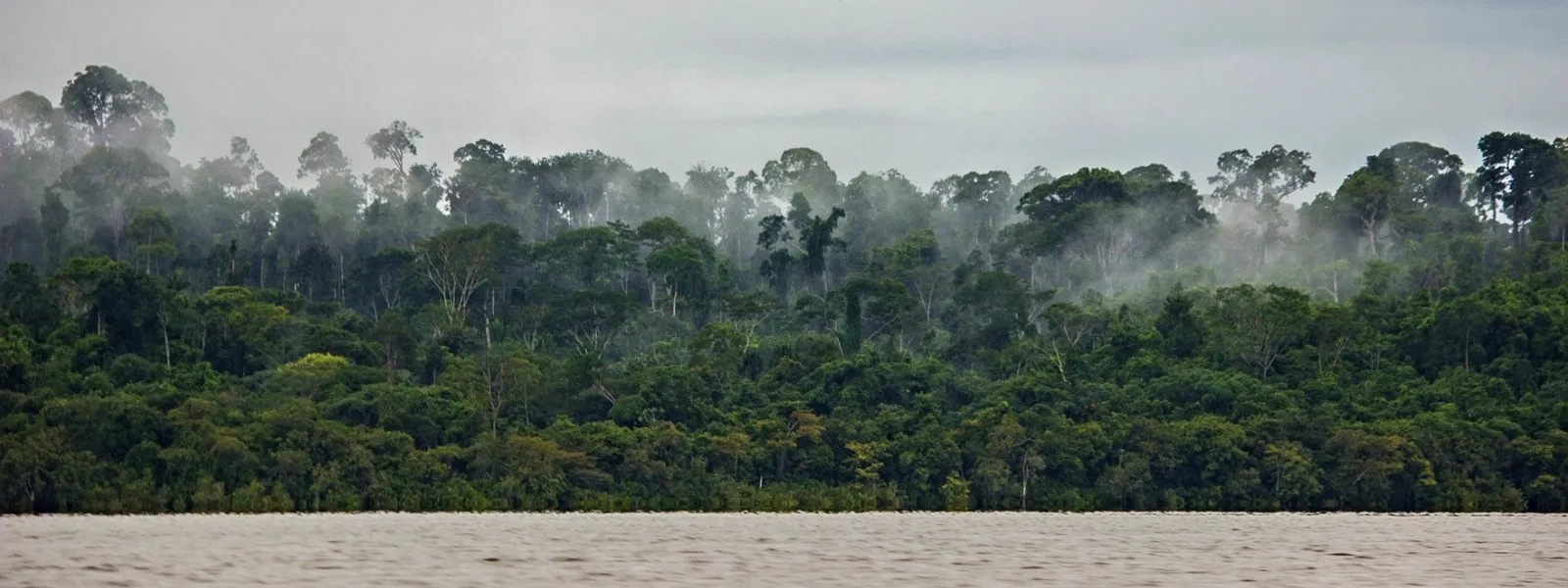
A usina hidrelétrica de Belo Monte causou um desastre ambiental e social no coração da Amazônia: um dos ecossistemas mais importantes do planeta.
Essa situação só piorou desde que a usina começou a operar em 2016. A busca por justiça e reparação para as comunidades indígenas e ribeirinhas afetadas continua até hoje.
Em 2011, a Comissão Interamericana de Direitos Humanos (CIDH) concedeu a essas comunidades medidas de proteção, que até hoje não foram totalmente implementadas pelo Estado brasileiro.
E, desde junho daquele mesmo ano, a CIDH mantém um processo contra o Estado por sua responsabilidade internacional no caso.
A CIDH pode encaminhar o caso à Corte Interamericana de Direitos Humanos, que tem o poder de emitir uma sentença condenatória contra o Estado brasileiro.
Consulta o expediente de fatos do caso
Após 10 anos de operação da usina hidrelétrica e mais de 15 anos de violações de direitos humanos documentadas, é hora da justiça ser feita para as comunidades afetadas.
Leia a carta aberta das organizações que levam o caso à CIDH
Leia nosso comunicado à imprensa
Contexto
A usina hidrelétrica de Belo Monte — a quarta maior do mundo em capacidade instalada (11.233 MW) — foi construída no rio Xingu, no estado do Pará, norte do Brasil.
Foi inaugurada em 5 de maio de 2016, com uma única turbina. Naquela época, 80% do curso do rio foi desviado e 516 km² de terra foram inundados, uma área maior que a cidade de Chicago. Desse total, 400 km² eram de mata nativa. A usina começou a operar em plena capacidade em novembro de 2019.
Belo Monte foi construída e é operada pelo consórcio Norte Energia S.A., composto principalmente por empresas estatais. Foi financiada pelo Banco Nacional de Desenvolvimento Econômico e Social (BNDES), que aportou ao consórcio 25,4 bilhões de reais (aproximadamente US$ 10,16 bilhões), o maior investimento de sua história. Portanto, o BNDES também é legalmente responsável pelos impactos socioambientais associados ao projeto hidrelétrico.
Décadas de danos ambientais e humanos
As violações dos direitos humanos e a degradação da Amazônia remontam ao início do projeto. Em março de 2011, a Norte Energia iniciou a construção da barragem sem consulta adequada e sem o consentimento prévio, livre e informado das comunidades afetadas.
A construção levou ao deslocamento forçado de mais de 40.000 pessoas, rompendo laços sociais e culturais. O plano de reassentamento em Altamira — cidade diretamente afetada pelo projeto hidrelétrico — incluía moradias na periferia da cidade, sem serviços públicos adequados, moradias dignas para as famílias reassentadas e moradias diferenciadas para aqueles pertencentes a comunidades indígenas.
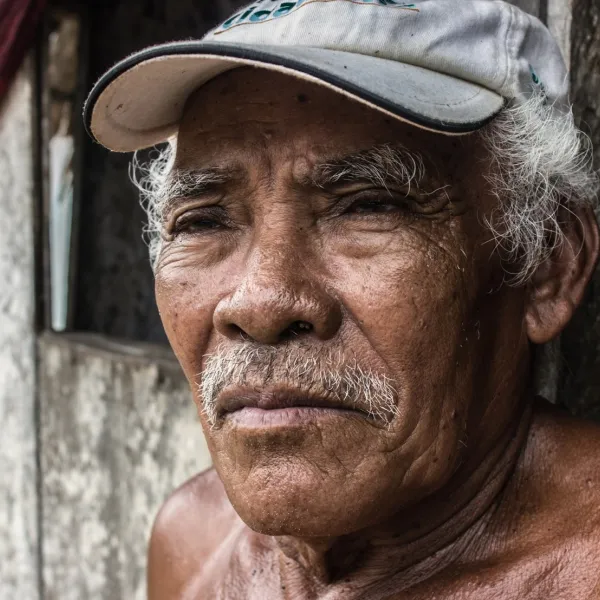
A operação da barragem de Belo Monte impôs uma seca permanente e artificial na Volta Grande do rio Xingu, agravada pelas secas históricas na Amazônia em 2023 e 2024. Como resultado, a morte de milhões de ovos de peixe foi documentada por quatro anos consecutivos (de 2021 a 2024) e, nos últimos três anos, não houve migração de peixes rio acima para desovar e se reproduzir. Assim, a pesca artesanal, principal fonte de proteína para os povos indígenas e comunidades ribeirinhas, foi severamente afetada: o consumo de peixe caiu de 50% para 30% do total de proteínas consumidas, sendo substituído por alimentos processados. Em suma, houve um colapso ambiental e humanitário que resultou no colapso da pesca como modo de vida tradicional, insegurança alimentar e falta de acesso à água potável para milhares de famílias, empobrecimento e doenças.
Além disso, a construção da barragem aumentou o desmatamento e intensificou a extração ilegal de madeira e a insegurança em terras indígenas e tribais, colocando em risco a sobrevivência dessas comunidades. Outra consequência foi o agravamento da pobreza e dos conflitos sociais, bem como a sobrecarga dos sistemas de saúde, educação e segurança pública em Altamira, cidade considerada a mais violenta do país em 2017, onde houve aumento do tráfico de pessoas e da violência sexual. Também foram registrados casos de violência contra defensores de direitos humanos envolvidos no caso.
Em 2025, durante a 30ª Conferência das Nações Unidas sobre Mudanças Climáticas (COP30), realizada no Brasil, o Ministério Público Federal classificou os danos causados por Belo Monte como ecocídio.
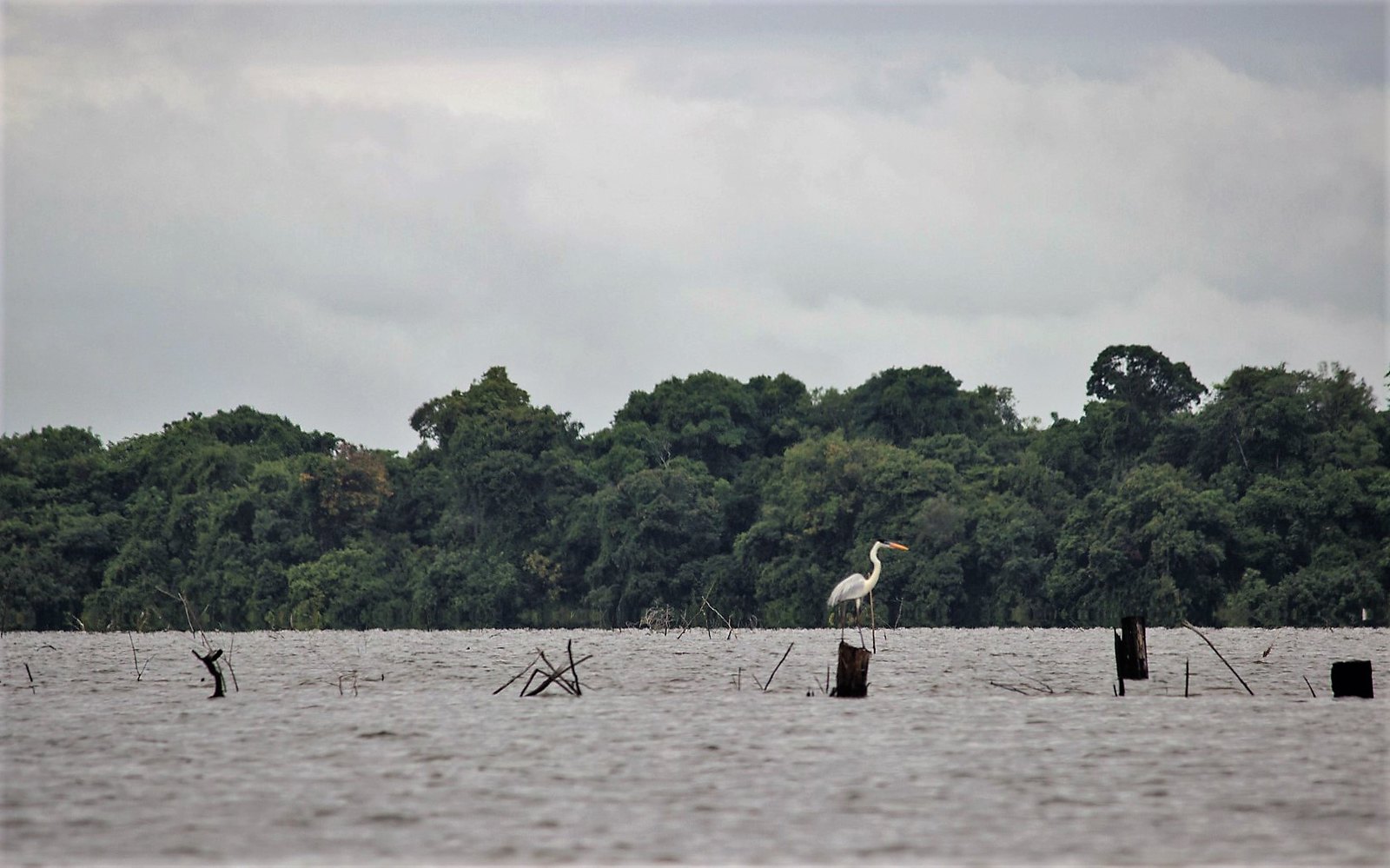
Foto: Amazon Watch / Maíra Irigaray.
A busca por justiça e reparação
Ao longo dos anos, o Ministério Público Federal do Pará, a Defensoria Pública e organizações da sociedade civil impetraram dezenas de ações judiciais em tribunais brasileiros para contestar as diversas irregularidades do projeto, bem como seus impactos. A maioria das ações permanece sem solução, algumas há mais de 10 anos.
Essas ações não obtiveram sucesso porque o governo federal tem reiteradamente anulado decisões favoráveis às comunidades afetadas, recorrendo a um mecanismo pelo qual o presidente do Supremo Tribunal Federal pode suspender uma decisão judicial com base unicamente em argumentos genéricos como "interesse nacional" ou "ordem econômica".
Diante da falta de respostas eficazes em nível nacional, a AIDA — juntamente com uma coalizão de organizações aliadas — levou o caso à Comissão Interamericana de Direitos Humanos (CIDH) e, em 2010, solicitou medidas cautelares para proteger a vida, a integridade e a saúde das comunidades indígenas afetadas.
Em 1º de abril de 2011, a CIDH concedeu essas medidas e solicitou ao Estado brasileiro a suspensão das licenças ambientais e de quaisquer obras de construção até que as condições relativas à consulta prévia e à proteção da saúde e integridade das comunidades fossem atendidas.
E, em 16 de junho de 2011, apresentamos uma denúncia formal à CIDH — juntamente com o Movimento Xingu Vivo Para Siempre, a Coordenação das Organizações Indígenas da Amazônia Brasileira, a Diocese de Altamira, o Conselho Missionário Indígena, a Sociedade Pará de Defesa dos Direitos Humanos e a Global Justice — contra o Estado brasileiro por sua responsabilidade internacional nas violações de direitos humanos contra os povos afetados neste caso. A denúncia foi apresentada em dezembro de 2015.
Em 3 de agosto de 2011, a CIDH modificou as medidas cautelares para solicitar — em vez da suspensão de licenças e obras — a proteção dos povos que vivem em isolamento voluntário, a saúde das comunidades indígenas e a regularização e proteção das terras ancestrais.
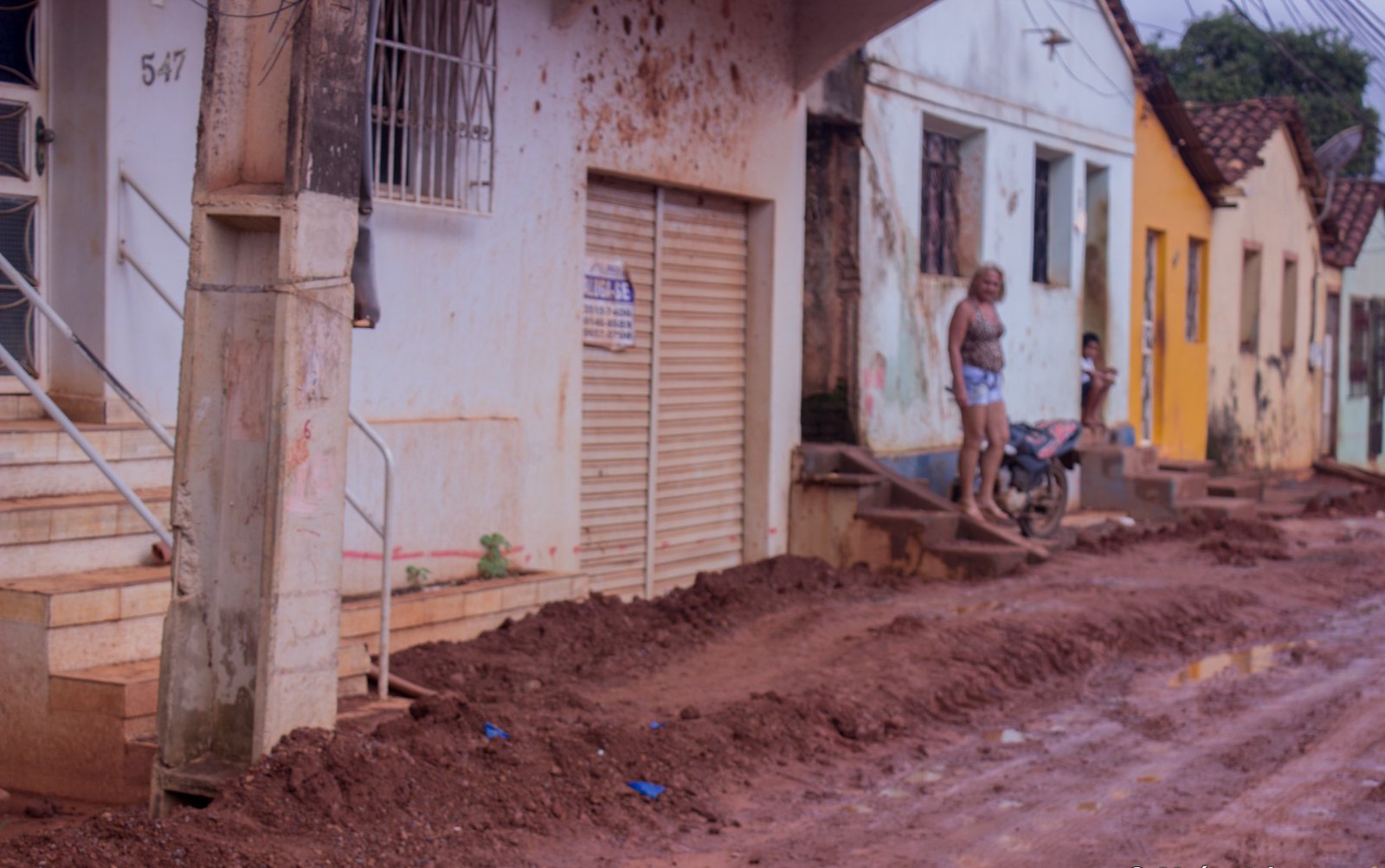
Foto: Amazon Watch / Maíra Irigaray.
Situação atual
As medidas de proteção concedidas pela CIDH permanecem em vigor, mas o Estado brasileiro não as cumpriu integralmente, relatando apenas ações genéricas. As comunidades documentaram as contínuas violações de seus direitos. A situação que motivou o pedido dessas medidas — o risco à vida, à segurança e aos meios de subsistência das comunidades — persiste e se agravou com a usina hidrelétrica operando em plena capacidade e com as recentes secas extremas na Amazônia.
Além do ocorrido em Belo Monte, existe o risco de maiores danos sociais e ambientais decorrentes da implementação de outro megaprojeto de mineração na Volta Grande do Xingu. Lá, a empresa canadense Belo Sun pretende construir a maior mina de ouro a céu aberto do Brasil.
Os impactos sinérgicos e cumulativos da usina e da mina não foram avaliados. O Estado excluiu povos indígenas, comunidades ribeirinhas e comunidades camponesas do processo de licenciamento ambiental do projeto. Apesar disso, dos protestos indígenas e de outras irregularidades em torno do projeto, o governo do estado do Pará autorizou formalmente a mina em abril de 2026.
Belo Monte, assim como outras usinas hidrelétricas, agrava a emergência climática ao gerar emissões de gases de efeito estufa em seu reservatório. Além disso, é ineficiente diante das secas prolongadas e intensas causadas pela crise, pois perde capacidade de geração de energia.
O caso perante a Comissão Interamericana
Em outubro de 2017, a CIDH anunciou que decidiria conjuntamente sobre a admissibilidade (se o caso preenche os requisitos para admissão) e o mérito (se houve, de fato, violação de direitos humanos) da denúncia internacional contra o Estado brasileiro.
Quinze anos após a apresentação da denúncia, as comunidades afetadas e as organizações que as representam ainda aguardam essa decisão. Caso a CIDH conclua que houve violações de direitos humanos e emita recomendações que o Estado brasileiro não cumpra, poderá encaminhar o caso à Corte Interamericana de Direitos Humanos, cujas decisões são vinculativas.
Uma possível decisão da Corte Internacional de Direitos Humanos neste caso estabeleceria um precedente jurídico regional em relação aos direitos dos povos indígenas e ribeirinhos, à participação pública em megaprojetos e à responsabilidade do Estado no contexto da crise climática. Isso é particularmente relevante à luz do Parecer Consultivo nº 32 da Corte, que reafirmou as obrigações dos Estados de proteger pessoas e comunidades em todo o continente da emergência climática.
Partners:
Related projects

Learn about the negotiations to reduce maritime shipping emissions
The decarbonization of productive and economic activities is essential and urgent to address the triple crisis –climate, pollution and biodiversity loss– that the world is facing.In maritime shipping –which moves 10 billion tons of cargo each year and accounts for 2.9% of global greenhouse gas (GHG) emissions, including carbon dioxide (CO2)– the global need to reduce and eventually eliminate these emissions is being addressed by the International Maritime Organization (IMO), the UN specialized agency responsible for setting standards for safe, efficient and environmentally sound shipping.The move toward decarbonization is critical because without significant change, shipping emissions could increase by as much as 50% by 2050.The IMO has a revised emissions reduction strategy that was agreed in 2023 by the 175 countries that make up the organization. It is expected to reduce emissions from the sector by up to 30% by 2030, 80% by 2040 and reach net zero by around 2050. Implementation of the strategy is currently the subject of international negotiations.AIDA is participating in these negotiations as part of the Clean Shipping Coalition, an international coalition of organizations. In addition, AIDA is coordinating efforts with Ocean Conservancy and Fundación Cethus to generate advocacy with Latin American countries and to collaborate with updated technical information on the progress of the negotiations and their implications for the region.The decarbonization of global shipping and its economic impact is a very important discussion for Latin America and the Caribbean. It is necessary that all countries and economic sectors align themselves with clear targets and that all impacts are assessed equally and fairly, as well as the ways in which countries can mitigate them. Read on to learn more about this important process. What measures are being discussed to reduce emissions from maritime shipping?Negotiations are underway at the international level to select the package of measures needed to meet the 2023 targets for reducing greenhouse gas emissions from shipping. This package will include both technical and economic measures. Its final structure will be decided in April this year at the IMO headquarters in London, marking a global milestone in the fight against the climate crisis.Technical measures include a global fuel standard, carbon capture on ships, energy efficiency measures for the fuels used, and reductions in ship speed. They all aim to make maritime transport as efficient as possible in terms of the fuels used and to gradually phase out the use of the most polluting fuels. This means using the least amount of energy, emitting the least amount of carbon dioxide and keeping the sector in operation.In addition to technical measures, economic measures are proposed to put a price on carbon emissions from maritime transport. Increasing the efficiency of ships is expected to have not only a technological component but also a market incentive. This combination is crucial for achieving emission reduction targets, as it will provide both the public and private sectors with the necessary resources:The economic resources to invest in the new technologies, new fuels, and other investments needed for the energy transition.An economic stimulus to close the current cost gap between fossil fuels and near-zero emission clean technologies. To define a price for carbon dioxide emissions, there are two main proposals:The first has a flexible structure with respect to emissions. In its simplest form, it takes account of differences in emissions when implementing the measure. To this end, a "permissible limit" of carbon dioxide emissions is envisaged, with ships being divided into those below and those above the limit. The former could receive a financial reward, and the latter would pay a fee for the carbon dioxide emitted under a system of emission quotas. In this sense, although there is a mechanism to regulate emissions below the set limit, the tolerance of these limits offers the possibility of an accelerated reduction, which could delay the energy transition that the climate crisis requires.The second has a universal structure, i.e. a fixed price for all CO2 emissions generated by the operation of the maritime fleet. The aim is to create a market stimulus that will increase the demand for new low-emission technologies (new ships and fuels) and encourage maritime operators to purchase them in order to avoid paying a fee. This measure is expected to provide more accurate monitoring of total emissions from ships, motivate a faster and more pronounced energy transition, and collect and then redistribute a significant number of economic resources among maritime operators and countries to mitigate the disproportionate costs and negative impacts of the decarbonization process. What does decarbonizing shipping mean for Latin America and the Caribbean?According to the United Nations Development Program (UNDP), Latin America and the Caribbean is one of the most vulnerable regions to climate change-related disasters, so actions aimed at achieving decarbonization targets in different sectors of the regional economy are essential to address the climate crisis.On the other hand, actions specifically aimed at decarbonizing maritime transport will have different impacts in the short, medium and long term in each of the countries of the continent. For example, the choice of one or the other proposal for the payment of a tariff for the sector's CO2 emissions - the flexible modality or the fixed price - will have a different impact in each country. What all scenarios have in common is that the region will be strongly affected by the process of decarbonizing maritime transport.In this context, it is important for countries to identify the scenarios that allow them a greater range of actions to compensate for these impacts and to ensure that the transition is equitable and fair, without leaving any country behind.In economic terms, the introduction of a universal price on CO2 emissions would allow States to receive part of the economic resources generated to compensate and mitigate the effects of decarbonization. The amounts and forms of this transfer of resources will be agreed within the IMO. The combination of more ambitious measures (technical and economic) is expected to raise up to $120 billion annually in the coming years. The flexible proposal for paying for emissions does not include mechanisms for redistributing resources, as these would go directly to ship operators and fuel producers. This would leave countries to mitigate the impact of decarbonization with their own resources.From an environmental perspective, without the incentive of a universal price, there is a risk that the flexible scheme will indirectly encourage the continued use of fuels that generate CO2 emissions, particularly in regions with limited economic resources to invest in the least polluting state-of-the-art technology. This would result in a delay in achieving emission reduction targets for the world's shipping fleet and would move countries away from meeting their climate change commitments under the IMO.In general, the costs of reducing CO2 emissions from shipping and other sectors, which are at the root of the current climate crisis, are a reality for all countries, although the impact varies by region. The active participation of Latin America and the Caribbean in the international discussions on this issue throughout 2025 is essential to ensure that the energy transition and the reduction of maritime emissions are fair and equitable. It is important that the countries of the continent adopt a position that allows them to protect their economic and environmental interests from the economic consequences of this process. If the IMO's decarbonization strategy does not live up to its ambitions, we will have a shipping industry that exacerbates the climate crisis and its impacts. The success of this strategy will be the achievement of a global consensus on environmental considerations. The equity and fairness of the transition must be one of the key elements. Recognizing the differentiated impacts of maritime decarbonization measures and their compensation, especially in the most affected countries, will ensure a triumph based on criteria of justice and environmental equity.
Read more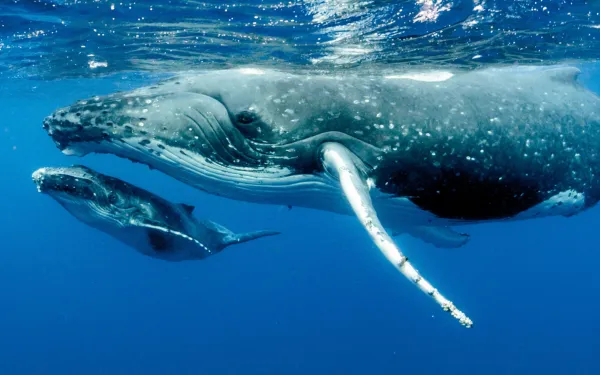
Cetaceans and salmon farming: Challenges for the conservation of marine biodiversity in Chilean Patagonia (executive summary)
In 2018, the environmental organizations Interamerican Association for Environmental Defense (AIDA), Greenpeace, and the NGO FIMA joined forces to confront the threat of the expansion of salmon farming in the southern waters of Chilean Patagonia. Since then, we have been actively working to expose and stop the impacts of intensive salmon production in pristine ecosystems, including special protected areas. In 2021, a scientific study of whale-ship interactions in Chilean Patagonia was published, including a video of a blue whale navigating a high-traffic area. According to the study, the world’s largest and most endangered mammal shares space with up to 870 vessels daily in Chilean Patagonia, one of its main feeding grounds. The study confirmed that 83% of the vessels were involved in the aquaculture industry.This finding shed light on a new facet of the environmental issues facing Chilean Patagonia, home to nearly 30% of the world’s cetacean species, including the endemic Chilean dolphin. This led us to commission a scientific report from a multidisciplinary team of experts to make the information publicly available. The results provided evidence of the impacts of salmon farming on cetaceans in Chilean Patagonia and highlighted the lack of studies and information needed to understand the magnitude and consequences of these impacts, as well as the true risk involved.In addition to complementing the efforts of civil society to demonstrate the urgency of halting the expansion of salmon farming in the country’s southern seas, we hope that this report will specifically draw attention to the real and potentially irreversible problem affecting these emblematic species. We also hope that the report’s recommendations will encourage the development of conservation measures for cetaceans, even in a context of insufficient knowledge, in accordance with the Precautionary Principle — recognized in the General Fisheries and Aquaculture Law, national legislation, and international law — which establishes the obligation to act in favor of environmental protection, even in the face of uncertainty. Finally, we hope that this report will motivate further research necessary to implement concrete and effective protective measures to make our waters a safe space for whales and dolphinsRead and download the executive summary
Read more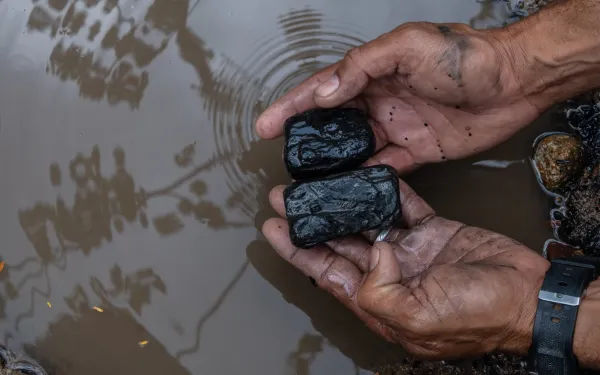
Colombia: Communities and workers win first court ruling on coal mine closure that protects their rights
The Interamerican Association for Environmental Defense (AIDA) celebrates the ruling of the Constitutional Court of Colombia, which recognizes the rights to due process and participation of communities and workers in the closure of coal mining projects in the department of Cesar. This ruling comes after years of insistence by these groups, who filed a tutela lawsuit. In this case, AIDA contributed with a legal brief that includes the analysis it has conducted on the issue of closure and responsible exit in Latin America, from the perspective of the right to a healthy environment and other human rights.Below, we share the statement of the communities and workers on the occasion of the ruling.The Constitutional Court of Colombia issued the first ruling on mine closures in the country (T-029 of 2025). It guaranteed due process and, consequently, the effective participation of the communities and unions representing more than 20,000 people in the more than four municipalities affected by the environmental, social and economic impacts of the first irregular abandonment and closure of large-scale coal mines in Colombia.We, a group of affected communities and dismissed workers from Cesar and Magdalena, have led a legal action for more than four years to ensure a public dialogue through a large consultation table where the communities, dismissed workers, local authorities and the affected citizens in general of the mining municipalities of La Jagua, El Paso, Becerril and Ciénaga can know and participate in the definition of compensation and restoration measures that the multinational Glencore - Prodeco must carry out in these municipalities as part of its mining abandonment and closure plan, which is in the process of being approved by the National Environmental Licensing Authority (ANLA).In this ruling, the court determined that the Seventh Administrative Court of Valledupar violated the fundamental right to due process by considering that the multinational company had complied with this participation process with a SINGLE socialization meeting held in November 2022 in these municipalities, which is clearly insufficient and does not comply with what was agreed in the minutes of the meeting, where the commitment of the parties was to convene the GREAT TABLE OF DIALOGUE AND CONCERTATION in the presence of the affected population of these four municipalities.The court ordered to initiate again the opening of the contempt proceeding against the legal representative of Grupo Empresarial PRODECO S.A. and to review the compliance with the judgment and the agreement contained in these minutes.We, as communities and unions of the mining corridor, supported by national and international civil society organizations, and represented in court by attorney Rocío Torres Bobadilla, consider that this public roundtable may be the last opportunity for us to make a balance of what has happened in our territories after 25 years of exploitation and achieve measures for Glencore to compensate and restore all the impacts caused.Therefore:We invite Glencore - Prodeco to a constructive dialogue, to avoid evasive maneuvers and to respect the importance of this judicial decision.We request the Colombian State, headed by the ANLA, the DEFENSORIA and the PROCURADURÍA to accompany us in this process, support this judicial decision and strengthen our protection measures to guarantee our safety as leaders in this process to comply with this ruling.We request national and international organizations to continue supporting us to guarantee a real and effective participation and that this GREAT CONCERTATION TABLE is fulfilled. Finally, we ask the entire population of the country and especially of the municipalities of La Jagua, Becerril, El Paso and Ciénaga to accompany us, support us and join us in a great process to DEFEND THIS JUDICIAL DECISION which is HISTORIC for our territory in order to restore and compensate the serious environmental and social impacts caused by the irregular mining closure and to find measures to address the great poverty and unemployment we are experiencing.Join us to be heard, to heal our territories and to recover our economy.Signed byJunta de acción comunal de BoquerónConsejo Comunitario Afrodescendiente Coafrovis de la Victoria de San IsidroRed de Mujeres del Municipio del Paso Asamblea Campesina del Cesar por la Restitución y el Buen Vivir Asociación de Usuarios Campesinos (ANUC) el Paso Sindicato Nacional de Trabajadores del Carbón (Sintracarbón) Sindicato Nacional de los Trabajadores de la Industria Minero-Energética (Sintraminergetica) Sindicato Nacional de los Trabajadores Mineros Asociación del Reguardo Sokorhpa del Pueblo Indígena Yukpa Consejo Comunitario Caño Candela de Becerril Junta de Acción Comunal del Barrio Don Jaca en Santa Marta Corregimiento de Cordobita en Ciénaga (Madgalena) Vereda el Hatillo Representante Junta de Acción Comunal Sororia de la Jagua de Ibirico Centro de Estudios para la Justicia Social Tierra Digna Rocío Torres Bobadilla- environmental rights defender National and international organizations and defenders that SUPPORT US:Universidad del Magdalena Universidad del Magdalena Clínica Jurídica Interamerican Association for Environmental Defense (AIDA)London Mining Network PAX Holanda PAX Colombia CNV InternationaalSolifonds Multiwatch ASK Switzerland-Colombia Working GroupUrgewald Polen –Transiciones JustasAna Catalina Herrara - labor rights defenderÁngela Velandia Cruz – human rights defender
Read more