
Project
Amazon Watch / Maíra Irigaray
Barragem de Belo Monte no rio Xingu: 10 anos de impactos na Amazônia e de busca por reparações
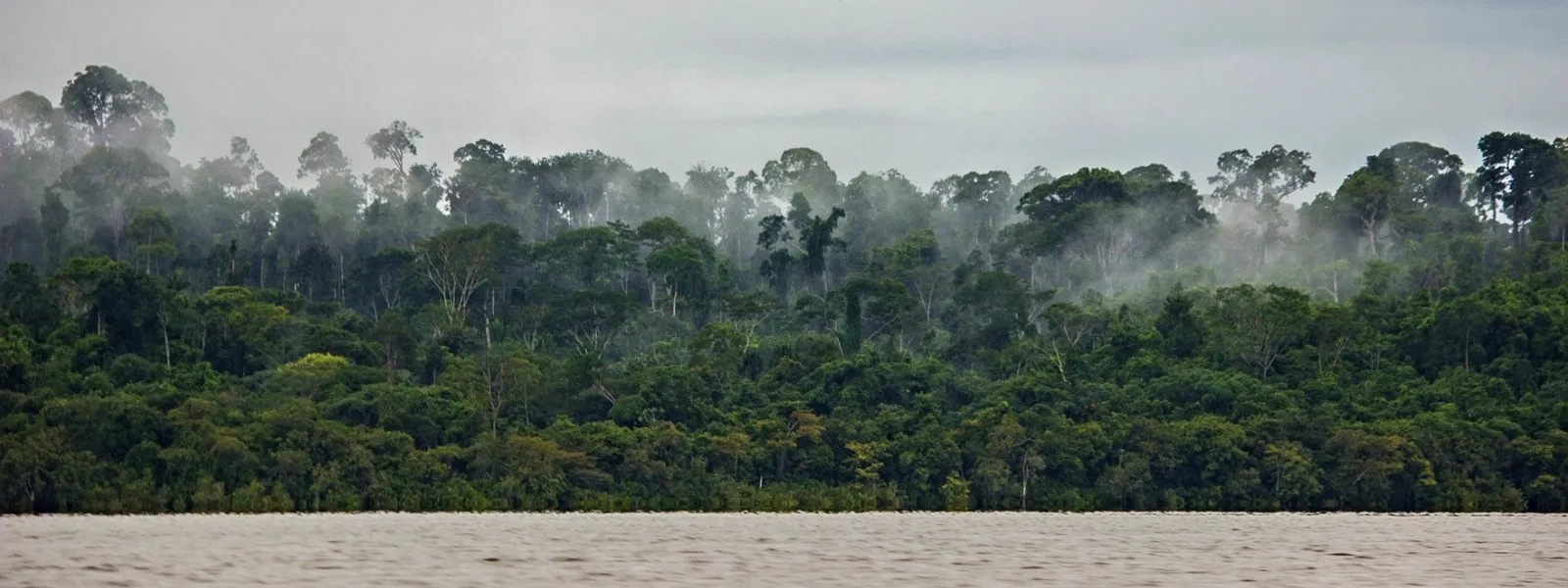
A usina hidrelétrica de Belo Monte causou um desastre ambiental e social no coração da Amazônia: um dos ecossistemas mais importantes do planeta.
Essa situação só piorou desde que a usina começou a operar em 2016. A busca por justiça e reparação para as comunidades indígenas e ribeirinhas afetadas continua até hoje.
Em 2011, a Comissão Interamericana de Direitos Humanos (CIDH) concedeu a essas comunidades medidas de proteção, que até hoje não foram totalmente implementadas pelo Estado brasileiro.
E, desde junho daquele mesmo ano, a CIDH mantém um processo contra o Estado por sua responsabilidade internacional no caso.
A CIDH pode encaminhar o caso à Corte Interamericana de Direitos Humanos, que tem o poder de emitir uma sentença condenatória contra o Estado brasileiro.
Consulta o expediente de fatos do caso
Após 10 anos de operação da usina hidrelétrica e mais de 15 anos de violações de direitos humanos documentadas, é hora da justiça ser feita para as comunidades afetadas.
Leia a carta aberta das organizações que levam o caso à CIDH
Leia nosso comunicado à imprensa
Contexto
A usina hidrelétrica de Belo Monte — a quarta maior do mundo em capacidade instalada (11.233 MW) — foi construída no rio Xingu, no estado do Pará, norte do Brasil.
Foi inaugurada em 5 de maio de 2016, com uma única turbina. Naquela época, 80% do curso do rio foi desviado e 516 km² de terra foram inundados, uma área maior que a cidade de Chicago. Desse total, 400 km² eram de mata nativa. A usina começou a operar em plena capacidade em novembro de 2019.
Belo Monte foi construída e é operada pelo consórcio Norte Energia S.A., composto principalmente por empresas estatais. Foi financiada pelo Banco Nacional de Desenvolvimento Econômico e Social (BNDES), que aportou ao consórcio 25,4 bilhões de reais (aproximadamente US$ 10,16 bilhões), o maior investimento de sua história. Portanto, o BNDES também é legalmente responsável pelos impactos socioambientais associados ao projeto hidrelétrico.
Décadas de danos ambientais e humanos
As violações dos direitos humanos e a degradação da Amazônia remontam ao início do projeto. Em março de 2011, a Norte Energia iniciou a construção da barragem sem consulta adequada e sem o consentimento prévio, livre e informado das comunidades afetadas.
A construção levou ao deslocamento forçado de mais de 40.000 pessoas, rompendo laços sociais e culturais. O plano de reassentamento em Altamira — cidade diretamente afetada pelo projeto hidrelétrico — incluía moradias na periferia da cidade, sem serviços públicos adequados, moradias dignas para as famílias reassentadas e moradias diferenciadas para aqueles pertencentes a comunidades indígenas.
A operação da barragem de Belo Monte impôs uma seca permanente e artificial na Volta Grande do rio Xingu, agravada pelas secas históricas na Amazônia em 2023 e 2024. Como resultado, a morte de milhões de ovos de peixe foi documentada por quatro anos consecutivos (de 2021 a 2024) e, nos últimos três anos, não houve migração de peixes rio acima para desovar e se reproduzir. Assim, a pesca artesanal, principal fonte de proteína para os povos indígenas e comunidades ribeirinhas, foi severamente afetada: o consumo de peixe caiu de 50% para 30% do total de proteínas consumidas, sendo substituído por alimentos processados. Em suma, houve um colapso ambiental e humanitário que resultou no colapso da pesca como modo de vida tradicional, insegurança alimentar e falta de acesso à água potável para milhares de famílias, empobrecimento e doenças.
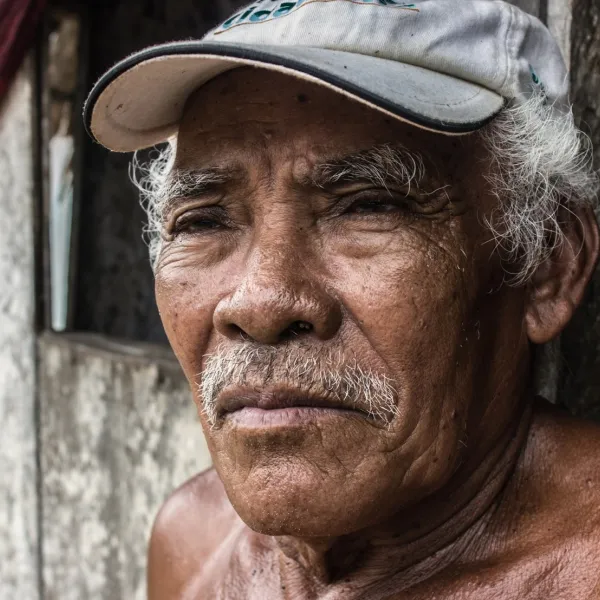
Além disso, a construção da barragem aumentou o desmatamento e intensificou a extração ilegal de madeira e a insegurança em terras indígenas e tribais, colocando em risco a sobrevivência dessas comunidades. Outra consequência foi o agravamento da pobreza e dos conflitos sociais, bem como a sobrecarga dos sistemas de saúde, educação e segurança pública em Altamira, cidade considerada a mais violenta do país em 2017, onde houve aumento do tráfico de pessoas e da violência sexual. Também foram registrados casos de violência contra defensores de direitos humanos envolvidos no caso.
Em 2025, durante a 30ª Conferência das Nações Unidas sobre Mudanças Climáticas (COP30), realizada no Brasil, o Ministério Público Federal classificou os danos causados por Belo Monte como ecocídio.
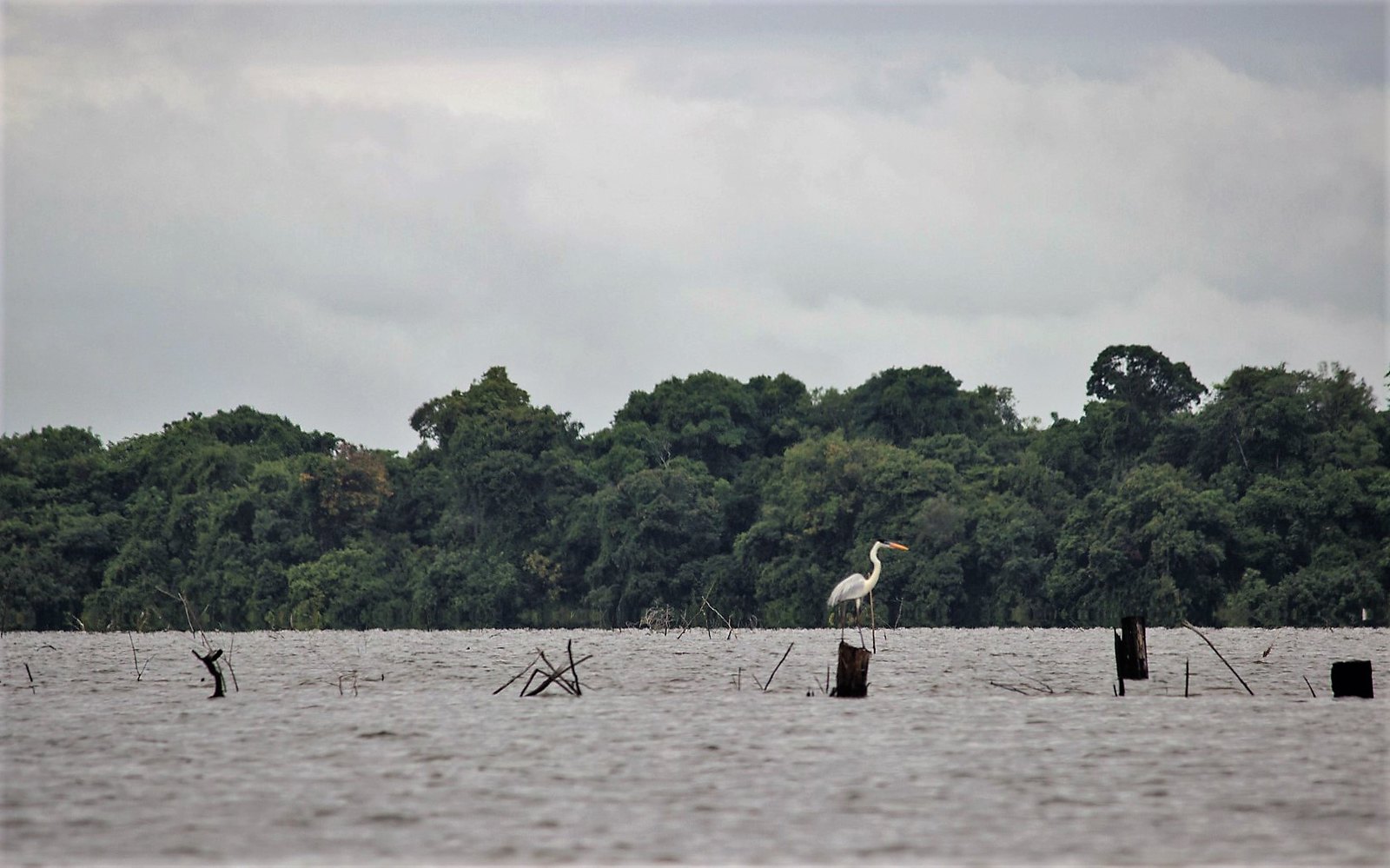
Foto: Amazon Watch / Maíra Irigaray.
A busca por justiça e reparação
Ao longo dos anos, o Ministério Público Federal do Pará, a Defensoria Pública e organizações da sociedade civil impetraram dezenas de ações judiciais em tribunais brasileiros para contestar as diversas irregularidades do projeto, bem como seus impactos. A maioria das ações permanece sem solução, algumas há mais de 10 anos.
Essas ações não obtiveram sucesso porque o governo federal tem reiteradamente anulado decisões favoráveis às comunidades afetadas, recorrendo a um mecanismo pelo qual o presidente do Supremo Tribunal Federal pode suspender uma decisão judicial com base unicamente em argumentos genéricos como "interesse nacional" ou "ordem econômica".
Diante da falta de respostas eficazes em nível nacional, a AIDA — juntamente com uma coalizão de organizações aliadas — levou o caso à Comissão Interamericana de Direitos Humanos (CIDH) e, em 2010, solicitou medidas cautelares para proteger a vida, a integridade e a saúde das comunidades indígenas afetadas.
Em 1º de abril de 2011, a CIDH concedeu essas medidas e solicitou ao Estado brasileiro a suspensão das licenças ambientais e de quaisquer obras de construção até que as condições relativas à consulta prévia e à proteção da saúde e integridade das comunidades fossem atendidas.
E, em 16 de junho de 2011, apresentamos uma denúncia formal à CIDH — juntamente com o Movimento Xingu Vivo Para Siempre, a Coordenação das Organizações Indígenas da Amazônia Brasileira, a Diocese de Altamira, o Conselho Missionário Indígena, a Sociedade Pará de Defesa dos Direitos Humanos e a Global Justice — contra o Estado brasileiro por sua responsabilidade internacional nas violações de direitos humanos contra os povos afetados neste caso. A denúncia foi apresentada em dezembro de 2015.
Em 3 de agosto de 2011, a CIDH modificou as medidas cautelares para solicitar — em vez da suspensão de licenças e obras — a proteção dos povos que vivem em isolamento voluntário, a saúde das comunidades indígenas e a regularização e proteção das terras ancestrais.
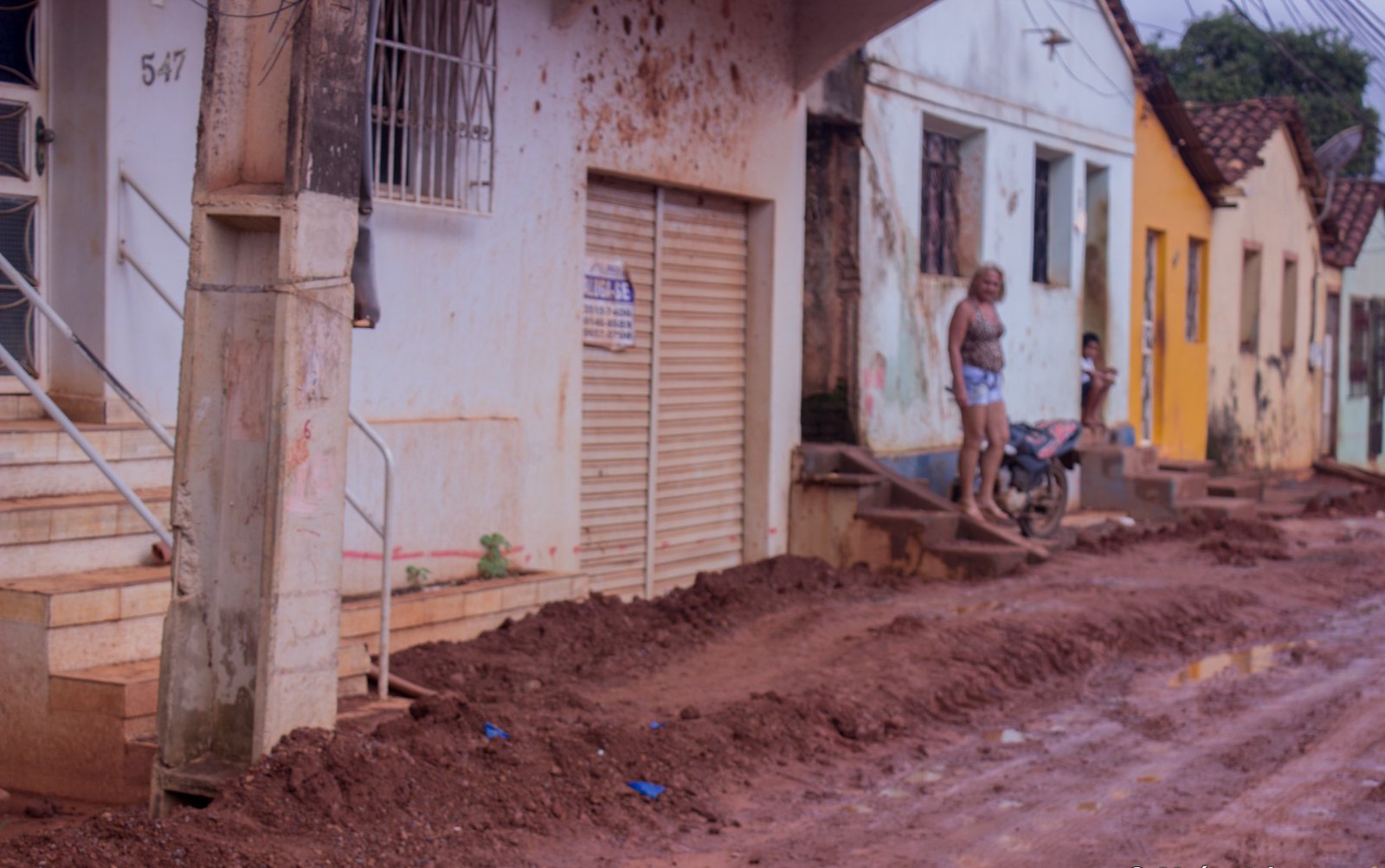
Foto: Amazon Watch / Maíra Irigaray.
Situação atual
As medidas de proteção concedidas pela CIDH permanecem em vigor, mas o Estado brasileiro não as cumpriu integralmente, relatando apenas ações genéricas. As comunidades documentaram as contínuas violações de seus direitos. A situação que motivou o pedido dessas medidas — o risco à vida, à segurança e aos meios de subsistência das comunidades — persiste e se agravou com a usina hidrelétrica operando em plena capacidade e com as recentes secas extremas na Amazônia.
Além do ocorrido em Belo Monte, existe o risco de maiores danos sociais e ambientais decorrentes da implementação de outro megaprojeto de mineração na Volta Grande do Xingu. Lá, a empresa canadense Belo Sun pretende construir a maior mina de ouro a céu aberto do Brasil.
Os impactos sinérgicos e cumulativos da usina e da mina não foram avaliados. O Estado excluiu povos indígenas, comunidades ribeirinhas e comunidades camponesas do processo de licenciamento ambiental do projeto. Apesar disso, dos protestos indígenas e de outras irregularidades em torno do projeto, o governo do estado do Pará autorizou formalmente a mina em abril de 2026.
Belo Monte, assim como outras usinas hidrelétricas, agrava a emergência climática ao gerar emissões de gases de efeito estufa em seu reservatório. Além disso, é ineficiente diante das secas prolongadas e intensas causadas pela crise, pois perde capacidade de geração de energia.
O caso perante a Comissão Interamericana
Em outubro de 2017, a CIDH anunciou que decidiria conjuntamente sobre a admissibilidade (se o caso preenche os requisitos para admissão) e o mérito (se houve, de fato, violação de direitos humanos) da denúncia internacional contra o Estado brasileiro.
Quinze anos após a apresentação da denúncia, as comunidades afetadas e as organizações que as representam ainda aguardam essa decisão. Caso a CIDH conclua que houve violações de direitos humanos e emita recomendações que o Estado brasileiro não cumpra, poderá encaminhar o caso à Corte Interamericana de Direitos Humanos, cujas decisões são vinculativas.
Uma possível decisão da Corte Internacional de Direitos Humanos neste caso estabeleceria um precedente jurídico regional em relação aos direitos dos povos indígenas e ribeirinhos, à participação pública em megaprojetos e à responsabilidade do Estado no contexto da crise climática. Isso é particularmente relevante à luz do Parecer Consultivo nº 32 da Corte, que reafirmou as obrigações dos Estados de proteger pessoas e comunidades em todo o continente da emergência climática.
Partners:
Related projects

Landmark Inter-American Court Decision Requires States to Protect Human Rights in the Face of the Climate Crisis
In a groundbreaking advisory opinion issued today, the Inter-American Court of Human Rights clarifies the obligations of States to effectively protect people and communities from the harmful impacts of the climate crisis. The decision sets a powerful precedent for climate justice and offers critical guidance to national and international courts worldwide.San José, Costa Rica. In its Advisory Opinion No. 32, the Inter-American Court of Human Rights has taken a historic step toward strengthening global climate accountability. The Court sets a powerful precedent by establishing legal standards that States across the continent must meet to protect human rights in the face of the climate crisis. This landmark ruling is expected to drive a new wave of strategic climate litigation, enabling affected people and communities to access justice.“The Court’s decision marks a watershed moment for climate justice in Latin America and around the world, as it is the first time a regional human rights tribunal has clearly spelled out States’ legal obligations in response to the climate crisis,” said Gladys Martínez, Executive Director of the Interamerican Association for Environmental Defense (AIDA). “We welcome this significant step forward — one that will not only help protect communities and individuals, but also guide national and international courts, including the International Court of Justice, which is now developing its own opinion on this critical issue.”The Court recognized, for the first time, the existence of an autonomous human right to a healthy climate, derived from the right to a healthy environment. In light of Advisory Opinion No. 32, States across the region now have legal obligations to address the climate crisis as a human rights issue, in accordance with their domestic laws and applicable treaties and agreements, including:Guaranteeing a climate system free from dangerous anthropogenic interference, as a precondition for the exercise of other human rights.Respecting the principle of intergenerational equity, by ensuring that current generations leave behind conditions of environmental stability that allow future generations similar opportunities for development.Regulating, supervising, and overseeing, as well as requiring and approving environmental impact assessments, to fulfill their duty to mitigate greenhouse gas (GHG) emissions.Defining a mitigation goal; developing and maintaining an up-to-date mitigation strategy grounded in human rights; and strictly monitoring and supervising public and private GHG-emitting activities.Ensuring an equitable distribution of the burdens of climate action and climate impacts, avoiding the imposition of disproportionate burdens—this includes the fair allocation of the costs associated with the energy transition. In addition, the Court recognized in its opinion that local, traditional, and Indigenous knowledge is protected under Inter-American treaties and constitutes an integral part of the concept of the best available science—opening a new path for the enforceability and inclusion of these knowledge systems in responses to the climate emergency.“This decision by the Inter-American Court ushers in a new era for climate negotiations and litigation by providing individuals, communities, and civil society organizations with a clearer and more robust legal framework,” said Liliana Ávila, Director of the Human Rights and Environment Program at AIDA. “It empowers people to hold States accountable – both in climate negotiations and courtrooms – and to push for the structural changes needed to confront the climate crisis. This includes meeting their obligations on mitigation, adaptation, and addressing loss and damage, all while upholding fundamental human rights.”The Court’s decision responds to a request submitted in January 2023 by the governments of Colombia and Chile. In their petition, the two States emphasized that their populations — along with those of other countries across the Americas — are already experiencing severe impacts from the global climate crisis, including droughts, floods, wildfires, and other extreme events. They called on the Court to clarify how the American Convention on Human Rights should be interpreted in the context of the climate emergency, its root causes, and its wide-ranging consequences.“This decision serves as a binding interpretive tool for States in the region, opening new legal pathways to hold governments accountable for protecting human rights,” said Marcella Ribeiro, Senior Attorney at AIDA. “States must now align their domestic policies to meet the legal standards set by the Court — including, among other things, properly regulating corporate activity in the context of the climate crisis and ensuring a stable climate for future generations.”From the outset of the process, AIDA played a proactive role. The organization supported various communities across the region in ensuring their voices were heard by the Inter-American Court, submitting legal briefs that highlighted the socio-environmental impacts of the climate emergency on Indigenous peoples, women, children, people of diverse sexual orientations and gender identities, and on particularly fragile ecosystems such as coral reefs. AIDA also facilitated the participation of community representatives in the public hearings held as part of the process, which took place in Barbados and Brazil in April and May 2024, respectively.AIDA additionally submitted its own legal brief to the Court, arguing that the right to a “stable and safe climate” should be recognized as part of the universal right to a healthy environment – underscoring States’ obligations to prevent and mitigate the harmful effects of the climate emergency on their populations.The process saw the submission of more than 200 written observations — an unprecedented number for an Advisory Opinion of the Inter-American Court — reflecting the region’s strong engagement with the issue. Advisory Opinions play a vital role in shaping human rights law by clarifying how existing rights should be interpreted, thereby guiding States in how to uphold and enforce them within their territories or jurisdictions.Advisory Opinion No. 32 builds upon and reinforces earlier rulings, including the 2024 advisory opinion from the International Tribunal for the Law of the Sea, which clarified States’ obligations to protect the marine environment from the climate crisis. It also complements the forthcoming opinion from the International Court of Justice – the UN’s highest judicial body – which will define States’ responsibilities in the face of the global climate emergency.In a global context that demands ever-stronger climate action, the Inter-American Court’s decision reaffirms that governments must act based on binding legal obligations — not merely voluntary commitments. This legal milestone provides people and communities across the region a powerful foundation from which to demand real action and the full protection of their rights in a safe, just, and sustainable climate. Press contact:Víctor Quintanilla, [email protected], +52 5570522107
Read more
Media Advisory: Inter-American Court Decision on Climate and Human Rights Approaching
Expected Release: Early July 2025The Inter-American Court of Human Rights is expected to release a historic Advisory Opinion in early July, clarifying how states must uphold human rights in the context of the climate crisis.This legal milestone follows public hearings where frontline communities, Indigenous leaders, and civil society organizations shared powerful testimony on the real-world impacts of environmental degradation and government inaction. The Court’s decision will have far-reaching implications for climate policy, state accountability, and the protection of environmental defenders across the Americas.From the beginning of the process, AIDA assumed a proactive role, promoting the involvement of communities affected by the climate crisis in Latin America. We supported a diverse array of amicus briefs and community testimonies before the Court in public hearings and presented our own amicus brief arguing that the right to a “stable and safe climate” should be recognized as part of the universal right to a healthy environment.Spokespeople Available for Media Interviews:Legal Experts & Organizational LeadersMarcella RibeiroSenior Attorney, AIDALanguages: Portuguese (native), Spanish, English Expertise: Community participation, just transition, climate reparationsBased in: Brazil Available for: Interviews and background briefingsLiliana ÁvilaProgram Director, AIDA Languages: Spanish (native), EnglishExpertise: Human rights law, climate litigation, regional legal mechanismsBased in: ColombiaAvailable for: Interviews and background briefingsFrontline Community VoicesWe can coordinate interviews with several key members of frontline communities who testified directly before the Court during the public hearings.These spokepeople bring a vital human and territorial perspective to the legal decision and are available for media conversations in Spanish and local language, with interpretation support as needed. Background Materials:AIDA's amicus brief on the right to a safe and stable climate.Civil society contributions from around Latin America, on the Climate Litigation Platform for Latin America & the Caribbean.Frontline community interviews from the Manaus public hearing.The Manaus Declaration signed by nearly 400 people and organizations from across the continent.AIDA's background ABC on the Advisory Opinion process. Media Contacts:Victor QuintanillaMedia Coordinator, AIDA 📧 [email protected]📱 +52 55 7052 2107Lorena ZáratePositioning Coordinator, AIDA 📧 [email protected]📱 +52 55 7052 2107
Read more
International Ocean Conference ends with High Seas Treaty on verge of entry into force
Nice, France. The 3rd UN Ocean Conference is ending today with a historic step towards ensuring greater High Seas protection. With 19 additional countries depositing their ratifications, the total number of that count toward the High Seas Treaty’s entry into force has now reached 50. Only 10 more are needed to cross the critical 60-country threshold that would trigger the Treaty’s coming into effect.Several countries have already indicated their intent to deposit their ratification instruments at the UN very soon. There is no obligation for them to wait for the UNGA meeting in September, which could mean the Treaty’s entry into force could be activated in the coming weeks."The journey towards a high seas treaty has been nearly as long as the great migrations of whales, sharks and turtles but the wave of new ratifications at the UN Ocean Conference shows we are in the final straight," said Matthew Collis, Senior Director of Policy at the International Fund for Animal Welfare.In addition to the boost in ratifications, the number of countries signing the Treaty also surged. An extra 20 countries added their signatures during the week, bringing the total number to 136. This is an encouraging sign, as widespread ratification will be crucial to ensuring the Treaty’s full effectiveness.Rebecca Hubbard, Director of the High Seas Alliance, emphasized the urgency to maintain momentum: "We must keep our foot on the #RaceForRatification accelerator. The Treaty’s power lies in the number of countries that join, so while we celebrate this incredible progress, we urge all remaining nations to ratify without delay and help drive this Treaty past the first 60 to make it a truly global force for ocean protection."Around 60 heads of state and government attended the meeting reflecting a significant high level attention for the plight of the ocean. The momentum on High Seas Treaty ratification showed what is possible when the world comes together with urgency and purpose.“This is a landmark moment to safeguard the ocean as our greater common good, an opportunity to achieve equity and justice for all nations, and to empower regions, such as Latin America, in defining actions that can shape a fair and sustainable future for all,” said María José González-Bernat, Co-Director of Ecosystems Program of the Interamerican Association for Environmental Defense (AIDA).Attention is now also turning to how the Treaty will be implemented once it enters into force. Several major announcements were made earlier in the week including the re-launch of the High Ambition Coalition for BBNJ and the €10 million that has been made available through the EU’s €40 million Global Ocean Programme to provide technical assistance to developing countries for both ratification and implementation. Private philanthropy also stepped up with the Minderoo Foundation pledging an additional USD6.5 million to support High Seas protection, and funding was confirmed to support a secretariat for the First Movers initiative, which will help advance early proposals for High Seas marine protected areas.Focus is intensifying on building strong bodies and processes under the Treaty to ensure it functions effectively as well as identifying critical High Seas sites for protection once the Treaty is operational through an ongoing Preparatory Commission process at the UN. Efforts to build the case for High Seas MPA proposals submissions under the Treaty were also showcased at the Conference, profiling a number of areas including the Salas y Gomez and Nazca Ridges, the Lord Howe Rise and South Tasman Sea, the West Indian Ocean Sub-Antarctic and the Thermal Dome in the Eastern Pacific.“While the Race to Ratification will soon come to an end, the hard work to fully implement the treaty is just about to begin. Protecting and sustainably managing the High Seas – 50% of the planet – cannot come soon enough. The inclusion of Indigenous and local knowledge systems in the BBNJ Treaty sets new ocean governance foundations for how and for whom this treaty is implemented,” said Ernesto Fernández Monge, International Oceans Director at Oceans North.Notes to editorAs of Friday 13 June at 1400CET,19 additional instruments of ratification were deposited by countries at the UN during the conference and 20 more countries signed the Treaty, signaling their intent to ratify.Additional countries that ratified during UNOC: Albania, Bahamas, Belgium, Croatia, Côte d’Ivoire, Denmark, Fiji, Malta, Mauritania, Vanuatu, Greece, Guinea-Bissau, Indonesia, Jamaica, Jordan, Liberia, Solomon Islands, Tuvalu, VietnamThe European Union has also deposited its instrument of ratification on 28 May 2025. However, as a regional economic integration organization, its ratification does not count toward the total, only ratifications by its individual member states.Additional countries that signed during UNOC: Andorra, Armenia, Burundi, Cambodia, Equatorial Guinea, Guinea, Guinea Bissau, Jordan, Lebanon, Lesotho, Montenegro, Niue, North Macedonia, Papua New Guinea, Peru, Senegal Serbia, South Africa, Saint Kitts and Nevis, YemenThe High Seas Treaty is formally titled the Agreement under the United Nations Convention on the Law of the Sea on the Conservation and Sustainable Use of Marine Biological Diversity of Areas Beyond National Jurisdiction (BBNJ Agreement).The High Seas Alliance (HSA) sometimes uses the term “High Seas Treaty“ as a short-hand for the BBNJ Agreement. HSA acknowledges that the scope of the BBNJ Agreement encompasses all Areas beyond national jurisdiction, including the seafloor and water column. This choice of wording is intended to ease understanding for broad audiences and does not convey a prioritization among the components or principles of the BBNJ Agreement.The official status of signatures and ratifications can be found on the UN website and the High Seas Alliance’s ratification tracker. Note: The number shown on the High Seas Alliance tracker reflects only the ratifications that count toward entry into force and does not include the EU’s ratification and therefore differs from the UN’s total count.The Treaty enters into force 120 days after the 60th instrument of ratification has been deposited at the UN.For more information on the BBNJ High Ambition Coalition.For more information on the EU’s Global Ocean Programme.A series of Preparatory Commission (PrepCom) sessions are happening at the UN to agree on the different institutions and processes that will sit under the Treaty. The first of these sessions happened in April 2025, the second one will be from 18-29 August 2025, and a third one is likely to take place in early 2026. The way these institutions are structured and how they function will shape the Treaty’s long-term effectiveness and determine how quickly global ambition can be translated into tangible results for ocean protection, including the establishment of High Seas marine protected areas.Members quotes-RISE UP: "The wave of High Seas Treaty ratifications at UNOC 3 marks a powerful step toward a thriving ocean future, bringing us closer to protecting our shared ocean heritage. Implementation must be driven not only by science and policy, but also by the leadership and wisdom of Indigenous Peoples and traditional knowledge holders. This is ocean justice in action." – Flora McMorrin, Director, RISE UP.-The Ocean Race: "We at The Ocean Race are thrilled to become a Friend of the High Seas Alliance, recognizing the vital alignment in our joint race for the Ocean. We look forward to collaborating to help the implementation of the High Seas Treaty, working towards the 30x30 target and amplifying critical campaigns for ocean health.” - Richard Brisius, Race Chairman, The Ocean Race.-Accountability.Fish: "A great watershed in the history of sustainable ocean governance. With sufficient support for getting the BBNJ implemented on short notice, Nice has proved a boost for the international commitment with saving biodiversity on the High Seas." - Steven Adolf, Senior Advisor for Accountability.Fish.-AIDA: "The entry into force and the implementation of the BBNJ Agreement is a landmark moment to safeguard the ocean as our greater common good, an opportunity to achieve equity and justice for all nations, and to empower regions, such as Latin America, in defining actions that can shape a fair and sustainable future for all." - María José González-Bernat, Co-Director of Ecosystems Program of AIDA. -Birdlife International: "As a member of the High Seas Alliance, BirdLife International stands ready to provide the science, tools and global-to-local action to build a strong High Seas treaty. Here at UNOC, we now commit to identify the most important areas across 100% of ocean flyways until 2030. This is a key building block for the High Seas treaty to be successful. We call on governments to unite in saving our ocean and to send a strong signal from Nice to the world." - Martin Harper, CEO of BirdLife International.-Global Choices: "Global Choices congratulates the High Seas Alliance on driving increasing ratifications of the BBNJ and we add our voice to the call for urgent full and meaningful implementation of the Agreement. For our work on collaborating to protect the Central Arctic Ocean, an Area Beyond National Jurisdiction, the enhanced Environmental Impact Assessments in the BBNJ agreement will be of particular benefit to enhancing precaution of harm to this most fragile and unique biome." - Inge Relph - Executive Director and Co-Founder, Global Choices.-OceanCare: "Over the past week, we’ve seen an impressive wave of ratifications. While this is a major milestone, it is only the beginning. The real work lies in implementation — and the true test will be whether the Agreement delivers tangible benefits for marine ecosystems. Success will depend on robust institutional arrangements, adequate financing, capacity-building, and genuine cooperation among States and stakeholders. We must seize the momentum generated by the 3rd UN Ocean Conference and act swiftly — the health of our ocean hangs in the balance." - Fabienne McLellan, Managing Director at OceanCare.-The German Ocean Foundation: "The German Ocean Foundation celebrates the growing number of States who have ratified the BBNJ Agreement and urges other States, in particular the German government, to prioritize ratification, so that this treaty can realise its true potential as the catalyst for meaningful and lasting protection of the High Seas that it is designed to be." - Frank Schweikert, Director of the German Ocean Foundation.-Campaign for Nature: "Jumping from 31 to 50 country ratifications within a few days is a remarkable achievement. We now need to capitalise on this momentum and ensure we reach the magic number of 60 before the UN General Assembly meets in September in New York. Every country should aspire to be among this top 60 in the next three months." - Adrian Gahan, Ocean Lead, Campaign for Nature.-MarViva Foundation: "UNOC presented a unique opportunity to strengthen the momentum around the protection of the high seas. We look forward to continuing working along with governments and partner organizations from the High Seas Alliance to ensure the implementation of the BBNJ Treaty and the adequate management and conservation of key sites such as the Thermal Dome." - Katherine Arroyo Arce, Executive Director.-IFAW (The International Fund for Animal Welfare): "The journey towards a high seas treaty has been nearly as long as the great migrations of whales, sharks and turtles but the wave of new ratifications at the UN Ocean Conference shows we are in the final straight. IFAW urges all nations that have not yet done so to ratify the treaty as a matter of urgency so we can at last give meaningful protection to marine life on the high seas." - Matthew Collis, Senior DIrector of Policy.-Sustainable Ocean Alliance: "The BBNJ Treaty is a historic step toward protecting the biodiversity of the high seas, a global commons that no country owns, but all depend on. Contrary to misinformation, this agreement fully respects national sovereignty: it only applies to the High Seas that is generally beyond 200 nautical miles, where no country has exclusive rights. By ratifying the BBNJ Treaty, countries are not giving up power, they are stepping up to protect life beyond borders and ensure that international waters are governed by cooperation, science, and fairness." - Daniel Cáceres Bartra, SOA Hispanoamérica.-Greenpeace International: "Ratification of the High Seas Treaty is now within touching distance. The progress made on Monday reminded us of the multilateral cooperation we saw when the Treaty text was agreed by consensus in 2023. This momentum now must be maintained. We need to cross the threshold of sixty ratifications as soon as possible, so the Treaty can enter into force in 2025. Following this, we must see governments take marine protected area proposals to the first Ocean Conference of Parties in 2026. One billion people rely on the oceans, and if we can protect 30% of the oceans using this Treaty, they will continue to provide for us." - Megan Randles, Greenpeace International’s Head of Delegation for the Conference.-WILDTRUST: "The South African based NGO WILDTRUST – WILDOCEANS programme team have been blown away by ocean conservation commitments made by both the South African government and the Union of Comoros at UNOC 2025. South Africa’s Minister of Forestry, Fisheries and the Environment Dr Dion George, signed the BBNJ Agreement, also known as the High Seas Treaty, on the 9th of June. The Minister touched on how signing the Agreement builds on the countries record of active multilateral engagement and positions them as a bridge-builder between global ambition and local action for the oceans.On Tuesday the 10th of June the Ministry of Comoros confirmed the country’s readiness to take swift action to support global marine conservation goals. They signed and committed to move to ratify the High Seas Treaty, as well as pledged to protect 30% of their ocean by designating approximately 50 000km2 in Marine Protected Areas by 2030.Ecological sustainability is only possible when paired with socio-economic prosperity, especially in vulnerable coastal communities, where lasting marine conservation depends on both nature and people thriving together," commented Strategic Ocean Lead at the WILDTRUST. "This is why we are so pleased about these bold steps to protect the western Indian Ocean at large."-Oceans North: "While the Race to Ratification will soon come to an end, the hard work to fully implement the treaty is just about to begin. Protecting and sustainably managing the high seas – 50% of the planet – cannot come soon enough. The inclusion of Indigenous and local knowledge systems in the BBNJ Treaty sets new ocean governance foundations for how and for whom this treaty is implemented." - Ernesto Fernández Monge, International Oceans Director, Oceans North.-The Ocean Project: "We are highly encouraged with the progress made toward ratification and urge all nations to "seas the day" and swiftly ratify the High Seas Treaty. Ratification provides an historic opportunity for nations of the world to come together and finally safeguard this global commons. Critically important, ratification will provide the ability to protect at least 30% of the ocean, which nations of the world committed to achieving by 2030. Doing so will help both current and future generations because no matter where we live on our blue planet, we all need a healthy ocean to survive and thrive." - Bill Mott, Executive Director, The Ocean Project | World Ocean Day.-Conservation International and the Coral Reefs of the High Seas Coalition: "The wave of international commitments to the High Seas Treaty signals growing global recognition that we must urgently conserve marine biodiversity in our shared ocean. This landmark agreement lays the foundation for creating marine protected areas beyond national jurisdiction - safeguarding the rich biodiversity and deep cultural heritage of the high seas for future generations." - Haydée Rodriguez-Romero, Director of the Coral Reefs of the High Seas Coalition, Conservation International.-The Pew Charitable Trusts: “"This remarkable progress demonstrates the global community’s commitment to swiftly implement the BBNJ Agreement and secure benefits for marine life and people worldwide. This includes a global ambition to establish the first generation of high seas marine protected areas, which is critical for meeting the world’s 30 by 30 conservation goal within the next five years." – Nichola Clark, senior officer on The Pew Charitable Trusts’ ocean governance team.-Iceland Nature Conservation Association: "We very much welcome Iceland’s commitment to ratifying the BBNJ treaty during the autumn session of the Icelandic Parliament. However, given Iceland’s previous commitments, Iceland must be among the first 60 states to ratify the BBNJ." - Árni Finnsson, Iceland Nature Conservation Association.-iSea: "At iSea, we are proud to have supported the High Seas Alliance's Race for Ratification, and we welcome Greece’s and Cyprus's ratification of the BBNJ Agreement as a crucial step toward ocean protection. With only a few national ratifications remaining after the momentum of UNOC3, the High Seas Treaty is closer than ever to entering into force. As an NGO dedicated to the conservation of the marine environment, iSea remains committed to actively supporting the next steps for the Treaty’s effective implementation worldwide."-Global Fishing Watch: "UNOC has given us a glimmer of hope that the challenges facing our ocean are being seen and will be tackled. Transparency at all levels has rightly emerged as crucial in this work, because we can’t protect what we can’t see. As we edge closer to the High Seas Treaty coming into force, governments need to double down - using both transparency and new technologies - to safeguard the ocean and its riches for the benefit of all those who rely on it." - Tony Long, chief executive officer of Global Fishing Watch.-The Nature Conservancy: "Achieving meaningful change on the high seas requires a whole-ocean approach grounded in global cooperation and local leadership. The momentum behind the BBNJ Treaty shows that this is possible. Now is the moment to double down. As we approach the 60 ratifications needed to bring it into force, we move closer to protecting the ocean systems that sustain life— safeguarding food security, livelihoods, and climate resilience for communities around the world." – Dr. Elizabeth McLeod, Global Ocean Director, The Nature Conservancy.-Iceland Nature Conservation Association: "We very much welcome Iceland’s commitment to ratifying the BBNJ treaty during the autumn session of the Icelandic Parliament. However, given Iceland’s previous commitments, Iceland must be among the first 60 states to ratify the BBNJ." - Árni Finnsson, Chair of Board, Náttúruverndarsamtök Íslands / Iceland Nature Conservation Association.-EarthEcho: "On behalf of our global community of young people at EarthEcho, I am extremely excited by the multilateral progress made here at Nice in the Race for Ratification. Young people are already strongly mobilized in laying the groundwork for BBNJ Treaty implementation, and we’re ready and eager to hit the ground running once it enters into force. To our world leaders, the ball is in your court!" - Taylor Cargill, EarthEcho International Youth Leadership Council member.
Read more