
Project
Amazon Watch / Maíra Irigaray
Barragem de Belo Monte no rio Xingu: 10 anos de impactos na Amazônia e de busca por reparações
A usina hidrelétrica de Belo Monte causou um desastre ambiental e social no coração da Amazônia: um dos ecossistemas mais importantes do planeta.
Essa situação só piorou desde que a usina começou a operar em 2016. A busca por justiça e reparação para as comunidades indígenas e ribeirinhas afetadas continua até hoje.
Em 2011, a Comissão Interamericana de Direitos Humanos (CIDH) concedeu a essas comunidades medidas de proteção, que até hoje não foram totalmente implementadas pelo Estado brasileiro.
E, desde junho daquele mesmo ano, a CIDH mantém um processo contra o Estado por sua responsabilidade internacional no caso.
A CIDH pode encaminhar o caso à Corte Interamericana de Direitos Humanos, que tem o poder de emitir uma sentença condenatória contra o Estado brasileiro.
Consulta o expediente de fatos do caso
Após 10 anos de operação da usina hidrelétrica e mais de 15 anos de violações de direitos humanos documentadas, é hora da justiça ser feita para as comunidades afetadas.
Leia a carta aberta das organizações que levam o caso à CIDH
Leia nosso comunicado à imprensa
Contexto
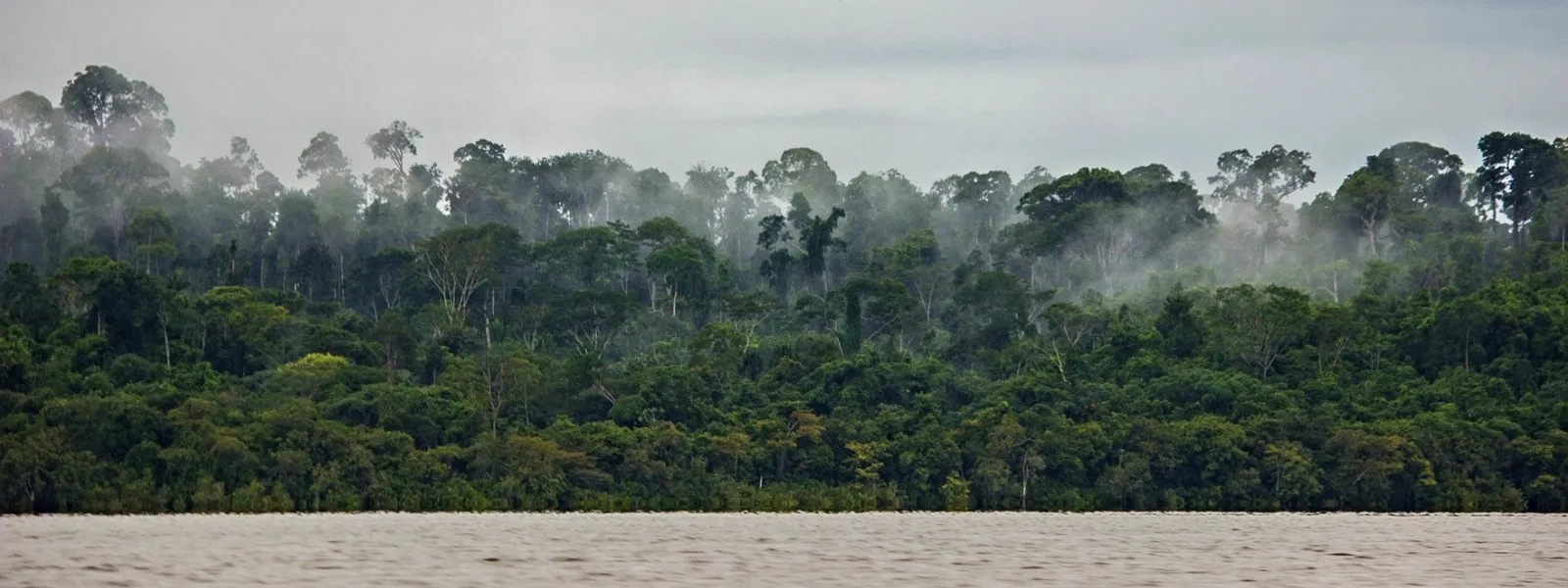
A usina hidrelétrica de Belo Monte — a quarta maior do mundo em capacidade instalada (11.233 MW) — foi construída no rio Xingu, no estado do Pará, norte do Brasil.
Foi inaugurada em 5 de maio de 2016, com uma única turbina. Naquela época, 80% do curso do rio foi desviado e 516 km² de terra foram inundados, uma área maior que a cidade de Chicago. Desse total, 400 km² eram de mata nativa. A usina começou a operar em plena capacidade em novembro de 2019.
Belo Monte foi construída e é operada pelo consórcio Norte Energia S.A., composto principalmente por empresas estatais. Foi financiada pelo Banco Nacional de Desenvolvimento Econômico e Social (BNDES), que aportou ao consórcio 25,4 bilhões de reais (aproximadamente US$ 10,16 bilhões), o maior investimento de sua história. Portanto, o BNDES também é legalmente responsável pelos impactos socioambientais associados ao projeto hidrelétrico.
Décadas de danos ambientais e humanos
As violações dos direitos humanos e a degradação da Amazônia remontam ao início do projeto. Em março de 2011, a Norte Energia iniciou a construção da barragem sem consulta adequada e sem o consentimento prévio, livre e informado das comunidades afetadas.
A construção levou ao deslocamento forçado de mais de 40.000 pessoas, rompendo laços sociais e culturais. O plano de reassentamento em Altamira — cidade diretamente afetada pelo projeto hidrelétrico — incluía moradias na periferia da cidade, sem serviços públicos adequados, moradias dignas para as famílias reassentadas e moradias diferenciadas para aqueles pertencentes a comunidades indígenas.
A operação da barragem de Belo Monte impôs uma seca permanente e artificial na Volta Grande do rio Xingu, agravada pelas secas históricas na Amazônia em 2023 e 2024. Como resultado, a morte de milhões de ovos de peixe foi documentada por quatro anos consecutivos (de 2021 a 2024) e, nos últimos três anos, não houve migração de peixes rio acima para desovar e se reproduzir. Assim, a pesca artesanal, principal fonte de proteína para os povos indígenas e comunidades ribeirinhas, foi severamente afetada: o consumo de peixe caiu de 50% para 30% do total de proteínas consumidas, sendo substituído por alimentos processados. Em suma, houve um colapso ambiental e humanitário que resultou no colapso da pesca como modo de vida tradicional, insegurança alimentar e falta de acesso à água potável para milhares de famílias, empobrecimento e doenças.
Além disso, a construção da barragem aumentou o desmatamento e intensificou a extração ilegal de madeira e a insegurança em terras indígenas e tribais, colocando em risco a sobrevivência dessas comunidades. Outra consequência foi o agravamento da pobreza e dos conflitos sociais, bem como a sobrecarga dos sistemas de saúde, educação e segurança pública em Altamira, cidade considerada a mais violenta do país em 2017, onde houve aumento do tráfico de pessoas e da violência sexual. Também foram registrados casos de violência contra defensores de direitos humanos envolvidos no caso.
Em 2025, durante a 30ª Conferência das Nações Unidas sobre Mudanças Climáticas (COP30), realizada no Brasil, o Ministério Público Federal classificou os danos causados por Belo Monte como ecocídio.
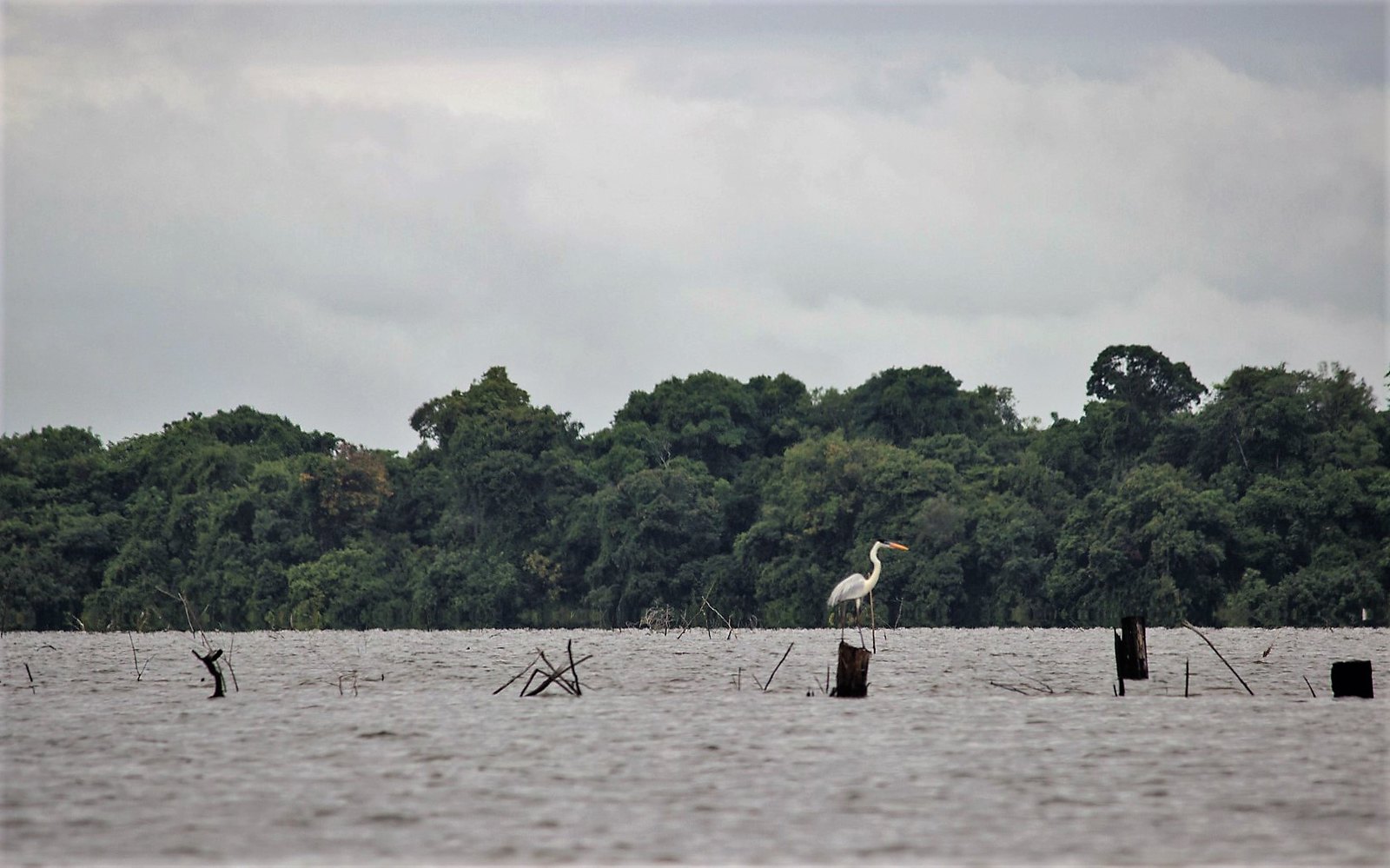
Foto: Amazon Watch / Maíra Irigaray.
A busca por justiça e reparação
Ao longo dos anos, o Ministério Público Federal do Pará, a Defensoria Pública e organizações da sociedade civil impetraram dezenas de ações judiciais em tribunais brasileiros para contestar as diversas irregularidades do projeto, bem como seus impactos. A maioria das ações permanece sem solução, algumas há mais de 10 anos.
Essas ações não obtiveram sucesso porque o governo federal tem reiteradamente anulado decisões favoráveis às comunidades afetadas, recorrendo a um mecanismo pelo qual o presidente do Supremo Tribunal Federal pode suspender uma decisão judicial com base unicamente em argumentos genéricos como "interesse nacional" ou "ordem econômica".
Diante da falta de respostas eficazes em nível nacional, a AIDA — juntamente com uma coalizão de organizações aliadas — levou o caso à Comissão Interamericana de Direitos Humanos (CIDH) e, em 2010, solicitou medidas cautelares para proteger a vida, a integridade e a saúde das comunidades indígenas afetadas.
Em 1º de abril de 2011, a CIDH concedeu essas medidas e solicitou ao Estado brasileiro a suspensão das licenças ambientais e de quaisquer obras de construção até que as condições relativas à consulta prévia e à proteção da saúde e integridade das comunidades fossem atendidas.
E, em 16 de junho de 2011, apresentamos uma denúncia formal à CIDH — juntamente com o Movimento Xingu Vivo Para Siempre, a Coordenação das Organizações Indígenas da Amazônia Brasileira, a Diocese de Altamira, o Conselho Missionário Indígena, a Sociedade Pará de Defesa dos Direitos Humanos e a Global Justice — contra o Estado brasileiro por sua responsabilidade internacional nas violações de direitos humanos contra os povos afetados neste caso. A denúncia foi apresentada em dezembro de 2015.
Em 3 de agosto de 2011, a CIDH modificou as medidas cautelares para solicitar — em vez da suspensão de licenças e obras — a proteção dos povos que vivem em isolamento voluntário, a saúde das comunidades indígenas e a regularização e proteção das terras ancestrais.
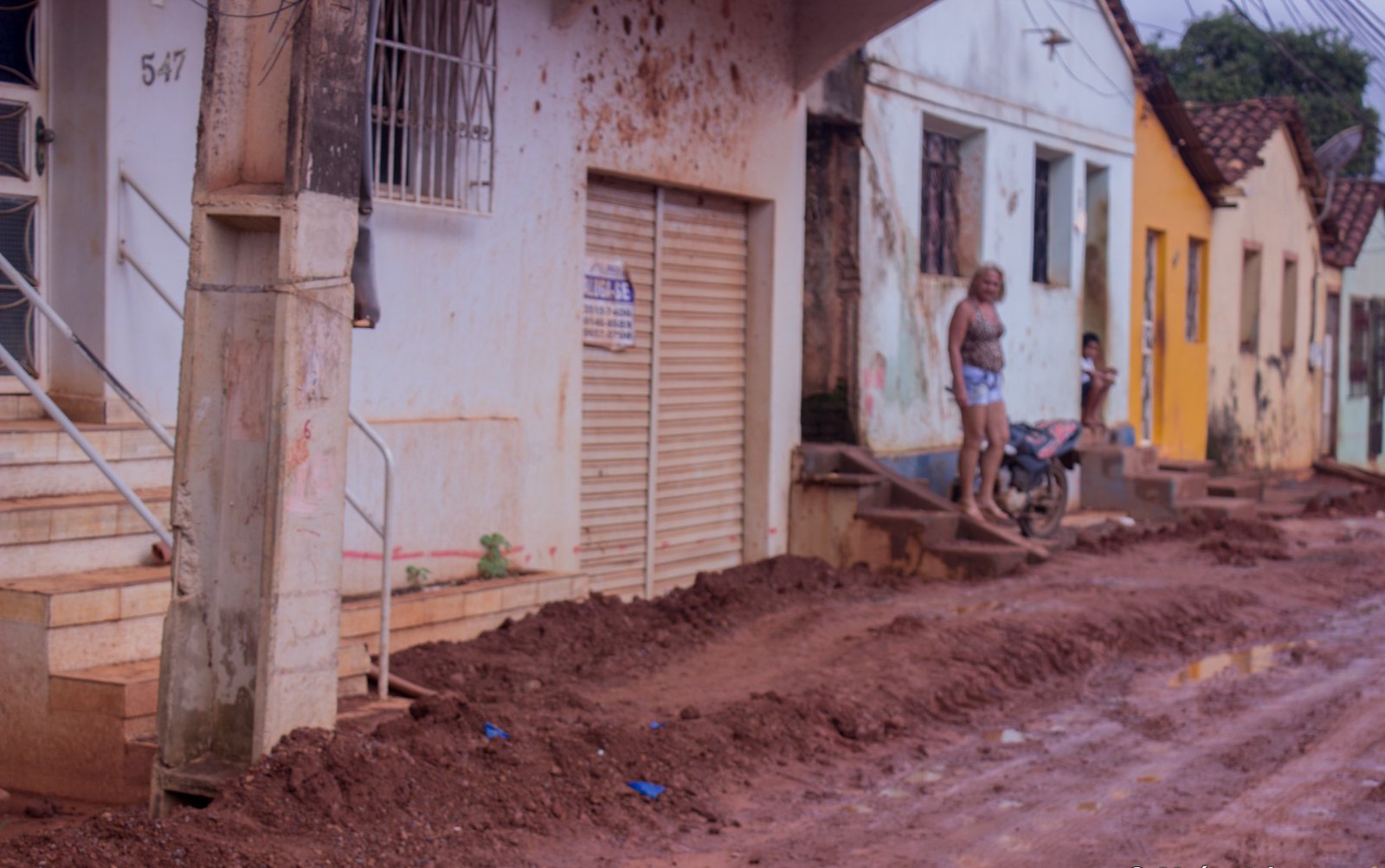
Foto: Amazon Watch / Maíra Irigaray.
Situação atual
As medidas de proteção concedidas pela CIDH permanecem em vigor, mas o Estado brasileiro não as cumpriu integralmente, relatando apenas ações genéricas. As comunidades documentaram as contínuas violações de seus direitos. A situação que motivou o pedido dessas medidas — o risco à vida, à segurança e aos meios de subsistência das comunidades — persiste e se agravou com a usina hidrelétrica operando em plena capacidade e com as recentes secas extremas na Amazônia.
Além do ocorrido em Belo Monte, existe o risco de maiores danos sociais e ambientais decorrentes da implementação de outro megaprojeto de mineração na Volta Grande do Xingu. Lá, a empresa canadense Belo Sun pretende construir a maior mina de ouro a céu aberto do Brasil.
Os impactos sinérgicos e cumulativos da usina e da mina não foram avaliados. O Estado excluiu povos indígenas, comunidades ribeirinhas e comunidades camponesas do processo de licenciamento ambiental do projeto. Apesar disso, dos protestos indígenas e de outras irregularidades em torno do projeto, o governo do estado do Pará autorizou formalmente a mina em abril de 2026.
Belo Monte, assim como outras usinas hidrelétricas, agrava a emergência climática ao gerar emissões de gases de efeito estufa em seu reservatório. Além disso, é ineficiente diante das secas prolongadas e intensas causadas pela crise, pois perde capacidade de geração de energia.
O caso perante a Comissão Interamericana
Em outubro de 2017, a CIDH anunciou que decidiria conjuntamente sobre a admissibilidade (se o caso preenche os requisitos para admissão) e o mérito (se houve, de fato, violação de direitos humanos) da denúncia internacional contra o Estado brasileiro.
Quinze anos após a apresentação da denúncia, as comunidades afetadas e as organizações que as representam ainda aguardam essa decisão. Caso a CIDH conclua que houve violações de direitos humanos e emita recomendações que o Estado brasileiro não cumpra, poderá encaminhar o caso à Corte Interamericana de Direitos Humanos, cujas decisões são vinculativas.
Uma possível decisão da Corte Internacional de Direitos Humanos neste caso estabeleceria um precedente jurídico regional em relação aos direitos dos povos indígenas e ribeirinhos, à participação pública em megaprojetos e à responsabilidade do Estado no contexto da crise climática. Isso é particularmente relevante à luz do Parecer Consultivo nº 32 da Corte, que reafirmou as obrigações dos Estados de proteger pessoas e comunidades em todo o continente da emergência climática.
Partners:
Related projects
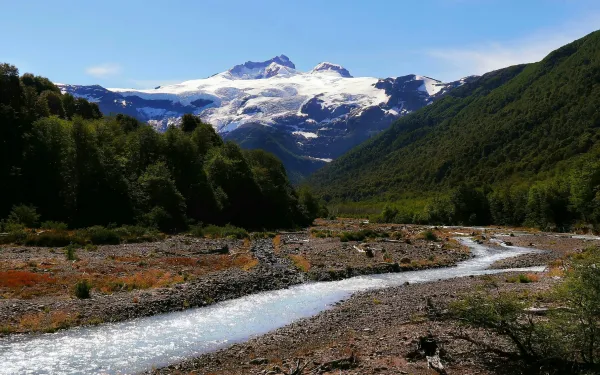
Mapuche defend against extractive industry and forced evictions from ancestral lands in Argentina
Mapuche communities urge Inter-American Commission on Human Rights to further investigate abuses at nexus of extractive industry and land dispossession.Río Negro, Neuquén, Mendoza, Argentina - Organizations of the Indigenous Mapuche People addressed the urgent situation arising from conflicts with extractive projects on Indigenous land in Argentina in a public hearing before the Inter-American Commission on Human Rights today. The human rights body of the Organization of American States heard testimony of those impacted by mining, oil, and gas projects that have been compounded by the lack of territorial recognition, ongoing evictions, and the criminalization of indigenous communities."The rapid expansion of extractive projects across ancestral Mapuche territories in Argentina is driving the eviction of our communities as projects proceed without their free, prior, and informed consent," emphasized Mirta Ñancunao y Hugo Aranea, werken (spokespeople) of the Mapuche-Tehuelche Parliament of Río Negro. This includes new mining projects across 1,800 square kilometers in Malargüe, oil and gas developments stretching 600 kilometers along the Vaca Muerta shale formation in Neuquén, and at least 53 new mining and energy projects in Río Negro, particularly in the Calcatreu open-pit gold and silver mining project, which threatens nearby water sources."The exploitation of natural resources has been accompanied by the intention to vacate traditional territories," said Lorena Bravo of the Mapuche Federation of Neuquen, Xaunko Regional Council. "The evictions have direct consequences including preventing the use of and access to land, sacred sites, impacts to health, access to water, impacting indigenous economies and traditional practices."Gabriel Jofré, werken of the Malalweche Organization, asserted that the "advance of extractive companies into the traditional territory of Mapuche communities is predicated on the lack of effective state recognition of Mapuche communities." He emphasized that the state has dismantled the processes used by Mapuche communities to assert their territorial rights, including the recognition of their legal status. Jofré also noted that the national government rolled back protections in Law 26.160, which had suspended evictions of recognized indigenous communities."The advance of land extraction is not possible without installing a racist and discriminatory discourse," which Jofre maintains endangers human rights and environmental defenders. Both national and provincial politicians have fueled racist and hateful discourses against Mapuche communities, labeling them "terrorists" and denying their Indigenous identities. This rhetoric has further stigmatized Indigenous defenders and increased the risks they face for engaging in rights advocacy.The communities urged the Commission to further investigate human rights violations occurring at the intersection of extractive industry expansion and the dispossession of Mapuche communities from their ancestral lands. In December 2024, the Commission issued a public statement calling on Argentina to respect the land rights of Indigenous Peoples.Organizations participating in the hearing included the Malalweche Organization from Mendoza, The Mapuche Confederation of Neuquén, and the Coordination of Mapuche Parlement of Río Negro, with support from the Observatory on the Human Rights of Indigenous Peoples, and the Interamerican Association for Environmental Defense. Earthjustice has partnered with the Malalweche Organization in defending territorial rights of the Mapuche people since 2022.Entre las organizaciones que participaron en la audiencia se encuentran la Organización Malalweche de Mendoza, la Confederación Mapuche de Neuquén y la Coordinadora del Parlamento Mapuche de Río Negro, con el apoyo del Observatorio de Derechos Humanos de Pueblos Indígenas, la Asamblea Permanente por los Derechos Humanos (APDH), la Asociación Interamericana para la Defensa del Ambiente (AIDA) y Earthjustice.Press contactVíctor Quintanilla (Mexico), AIDA, [email protected], +52 5570522107
Read more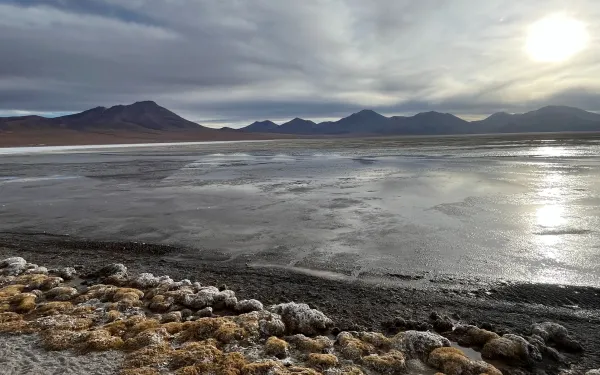
Human rights and the rights of nature in the governance of minerals for the energy transition
A reading of Advisory Opinion 32 of the Inter-American Court of Human Rights by the Andean Wetlands Alliance The Inter-American Court of Human Rights (IACHR) outlined in its Advisory Opinion No. 32 (OC-32), released on July 3, 2025, how human rights must be upheld in the face of the climate emergency. The Court also recognized the rights of nature and the responsibilities of States and companies regarding climate change. This advisory opinion followed more than 150 oral interventions and over 260 written submissions—including those from organizations that are part of the Andean Wetlands Alliance.This pronouncement sets a course for protecting valuable ecosystems and the rights of people in Latin America, a region deeply affected due to its significant reserves of minerals increasingly in demand for the global energy transition.Human rights and "critical" mineralsThe IACHR, a central institution in setting human rights standards for Latin America and the Caribbean, provided through OC-32 a set of tools for moving toward policies grounded in equity and justice. These tools align with the principles put forward by the UN Secretary-General in relation to the minerals value chain for the energy transition.Minerals such as lithium and copper are at the heart of current energy transformation policies due to their value for battery manufacturing. This value chain begins in territories such as the high Andean wetlands of Argentina, Bolivia, and Chile, with the exploration and extraction of mineral deposits. It continues with their processing and refining in specialized facilities for the production of cells, which are later integrated into batteries that power a range of devices—mainly individual electric vehicles.The Court placed special emphasis on the protection of human rights during the extraction of so-called “rare or critical” minerals for the energy transition, which make up the first links in this value chain. This directly reflects Principle 1 of the 2024 Report of the UN Secretary-General’s Panel on Critical Minerals for the Energy Transition and offers a key legal instrument for protecting human rights in Latin American countries. It also outlines essential elements for respecting the integrity of ecosystems (Principle 2) from the most biodiverse region on the planet, as well as advancing justice and equity (Principle 3), transparency and accountability (Principle 6), and strengthened multilateral cooperation (Principle 7).Rights of Nature in a Megadiverse RegionAmong its conclusions, the Court recognizes the rights of nature, referring to the need to preserve its essential ecological processes. This contributes to consolidating a development model that respects planetary boundaries and ensures the availability of vital resources for present and future generations.This recognition is especially critical in Latin America, one of the most biodiverse regions in the world. It holds 50% of the planet’s biodiversity in ecosystems such as wetlands and tropical forests—especially the Amazon. It is home to 12 of the 14 terrestrial biomes and is a key epicenter for nature’s contributions to people.These issues are particularly relevant for a region whose historical role as a provider of natural resources has helped build the global economy, yet at great cost—causing severe ecosystem damage and violating community rights. The protection of nature’s rights provides a central tool for managing the mineral wealth essential for the energy transition, especially given that the region holds more than 50% of the world’s lithium reserves and 40% of its copper reserves.Latin America is also one of the most culturally diverse regions: approximately 54.8 million Indigenous peoples live across its territories, representing 8.5% of the total population—the highest global proportion relative to total population—and occupying over 20% of the land.OC-32 particularly highlights the role of communities in preserving ecosystems and a healthy climate, free from human interference. It acknowledges the importance of local, traditional, and Indigenous knowledge for informed decision-making and cultural preservation. This approach empowers local and Indigenous communities—long-standing guardians of ecosystems who possess deep traditional knowledge—yet who are often excluded from decision-making processes and denied their rights to free, prior, and informed consultation and participation.The right to a healthy climate: Promising newsOC-32 recognizes the right to a healthy climate as part of the broader right to a healthy environment, free from human interference. States are thus required to prevent any irreversible harm to the planet’s ecological balance and exercise heightened due diligence—taking into account the degree of potential harm, the best available science, and the specific vulnerabilities of at-risk groups, without creating or exacerbating such vulnerabilities.In their mitigation strategies, States must prioritize both people and ecosystems—particularly those that play a vital role in regulating the Earth’s climate systems and natural cycles.In this regard, the Court’s acknowledgment of the Andean wetlands of Argentina, Bolivia, and Chile is especially significant. These ecosystems contribute to climate adaptation through water regulation. They also have the capacity to mitigate climate change by acting as carbon sinks: studies have recorded significant levels of carbon dioxide absorption through their vegetation and extremophile microorganisms.Ironically, these very wetlands are now under threat from the expansion of mining for the energy transition.Corporate Obligations on Human RightsOC-32 makes it clear that, in addition to States, companies also bear obligations concerning the climate emergency and its impact on human rights. The Court calls on States to regulate and oversee corporate due diligence across the entire value chain, in accordance with the UN Guiding Principles on Business and Human Rights (UNGPs). These obligations include identifying, preventing, mitigating, and accounting for business-related impacts on the environment, climate, and human rights. These are non-transferable obligations—they cannot be outsourced to third parties, such as certification bodies. The advisory opinion also calls for the avoidance of greenwashing and undue influence from third-party actors in corporate decision-making.A perspective on Advisory Opinion 32 from the Andean wetlandsSpanning more than 200 pages, OC-32 provides tools to ensure the protection of human rights throughout the mineral value chain, as well as the integrity of ecosystems, from a Latin American perspective. It also promotes implementation of the UN Secretary-General’s Panel principles on critical minerals for the energy transition.No less important, it upholds the interdependence of democracy, the rule of law, and human rights protection within the Inter-American system, and strengthens the role of access rights and the protection of human rights, environmental, and climate defenders, in accordance with the Escazú Agreement. This recognition is especially crucial for the most dangerous region in the world for defending nature.In a context of climate denialism, fueled by political leaderships that reject humanity’s role in the climate crisis, OC-32 stands as a vital roadmap to urge States to meet their climate commitments through a human rights-based approach.From the Andean Wetlands Alliance, we view this opinion with hope—as a key tool to help ensure the rights of those who have inhabited these wetlands for generations and to protect these vital ecosystems. Reactions from Members of the Andean Wetlands Alliance to Advisory Opinion No. 32 of the Inter-American CourtPía Marchegiani, Deputy Executive Director, Fundación Ambiente y Recursos Naturales (Argentina):"In a context where discussions on critical minerals are increasingly shaped by security and military interests, and unilateral or bilateral agendas from the Global North seek to control mineral supply chains, the Inter-American Court has taken a clear, strategic step in defining how the balance must be struck: placing human rights and nature at the center. Only in this way can we move forward toward justice and equity, as proposed by the UN Secretary-General’s Panel on Critical Minerals."Ricardo Frez, Director, ONG Defensa Ambiental (Chile):"This unprecedented recognition of nature as a rights-bearing subject marks a shift toward ecocentric approaches in international human rights law. It is especially significant amid the growing—and often irreversible—impacts of mining for critical minerals like lithium and copper in the Global South. The Court affirms the autonomous protection of nature, not only as a means to secure human rights, but as an end in itself. It reinforces States’ obligations to prevent irreparable climate and environmental damage. In a context where the energy transition risks replicating extractivist models, this advisory opinion provides crucial normative tools to defend territories and life."Vivian Lagrava Flores, Empodérate, Human Rights Collective (Bolivia):"Although communities may not be familiar with technical terms like climate, energy transition, and so on, they have welcomed with hope the fact that Advisory Opinion 32/25 places greater obligations on States. Laws, constitutions, and human rights standards are being ignored, while all kinds of impacts are overlooked. Wetlands—especially freshwater bofedales—are nature’s miracle that sustains our way of life and are essential for mitigating climate change. Yet they are being destroyed by extractivism. The Bolivian State must grasp the magnitude of its obligations."Ezio Costa Cordella, FIMA NGO (Chile):"The concept of a just transition appears in several parts of the advisory opinion issued by the Inter-American Court of Human Rights. There is a specific and explicit mention of this type of transition, and the Court refers to the obligation of States to uphold this principle when developing climate policies and strategies. This means they must avoid deepening situations of multidimensional poverty and instead assess how a transition will affect a given territory and the people who live there—including, of course, the workers in industries undergoing change. In this sense, it is important to understand that the ecological transition is not limited to policy measures; it also concerns how a range of social systems, including those of production and consumption, will adapt to the new climate and environmental reality. In this process—from the present state of affairs to what will emerge as a result of this new environmental condition—we must ensure that no further violations of human rights occur. On the contrary, we should create conditions that lead to better protection and fairer distribution of those rights."Oscar Campanini, CEDIB (Bolivia):"The advisory opinion of the Inter-American Court is an enormously important reinforcement of civil society’s defense of the environment, water, Indigenous peoples’ territories, and life itself—a defense that benefits not just specific groups but is, in fact, the only way to ensure our survival as a species. In the case of the high Andean plateau, this opinion supports the struggles of communities defending water and wetlands against growing pressure from critical mineral extraction projects such as lithium."Verónica Gostissa, Asamblea PUCARÁ (Argentina):"We are at a turning point for climate justice and human rights. The Inter-American Court now recognizes the autonomous right to a healthy climate. In regions like northwest Argentina—where ecosystems of high ecological value, such as high Andean wetlands, coexist with intense extractive pressures from lithium mining—this decision directly challenges the current mining and energy model. This legal milestone reinforces a truth that communities and peoples have long upheld: if it dries up rivers, it’s not an energy transition. And there can be no true transition without environmental justice."Paulina González Quiroga, Fundación Tantí (Chile):"We deeply value the statement issued by the Inter-American Court at a strategic moment for our bodies and territories, especially for those of us living in the Global South—in the highland and coastal desert regions of Chile. This is a mining and productive zone where both continental and marine waters are being affected by the entire value chain operating in the area. In our territory, marked by a history of environmental sacrifice, there is no real transition. On the contrary, the same communities and ecosystems are now facing an intensification of extractivist practices—now labeled ‘green.’ We are witnessing an unimaginable increase in the impacts on our high Andean and marine ecosystems, and on the ways of life that exist here. In this context, the Court’s opinion will be crucial in strengthening the legal defense of our territories in various processes of Indigenous consultation and environmental justice that are already underway and will undoubtedly continue within the framework of these policies." Yeny Rodríguez, senior attorney and Line Coordinator, Interamerican Association for Environmental Defense (AIDA)"The Advisory Opinion No. 32 of the Inter-American Court recognizes the high degree of vulnerability and risk in which strategic ecosystems in Latin America are found for the water cycle and climate, such as the Andean salt flats, and sends a very clear message to the governments of the region and to the companies operating in our territories: in application of enhanced due diligence, they must avoid mining activities that could generate irreversible damage to ecosystems and aggravate the situation of vulnerability of indigenous peoples or communities at risk."
Read more
The Inter-American Court's Opinion: 7 reasons it matters for climate justice
On July 3, the Inter-American Court of Human Rights released its long-awaited Advisory Opinion No. 32 (OC-32), clarifying the scope of States' obligations in the face of the climate crisis – including, among other responsibilities, the duty to guarantee the right to a healthy climate.This marks the first time that a regional human rights court has made a broad and comprehensive statement on the issue of climate change.The opinion was issued in response to a request submitted by the governments of Chile and Colombia in January 2023. It is also the outcome of an unprecedented participatory process within the Inter-American Human Rights System, in which dozens of States, civil society organizations, Indigenous peoples, activists, and academics engaged through oral statements in public hearings and a record number of written submissions.Below are seven reasons why this landmark decision — written in and for Latin America — represents a turning point for climate justice in the region and beyond. 1. Clarifying States’ legal obligations in the face of the climate emergencyIn its decision, the Court affirms that the world is currently experiencing a climate emergency—a crisis driven by human activities, unequally generated by different States, and one that progressively and severely impacts people, especially those in vulnerable situations.In response, the Court underscores that States have binding legal obligations—not merely voluntary commitments—to confront this emergency with “urgent and effective actions, articulate, with a human rights perspective, and under the prism of resilience.” This means that, amid the climate emergency, States are required to respect and guarantee human rights. 2. Recognizing the human right to a healthy climateFor the first time, the Court explicitly recognizes the autonomous human right to a healthy climate, derived from the broader right to a healthy environment. This recognition establishes that States must protect the ability of both present and future generations to live in a climate system free from dangerous human-caused interference.Protecting this right—which underpins the enjoyment of other human rights—also requires honoring the principle of intergenerational equity. In practice, this means that States must act today to ensure that future generations inherit conditions of environmental stability that allow for equal opportunities for well-being and development. 3. Strengthened protection for people in vituations of VulnerabilityAdvisory Opinion No. 32 establishes that States must ensure that individuals and groups in situations of particular vulnerability — including women, children, Indigenous peoples, Afro-descendant communities, peasant and fishing communities, older adults, persons with disabilities, LGBTIQ+ individuals, and human rights defenders, among others — are able to exercise their rights on equal terms in the face of climate impacts.The Court also recognizes that certain territories in the Americas — such as the Amazon, the Insular Territories, and Caribbean States — are especially vulnerable to the effects of climate change. 4. Emissions control and regulation of business activitiesAccording to the opinion, States are required to set clear greenhouse gas (GHG) mitigation targets and maintain an up-to-date mitigation strategy grounded in human rights. They must also tighten and rigorously regulate both public and private activities that produce GHG emissions.In line with these mitigation strategies, States must determine which projects or activities require an environmental impact assessment that explicitly evaluates potential climate impacts. 5. Protecting human rights within the energy transitionAdvisory Opinion No. 32 underscores that States must safeguard human rights from potential violations linked to the extraction of minerals and other resources necessary for the energy transition.The Court also affirms that States are obligated to ensure the fair distribution of both the burdens of climate action and the impacts of climate change. This includes avoiding disproportionate burdens on certain populations — for example, in how the costs of the energy transition are allocated. 6. Recognition of traditional knowledge in climate actionThe opinion recognizes local, traditional, and Indigenous knowledge as protected under Inter-American human rights treaties and as a key part of the best available science. This recognition opens new avenues for demanding the inclusion of such knowledge in climate solutions.The Court thus reaffirms that the right to science also encompasses the intellectual and practical contributions that Indigenous peoples, Afro-descendant communities, and other local groups have sustained and safeguarded over generations. 7. Advancing the global movement for climate justiceThis decision reinforces and builds upon earlier rulings, such as the one issued in May 2024 by the International Tribunal for the Law of the Sea, which clarified States’ obligations to protect the marine environment from the effects of the climate crisis. It also contributes to ongoing global legal efforts — including the forthcoming Advisory Opinion from the International Court of Justice, which will further define States’ responsibilities in the face of the global climate emergency.Together, these decisions are strengthening the global movement for climate justice, as well as supporting citizen demand for stronger government action.
Read more