
Project
Amazon Watch / Maíra Irigaray
Barragem de Belo Monte no rio Xingu: 10 anos de impactos na Amazônia e de busca por reparações
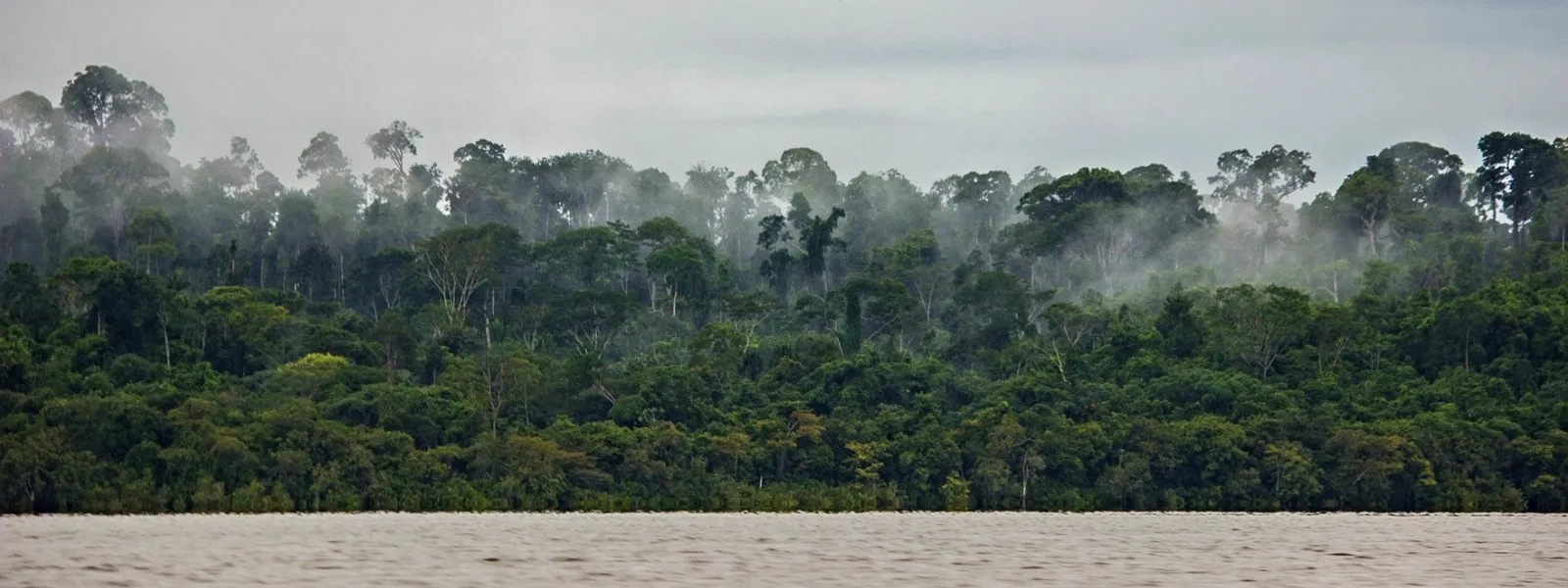
A usina hidrelétrica de Belo Monte causou um desastre ambiental e social no coração da Amazônia: um dos ecossistemas mais importantes do planeta.
Essa situação só piorou desde que a usina começou a operar em 2016. A busca por justiça e reparação para as comunidades indígenas e ribeirinhas afetadas continua até hoje.
Em 2011, a Comissão Interamericana de Direitos Humanos (CIDH) concedeu a essas comunidades medidas de proteção, que até hoje não foram totalmente implementadas pelo Estado brasileiro.
E, desde junho daquele mesmo ano, a CIDH mantém um processo contra o Estado por sua responsabilidade internacional no caso.
A CIDH pode encaminhar o caso à Corte Interamericana de Direitos Humanos, que tem o poder de emitir uma sentença condenatória contra o Estado brasileiro.
Consulta o expediente de fatos do caso
Após 10 anos de operação da usina hidrelétrica e mais de 15 anos de violações de direitos humanos documentadas, é hora da justiça ser feita para as comunidades afetadas.
Leia a carta aberta das organizações que levam o caso à CIDH
Leia nosso comunicado à imprensa
Contexto
A usina hidrelétrica de Belo Monte — a quarta maior do mundo em capacidade instalada (11.233 MW) — foi construída no rio Xingu, no estado do Pará, norte do Brasil.
Foi inaugurada em 5 de maio de 2016, com uma única turbina. Naquela época, 80% do curso do rio foi desviado e 516 km² de terra foram inundados, uma área maior que a cidade de Chicago. Desse total, 400 km² eram de mata nativa. A usina começou a operar em plena capacidade em novembro de 2019.
Belo Monte foi construída e é operada pelo consórcio Norte Energia S.A., composto principalmente por empresas estatais. Foi financiada pelo Banco Nacional de Desenvolvimento Econômico e Social (BNDES), que aportou ao consórcio 25,4 bilhões de reais (aproximadamente US$ 10,16 bilhões), o maior investimento de sua história. Portanto, o BNDES também é legalmente responsável pelos impactos socioambientais associados ao projeto hidrelétrico.
Décadas de danos ambientais e humanos
As violações dos direitos humanos e a degradação da Amazônia remontam ao início do projeto. Em março de 2011, a Norte Energia iniciou a construção da barragem sem consulta adequada e sem o consentimento prévio, livre e informado das comunidades afetadas.
A construção levou ao deslocamento forçado de mais de 40.000 pessoas, rompendo laços sociais e culturais. O plano de reassentamento em Altamira — cidade diretamente afetada pelo projeto hidrelétrico — incluía moradias na periferia da cidade, sem serviços públicos adequados, moradias dignas para as famílias reassentadas e moradias diferenciadas para aqueles pertencentes a comunidades indígenas.
A operação da barragem de Belo Monte impôs uma seca permanente e artificial na Volta Grande do rio Xingu, agravada pelas secas históricas na Amazônia em 2023 e 2024. Como resultado, a morte de milhões de ovos de peixe foi documentada por quatro anos consecutivos (de 2021 a 2024) e, nos últimos três anos, não houve migração de peixes rio acima para desovar e se reproduzir. Assim, a pesca artesanal, principal fonte de proteína para os povos indígenas e comunidades ribeirinhas, foi severamente afetada: o consumo de peixe caiu de 50% para 30% do total de proteínas consumidas, sendo substituído por alimentos processados. Em suma, houve um colapso ambiental e humanitário que resultou no colapso da pesca como modo de vida tradicional, insegurança alimentar e falta de acesso à água potável para milhares de famílias, empobrecimento e doenças.
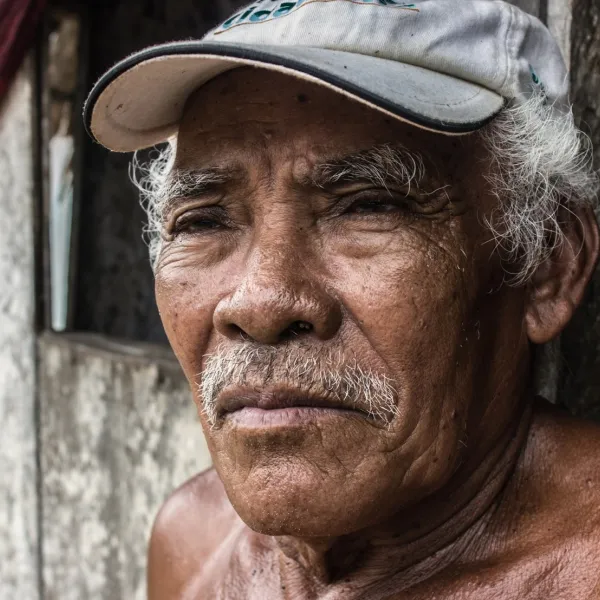
Além disso, a construção da barragem aumentou o desmatamento e intensificou a extração ilegal de madeira e a insegurança em terras indígenas e tribais, colocando em risco a sobrevivência dessas comunidades. Outra consequência foi o agravamento da pobreza e dos conflitos sociais, bem como a sobrecarga dos sistemas de saúde, educação e segurança pública em Altamira, cidade considerada a mais violenta do país em 2017, onde houve aumento do tráfico de pessoas e da violência sexual. Também foram registrados casos de violência contra defensores de direitos humanos envolvidos no caso.
Em 2025, durante a 30ª Conferência das Nações Unidas sobre Mudanças Climáticas (COP30), realizada no Brasil, o Ministério Público Federal classificou os danos causados por Belo Monte como ecocídio.
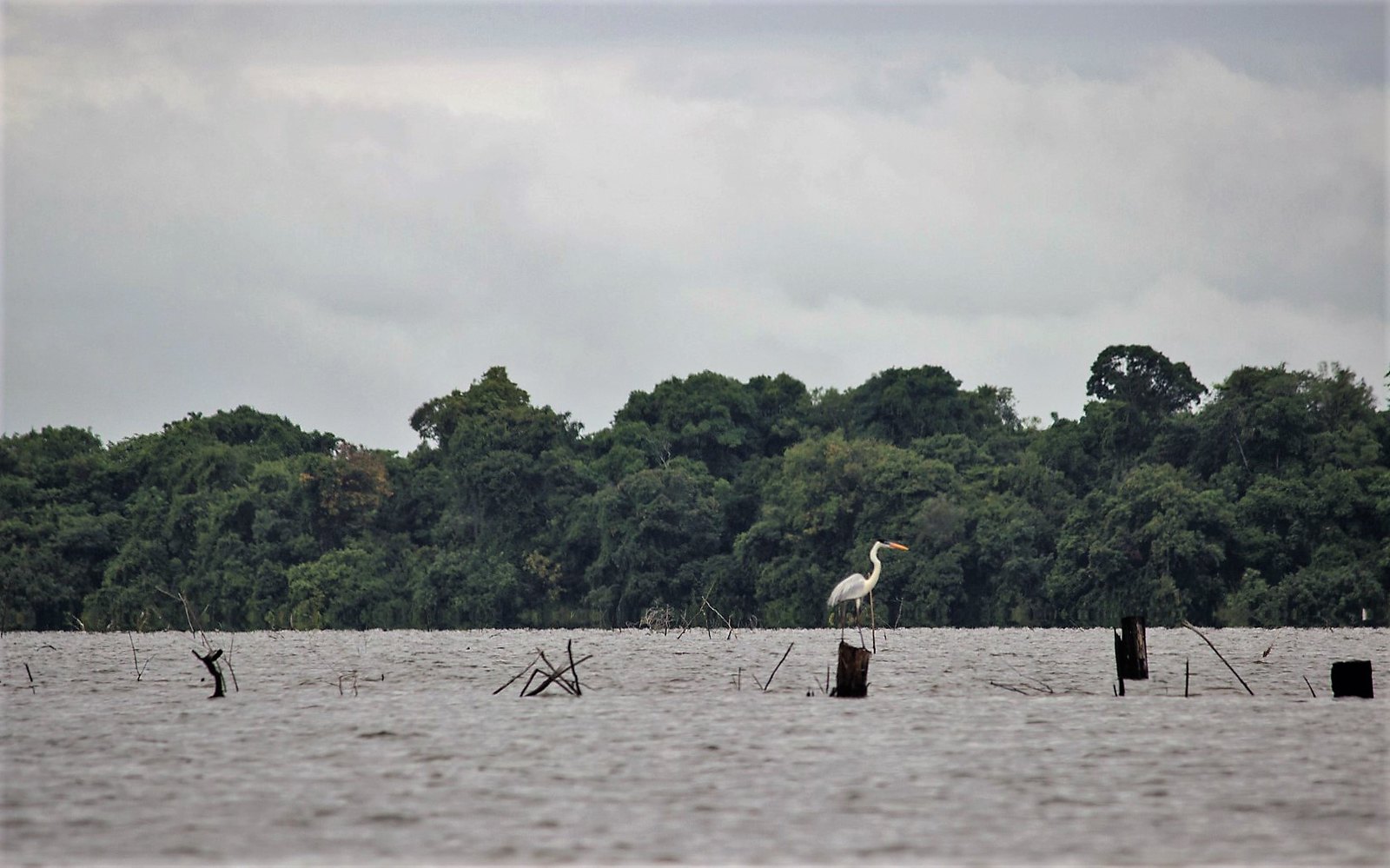
Foto: Amazon Watch / Maíra Irigaray.
A busca por justiça e reparação
Ao longo dos anos, o Ministério Público Federal do Pará, a Defensoria Pública e organizações da sociedade civil impetraram dezenas de ações judiciais em tribunais brasileiros para contestar as diversas irregularidades do projeto, bem como seus impactos. A maioria das ações permanece sem solução, algumas há mais de 10 anos.
Essas ações não obtiveram sucesso porque o governo federal tem reiteradamente anulado decisões favoráveis às comunidades afetadas, recorrendo a um mecanismo pelo qual o presidente do Supremo Tribunal Federal pode suspender uma decisão judicial com base unicamente em argumentos genéricos como "interesse nacional" ou "ordem econômica".
Diante da falta de respostas eficazes em nível nacional, a AIDA — juntamente com uma coalizão de organizações aliadas — levou o caso à Comissão Interamericana de Direitos Humanos (CIDH) e, em 2010, solicitou medidas cautelares para proteger a vida, a integridade e a saúde das comunidades indígenas afetadas.
Em 1º de abril de 2011, a CIDH concedeu essas medidas e solicitou ao Estado brasileiro a suspensão das licenças ambientais e de quaisquer obras de construção até que as condições relativas à consulta prévia e à proteção da saúde e integridade das comunidades fossem atendidas.
E, em 16 de junho de 2011, apresentamos uma denúncia formal à CIDH — juntamente com o Movimento Xingu Vivo Para Siempre, a Coordenação das Organizações Indígenas da Amazônia Brasileira, a Diocese de Altamira, o Conselho Missionário Indígena, a Sociedade Pará de Defesa dos Direitos Humanos e a Global Justice — contra o Estado brasileiro por sua responsabilidade internacional nas violações de direitos humanos contra os povos afetados neste caso. A denúncia foi apresentada em dezembro de 2015.
Em 3 de agosto de 2011, a CIDH modificou as medidas cautelares para solicitar — em vez da suspensão de licenças e obras — a proteção dos povos que vivem em isolamento voluntário, a saúde das comunidades indígenas e a regularização e proteção das terras ancestrais.
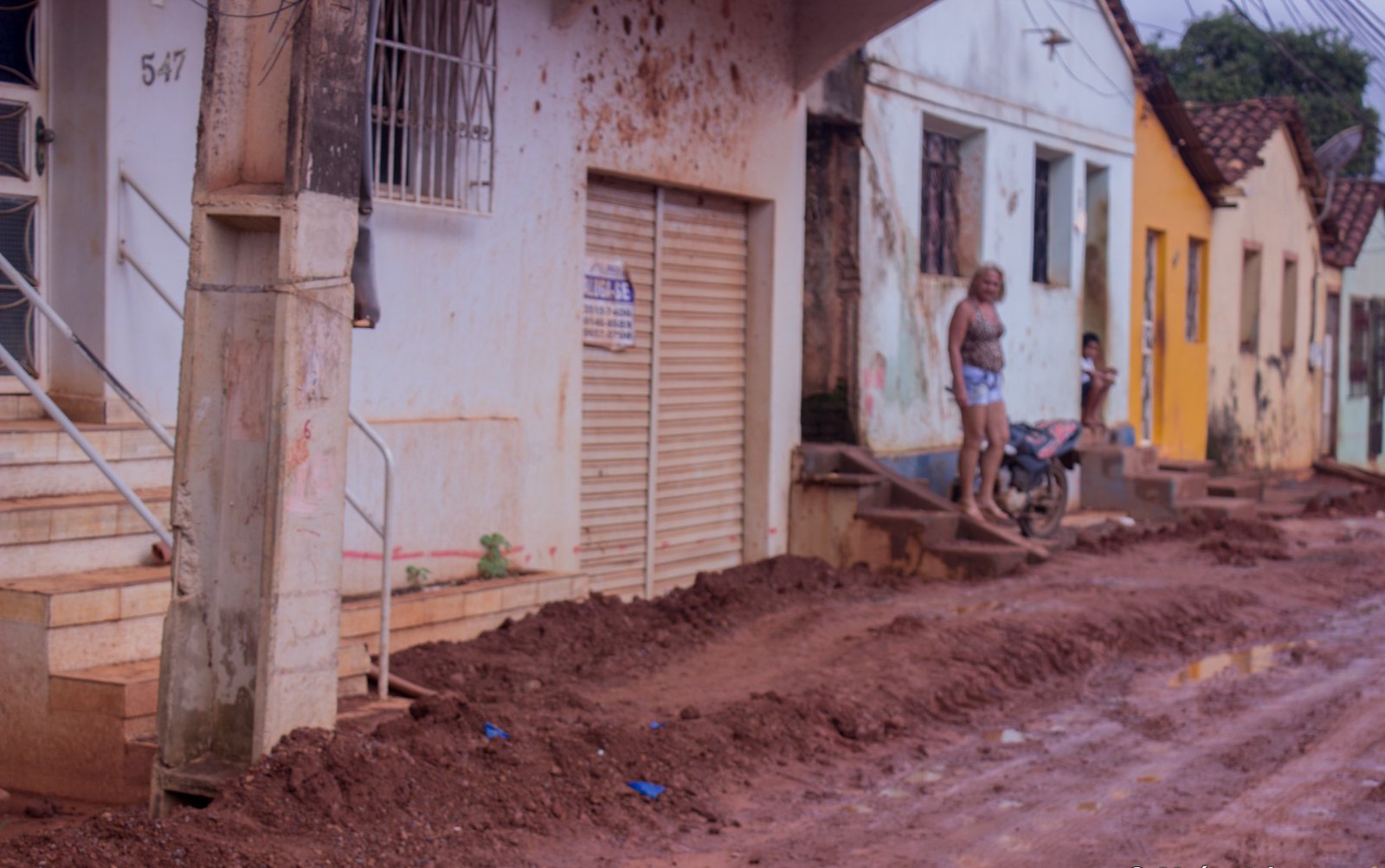
Foto: Amazon Watch / Maíra Irigaray.
Situação atual
As medidas de proteção concedidas pela CIDH permanecem em vigor, mas o Estado brasileiro não as cumpriu integralmente, relatando apenas ações genéricas. As comunidades documentaram as contínuas violações de seus direitos. A situação que motivou o pedido dessas medidas — o risco à vida, à segurança e aos meios de subsistência das comunidades — persiste e se agravou com a usina hidrelétrica operando em plena capacidade e com as recentes secas extremas na Amazônia.
Além do ocorrido em Belo Monte, existe o risco de maiores danos sociais e ambientais decorrentes da implementação de outro megaprojeto de mineração na Volta Grande do Xingu. Lá, a empresa canadense Belo Sun pretende construir a maior mina de ouro a céu aberto do Brasil.
Os impactos sinérgicos e cumulativos da usina e da mina não foram avaliados. O Estado excluiu povos indígenas, comunidades ribeirinhas e comunidades camponesas do processo de licenciamento ambiental do projeto. Apesar disso, dos protestos indígenas e de outras irregularidades em torno do projeto, o governo do estado do Pará autorizou formalmente a mina em abril de 2026.
Belo Monte, assim como outras usinas hidrelétricas, agrava a emergência climática ao gerar emissões de gases de efeito estufa em seu reservatório. Além disso, é ineficiente diante das secas prolongadas e intensas causadas pela crise, pois perde capacidade de geração de energia.
O caso perante a Comissão Interamericana
Em outubro de 2017, a CIDH anunciou que decidiria conjuntamente sobre a admissibilidade (se o caso preenche os requisitos para admissão) e o mérito (se houve, de fato, violação de direitos humanos) da denúncia internacional contra o Estado brasileiro.
Quinze anos após a apresentação da denúncia, as comunidades afetadas e as organizações que as representam ainda aguardam essa decisão. Caso a CIDH conclua que houve violações de direitos humanos e emita recomendações que o Estado brasileiro não cumpra, poderá encaminhar o caso à Corte Interamericana de Direitos Humanos, cujas decisões são vinculativas.
Uma possível decisão da Corte Internacional de Direitos Humanos neste caso estabeleceria um precedente jurídico regional em relação aos direitos dos povos indígenas e ribeirinhos, à participação pública em megaprojetos e à responsabilidade do Estado no contexto da crise climática. Isso é particularmente relevante à luz do Parecer Consultivo nº 32 da Corte, que reafirmou as obrigações dos Estados de proteger pessoas e comunidades em todo o continente da emergência climática.
Partners:
Related projects
Families of La Oroya demand Peru comply with Inter-American Court ruling
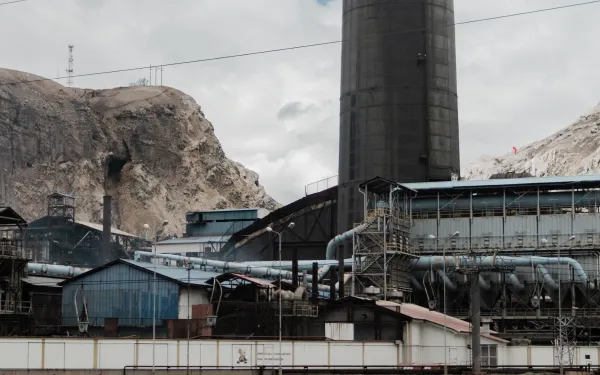
One year after the decision, the state has still not implemented the ordered reparations. The population lacks comprehensive health care and is once again exposed to toxic contamination due to the reactivation of the La Oroya smelter complex, which is operating without adequate environmental management.One year after the Inter-American Court of Human Rights ordered the Peruvian state to provide comprehensive reparations to the residents of La Oroya, after finding it responsible for violating their rights, the victims are still waiting for the ruling to be implemented and for state to comply with its international obligations."It's already been a year since the ruling was announced, how much longer will we have to wait?" asked Yolanda Zurita, a resident of La Oroya and a petitioner in the case. "Enough is enough! We demand that the Peruvian state immediately comply with the ruling of the Inter-American Court, which will benefit not only the victims of the case, but also the population of La Oroya and the country exposed to toxic substances from the indiscriminate development of extractive and industrial activities in our territories."On March 22, 2024, in a landmark decision for the protection of a healthy environment in Latin America, the Court responded to the long and tireless search for justice by the families of La Oroya, who have been affected for decades by the extreme levels of contamination from the La Oroya Metallurgical Complex (CMLO) and the lack of adequate protective measures by the State, which today ignores the ruling and underestimates its importance.Although the Court ordered the State to ensure that CMLO's operations comply with international environmental standards and to prevent and mitigate damage to the environment and human health, the opposite is currently the case: the complex has reactivated its operations without having modernized its facilities to prevent and mitigate the environmental and health risks it generates for the population.It is urgent that the CMLO stops polluting and that the Peruvian State adopts the measures required by the Court to modernize it in accordance with international environmental standards of environmental protection, in compliance with the ruling."With the reactivation of the metallurgical complex, the people of La Oroya are once again being exposed to levels of pollution that endanger their lives; the Inter-American Court's ruling is clear and the State is obligated to comply," said Rosa Peña, senior attorney with the Inter-American Association for Environmental Defense (AIDA). "The delay in complying with the ruling is re-victimizing the families who have been demanding justice for more than 20 years."The court also ordered the state to provide free medical care to the victims and to guarantee specialized care to residents with symptoms and illnesses related to contamination from the mining and metallurgical activities. Today, however, comprehensive health care is not guaranteed in La Oroya. It is necessary that the State, through and in coordination with the Ministry of Health, the Regional Health Directorate of Junín, the General Directorate of Environmental Health, and health care providers, create and implement the protocol for comprehensive care for victims in La Oroya, as established by the Court.The ruling set a historic precedent for the control of industrial pollution by states. For the Peruvian State to make real progress in its implementation, it is imperative that the Attorney General's Office issue the Compliance Resolution."Despite the deadlines set by the Inter-American Court for the Peruvian State, there has been virtually no progress in the implementation of the ruling," said Christian Huaylinos, coordinator of the legal department of the Pro Human Rights Association (APRODEH). "Above all, the nature of the case must be taken into account, which implies that La Oroya has been classified as a sacrifice zone due to the high levels of contamination; therefore, the need to fully compensate the victims is urgent." Background of the caseLa Oroya is located in the central mountain range of Peru, in the department of Junin, 176 km from Lima. In 1992, the US company Cerro de Pasco Corporation installed the La Oroya Metallurgical Complex (CMLO) to process mineral concentrates. The complex was nationalized in 1974 and operated by the state under the name Centromin Peru until 1997, when it was taken over by Doe Run Peru, which operated it until 2009. In short, the CMLO is over 100 years old.In La Oroya, most of the people affected by the CMLO contamination, including children, have lead levels higher than those recommended by the World Health Organization. In some cases, they have registered higher levels of arsenic and cadmium, in addition to stress, anxiety, skin problems, stomach problems, chronic headaches, and respiratory or cardiac problems, among others.In the absence of effective responses at the national level and on behalf of the victims, an international coalition of organizations filed a complaint against the Peruvian State with the Inter-American Commission on Human Rights in 2006. In October 2021, the Commission found the Peruvian government responsible and referred the case to the Inter-American Court. In October 2022, more than 16 years after the international complaint was filed, the victims, represented by AIDA and APRODEH with the assistance of Earthjustice, brought the case before the Court. Press contactsVíctor Quintanilla (Mexico), AIDA, [email protected], +52 5570522107María Nieve Sullón (Peru), APRODEH, [email protected], +51 984926868
Read more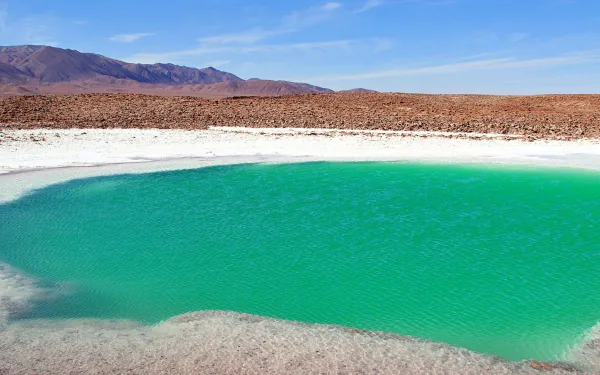
Why is lithium mining in Andean salt flats also called water mining?
By Víctor Quintanilla, David Cañas and Javier Oviedo* According to official figures, approximately 2.2 billion people worldwide lack access to drinking water.Despite this panorama, threats to this common good from overexploitation and pollution are increasing. One such threat is the accelerated extraction of lithium in Latin American countries, driven by corporate and state actors to meet the energy transition needs of the global North.Lithium extraction involves enormous water consumption and loss and is essentially water mining.On the continent, the advance of the lithium industry particularly threatens the salt flats and other Andean wetlands of the Gran Atacama region—located in the ecological region of the Puna, on the border of Argentina, Bolivia and Chile—where more than 53 percent of the mineral’s resources (potentially exploitable material) are located.Lithium mining exacerbates the natural water deficit in the area, threatening not only the salt flats, but also the many forms of life that live there. Where does the water used in lithium mining come from?First, it’s necessary to point out that salt flats are aquatic ecosystems located at the bottom of endorheic or closed basins. There, rivers do not flow into the sea but into the interior of the territory, so the water forms lakes or lagoons often accompanied by salt flats due to evaporation.In the salt flats, freshwater and saltwater usually coexist in a delicate balance that allows life to survive.The regions with salt flats, such as the Gran Atacama, are arid or semi-arid, with high evaporation and low rainfall. There we find freshwater aquifers at the foot of the mountains and brine aquifers in the center of the salt flats, both connected and in equilibrium.Brine is basically water with a high salt content, although the lithium mining industry considers it a mineral to justify its exploitation and minimize the water footprint of its activities.In addition to being essential for life, the waters of the salt flats are a heritage resource because they are very old—up to tens of thousands of years—and have been the livelihood of the indigenous people who have inhabited the Puna for thousands of years.When the mining industry moves into a salt flat, it threatens the natural balance and directly affects the relationship between water and the social environment, as well as the relationship between water and other forms of life.To extract lithium from a salt flat, the traditional procedure is to drill the salt flat, pour the brine into large ponds, wait for the water to evaporate so that the lithium concentration increases, send the lithium concentrate to an industrial plant and subject it to chemical treatment to separate the lithium from other salts and finally obtain lithium carbonate or hydroxide: a raw material used mainly in the manufacture of batteries.The continuous and large-scale extraction of brine from saline aquifers alters the natural balance of groundwater. As a result, areas that were previously filled with brine are emptied, causing freshwater from nearby aquifers to move in and occupy those spaces, becoming salinized in the process.The final processes to extract lithium carbonate and separate it from the rest of the compound also require water, which is drawn from surface or underground sources that also supply local communities.Therefore, the water used in lithium mining comes from:Underground freshwater and brine aquifers.Surface sources such as rivers and vegas (land where water accumulates). Therefore, the inherent risk of lithium mining is the overexploitation of these water sources. How much water does lithium mining use?The extraction of lithium by the methods described above involves an enormous consumption and loss of water, which is not returned to the environment because it completely used up, because its properties change, or because it is simply lost through evaporation.According to scientific data, the average water overconsumption in lithium mining is as follows:150 m3 of fresh water used to produce one ton of lithium.350 m3 of brine per ton of lithium.Between 100 and 1000 m3 of water evaporated per ton of lithium produced. To illustrate the loss of water resources in lithium mining, the water lost to evaporation is equivalent to the total water consumption of the population of Antofagasta (166,000 people) for two years. This Chilean city is located 200 km from the Salar de Atacama, where more than 90 percent of the country's lithium reserves are located.In addition to water depletion, lithium mining can also contaminate the resource by producing wastewater containing toxic substances. Our vital relationship with waterUnlike the mining industry, which sees water as just another resource to be exploited, the indigenous communities living in the area have an ancestral connection to the resource on which their economic and productive activities depend, as well as their customs, traditions and worldview.These communities must now confront the pressures on water from the advance of lithium mining, driven by outside interests.But they are doing so with courage, developing processes of defense of water and territory.Let us learn from them to defend a common good without which no way of life is possible.Learn more about the impacts of lithium mining on Andean salt flats in this StoryMap (in Spanish)Watch the recording of the webinar “Evidence of hyperconsumption of water in lithium extraction and production” (in Spanish) *Víctor Quintanilla is AIDA's Content Coordinator; David Cañas and Javier Oviedo are scientific advisors.
Read more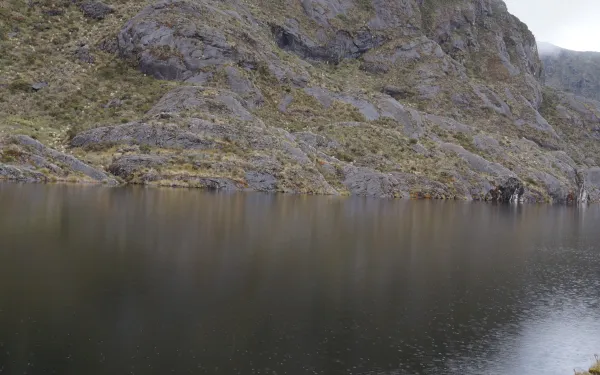
Declaration of a Temporary Reserve Area in the Santurbán Páramo is a victory for the defense of water in Latin America
Civil society organizations celebrate the measure taken by the Colombian Ministry of the Environment, which involves a two year suspension of Canadian company Aris Mining's gold mining project in the páramo.Bogotá, Colombia. The Interamerican Association for Environmental Defense (AIDA), the Institute for Policy Studies (IPS) - Mining and Trade Project, MiningWatch Canada, the Center for International Environmental Law (CIEL) and Common Frontiers Canada celebrate the Colombian Ministry of Environment and Sustainable Development’s (MADS) resolution that declares the western side of the Santurbán massif a temporary renewable natural resource reserve area. This major step strengthens the protection of one of the most emblematic high-altitude Andean wetlands, known as páramo, and its related ecosystems, which are fundamental for climate change adaptation and water security in the region for an estimated 2 million people.Resolution 0221, issued on March 3, 2025 by the Ministry of Environment and Sustainable Development (MADS), delimits and protects an area of 75,344.65 hectares, ensuring a two year provisional suspension of the Soto Norte gold mining project owned by Canadian company Aris Mining and its Colombian subsidiary, Sociedad Minera de Santander S.A.S. (Minesa), which puts Santurbán at risk. Citing the precautionary principle, the resolution prohibits the granting of “new mining concessions, special exploration and exploitation contracts, (...) as well as new environmental permits or licenses for the exploration or exploitation of minerals” in the area until the necessary technical studies are carried out toward its definitive protection. This resolution does not affect agricultural, livestock or tourism activity in the area.However, we are concerned that the resolution leaves in force the concession contract with Calimineros, which has had a subcontract with Minesa to formalize [its small-scale mining activities] since 2020, and from which Minesa promises to buy and process mineralized material. We encourage the competent authorities to suspend evaluation of its environmental license application and extension of the formalization subcontract, due to potential environmental impacts on Santurbán and because it is effectively part of the Soto Norte project.The páramo and related ecosystems are highly sensitive, recognized for their role in water regulation, carbon capture, and the conservation of endemic biodiversity. The removal of vegetation cover and the fragmentation of ecosystems that mining in Santurbán would generate could affect the ecological balance, biodiversity, and the provision of ecosystem services essential for life; acidify and reduce the amount of available fresh-water; and break the ecological interconnectivity with other biomes and ecosystems, destroying their capacity to sequester carbon and causing irreparable damage.For these reasons, we appreciate that the resolution seeks to prevent mining development in this highly sensitive and environmentally important area, preventing degradation of the watersheds that arise from Santurbán and preserving the water cycle.Sebastián Abad-Jara, an attorney for AIDA, pointed out that "by protecting Santurbán, Colombia ratifies its commitment to meet global environmental goals in terms of biodiversity, climate and wetlands, and sets a high bar for the governments of other countries where these ecosystems are similarly threatened by mining activity, such as Peru and Ecuador.""We celebrate this declaration as an important first step toward the consolidation of the western side of the Santurbán massif as a permanent reserve area, definitively protecting this important water source, vital for all who depend on it," said Jen Moore, associate fellow at IPS - Mining and Trade Project.Viviana Herrera, Latin America Program Coordinator for MiningWatch Canada, added that "this resolution is the result of the Committee for the Defence of Water and Páramo of Santurbán’s hard work, which has faced harassment and intimidation for its work in defense of the páramo, as well as disinformation campaigns about the supposed harmful effects of the resolution on agricultural activity."AIDA, IPS-Mining and Trade Project, MiningWatch Canada, CIEL and Common Frontiers Canada support the adoption of this protection measure for Santurbán. We also encourage the national and local government to carry out the necessary technical studies for its definitive protection, and to take preventive measures to avoid the cumulative environmental impacts of mining in the area given other projects that already have mining licenses. Furthermore, we reiterate the urgency of adopting measures to protect environment defenders in Colombia who stand up for the páramo.The Santurbán experience provides valuable lessons and should serve as an example to promote legislation for environmental protection in Latin America that focuses on the human right to water and the balance and integrity of fragile ecosystems, such as the páramo and other high-altitude ecosystems.#OurGoldIsWater Press contactsVictor Quintanilla (Mexico), AIDA, [email protected], +5215570522107Jennifer Moore, IPS, [email protected], +12027049011 (prensa IPS)Viviana Herrera, Mining Watch Canada, [email protected], +14389931264Alexandra Colón-Amil, CIEL, [email protected], +12024550253
Read more