
Project
Amazon Watch / Maíra Irigaray
Barragem de Belo Monte no rio Xingu: 10 anos de impactos na Amazônia e de busca por reparações
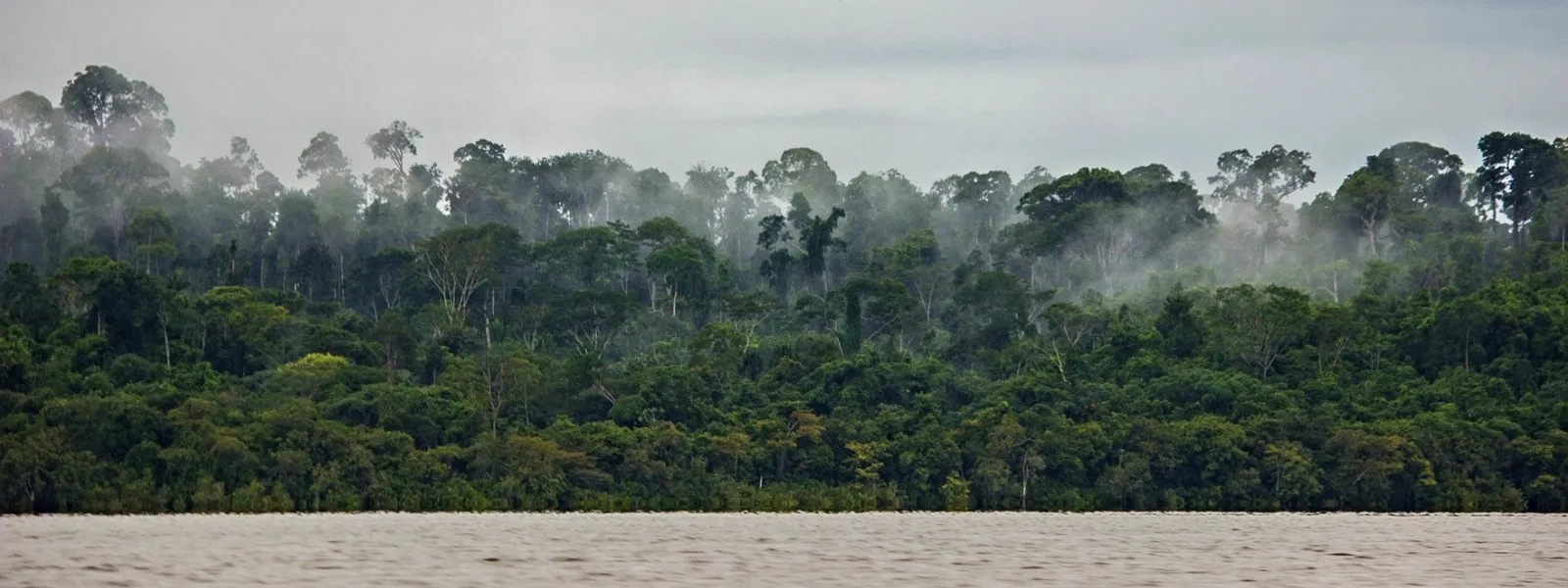
A usina hidrelétrica de Belo Monte causou um desastre ambiental e social no coração da Amazônia: um dos ecossistemas mais importantes do planeta.
Essa situação só piorou desde que a usina começou a operar em 2016. A busca por justiça e reparação para as comunidades indígenas e ribeirinhas afetadas continua até hoje.
Em 2011, a Comissão Interamericana de Direitos Humanos (CIDH) concedeu a essas comunidades medidas de proteção, que até hoje não foram totalmente implementadas pelo Estado brasileiro.
E, desde junho daquele mesmo ano, a CIDH mantém um processo contra o Estado por sua responsabilidade internacional no caso.
A CIDH pode encaminhar o caso à Corte Interamericana de Direitos Humanos, que tem o poder de emitir uma sentença condenatória contra o Estado brasileiro.
Consulta o expediente de fatos do caso
Após 10 anos de operação da usina hidrelétrica e mais de 15 anos de violações de direitos humanos documentadas, é hora da justiça ser feita para as comunidades afetadas.
Leia a carta aberta das organizações que levam o caso à CIDH
Leia nosso comunicado à imprensa
Contexto
A usina hidrelétrica de Belo Monte — a quarta maior do mundo em capacidade instalada (11.233 MW) — foi construída no rio Xingu, no estado do Pará, norte do Brasil.
Foi inaugurada em 5 de maio de 2016, com uma única turbina. Naquela época, 80% do curso do rio foi desviado e 516 km² de terra foram inundados, uma área maior que a cidade de Chicago. Desse total, 400 km² eram de mata nativa. A usina começou a operar em plena capacidade em novembro de 2019.
Belo Monte foi construída e é operada pelo consórcio Norte Energia S.A., composto principalmente por empresas estatais. Foi financiada pelo Banco Nacional de Desenvolvimento Econômico e Social (BNDES), que aportou ao consórcio 25,4 bilhões de reais (aproximadamente US$ 10,16 bilhões), o maior investimento de sua história. Portanto, o BNDES também é legalmente responsável pelos impactos socioambientais associados ao projeto hidrelétrico.
Décadas de danos ambientais e humanos
As violações dos direitos humanos e a degradação da Amazônia remontam ao início do projeto. Em março de 2011, a Norte Energia iniciou a construção da barragem sem consulta adequada e sem o consentimento prévio, livre e informado das comunidades afetadas.
A construção levou ao deslocamento forçado de mais de 40.000 pessoas, rompendo laços sociais e culturais. O plano de reassentamento em Altamira — cidade diretamente afetada pelo projeto hidrelétrico — incluía moradias na periferia da cidade, sem serviços públicos adequados, moradias dignas para as famílias reassentadas e moradias diferenciadas para aqueles pertencentes a comunidades indígenas.
A operação da barragem de Belo Monte impôs uma seca permanente e artificial na Volta Grande do rio Xingu, agravada pelas secas históricas na Amazônia em 2023 e 2024. Como resultado, a morte de milhões de ovos de peixe foi documentada por quatro anos consecutivos (de 2021 a 2024) e, nos últimos três anos, não houve migração de peixes rio acima para desovar e se reproduzir. Assim, a pesca artesanal, principal fonte de proteína para os povos indígenas e comunidades ribeirinhas, foi severamente afetada: o consumo de peixe caiu de 50% para 30% do total de proteínas consumidas, sendo substituído por alimentos processados. Em suma, houve um colapso ambiental e humanitário que resultou no colapso da pesca como modo de vida tradicional, insegurança alimentar e falta de acesso à água potável para milhares de famílias, empobrecimento e doenças.
Além disso, a construção da barragem aumentou o desmatamento e intensificou a extração ilegal de madeira e a insegurança em terras indígenas e tribais, colocando em risco a sobrevivência dessas comunidades. Outra consequência foi o agravamento da pobreza e dos conflitos sociais, bem como a sobrecarga dos sistemas de saúde, educação e segurança pública em Altamira, cidade considerada a mais violenta do país em 2017, onde houve aumento do tráfico de pessoas e da violência sexual. Também foram registrados casos de violência contra defensores de direitos humanos envolvidos no caso.
Em 2025, durante a 30ª Conferência das Nações Unidas sobre Mudanças Climáticas (COP30), realizada no Brasil, o Ministério Público Federal classificou os danos causados por Belo Monte como ecocídio.
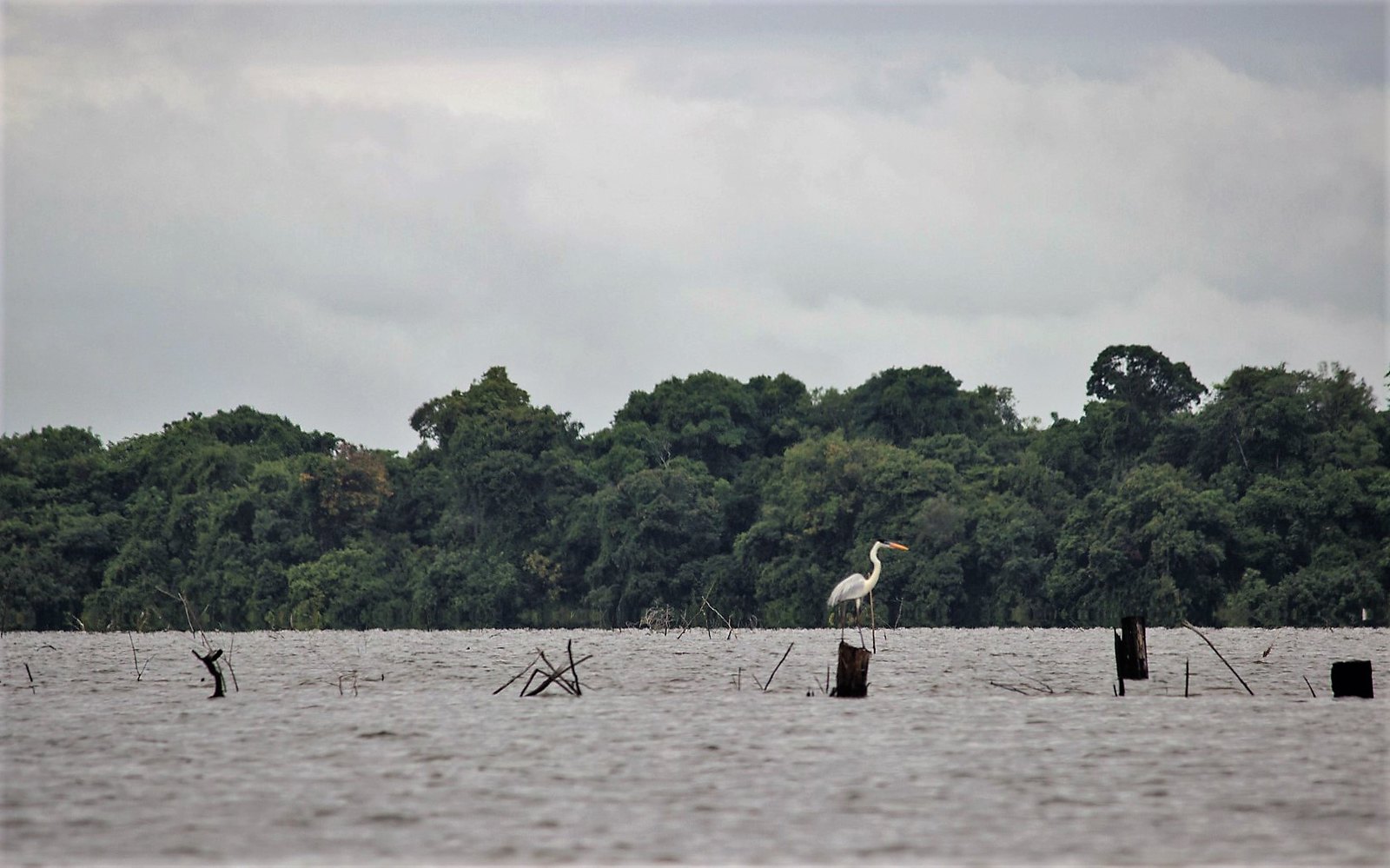
Foto: Amazon Watch / Maíra Irigaray.
A busca por justiça e reparação
Ao longo dos anos, o Ministério Público Federal do Pará, a Defensoria Pública e organizações da sociedade civil impetraram dezenas de ações judiciais em tribunais brasileiros para contestar as diversas irregularidades do projeto, bem como seus impactos. A maioria das ações permanece sem solução, algumas há mais de 10 anos.
Essas ações não obtiveram sucesso porque o governo federal tem reiteradamente anulado decisões favoráveis às comunidades afetadas, recorrendo a um mecanismo pelo qual o presidente do Supremo Tribunal Federal pode suspender uma decisão judicial com base unicamente em argumentos genéricos como "interesse nacional" ou "ordem econômica".
Diante da falta de respostas eficazes em nível nacional, a AIDA — juntamente com uma coalizão de organizações aliadas — levou o caso à Comissão Interamericana de Direitos Humanos (CIDH) e, em 2010, solicitou medidas cautelares para proteger a vida, a integridade e a saúde das comunidades indígenas afetadas.
Em 1º de abril de 2011, a CIDH concedeu essas medidas e solicitou ao Estado brasileiro a suspensão das licenças ambientais e de quaisquer obras de construção até que as condições relativas à consulta prévia e à proteção da saúde e integridade das comunidades fossem atendidas.
E, em 16 de junho de 2011, apresentamos uma denúncia formal à CIDH — juntamente com o Movimento Xingu Vivo Para Siempre, a Coordenação das Organizações Indígenas da Amazônia Brasileira, a Diocese de Altamira, o Conselho Missionário Indígena, a Sociedade Pará de Defesa dos Direitos Humanos e a Global Justice — contra o Estado brasileiro por sua responsabilidade internacional nas violações de direitos humanos contra os povos afetados neste caso. A denúncia foi apresentada em dezembro de 2015.
Em 3 de agosto de 2011, a CIDH modificou as medidas cautelares para solicitar — em vez da suspensão de licenças e obras — a proteção dos povos que vivem em isolamento voluntário, a saúde das comunidades indígenas e a regularização e proteção das terras ancestrais.
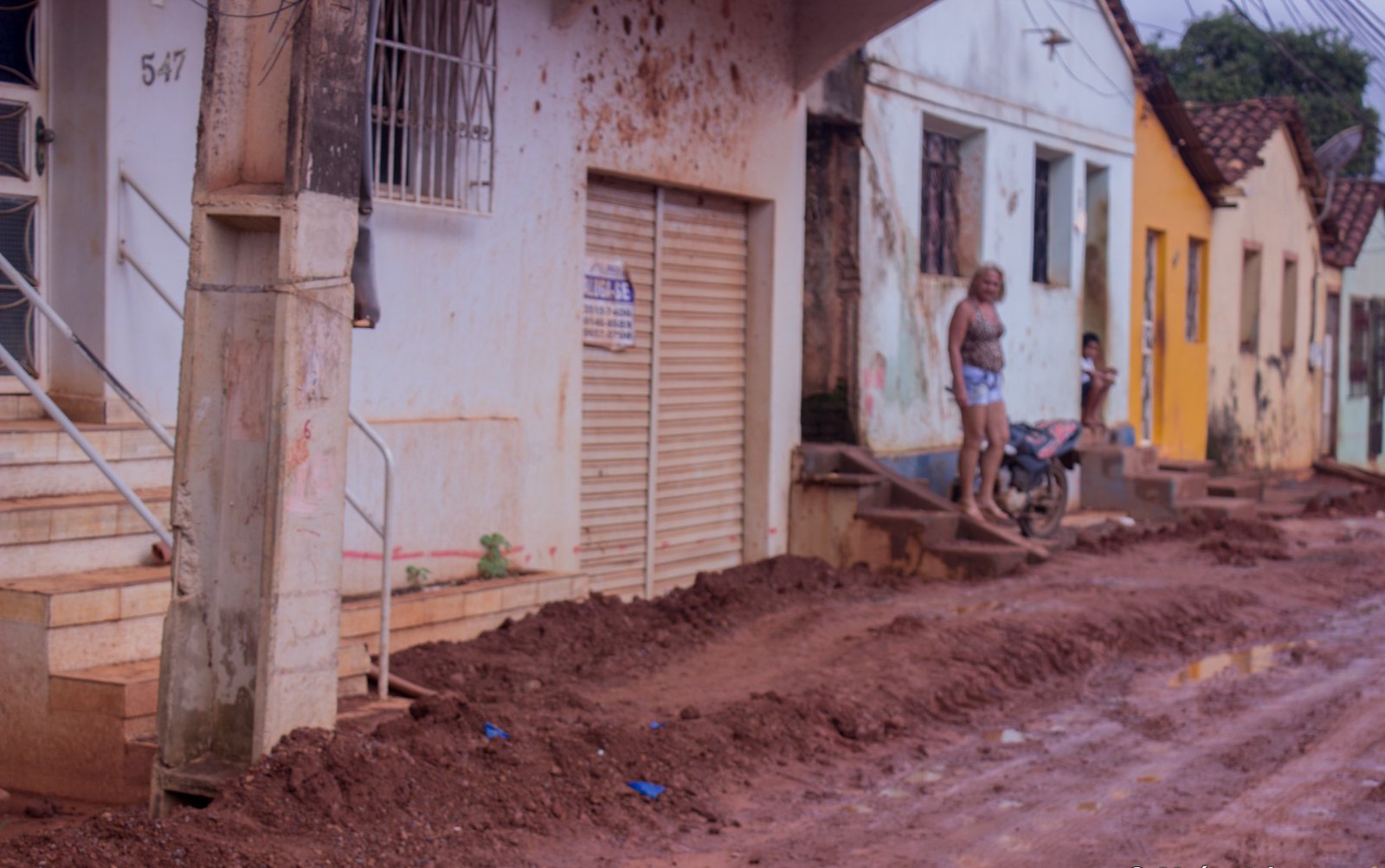
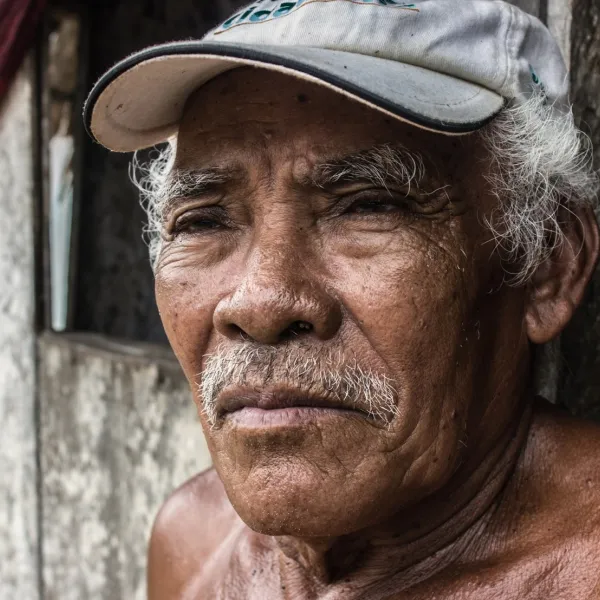
Foto: Amazon Watch / Maíra Irigaray.
Situação atual
As medidas de proteção concedidas pela CIDH permanecem em vigor, mas o Estado brasileiro não as cumpriu integralmente, relatando apenas ações genéricas. As comunidades documentaram as contínuas violações de seus direitos. A situação que motivou o pedido dessas medidas — o risco à vida, à segurança e aos meios de subsistência das comunidades — persiste e se agravou com a usina hidrelétrica operando em plena capacidade e com as recentes secas extremas na Amazônia.
Além do ocorrido em Belo Monte, existe o risco de maiores danos sociais e ambientais decorrentes da implementação de outro megaprojeto de mineração na Volta Grande do Xingu. Lá, a empresa canadense Belo Sun pretende construir a maior mina de ouro a céu aberto do Brasil.
Os impactos sinérgicos e cumulativos da usina e da mina não foram avaliados. O Estado excluiu povos indígenas, comunidades ribeirinhas e comunidades camponesas do processo de licenciamento ambiental do projeto. Apesar disso, dos protestos indígenas e de outras irregularidades em torno do projeto, o governo do estado do Pará autorizou formalmente a mina em abril de 2026.
Belo Monte, assim como outras usinas hidrelétricas, agrava a emergência climática ao gerar emissões de gases de efeito estufa em seu reservatório. Além disso, é ineficiente diante das secas prolongadas e intensas causadas pela crise, pois perde capacidade de geração de energia.
O caso perante a Comissão Interamericana
Em outubro de 2017, a CIDH anunciou que decidiria conjuntamente sobre a admissibilidade (se o caso preenche os requisitos para admissão) e o mérito (se houve, de fato, violação de direitos humanos) da denúncia internacional contra o Estado brasileiro.
Quinze anos após a apresentação da denúncia, as comunidades afetadas e as organizações que as representam ainda aguardam essa decisão. Caso a CIDH conclua que houve violações de direitos humanos e emita recomendações que o Estado brasileiro não cumpra, poderá encaminhar o caso à Corte Interamericana de Direitos Humanos, cujas decisões são vinculativas.
Uma possível decisão da Corte Internacional de Direitos Humanos neste caso estabeleceria um precedente jurídico regional em relação aos direitos dos povos indígenas e ribeirinhos, à participação pública em megaprojetos e à responsabilidade do Estado no contexto da crise climática. Isso é particularmente relevante à luz do Parecer Consultivo nº 32 da Corte, que reafirmou as obrigações dos Estados de proteger pessoas e comunidades em todo o continente da emergência climática.
Partners:
Related projects
The role of critical minerals in the energy transition: policy implications at the local, national, regional and global level
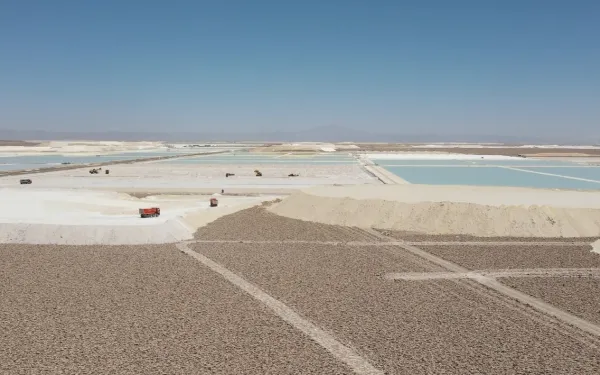
2023 was the hottest year: 1.45 ºC above pre-industrial values. The trend points to an increase of 3º C. Consequently, climate events are becoming more extreme, frequent and long-lasting, affecting particularly vulnerable populations in the Global South. These countries not only lack financing to face losses and damages, and to propose mitigation and adaptation measures, but also bear the brunt of increased extraction of minerals needed for the energy transition in the Global North. The G20 countries, responsible for 76% of GHG emissions, should lead ambitious climate action, particularly in the energy sector, which accounts for 86% of global CO2 emissions (UNEP, 2023).In the outline of plans and policies for the energy transition, the demand for minerals considered critical, such as lithium, is increasing rapidly, exacerbating the global climate and ecological crisis by threatening Andean wetlands´ contribution to climate adaptation and mitigation. Also, this pressure to extract is affecting the rights of the indigenous communities who inhabit the salt flats in Argentina, Chile and Bolivia, which together concentrate over 50% of the world’s reserves. Additionally, geopolitical competition for technological control of the energy transition hinders countries in the region from advancing in the battery production value chain. Tensions emerge between technicaleconomic positions that prioritize the security of supply and friend-shoring and those that integrate the relationship between energy, ecological and socio-economic systems and challenge power asymmetries.This policy brief discusses lithium´s challenges for energy transition debates and calls the G-20 to ensure commitment to improved global cooperation that involves material reduction targets in the Global North, benefits for producer countries and a strong respect for planetary boundaries and human rights. Read and download the policy brief
Read more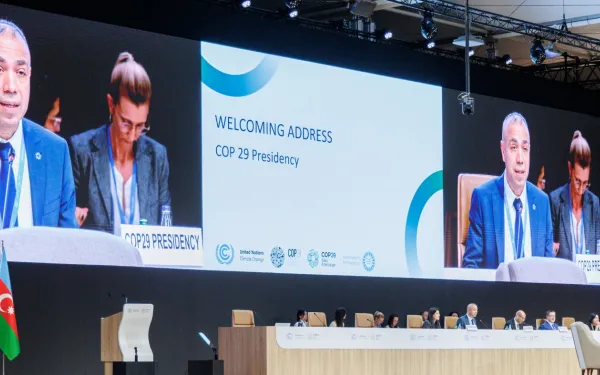
COP29: Climate target disappoints and invites us to look elsewhere for hope
The twenty-ninth United Nations Climate Change Conference (COP29), held in Baku, Azerbaijan, was dubbed "the COP of finance" because the most anticipated decision was the establishment of the New Collective and Quantifiable Global Climate Finance Goal (NCQG), the amount that developed countries would pledge to finance climate action in developing countries. This issue grabbed all the attention, overshadowing everything else.In addition, the recent re-election of Donald Trump as President of the United States, accompanied by his threat to abandon the Paris Agreement and reverse the country's climate action, set the tone for the event.The negotiations, which took place from November 11 to 22, were intense and ended almost two full days late, with the approval of a text that caused great disappointment.However, the invitation is not to be blinded by disappointment. As much as we want, demand and hope, the international climate negotiations are not delivering what we so desperately need. Let us look for hope in what is happening and working, such as local, community-led projects and the work of civil society that is not giving up.Here is a review of COP29 based on what was agreed on climate finance and other relevant issues. A new climate finance targetThe mandate was clear: the new target should exceed the previous one of $100 billion per year and respond to the needs and priorities of developing countries. But while developing countries demanded $1.3 trillion per year, the offer was a mere $300 billion (less than a third and just 12% of the global military budget in 2023) by 2035. "Is this a joke?" exclaimed the head of the Bolivian delegation at a press conference.Developing countries also demanded that financing be adequate, i.e. based mainly on public resources, in the form of grants and highly concessional instruments that would not add to the heavy debts they already carry. They also called for the explicit inclusion of loss and damage as one of the objectives of financing (along with mitigation and adaptation), as well as a specific target for adaptation.None of this was achieved. The target was left open to private financing, further diluting the responsibility of developed countries. There was no specific target for adaptation, nor was there any mention of loss and damage. In case there was any doubt, all references to human rights were removed from the final text.The only saving grace was a call to mobilize $1.3 trillion in climate finance annually from a broad base of sources through the so-called Baku-Belem Roadmap, with a view to achieving this goal by 2035. However, this is a "call" and not a binding commitment, the concrete results of which will depend on political will in the coming years. Global stocktaking and gender issuesNo significant progress was made on the results of last year's Global Stocktaking on the implementation of the Paris Agreement, particularly on the transition away from fossil fuels. The issue was deferred to COP30, which will be held next year in the Brazilian city of Belém do Pará.While there has also been insufficient progress on gender issues, some progress should be recognized, such as the extension of the Lima Work Program to 10 years, which lays the groundwork for the development of a Gender Action Plan and provides an opportunity to further deepen the integration of gender into climate action, particularly as countries develop updates to their Nationally Determined Contributions (NDCs).In addition, the text of the NCQG recognizes women as beneficiaries of funds but fails to ensure that the specific circumstances and intersectional discrimination that many women face are addressed. Carbon marketsWhat did see advances during the negotiations were carbon markets, with the approval of the rules for a global market. Carbon markets are trading systems where carbon credits are bought and sold. Each credit represents one ton of CO₂, or its equivalent in other greenhouse gases, removed from the atmosphere. The credits are generated by projects that reduce emissions (such as forest conservation, renewable energy, or energy efficiency). The buyers are polluting companies that want to offset their emissions in order to remain in compliance.The issue has been under discussion for more than a decade due to the difficulty of ensuring the credibility of the system to reduce emissions. Although it is the last outstanding issue of the Paris Agreement, signed more than 10 years ago, civil society is not celebrating. These markets allow companies to continue polluting if they pay for carbon reductions elsewhere in the world. Methane emission reductionsA promising development was the signing of the Declaration on Methane Reduction from Organic Waste by more than 30 countries. The signatories, representing nearly half of global emissions, committed to setting sector-specific methane reduction targets in their future NDCs, underscoring the importance of organic waste management in the fight against climate change. Closing thoughtsIn the end, the results are not surprising. Conventions on climate change are often not much to celebrate, but we must not forget that they are a unique space where all countries sit down to seek consensus to advance a common goal. Its very existence reflects an intention to acknowledge historical responsibilities in favor of justice and a world where we can live together in harmony. It is a platform from which to push, even if it brings more frustration than results.On the other hand, it is very encouraging and motivating to see civil society in action. Hundreds of representatives from different organizations and movements are doing their best to achieve results that reflect the fulfillment of international commitments of developed countries towards their developing counterparts, the climate and the natural balance of our planet.Finally, the side events that take place parallel to the negotiations are a source of inspiration. On the sidelines, without much fanfare, there are people from communities and indigenous peoples who are implementing climate solutions in their territories, with concrete, successful results. These people, like seeds silently germinating, are a powerful source of hope.
Read more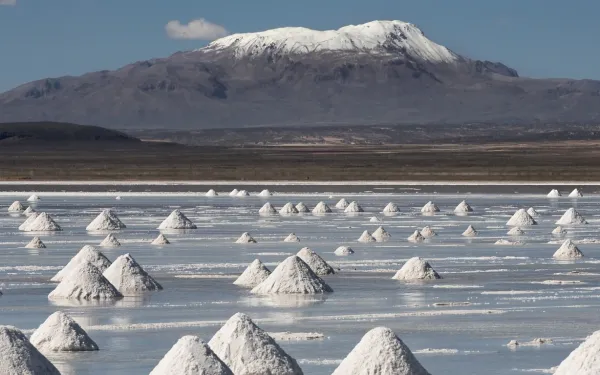
The ABCs of "critical" or transition minerals and their role in energy production
By Mayela Sánchez, David Cañas and Javier Oviedo* There is no doubt that we need to move away from fossil fuels to address the climate crisis. But what does it mean to switch to other energy sources?To make a battery or a solar panel, raw materials from nature are also used.Some of these raw materials are minerals which, due to their characteristics and in the context of the energy transition, have been descriptively named "critical" minerals or transition minerals.What are these minerals, where are they found, and how are they used?Below we answer the most important questions about these mineral resources, because it is crucial to know which natural resources will supply the new energy sources, and to ensure that their extraction respects human rights and planetary limits, so that the energy transition is just. What are "critical" or transition minerals and why are they called that?They are a group of minerals with a high capacity to store and conduct energy. Because of these properties, they are used in the development of renewable energy technologies, such as solar panels, batteries for electric mobility, or wind turbines.They are so called because they are considered strategic to the energy transition. The term "critical" refers to elements that are vital to the economy and national security, but whose supply chain is vulnerable to disruption. This means that transition minerals may be strategic minerals, but not critical in terms of security and the economy.However, given the urgency of climate action, some states and international organizations have classified transition minerals as "critical" minerals in order to promote and facilitate access to these raw materials.They are also often referred to as transition minerals because they are considered essential for the technological development of renewable energy sources, such as those mentioned above. And in the context of the energy transition, energy sources that use these minerals are the most sought-after to replace fossil energy sources. What are the most important "critical" or transition minerals?The most important transition minerals are cobalt, copper, graphite, lithium, nickel and rare earth.But there are at least 19 minerals used in various renewable energy technologies: bauxite, cadmium, cobalt, copper, chromium, tin, gallium, germanium, graphite, indium, lithium, manganese, molybdenum, nickel, selenium, silicon, tellurium, titanium, zinc, and the "rare" earth. What are "rare" earth elements and why are they so called?The "rare" earth elements are the 16 chemical elements of the lanthanoid or lanthanide group, plus Ithrium (Y), whose chemical behavior is virtually the same as that of the lanthanoids.They are Scandium, Ithrium, Lanthanum, Cerium, Praseodymium, Neodymium, Samarium, Europium, Gadolinium, Terbium, Dysprosium, Holmium, Erbium, Tullium, Iterbium and Lutetium.They are so called because when they were discovered in the 18th and 19th centuries, they were less well known than other elements considered similar, such as calcium. But the name is now outdated.Nor does the term "rare" refer to their abundance, because although they are not usually concentrated in deposits that can be exploited (so their mines are few), even the less abundant elements in this group are much more common than gold. What are "critical" or transition minerals used for? What technologies are based on them?The uses of transition minerals in the technological development of renewable energy sources are diverse:Solar technologies: bauxite, cadmium, tin, germanium, gallium, indium, selenium, silicon, tellurium, zinc.Electrical installations: copper.Wind energy: bauxite, copper, chromium, manganese, molybdenum, rare earths, zinc.Energy storage: bauxite, cobalt, copper, graphite, lithium, manganese, molybdenum, nickel, rare earths, titanium.Batteries: cobalt, graphite, lithium, manganese, nickel, rare earths. In addition, they are used in a variety of modern technologies, for example in the manufacture of displays, cell phones, computer hard drives and LED lights, among others. Where are "critical" or transition minerals found?The geography of transition minerals is broad, ranging from China to Canada, from the United States to Australia. But their extraction has been concentrated in countries of the global south.Several Latin American countries are among the top producers of various transition minerals. These materials are found in complex areas rich in biological and cultural diversity, such as the Amazon and the Andean wetlands.Argentina: lithiumBrazil: aluminum, bauxite, lithium, manganese, rare earths, titaniumBolivia: lithiumChile: copper, lithium, molybdenumColombia: nickelMexico: copper, tin, molybdenum, zincPeru: tin, molybdenum, zinc How do "critical" or transition minerals support the energy transition and decarbonization?Transition minerals are seen as indispensable links in the energy transition to decarbonization, i.e. the shift away from fossil energy sources.But the global interest in these materials also raises questions about the benefits and challenges of mining transition minerals.The issue has become so relevant that last September, the United Nations Panel on Critical Minerals for Energy Transition issued a set of recommendations and principles to ensure equitable, fair and sustainable management of these minerals.In addition, as a result of the intensification and expansion of their extraction in countries of the region, the issue was brought before the Inter-American Commission on Human Rights for the first time on November 15.In a public hearing, representatives of communities and organizations from Argentina, Bolivia, Chile and Colombia, as well as regional organizations, presented information and testimonies on the environmental and social impacts of transition mineral mining.Given the current energy transition process, it is necessary to know where the resources that will enable the technologies to achieve this transition will come from.The extraction and use of transition minerals must avoid imposing disproportionate environmental and social costs on local communities and ecosystems. *Mayela Sánchez is a digital community specialist at AIDA; David Cañas and Javier Oviedo are scientific advisors.Sources consulted:-Olivera, B., Tornel, C., Azamar, A., Minerales críticos para la transición energética. Conflictos y alternativas hacia una transformación socioecológica, Heinrich Böll Foundation Mexico City/Engenera/UAM-Unidad Xochimilco.-Science History Institute Museum & Library, “History and Future of Rare Earth Elements”.-FIMA NGO, Narratives on the extraction of critical minerals for the energy transition: Critiques from environmental and territorial justice.-Haxel, Hedrick & Orris, “Rare Earth-Elements. Critical Resources for High Technology,” 2005.-USGS 2014, “The Rare-Earth elements. Vital to modern technology and lifestyle”, 2014.-Final Report for the Inter-American Commission on Human Rights (IACHR) Thematic Hearing: Minerals for Energy Transition and its Impact on Human Rights in the Americas, 2024.
Read more