
Project
Amazon Watch / Maíra Irigaray
Barragem de Belo Monte no rio Xingu: 10 anos de impactos na Amazônia e de busca por reparações
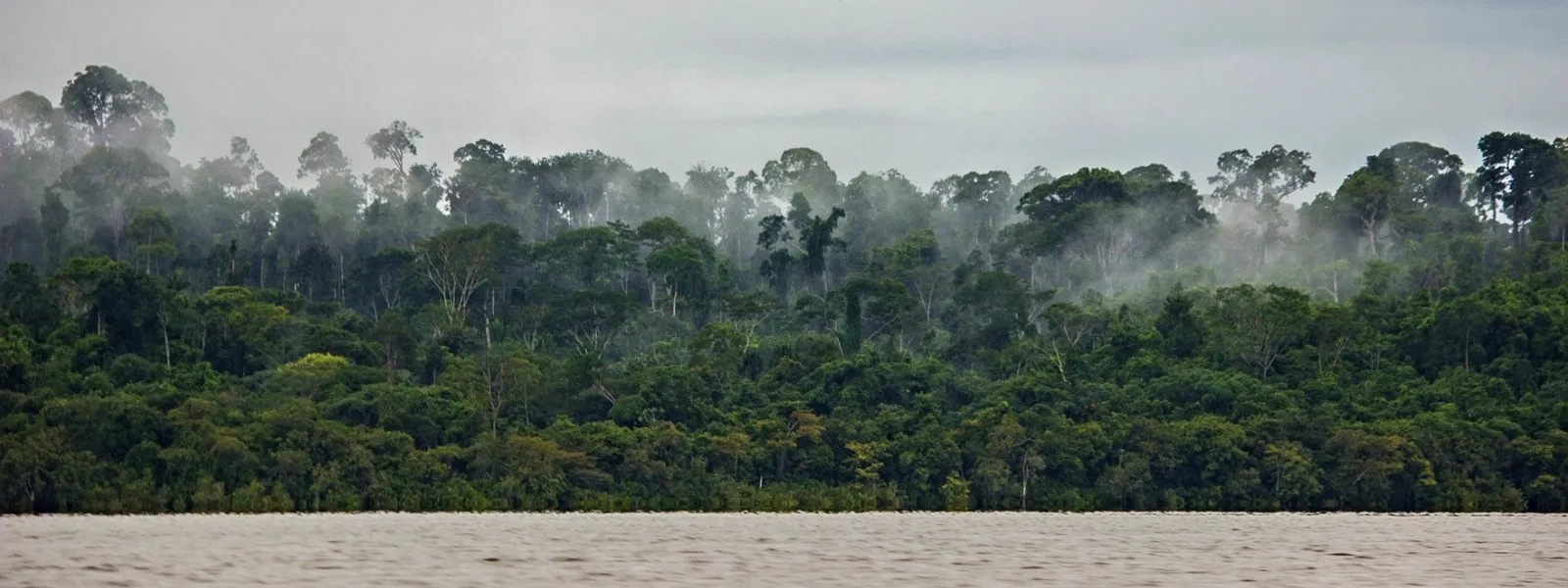
A usina hidrelétrica de Belo Monte causou um desastre ambiental e social no coração da Amazônia: um dos ecossistemas mais importantes do planeta.
Essa situação só piorou desde que a usina começou a operar em 2016. A busca por justiça e reparação para as comunidades indígenas e ribeirinhas afetadas continua até hoje.
Em 2011, a Comissão Interamericana de Direitos Humanos (CIDH) concedeu a essas comunidades medidas de proteção, que até hoje não foram totalmente implementadas pelo Estado brasileiro.
E, desde junho daquele mesmo ano, a CIDH mantém um processo contra o Estado por sua responsabilidade internacional no caso.
A CIDH pode encaminhar o caso à Corte Interamericana de Direitos Humanos, que tem o poder de emitir uma sentença condenatória contra o Estado brasileiro.
Consulta o expediente de fatos do caso
Após 10 anos de operação da usina hidrelétrica e mais de 15 anos de violações de direitos humanos documentadas, é hora da justiça ser feita para as comunidades afetadas.
Leia a carta aberta das organizações que levam o caso à CIDH
Leia nosso comunicado à imprensa
Contexto
A usina hidrelétrica de Belo Monte — a quarta maior do mundo em capacidade instalada (11.233 MW) — foi construída no rio Xingu, no estado do Pará, norte do Brasil.
Foi inaugurada em 5 de maio de 2016, com uma única turbina. Naquela época, 80% do curso do rio foi desviado e 516 km² de terra foram inundados, uma área maior que a cidade de Chicago. Desse total, 400 km² eram de mata nativa. A usina começou a operar em plena capacidade em novembro de 2019.
Belo Monte foi construída e é operada pelo consórcio Norte Energia S.A., composto principalmente por empresas estatais. Foi financiada pelo Banco Nacional de Desenvolvimento Econômico e Social (BNDES), que aportou ao consórcio 25,4 bilhões de reais (aproximadamente US$ 10,16 bilhões), o maior investimento de sua história. Portanto, o BNDES também é legalmente responsável pelos impactos socioambientais associados ao projeto hidrelétrico.
Décadas de danos ambientais e humanos
As violações dos direitos humanos e a degradação da Amazônia remontam ao início do projeto. Em março de 2011, a Norte Energia iniciou a construção da barragem sem consulta adequada e sem o consentimento prévio, livre e informado das comunidades afetadas.
A construção levou ao deslocamento forçado de mais de 40.000 pessoas, rompendo laços sociais e culturais. O plano de reassentamento em Altamira — cidade diretamente afetada pelo projeto hidrelétrico — incluía moradias na periferia da cidade, sem serviços públicos adequados, moradias dignas para as famílias reassentadas e moradias diferenciadas para aqueles pertencentes a comunidades indígenas.
A operação da barragem de Belo Monte impôs uma seca permanente e artificial na Volta Grande do rio Xingu, agravada pelas secas históricas na Amazônia em 2023 e 2024. Como resultado, a morte de milhões de ovos de peixe foi documentada por quatro anos consecutivos (de 2021 a 2024) e, nos últimos três anos, não houve migração de peixes rio acima para desovar e se reproduzir. Assim, a pesca artesanal, principal fonte de proteína para os povos indígenas e comunidades ribeirinhas, foi severamente afetada: o consumo de peixe caiu de 50% para 30% do total de proteínas consumidas, sendo substituído por alimentos processados. Em suma, houve um colapso ambiental e humanitário que resultou no colapso da pesca como modo de vida tradicional, insegurança alimentar e falta de acesso à água potável para milhares de famílias, empobrecimento e doenças.
Além disso, a construção da barragem aumentou o desmatamento e intensificou a extração ilegal de madeira e a insegurança em terras indígenas e tribais, colocando em risco a sobrevivência dessas comunidades. Outra consequência foi o agravamento da pobreza e dos conflitos sociais, bem como a sobrecarga dos sistemas de saúde, educação e segurança pública em Altamira, cidade considerada a mais violenta do país em 2017, onde houve aumento do tráfico de pessoas e da violência sexual. Também foram registrados casos de violência contra defensores de direitos humanos envolvidos no caso.
Em 2025, durante a 30ª Conferência das Nações Unidas sobre Mudanças Climáticas (COP30), realizada no Brasil, o Ministério Público Federal classificou os danos causados por Belo Monte como ecocídio.
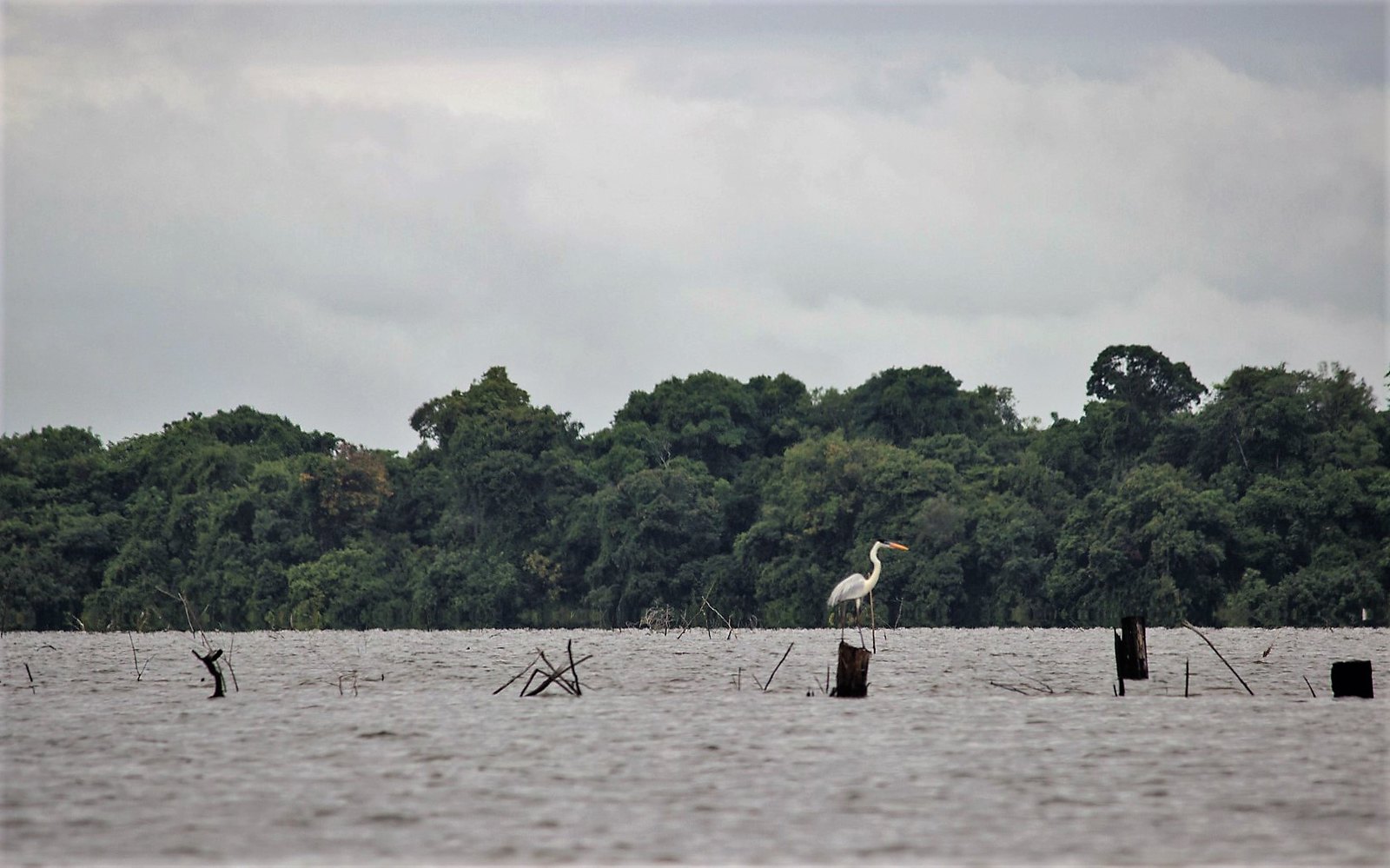
Foto: Amazon Watch / Maíra Irigaray.
A busca por justiça e reparação
Ao longo dos anos, o Ministério Público Federal do Pará, a Defensoria Pública e organizações da sociedade civil impetraram dezenas de ações judiciais em tribunais brasileiros para contestar as diversas irregularidades do projeto, bem como seus impactos. A maioria das ações permanece sem solução, algumas há mais de 10 anos.
Essas ações não obtiveram sucesso porque o governo federal tem reiteradamente anulado decisões favoráveis às comunidades afetadas, recorrendo a um mecanismo pelo qual o presidente do Supremo Tribunal Federal pode suspender uma decisão judicial com base unicamente em argumentos genéricos como "interesse nacional" ou "ordem econômica".
Diante da falta de respostas eficazes em nível nacional, a AIDA — juntamente com uma coalizão de organizações aliadas — levou o caso à Comissão Interamericana de Direitos Humanos (CIDH) e, em 2010, solicitou medidas cautelares para proteger a vida, a integridade e a saúde das comunidades indígenas afetadas.
Em 1º de abril de 2011, a CIDH concedeu essas medidas e solicitou ao Estado brasileiro a suspensão das licenças ambientais e de quaisquer obras de construção até que as condições relativas à consulta prévia e à proteção da saúde e integridade das comunidades fossem atendidas.
E, em 16 de junho de 2011, apresentamos uma denúncia formal à CIDH — juntamente com o Movimento Xingu Vivo Para Siempre, a Coordenação das Organizações Indígenas da Amazônia Brasileira, a Diocese de Altamira, o Conselho Missionário Indígena, a Sociedade Pará de Defesa dos Direitos Humanos e a Global Justice — contra o Estado brasileiro por sua responsabilidade internacional nas violações de direitos humanos contra os povos afetados neste caso. A denúncia foi apresentada em dezembro de 2015.
Em 3 de agosto de 2011, a CIDH modificou as medidas cautelares para solicitar — em vez da suspensão de licenças e obras — a proteção dos povos que vivem em isolamento voluntário, a saúde das comunidades indígenas e a regularização e proteção das terras ancestrais.
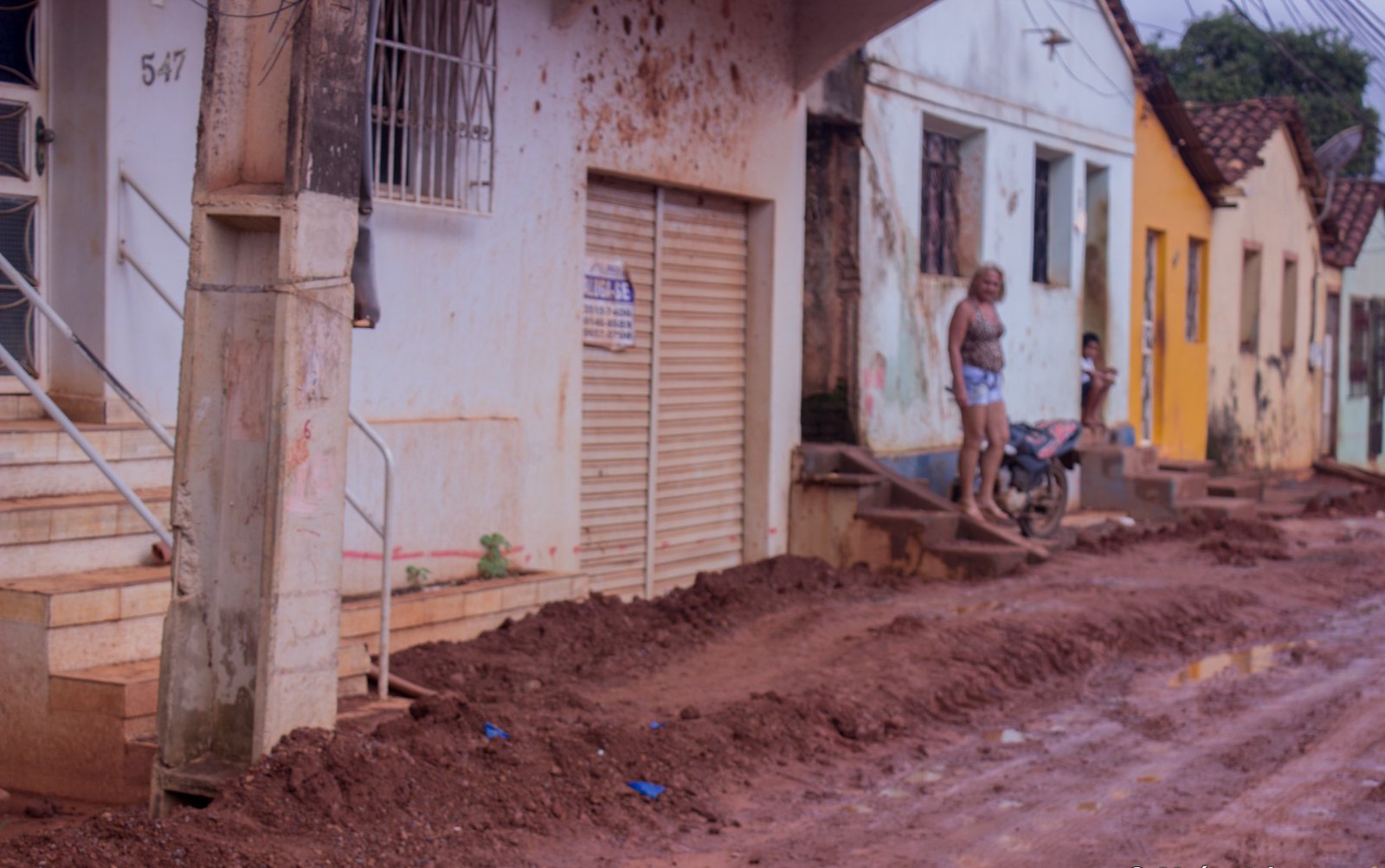
Foto: Amazon Watch / Maíra Irigaray.
Situação atual
As medidas de proteção concedidas pela CIDH permanecem em vigor, mas o Estado brasileiro não as cumpriu integralmente, relatando apenas ações genéricas. As comunidades documentaram as contínuas violações de seus direitos. A situação que motivou o pedido dessas medidas — o risco à vida, à segurança e aos meios de subsistência das comunidades — persiste e se agravou com a usina hidrelétrica operando em plena capacidade e com as recentes secas extremas na Amazônia.
Além do ocorrido em Belo Monte, existe o risco de maiores danos sociais e ambientais decorrentes da implementação de outro megaprojeto de mineração na Volta Grande do Xingu. Lá, a empresa canadense Belo Sun pretende construir a maior mina de ouro a céu aberto do Brasil.
Os impactos sinérgicos e cumulativos da usina e da mina não foram avaliados. O Estado excluiu povos indígenas, comunidades ribeirinhas e comunidades camponesas do processo de licenciamento ambiental do projeto. Apesar disso, dos protestos indígenas e de outras irregularidades em torno do projeto, o governo do estado do Pará autorizou formalmente a mina em abril de 2026.
Belo Monte, assim como outras usinas hidrelétricas, agrava a emergência climática ao gerar emissões de gases de efeito estufa em seu reservatório. Além disso, é ineficiente diante das secas prolongadas e intensas causadas pela crise, pois perde capacidade de geração de energia.
O caso perante a Comissão Interamericana
Em outubro de 2017, a CIDH anunciou que decidiria conjuntamente sobre a admissibilidade (se o caso preenche os requisitos para admissão) e o mérito (se houve, de fato, violação de direitos humanos) da denúncia internacional contra o Estado brasileiro.
Quinze anos após a apresentação da denúncia, as comunidades afetadas e as organizações que as representam ainda aguardam essa decisão. Caso a CIDH conclua que houve violações de direitos humanos e emita recomendações que o Estado brasileiro não cumpra, poderá encaminhar o caso à Corte Interamericana de Direitos Humanos, cujas decisões são vinculativas.
Uma possível decisão da Corte Internacional de Direitos Humanos neste caso estabeleceria um precedente jurídico regional em relação aos direitos dos povos indígenas e ribeirinhos, à participação pública em megaprojetos e à responsabilidade do Estado no contexto da crise climática. Isso é particularmente relevante à luz do Parecer Consultivo nº 32 da Corte, que reafirmou as obrigações dos Estados de proteger pessoas e comunidades em todo o continente da emergência climática.
Partners:
Related projects
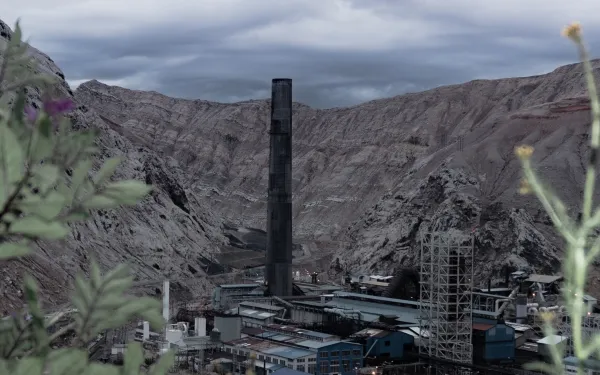
Warning of increased contamination in La Oroya and slow progress by the State to comply with the Inter-American Court ruling
The State's progress in implementing the international court's ruling has been slow and insufficient. Meanwhile, a high level of sulphur dioxide has recently been registered in the Andean city due to the partial reactivation of the metallurgical complex and the lack of prevention, warning, monitoring and control measures by the state. Two months after the Inter-American Court of Human Rights issued its ruling in the case "La Oroya Community vs. Peru," the Inter-American Association for Environmental Defense (AIDA) and the Pro Human Rights Association (APRODEH), organizations that legally represent the victims, warned at a press conference that the Peru is making slow and insufficient progress in effectively complying with the ruling.The ruling, issued on March 22 and considered a landmark in international law, established Peru’s responsibility for violating the rights of La Oroya residents affected by decades of toxic contamination.The international tribunal ordered comprehensive remedial measures, including environmental cleanup, reduction and mitigation of polluting emissions, air quality monitoring, free and specialized medical care, compensation, and a resettlement plan for the affected people. Increased pollution in La OroyaThe organizations also denounced that the government’s slow action is occurring in the midst of an increase in the presence of toxic contamination in the area due to the partial reactivation of the La Oroya Metallurgical Complex and the lack of prevention, warning, monitoring and control measures by the state.According to the Environmental Monitoring System of the Environmental Evaluation and Control Agency, a high presence of sulfur dioxide has recently been recorded in La Oroya, which makes it imperative that Peru take urgent action based on its international responsibility.One of the measures ordered by the Inter-American Court is to ensure that the operations of the La Oroya Metallurgical Complex comply with international environmental standards, preventing and mitigating damage to the environment and human health. Challenges in implementing the rulingDuring the press conference, Rosa Peña, Senior Attorney for AIDA's Human Rights and Environment Program, said: "The ruling is a great opportunity for the State of Peru to prevent and better manage the environmental impacts of mining and metallurgical activities, as well as to improve health care for people exposed to contamination. The Court has already identified the key aspects, now it is up to the State as a whole to ensure a good implementation that will serve as an example for other cases at national and international levels."Christian Huaylinos, coordinator of the legal sector of APRODEH, emphasized the need for an articulated multisectoral work: "A coordinated effort of the three levels of the state—local, regional and national—is needed to advance in the effective compliance of the sentence. In addition, clear mechanisms must be put in place to ensure the effective participation of victims in the implementation of the orders issued by the Court." Community demandsYolanda Zurita, a petitioner in the case, emphasized the community's frustration with the lack of prompt and effective action: "We, as a population, need to feel and see that there is compliance. It is not possible that after 20 years of litigation, and after the Court's ruling has been made public, there are officials who claim to be ignoring the ruling."The Inter-American Court's ruling not only focuses on reparations for direct victims, but also includes restitution measures and guarantees of non-repetition for the entire population of La Oroya and the country. It defines parameters for the proper conduct of mining and metallurgical operations in Peru, in defense of the environment and health.The ruling is an important precedent for the protection of the right to a healthy environment in Latin America and for adequate state oversight of corporate activities.AIDA and APRODEH urge the Peruvian government to comply with the measures ordered by the Inter-American Court and to take immediate action to protect the environment and health of the community of La Oroya.Press contactVíctor Quintanilla-Sangüeza (Mexico), AIDA, [email protected], +52 5570522107
Read more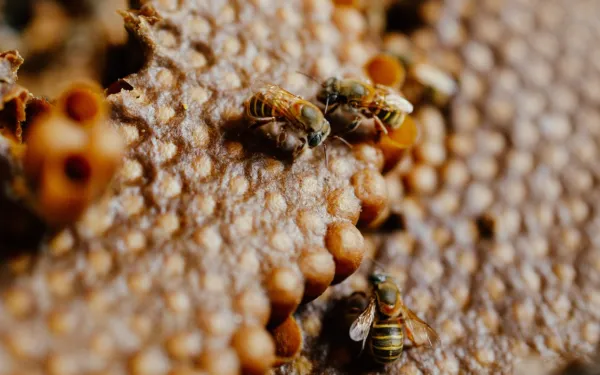
Native bees and indigenous peoples: an ancestral bond
Did you know that there are bees native to our continent that have been part of the cosmovision and way of life of various indigenous peoples? The native bees or Melipona beesbelong to the tribe of the Meliponini. They are known as "stingless bees" because they do not have a functional stinger, although they have other defense mechanisms, such as biting. There are dozens of species of these bees found from Mexico to Argentina. In some indigenous communities, native bees are considered spiritual and symbolic beings, but they are also valued for their essential functions in sustaining life: by pollinating crops, they are allies in food production; their honey, wax, and propolis have recognized nutritional and healing properties; and they maintain the balance of nature for the conservation of ecosystems. As part of World Bee Day—celebrated every year on May 20 to raise awareness, promote and encourage actions to protect bees and other pollinators—we would like to highlight the work of some communities that honor and care for native bees in a variety of ways, and in doing so, care for and preserve their own cultures. A work of mutual care The breeding and use of melipona bees, native to the Americas, is an ancestral practice for several indigenous peoples. This activity, called meliponiculture, is part of their way of life and worldview. The introduction of the domestic bee (Apis mellifera) from Europe drastically reduced this practice. However, many communities have preserved it, protecting native bees from extinction and ensuring biodiversity in their territories. We have examples of this across the continent. Guatemala The warm forests of Alta Verapaz, Guatemala, are the preferred habitat of native bees and are home to the greatest diversity of bees in the country. Their conservation is in the hands of Q'eqchi Mayan families and small producers who build technological hives or "bee houses." Peru Through her Sumak Kawsay initiative, Ysabel Calderón is promoting the conservation of native bees by restoring their habitat in Lambayeque, Peru. Calderón has planted more than 1,000 trees in Lambayeque and increased the native bee population. This has also created jobs for a group of women in the region. Argentina In Argentina's Gran Chaco, Silvia Godoy and other small-scale honey producers are recovering native bee nests in sawmills that have been lost to forestry activities. The colonies are carefully placed in boxes for better conservation and rational use of their honey. Colombia Yucuna women from the Mirití-Paraná region of Colombia are working to document the origins of native bees in their culture and their importance to the territory and the environment. They are doing this hand in hand with the wise grandmothers and grandfathers of the villages. They collect stories, songs and drawings about bees. MExico About 20 years ago, Nahua families in Cuetzalan del Progreso, Mexico, began promoting meliponiculture as an ancestral practice that was being lost. Today, honey harvesting benefits the families economically and allows them to protect their territory. And in southeastern Mexico, the Colectivo de Comunidades Mayas de los Chenes has put native bees at the center of its fight against GMOs and agrotoxins. The women's voice and the protection of meliponiculture, a traditional practice and their livelihood, have been key to defending their territory. SOURCES -S. Engel, M. et al. “Stingless bee classification and biology (Hymenoptera, Apidae): a review, with an updated key to genera and subgenera”, ZooKeys. -Practical guide for the implementation of meliponiculture in the Colombian Amazon, Amazon Conservation Team/The Nature Conservancy, 2020. -Importance of meliponiculture", General Directorate of Natural Resources and Biosecurity. -"Native bees of Mexico. The importance of their conservation", Conacyt.
Read more
Leading participatory monitoring processes for Green Climate Fund financed projects
The Green Climate Fund (GCF), a multilateral climate fund under the United Nations Framework Convention on Climate Change (UNFCCC), allocates funding for projects and programs aimed at reducing greenhouse gas emissions and building resilience to climate change impacts in developing countries. To date, the GCF board has approved 243 projects worldwide, committing 13.5 billion USD in total. Notably, approximately 26% of these projects and programs target Latin America.This financial mechanism has become a lynchpin of the climate finance architecture, challenging conventional approaches to international projects. It is governed by a board with equal representation from developed and developing countries (UNFCCC designations); robust environmental and social policies rooted in human rights; an indigenous people’s policy, backed by an advisory group that interfaces with the Secretariat and the Board; a stated preference for maximal information disclosure; a seat for active observers representing civil society organizations; strong ties to the UNFCCC and the Paris Agreement; and an explicit mandate to include a gender perspective. In fact, all approved projects and programs are required to integrate a Gender Action Plan (GAP). In addition, the GCF is mandated by its own policies to facilitate stakeholder participation mechanisms. These mechanisms encompass representation from diverse sectors, including the private sector, civil society organizations, vulnerable groups, women, and indigenous peoples.Though implementation of these safeguards and progressive policies is far from perfect, their existence lays the groundwork for stronger future implementation. Civil society, including feminist movements and organizations, engage with the GCF as a climate finance mechanism that should continue to be strengthened. The explicit analysis and commitment mandated for each project regarding social and gender considerations not only facilitate engagement but also uphold accountability.In late 2022, partner organizations of the Global Alliance for Green and Gender Action (GAGGA), including the International Analog Forestry Network (IAFN), Asociación Interamericana para la Defensa del Ambiente (Interamerican Association for Environmental Defense, AIDA), Fondo Centroamericano de Mujeres (Central American Women’s Fund, FCAM), Fondo Tierra Viva (Tierra Viva Fund) and Women’s Environment and Development Organization (WEDO), collectively launched a pilot initiative. The project aimed to facilitate participatory monitoring of the implementation of the project FP089 Upscaling climate resilience measures in the dry corridor agroecosystems of El Salvador (RECLIMA). 3 RECLIMA was approved by the Board of Directors of the GCF during its 21st meeting (B.21) in 2018. For the fieldwork, an alliance was formed with Unidad Ecológica Salvadoreña (Salvadorean Ecological Unit, UNES), a local ecofeminist NGO advocating for environmental and gender justice in El Salvador.The main objective of this project was to pioneer a participatory monitoring process for a GCF-funded project, with specific emphasis on gender equality. Each participating organization approached this collaborative initiative with genuine curiosity, eager to explore its feasibility and potential impact. There was also a collective commitment to openly share information about the process, results, challenges, and lessons learned. This report aims to summarize the outcomes of this exercise, providing an overview of the RECLIMA project and highlighting the importance of gender equality and participatory monitoring within climate projects; as well as sharing primary findings and key recommendations, tailored to GCF Accredited and Executing Entities. Read and download the report
Read more