
Project
Amazon Watch / Maíra Irigaray
Barragem de Belo Monte no rio Xingu: 10 anos de impactos na Amazônia e de busca por reparações
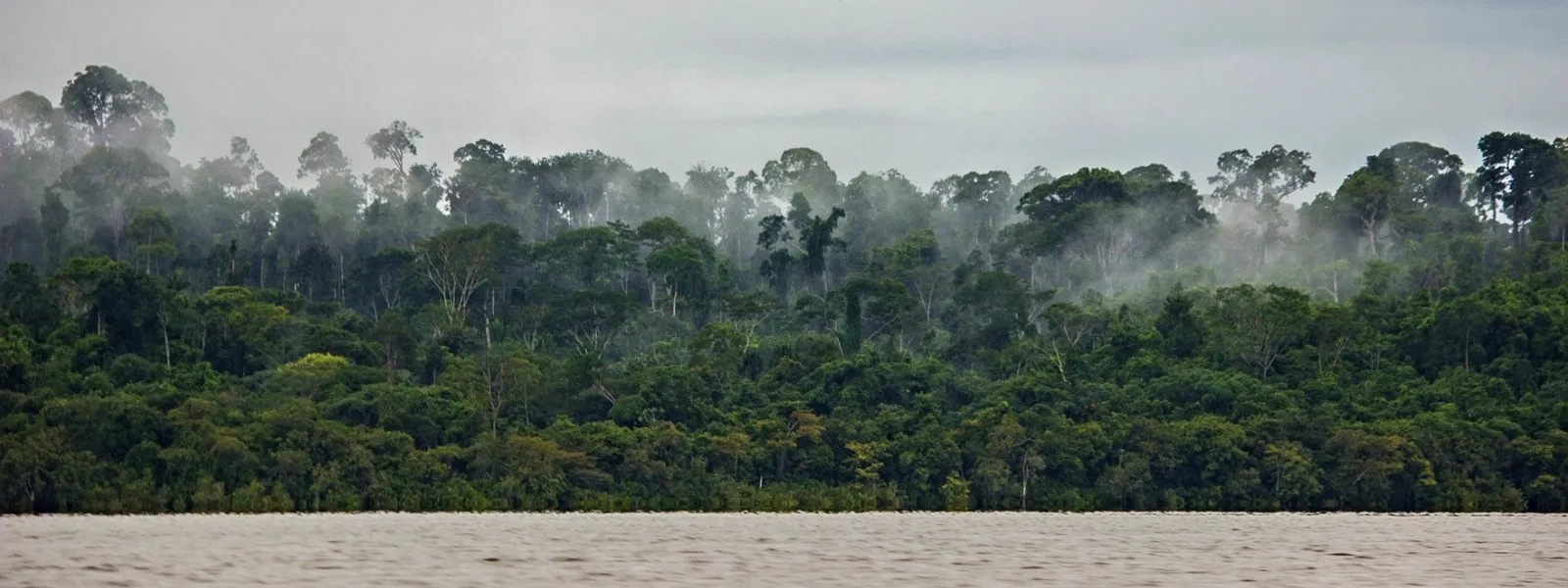
A usina hidrelétrica de Belo Monte causou um desastre ambiental e social no coração da Amazônia: um dos ecossistemas mais importantes do planeta.
Essa situação só piorou desde que a usina começou a operar em 2016. A busca por justiça e reparação para as comunidades indígenas e ribeirinhas afetadas continua até hoje.
Em 2011, a Comissão Interamericana de Direitos Humanos (CIDH) concedeu a essas comunidades medidas de proteção, que até hoje não foram totalmente implementadas pelo Estado brasileiro.
E, desde junho daquele mesmo ano, a CIDH mantém um processo contra o Estado por sua responsabilidade internacional no caso.
A CIDH pode encaminhar o caso à Corte Interamericana de Direitos Humanos, que tem o poder de emitir uma sentença condenatória contra o Estado brasileiro.
Consulta o expediente de fatos do caso
Após 10 anos de operação da usina hidrelétrica e mais de 15 anos de violações de direitos humanos documentadas, é hora da justiça ser feita para as comunidades afetadas.
Leia a carta aberta das organizações que levam o caso à CIDH
Leia nosso comunicado à imprensa
Contexto
A usina hidrelétrica de Belo Monte — a quarta maior do mundo em capacidade instalada (11.233 MW) — foi construída no rio Xingu, no estado do Pará, norte do Brasil.
Foi inaugurada em 5 de maio de 2016, com uma única turbina. Naquela época, 80% do curso do rio foi desviado e 516 km² de terra foram inundados, uma área maior que a cidade de Chicago. Desse total, 400 km² eram de mata nativa. A usina começou a operar em plena capacidade em novembro de 2019.
Belo Monte foi construída e é operada pelo consórcio Norte Energia S.A., composto principalmente por empresas estatais. Foi financiada pelo Banco Nacional de Desenvolvimento Econômico e Social (BNDES), que aportou ao consórcio 25,4 bilhões de reais (aproximadamente US$ 10,16 bilhões), o maior investimento de sua história. Portanto, o BNDES também é legalmente responsável pelos impactos socioambientais associados ao projeto hidrelétrico.
Décadas de danos ambientais e humanos
As violações dos direitos humanos e a degradação da Amazônia remontam ao início do projeto. Em março de 2011, a Norte Energia iniciou a construção da barragem sem consulta adequada e sem o consentimento prévio, livre e informado das comunidades afetadas.
A construção levou ao deslocamento forçado de mais de 40.000 pessoas, rompendo laços sociais e culturais. O plano de reassentamento em Altamira — cidade diretamente afetada pelo projeto hidrelétrico — incluía moradias na periferia da cidade, sem serviços públicos adequados, moradias dignas para as famílias reassentadas e moradias diferenciadas para aqueles pertencentes a comunidades indígenas.
A operação da barragem de Belo Monte impôs uma seca permanente e artificial na Volta Grande do rio Xingu, agravada pelas secas históricas na Amazônia em 2023 e 2024. Como resultado, a morte de milhões de ovos de peixe foi documentada por quatro anos consecutivos (de 2021 a 2024) e, nos últimos três anos, não houve migração de peixes rio acima para desovar e se reproduzir. Assim, a pesca artesanal, principal fonte de proteína para os povos indígenas e comunidades ribeirinhas, foi severamente afetada: o consumo de peixe caiu de 50% para 30% do total de proteínas consumidas, sendo substituído por alimentos processados. Em suma, houve um colapso ambiental e humanitário que resultou no colapso da pesca como modo de vida tradicional, insegurança alimentar e falta de acesso à água potável para milhares de famílias, empobrecimento e doenças.
Além disso, a construção da barragem aumentou o desmatamento e intensificou a extração ilegal de madeira e a insegurança em terras indígenas e tribais, colocando em risco a sobrevivência dessas comunidades. Outra consequência foi o agravamento da pobreza e dos conflitos sociais, bem como a sobrecarga dos sistemas de saúde, educação e segurança pública em Altamira, cidade considerada a mais violenta do país em 2017, onde houve aumento do tráfico de pessoas e da violência sexual. Também foram registrados casos de violência contra defensores de direitos humanos envolvidos no caso.
Em 2025, durante a 30ª Conferência das Nações Unidas sobre Mudanças Climáticas (COP30), realizada no Brasil, o Ministério Público Federal classificou os danos causados por Belo Monte como ecocídio.
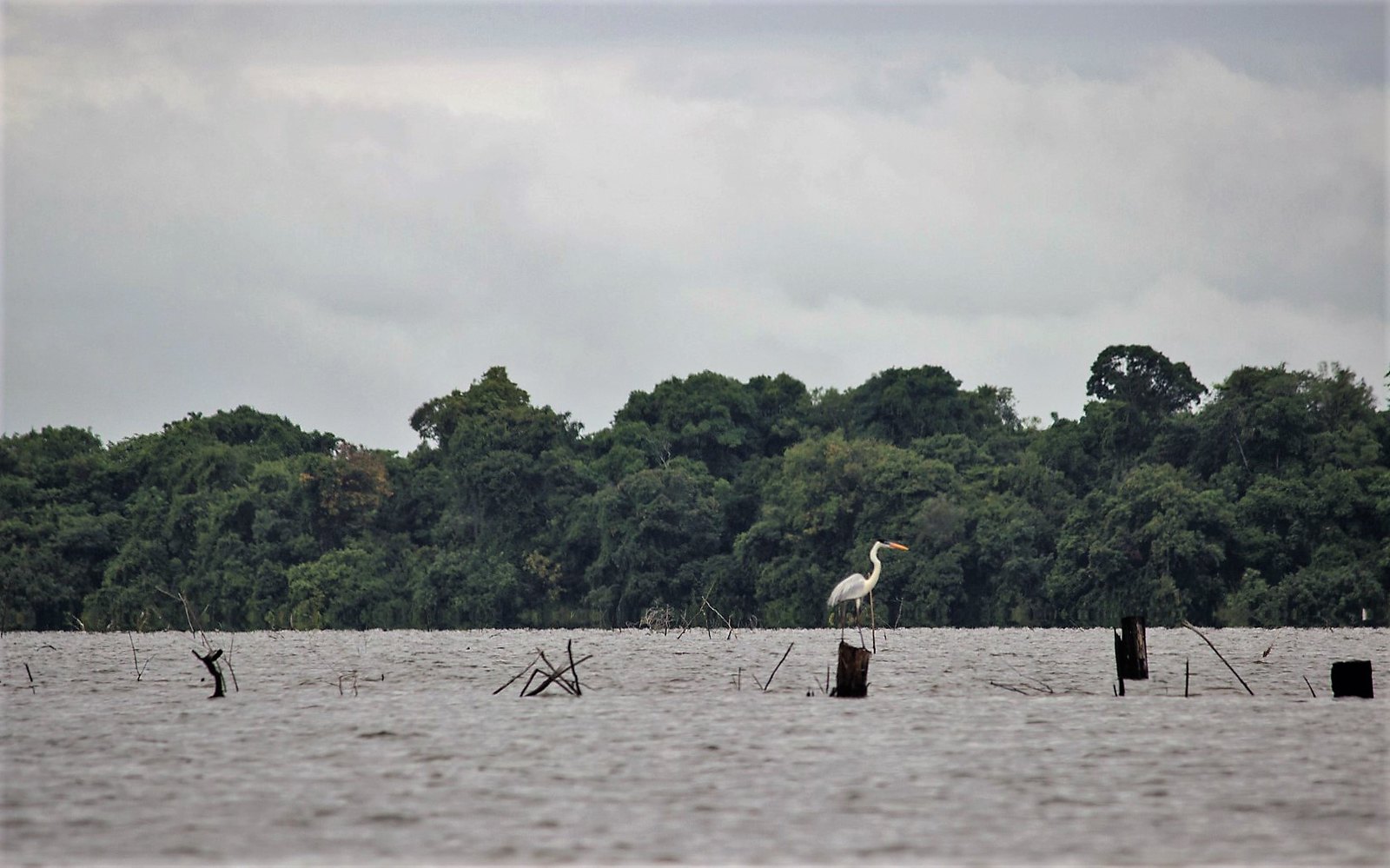
Foto: Amazon Watch / Maíra Irigaray.
A busca por justiça e reparação
Ao longo dos anos, o Ministério Público Federal do Pará, a Defensoria Pública e organizações da sociedade civil impetraram dezenas de ações judiciais em tribunais brasileiros para contestar as diversas irregularidades do projeto, bem como seus impactos. A maioria das ações permanece sem solução, algumas há mais de 10 anos.
Essas ações não obtiveram sucesso porque o governo federal tem reiteradamente anulado decisões favoráveis às comunidades afetadas, recorrendo a um mecanismo pelo qual o presidente do Supremo Tribunal Federal pode suspender uma decisão judicial com base unicamente em argumentos genéricos como "interesse nacional" ou "ordem econômica".
Diante da falta de respostas eficazes em nível nacional, a AIDA — juntamente com uma coalizão de organizações aliadas — levou o caso à Comissão Interamericana de Direitos Humanos (CIDH) e, em 2010, solicitou medidas cautelares para proteger a vida, a integridade e a saúde das comunidades indígenas afetadas.
Em 1º de abril de 2011, a CIDH concedeu essas medidas e solicitou ao Estado brasileiro a suspensão das licenças ambientais e de quaisquer obras de construção até que as condições relativas à consulta prévia e à proteção da saúde e integridade das comunidades fossem atendidas.
E, em 16 de junho de 2011, apresentamos uma denúncia formal à CIDH — juntamente com o Movimento Xingu Vivo Para Siempre, a Coordenação das Organizações Indígenas da Amazônia Brasileira, a Diocese de Altamira, o Conselho Missionário Indígena, a Sociedade Pará de Defesa dos Direitos Humanos e a Global Justice — contra o Estado brasileiro por sua responsabilidade internacional nas violações de direitos humanos contra os povos afetados neste caso. A denúncia foi apresentada em dezembro de 2015.
Em 3 de agosto de 2011, a CIDH modificou as medidas cautelares para solicitar — em vez da suspensão de licenças e obras — a proteção dos povos que vivem em isolamento voluntário, a saúde das comunidades indígenas e a regularização e proteção das terras ancestrais.
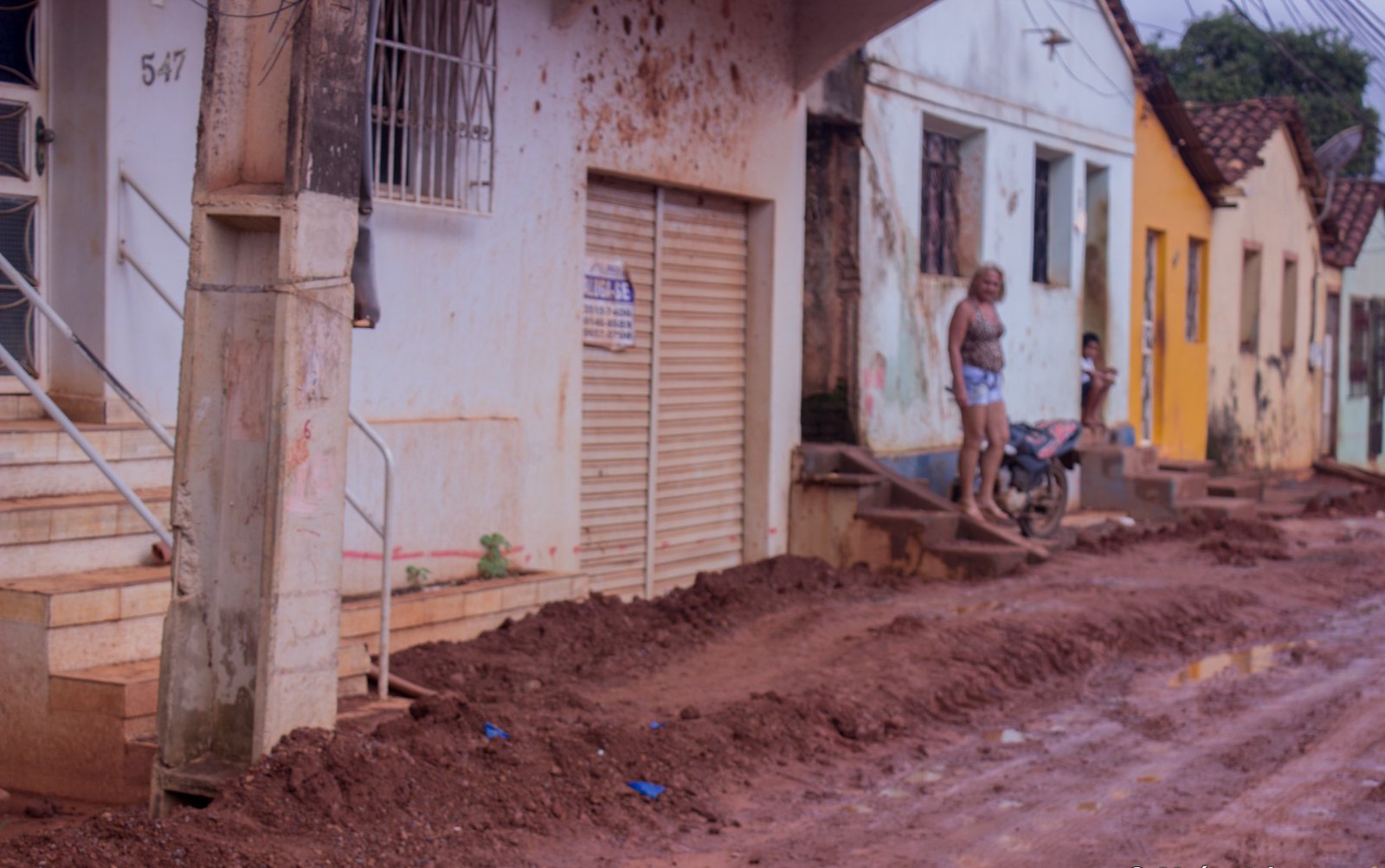
Foto: Amazon Watch / Maíra Irigaray.
Situação atual
As medidas de proteção concedidas pela CIDH permanecem em vigor, mas o Estado brasileiro não as cumpriu integralmente, relatando apenas ações genéricas. As comunidades documentaram as contínuas violações de seus direitos. A situação que motivou o pedido dessas medidas — o risco à vida, à segurança e aos meios de subsistência das comunidades — persiste e se agravou com a usina hidrelétrica operando em plena capacidade e com as recentes secas extremas na Amazônia.
Além do ocorrido em Belo Monte, existe o risco de maiores danos sociais e ambientais decorrentes da implementação de outro megaprojeto de mineração na Volta Grande do Xingu. Lá, a empresa canadense Belo Sun pretende construir a maior mina de ouro a céu aberto do Brasil.
Os impactos sinérgicos e cumulativos da usina e da mina não foram avaliados. O Estado excluiu povos indígenas, comunidades ribeirinhas e comunidades camponesas do processo de licenciamento ambiental do projeto. Apesar disso, dos protestos indígenas e de outras irregularidades em torno do projeto, o governo do estado do Pará autorizou formalmente a mina em abril de 2026.
Belo Monte, assim como outras usinas hidrelétricas, agrava a emergência climática ao gerar emissões de gases de efeito estufa em seu reservatório. Além disso, é ineficiente diante das secas prolongadas e intensas causadas pela crise, pois perde capacidade de geração de energia.
O caso perante a Comissão Interamericana
Em outubro de 2017, a CIDH anunciou que decidiria conjuntamente sobre a admissibilidade (se o caso preenche os requisitos para admissão) e o mérito (se houve, de fato, violação de direitos humanos) da denúncia internacional contra o Estado brasileiro.
Quinze anos após a apresentação da denúncia, as comunidades afetadas e as organizações que as representam ainda aguardam essa decisão. Caso a CIDH conclua que houve violações de direitos humanos e emita recomendações que o Estado brasileiro não cumpra, poderá encaminhar o caso à Corte Interamericana de Direitos Humanos, cujas decisões são vinculativas.
Uma possível decisão da Corte Internacional de Direitos Humanos neste caso estabeleceria um precedente jurídico regional em relação aos direitos dos povos indígenas e ribeirinhos, à participação pública em megaprojetos e à responsabilidade do Estado no contexto da crise climática. Isso é particularmente relevante à luz do Parecer Consultivo nº 32 da Corte, que reafirmou as obrigações dos Estados de proteger pessoas e comunidades em todo o continente da emergência climática.
Partners:
Related projects
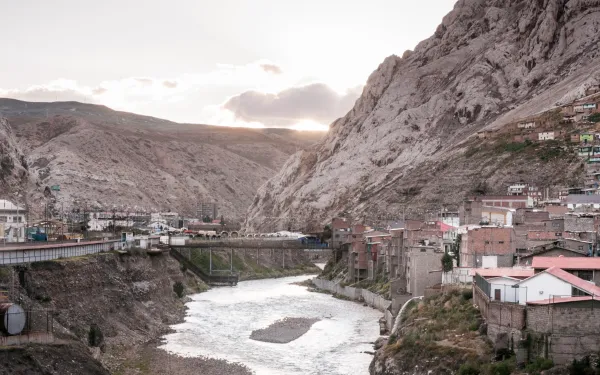
Community of La Oroya wins landmark ruling to stop environmental damage in Latin America
After more than 20 years, the residents of the town of La Oroya in the Peruvian Andes have found justice, opening a major new avenue for protecting a healthy environment throughout the continent. In an unprecedented decision, the Inter-American Court of Human Rights found Peru guilty of violating their human rights by failing to act in a timely and effective manner to protect them from extreme levels of pollution from a metallurgical complex that has operated in their community for nearly 90 years. "Twenty years ago, when this struggle began, I carried my banner saying that children's health is worth more than gold," recalls Don Pablo, a resident of La Oroya. "We never gave up, and now I am very happy with the Court's decision.” La Oroya is located in the central mountain range of Peru, in the department of Junín, approximately 176 km from Lima. In 1992, the US company Cerro de Pasco Cooper Corporation installed the La Oroya Metallurgical Complex to process ore concentrates. The complex was nationalized in 1974 and operated by the state until 1997, when it was taken over by Doe Run Peru, which operated it until 2009. For generations, the inhabitants of La Oroya have inhaled toxic substances that pose serious risks to human health. Heavy metal contamination has invaded their respiratory system, traveled through their bloodstream, and been imperceptibly deposited in several of their vital organs. Most of those affected had lead levels above those recommended by the World Health Organization, and in some cases higher levels of arsenic and cadmium, in addition to stress, anxiety, skin disorders, stomach problems, chronic headaches, and respiratory or cardiac problems. In 1997, AIDA became involved in defending the rights of the La Oroya community. Our publication La Oroya No Espera (La Oroya Cannot Wait), published in 2002, helped bring the gravity of the situation to international attention. In 2006, in the absence of effective responses in Peru, we joined an international coalition of organizations in filing a complaint against Peru before the Inter-American Commission on Human Rights. In 2021, the Commission established the responsibility of the Peruvian government in the case and referred it to the Inter-American Court. In October 2022, more than 16 years after the complaint was filed, the victims presented the case to the Court in a public hearing, represented by AIDA and the Asociación Pro Derechos Humanos (APRODEH), with the support of Earthjustice. Since 2009, when the metallurgical complex ceased operations due to Doe Run Peru's financial crisis, the levels of heavy metal contamination have not been reduced to acceptable levels. Nor has the situation of those affected improved significantly in recent years. Although the Peruvian government has known since 2009 that all children living near the complex are suffering from lead poisoning, it has not provided them with adequate medical care. But there is no deadline that will not be met. On March 22, the Inter-American Court of Human Rights gave a powerful response to more than two decades of seeking justice. The Court found that Peru was guilty of violating the rights to a healthy environment, health, personal integrity, life with dignity, access to information, political participation, judicial guarantees, and judicial protection of the 80 people involved in the case; of violating the rights of the children of 57 victims; and of violating the right to life of two others. "This is the first judgment that recognizes the international responsibility of a state for violating the right to a healthy environment and other related rights," says Rosa Peña, AIDA Senior Attorney. Ver esta publicación en Instagram In addition, the Court ordered the State to adopt measures of integral reparation for the damage caused to the people of La Oroya. These include the prosecution and punishment of those who harassed the residents for their environmental defense work; the preparation of a remediation plan for air, soil, and water contamination; the provision of free and specialized medical care to the victims, as well as to other residents with symptoms and illnesses related to mining and metallurgical activities; the updating of air quality regulations to ensure the protection of the environment and human health; the provision of monetary compensation to the victims; and the creation of an air, water, and soil quality monitoring system. It also ordered that the operations of the La Oroya Metallurgical Complex—which was transferred to the workers of Doe Run Peru as part of the company's liquidation—comply with international environmental standards and prevent and mitigate damage to the environment and human health. The Court's decision is not only a unique opportunity to restore the dignity and rights of the people of La Oroya. Its scope extends beyond the Peruvian context, making it an important precedent in Latin America for the protection of the right to a healthy environment and for adequate state oversight of corporate activities. Among other things, the Court established the obligations of states to regulate, monitor and control air and water quality, to identify sources of pollution, and to implement plans to enforce air and water quality standards. The Court held that in order to establish state liability for environmental damage, it is sufficient to show that the state, despite being aware of the existence of high levels of pollution, failed to take adequate measures and thus allowed the pollution to continue, thereby posing a significant risk to human health. In light of the judgment, states must prevent human rights abuses by public and private enterprises. Businesses, for their part, must prevent their activities from causing or contributing to human rights abuses and take steps to remedy such abuses. Defending the right to a healthy environment has been part of AIDA's history since our inception and has always been a collective effort. We celebrate and recognize all the people who, from different sectors, roles and capacities, made possible the historic result of the La Oroya case. With renewed vigor, we will work for the proper implementation of the judgment and for the establishment of new important precedents that will guarantee in practice the universal right to a healthy environment in the region.
Read more
Celebrating the appointment of Astrid Puentes Riaño as UN Special Rapporteur
On April 5, during its 55th session, the United Nations Human Rights Council appointed Astrid Puentes Riaño as the new UN Special Rapporteur on the human right to a clean, healthy and sustainable environment. For 18 years, as co-executive director of AIDA, Puentes Riaño led efforts across Latin America to uphold the right to a healthy environment and protect affected communities from environmental harms. Her strategic vision and powerful command of public interest law and advocacy has left a lasting contribution on both AIDA and the larger movement for climate justice in the region. She will be the first woman and first person from the Global South, and the third Special Rapporteur, to assume this important mandate. Gladys Martínez de Lemos, executive director of AIDA, expressed: “Astrid’s career has long been focused on protecting the right to a healthy environment, as a leader of the movement in Latin America. Her new role as Special Rapporteur is a natural and well-deserved progression, and we know her continued leadership on the international stage will strengthen efforts towards climate and environmental justice around the world.” In May Puentes Riaño will replace David R. Boyd, who made tremendous strides as Rapporteur, including the UN recognition of a clean, healthy and sustainable environment as a universal human right. Boyd is a former member of AIDA’s Board of Directors. The Special Rapporteur’s mandate is an essential nexus of environmental and human rights defense, as it exists to: examine human rights obligations linked to the enjoyment of a safe, clean, healthy and sustainable environment; promote best practice in the use of human rights in policy making; identify challenges and obstacles to the global recognition and implementation of the right to a safe, clean, healthy and sustainable environment; and conducting country visits and responding to human rights violations.
Read more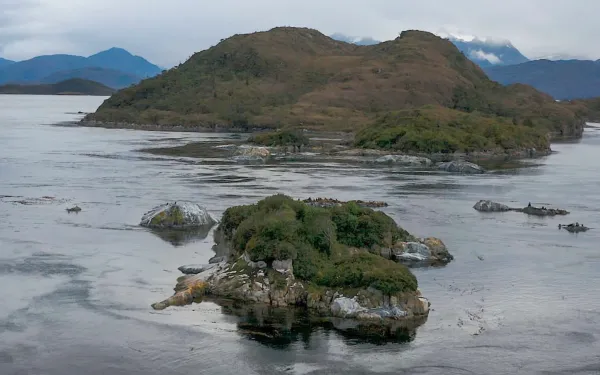
The Kawésqar people and the defense of their "maritorio" in Chile
By Liliana Ávila and Cristina Lux* A little over a month ago, the community Kawésqar Grupos Familiares Nómades del Mar sent us a very special invitation. The appointment was near the sea, near their territory, or more precisely, near their "maritorio", a place of islands, islets and archipelagos. There, the borders between sea and land are blurred and the trees grow sideways, adapted to the strong winds. The maritorio is a concept and also a way of inhabiting and understanding the world. It evokes the image of "territory", but seen from and in the sea. As a concept, it emerged in the context of what is known as nisology, or the study of islands. The place we visited is located in the fjords of Magallanes, the southernmost region of Chile, about two hours from Punta Arenas, the regional capital. The Kawésqar people tell us that less than a century ago, this maritorio was their home. There, their grandfathers and grandmothers sailed among the fjords, built their canoes, fished and dived. They went into the icy sea without special neoprene suits, protected with sea lion oil, and there they learned the secrets that its depths held. In the midst of fjords, winds and intense climates, these people developed their own systems of thought and life. But the lives of the Kawésqar have changed radically in recent decades. They tell us so. The vast territory that previous generations inhabited for centuries is now enclosed. The process of eradication has been accompanied by the commercialization of the land, the creation of extensive pastures and, more recently, the development and expansion of the salmon farming industry. Industrial salmon production has serious and lasting impacts on marine ecosystems. The communities of Kawésqar are well aware of this. Salmon is an exotic and carnivorous species for Chile, raised in huge farms: hectares of cages in the sea. The introduction of exotic species (which threaten native species), the excessive use of antibiotics, salmon escapes, the generation of waste, the treatment of large quantities of dead salmon, the excessive discharge of organic matter into the sea, and the generation of anaerobic environments (total or partial loss of oxygen necessary for life to thrive) are just some of the impacts of salmon farming in Chile. These impacts not only accumulate in the waters and on the seabed, but also penetrate the lives of the Kawésqar communities. The maritorio that their grandfathers and grandmothers sailed is now a desecrated space. The processes of reconstructing their identity, the appropriation of sacred places and the rites that are part of their collective memory have been affected by the development of an industry that sees the sea only as a space of economic exploitation and not as the sacred place where, in the not so distant past, men and women developed their worldviews and ways of life. Despite everything, the Kawésqar are a living people who meet, who gather around the sea and discuss strategies to rebuild their cultural fabric. They also come together to honor their grandfathers and grandmothers, to activate the genetic memory that connects them to the sea, to dive into its waters and fight for a salmon-free sea and for a country that recognizes the cultural diversity that runs through its history. We also connect with the legacy of the Kawésqar. Swimming with people from the community in these seas that have been navigated for thousands of years allowed us to look out a window that blurs the present and shows us alternatives. A present that allows life and coexistence with the sea, its ecosystems and its balance. Their struggle— supported by AIDA, the NGO FIMA, Greenpeace and many other organizations— has borne fruit. It has highlighted the impact of salmon farming in Chile and the need to end our dependence on it. But the challenges are still enormous. Salmon farming continues to ravage the seas inside and outside protected areas, in the most remote areas of Patagonia, occupying spaces that were once shared by all the peoples and creatures that inhabited the territory. Meanwhile, the people of Kawésqar continue to travel through their territory —rewarded and lived in and from the sea— identifying and recomposing their history, swimming in the waters that surround them. They do not lose hope of returning to their sea; they to continue to exist in it. *Liliana Avila is coordinator of AIDA's Human Rights and Environment Program; Cristina Lux is an attorney with the Climate Program.
Read more