
Project
Amazon Watch / Maíra Irigaray
Barragem de Belo Monte no rio Xingu: 10 anos de impactos na Amazônia e de busca por reparações
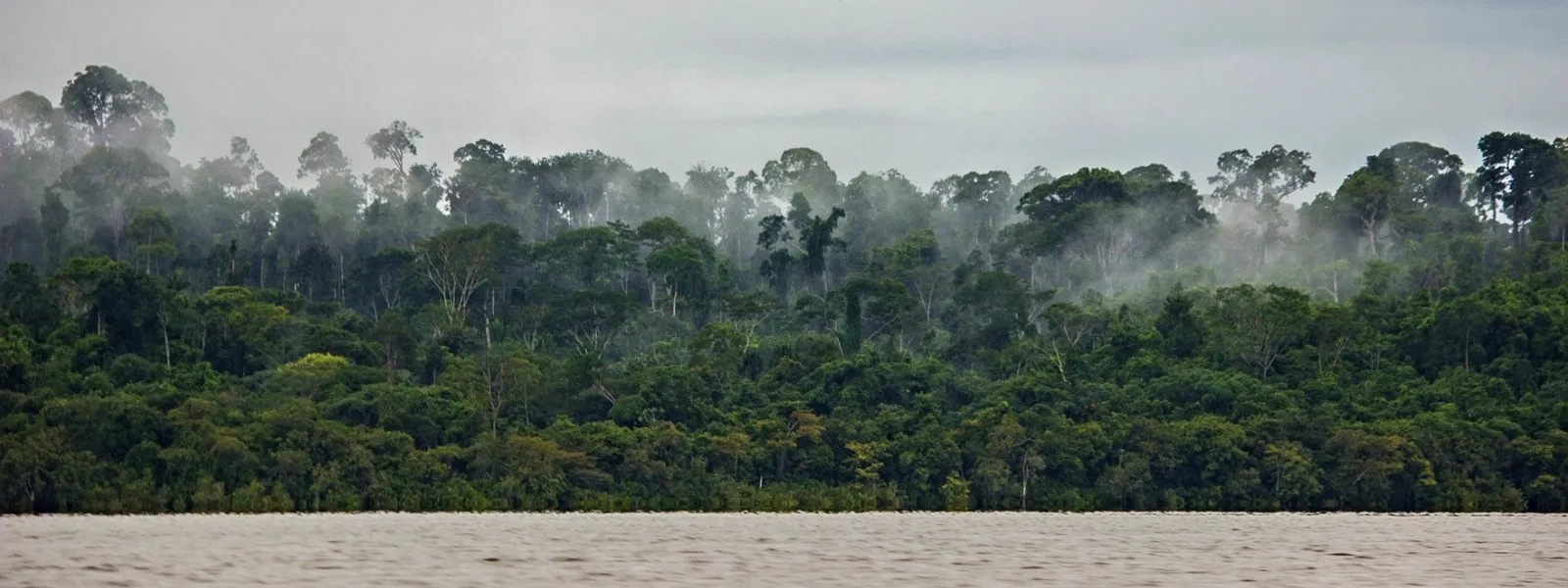
A usina hidrelétrica de Belo Monte causou um desastre ambiental e social no coração da Amazônia: um dos ecossistemas mais importantes do planeta.
Essa situação só piorou desde que a usina começou a operar em 2016. A busca por justiça e reparação para as comunidades indígenas e ribeirinhas afetadas continua até hoje.
Em 2011, a Comissão Interamericana de Direitos Humanos (CIDH) concedeu a essas comunidades medidas de proteção, que até hoje não foram totalmente implementadas pelo Estado brasileiro.
E, desde junho daquele mesmo ano, a CIDH mantém um processo contra o Estado por sua responsabilidade internacional no caso.
A CIDH pode encaminhar o caso à Corte Interamericana de Direitos Humanos, que tem o poder de emitir uma sentença condenatória contra o Estado brasileiro.
Consulta o expediente de fatos do caso
Após 10 anos de operação da usina hidrelétrica e mais de 15 anos de violações de direitos humanos documentadas, é hora da justiça ser feita para as comunidades afetadas.
Leia a carta aberta das organizações que levam o caso à CIDH
Leia nosso comunicado à imprensa
Contexto
A usina hidrelétrica de Belo Monte — a quarta maior do mundo em capacidade instalada (11.233 MW) — foi construída no rio Xingu, no estado do Pará, norte do Brasil.
Foi inaugurada em 5 de maio de 2016, com uma única turbina. Naquela época, 80% do curso do rio foi desviado e 516 km² de terra foram inundados, uma área maior que a cidade de Chicago. Desse total, 400 km² eram de mata nativa. A usina começou a operar em plena capacidade em novembro de 2019.
Belo Monte foi construída e é operada pelo consórcio Norte Energia S.A., composto principalmente por empresas estatais. Foi financiada pelo Banco Nacional de Desenvolvimento Econômico e Social (BNDES), que aportou ao consórcio 25,4 bilhões de reais (aproximadamente US$ 10,16 bilhões), o maior investimento de sua história. Portanto, o BNDES também é legalmente responsável pelos impactos socioambientais associados ao projeto hidrelétrico.
Décadas de danos ambientais e humanos
As violações dos direitos humanos e a degradação da Amazônia remontam ao início do projeto. Em março de 2011, a Norte Energia iniciou a construção da barragem sem consulta adequada e sem o consentimento prévio, livre e informado das comunidades afetadas.
A construção levou ao deslocamento forçado de mais de 40.000 pessoas, rompendo laços sociais e culturais. O plano de reassentamento em Altamira — cidade diretamente afetada pelo projeto hidrelétrico — incluía moradias na periferia da cidade, sem serviços públicos adequados, moradias dignas para as famílias reassentadas e moradias diferenciadas para aqueles pertencentes a comunidades indígenas.
A operação da barragem de Belo Monte impôs uma seca permanente e artificial na Volta Grande do rio Xingu, agravada pelas secas históricas na Amazônia em 2023 e 2024. Como resultado, a morte de milhões de ovos de peixe foi documentada por quatro anos consecutivos (de 2021 a 2024) e, nos últimos três anos, não houve migração de peixes rio acima para desovar e se reproduzir. Assim, a pesca artesanal, principal fonte de proteína para os povos indígenas e comunidades ribeirinhas, foi severamente afetada: o consumo de peixe caiu de 50% para 30% do total de proteínas consumidas, sendo substituído por alimentos processados. Em suma, houve um colapso ambiental e humanitário que resultou no colapso da pesca como modo de vida tradicional, insegurança alimentar e falta de acesso à água potável para milhares de famílias, empobrecimento e doenças.
Além disso, a construção da barragem aumentou o desmatamento e intensificou a extração ilegal de madeira e a insegurança em terras indígenas e tribais, colocando em risco a sobrevivência dessas comunidades. Outra consequência foi o agravamento da pobreza e dos conflitos sociais, bem como a sobrecarga dos sistemas de saúde, educação e segurança pública em Altamira, cidade considerada a mais violenta do país em 2017, onde houve aumento do tráfico de pessoas e da violência sexual. Também foram registrados casos de violência contra defensores de direitos humanos envolvidos no caso.
Em 2025, durante a 30ª Conferência das Nações Unidas sobre Mudanças Climáticas (COP30), realizada no Brasil, o Ministério Público Federal classificou os danos causados por Belo Monte como ecocídio.
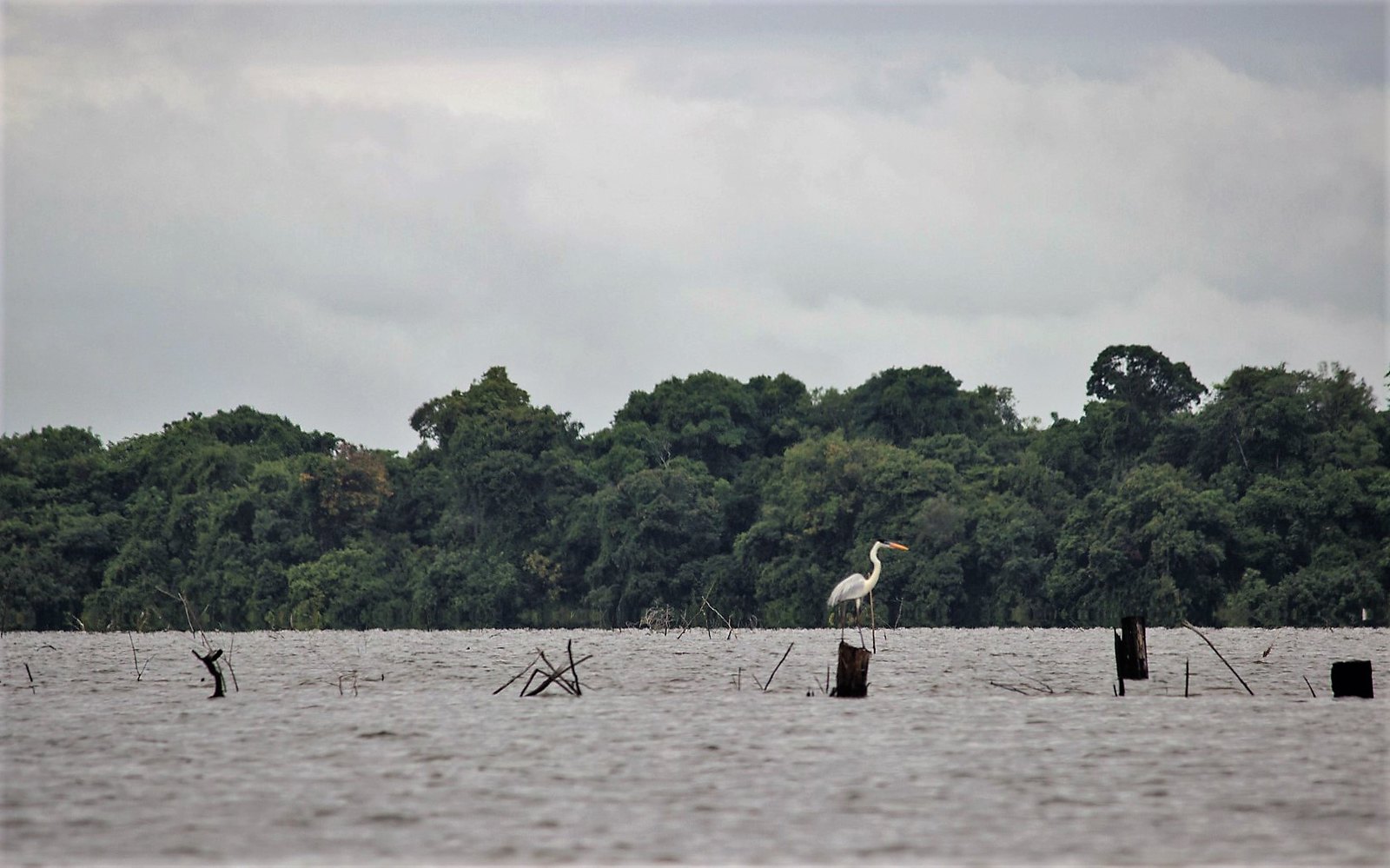
Foto: Amazon Watch / Maíra Irigaray.
A busca por justiça e reparação
Ao longo dos anos, o Ministério Público Federal do Pará, a Defensoria Pública e organizações da sociedade civil impetraram dezenas de ações judiciais em tribunais brasileiros para contestar as diversas irregularidades do projeto, bem como seus impactos. A maioria das ações permanece sem solução, algumas há mais de 10 anos.
Essas ações não obtiveram sucesso porque o governo federal tem reiteradamente anulado decisões favoráveis às comunidades afetadas, recorrendo a um mecanismo pelo qual o presidente do Supremo Tribunal Federal pode suspender uma decisão judicial com base unicamente em argumentos genéricos como "interesse nacional" ou "ordem econômica".
Diante da falta de respostas eficazes em nível nacional, a AIDA — juntamente com uma coalizão de organizações aliadas — levou o caso à Comissão Interamericana de Direitos Humanos (CIDH) e, em 2010, solicitou medidas cautelares para proteger a vida, a integridade e a saúde das comunidades indígenas afetadas.
Em 1º de abril de 2011, a CIDH concedeu essas medidas e solicitou ao Estado brasileiro a suspensão das licenças ambientais e de quaisquer obras de construção até que as condições relativas à consulta prévia e à proteção da saúde e integridade das comunidades fossem atendidas.
E, em 16 de junho de 2011, apresentamos uma denúncia formal à CIDH — juntamente com o Movimento Xingu Vivo Para Siempre, a Coordenação das Organizações Indígenas da Amazônia Brasileira, a Diocese de Altamira, o Conselho Missionário Indígena, a Sociedade Pará de Defesa dos Direitos Humanos e a Global Justice — contra o Estado brasileiro por sua responsabilidade internacional nas violações de direitos humanos contra os povos afetados neste caso. A denúncia foi apresentada em dezembro de 2015.
Em 3 de agosto de 2011, a CIDH modificou as medidas cautelares para solicitar — em vez da suspensão de licenças e obras — a proteção dos povos que vivem em isolamento voluntário, a saúde das comunidades indígenas e a regularização e proteção das terras ancestrais.
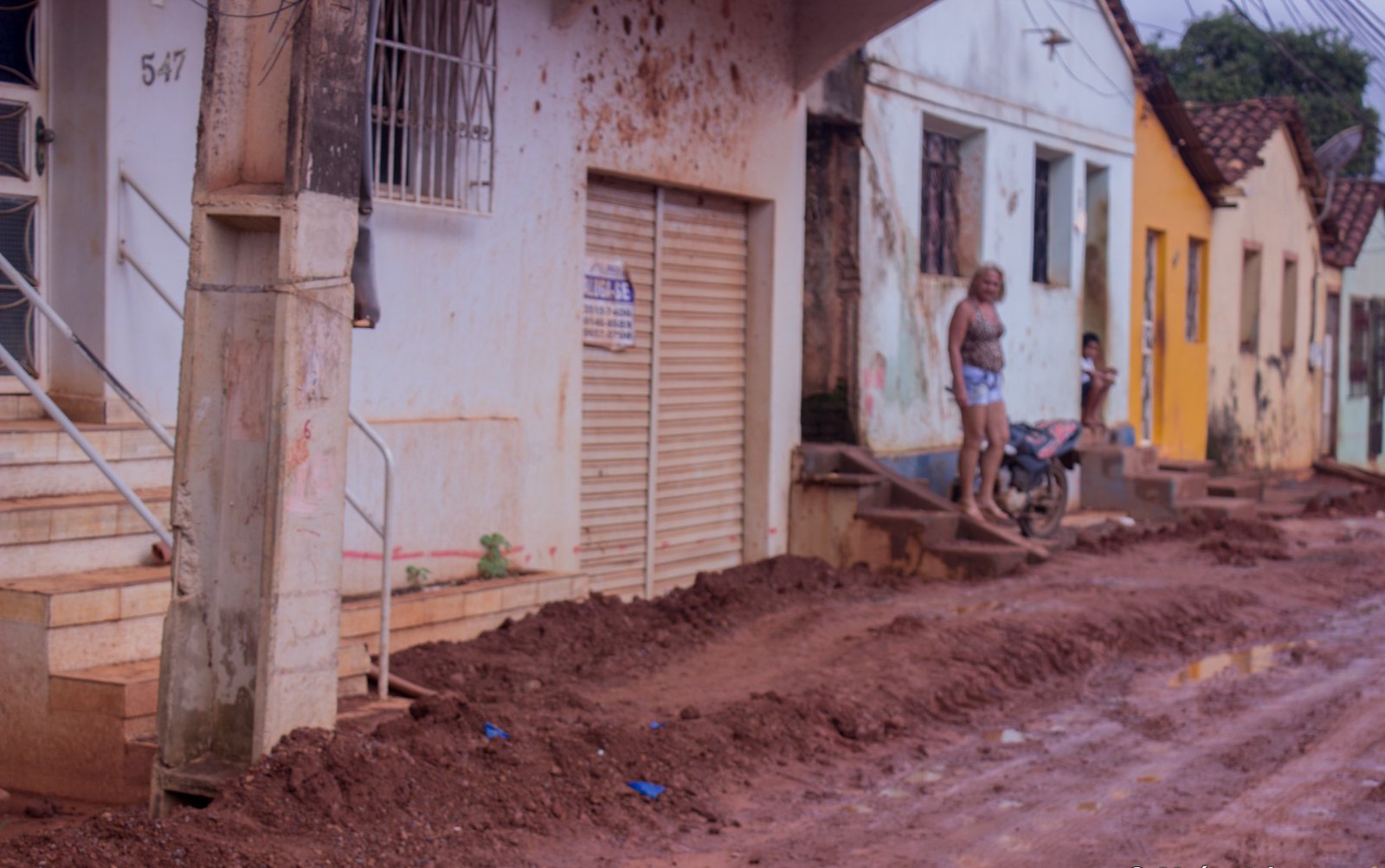
Foto: Amazon Watch / Maíra Irigaray.
Situação atual
As medidas de proteção concedidas pela CIDH permanecem em vigor, mas o Estado brasileiro não as cumpriu integralmente, relatando apenas ações genéricas. As comunidades documentaram as contínuas violações de seus direitos. A situação que motivou o pedido dessas medidas — o risco à vida, à segurança e aos meios de subsistência das comunidades — persiste e se agravou com a usina hidrelétrica operando em plena capacidade e com as recentes secas extremas na Amazônia.
Além do ocorrido em Belo Monte, existe o risco de maiores danos sociais e ambientais decorrentes da implementação de outro megaprojeto de mineração na Volta Grande do Xingu. Lá, a empresa canadense Belo Sun pretende construir a maior mina de ouro a céu aberto do Brasil.
Os impactos sinérgicos e cumulativos da usina e da mina não foram avaliados. O Estado excluiu povos indígenas, comunidades ribeirinhas e comunidades camponesas do processo de licenciamento ambiental do projeto. Apesar disso, dos protestos indígenas e de outras irregularidades em torno do projeto, o governo do estado do Pará autorizou formalmente a mina em abril de 2026.
Belo Monte, assim como outras usinas hidrelétricas, agrava a emergência climática ao gerar emissões de gases de efeito estufa em seu reservatório. Além disso, é ineficiente diante das secas prolongadas e intensas causadas pela crise, pois perde capacidade de geração de energia.
O caso perante a Comissão Interamericana
Em outubro de 2017, a CIDH anunciou que decidiria conjuntamente sobre a admissibilidade (se o caso preenche os requisitos para admissão) e o mérito (se houve, de fato, violação de direitos humanos) da denúncia internacional contra o Estado brasileiro.
Quinze anos após a apresentação da denúncia, as comunidades afetadas e as organizações que as representam ainda aguardam essa decisão. Caso a CIDH conclua que houve violações de direitos humanos e emita recomendações que o Estado brasileiro não cumpra, poderá encaminhar o caso à Corte Interamericana de Direitos Humanos, cujas decisões são vinculativas.
Uma possível decisão da Corte Internacional de Direitos Humanos neste caso estabeleceria um precedente jurídico regional em relação aos direitos dos povos indígenas e ribeirinhos, à participação pública em megaprojetos e à responsabilidade do Estado no contexto da crise climática. Isso é particularmente relevante à luz do Parecer Consultivo nº 32 da Corte, que reafirmou as obrigações dos Estados de proteger pessoas e comunidades em todo o continente da emergência climática.
Partners:
Related projects
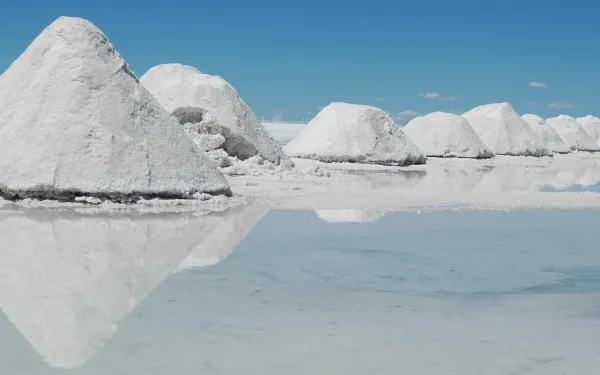
Lithium unveiled: Origins, extraction and environmental implications
One of the paradoxes of the energy transition is that it replaces the use of fossil fuels with mineral resources whose extraction and refining can have negative impacts on ecosystems, species and communities. This is happening with lithium, a mineral that has traditionally been used in glass and ceramics to provide greater adhesion and hardness, but is now being used primarily to make the batteries required by technologies that eliminate or reduce the use of fossil fuels. This has led to an increase in its demand. The serious social and environmental impacts of its extraction have been hidden or minimized. What makes lithium special? Lithium is a mineral in high demand due to its unique properties: It is the lightest metal with the highest electrochemical potential. It has a high energy storage capacity. It is malleable, so it can be adapted to different sizes, shapes and designs. These qualities make it a key material in the manufacture of batteries for cell phones, computers and, most importantly, electric vehicles. Lithium is considered key to the energy transition because it can be used to store non-conventional renewable energy, such as wind and photovoltaic power. Where it is: The so-called "lithium triangle"? The primary sources of lithium are salt flats, which are wetlands covered with a saline crust that contain brines, bodies of water in which many salts and elements, including lithium, are dissolved. Salt flats are attractive to the mining industry because of the relative technical ease of exploitation, low operating costs and low energy requirements to extract lithium from them compared to other sources. Worldwide, the salt flats of Argentina, Bolivia and Chile account for 54 percent of lithium resources (potentially mineable material). In addition, Argentina and Chile hold 46 percent of the world's lithium reserves (the portion of known resources with a high level of confidence and proven economic viability). The mining industry has dubbed the region where the mineral is concentrated the "Lithium Triangle" - because that is all they see there - which includes northeastern Argentina, northern Chile and southern Bolivia. But there is much more than lithium in this region. There are also communities, ecosystems and species that depend on these salt flats. The region's inhabitants are engaged in small-scale ranching and subsistence agriculture, activities that require water, an already scarce resource in these latitudes. How is lithium mined from the salt flats? The procedure is as follows: The salt flat is drilled. The brine is poured into large pools or basins. Wait for the water to evaporate so that the lithium concentration increases. When the concentration is sufficient, the brine is sent to an industrial plant. The brine is chemically treated to produce lithium carbonate, which is marketed for battery production. Lithium extraction, especially by this method, involves huge consumption and loss of water because: Water is lost in pumping brine. Evaporation in ponds requires two million liters of water for every ton of lithium produced. Water is also needed in the final processes to obtain lithium carbonate and separate it from the rest of the compound. Lithium mining is threatening South America's salt flats, which are Andean wetlands, affecting local water availability and threatening the survival of communities and species living around these fragile ecosystems. The energy transition is urgent, but it must be equitable and not at the expense of other natural resource extraction that endangers people and the environment. sources -Maritza Tapia, “Claves del litio: el metal más liviano y con mayor potencial electroquímico”, Universidad de Chile. -Heinrich Böll Stiftung Colombia, “Litio: los costos sociales y ambientales de la transición energética global”. -Florencia Ballarino, “¿Qué es el litio, para qué sirve y de dónde se extrae en la Argentina?”, Chequeado. -Wetlands International, “El impacto de la minería de litio en los Humedales Altoandinos”. -Rodolfo Chisleanchi, “‘Triángulo de litio’: la amenaza a los salares de Bolivia, Chile y Argentina”, Mongabay Latam. -U.S. Geological Survey, Mineral Commodity Summaries, January 2023, “Lithium”.
Read more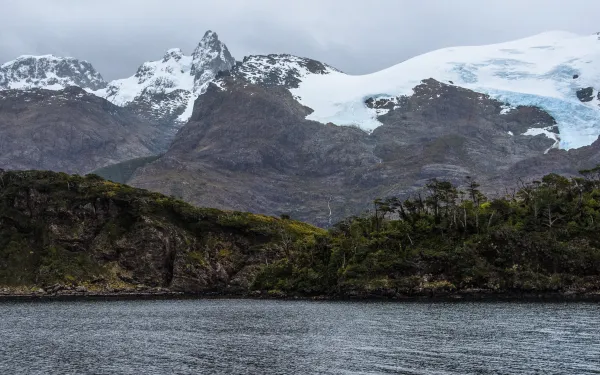
5 years of the Kawésqar National Reserve: pending issues for its protection
Local communities denounce that the area is highly affected by salmon farming, which is failing to comply with environmental regulations.On January 30, 2019, the Official Gazette published the decree creating the Kawésqar National Reserve in Magallanes, which extends over 2,842 hectares between fjords and Patagonian peninsulas. The purpose of this classification was to guarantee the protection of the area, its territory and biodiversity, as well as to establish that it is the duty of the State to ensure its conservation. This year, 2024, marks the fifth anniversary of this milestone, which begs the question: is the reserve's objective being achieved? The community's claimsWith the qualification of National Reserve, this area was separated from the Kawéskar National Park, which offers broader protection. In the opinion of the local communities, this administrative division determines in a whimsical way what to prioritize and separates the land from the sea, as if they were independent elements, which causes "divisions and confusion to grow at all levels," says Eric Huaiquil Caro, a member of the Kawésqar Communities Kawésqar Family Groups Nomads of the Sea. He also says that the "agreements that were made in the indigenous consultation have not been responded to." Finally, Caro asks that the conservation of this reserve be done "without salmon farms and we hope that this will be established in the Management Plan that will be submitted for consultation in March 2024." An overstressed areaWithin the Kawésqar National Reserve lie the richest kelp forests in the country, an ecosystem considered key to combating climate change, as they can absorb high levels of carbon dioxide and regenerate marine systems. Although the State must guarantee their protection, the area is experiencing great pressure from the salmon farming industry. For example, there are 133 approved concessions in the entire Magallanes Region and 85 in process, of which 68 approved and 57 in process are in the Kawésqar National Reserve, "which seems unusual to us because it has been proven that the salmon farming industry is neither sustainable nor compatible with the ecosystemic care of the reserve. This is fundamental to the creation of the Reserve's Management Plan, which is currently being designed and which should establish the incompatibility of the industry within the zone's protection mandate, as documented in the report we have prepared together with the communities," says Cristina Lux, an attorney with the Interamerican Association for Environmental Defense (AIDA)."Forty-three percent of the concessions approved within the Kawésqar National Reserve have presented anaerobic conditions within the framework of their operations, according to information obtained from the Environmental Reports for Aquaculture. This means that they suffer or have suffered total or partial loss of oxygen, which affects the living conditions of all of the area's biodiversity," adds Estefanía González, Campaigns subdirector at Greenpeace Chile.The impact, explains Sofía Barrera , an attorney for FIMA, is "enormous and highly destructive.""To begin with, these farming centers are concentrated in just seven sectors (Staines Peninsula, Taraba Sound, Poca Esperanza Strait and Vlados Channel, Glacier Sound, Skyring Sound, Desolation Island and Xaltegua Gulf), which also concentrates their synergistic effects. Some of these are the impact of boat routes, the killing of sea lions to prevent them from attacking the salmon cages, the overproduction of salmon, the presence of garbage outside the concession polygons and the detection of the ISA virus in the farming centers, which ends up making the rest of the marine ecosystem sick, something that has been recognized by Environmental Courts," adds Barrera. "In addition, the dispersion of organic matter from the cultivation centers causes eutrophication and harmful algal bloom events (HAB), generating significant changes in water quality and affecting marine life," adds González.In the opinion of the representatives of these three organizations, despite the legal prohibitions and environmental requirements, the fact that many of these projects have been submitted and approved through environmental impact statements raises legal and political questions. "Why are the authorities not ensuring the real care of this area, whose interests are being taken care of, and how is the salmon industry influencing our authorities," asks Barrera.Unfortunately, González adds, when explanations have been requested, "we have not received answers or certainty. That is why it is urgent to advance towards a management plan that really protects this ecosystem and does not allow more centers that put biodiversity at risk." Press contactVíctor Quintanilla (AIDA), [email protected], +521 5570522107
Read more
Our vision for a just future
Latin America is key to protecting biodiversity and combating the global climate crisis. Its forests, wetlands and marine ecosystems are among the most important carbon sinks on the planet, a service weakened by activities such as the exploitation and use of fossil fuels. At AIDA, we envision a region where the environment and communities, especially those in highly vulnerable situations, have lasting protections. To achieve this, we select precedent-setting cases that result in new, replicable tools and strategies that add to the protection of a healthy environment in the region. Having celebrated 25 years of working for the right to a healthy environment in the region, AIDA is poised to enter a new quarter century as a robust, multidisciplinary organization. In the coming years, we will continue and strengthen our pursuit of environmental and climate justice through two interconnected initiatives, each with defined lines of work: 1. Promotion of a just energy transition A just energy transition implies transforming the power relations between those who pollute the most and the rest of the world, avoiding the deepening of socio-environmental conflicts and protecting the rights of communities and people involved in energy generation processes. As this is an issue that cannot be addressed only at the national level, AIDA will contribute its regional vision to increase the scope of local and national decisions, enhance legal strategies, and strengthen a proposal for the continent’s transition. We will focus on: Avoiding dependence on oil and gas. Halting the extraction and use of coal. Promoting renewable and sustainable energies. Advocating for human rights-based climate finance and governance. 2. Protection of life-sustaining systems The ecosystem services that sustain life in Latin America and the world—including natural carbon capture and storage to mitigate the climate crisis, and the provision of clean food, air, and water - are at risk due to the lack of ambitious and effective actions. To ensure the livelihoods of life systems on the continent, both in rural communities and large cities, AIDA will focus its efforts on: Protecting the ocean, from the coasts to the high seas. Preserving freshwater sources and traditional territories. Defending culture and traditional livelihoods. Improving air quality. In the coming years, from our regional perspective, we will continue to contribute to solutions that center nature and communities, and that effectively address the continent’s social and environmental challenges.
Read more