
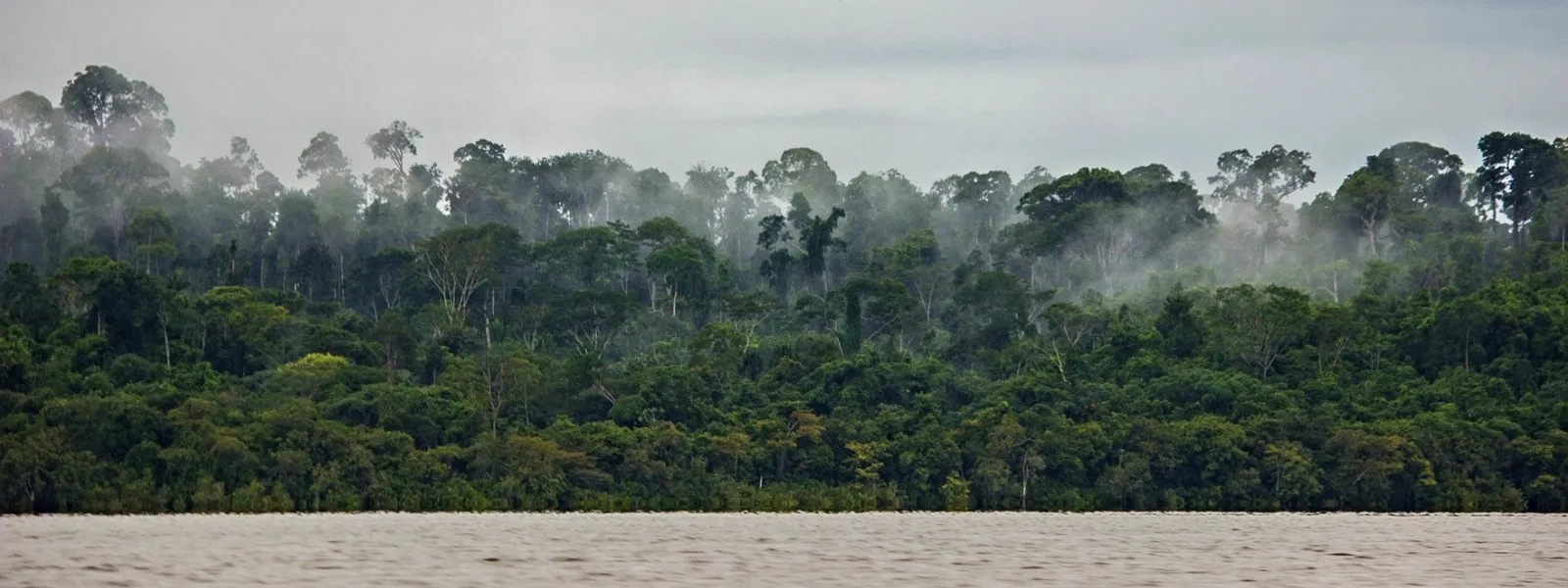
Project
Amazon Watch / Maíra Irigaray
Barragem de Belo Monte no rio Xingu: 10 anos de impactos na Amazônia e de busca por reparações
A usina hidrelétrica de Belo Monte causou um desastre ambiental e social no coração da Amazônia: um dos ecossistemas mais importantes do planeta.
Essa situação só piorou desde que a usina começou a operar em 2016. A busca por justiça e reparação para as comunidades indígenas e ribeirinhas afetadas continua até hoje.
Em 2011, a Comissão Interamericana de Direitos Humanos (CIDH) concedeu a essas comunidades medidas de proteção, que até hoje não foram totalmente implementadas pelo Estado brasileiro.
E, desde junho daquele mesmo ano, a CIDH mantém um processo contra o Estado por sua responsabilidade internacional no caso.
A CIDH pode encaminhar o caso à Corte Interamericana de Direitos Humanos, que tem o poder de emitir uma sentença condenatória contra o Estado brasileiro.
Consulta o expediente de fatos do caso
Após 10 anos de operação da usina hidrelétrica e mais de 15 anos de violações de direitos humanos documentadas, é hora da justiça ser feita para as comunidades afetadas.
Leia a carta aberta das organizações que levam o caso à CIDH
Leia nosso comunicado à imprensa
Contexto
A usina hidrelétrica de Belo Monte — a quarta maior do mundo em capacidade instalada (11.233 MW) — foi construída no rio Xingu, no estado do Pará, norte do Brasil.
Foi inaugurada em 5 de maio de 2016, com uma única turbina. Naquela época, 80% do curso do rio foi desviado e 516 km² de terra foram inundados, uma área maior que a cidade de Chicago. Desse total, 400 km² eram de mata nativa. A usina começou a operar em plena capacidade em novembro de 2019.
Belo Monte foi construída e é operada pelo consórcio Norte Energia S.A., composto principalmente por empresas estatais. Foi financiada pelo Banco Nacional de Desenvolvimento Econômico e Social (BNDES), que aportou ao consórcio 25,4 bilhões de reais (aproximadamente US$ 10,16 bilhões), o maior investimento de sua história. Portanto, o BNDES também é legalmente responsável pelos impactos socioambientais associados ao projeto hidrelétrico.
Décadas de danos ambientais e humanos
As violações dos direitos humanos e a degradação da Amazônia remontam ao início do projeto. Em março de 2011, a Norte Energia iniciou a construção da barragem sem consulta adequada e sem o consentimento prévio, livre e informado das comunidades afetadas.
A construção levou ao deslocamento forçado de mais de 40.000 pessoas, rompendo laços sociais e culturais. O plano de reassentamento em Altamira — cidade diretamente afetada pelo projeto hidrelétrico — incluía moradias na periferia da cidade, sem serviços públicos adequados, moradias dignas para as famílias reassentadas e moradias diferenciadas para aqueles pertencentes a comunidades indígenas.
A operação da barragem de Belo Monte impôs uma seca permanente e artificial na Volta Grande do rio Xingu, agravada pelas secas históricas na Amazônia em 2023 e 2024. Como resultado, a morte de milhões de ovos de peixe foi documentada por quatro anos consecutivos (de 2021 a 2024) e, nos últimos três anos, não houve migração de peixes rio acima para desovar e se reproduzir. Assim, a pesca artesanal, principal fonte de proteína para os povos indígenas e comunidades ribeirinhas, foi severamente afetada: o consumo de peixe caiu de 50% para 30% do total de proteínas consumidas, sendo substituído por alimentos processados. Em suma, houve um colapso ambiental e humanitário que resultou no colapso da pesca como modo de vida tradicional, insegurança alimentar e falta de acesso à água potável para milhares de famílias, empobrecimento e doenças.
Além disso, a construção da barragem aumentou o desmatamento e intensificou a extração ilegal de madeira e a insegurança em terras indígenas e tribais, colocando em risco a sobrevivência dessas comunidades. Outra consequência foi o agravamento da pobreza e dos conflitos sociais, bem como a sobrecarga dos sistemas de saúde, educação e segurança pública em Altamira, cidade considerada a mais violenta do país em 2017, onde houve aumento do tráfico de pessoas e da violência sexual. Também foram registrados casos de violência contra defensores de direitos humanos envolvidos no caso.
Em 2025, durante a 30ª Conferência das Nações Unidas sobre Mudanças Climáticas (COP30), realizada no Brasil, o Ministério Público Federal classificou os danos causados por Belo Monte como ecocídio.
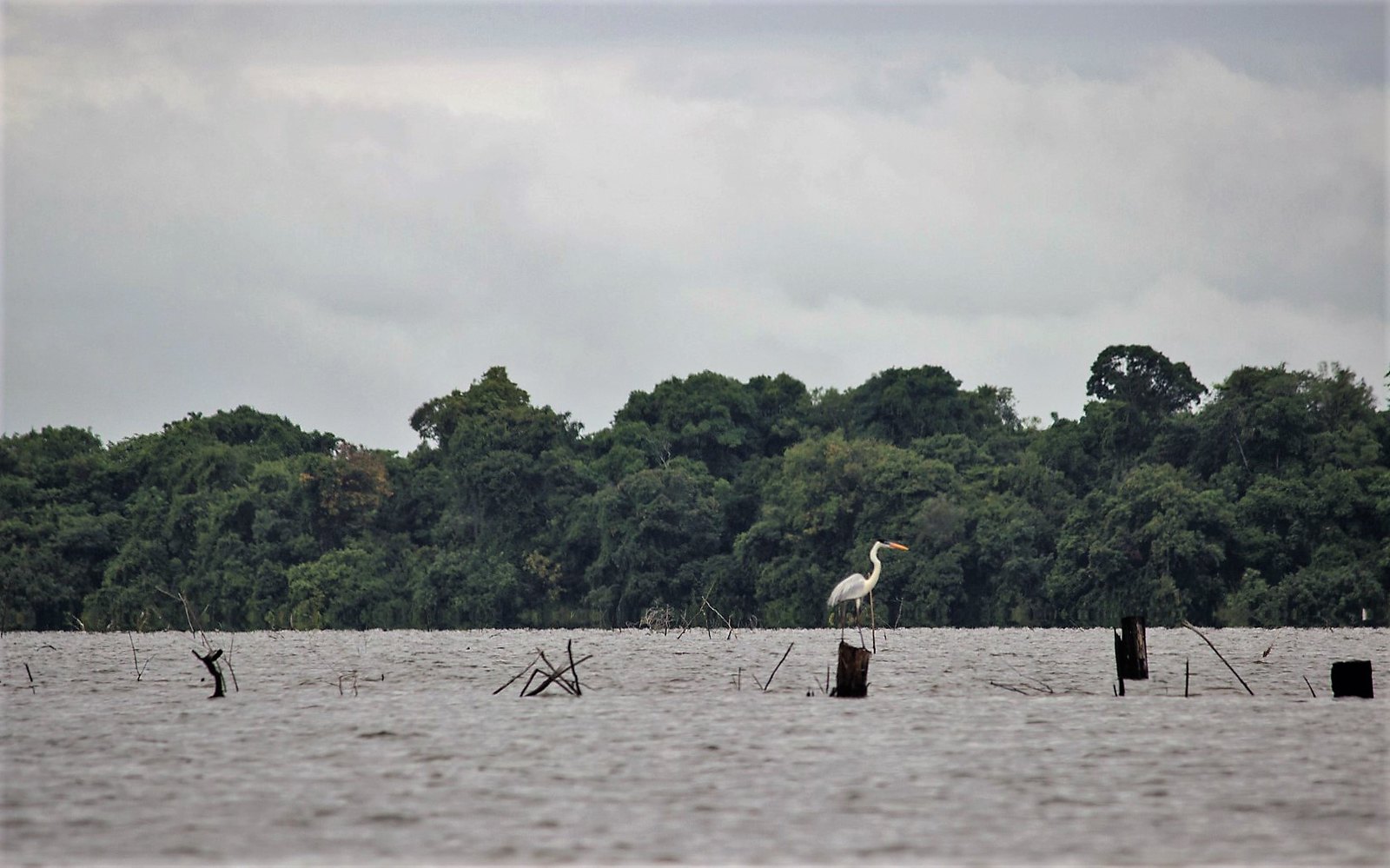
Foto: Amazon Watch / Maíra Irigaray.
A busca por justiça e reparação
Ao longo dos anos, o Ministério Público Federal do Pará, a Defensoria Pública e organizações da sociedade civil impetraram dezenas de ações judiciais em tribunais brasileiros para contestar as diversas irregularidades do projeto, bem como seus impactos. A maioria das ações permanece sem solução, algumas há mais de 10 anos.
Essas ações não obtiveram sucesso porque o governo federal tem reiteradamente anulado decisões favoráveis às comunidades afetadas, recorrendo a um mecanismo pelo qual o presidente do Supremo Tribunal Federal pode suspender uma decisão judicial com base unicamente em argumentos genéricos como "interesse nacional" ou "ordem econômica".
Diante da falta de respostas eficazes em nível nacional, a AIDA — juntamente com uma coalizão de organizações aliadas — levou o caso à Comissão Interamericana de Direitos Humanos (CIDH) e, em 2010, solicitou medidas cautelares para proteger a vida, a integridade e a saúde das comunidades indígenas afetadas.
Em 1º de abril de 2011, a CIDH concedeu essas medidas e solicitou ao Estado brasileiro a suspensão das licenças ambientais e de quaisquer obras de construção até que as condições relativas à consulta prévia e à proteção da saúde e integridade das comunidades fossem atendidas.
E, em 16 de junho de 2011, apresentamos uma denúncia formal à CIDH — juntamente com o Movimento Xingu Vivo Para Siempre, a Coordenação das Organizações Indígenas da Amazônia Brasileira, a Diocese de Altamira, o Conselho Missionário Indígena, a Sociedade Pará de Defesa dos Direitos Humanos e a Global Justice — contra o Estado brasileiro por sua responsabilidade internacional nas violações de direitos humanos contra os povos afetados neste caso. A denúncia foi apresentada em dezembro de 2015.
Em 3 de agosto de 2011, a CIDH modificou as medidas cautelares para solicitar — em vez da suspensão de licenças e obras — a proteção dos povos que vivem em isolamento voluntário, a saúde das comunidades indígenas e a regularização e proteção das terras ancestrais.
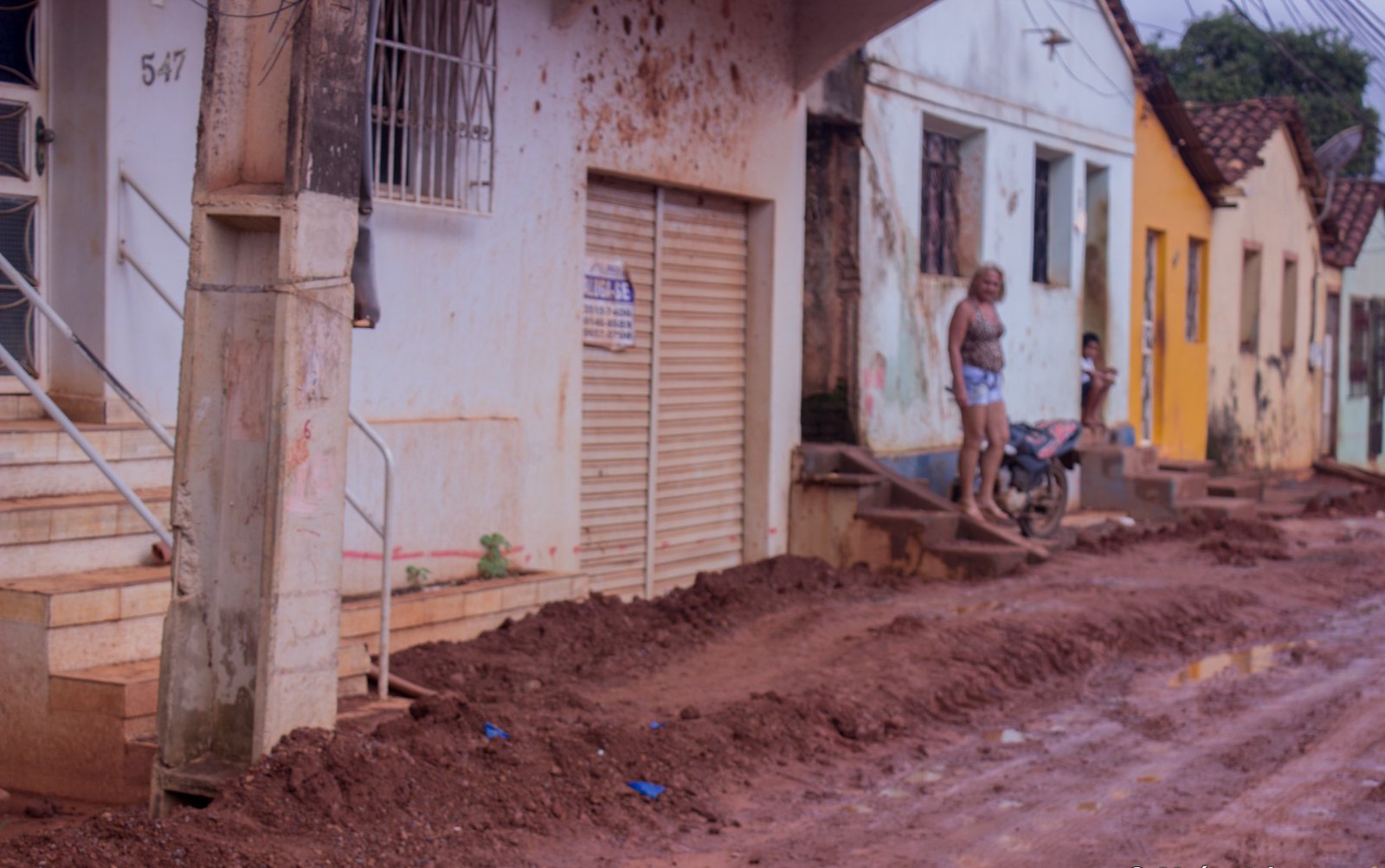
Foto: Amazon Watch / Maíra Irigaray.
Situação atual
As medidas de proteção concedidas pela CIDH permanecem em vigor, mas o Estado brasileiro não as cumpriu integralmente, relatando apenas ações genéricas. As comunidades documentaram as contínuas violações de seus direitos. A situação que motivou o pedido dessas medidas — o risco à vida, à segurança e aos meios de subsistência das comunidades — persiste e se agravou com a usina hidrelétrica operando em plena capacidade e com as recentes secas extremas na Amazônia.
Além do ocorrido em Belo Monte, existe o risco de maiores danos sociais e ambientais decorrentes da implementação de outro megaprojeto de mineração na Volta Grande do Xingu. Lá, a empresa canadense Belo Sun pretende construir a maior mina de ouro a céu aberto do Brasil.
Os impactos sinérgicos e cumulativos da usina e da mina não foram avaliados. O Estado excluiu povos indígenas, comunidades ribeirinhas e comunidades camponesas do processo de licenciamento ambiental do projeto. Apesar disso, dos protestos indígenas e de outras irregularidades em torno do projeto, o governo do estado do Pará autorizou formalmente a mina em abril de 2026.
Belo Monte, assim como outras usinas hidrelétricas, agrava a emergência climática ao gerar emissões de gases de efeito estufa em seu reservatório. Além disso, é ineficiente diante das secas prolongadas e intensas causadas pela crise, pois perde capacidade de geração de energia.
O caso perante a Comissão Interamericana
Em outubro de 2017, a CIDH anunciou que decidiria conjuntamente sobre a admissibilidade (se o caso preenche os requisitos para admissão) e o mérito (se houve, de fato, violação de direitos humanos) da denúncia internacional contra o Estado brasileiro.
Quinze anos após a apresentação da denúncia, as comunidades afetadas e as organizações que as representam ainda aguardam essa decisão. Caso a CIDH conclua que houve violações de direitos humanos e emita recomendações que o Estado brasileiro não cumpra, poderá encaminhar o caso à Corte Interamericana de Direitos Humanos, cujas decisões são vinculativas.
Uma possível decisão da Corte Internacional de Direitos Humanos neste caso estabeleceria um precedente jurídico regional em relação aos direitos dos povos indígenas e ribeirinhos, à participação pública em megaprojetos e à responsabilidade do Estado no contexto da crise climática. Isso é particularmente relevante à luz do Parecer Consultivo nº 32 da Corte, que reafirmou as obrigações dos Estados de proteger pessoas e comunidades em todo o continente da emergência climática.
Partners:
Related projects

After COP28 in Dubai: The complex road to Baku and Belém
By Javier Dávalos, Claudia Velarde and Marcella Ribeiro* The twenty-eighth United Nations Climate Change Conference (COP28), held in Dubai, United Arab Emirates, was the largest ever in terms of the number of participants. The representatives of the States Parties to the United Nations Framework Convention on Climate Change and the Paris Agreement held intense discussions under the scrutiny of stakeholders from various sectors. The final results lack the clarity and ambition needed to define the next round of Nationally Determined Contributions (NDCs). However, the fact that for the first time in almost 30 years all fossil fuels (coal, oil and gas) were mentioned in the main decision of the meeting represents a before and after in climate negotiations. This fact also marks the way towards the next conferences: COP29 in Baku (Azerbaijan) and COP30 in Belém do Pará (Brazil). Below we take stock of COP28 and analyze its implications for the future of climate action in Latin America and the Caribbean. Progress at COP28 For the first time, the outcome document mentioned the need for a transition away from fossil fuels in energy systems in a fair, orderly and equitable manner, accelerating action in this critical decade. The text of the global stocktake of the state of implementation of the Paris Agreement also clearly stated the goals of tripling renewable energy and doubling energy efficiency. The Glasgow target for reducing methane emissions by 2030 was affirmed, as was the exit from inefficient fossil fuel subsidies. Key elements of the work program on just transition pathways were defined, including its scope, objectives, results and institutional arrangements. What was missing at COP28 With regard to the energy transition, there was a need for greater determination to close the door on false climate solutions. On the one hand, there was a call to accelerate nuclear energy and abatement and elimination technologies (carbon capture, utilization and storage) and, on the other, it was noted that "transition fuels" could facilitate this process while ensuring energy security, implicitly giving a free pass to fossil gas. In terms of adaptation, no real progress was made towards a framework for climate action based on the protection of the ocean, wetlands and forests. Nor was there reinforcement of operational synergies between the key policy processes governing terrestrial, freshwater, coastal and marine ecosystems worldwide. While the first step was taken to operationalize the Loss and Damage Fund, the decision did not include a reference to human rights in its objectives and mission. In addition, it limited the participation of indigenous peoples and local communities on the Board of the Fund under the category of invited observers. It also failed to mention the principle of common but differentiated responsibilities, meaning that the fund would be financed solely by grants. In addition, the World Bank was designated as the fund's administrator, putting at risk that the communities most affected by the impacts of the climate crisis would have access to resources in an agile, direct and debt-free manner. Regarding the just transition, it was not recognized that the energy transition puts different pressures on the territories where raw materials or critical minerals such as lithium, copper and cobalt are obtained. This affects Latin America in particular. As a result, developed and developing nations disagreed on whether to keep the transition at the national or international level. And so the transition was not considered an integral and plural transformation process that implies creating socio-political conditions to restructure the organization, ownership and distribution of the current production and consumption systems for the enjoyment of the right to energy. The countries failed to reach an agreement on the substantive elements of the new quantified financing target. Progress was limited to definitions of the process and procedures for defining it. In 2024, there will be at least three technical dialogues to discuss the elements of the target such as amounts, timelines, financing targets by area, and how progress will be measured. What's next: Heading towards COP29 and COP30 The next climate conferences will have to navigate complex contexts, marked by the long-standing crisis of multilateralism, the unfair distribution of burdens for the energy transition—particularly in terms of the exploitation of critical minerals—,and the growing co-optation of negotiations by the corporate interests of fossil-related companies. In this context, the performance of Latin American countries at COP28 is an indication of how their positions for COP29 and COP30 will be constructed: Brazil sought to position itself as a "climate champion" but could not hide its strong fossil fuel extraction agenda. As host of the upcoming COP30, Brazil tried and failed to explain away membership in the expanded Organization of the Petroleum Exporting Countries (OPEC+) without success. Then, days after COP28, it tendered 613 oil blocks in the Amazon with a view to becoming the world's fourth largest oil producer by 2030. Despite this, Brazil created a new work program on the goal of limiting global warming to 1.5 degrees Celsius, which it will take as a banner to COP30, together with the protection of nature and the fight against deforestation. Colombia, for its part, was the most vocal leader on the urgent need for transition, announcing its accession to the Fossil Fuel Non-Proliferation Treaty and maintaining clear interventions on the exit from fossil fuels in its panels and public interventions, which positions it as a regional leader for the upcoming conferences. Ecuador missed the opportunity to obtain funding and support from the international community to implement the Ecuadorian people's decision to close the ITT oil field in Yasuni Park. This omission could be remedied at COP29 because, beyond the delicate internal context, the South American country has just under a year to comply with the legal obligation to implement this decision and the international community can and should support the decision to close the ITT oil field in Yasuní Park. In another area, and within the process of the Advisory Opinion on the Climate Emergency, AIDA, together with other organizations, requested that the Inter-American Court of Human Rights refer to the decision adopted at COP28 regarding the Loss and Damage Fund, as it does not comply with or satisfy the obligations of States under international human rights law. It is expected that the Court will recognize the right to climate reparations and clarify that the establishment, implementation and operation of this fund does not exclude the possibility of making claims for reparations for losses and damages, nor does it block other judicial or administrative processes, measures or mechanisms for access to justice and comprehensive reparations for people affected by climate impacts. *Javier Dávalos is coordinator of AIDA's Climate Program, Claudia Velarde is co-coordinator of the Ecosystems Program, and Marcella Ribeiro is a senior attorney with the Human Rights and Environment Program.
Read more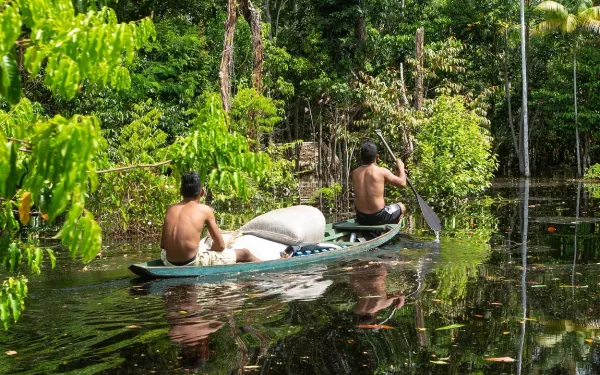
The triple planetary crisis: What is it and what can we do about it?
You may have heard that humanity is facing "a triple planetary crisis.” In the words of United Nations Secretary-General António Guterres, this crisis "threatens the well-being and survival of millions of people around the world." But what exactly does it mean? The triple planetary crisis refers to three interrelated problems: climate change, pollution, and biodiversity loss. Each of these problems is a crisis with its own causes and effects, but all three converge and feed on each other. All three affect human rights, and more intensely impact people in vulnerable conditions. The climate crisis The United Nations considers climate change to be humanity's most urgent problem and the greatest threat to human rights. Climate change, which involves long-term changes to the planet's temperatures and weather patterns, can completely alter ecosystems. Although changes in climate can occur due to the natural patterns of the planet, what we are facing is caused by human activities. Since the Industrial Revolution, there has been an accelerated change in the planet's average temperatures. One of the primary causes of that change is the exploitation and use of fossil fuels. The climate crisis, then, refers to the consequences of climate change caused by human activities, which include: an increase in the intensity and severity of natural events such as droughts, fires, and storms; rising sea levels and the melting of the poles; changes in the hydrological and climatic cycles that affect biodiversity; and impacts on the enjoyment of human rights. The pollution and waste crisis The dominant economic system, dependent on consumption, implies the generation of high levels of pollution and waste that have a great impact on human and ecosystem health. Air pollution is the leading cause of disease and premature death worldwide. The World Health Organization estimates that 7 million people die prematurely each year because of poor air quality. Air degradation is caused by emissions from factories, transportation, and forest fires. Those who lack access to less harmful technologies for cooking or keeping warm also breathe polluted air in their homes. Air pollution is related to climate change, as many of the emissions also warm the planet. Pollution caused by plastics and microplastics is another global concern, as it directly affects biodiversity. An increasing number of studies are finding that plastics are affecting the health of people and other living things. They take centuries to decompose, and are derived from petroleum, a fossil fuel. And we can’t forget pollution caused by extractive activities which, in addition to generating greenhouse gas emissions and leaving in their wake chemicals that are toxic to health, degrade freshwater sources and large tracts of land. The biodiversity loss crisis Biodiversity loss refers to the decrease and disappearance of biological diversity: flora, fauna, and ecosystems. This crisis is caused by the two previous crises, in addition to the overexploitation of resources and changes in land use—which cause overfishing, illegal hunting and trafficking, and deforestation—and the introduction of non-native and invasive species. This loss also implies the decline of many of the species on which we depend. Its impacts extend to affect food supplies and access to fresh water. One example is the Amazon, the world's largest tropical forest and a global climate stabilizer. It is home to 10 percent of the planet's known biodiversity and is the ancestral home of more than 470 indigenous and traditional peoples. The Amazon is endangered by colonization, deforestation, and extractive activities, among other threats. The situation is so serious that the point of no return for the Amazon, in which deforestation levels cancel out its capacity for regeneration, is no longer a future scenario. Actions to confront the triple planetary crisis The triple planetary crisis is a complex problem involving diverse stakeholders and requiring multidisciplinary solutions. Although local actions and individual lifestyle changes can help, many of the necessary actions require decisions on a global scale and profound changes to economic, political, and social systems. According to the United Nations, global actions to confront the crises must include: Limiting global temperature increase to 1.5 degrees: this means that global emissions should be reduced by 45 percent by 2030, with the goal of achieving carbon neutrality by 2050. Accelerating the expansion of clean renewable energies: to achieve the above, a drastic reduction in the use of fossil fuels is required to make way for energy systems based on renewable sources that are sustainable over time and respectful of the environment and people. In addition to combating climate change, this would reduce air pollution. Investing in adaptation and resilience: this means considering those who are already suffering the impacts of the climate crisis in the solutions, with emphasis on the nations, people, and communities in vulnerable situations and who are least responsible for these crises. Conserving and protecting 30 percent of the planet: this applies particularly to areas of biodiversity importance, including the ocean. It also implies actions to mitigate climate change. Improving the food system: this includes changes in irrigation and soil management, as well as producing healthier food and reducing food waste. Leaving no one behind: the measures described above must be carried out simultaneously and with a focus on protecting human rights, as they represent an opportunity to reduce the inequalities that are both a cause and a consequence of the crises. Making progress before the triple crisis These crises threaten not only our basic sources of livelihood, but even our mental health. And while much remains to be done, progress has been made that demonstrates the global cooperation needed to advance on a large scale. We’re happy to share some recent examples of global progress: The High Seas Treaty, designed to protect two-thirds of the ocean, was adopted in June 2023, and will need to be ratified by 60 countries before entering into force. The United Nations recognized the right to a clean, healthy, and sustainable environment as a universal right. 175 nations agreed to develop a global instrument to address plastic pollution. The steps we take as individuals help us to act locally: to live our values and contribute to our communities. But it’s also important we think globally, and demand that our representatives in decision-making bodies guarantee widespread participation and commit to taking key and concerted actions.
Read more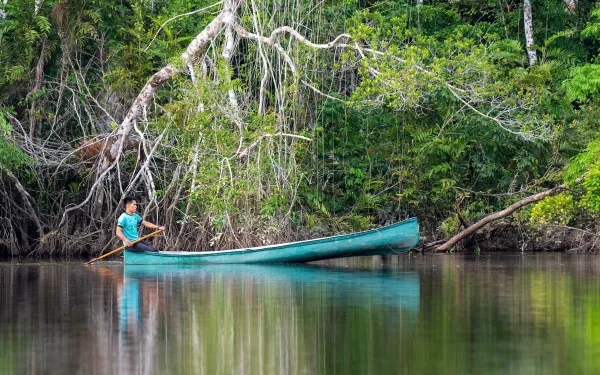
10 positive advances for the environment in Latin America in 2023
It has been a tumultuous year for the world in many ways, and the climate crisis remains one of the greatest challenges we face as a human race. However, it is always worthwhile to assess and recognize the progress made in the quest for environmental and climate justice. So, as we close 2023, let’s celebrate the agreements, decisions, and milestones that give us hope as we continue to defend the planet and all the creatures that call it home. 1. The world has a treaty to preserve life on the high seas. After two long weeks of final negotiations, and decades of previous work, United Nations member states have agreed on a High Seas Treaty to protect two-thirds of the ocean, representing nearly half of the surface of the planet. The new treaty will provide a blueprint for establishing protected areas on the high seas and for assessing and managing human activities that could affect life in this vast area. It will also help achieve the global goal of protecting 30 percent of the ocean by 2030. It has been signed by nearly 80 countries and is in the process of ratification to enter into force. 2. The Ecuadorian people decide to protect the Amazon. Ecuador held a popular consultation to decide whether to stop oil exploration in part of the Yasuní National Park, one of the most biodiverse areas on the planet. The great news is that about 60 percent of the population chose to protect this region of the Amazon, leaving some of the oil in the ground. By recognizing the value of a key ecosystem for stabilizing the global climate, this result transcends national boundaries. It is a hopeful sign of climate ambition that can drive the necessary just energy transition worldwide. 3. The UN recognizes activism for the right to a healthy environment. The United Nations has awarded the 2023 Human Rights Prize to the Global Coalition of Civil Society, Indigenous Peoples, Social Movements and Local Communities for the Universal Recognition of the Human Right to a Clean, Healthy and Sustainable Environment. The prize is awarded every five years, and this is the first time since its inception that it has been given to a global coalition. It recognizes the coalition's essential role in the recognition of the right to a healthy environment by the UN General Assembly in 2022, as well as decades of civil society efforts and spaces for public participation. 4. Support grows for moratorium on deep-sea mining. There is currently a call for the International Seabed Authority to pause negotiations on the regulation of undersea mineral exploitation while the necessary information is gathered to understand the impact of this extractive activity on the ocean, species, and people. Mexico was the most recent signatory in November, joining other countries of the region— including Brazil, Chile, Costa Rica, Ecuador, Panama, and the Dominican Republic— in calling for a moratorium on deep-sea mining. You can join their efforts and learn more by following the hashtag #DefendTheDeep. 5. A Fossil Fuel Non-Proliferation Treaty is in the making. Colombia, a major coal producer, was the first Latin American country to join the call for a Fossil Fuel Non-Proliferation Treaty, a global initiative to complement the Paris Agreement. Cities, elected officials, and international organizations such as the World Health Organization have joined the call. The goal of the proposal, led by Pacific Island countries, is to create a follow-up plan to halt the expansion of fossil fuel use and initiate a just transition. For more information, visit the Fossil Fuels Treaty website. 6. There are signs of hope for a "sacrifice zone" in Chile. Although much remains to be done, recent events give hope that things may be looking up in Quintero and Puchuncaví bays, whose residents have suffered decades of pollution from a series of companies. In May, after 58 years of operation, the furnaces and boilers of the Ventanas smelter were finally shut down. Similarly, the multinational company that owns the Ventanas II thermoelectric plant, also located in the bay, announced its definitive closure by the end of this year. Furthermore, the Supreme Court has issued three rulings related to the failure to comply with a 2019 judgment—which orders the state to adopt 15 measures to identify the sources of contamination and repair the environmental situation in the area—and provides tools for its enforcement. Read more about the case in Chao Carbón. 7. Court rules the Colombia must take concrete climate action. Within one year, Colombia's Ministry of Environment and Sustainable Development must adopt concrete measures to adapt to and mitigate the climate crisis. This order was issued by the Council of State, a high court, as the result of a lawsuit alleging that the ministry had failed to comply with the climate commitments contained in national legislation. Colombia, as the largest exporter of thermal coal in Latin America, has an obligation to include in its climate commitments the real dimension of the impacts of extracting, transporting, and burning coal. This case could become a precedent for strategic and successful climate litigation at the regional and international levels. 8. Cajamarca, Colombia continues to set an example for environmental democracy. Popular consultations will be respected. A Colombian court made this clear by upholding the legality of the popular consultation in which the people of Cajamarca rejected AngloGold Ashanti's La Colosa gold mega-mining project. The ruling represents a triumph for participatory democracy and the defense of peasant territories against extractivism. It sets an important precedent for respecting other popular consultations throughout the country and serves as an example for the rest of the region. 9. A regional alliance to protect Andean wetlands is born. The Alliance for Andean Wetlands is a coalition of social and environmental organizations that aims to promote the protection and conservation of Andean wetlands, water, biodiversity, territories, and the lives of indigenous and campesino communities in Latin America, particularly in Argentina, Bolivia, and Chile. Andean wetlands— including salt flats, lakes, and lagoons —are globally recognized as ecosystems of high ecological and social importance. However, they are also very fragile and threatened by the climate crisis and by extractive activities such as the mining of lithium, copper, and other minerals considered "critical" for the transition to new forms of energy production. 10. AIDA celebrates 25 years of working for a healthy environment. This year we celebrate our 25th anniversary, a quarter century of defending the right to a healthy environment in Latin America. Our journey and our impact have been made possible by a great community of allies with whom we have worked and with whom we share this year of celebration. This milestone enabled us to reflect on our accomplishments, which are reflected in our 2023 Annual Report, and to define a vision for the coming years focused on the quest for climate and environmental justice in the region. Thank you for being part of these 25 years and the decades to come!
Read more