
Project
Amazon Watch / Maíra Irigaray
Barragem de Belo Monte no rio Xingu: 10 anos de impactos na Amazônia e de busca por reparações
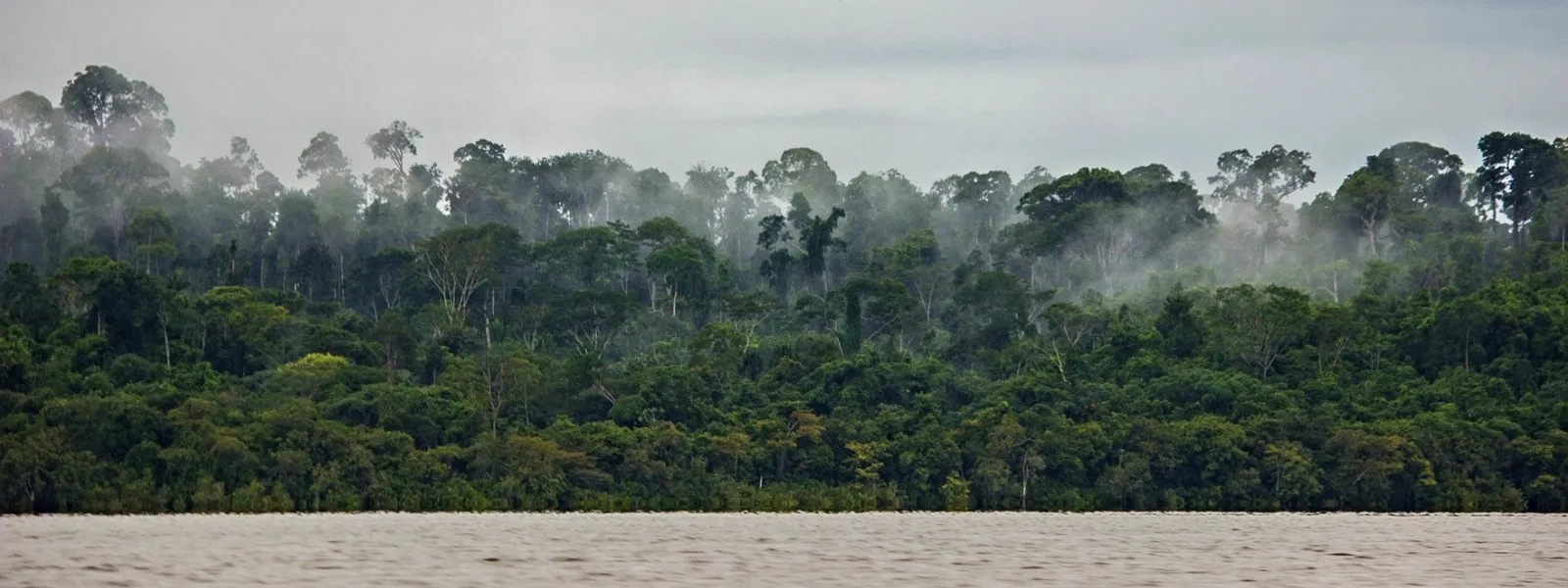
A usina hidrelétrica de Belo Monte causou um desastre ambiental e social no coração da Amazônia: um dos ecossistemas mais importantes do planeta.
Essa situação só piorou desde que a usina começou a operar em 2016. A busca por justiça e reparação para as comunidades indígenas e ribeirinhas afetadas continua até hoje.
Em 2011, a Comissão Interamericana de Direitos Humanos (CIDH) concedeu a essas comunidades medidas de proteção, que até hoje não foram totalmente implementadas pelo Estado brasileiro.
E, desde junho daquele mesmo ano, a CIDH mantém um processo contra o Estado por sua responsabilidade internacional no caso.
A CIDH pode encaminhar o caso à Corte Interamericana de Direitos Humanos, que tem o poder de emitir uma sentença condenatória contra o Estado brasileiro.
Consulta o expediente de fatos do caso
Após 10 anos de operação da usina hidrelétrica e mais de 15 anos de violações de direitos humanos documentadas, é hora da justiça ser feita para as comunidades afetadas.
Leia a carta aberta das organizações que levam o caso à CIDH
Leia nosso comunicado à imprensa
Contexto
A usina hidrelétrica de Belo Monte — a quarta maior do mundo em capacidade instalada (11.233 MW) — foi construída no rio Xingu, no estado do Pará, norte do Brasil.
Foi inaugurada em 5 de maio de 2016, com uma única turbina. Naquela época, 80% do curso do rio foi desviado e 516 km² de terra foram inundados, uma área maior que a cidade de Chicago. Desse total, 400 km² eram de mata nativa. A usina começou a operar em plena capacidade em novembro de 2019.
Belo Monte foi construída e é operada pelo consórcio Norte Energia S.A., composto principalmente por empresas estatais. Foi financiada pelo Banco Nacional de Desenvolvimento Econômico e Social (BNDES), que aportou ao consórcio 25,4 bilhões de reais (aproximadamente US$ 10,16 bilhões), o maior investimento de sua história. Portanto, o BNDES também é legalmente responsável pelos impactos socioambientais associados ao projeto hidrelétrico.
Décadas de danos ambientais e humanos
As violações dos direitos humanos e a degradação da Amazônia remontam ao início do projeto. Em março de 2011, a Norte Energia iniciou a construção da barragem sem consulta adequada e sem o consentimento prévio, livre e informado das comunidades afetadas.
A construção levou ao deslocamento forçado de mais de 40.000 pessoas, rompendo laços sociais e culturais. O plano de reassentamento em Altamira — cidade diretamente afetada pelo projeto hidrelétrico — incluía moradias na periferia da cidade, sem serviços públicos adequados, moradias dignas para as famílias reassentadas e moradias diferenciadas para aqueles pertencentes a comunidades indígenas.
A operação da barragem de Belo Monte impôs uma seca permanente e artificial na Volta Grande do rio Xingu, agravada pelas secas históricas na Amazônia em 2023 e 2024. Como resultado, a morte de milhões de ovos de peixe foi documentada por quatro anos consecutivos (de 2021 a 2024) e, nos últimos três anos, não houve migração de peixes rio acima para desovar e se reproduzir. Assim, a pesca artesanal, principal fonte de proteína para os povos indígenas e comunidades ribeirinhas, foi severamente afetada: o consumo de peixe caiu de 50% para 30% do total de proteínas consumidas, sendo substituído por alimentos processados. Em suma, houve um colapso ambiental e humanitário que resultou no colapso da pesca como modo de vida tradicional, insegurança alimentar e falta de acesso à água potável para milhares de famílias, empobrecimento e doenças.
Além disso, a construção da barragem aumentou o desmatamento e intensificou a extração ilegal de madeira e a insegurança em terras indígenas e tribais, colocando em risco a sobrevivência dessas comunidades. Outra consequência foi o agravamento da pobreza e dos conflitos sociais, bem como a sobrecarga dos sistemas de saúde, educação e segurança pública em Altamira, cidade considerada a mais violenta do país em 2017, onde houve aumento do tráfico de pessoas e da violência sexual. Também foram registrados casos de violência contra defensores de direitos humanos envolvidos no caso.
Em 2025, durante a 30ª Conferência das Nações Unidas sobre Mudanças Climáticas (COP30), realizada no Brasil, o Ministério Público Federal classificou os danos causados por Belo Monte como ecocídio.
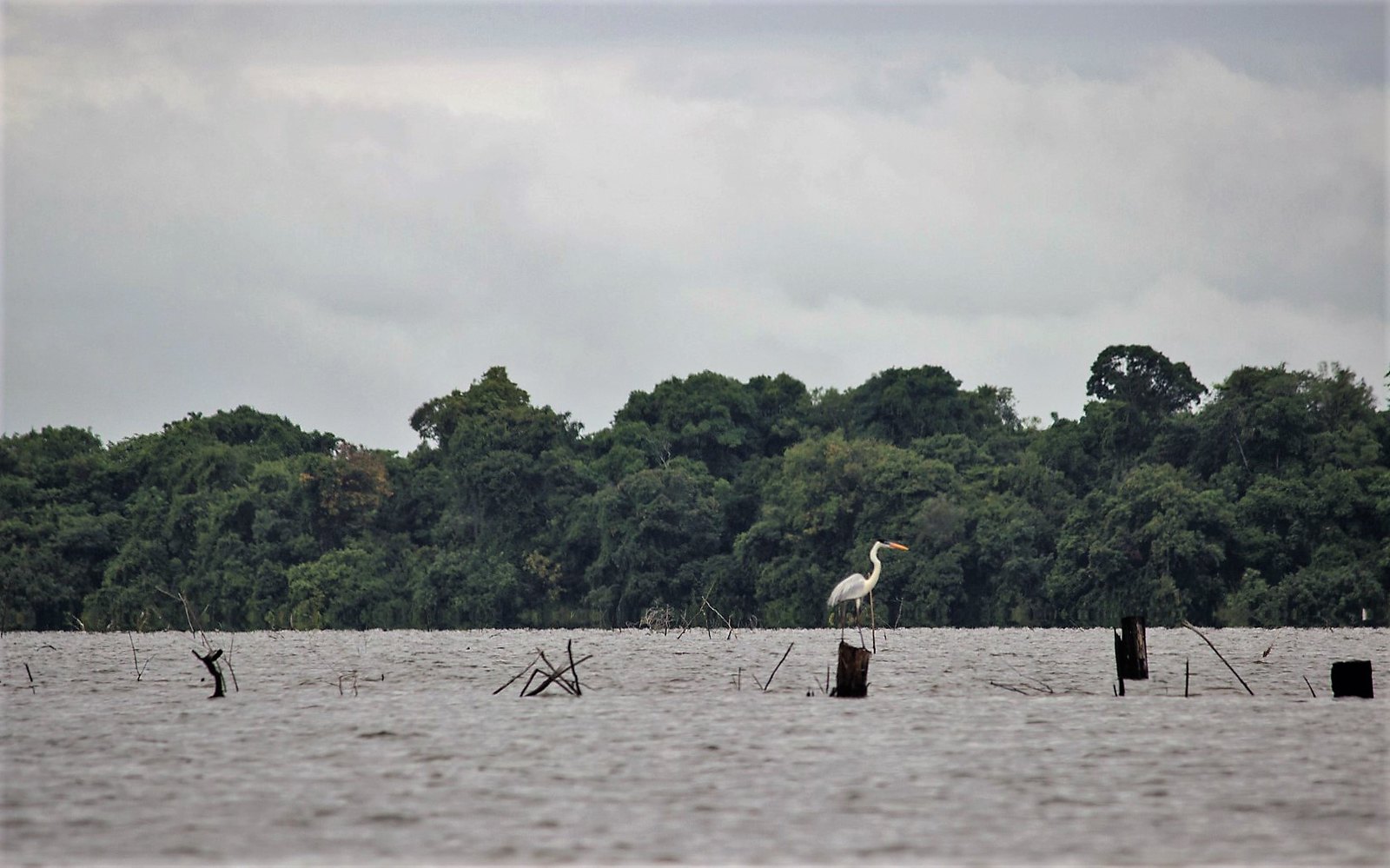
Foto: Amazon Watch / Maíra Irigaray.
A busca por justiça e reparação
Ao longo dos anos, o Ministério Público Federal do Pará, a Defensoria Pública e organizações da sociedade civil impetraram dezenas de ações judiciais em tribunais brasileiros para contestar as diversas irregularidades do projeto, bem como seus impactos. A maioria das ações permanece sem solução, algumas há mais de 10 anos.
Essas ações não obtiveram sucesso porque o governo federal tem reiteradamente anulado decisões favoráveis às comunidades afetadas, recorrendo a um mecanismo pelo qual o presidente do Supremo Tribunal Federal pode suspender uma decisão judicial com base unicamente em argumentos genéricos como "interesse nacional" ou "ordem econômica".
Diante da falta de respostas eficazes em nível nacional, a AIDA — juntamente com uma coalizão de organizações aliadas — levou o caso à Comissão Interamericana de Direitos Humanos (CIDH) e, em 2010, solicitou medidas cautelares para proteger a vida, a integridade e a saúde das comunidades indígenas afetadas.
Em 1º de abril de 2011, a CIDH concedeu essas medidas e solicitou ao Estado brasileiro a suspensão das licenças ambientais e de quaisquer obras de construção até que as condições relativas à consulta prévia e à proteção da saúde e integridade das comunidades fossem atendidas.
E, em 16 de junho de 2011, apresentamos uma denúncia formal à CIDH — juntamente com o Movimento Xingu Vivo Para Siempre, a Coordenação das Organizações Indígenas da Amazônia Brasileira, a Diocese de Altamira, o Conselho Missionário Indígena, a Sociedade Pará de Defesa dos Direitos Humanos e a Global Justice — contra o Estado brasileiro por sua responsabilidade internacional nas violações de direitos humanos contra os povos afetados neste caso. A denúncia foi apresentada em dezembro de 2015.
Em 3 de agosto de 2011, a CIDH modificou as medidas cautelares para solicitar — em vez da suspensão de licenças e obras — a proteção dos povos que vivem em isolamento voluntário, a saúde das comunidades indígenas e a regularização e proteção das terras ancestrais.
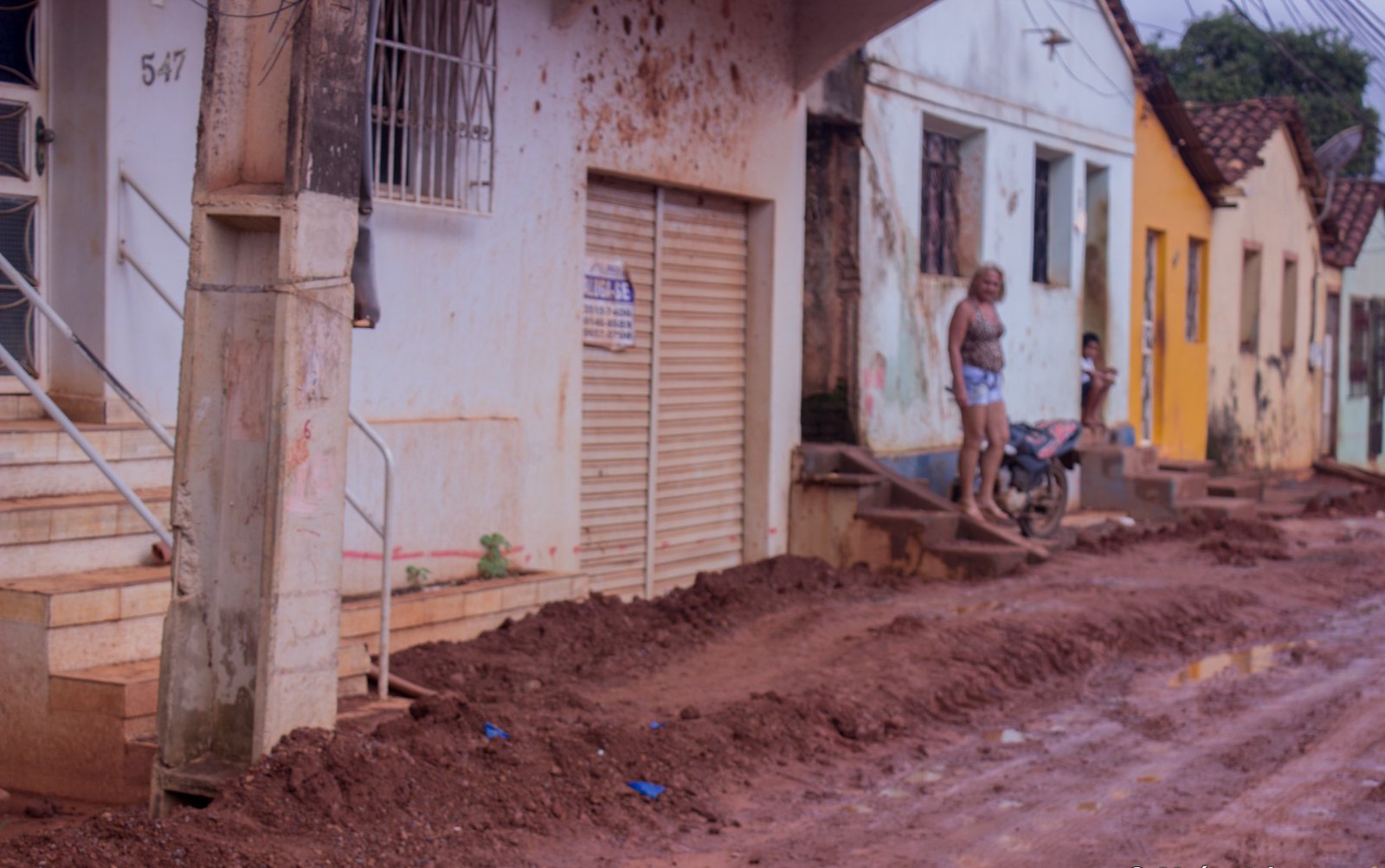
Foto: Amazon Watch / Maíra Irigaray.
Situação atual
As medidas de proteção concedidas pela CIDH permanecem em vigor, mas o Estado brasileiro não as cumpriu integralmente, relatando apenas ações genéricas. As comunidades documentaram as contínuas violações de seus direitos. A situação que motivou o pedido dessas medidas — o risco à vida, à segurança e aos meios de subsistência das comunidades — persiste e se agravou com a usina hidrelétrica operando em plena capacidade e com as recentes secas extremas na Amazônia.
Além do ocorrido em Belo Monte, existe o risco de maiores danos sociais e ambientais decorrentes da implementação de outro megaprojeto de mineração na Volta Grande do Xingu. Lá, a empresa canadense Belo Sun pretende construir a maior mina de ouro a céu aberto do Brasil.
Os impactos sinérgicos e cumulativos da usina e da mina não foram avaliados. O Estado excluiu povos indígenas, comunidades ribeirinhas e comunidades camponesas do processo de licenciamento ambiental do projeto. Apesar disso, dos protestos indígenas e de outras irregularidades em torno do projeto, o governo do estado do Pará autorizou formalmente a mina em abril de 2026.
Belo Monte, assim como outras usinas hidrelétricas, agrava a emergência climática ao gerar emissões de gases de efeito estufa em seu reservatório. Além disso, é ineficiente diante das secas prolongadas e intensas causadas pela crise, pois perde capacidade de geração de energia.
O caso perante a Comissão Interamericana
Em outubro de 2017, a CIDH anunciou que decidiria conjuntamente sobre a admissibilidade (se o caso preenche os requisitos para admissão) e o mérito (se houve, de fato, violação de direitos humanos) da denúncia internacional contra o Estado brasileiro.
Quinze anos após a apresentação da denúncia, as comunidades afetadas e as organizações que as representam ainda aguardam essa decisão. Caso a CIDH conclua que houve violações de direitos humanos e emita recomendações que o Estado brasileiro não cumpra, poderá encaminhar o caso à Corte Interamericana de Direitos Humanos, cujas decisões são vinculativas.
Uma possível decisão da Corte Internacional de Direitos Humanos neste caso estabeleceria um precedente jurídico regional em relação aos direitos dos povos indígenas e ribeirinhos, à participação pública em megaprojetos e à responsabilidade do Estado no contexto da crise climática. Isso é particularmente relevante à luz do Parecer Consultivo nº 32 da Corte, que reafirmou as obrigações dos Estados de proteger pessoas e comunidades em todo o continente da emergência climática.
Partners:
Related projects
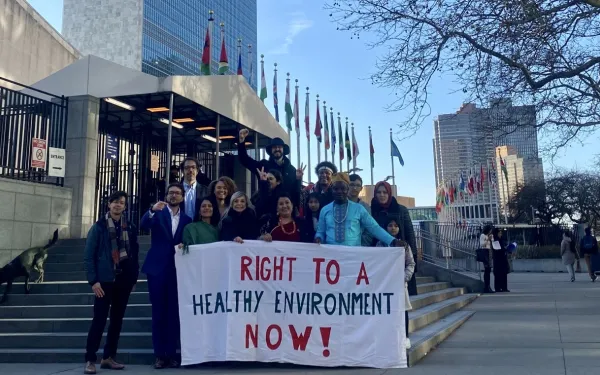
Right to a Healthy Environment Global Coalition awarded UN Human Rights Prize
New York — Today the Global Coalition of Civil Society, Indigenous Peoples, Social Movements, and Local Communities for the Universal Recognition of the Right to a Clean, Healthy, and Sustainable Environment accepted the prestigious 2023 United Nations Human Rights Prize in a ceremony in New York. This month also marks the 75th anniversary of the Universal Declaration of Human Rights.The coalition is recognized for its vital role in advocating for the universal recognition of the right to a healthy environment by the UN General Assembly (UNGA) in 2022. The UN Human Rights Prize is awarded once every five years to several recipients at a time. This year is the first time since its inception in 1966 that it has been granted to a global coalition.The prize was presented at a ceremony with UN leadership, including General Assembly President Dennis Francis, Secretary-General António Guterres, and High Commissioner for Human Rights Volker Türk. The award was accepted by a delegation of representatives illustrating the diversity of the coalition’s members.The ceremony took place alongside a workshop with advocates from around the world and UN and State representatives to assess progress since the recognition of the right to a healthy environment and to discuss next steps to build on that progress and ensure the effective promotion of the right.Read reactions to the announcement from the members of the coalition here.At the ceremony, the following acceptance speech was delivered by a representative of the coalition: We, Civil Society, Indigenous Peoples, Social Movements, and Local Communities in coalition for the Universal Recognition of the Human Right to a Clean, Healthy, and Sustainable Environment are honored to receive this prestigious prize acknowledging our vital role towards the UN recognition of this human right.This incredible achievement was only possible thanks to the tireless collaborative efforts of thousands of people from 143 countries who joined for this historic milestone. A process that started fifty years ago by visionaries gained momentum in 2020 when we called the UN to finally recognize this human right.First, this prize highlights the importance of truly collaborating to advance the imperative protections of our planet and our rights. No single organization, movement, or person would have been able to make it on their own, but together, our global and diverse coalition made it possible. We are humbled and proud that our efforts are recognized, evidencing to the world that working together is possible and worth it.Cooperation is just as needed for States, none of whom can, on their own, solve today’s multiple planetary crises of biodiversity loss, climate change, and pollution, aggravated by increasing inequalities. We call on States to effectively collaborate towards the solutions needed.Second, this prize reinforces the historic recognition of the right to a clean, healthy, and sustainable environment as a human right. That requires protecting the dignity of all persons, individually and collectively, substantively and procedurally, from human-made environmental degradation and climate change impacts. Affirming also the interdependence and indivisibility of human rights and the urgency to protect them from environmental threats, including systemic risks, irreversible degradation, and loss and damage.The UN recognition clarifies international human rights law and is now a powerful instrument for States to fulfill their obligations, enhance environmental justice, and guarantee all rights, especially of those in more vulnerable situations.As we witness increasing ecosystem degradation and lives lost due to pollution and climate change, this universal right can guide us toward stronger policies and practices, based on gender and intergenerational equity and the empowerment of all persons and communities. It can help in better protecting those defending the environment, including Indigenous Peoples, children, women, peasants, and other people working in rural areas.We are profoundly grateful for the recognition of our collective efforts, inspiring governments, businesses, and institutions to fulfill their responsibility and effectively protect our universal right to a clean, healthy, and sustainable environment. This is our priority, one we invite you to commit to. Thank you! Press contactsVíctor Quintanilla (Mexico), Content Coordinator at the Interamerican Association for Environmental Defense (AIDA), [email protected] Furbank, Communications Campaign Specialist at the Center for International Environmental Law, [email protected] Esther de la Rosa, Communications Coordinator at ESCR-Net [email protected]
Read more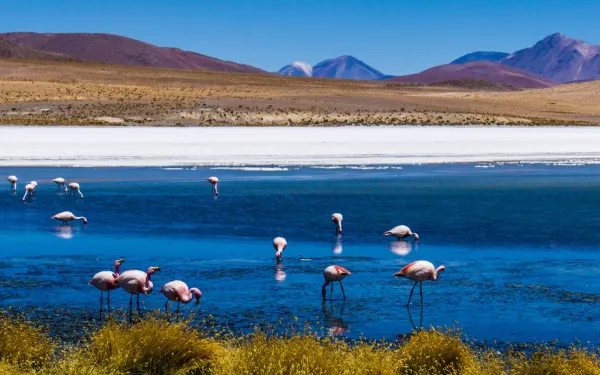
The Alliance for the Andean Wetlands brings together organizations for the protection and conservation of wetlands
The alliance seeks to protect the water, biodiversity, territories and ways of life that depend on these ecosystems in Latin America, especially in Argentina, Bolivia and Chile. With the aim to promote the protection and conservation of wetlands -as well as the water, biodiversity, territories and livelihoods of indigenous and peasant communities that depend on them- the Alliance for Andean Wetlands (Alianza por los Humedales Andinos) brings together the Fundación Ambiente y Recursos Naturales (FARN) and the PUCARÁ Assembly (Pueblos Catamarqueños en Resistencia y Autodeterminación), of Argentina; the Centro de Documentación e Información de Bolivia (CEDIB) and Empodérate, of Bolivia; ONG FIMA, Defensa Ambiental and Fundación Tantí, of Chile; and the Interamerican Association for Environmental Defense (AIDA), a regional organization.The Andean wetlands - including salt flats, lakes and lagoons - are recognized worldwide as ecosystems of high environmental and social significance. They are also extremely fragile due to their characteristics, whose central element is water, a common good that controls the environment and wildlife. Their vulnerability also rises from the threats they face, including the climate crisis and the negative impacts of extractive activities such as the mining of lithium, copper and other minerals considered "critical" for the transition to new forms of energy generation.In this sense, the increase in demand for lithium in the global north has set in motion an accelerated process of extraction and production at a global level, focused on regions rich in this mineral, such as the Andean salt flats of Argentina, Bolivia and Chile, which are home to more than 53% of proven global reserves.From November 30 to December 12, representatives from nearly 200 countries will meet in Dubai, United Arab Emirates during the twenty-eighth United Nations Climate Change Conference (COP 28) to continue advancing the implementation of the Paris Agreement, which seeks to strengthen the global response to the climate emergency.The protection of wetlands is crucial in this task because they are ecosystems that act as natural carbon sinks, helping to mitigate the crisis.Accelerating the energy transition will be one of the main lines of action at COP 28Faced with this global trend, the alliance promotes a just, participatory and popular socio-ecological transition with a long-term vision, prioritizing integrated water management under a socio-environmental and climate justice approach. Thus, it supports and accompanies local communities and organizations in the care of Andean wetlands and in the construction of socioeconomic alternatives that go beyond mining extractivism.The alliance also seeks to ensure the participation of communities and their access to complete, truthful and transparent information, as well as to provide information to the global society - involving organizations, States and the private sector - highlighting the value of the Andean wetlands and the multiple threats they face.To achieve its objective, the alliance employs pedagogical, legal, research, advocacy, communication and mobilization strategies collectively and in dialogue with communities and organizations. Recognizing the differentiated impacts of the climate crisis on women, girls, sexual dissidents and other vulnerable groups, the alliance incorporates a gender perspective in all its activities. Press contacts:Víctor Quintanilla, AIDA (regional), [email protected], +521 5570522107Carlos Ulloa Fuentes, Fundación Tantí (Chile), [email protected] +569 37614815Rocío Wischñevsky, FARN (Argentina), [email protected], +541159518538Manuel Fontenla, Asamblea PUCARÁ (Argentina), [email protected], +54 9 3834790609Faviola Rivera Seifert, Empodérate (Bolivia), [email protected], +591 77129989Oscar Campanini, CEDIB (Bolivia), [email protected], +591 70344801
Read more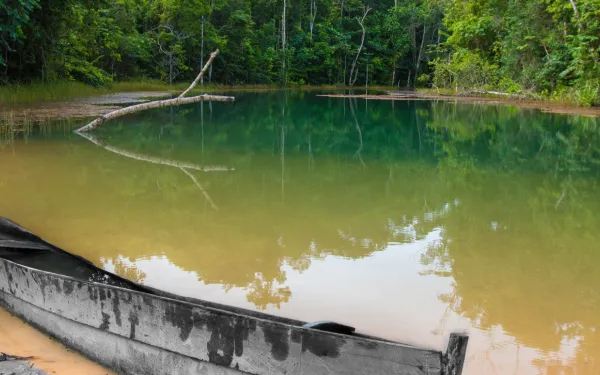
Solidarity note for social movements, organizations, and rights advocates who are victims of criminalization attempts by the company Belo Sun Mineração Ltda.
The undersigned member organizations of the Volta Grande do Xingu Alliance (AVGX) call on partners, civil society organizations, legal experts, and researchers to support and strengthen individuals and movements that, due to their tireless defense of peoples, biodiversity, and the existence of the Volta Grande do Xingu, are facing intimidation and attempted criminalization by the company Belo Sun Mineração Ltda.We need to show large corporations that civil society in Brazil and abroad is united around this cause. We will not step back in protecting the environment and human rights in the face of threats. Sign this note and join us in the protection of the Amazon, the Xingu River, and its defenders!More information below:On October 17, 2023, the mining company Belo Sun Ltda., the Brazilian subsidiary of the Canadian company Belo Sun Mining Corp., filed a criminal lawsuit against more than 30 people, most of them small-scale farmers. These individuals, backed by are questioning the acquisition of land by the mining company within the Ressaca Settlement Project, in the municipality of Senador José Porfírio - Pará, and demanding that this land fulfill its agrarian and social function. These concerns are the basis of a lawsuit in federal court by the federal and local Public Defender’s Offices.The criminal complaint is a clear attempt to silence environmental and human rights defenders. This silencing is intensified by the presence of the company's armed security in the territory. It is also an attempt to criminalize organizations that monitor and denounce the destruction caused by large projects in the Volta Grande do Xingu. On November 15, a group of 25 local movements and organizations, mainly based in Altamira, Pará, issued an open letter condemning the criminalization of farmers, social movements, and civil society organizations promoted by the Canadian mining company Belo Sun. It is essential that the terms of this letter be strengthened and echoed nationally and internationally.This is not the first time that Belo Sun Mineração Ltda. has intimidated civil society organizations and human rights defenders. In 2022, the company filed a lawsuit against a university professor who had exposed the risks that the Volta Grande Project would pose to the Xingu River and its people. In mid-2023, Belo Sun sent an extrajudicial notice to the National Coordination of Indigenous Peoples of Brazil (Apib), attempting to silence the organization's complaints about the risks posed by the mining project in the Volta Grande do Xingu. This notice came shortly after the release of a report on Belo Sun by the legal team of the Apib and an international advocacy action at the UN in Geneva carried out by the Alliance for the Volta Grande do Xingu, a coalition of which Apib is a part. The action aimed to expose corporate abuses by Canadian companies in the Brazilian Amazon and in eight other countries in Latin America and the Caribbean. Regarding Belo Sun's activities in the Volta Grande do XinguBelo Sun aims to establish a massive open pit gold mining project overlapping the PA Ressaca region, on the banks of the Xingu River, with the goal of operating the largest gold mine in Brazil. The so-called Volta Grande Project (PVG), if approved, would substantially and potentially irreversibly impact a territory already severely affected by the Belo Monte mega-dam, as well as affecting the lands and traditional ways of life of various indigenous peoples, rural settlements, and riverside communities in this region.Several lawsuits have been filed documenting the irregularities committed by Belo Sun, including the absence of free, prior, and informed consultarions and consent from the affected indigenous and traditional communities; the illegal acquisition of plots within the PA Ressaca; the harassment and violation of the right to free movement and access to the territory of local communities; and the lack of competence of the State of Pará to issue the environmental license for the PVG. Its licensing has been suspended since 2017 by the decision of the Federal Regional Court of the 1st Region, and on September 11, 2023, it was transferred to the jurisdiction of Ibama, a federal agency. DemandsWe, citizens, civil society organizations, and representatives of social movements who support this statement, condemn the criminalization promoted by Belo Sun Mineração Ltda. We express our solidarity with the victims of this process and emphasize our understanding that:We support the terms of this petition and join voices in denouncing that intimidation and criminalization of human rights defenders, activists, researchers, and leaders of social movements by Belo Sun are unacceptable, and therefore, we support the terms of this petition.The Land Reform Project (Projeto de Assentamento) Ressaca is an area designated for agrarian reform and local family farming located in a region already highly vulnerable from a socio-environmental perspective, making it incompatible with the installation of a large-scale open-pit gold mining project like Belo Sun's Volta Grande Project.The public authorities must take necessary measures to empower the families, communities, and peoples of the Volta Grande do Xingu, ensuring their effective participation in governance and the protection of the territory. The member organizations of the Volta Grande do Xingu Alliance issuing this statement and calling for endorsements are:Articulação dos Povos Indígenas do Brasil - APIBMovimento Xingu Vivo - BrasilAmazon WatchInterametican Association for Environmental Defense - AIDAInternational RiversEarthworks Justiça GlobalMiningWatch Canada Join us in protecting the Amazon, the Xingu River, and their defenders!Sign the note of international solidarity against the judicial harassment being carried out by Belo Sun: https://forms.gle/tzUzR47v72jsdEPN8
Read more