
Project
Amazon Watch / Maíra Irigaray
Barragem de Belo Monte no rio Xingu: 10 anos de impactos na Amazônia e de busca por reparações
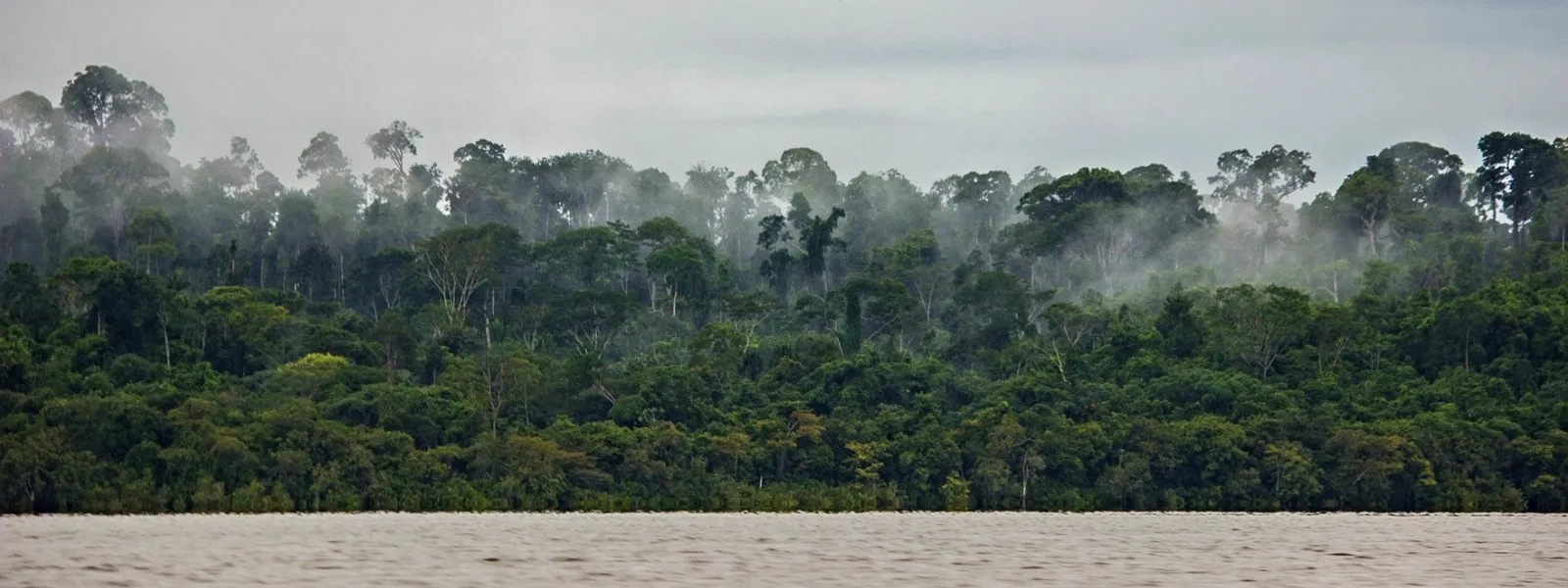
A usina hidrelétrica de Belo Monte causou um desastre ambiental e social no coração da Amazônia: um dos ecossistemas mais importantes do planeta.
Essa situação só piorou desde que a usina começou a operar em 2016. A busca por justiça e reparação para as comunidades indígenas e ribeirinhas afetadas continua até hoje.
Em 2011, a Comissão Interamericana de Direitos Humanos (CIDH) concedeu a essas comunidades medidas de proteção, que até hoje não foram totalmente implementadas pelo Estado brasileiro.
E, desde junho daquele mesmo ano, a CIDH mantém um processo contra o Estado por sua responsabilidade internacional no caso.
A CIDH pode encaminhar o caso à Corte Interamericana de Direitos Humanos, que tem o poder de emitir uma sentença condenatória contra o Estado brasileiro.
Consulta o expediente de fatos do caso
Após 10 anos de operação da usina hidrelétrica e mais de 15 anos de violações de direitos humanos documentadas, é hora da justiça ser feita para as comunidades afetadas.
Leia a carta aberta das organizações que levam o caso à CIDH
Leia nosso comunicado à imprensa
Contexto
A usina hidrelétrica de Belo Monte — a quarta maior do mundo em capacidade instalada (11.233 MW) — foi construída no rio Xingu, no estado do Pará, norte do Brasil.
Foi inaugurada em 5 de maio de 2016, com uma única turbina. Naquela época, 80% do curso do rio foi desviado e 516 km² de terra foram inundados, uma área maior que a cidade de Chicago. Desse total, 400 km² eram de mata nativa. A usina começou a operar em plena capacidade em novembro de 2019.
Belo Monte foi construída e é operada pelo consórcio Norte Energia S.A., composto principalmente por empresas estatais. Foi financiada pelo Banco Nacional de Desenvolvimento Econômico e Social (BNDES), que aportou ao consórcio 25,4 bilhões de reais (aproximadamente US$ 10,16 bilhões), o maior investimento de sua história. Portanto, o BNDES também é legalmente responsável pelos impactos socioambientais associados ao projeto hidrelétrico.
Décadas de danos ambientais e humanos
As violações dos direitos humanos e a degradação da Amazônia remontam ao início do projeto. Em março de 2011, a Norte Energia iniciou a construção da barragem sem consulta adequada e sem o consentimento prévio, livre e informado das comunidades afetadas.
A construção levou ao deslocamento forçado de mais de 40.000 pessoas, rompendo laços sociais e culturais. O plano de reassentamento em Altamira — cidade diretamente afetada pelo projeto hidrelétrico — incluía moradias na periferia da cidade, sem serviços públicos adequados, moradias dignas para as famílias reassentadas e moradias diferenciadas para aqueles pertencentes a comunidades indígenas.
A operação da barragem de Belo Monte impôs uma seca permanente e artificial na Volta Grande do rio Xingu, agravada pelas secas históricas na Amazônia em 2023 e 2024. Como resultado, a morte de milhões de ovos de peixe foi documentada por quatro anos consecutivos (de 2021 a 2024) e, nos últimos três anos, não houve migração de peixes rio acima para desovar e se reproduzir. Assim, a pesca artesanal, principal fonte de proteína para os povos indígenas e comunidades ribeirinhas, foi severamente afetada: o consumo de peixe caiu de 50% para 30% do total de proteínas consumidas, sendo substituído por alimentos processados. Em suma, houve um colapso ambiental e humanitário que resultou no colapso da pesca como modo de vida tradicional, insegurança alimentar e falta de acesso à água potável para milhares de famílias, empobrecimento e doenças.
Além disso, a construção da barragem aumentou o desmatamento e intensificou a extração ilegal de madeira e a insegurança em terras indígenas e tribais, colocando em risco a sobrevivência dessas comunidades. Outra consequência foi o agravamento da pobreza e dos conflitos sociais, bem como a sobrecarga dos sistemas de saúde, educação e segurança pública em Altamira, cidade considerada a mais violenta do país em 2017, onde houve aumento do tráfico de pessoas e da violência sexual. Também foram registrados casos de violência contra defensores de direitos humanos envolvidos no caso.
Em 2025, durante a 30ª Conferência das Nações Unidas sobre Mudanças Climáticas (COP30), realizada no Brasil, o Ministério Público Federal classificou os danos causados por Belo Monte como ecocídio.
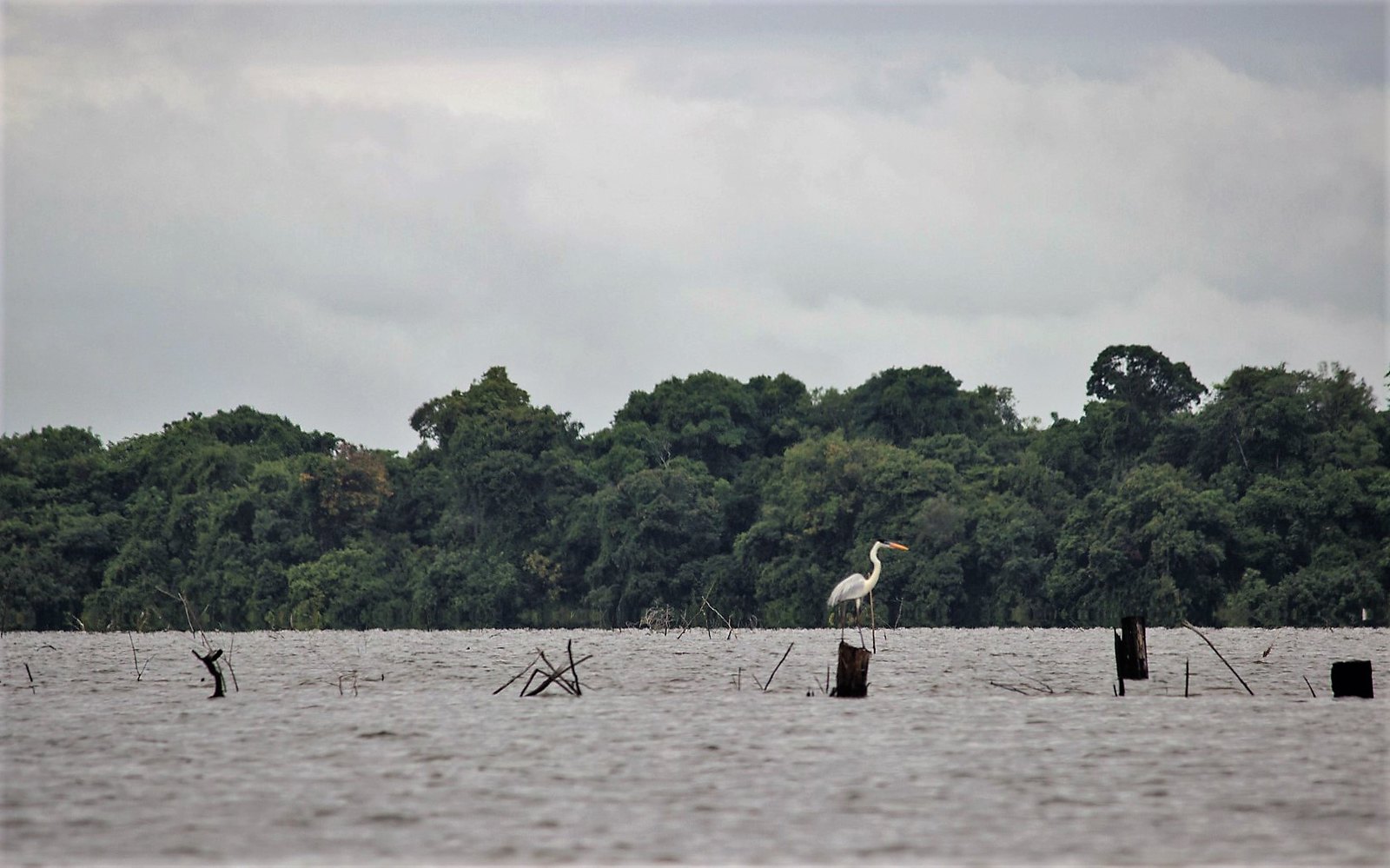
Foto: Amazon Watch / Maíra Irigaray.
A busca por justiça e reparação
Ao longo dos anos, o Ministério Público Federal do Pará, a Defensoria Pública e organizações da sociedade civil impetraram dezenas de ações judiciais em tribunais brasileiros para contestar as diversas irregularidades do projeto, bem como seus impactos. A maioria das ações permanece sem solução, algumas há mais de 10 anos.
Essas ações não obtiveram sucesso porque o governo federal tem reiteradamente anulado decisões favoráveis às comunidades afetadas, recorrendo a um mecanismo pelo qual o presidente do Supremo Tribunal Federal pode suspender uma decisão judicial com base unicamente em argumentos genéricos como "interesse nacional" ou "ordem econômica".
Diante da falta de respostas eficazes em nível nacional, a AIDA — juntamente com uma coalizão de organizações aliadas — levou o caso à Comissão Interamericana de Direitos Humanos (CIDH) e, em 2010, solicitou medidas cautelares para proteger a vida, a integridade e a saúde das comunidades indígenas afetadas.
Em 1º de abril de 2011, a CIDH concedeu essas medidas e solicitou ao Estado brasileiro a suspensão das licenças ambientais e de quaisquer obras de construção até que as condições relativas à consulta prévia e à proteção da saúde e integridade das comunidades fossem atendidas.
E, em 16 de junho de 2011, apresentamos uma denúncia formal à CIDH — juntamente com o Movimento Xingu Vivo Para Siempre, a Coordenação das Organizações Indígenas da Amazônia Brasileira, a Diocese de Altamira, o Conselho Missionário Indígena, a Sociedade Pará de Defesa dos Direitos Humanos e a Global Justice — contra o Estado brasileiro por sua responsabilidade internacional nas violações de direitos humanos contra os povos afetados neste caso. A denúncia foi apresentada em dezembro de 2015.
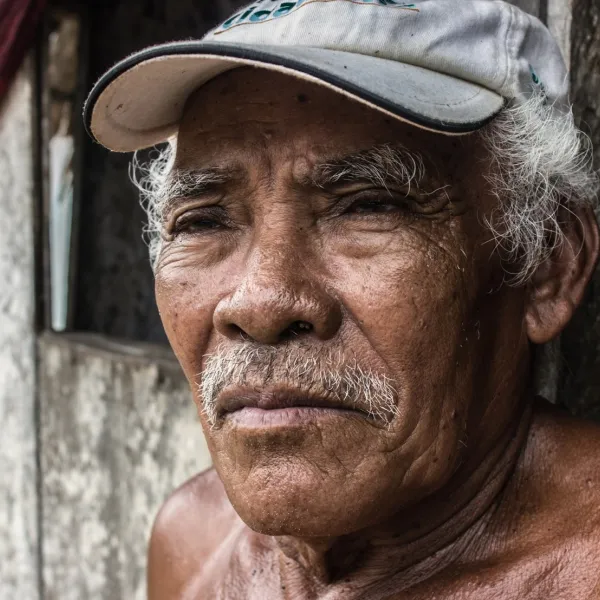
Em 3 de agosto de 2011, a CIDH modificou as medidas cautelares para solicitar — em vez da suspensão de licenças e obras — a proteção dos povos que vivem em isolamento voluntário, a saúde das comunidades indígenas e a regularização e proteção das terras ancestrais.
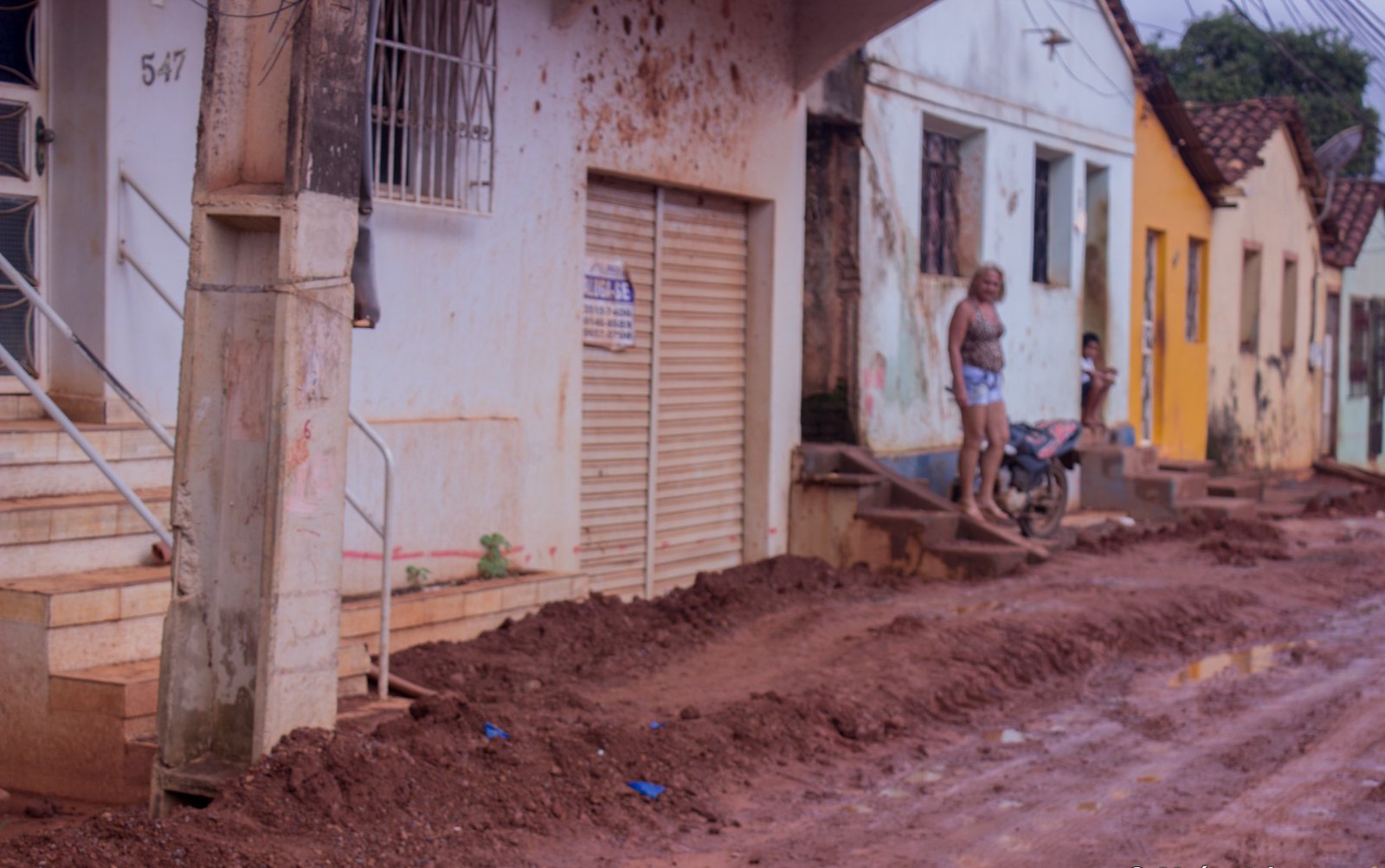
Foto: Amazon Watch / Maíra Irigaray.
Situação atual
As medidas de proteção concedidas pela CIDH permanecem em vigor, mas o Estado brasileiro não as cumpriu integralmente, relatando apenas ações genéricas. As comunidades documentaram as contínuas violações de seus direitos. A situação que motivou o pedido dessas medidas — o risco à vida, à segurança e aos meios de subsistência das comunidades — persiste e se agravou com a usina hidrelétrica operando em plena capacidade e com as recentes secas extremas na Amazônia.
Além do ocorrido em Belo Monte, existe o risco de maiores danos sociais e ambientais decorrentes da implementação de outro megaprojeto de mineração na Volta Grande do Xingu. Lá, a empresa canadense Belo Sun pretende construir a maior mina de ouro a céu aberto do Brasil.
Os impactos sinérgicos e cumulativos da usina e da mina não foram avaliados. O Estado excluiu povos indígenas, comunidades ribeirinhas e comunidades camponesas do processo de licenciamento ambiental do projeto. Apesar disso, dos protestos indígenas e de outras irregularidades em torno do projeto, o governo do estado do Pará autorizou formalmente a mina em abril de 2026.
Belo Monte, assim como outras usinas hidrelétricas, agrava a emergência climática ao gerar emissões de gases de efeito estufa em seu reservatório. Além disso, é ineficiente diante das secas prolongadas e intensas causadas pela crise, pois perde capacidade de geração de energia.
O caso perante a Comissão Interamericana
Em outubro de 2017, a CIDH anunciou que decidiria conjuntamente sobre a admissibilidade (se o caso preenche os requisitos para admissão) e o mérito (se houve, de fato, violação de direitos humanos) da denúncia internacional contra o Estado brasileiro.
Quinze anos após a apresentação da denúncia, as comunidades afetadas e as organizações que as representam ainda aguardam essa decisão. Caso a CIDH conclua que houve violações de direitos humanos e emita recomendações que o Estado brasileiro não cumpra, poderá encaminhar o caso à Corte Interamericana de Direitos Humanos, cujas decisões são vinculativas.
Uma possível decisão da Corte Internacional de Direitos Humanos neste caso estabeleceria um precedente jurídico regional em relação aos direitos dos povos indígenas e ribeirinhos, à participação pública em megaprojetos e à responsabilidade do Estado no contexto da crise climática. Isso é particularmente relevante à luz do Parecer Consultivo nº 32 da Corte, que reafirmou as obrigações dos Estados de proteger pessoas e comunidades em todo o continente da emergência climática.
Partners:
Related projects
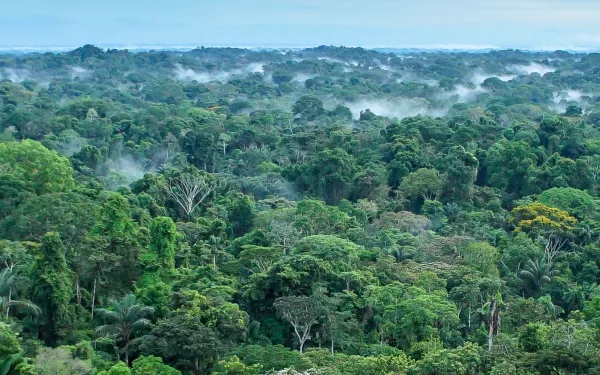
Protecting Ecuador’s Yasuní National Park can bolster the global just energy transition
What the people of Ecuador decide in an August 20 referendum has the potential to not only slow oil exploitation in the Amazon, but also to generate a transformative impact at the national and international levels, recognizing the value of the key ecosystem for stabilizing the global climate and the need to transition to renewable and sustainable energy production. On August 20, in a popular consultation, the Ecuadorian people will have the opportunity to decide on a definitive halt to oil exploitation in a part of Yasuní National Park, one of the most biodiverse areas of the planet, located in the Amazon rainforest. The consultation seeks to stop oil extraction in the ITT block (Ishpingo, Tiputini, Tambococha), one of three in production within the park. Yasuní National Park is a UNESCO Biosphere Reserve. Multiple scientific studies have demonstrated its value in terms of biodiversity and its significance as the home to the Waorani people, and to the Tagaeri and Taromenane indigenous groups in voluntary isolation. The Amazon is an interconnected region shared by eight countries—Bolivia, Brazil, Colombia, Ecuador, Guyana, Peru, Suriname and Venezuela—and by French Guiana, a French overseas department, and what happens in one part of it affects the rest. Moreover, as a megadiverse region that serves as a global climate stabilizer, the importance of the Amazon rainforest is global. The eyes of the world will be watching to see if Ecuador chooses to protect its Amazonian territory, which would have a transformative impact not only in the country, but also across Latin America and the world. Protecting Yasuní would send a clear message that recognizes the ecological and social value of the Amazon to materialize the necessary energy transition and the protection of human rights. Javier Dávalos, AIDA's Climate Program Coordinator and Ecuadorian attorney, reflects: "After years of relentless struggle by social organizations and indigenous movements, Ecuador has the chance to make important progress in protecting an ecosystem that is key to adapting to and mitigating the global climate crisis, as well as to the survival of traditional and indigenous peoples, including those in voluntary isolation. To protect the climate for this and future generations, fossil fuel production must begin to decline immediately, and renewable energy production must be accelerated as part of a just transition. Ecuador can be a pioneer, leaving behind the environmental and social sacrifice zones promoted by the fossil fuel industry and showing the world how civil society can promote the just energy transition that the world needs. It can be an example of how to build energy alternatives based on guaranteeing human rights and the rights of nature, and how to effectively combat the triple crisis the world is facing: climate change, biodiversity loss and pollution." Context The initiative to put a definitive stop to oil exploitation in part of the Amazon is in line with the recommendations of the Intergovernmental Panel on Climate Change and the International Energy Agency that one-third to two-thirds of oil reserves be left in the ground in order to keep the increase in the average temperature of the planet below 2°C, compared to pre-industrial levels, and thus avoid catastrophic effects. The popular consultation in Ecuador takes place a few weeks after the UN Secretary General, Antonio Guterres, declared the beginning of the era of "climate boiling", pointing out the need for concrete changes to face the emergency and crisis caused by global warming. In addition, this consultation comes shortly after the conclusion of the Amazon Summit in Brazil, where the eight Amazonian countries discussed how to chart a sustainable path forward for the Amazon rainforest. "It is time to phase out fossil fuels to protect the Amazon," said Gustavo Petro, President of Colombia, who recently urged Amazonian countries and their partners in the Global North to commit to phasing out fossil fuel exploitation in order to protect the right to a just transition and accelerate the transition to a post-oil economy. press contact: Víctor Quintanilla (Mexico), AIDA, [email protected], +521 5570522107
Read more
Climate Litigation Platform for Latin America and the Caribbean: The road traveled
When the world was in a health crisis and COVID-19 made us turn away from everything and everyone, I came across the Climate Litigation Community of Practice in Latin America. In those days of 2020, I was an external collaborator for Greenpeace Mexico, and I was lucky enough to meet Javier, Florencia, and Veronica, who hosted this nascent community from their roles at AIDA. The community facilitated several virtual meetings to share ideas on climate litigation with people from all over the region concerned about the environment, the climate crisis, and the health of the planet and living beings. We affirmed our shared concerns and showed how we were addressing the environmental and social crises from each of our trenches, using strategic climate litigation. Some people were litigating against deforestation, coal mines, and thermoelectric power plants, or for the inclusion of climate change variables in environmental impact studies. Others were trying to stop fossil fuel policies or to improve and meet national climate commitments. It was interesting to see the breadth and versatility of how litigation is being used to advance climate action. AIDA then invited us to a series of meetings with the protagonists of some of the world's most emblematic strategic litigation cases. The experience of being in close contact with these people, in a space of trust, was unparalleled. It certainly reinforced my belief in the importance of the struggle being waged and the need to learn more about climate litigation. Then came another invitation from AIDA, this time to participate in the Advisory Committee to build a platform that would bring together in one place the cases of climate litigation in our region and in our language, as testimonies of a resistance that comes from many different fronts. The goal was to create a website where users could access information, find arguments to support the struggles, develop strategies, and have the possibility of contacting attorneys and academics. All to make visible the efforts of Latin America and the Caribbean in the face of climate conflicts. The Alana Institute of Brazil, the Foundation for Environment and Natural Resources of Argentina, the Office of the Environmental Ombudsman of Chile, and Greenpeace Mexico responded to the call to participate in the design of the tool. The collaborative efforts bore fruit, and in February 2022, the Climate Litigation Platform for Latin America and the Caribbean was officially born, with the goal of strengthening climate litigation in the region, and with it its power to promote the structural changes that are needed. The main challenge was how to collect, systematize, and update the data. The solution was to create a team of rapporteurs. Thus, volunteers—attorneys or law students from different countries with an interest in environmental, climate and human rights advocacy—began to work together virtually to maintain and update the platform and report new cases in their jurisdictions. The Platform started with 49 cases, and currently hosts 61 cases from eight countries. Another 30 are in the process of being added. The cases are identified and categorized in a user-friendly and intuitive way. The team of rapporteurs consists of 24 people from 12 countries. Without their tireless work and enthusiasm, the platform would not be possible. A year and a half after the launch of the Platform, and much longer since its inception, my memories point to the enthusiasm, dedication and commitment of many people to defend our common home, fight against devastation, and the possibility of bequeathing a greener and bluer planet to the future. We have a responsibility to future generations. We must provide tools, initiate and continue actions that will guide future legal actions to protect and care for the environment. I share with you my conviction that the goals set by the Community of Practice at its first meetings in 2020 will be achieved and that this project will continue to move forward by leaps and bounds. The challenge remains: to continue to share the success stories, the valuable lessons learned when things do not go as we expect, the successful regional and international experiences; and to continue to work to make effective the decisions that give reason to the planet. From AIDA, we invite you to learn about and use the Climate Litigation Platform for Latin America and the Caribbean to enter the world of climate litigation, which represents a great opportunity in the fight for climate justice and the protection of human rights in the region and the world. Visit the platform
Read more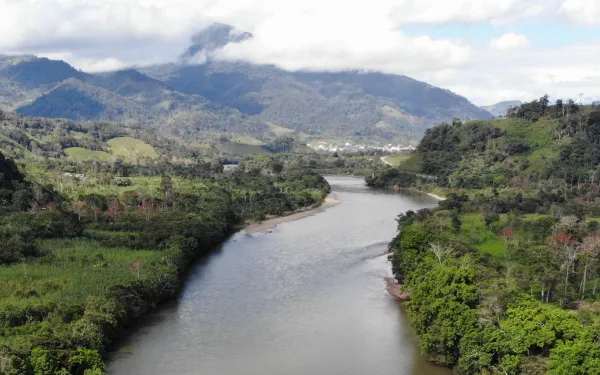
Amazon Summit: 6 proposals for preserving the Amazon through regional cooperation
The Amazon is the world's largest tropical forest, a megadiverse ecosystem, and a global climate stabilizer that plays a key role in South America's water cycle. The region is also home to hundreds of indigenous, peasant and local communities. Despite its richness and cultural importance, the Amazon is threatened by colonization and land grabbing, deforestation, fires and extractive activities, among others. Because the Amazon is shared by eight countries – Bolivia, Brazil, Colombia, Ecuador, Guyana, Peru, Suriname and Venezuela – and French Guiana, a French overseas department, its conservation requires a regional effort. The Amazon Cooperation Treaty (ACT), signed in 1978 by the eight Amazonian countries, promotes the sustainable development of the Amazonian territories, with an emphasis on cooperation and scientific research. In 1998, with an amendment to the Treaty, the countries created the Amazon Cooperation Treaty Organization (ACTO) to strengthen and improve the cooperation process. Today, ACTO is the only socio-environmental bloc in Latin America and the most important scenario for establishing solid regional coordination for the conservation of the Amazon biome. However, this intergovernmental organization has not yet reached its potential. On the one hand, it has encountered obstacles in generating funding, and has had to rely on international sources on several occasions. On the other hand, it has not allowed the effective participation of civil society. On August 8 and 9, the city of Belém do Pará in Brazil will host the Amazon Summit 2023, the fourth meeting of the Presidents of the States Parties to the ATT. Given the opportunity that this meeting offers to revitalize the ATT for the benefit of the Amazonian territories, we present below six proposals for the conservation of this ecosystem through regional cooperation. 1. Reform ACTO bodies to allow for public participation There is an urgent need to update the ACT and reinstate ACTO to ensure broad civil society participation, including in the meetings of ACTO's governing bodies and in the drafting of its Strategic Agenda for Amazon Cooperation. The minutes of such meetings should be made public. These and other measures are essential for Amazonian states to fulfill their obligations under the Escazú Agreement, a regional treaty that recognizes the public's right to access information on environmental matters. 2. Promote involvement, dialogue and coordination with Amazonian populations The indigenous, peasant and local communities that inhabit the Amazon have played a fundamental role in its protection. For millennia, their knowledge has enabled its conservation. Therefore, efforts to conserve this ecosystem must begin by recognizing, valuing and protecting these ancestral knowledge systems, promoting their participation in decision-making, and guaranteeing their rights in accordance with international human rights frameworks. 3. Protecting environmental defenders in the Amazon Four of the Amazonian countries – Brazil, Colombia, Ecuador and Peru – are among the countries with the highest risks for environmental and territorial defenders, especially indigenous and peasant women defenders. Despite this, ACTO currently has no strategy to address this serious situation. The organization must guarantee environmental defenders a safe and conducive environment for their work, a task that should include a program for the protection of women defenders in the Amazon. 4. Effectively fight the use of mercury in gold mining The use of mercury in small-scale gold mining is devastating to communities and ecosystems in the Amazon. At the regional level, ACTO should adopt a resolution or program to address this issue directly. And at the international level, member states should act as a bloc to push for amendments to the Minamata Convention on Mercury so that the treaty prohibits the marketing of the heavy metal and its use in small-scale gold mining. 5. Promote compliance with international environmental agreements Based on a regional strategy for the recognition of international environmental law to protect the Amazon and its people, ACTO should advise States Parties on compliance with environmental treaties such as the Convention on Biological Diversity. It should also assist States in the inclusion of threatened sites, knowledge systems, traditions and cultural expressions of peasant communities and indigenous peoples on lists of priority international attention and support, such as UNESCO Biosphere Reserves and Intangible Cultural Heritage, and Wetlands of International Importance under the Ramsar Convention on Wetlands. 6. Promote a different vision of development for the Amazon ACTO should promote a vision of development that considers communities and addresses the problems of deforestation, fires and the expansion of the extractive frontier through international integration. It should also articulate regional efforts to stop the expansion of the oil frontier and advocate for the establishment of a moratorium on fossil fuel extraction in the Amazon. In addition, it should promote legal reforms that discourage the expansion of illegal mining and its impacts. Looking to the future The Amazon rainforest and the potential for regional cooperation to conserve it are at a critical juncture. The point of no return for the Amazon, the point at which the rate of deforestation nullifies its capacity to regenerate, is no longer a future scenario. But at the same time, after several years of little action within ACTO, this year's Amazon Summit and the reactivation of the Amazon Parliament in 2022 renew hope for regional cooperation to conserve the Amazon. In the same vein, the presidents of Brazil and Colombia recently announced their goals to reduce illegal deforestation in the Amazon by 2030. Given the current threats to the Amazon and ACTO's mandate to promote regional cooperation, its member states should seize this moment to provide the organization with more regular and permanent funding. This is necessary to implement effective long-term programs and, in particular, the above-mentioned proposals. Civil society should also take full advantage of opportunities for advocacy with ACTO and its bodies, including participation in the Amazon Dialogues that will take place from August 4 to 6 as a prelude to the Summit. Joint regional and transboundary efforts are powerful enough to save a vital ecosystem for the region and the world.
Read more