
Project
Amazon Watch / Maíra Irigaray
Barragem de Belo Monte no rio Xingu: 10 anos de impactos na Amazônia e de busca por reparações
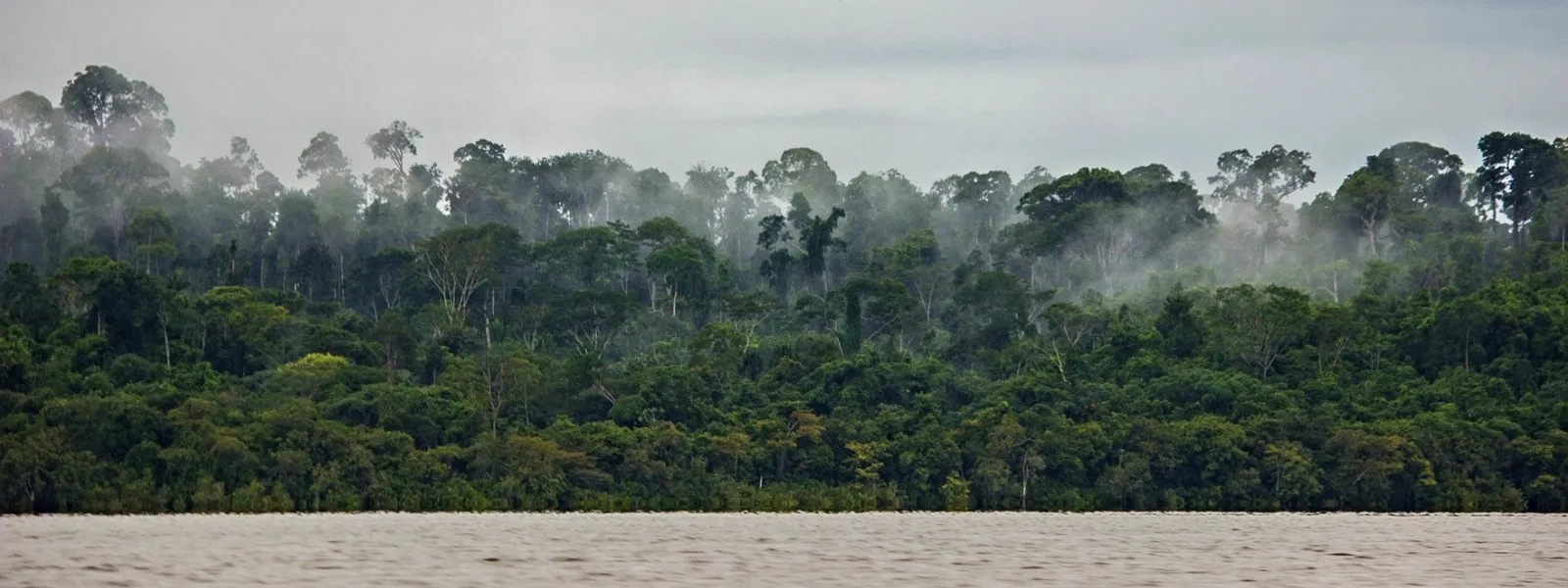
A usina hidrelétrica de Belo Monte causou um desastre ambiental e social no coração da Amazônia: um dos ecossistemas mais importantes do planeta.
Essa situação só piorou desde que a usina começou a operar em 2016. A busca por justiça e reparação para as comunidades indígenas e ribeirinhas afetadas continua até hoje.
Em 2011, a Comissão Interamericana de Direitos Humanos (CIDH) concedeu a essas comunidades medidas de proteção, que até hoje não foram totalmente implementadas pelo Estado brasileiro.
E, desde junho daquele mesmo ano, a CIDH mantém um processo contra o Estado por sua responsabilidade internacional no caso.
A CIDH pode encaminhar o caso à Corte Interamericana de Direitos Humanos, que tem o poder de emitir uma sentença condenatória contra o Estado brasileiro.
Consulta o expediente de fatos do caso
Após 10 anos de operação da usina hidrelétrica e mais de 15 anos de violações de direitos humanos documentadas, é hora da justiça ser feita para as comunidades afetadas.
Leia a carta aberta das organizações que levam o caso à CIDH
Leia nosso comunicado à imprensa
Contexto
A usina hidrelétrica de Belo Monte — a quarta maior do mundo em capacidade instalada (11.233 MW) — foi construída no rio Xingu, no estado do Pará, norte do Brasil.
Foi inaugurada em 5 de maio de 2016, com uma única turbina. Naquela época, 80% do curso do rio foi desviado e 516 km² de terra foram inundados, uma área maior que a cidade de Chicago. Desse total, 400 km² eram de mata nativa. A usina começou a operar em plena capacidade em novembro de 2019.
Belo Monte foi construída e é operada pelo consórcio Norte Energia S.A., composto principalmente por empresas estatais. Foi financiada pelo Banco Nacional de Desenvolvimento Econômico e Social (BNDES), que aportou ao consórcio 25,4 bilhões de reais (aproximadamente US$ 10,16 bilhões), o maior investimento de sua história. Portanto, o BNDES também é legalmente responsável pelos impactos socioambientais associados ao projeto hidrelétrico.
Décadas de danos ambientais e humanos
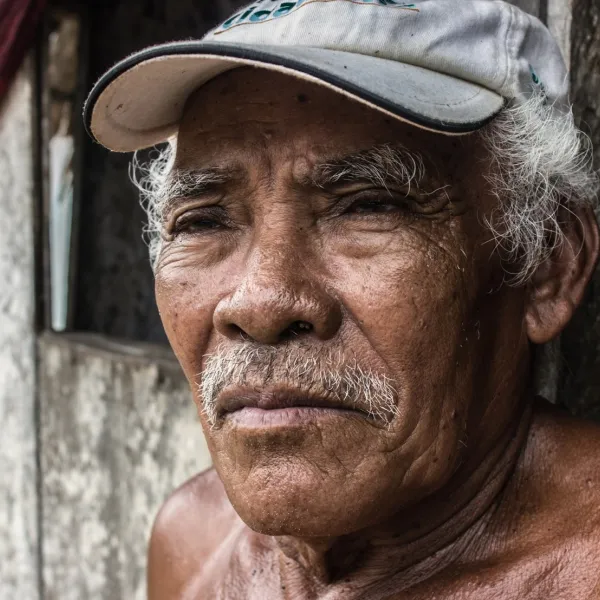
As violações dos direitos humanos e a degradação da Amazônia remontam ao início do projeto. Em março de 2011, a Norte Energia iniciou a construção da barragem sem consulta adequada e sem o consentimento prévio, livre e informado das comunidades afetadas.
A construção levou ao deslocamento forçado de mais de 40.000 pessoas, rompendo laços sociais e culturais. O plano de reassentamento em Altamira — cidade diretamente afetada pelo projeto hidrelétrico — incluía moradias na periferia da cidade, sem serviços públicos adequados, moradias dignas para as famílias reassentadas e moradias diferenciadas para aqueles pertencentes a comunidades indígenas.
A operação da barragem de Belo Monte impôs uma seca permanente e artificial na Volta Grande do rio Xingu, agravada pelas secas históricas na Amazônia em 2023 e 2024. Como resultado, a morte de milhões de ovos de peixe foi documentada por quatro anos consecutivos (de 2021 a 2024) e, nos últimos três anos, não houve migração de peixes rio acima para desovar e se reproduzir. Assim, a pesca artesanal, principal fonte de proteína para os povos indígenas e comunidades ribeirinhas, foi severamente afetada: o consumo de peixe caiu de 50% para 30% do total de proteínas consumidas, sendo substituído por alimentos processados. Em suma, houve um colapso ambiental e humanitário que resultou no colapso da pesca como modo de vida tradicional, insegurança alimentar e falta de acesso à água potável para milhares de famílias, empobrecimento e doenças.
Além disso, a construção da barragem aumentou o desmatamento e intensificou a extração ilegal de madeira e a insegurança em terras indígenas e tribais, colocando em risco a sobrevivência dessas comunidades. Outra consequência foi o agravamento da pobreza e dos conflitos sociais, bem como a sobrecarga dos sistemas de saúde, educação e segurança pública em Altamira, cidade considerada a mais violenta do país em 2017, onde houve aumento do tráfico de pessoas e da violência sexual. Também foram registrados casos de violência contra defensores de direitos humanos envolvidos no caso.
Em 2025, durante a 30ª Conferência das Nações Unidas sobre Mudanças Climáticas (COP30), realizada no Brasil, o Ministério Público Federal classificou os danos causados por Belo Monte como ecocídio.
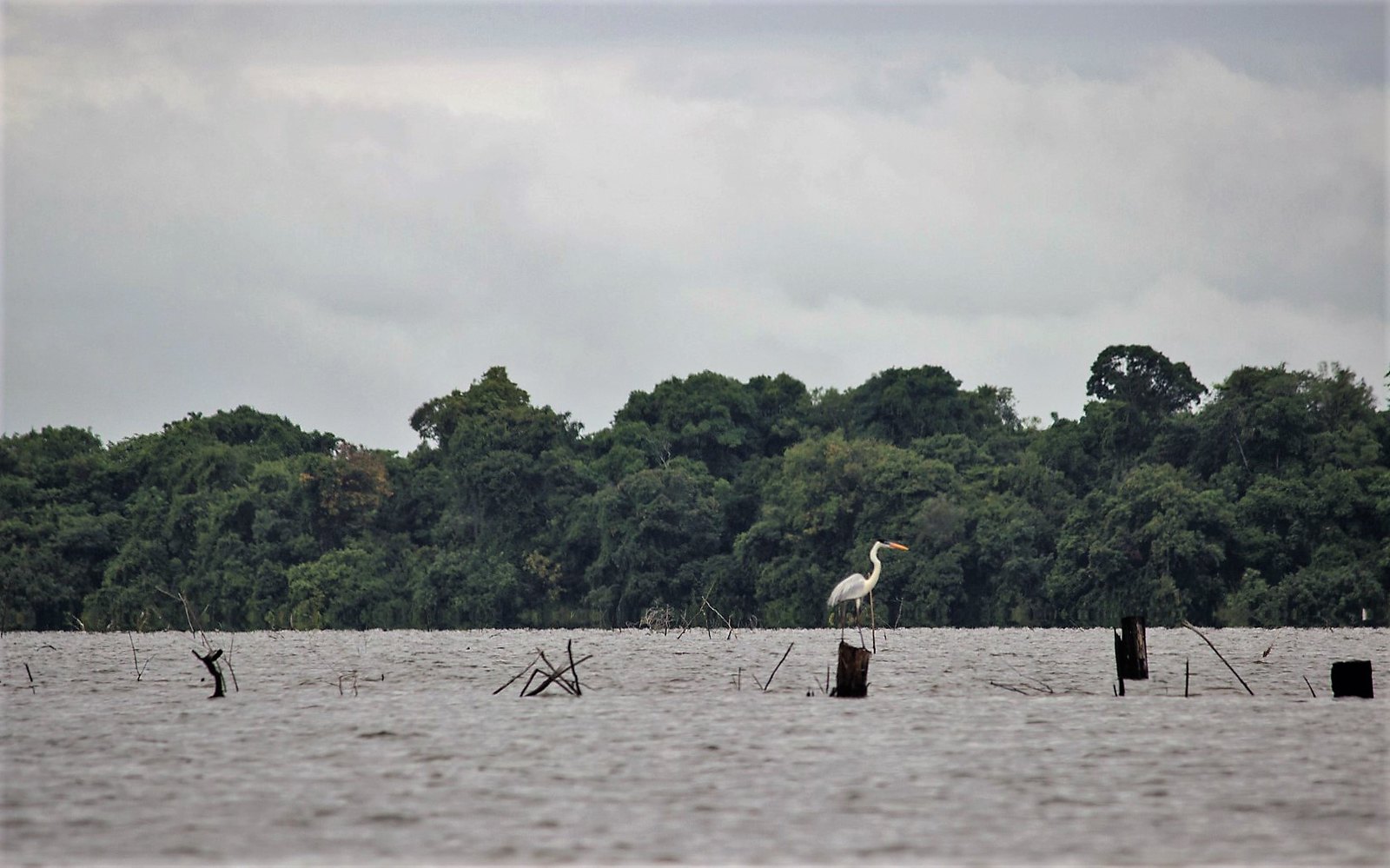
Foto: Amazon Watch / Maíra Irigaray.
A busca por justiça e reparação
Ao longo dos anos, o Ministério Público Federal do Pará, a Defensoria Pública e organizações da sociedade civil impetraram dezenas de ações judiciais em tribunais brasileiros para contestar as diversas irregularidades do projeto, bem como seus impactos. A maioria das ações permanece sem solução, algumas há mais de 10 anos.
Essas ações não obtiveram sucesso porque o governo federal tem reiteradamente anulado decisões favoráveis às comunidades afetadas, recorrendo a um mecanismo pelo qual o presidente do Supremo Tribunal Federal pode suspender uma decisão judicial com base unicamente em argumentos genéricos como "interesse nacional" ou "ordem econômica".
Diante da falta de respostas eficazes em nível nacional, a AIDA — juntamente com uma coalizão de organizações aliadas — levou o caso à Comissão Interamericana de Direitos Humanos (CIDH) e, em 2010, solicitou medidas cautelares para proteger a vida, a integridade e a saúde das comunidades indígenas afetadas.
Em 1º de abril de 2011, a CIDH concedeu essas medidas e solicitou ao Estado brasileiro a suspensão das licenças ambientais e de quaisquer obras de construção até que as condições relativas à consulta prévia e à proteção da saúde e integridade das comunidades fossem atendidas.
E, em 16 de junho de 2011, apresentamos uma denúncia formal à CIDH — juntamente com o Movimento Xingu Vivo Para Siempre, a Coordenação das Organizações Indígenas da Amazônia Brasileira, a Diocese de Altamira, o Conselho Missionário Indígena, a Sociedade Pará de Defesa dos Direitos Humanos e a Global Justice — contra o Estado brasileiro por sua responsabilidade internacional nas violações de direitos humanos contra os povos afetados neste caso. A denúncia foi apresentada em dezembro de 2015.
Em 3 de agosto de 2011, a CIDH modificou as medidas cautelares para solicitar — em vez da suspensão de licenças e obras — a proteção dos povos que vivem em isolamento voluntário, a saúde das comunidades indígenas e a regularização e proteção das terras ancestrais.
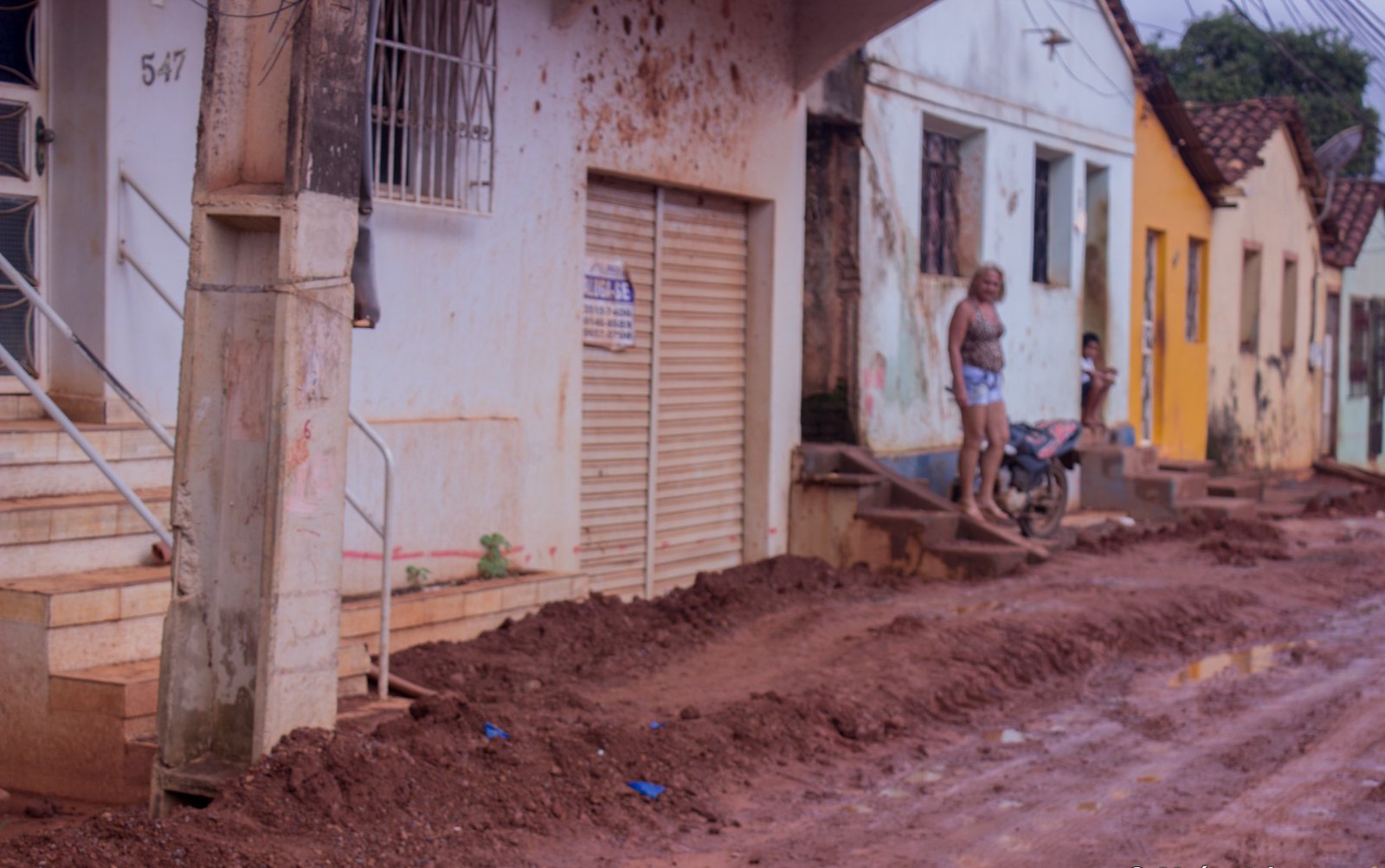
Foto: Amazon Watch / Maíra Irigaray.
Situação atual
As medidas de proteção concedidas pela CIDH permanecem em vigor, mas o Estado brasileiro não as cumpriu integralmente, relatando apenas ações genéricas. As comunidades documentaram as contínuas violações de seus direitos. A situação que motivou o pedido dessas medidas — o risco à vida, à segurança e aos meios de subsistência das comunidades — persiste e se agravou com a usina hidrelétrica operando em plena capacidade e com as recentes secas extremas na Amazônia.
Além do ocorrido em Belo Monte, existe o risco de maiores danos sociais e ambientais decorrentes da implementação de outro megaprojeto de mineração na Volta Grande do Xingu. Lá, a empresa canadense Belo Sun pretende construir a maior mina de ouro a céu aberto do Brasil.
Os impactos sinérgicos e cumulativos da usina e da mina não foram avaliados. O Estado excluiu povos indígenas, comunidades ribeirinhas e comunidades camponesas do processo de licenciamento ambiental do projeto. Apesar disso, dos protestos indígenas e de outras irregularidades em torno do projeto, o governo do estado do Pará autorizou formalmente a mina em abril de 2026.
Belo Monte, assim como outras usinas hidrelétricas, agrava a emergência climática ao gerar emissões de gases de efeito estufa em seu reservatório. Além disso, é ineficiente diante das secas prolongadas e intensas causadas pela crise, pois perde capacidade de geração de energia.
O caso perante a Comissão Interamericana
Em outubro de 2017, a CIDH anunciou que decidiria conjuntamente sobre a admissibilidade (se o caso preenche os requisitos para admissão) e o mérito (se houve, de fato, violação de direitos humanos) da denúncia internacional contra o Estado brasileiro.
Quinze anos após a apresentação da denúncia, as comunidades afetadas e as organizações que as representam ainda aguardam essa decisão. Caso a CIDH conclua que houve violações de direitos humanos e emita recomendações que o Estado brasileiro não cumpra, poderá encaminhar o caso à Corte Interamericana de Direitos Humanos, cujas decisões são vinculativas.
Uma possível decisão da Corte Internacional de Direitos Humanos neste caso estabeleceria um precedente jurídico regional em relação aos direitos dos povos indígenas e ribeirinhos, à participação pública em megaprojetos e à responsabilidade do Estado no contexto da crise climática. Isso é particularmente relevante à luz do Parecer Consultivo nº 32 da Corte, que reafirmou as obrigações dos Estados de proteger pessoas e comunidades em todo o continente da emergência climática.
Partners:
Related projects
Mexican environmental authority violates Mexico’s highest court and international obligations when reissuing a permit for a port expansion that threatens the Veracruz Reef System
In a legal brief, AIDA and Earthjustice argue the Secretary of the Environment failed to properly evaluate the environmental impact of the project to the reef, a UNESCO World Heritage Site, as required by Mexico’s highest court. Mexico City, Mexico – Today, AIDA (Interamerican Association for Environmental Defense) and Earthjustice filed a brief with the Fifth District Court of Veracruz to help protect the Veracruz Reef System from the Veracruz port expansion project. When reauthorizing the project, the Secretary of the Environment and Natural Resources (Semarnat) not only failed to comply with a ruling of the Supreme Court of Justice of the Nation, but also ignored Mexico’s international obligations regarding environmental protection and human rights, including the human right to a healthy environment guaranteed in the Mexican Constitution. This was demonstrated by AIDA and Earthjustice in a legal brief (Amicus Curiae or "Friend of the Court") filed before the Fifth District Court of Veracruz. In it they request that the court -- which is in charge of determining whether the Supreme Court’s ruling was complied with or not -- establish contempt and force Semarnat to re-examine the project based on the environmental impact assessment procedure required by the high court. "The authorities must comply with the Supreme Court ruling and protect this internationally-recognized natural treasure of Mexico. The human right to a healthy environment cannot be ignored," said Guillermo Zúñiga, a Veracruz native and Earthjustice attorney. "The reef not only hosts the greatest biodiversity of species in the central region of the Gulf of Mexico, but also helps mitigate the impact of storm surges and hurricanes. The people who grew up here, as I did, and who live here now, know the value of this sanctuary where land and sea harmonize in unity." On February 9, 2022, residents of Veracruz won a victory before the Supreme Court in an amparo action filed to defend the Veracruz Reef System -- the largest reef in the Gulf of Mexico -- and its environmental services against the Veracruz port expansion project. The Supreme Court ordered the revocation of the permits by determining that Semarnat, by approving the project, violated the right to a healthy environment of the people of Veracruz. Despite the ecological, cultural, and economic importance of the Veracruz Reef System, the environmental authority had authorized the port expansion in a fragmented way, dividing the project into 15 permits and diluting its true impact. In addition, it completely excluded from its analysis a non-emerging reef ("La Loma") located in the area of the Veracruz Reef System National Park. In its ruling, the Supreme Court ordered the environmental authority to reevaluate the project in an integral, holistic and complete manner. In addition, it ordered that the new evaluation be made in accordance with the elements that make up the right to a healthy environment, as well as the principles of prevention and precaution, enshrined in international law. It also requested the support of the National Council of Natural Protected Areas and the International Wetlands Committee of the Ramsar Convention to design a protection scheme for the Veracruz Reef System. "Right now, the court has the opportunity to confirm the transformative effect of the Supreme Court's ruling and set a valuable precedent for the real protection, not just on paper, of Veracruz's reefs and the universal right to a healthy environment," said Sandra Moguel, an attorney with AIDA's Ecosystems Program. "Including the international authorities of the Ramsar Convention would mean strengthening the project's environmental impact assessment with technical knowledge and transparency." As demonstrated in the brief, by granting a second permit to the project -- on December 30, 2022 -- Semarnat failed to comply with the Court's ruling and the Mexican State's obligations because: It did not require a new environmental impact study -- mandatory for projects of this size under international law and national legislation -- to analyze the cumulative impacts of all segments of the original project. On the contrary, the environmental authority based its assessment on the original deficient statements. Even so, it left three of the original segments out of its analysis. It failed to submit its new assessment to a public consultation nor did publish new information on the impacts of the project before authorizing it again. In this way, it ignored the rights of the people of Veracruz to public participation and access to information in environmental decision-making. Semarnat has not yet requested the support of the National Council of Natural Protected Areas or the International Wetlands Committee. The participation of this committee is of particular importance due to its experience and technical knowledge in the protection of protected areas and wetlands. The Veracruz Reef System is a Natural Protected Area designated under national legislation, a wetland of international importance under the international Ramsar Convention, and a UNESCO World Heritage Site. AIDA is an international non-profit organization that has been protecting the human right to a healthy environment in the Americas for 25 years. Earthjustice is the premier nonprofit public interest environmental law organization in the United States. We wield the power of law and the strength of partnership to protect people's health, to preserve magnificent places and wildlife, to advance clean energy, and to combat climate change. press contacts Sandra Moguel, AIDA, [email protected] (Spanish and English) Kathryn McGrath, Earthjustice, [email protected] (English) Guillermo Zúñiga, Earthjustice, [email protected] (Spanish)
Read more
A healthy environment: what is this universal right?
The triple crisis facing the world highlights the importance of guaranteeing the right of all people to live in a clean, healthy and sustainable environment.Climate change, biodiversity loss and pollution are among the greatest threats to humanity today, seriously affecting the exercise and enjoyment of human rights. It’s enough to mention just a few examples:Air pollution is one of the main environmental threats to health, causing seven million premature deaths each year.In the last 10 years, extreme weather events have caused 220 million displacements, or about 60,000 per day. These and other impacts disproportionately affect individuals, groups and communities who are already in a situation of vulnerability.For women, for example, environmental degradation means the reinforcement of pre-existing inequalities and situations of discrimination in matters such as access to and tenure of land and natural resources. Children, for their part, suffer more intense impacts due to their less developed physiology and immune systems. And for indigenous and traditional peoples, the defense of their territories and livelihoods in the face of environmental damage represents serious threats, even to their lives.But what is the right to a healthy environment? Components of the right to a healthy environmentThe right to a healthy environment is increasingly included in constitutions, laws and regional justice systems. Although the definitions vary, the essence is the same. The general understanding is that to make it a reality requires two basic types of elements:Substantive elementsClean air.A safe and stable climate.Access to clean water and adequate sanitation.Healthy and sustainably produced food.Non-toxic environments in which to live, work, study and play.Biodiversity and healthy ecosystems.Procedural elementsAccess to information.Public participation in decision-making.Access to justice and effective remedy. The realization of this right also requires international cooperation, solidarity and equity in environmental actions (including the mobilization of resources), as well as the recognition of extraterritorial jurisdiction in damages to human rights caused by environmental degradation. Dimensions and qualitiesThe right to a healthy environment has both a collective and an individual dimension. Under the former, it constitutes a universal interest owed to both present and future generations.The individual dimension implies that violating this right can have direct and indirect repercussions on individuals due to its indivisible and interdependent relationship with other rights, such as the right to health, personal integrity or life, among others.As the Inter-American Court of Human Rights concluded, given that environmental degradation can cause irreparable harm to people, a healthy environment "is a fundamental right for the existence of humanity.”It is also an autonomous right that protects the components of the environment (forests, rivers, seas and others) as legal interests in themselves, even in the absence of certainty or evidence of risk to people.The autonomous nature of this right and its interconnection with other rights entails a series of obligations for the States, which include to:Prevent significant environmental damage; which implies regulating, supervising and overseeing activities that may generate risk or cause damage to the environment.Carry out environmental impact studies, establish contingency plans and mitigate damages.Act in accordance with the precautionary principle in the face of possible serious or irreversible damage to the environment, affecting the rights to life and personal integrity, even in the absence of scientific certainty.Cooperate with other States in good faith for protection against significant environmental damage.Guarantee access to information on possible environmental impacts.Guarantee the right to public participation in scenarios that may affect the environment and guarantee access to justice.Given the urgent need for new and better ways to protect the environment, the United Nations’ recognition of a healthy environment as a universal human right on July 28, 2022 marked a historic step forward in the long and complex process of guaranteeing this right in practice, which has been part of AIDA's history since its inception.At AIDA, we’ve long worked to highlight the link between a healthy environment and other human rights. And we’re committed to fulfilling our mission: to strengthen the capacity of the people in Latin America to guarantee their individual and collective right to a healthy environment.
Read more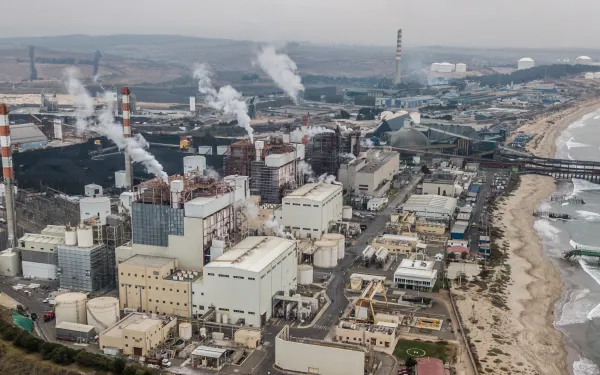
When the energy transition isn’t just: The case of Quintero and Puchuncaví in Chile
By Cristina Lux and Florencia Ortúzar * The energy transition in Chile will inevitably occur. In fact, it is already underway. The country doesn’t have large deposits of fossil fuels, but it does have abundant renewable energy resources. It only makes sense, then, that prior dependence on coal should naturally shift to the sun, wind and other renewable sources. Today, after decades of struggle by local communities, the closure of Chile’s original 28 coal-fired thermoelectric power plants is underway as part of the Decarbonization Plan promoted by the government in 2019. Eight have closed, six others have a future closure date, six more are in the process of establishing one, and eight do not yet have a closure plan. If the government and private actors deliver as promised, the thermoelectric plants as a whole should close before 2040, freeing Chile from the energy derived from burning coal. But the history of coal dependence will undoubtedly leave a deep mark. For many years, Chile obtained more than 50 percent of its energy from thermoelectric plants, all located in just five locations, known as "sacrifice zones." The people who live in those areas have long suffered at the expense of generating electricity for the rest of the country. The story of one of the most emblematic of Chile’s sacrifice zones, the bay of Quintero and Puchuncaví, demonstrates why the transition not only must occur, but why it has to be just. A beautiful seaside resort battered by pollution With a little more than 40 thousand inhabitants, the bay of Quintero and Puchuncaví is located two hours by road from the country's capital. The families there have historically lived from agriculture, artisanal fishing and tourism, ways of life that have been extinguished by the relentless advance of intensive industrial activity. Photo: Claudia Pool / @claudiapool_foto / www.claudiapool.com Today, the site is home to more than 30 different companies: a coal-fired thermoelectric complex, gas-fired thermoelectric plants, a copper refinery and a petroleum refinery, a regasification port, a cement plant, ports that receive coal and other fuels, as well as coal and ash storage centers, among others. Public information regarding the emissions of this mix of companies is deficient and the lack of regulations governing them is abysmal. In fact, only a few pollutants are regulated. The rest are not even measured, despite the fact that several are dangerous to human health. And so, paradoxically, the monitoring stations show normal levels as people are being intoxicated in the streets and schools. In the bay there are often mass poisonings of adults and youth, many of whom end up in the hospital. In these cases, schools are closed, but businesses are not, and the wind is monitored to activate protocols in case of poor ventilation. The blame is placed on the lack of wind instead of on those responsible for the pollution. It’s also common to see coal deposits on the beaches, which stain the sands. In 2022 alone, more than 100 episodes were recorded. It’s alarming how the situation affects local children, who are particularly vulnerable to pollution due to its effects on human development. The impact on women is also disproportionate, as they are the first to be forced to leave their jobs to care for sick family members since they bear the brunt of the care work. Things have not been done well in this beautiful coastal area. Today, new projects and the expansion of industrial operations continue to be approved. But the community is rising up, demanding a truce for this area. It is time to move towards ecological restoration in Quintero and Puchuncaví. Signs of hope Some recent events are giving hope that things could improve in the bay and that this area, which for years has been sacrificed in favor of the rest of the country, could once again show its beautiful beaches and wonderful fishing and agricultural resources to Chile and the world. Although the situation is not yet cause for celebration, some things seem to be moving in the right direction. One important step was the environmental damages lawsuit filed in 2016 by local communities against the government and all the companies in the industrial corridor. The process has been long, but a final judgment is expected soon. Meanwhile, in 2019, the Supreme Court resolved several appeals for protection for episodes of mass intoxications, giving reason to the communities and issuing a landmark ruling, perhaps the most important on environmental matters in Chile. The ruling orders the State to comply with 15 measures to identify the sources of contamination and repair the environmental situation in the area. Sadly, this ruling has not yet been properly implemented. Moving forward, the Supreme Court recently issued three rulings that refer to non-compliance with the 2019 ruling and provide tools to enforce compliance. Also, two of the four thermoelectric plants of the U.S.-owned AES Andes have closed operations in the bay. Two remain. Finally, in May, after 58 years of operation, the furnaces and boiler of the Ventanas Smelter were finally shut down. Thus, the icon of pollution in the area—a 158-meter chimney that consistently expelled pollutants—ceased to operate. The search for justice is far from over Despite the good signs, there is still no secure future for the people of Quintero and Puchuncaví. That’s why we must continue to demand justice and a transition that protects the most vulnerable people. Photo: Claudia Pool / @claudiapool_foto / www.claudiapool.com Although two of the four AES Andes thermoelectric plants operating in the bay have closed, the companies that owned them have been granted "strategic reserve status," whereby they are paid to remain available to operate again if required. On the other hand, although the copper smelter of the state-owned Corporación Nacional del Cobre closed, the refinery continues to operate in the area. There was a relocation plan for the workers, but no remediation plan for the communities that for almost six decades breathed the toxic waste of that industry. In addition, projects continue to be approved without the participation of the communities. This is the case of the Aconcagua desalination plant, which intends to desalinate water to transport it through subway pipes over 100 km to supply the Angloamerican mining company. Last but not least, decarbonization in Chile seems to bring an increase in the use of gas, which has been falsely labeled as a "transition fuel." It’s expected that gas activity in the area—which hosts one of the country's two LNG (liquefied natural gas) regasification ports—could intensify and, with it, so could its environmental impacts. Chile has the opportunity to set an example of just transition Chile, located at the end of the continent, has the opportunity to do things right. There are indications they’re moving in the right direction; the only thing missing is the political will to change course. The region of Quintero and Puchuncaví deserves the opportunity to shine again and to reach its full potential as a colorful coastal town and seaside resort with an identity rooted in agriculture, tourism and artisanal fishing. In this case, a truly just transition must include the closure of polluting companies that are making people sick. But it must also involve the participation of those people affected, putting the respect of their human rights at the forefront—a respect that was so diminished over the last six decades. The injustice that has weighed on the territory and its inhabitants must be recognized—establishing reparation mechanisms, ensuring non-repetition, and involving the people themselves in the environmental recovery of the area. Only in this way will the communities recover their capacity for agency—that power to decide and to be part of the decisions that affect them—which was taken away from them so many years ago. *Cristina Lux is an attorney with AIDA's Climate Program and Florencia Ortúzar is a senior attorney with AIDA.
Read more