
Project
Amazon Watch / Maíra Irigaray
Barragem de Belo Monte no rio Xingu: 10 anos de impactos na Amazônia e de busca por reparações
A usina hidrelétrica de Belo Monte causou um desastre ambiental e social no coração da Amazônia: um dos ecossistemas mais importantes do planeta.
Essa situação só piorou desde que a usina começou a operar em 2016. A busca por justiça e reparação para as comunidades indígenas e ribeirinhas afetadas continua até hoje.
Em 2011, a Comissão Interamericana de Direitos Humanos (CIDH) concedeu a essas comunidades medidas de proteção, que até hoje não foram totalmente implementadas pelo Estado brasileiro.
E, desde junho daquele mesmo ano, a CIDH mantém um processo contra o Estado por sua responsabilidade internacional no caso.
A CIDH pode encaminhar o caso à Corte Interamericana de Direitos Humanos, que tem o poder de emitir uma sentença condenatória contra o Estado brasileiro.
Consulta o expediente de fatos do caso
Após 10 anos de operação da usina hidrelétrica e mais de 15 anos de violações de direitos humanos documentadas, é hora da justiça ser feita para as comunidades afetadas.
Leia a carta aberta das organizações que levam o caso à CIDH
Leia nosso comunicado à imprensa
Contexto
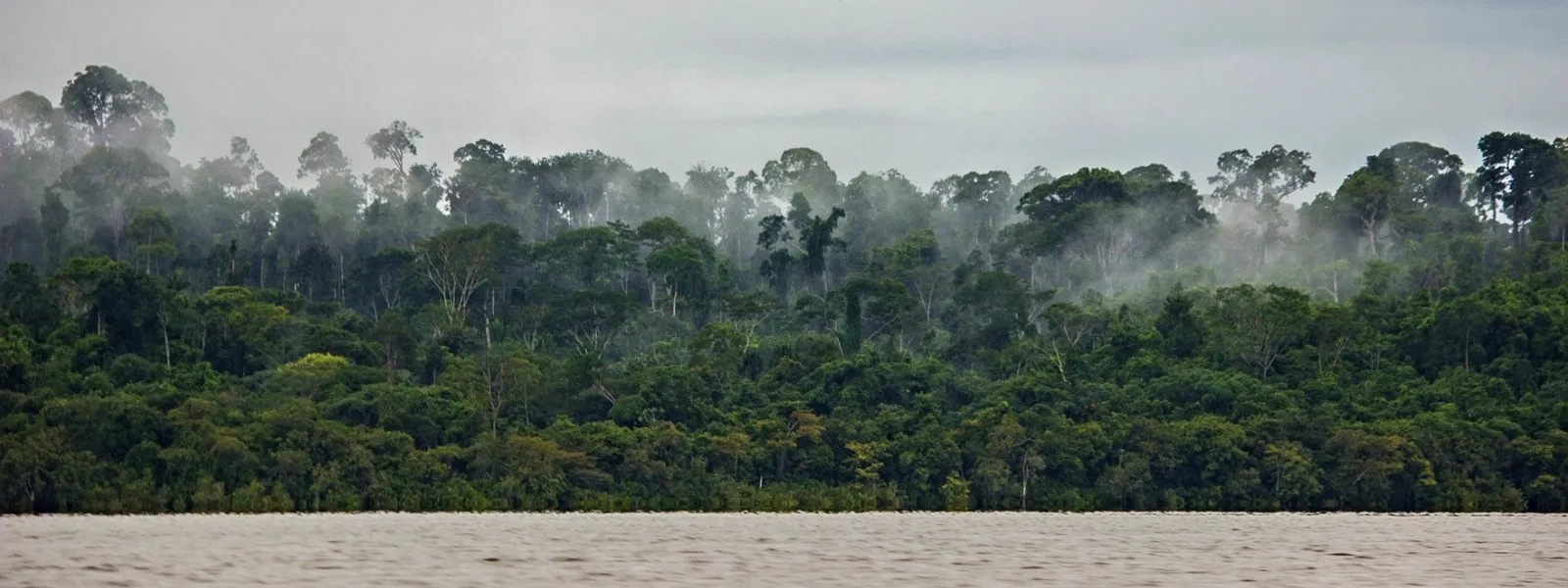
A usina hidrelétrica de Belo Monte — a quarta maior do mundo em capacidade instalada (11.233 MW) — foi construída no rio Xingu, no estado do Pará, norte do Brasil.
Foi inaugurada em 5 de maio de 2016, com uma única turbina. Naquela época, 80% do curso do rio foi desviado e 516 km² de terra foram inundados, uma área maior que a cidade de Chicago. Desse total, 400 km² eram de mata nativa. A usina começou a operar em plena capacidade em novembro de 2019.
Belo Monte foi construída e é operada pelo consórcio Norte Energia S.A., composto principalmente por empresas estatais. Foi financiada pelo Banco Nacional de Desenvolvimento Econômico e Social (BNDES), que aportou ao consórcio 25,4 bilhões de reais (aproximadamente US$ 10,16 bilhões), o maior investimento de sua história. Portanto, o BNDES também é legalmente responsável pelos impactos socioambientais associados ao projeto hidrelétrico.
Décadas de danos ambientais e humanos
As violações dos direitos humanos e a degradação da Amazônia remontam ao início do projeto. Em março de 2011, a Norte Energia iniciou a construção da barragem sem consulta adequada e sem o consentimento prévio, livre e informado das comunidades afetadas.
A construção levou ao deslocamento forçado de mais de 40.000 pessoas, rompendo laços sociais e culturais. O plano de reassentamento em Altamira — cidade diretamente afetada pelo projeto hidrelétrico — incluía moradias na periferia da cidade, sem serviços públicos adequados, moradias dignas para as famílias reassentadas e moradias diferenciadas para aqueles pertencentes a comunidades indígenas.
A operação da barragem de Belo Monte impôs uma seca permanente e artificial na Volta Grande do rio Xingu, agravada pelas secas históricas na Amazônia em 2023 e 2024. Como resultado, a morte de milhões de ovos de peixe foi documentada por quatro anos consecutivos (de 2021 a 2024) e, nos últimos três anos, não houve migração de peixes rio acima para desovar e se reproduzir. Assim, a pesca artesanal, principal fonte de proteína para os povos indígenas e comunidades ribeirinhas, foi severamente afetada: o consumo de peixe caiu de 50% para 30% do total de proteínas consumidas, sendo substituído por alimentos processados. Em suma, houve um colapso ambiental e humanitário que resultou no colapso da pesca como modo de vida tradicional, insegurança alimentar e falta de acesso à água potável para milhares de famílias, empobrecimento e doenças.
Além disso, a construção da barragem aumentou o desmatamento e intensificou a extração ilegal de madeira e a insegurança em terras indígenas e tribais, colocando em risco a sobrevivência dessas comunidades. Outra consequência foi o agravamento da pobreza e dos conflitos sociais, bem como a sobrecarga dos sistemas de saúde, educação e segurança pública em Altamira, cidade considerada a mais violenta do país em 2017, onde houve aumento do tráfico de pessoas e da violência sexual. Também foram registrados casos de violência contra defensores de direitos humanos envolvidos no caso.
Em 2025, durante a 30ª Conferência das Nações Unidas sobre Mudanças Climáticas (COP30), realizada no Brasil, o Ministério Público Federal classificou os danos causados por Belo Monte como ecocídio.
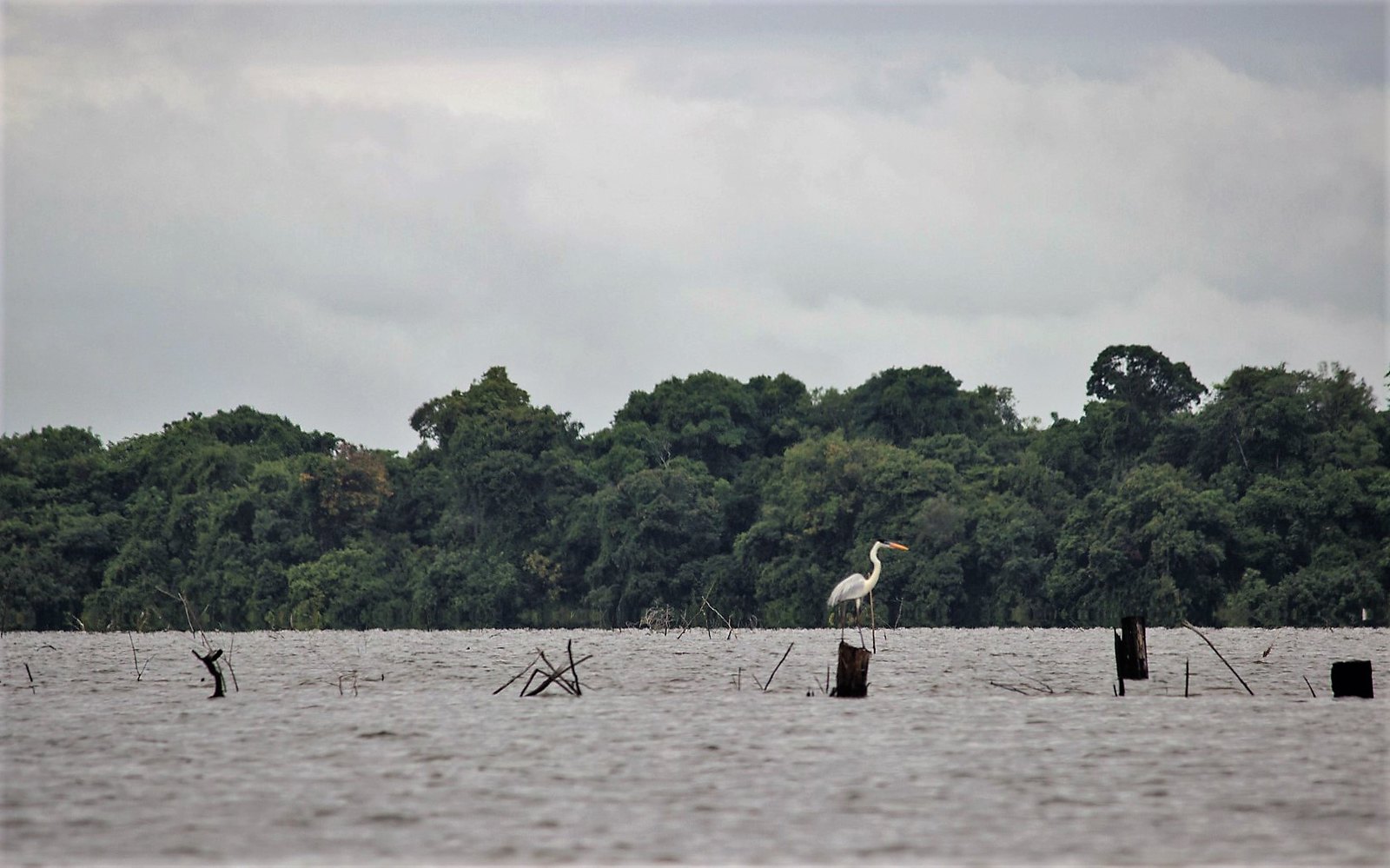
Foto: Amazon Watch / Maíra Irigaray.
A busca por justiça e reparação
Ao longo dos anos, o Ministério Público Federal do Pará, a Defensoria Pública e organizações da sociedade civil impetraram dezenas de ações judiciais em tribunais brasileiros para contestar as diversas irregularidades do projeto, bem como seus impactos. A maioria das ações permanece sem solução, algumas há mais de 10 anos.
Essas ações não obtiveram sucesso porque o governo federal tem reiteradamente anulado decisões favoráveis às comunidades afetadas, recorrendo a um mecanismo pelo qual o presidente do Supremo Tribunal Federal pode suspender uma decisão judicial com base unicamente em argumentos genéricos como "interesse nacional" ou "ordem econômica".
Diante da falta de respostas eficazes em nível nacional, a AIDA — juntamente com uma coalizão de organizações aliadas — levou o caso à Comissão Interamericana de Direitos Humanos (CIDH) e, em 2010, solicitou medidas cautelares para proteger a vida, a integridade e a saúde das comunidades indígenas afetadas.
Em 1º de abril de 2011, a CIDH concedeu essas medidas e solicitou ao Estado brasileiro a suspensão das licenças ambientais e de quaisquer obras de construção até que as condições relativas à consulta prévia e à proteção da saúde e integridade das comunidades fossem atendidas.
E, em 16 de junho de 2011, apresentamos uma denúncia formal à CIDH — juntamente com o Movimento Xingu Vivo Para Siempre, a Coordenação das Organizações Indígenas da Amazônia Brasileira, a Diocese de Altamira, o Conselho Missionário Indígena, a Sociedade Pará de Defesa dos Direitos Humanos e a Global Justice — contra o Estado brasileiro por sua responsabilidade internacional nas violações de direitos humanos contra os povos afetados neste caso. A denúncia foi apresentada em dezembro de 2015.
Em 3 de agosto de 2011, a CIDH modificou as medidas cautelares para solicitar — em vez da suspensão de licenças e obras — a proteção dos povos que vivem em isolamento voluntário, a saúde das comunidades indígenas e a regularização e proteção das terras ancestrais.
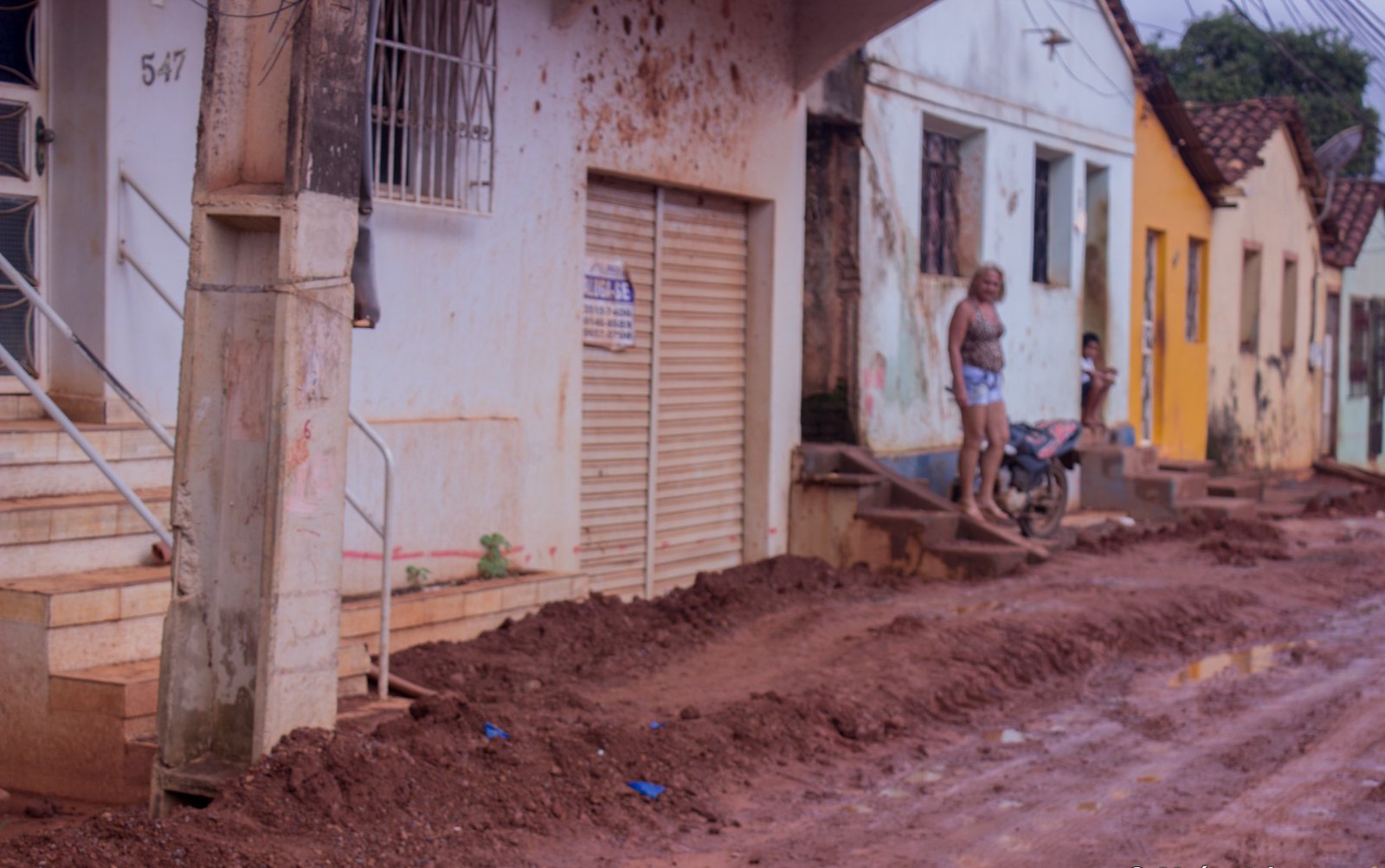
Foto: Amazon Watch / Maíra Irigaray.
Situação atual
As medidas de proteção concedidas pela CIDH permanecem em vigor, mas o Estado brasileiro não as cumpriu integralmente, relatando apenas ações genéricas. As comunidades documentaram as contínuas violações de seus direitos. A situação que motivou o pedido dessas medidas — o risco à vida, à segurança e aos meios de subsistência das comunidades — persiste e se agravou com a usina hidrelétrica operando em plena capacidade e com as recentes secas extremas na Amazônia.
Além do ocorrido em Belo Monte, existe o risco de maiores danos sociais e ambientais decorrentes da implementação de outro megaprojeto de mineração na Volta Grande do Xingu. Lá, a empresa canadense Belo Sun pretende construir a maior mina de ouro a céu aberto do Brasil.
Os impactos sinérgicos e cumulativos da usina e da mina não foram avaliados. O Estado excluiu povos indígenas, comunidades ribeirinhas e comunidades camponesas do processo de licenciamento ambiental do projeto. Apesar disso, dos protestos indígenas e de outras irregularidades em torno do projeto, o governo do estado do Pará autorizou formalmente a mina em abril de 2026.
Belo Monte, assim como outras usinas hidrelétricas, agrava a emergência climática ao gerar emissões de gases de efeito estufa em seu reservatório. Além disso, é ineficiente diante das secas prolongadas e intensas causadas pela crise, pois perde capacidade de geração de energia.
O caso perante a Comissão Interamericana
Em outubro de 2017, a CIDH anunciou que decidiria conjuntamente sobre a admissibilidade (se o caso preenche os requisitos para admissão) e o mérito (se houve, de fato, violação de direitos humanos) da denúncia internacional contra o Estado brasileiro.
Quinze anos após a apresentação da denúncia, as comunidades afetadas e as organizações que as representam ainda aguardam essa decisão. Caso a CIDH conclua que houve violações de direitos humanos e emita recomendações que o Estado brasileiro não cumpra, poderá encaminhar o caso à Corte Interamericana de Direitos Humanos, cujas decisões são vinculativas.
Uma possível decisão da Corte Internacional de Direitos Humanos neste caso estabeleceria um precedente jurídico regional em relação aos direitos dos povos indígenas e ribeirinhos, à participação pública em megaprojetos e à responsabilidade do Estado no contexto da crise climática. Isso é particularmente relevante à luz do Parecer Consultivo nº 32 da Corte, que reafirmou as obrigações dos Estados de proteger pessoas e comunidades em todo o continente da emergência climática.
Partners:
Related projects

Offshore drilling: Resisting a growing threat in Latin America
Offshore drilling is expanding in Latin America and the Caribbean as part of a government and business strategy implying the continuity of the oil and gas industry, despite the role of fossil fuels in aggravating the global climate crisis. The advance of offshore hydrocarbon activity also risks serious damage to the ocean—our planet's greatest climate regulator—the vast biodiversity it harbors, and to the livelihoods of coastal communities. Worldwide, offshore areas represent 30 percent of total hydrocarbon reserves and are concentrated in surface waters up to 125 meters deep, according to academic research. The United States, Mexico, Norway, Brazil and Saudi Arabia are the main producers, accounting for 43 percent of the world total. The current expansion of drilling in Latin America is tending towards extremes with greater environmental complexity, in ultra-deep waters, with wells that exceed 1,500 meters in depth. The authorization of new offshore drilling projects deepens dependence on the use of fossil fuels, representing a step backwards in global efforts to avoid global warming with catastrophic consequences. It also constitutes an obstacle in the transition towards sustainable energy systems, based on renewable sources and respectful of people and the environment. However, there are cases in the region that demonstrate a growing collective resistance to the blind advance of offshore drilling projects. With the help of strategic litigation and citizen participation, these cases are creating an opportunity to set important precedents at national and international levels for the protection of the environment, the climate and human rights from the damages caused by offshore drilling. In defense of the Argentine Sea In May 2019, the Energy Secretariat awarded several companies a total of 18 areas (225,000 square kilometers of surface area) in the Argentine Sea—a sector of the Southwest Atlantic Ocean—for the search for gas and oil. In December 2021, the Ministry of Environment and Sustainable Development authorized a seismic exploration project in three of the awarded areas, located off the coast of the province of Buenos Aires, about 300 kilometers from the beaches of Mar del Plata, one of the country’s most popular beaches. The project includes the drilling of an exploratory well, and is being managed by the Norwegian state-owned company Equinor, the Argentine YPF and the Anglo-Dutch Shell. The governmental decision has been questioned and rejected by the scientific community and by the assemblies of several coastal cities. In January 2022–in view of the threats to biodiversity, climate and local economies posed by the prospecting and possible exploitation of hydrocarbons off the Argentine coast—scientific groups and environmental organizations filed a class action lawsuit before a Federal Court in Mar del Plata against the Argentine State, the Ministry of Environment and the Secretariat of Energy, requesting the nullity of the resolution authorizing the seismic exploration project and the process by which the 18 areas of the Argentine Sea were licensed off. The lawsuit was followed by protests in the streets and other actions, which have swelled into an ongoing legal battle. In February 2022, the court temporarily suspended seismic exploration through a precautionary measure. However, in December of that year, the Court of Appeals lifted that suspension. This decision was appealed before the Supreme Court of Justice, which has not yet ruled on the matter. Moratorium at risk in Belize In October 2017, the government of Belize established by law a permanent moratorium on oil activity in its maritime zone. This occurred after an informal referendum organized by environmental groups in 2012 resulted in 96 percent of participants voting against oil activity; and after the global outrage generated in October 2016 by the government's decision to allow seismic testing for oil exploration just one kilometer away from the Belize Barrier Reef, one of the most diverse ecosystems in the world. However, offshore hydrocarbon exploitation is still a risk for the Caribbean nation. In 2022, the Prime Minister expressed the government's willingness to allow seismic exploration without lifting the moratorium. In view of this, organizations dedicated to environmental protection seek to reinforce the prohibition by forcing a referendum on whether or not to lift the moratorium. Court victory in Guyana In Guyana, since the early 2000s there have been reports of discoveries of large offshore oil and gas reserves in the so-called Guyana Suriname Basin. Guyana is the South American nation with the most oil reserves discovered in the last decade, and has decided to expand its gas reserves as well. Offshore gas production in Guyana has also been the subject of controversy due to environmental and safety concerns. Recently, a court decision rejected an attempt by multinational ExxonMobil and the government to dissolve the written commitment that obliges the company to bear all cleanup, restoration, and damage compensation costs of any oil spill in its offshore operations. The judge in the case found that ExxonMobil is in violation of the permit issued to the Liza 1 project—which requires financial guarantees in case of oil spills and accidents—and that Guyana's environmental regulators are not enforcing the terms of the permit. Biodiversity and climate defense Carrying out offshore hydrocarbon exploration and/or exploitation projects may involve the violation of international commitments, including those undertaken by States under the Convention on Biological Diversity, the UN Convention on the Law of the Sea and the Convention on Migratory Species. Offshore seismic exploration generates sounds at levels far in excess of natural levels. Many of these overlap with the hearing and vocalization ranges of marine species (mammals, turtles, fish, diving birds and others). This can cause serious injuries, long-term physical and physiological effects and even death, explains Pablo García Borbroglu, expert and leader of the Global Penguin Society, while affirming that it can also lead to a reduction in fishing activity. The impacts of the drilling are not limited to the exploited area, but affect the entire sea and all the species that inhabit it, aggravating the precarious situation of a large number of already threatened or endangered species. The expansion of the offshore industry also implies nations are failing to comply with global commitments to reduce their greenhouse gas emissions, or adopt measures aimed at the management of key ecosystems such as marine areas, both contained in the UN Framework Convention on Climate Change and the Paris Agreement. The cases described above, which bring together diverse voices under a common cause, have the potential to establish precedents that will force States to take responsibility for the possible environmental and social consequences of endorsing harmful industries such as offshore hydrocarbons. They are key opportunities for courts and other decision-making bodies to set exemplary precedents for the hemisphere in the protection of the environment and human rights, especially in the face of the global climate and biodiversity crises.
Read more
Biodiversity and indigenous languages: one heritage to protect
When we lose words, we don’t know how to name what we see. And if what we see disappears, what do we do with the words we once used? "Words that are not used, are forgotten," wrote young essayist Laura Sofía Rivero. "We say trees because we can't pinpoint what stands before us among all that vast category." Why do we lose these words? There are complex political, historical, economic and educational reasons that have led to what linguist Yásnaya Aguilar of the Ayuujk people in Oaxaca, Mexico has called a "massive death" of languages. Today, species and lifestyles that deserve unique words are disappearing and we are also losing the people who have long known those words. The loss of some is related to the loss of others. The rate at which species and languages are disappearing has accelerated since the beginning of the 20th century. Although there is a whole scientific discussion to agree on a rate of annual biodiversity loss, as there are many variables that are left out, there exists great consensus that we are entering a sixth mass extinction. The same could be said of languages. UNESCO estimates that a language becomes extinct every two weeks—implying that 3,000 languages, mostly indigenous, could be lost before the end of this century. And this is where biodiversity and linguistic diversity meet. In the most biodiverse areas of the planet, 70 percent of existing languages are spoken: 4,800 of the 6,900 spoken worldwide. In Latin America, 80 percent of natural areas encompass or converge with territories inhabited by indigenous peoples. One fact, as surprising as it is alarming, is that 3,202 languages—nearly half of all existing languages—are located in just 35 biodiversity hotspots, defined as places that require our immediate attention and action. A biodiversity hotspot is a region that is home to at least 1,500 species and has lost at least 70 percent of its habitat. Habitat destruction unleashes a chain of impacts ranging from damage to ecological cycles to drastic changes in the lives of those who inhabit these areas. And to do anything, we need to understand the interconnectedness of all the elements that make up biocultural richness. WHAT ARE WE LOSING WITH LANGUAGES? Words are born because there are fruits, plants, and animals that need to be named. There is a wealth of sounds and rules, where abundance of life is the norm and there are different lifestyles and social organization. Yásnaya Aguilar** has an example for this: in Matlatzinca—spoken in central Mexico—there are four different "we's", in Mixe (Ayuujk) there are two and in Spanish, one. The biodiversity and richness of words is easy to understand when we talk about food, as happens with corn, the essential and basic grain in the Mesoamerican diet. To begin with, the history of the word mahis, whose origin is Taino, a now extinct language spoken in what is now Haiti and the Dominican Republic, is revealing. Each stage of corn cultivation and the ways of processing it have merited their own name in the cultures of the continent. For example, in the Xhon variant of Zapotec*— a language spoken in the mountains of Oaxaca, in southern Mexico— the plant is referred to as xhu'a, corn is called za (when it is cut and fresh) and, when it is already on the cob, yez. In Nahuatl, the most widely spoken native language in Mexico, there is a similar designation. Food is an indicator of biodiversity loss. While there are more than 30 thousand species of plants that can be eaten, we only grow about 150 and almost all the calories consumed in the world come from just 30 species. Many languages have unique words for unique foods (species) that we have not even seen. Imagine what delicacies may be hidden in the 420 different languages spoken by the 522 indigenous peoples that inhabit Latin America. We are losing an understanding of the systems that sustain life on the planet. The recognition of indigenous peoples as guardians of biodiversity and generators of empirical knowledge is very recent in Western science and culture, which is not to say that it has not been valid before. Several sections of the most recent IPCC report include the importance of this knowledge as a key element for preservation and adaptation in the midst of the environmental crises we face. The knowledge exists, but for centuries we have refused to engage in dialogue with it. UNDERSTAND TO PROTECT A few years ago, researchers proposed studying biological, linguistic and cultural diversity together because of the close relationship between them. UNESCO has since introduced the term "biocultural diversity." But to protect it, we must understand its complexity. What benefits biodiversity in indigenous territories is absolutely necessary to face environmental crises. Data from the US Food and Agriculture Organization demonstrates that: Indigenous territories in Latin America store more carbon than all the forests of Indonesia or Congo, the countries with the most tropical forests after Brazil. Bolivia's Tacana and Leco Apolo indigenous territories are home to two-thirds of all their vertebrate species and 60 percent of their plant species. About 35 percent of Latin America's forests are found in areas inhabited by indigenous peoples. More than 80 percent of the area inhabited by indigenous peoples is covered by forests. In general, indigenous territories report considerably lower rates of deforestation. Unfortunately, this is not the case for Brazil. The Amazon basin has been threatened for years by different extractivist activities, which were supported by the previous government. Particularly, where illegal mining has been installed, deforestation increased 129% since 2013. This situation does not stop there, it is reflected in the very serious humanitarian crisis that was recently declared for the Yanomami people or the situation of insecurity that was revealed with the murder in the middle of the Amazon of the peoples' rights activist Bruno Pereira and the journalist Dom Phillips. Thus, to speak of protecting biodiversity and linguistic diversity becomes an exercise in speaking in defense of territory and environmental defenders; of access to justice, training and the creation of policies that truly integrate and contemplate the complexity of diverse life systems. * Special thanks for the example in Xhon Zapotec to Ezequiel Miguel of the Proyecto Jaguar podcast that explores the identity elements of indigenous communities. ** To understand more about language preservation as an action for the defense of territory, I recommend reading Ää: manifiestos sobre la diversidad lingüística, by Yásnaya Aguilar, in Editorial Almadía.
Read more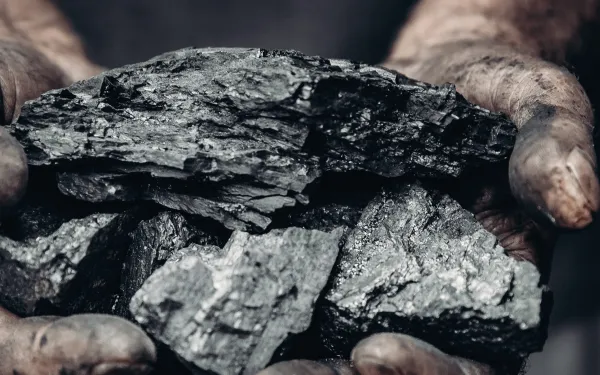
Latin America's role in coal extraction and use
The extraction, transport, use and export of coal to generate electricity are major causes of both the climate crisis and systematic human rights violations. Forty-four percent of global carbon dioxide emissions from fossil fuels come from the use of coal, and the entire coal chain creates serious social, environmental and human rights impacts including forced displacement, water pollution and disease. In its most recent report, the Intergovernmental Panel on Climate Change reiterated that, in order to avoid a catastrophic rise in the planet's average temperature, 80 percent of coal reserves must remain underground and that the use of coal for power generation must be phased out by 2050. However, according to the International Energy Agency, coal consumption reached 8 billion tons for the first time at the close of 2022, representing a 1.2 percent growth in global demand. These figures could rise further in 2023 and stabilize in the following two years, according to forecasts by the energy arm of the Organization for Economic Cooperation and Development. This is partly because, to cope with gas shortages due to the war in Ukraine, Europe plans to relax emission controls regarding fuels like coal. This contradicts the Glasgow Climate Pact (2021) in which States agreed to gradually reduce its use. Latin America is no stranger to this situation. The region participates both in the burning of coal and in the extraction of the mineral which, after being exported, is used as a fossil energy source in other corners of the world. Colombia is the fifth largest coal exporter in the world and Mexico represents the fourteenth largest emitter of greenhouse gases. Governments in the region therefore have a shared responsibility in global efforts to curb the exploitation and burning of coal in favor of energy systems based on non-conventional renewable sources that are sustainable over time and respectful of the environment and people. The story of coal in Latin America, and the pressing need for decarbonization, can be told by taking a closer look at the cases of Chile, Colombia and Mexico. Chile: progress and challenges of decarbonization In Chile, coal-fired power generation is the main cause of serious impacts on the ecosystems and the health of people living in so-called Sacrifice Zones. Historically, pollution from coal-fired power plants—there were, at one time, 28 in operation—has been concentrated in these geographic areas, resulting in toxic air and one of the country’s greatest socio-environmental problems. In recent years, the Andean nation has seen progress toward the decarbonization of its electricity sector. Between October 2021 and September 2022, 27.5 percent of Chile’s electricity came from solar and wind sources—representing the first time renewables surpassed coal use, which fell to 26.5 percent after being the main source for more than a decade. In 2019, the Chilean government committed to closing all coal plants by 2040. Since that public announcement, the timetable has been accelerating. The initial proposal was to close eight thermoelectric plants by 2024 and the remaining 20 by 2040. Now, 65 percent of the plants are scheduled to close by 2025. A bill approved in June 2021 by the Chamber of Deputies and Chamber of Deputies backed the change, which now awaits Senate endorsement. Despite the progress, some experts say that Chile’s roadmap may not be entirely feasible and could increase diesel use in the short term. There is also an imminent risk that rapid decarbonization becomes an excuse to increase the use of gas, ignoring its risks and its role in the country's greenhouse gas emissions. In fact, the government has committed to carbon neutrality by 2050 based on scenarios that include an increased use of gas, but fail to recognize a greater use of diesel. Moving forward, it’s important that Chile’s decarbonization plan contains provisions to prevent continued and increased use of gas. On the contrary, a progressive plan must promote the implementation of renewable energies, encourage distributed generation and increase energy efficiency. A comprehensive plan must also include measures to adequately address energy poverty, and to relocate and reemploy people who lose their jobs due to the energy transition. Only then will it be truly responsible and fair. Colombia: the damages of coal mining and exports Colombia is the world's fifth largest coal exporter, with only 8 percent of the extracted coal being used for domestic consumption. Coal is the mineral that contributes most to the national economy, accounting for more than 80 percent of mining royalties. Yet poverty levels in the departments where 90 percent of the extraction takes place—La Guajira and Cesar—far exceed the national average. Much of Colombia’s coal extraction occurs in El Cerrejón, the largest open-pit coal mine in Latin America. Its operation and growth over the last 40 years has destroyed rivers, streams and endemic ecosystems like the tropical dry forest; polluted the air, causing serious health consequences; and continuously violated the rights of Wayuu, Afro-descendant and rural populations in La Guajira. At the 27th UN Conference on Climate Change (COP27), the current Colombian government announced its intention to reduce the exploitation of fossil fuels and undertake a gradual energy transition. However, to date, the climate impacts of coal mining have not been evaluated, no legislation has been passed on the closure of mines currently in operation, and there’s a lack of certainty around the future growth (or not) of the 1,774 existing coal-focused titles or new investments in the sector. At the same time, Germany has increased its imports of Colombian coal due to the scarcity of gas in Europe. And purchases from the European market increased between January and November 2022, although Asia and the Americas are still the main buyers of the Colombian mineral. These exports demonstrate that the impacts of burning coal anywhere in the world are global—just as multinational corporations have a responsibility in the human rights violations derived from their coal mining in Colombia, the Colombian government has a responsibility in the aggravation of the climate crisis due to coal’s extraction and sale. Achieving a just transition in Colombia requires—among other things—building inclusive and participatory spaces, developing and implementing standards for the responsible closure of coal mines, and creating policies that allow for the adequate economic and social reconversion of those people most affected by the process. Mexico: the backlash of betting on coal and other fossil fuels In 2020, coal-fired power plants produced 10 percent of Mexico’s electricity and emitted 22 percent of the energy sector's total greenhouse gases, according to calculations by the Mexico Climate Initiative. Coal production and electricity generation from the mineral are concentrated in the state of Coahuila, where 99 percent of Mexico's coal is mined in just five municipalities. The origins and cultural identity of this region lie in coal mining, which dates back more than 200 years and still sustains the economy of 160,000 people. At the same time, the coal business has brought air and water pollution, disease and death. According to the historical record kept by victims' families, since coal mining began, more than 3,100 miners have died in the area. Two of the three coal-fired power plants operating in the country are in Coahuila; the other is in Guerrero and is fueled by imported coal. Those two plants consume almost half of the mineral extracted in the region and create more than 60 percent of the energy. Air pollution from burning coal causes around 430 deaths a year in Coahuila from respiratory diseases, according to the Centre for Research on Energy and Clean Air. According to 2019 data, Mexico is the 14th largest emitter of greenhouse gases globally—69.5 percent of its emissions come from the energy sector. Under the current government, energy policy shifted from expanding renewable energy projects to prioritizing the use of fossil fuels and promoting state dominance through the Federal Electricity Commission (CFE) and the state-owned petroleum company PEMEX. In fact, in 2022, coal-based energy production in Mexico increased 63 percent from the previous year. Environmental organizations have pointed out that "prioritizing electricity generation from CFE plants implies guaranteeing the burning of more coal and fuel oil indefinitely, and the development of new fossil gas infrastructure, which would tie us to US gas imports or the development of fracking projects in the north of the country with the consequent negative social and environmental impacts." It’s clear that Latin America has a role in the extraction and use of coal, as well as in its social and environmental impacts. For the region, a just transition towards other forms of energy generation must take into account the particularities of each country, be orderly and have a human rights and gender approach. This implies, among other things: considering the local communities that depend on the coal chain; designing policies to identify and manage the economic and social impacts of the transition; placing alternatives to coal at the center of the discussion; and developing broad and participatory decision-making processes with an active role for the urban and rural population. To achieve this, governments must take decisive action to ensure compliance with their climate and human rights commitments.
Read more