
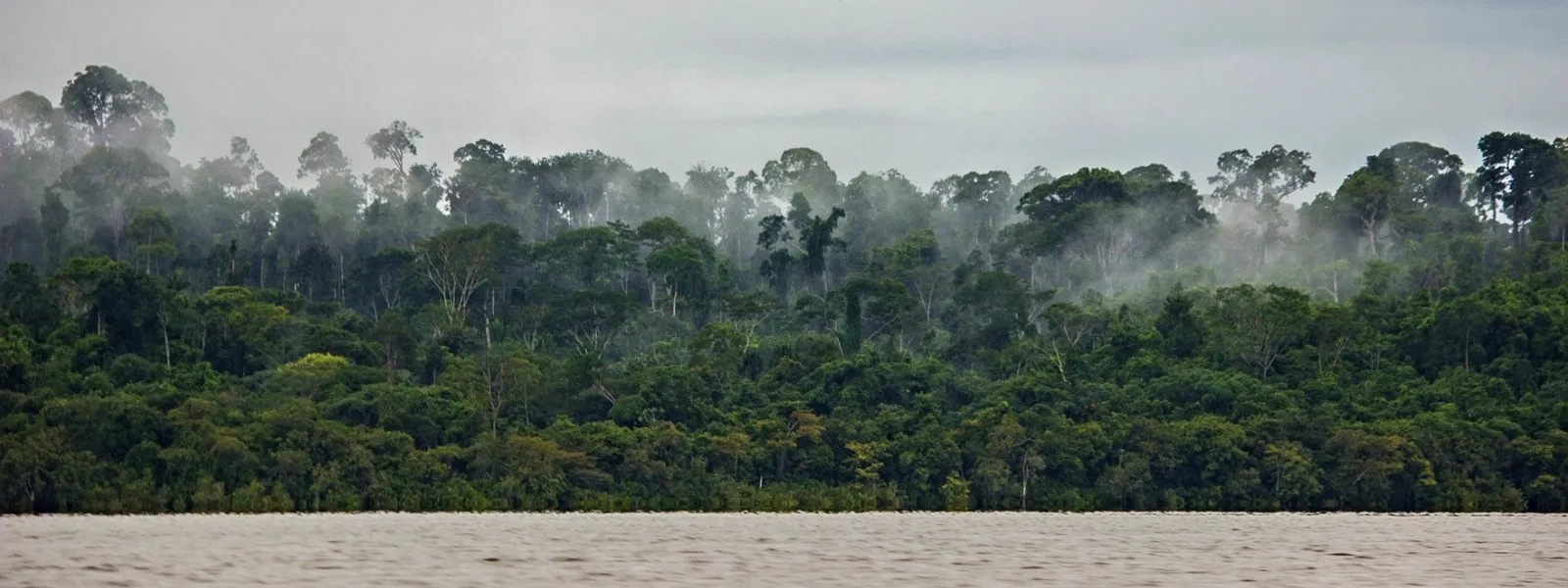
Project
Amazon Watch / Maíra Irigaray
Barragem de Belo Monte no rio Xingu: 10 anos de impactos na Amazônia e de busca por reparações
A usina hidrelétrica de Belo Monte causou um desastre ambiental e social no coração da Amazônia: um dos ecossistemas mais importantes do planeta.
Essa situação só piorou desde que a usina começou a operar em 2016. A busca por justiça e reparação para as comunidades indígenas e ribeirinhas afetadas continua até hoje.
Em 2011, a Comissão Interamericana de Direitos Humanos (CIDH) concedeu a essas comunidades medidas de proteção, que até hoje não foram totalmente implementadas pelo Estado brasileiro.
E, desde junho daquele mesmo ano, a CIDH mantém um processo contra o Estado por sua responsabilidade internacional no caso.
A CIDH pode encaminhar o caso à Corte Interamericana de Direitos Humanos, que tem o poder de emitir uma sentença condenatória contra o Estado brasileiro.
Consulta o expediente de fatos do caso
Após 10 anos de operação da usina hidrelétrica e mais de 15 anos de violações de direitos humanos documentadas, é hora da justiça ser feita para as comunidades afetadas.
Leia a carta aberta das organizações que levam o caso à CIDH
Leia nosso comunicado à imprensa
Contexto
A usina hidrelétrica de Belo Monte — a quarta maior do mundo em capacidade instalada (11.233 MW) — foi construída no rio Xingu, no estado do Pará, norte do Brasil.
Foi inaugurada em 5 de maio de 2016, com uma única turbina. Naquela época, 80% do curso do rio foi desviado e 516 km² de terra foram inundados, uma área maior que a cidade de Chicago. Desse total, 400 km² eram de mata nativa. A usina começou a operar em plena capacidade em novembro de 2019.
Belo Monte foi construída e é operada pelo consórcio Norte Energia S.A., composto principalmente por empresas estatais. Foi financiada pelo Banco Nacional de Desenvolvimento Econômico e Social (BNDES), que aportou ao consórcio 25,4 bilhões de reais (aproximadamente US$ 10,16 bilhões), o maior investimento de sua história. Portanto, o BNDES também é legalmente responsável pelos impactos socioambientais associados ao projeto hidrelétrico.
Décadas de danos ambientais e humanos
As violações dos direitos humanos e a degradação da Amazônia remontam ao início do projeto. Em março de 2011, a Norte Energia iniciou a construção da barragem sem consulta adequada e sem o consentimento prévio, livre e informado das comunidades afetadas.
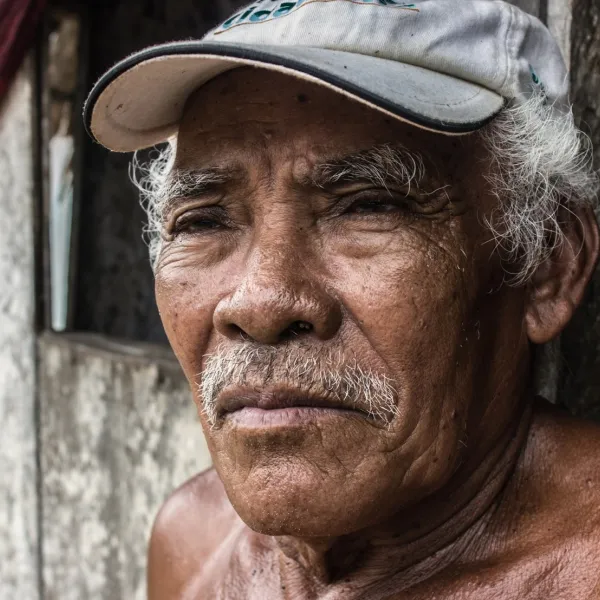
A construção levou ao deslocamento forçado de mais de 40.000 pessoas, rompendo laços sociais e culturais. O plano de reassentamento em Altamira — cidade diretamente afetada pelo projeto hidrelétrico — incluía moradias na periferia da cidade, sem serviços públicos adequados, moradias dignas para as famílias reassentadas e moradias diferenciadas para aqueles pertencentes a comunidades indígenas.
A operação da barragem de Belo Monte impôs uma seca permanente e artificial na Volta Grande do rio Xingu, agravada pelas secas históricas na Amazônia em 2023 e 2024. Como resultado, a morte de milhões de ovos de peixe foi documentada por quatro anos consecutivos (de 2021 a 2024) e, nos últimos três anos, não houve migração de peixes rio acima para desovar e se reproduzir. Assim, a pesca artesanal, principal fonte de proteína para os povos indígenas e comunidades ribeirinhas, foi severamente afetada: o consumo de peixe caiu de 50% para 30% do total de proteínas consumidas, sendo substituído por alimentos processados. Em suma, houve um colapso ambiental e humanitário que resultou no colapso da pesca como modo de vida tradicional, insegurança alimentar e falta de acesso à água potável para milhares de famílias, empobrecimento e doenças.
Além disso, a construção da barragem aumentou o desmatamento e intensificou a extração ilegal de madeira e a insegurança em terras indígenas e tribais, colocando em risco a sobrevivência dessas comunidades. Outra consequência foi o agravamento da pobreza e dos conflitos sociais, bem como a sobrecarga dos sistemas de saúde, educação e segurança pública em Altamira, cidade considerada a mais violenta do país em 2017, onde houve aumento do tráfico de pessoas e da violência sexual. Também foram registrados casos de violência contra defensores de direitos humanos envolvidos no caso.
Em 2025, durante a 30ª Conferência das Nações Unidas sobre Mudanças Climáticas (COP30), realizada no Brasil, o Ministério Público Federal classificou os danos causados por Belo Monte como ecocídio.
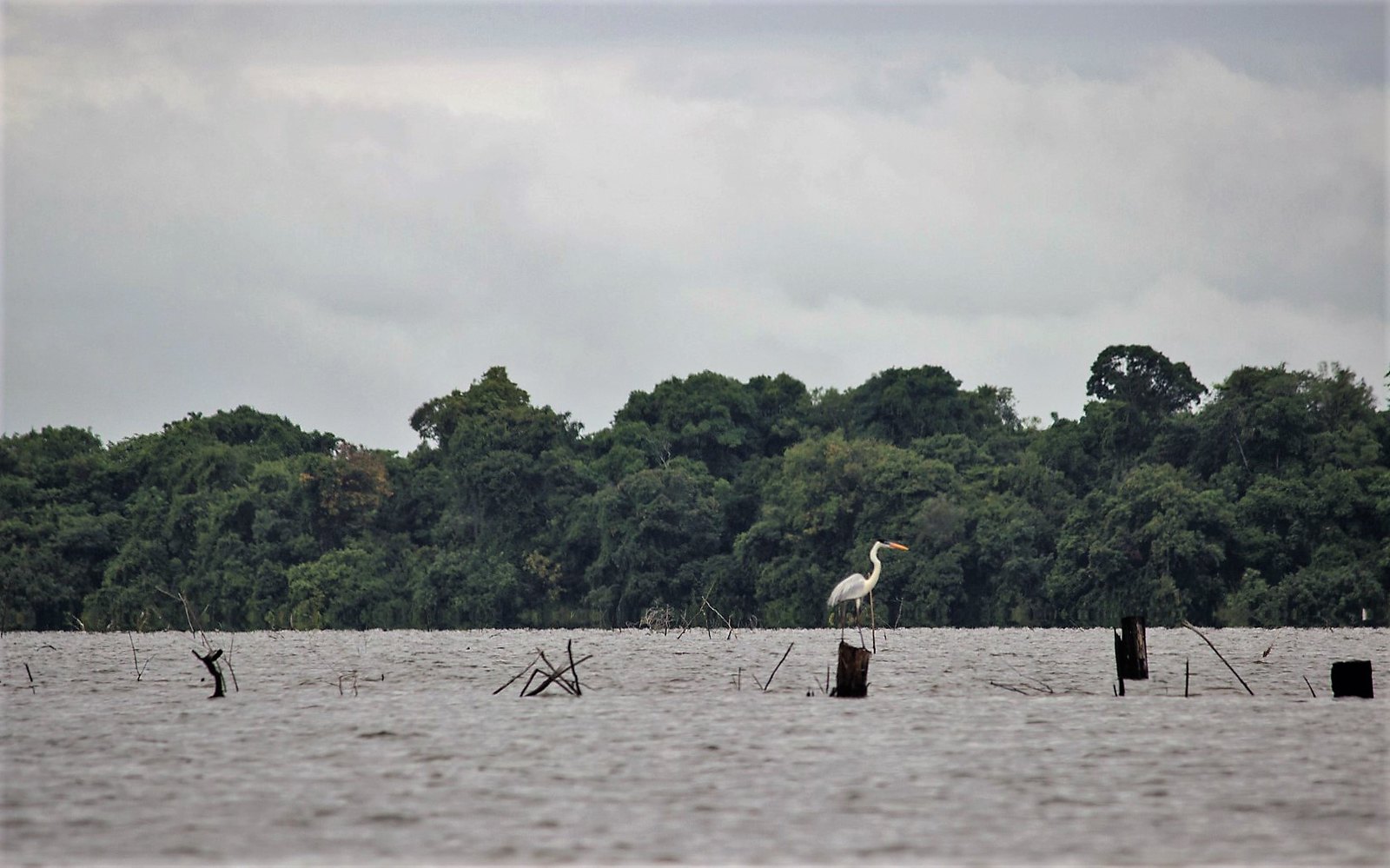
Foto: Amazon Watch / Maíra Irigaray.
A busca por justiça e reparação
Ao longo dos anos, o Ministério Público Federal do Pará, a Defensoria Pública e organizações da sociedade civil impetraram dezenas de ações judiciais em tribunais brasileiros para contestar as diversas irregularidades do projeto, bem como seus impactos. A maioria das ações permanece sem solução, algumas há mais de 10 anos.
Essas ações não obtiveram sucesso porque o governo federal tem reiteradamente anulado decisões favoráveis às comunidades afetadas, recorrendo a um mecanismo pelo qual o presidente do Supremo Tribunal Federal pode suspender uma decisão judicial com base unicamente em argumentos genéricos como "interesse nacional" ou "ordem econômica".
Diante da falta de respostas eficazes em nível nacional, a AIDA — juntamente com uma coalizão de organizações aliadas — levou o caso à Comissão Interamericana de Direitos Humanos (CIDH) e, em 2010, solicitou medidas cautelares para proteger a vida, a integridade e a saúde das comunidades indígenas afetadas.
Em 1º de abril de 2011, a CIDH concedeu essas medidas e solicitou ao Estado brasileiro a suspensão das licenças ambientais e de quaisquer obras de construção até que as condições relativas à consulta prévia e à proteção da saúde e integridade das comunidades fossem atendidas.
E, em 16 de junho de 2011, apresentamos uma denúncia formal à CIDH — juntamente com o Movimento Xingu Vivo Para Siempre, a Coordenação das Organizações Indígenas da Amazônia Brasileira, a Diocese de Altamira, o Conselho Missionário Indígena, a Sociedade Pará de Defesa dos Direitos Humanos e a Global Justice — contra o Estado brasileiro por sua responsabilidade internacional nas violações de direitos humanos contra os povos afetados neste caso. A denúncia foi apresentada em dezembro de 2015.
Em 3 de agosto de 2011, a CIDH modificou as medidas cautelares para solicitar — em vez da suspensão de licenças e obras — a proteção dos povos que vivem em isolamento voluntário, a saúde das comunidades indígenas e a regularização e proteção das terras ancestrais.
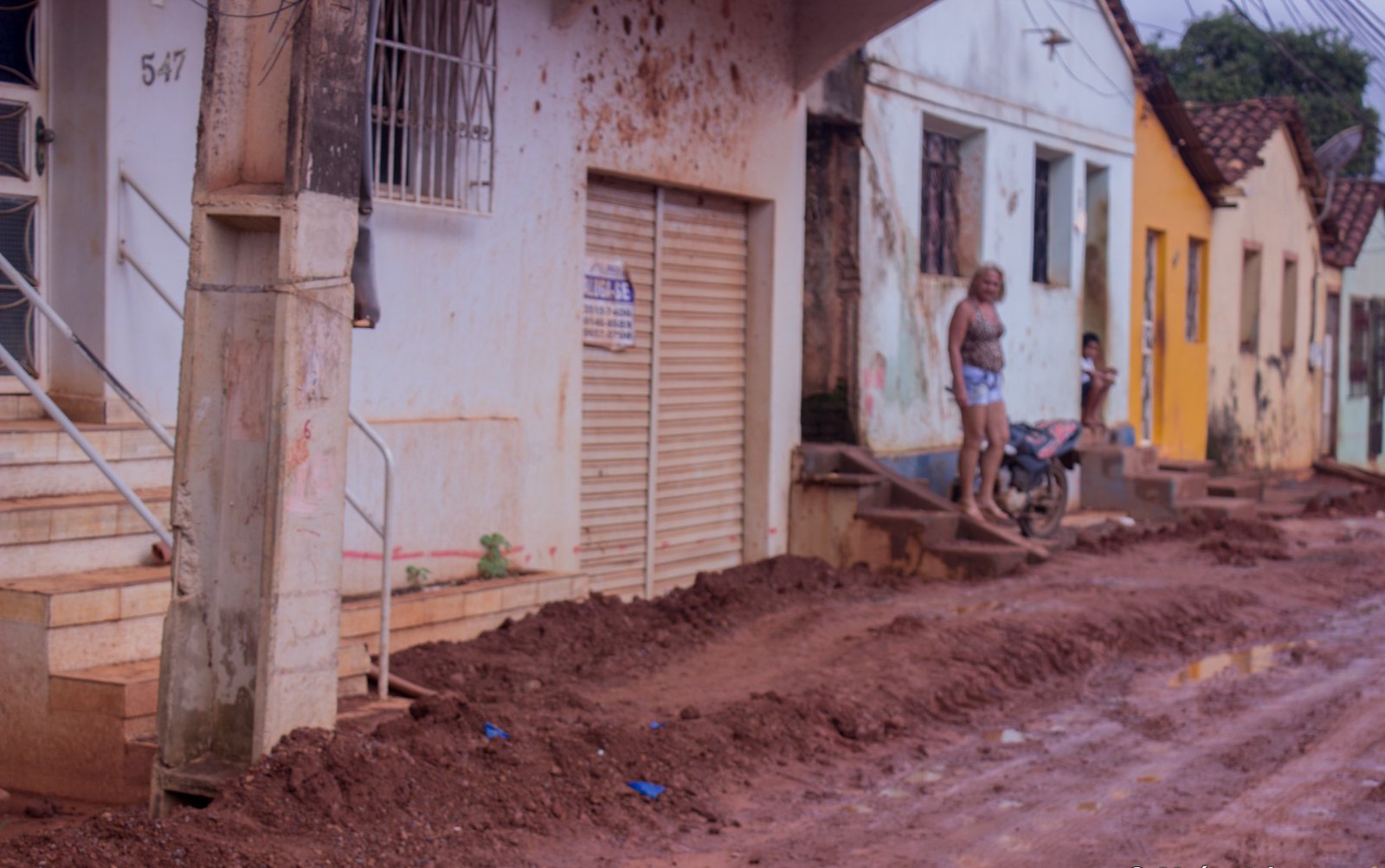
Foto: Amazon Watch / Maíra Irigaray.
Situação atual
As medidas de proteção concedidas pela CIDH permanecem em vigor, mas o Estado brasileiro não as cumpriu integralmente, relatando apenas ações genéricas. As comunidades documentaram as contínuas violações de seus direitos. A situação que motivou o pedido dessas medidas — o risco à vida, à segurança e aos meios de subsistência das comunidades — persiste e se agravou com a usina hidrelétrica operando em plena capacidade e com as recentes secas extremas na Amazônia.
Além do ocorrido em Belo Monte, existe o risco de maiores danos sociais e ambientais decorrentes da implementação de outro megaprojeto de mineração na Volta Grande do Xingu. Lá, a empresa canadense Belo Sun pretende construir a maior mina de ouro a céu aberto do Brasil.
Os impactos sinérgicos e cumulativos da usina e da mina não foram avaliados. O Estado excluiu povos indígenas, comunidades ribeirinhas e comunidades camponesas do processo de licenciamento ambiental do projeto. Apesar disso, dos protestos indígenas e de outras irregularidades em torno do projeto, o governo do estado do Pará autorizou formalmente a mina em abril de 2026.
Belo Monte, assim como outras usinas hidrelétricas, agrava a emergência climática ao gerar emissões de gases de efeito estufa em seu reservatório. Além disso, é ineficiente diante das secas prolongadas e intensas causadas pela crise, pois perde capacidade de geração de energia.
O caso perante a Comissão Interamericana
Em outubro de 2017, a CIDH anunciou que decidiria conjuntamente sobre a admissibilidade (se o caso preenche os requisitos para admissão) e o mérito (se houve, de fato, violação de direitos humanos) da denúncia internacional contra o Estado brasileiro.
Quinze anos após a apresentação da denúncia, as comunidades afetadas e as organizações que as representam ainda aguardam essa decisão. Caso a CIDH conclua que houve violações de direitos humanos e emita recomendações que o Estado brasileiro não cumpra, poderá encaminhar o caso à Corte Interamericana de Direitos Humanos, cujas decisões são vinculativas.
Uma possível decisão da Corte Internacional de Direitos Humanos neste caso estabeleceria um precedente jurídico regional em relação aos direitos dos povos indígenas e ribeirinhos, à participação pública em megaprojetos e à responsabilidade do Estado no contexto da crise climática. Isso é particularmente relevante à luz do Parecer Consultivo nº 32 da Corte, que reafirmou as obrigações dos Estados de proteger pessoas e comunidades em todo o continente da emergência climática.
Partners:
Related projects
Urgent alert on human rights threats due to Pantanal degradation
The Pantanal is the world’s largest freshwater wetland. It’s nearly 18 million hectares stretch across Brazil, Bolivia, and Paraguay, making a home for thousands of species, some of which are in danger of extinction. It hosts six different Ramsar sites, wetlands of international importance, and has been designated as a Biosphere Reserve and UNESCO World Heritage Site. Forest fires, drought, and deforestation, due largely to the expansion of industrial agriculture and the construction of hydroelectric dams, have destroyed millions of hectares of this wetland. The devastation is not only environmental, but it has also affected the lives of those who inhabit the region, threatening their right to live in a healthy environment. In addition, the Pantanal provides resources and sustains the livelihoods of about 1.5 million people. More than 270 communities—including indigenous peoples, cattle ranchers and riparian communities—depend directly or indirectly on the wetland, although its relevance transcends the region and is fundamental to the well-being of more than 10 million people. However, the Pantanal is at risk of collapse. Only 5 percent of its area is protected. In recent years, forest fires, drought and deforestation—associated with the expansion of agribusiness and the construction of dams—have destroyed millions of hectares of this wetland. This damage violates the rights of local people and communities. Environmental Damage and Human Rights The intensification of extractive activities during recent years, principally ranching and industrial agriculture, have led to unprecedented droughts and fires in the Pantanal. In 2020, wildfires destroyed more than 4.5 million hectares, almost one-third of the wetland’s area. And so far in 2022, more than 123 thousand hectares have been consumed by fires, 26 percent more than had burned during the same time period in 2021. In addition to the fires, drought has been intensifying. One of the most serious cases is that of the Guató people of Baía dos Guató, Brazil, who have lost almost 90 percent of their territory to fire. "The fires destroyed crops, burned houses. The fire destroyed a large part of our territory, destroying many trees, animals, birds, damaging our animals and plants and our food security, because it destroyed our crops," said one of its members. "Everything is coming to an end." Fires in the Pantanal have caused the loss of forests and biodiversity, aggravating the climate crisis. They also impact the health and livelihoods of nearby communities by destroying their homes and territories, making them more susceptible to health problems, especially respiratory problems. Fires have resulted in the loss of seeds and the death of animals. The drought especially impacts communities that depend on fishing for food and income (about 70 percent of Pantanal villagers depend on fishing as their main livelihood). Women engaged in artisanal bait collection for sport fishing have been particularly affected. The traditional communities in the region have also been severely impacted, as the fire has reached all of their territories, destroying almost half of them. This has repercussions on the development of their cultural practices, as for many Pantanal communities the connection with the land plays an essential role. They obtain from nature the plants for their traditional medicines and raw materials to build their houses, utensils and handicrafts. For the Yshir, for example, the destruction of the Pantanal threatens their belief system and cosmology (where the forest, rivers and wildlife are central), preventing them from maintaining their traditional ceremonies based on these beliefs. An Emergency Call The Interamerican Association for Environmental Defense (AIDA) and Ecologia e Ação (ECOA) prepared an urgent alert for United Nations Human Rights Rapporteurs to report on the critical situation of the Pantanal and request that they issue recommendations to the three countries where the wetland is located in order to prevent the recurrence of fires, ensure the restoration of ecosystems and guarantee the rights of local populations. We also ask them to visit the site to learn about its situation first hand and to give their recommendations a greater force and sense of urgency. The biological wealth of the Pantanal is incalculable. The site provides several ecosystem services: flood flow regulation, climate regulation, soil fertility control, biological control, biodiversity maintenance and is a source of water, food and raw materials for the population. The environmental and social importance of the Pantanal requires urgent, coordinated, transboundary and effective actions to ensure its restoration and protection. It is time to join forces and take care of the enormous natural and cultural wealth of this biome that is so important for life.
Read more
Swiss OECD Point of Contact calls on Glencore to comply with due diligence on coal mine in Colombia
Switzerland’s National Contact Point (NCP) for the Organization for Economic Cooperation and Development (OECD) recommended that the multinational as the sole owner of the Cerrejón mine in Colombia ensure “its policies and due diligence measures promote responsible business conduct at Cerrejón” in its final statement on the complaint filed against Glencore. The NCP further implored Glencore to maintain a dialogue with NGOs and representatives of the indigenous Wayúu and Afro-Colombian communities affected by the mine's operations. In January 2021, a coalition of national and international organizations—comprised of GLAN, CAJAR, AIDA, CINEP, Ask! ABColombia and Christian Aid Ireland—filed five complaints with the OECD NCPs in Ireland, the United Kingdom, Switzerland, and Australia to denounce the various detrimental impacts of the Cerrejón mine, operated by Carbones del Cerrejón. The coalition detaile the disastrous impacts on the lives and human rights of the indigenous, Afro-descendant and other rural populations of La Guajira resulting from operation of the Cerrejón mine and Carbones de Cerrejón’s lack of due diligence in its operations, leading to non-compliance with OECD guidelines for multinational companies. The coalition filed the complaints against ESB (Electricity Supply Board), the Irish state-owned company that buys coal from the Cerrejón mine; CMC (Coal Marketing Company), based in Dublin, Ireland, which markets the coal from Cerrejón, and the multinational mining companies that jointly own Carbones del Cerrejón: BHP, Anglo American and Glencore. In response to the coalition’s complaints, the Swiss NCP noted that "the Australian and British NCPs will publish, in accordance with their rules of procedure, Final Statements regarding BHP and Anglo American respectively.” The complaints in Ireland are still pending. The Swiss NCP’s statement did not address the main duty of its mandate—to ensure the implementation of the OECD Guidelines for Multinational Enterprises. Instead, the Swiss NCP statement merely reiterated generic existing duties and did not make substantive recommendations in response to the details or the gravity of the Cerrejón’s human rights abuses and violations documented in the complaint. The Swiss NCP conducted its review with serious irregularities and asymmetries in its treatment of the parties. The Swiss NCP failed to provide the affected Wayuu indigenous and Afro-descendant communities with access to information about the review or any guarantees of participation in the review. These asymmetries and irregularities resulted in Glencore’s impunity for the serious human rights violations committed by the mining operations of Carbones del Cerrejón. Our coalition eventually chose to withdraw from the process in protest of the Swiss NCP’s disfavorable treatment of the coalition and favorable treatment of Glencore. Our experience with the Swiss NCP highlights how the complex web and architecture of impunity and asymmetry in international processes favors multinational companies, resulting in abysmal gaps in justice for victims of multinational companies’ human rights abuses and violations. Given the enormity of the Swiss NCP’s incompetence, negligence, and inconsistency in its functions, we reject the NCP’s final statement which suggests that GLAN and the coalition members are to blame for failure of the mediation process. In this statement, the NCP ignores the impacts of its own deficiencies on the mediation process. The way the Swiss NCP in structured the mediation process placed a greater burden on the complainant’s ability to access and participate in the mechanism than on Glencore. Despite these disadvantages, the coalition participated with the utmost diligence and good faith throughout the entire procedure. The Swiss NCP’s incompetence in this instance is part of its pattern of favoritism of multinationals. For example, the Swiss NCP mishandled the complaint against Sygenta for its harm to farmers in India. The NCP's improper practices led Marcos Orellana, UN Special Rapporteur on Toxic Substances and Human Rights, to state that the Swiss NCP set “a bad precedent that underlines the weaknesses of the National Contact Points for the OECD Guidelines.” Because the Swiss legal accountability mechanisms do so little to regulate the conduct of Glencore—a company with a history of corruption and serious allegations of human rights abuses and violations associated with its global activities—the Swiss government is implicated in Glencore’s abuses. Although the OECD guidelines are voluntary for companies, countries that adhere to guidelines make a binding commitment to implement them. The Swiss NCP's inadequate handling of this complaint and the Swiss government’s failure to comply with its functions and the obligations relating to respect for human rights, leads us to question degree of the Swiss government’s complicity in these abuses and how this complicity creates an environment of tolerance for corporate violations and abuses. What is clear is that the OCED’s voluntary mechanism has become a way to mask corporate violations and facilitate corporate impunity. Although the Swiss government does not grant real and effective access to justice for victims of Glencore’s violations as an investor in Carbones del Cerrejón, Glencore is able make use of its guarantees as an investor—as established in the Foreign Investment Protection Agreement between Colombia and Switzerland—to sue the Colombian government over a court ruling that protected the human rights of the Wayuu people from Carbones del Cerrejón’s actions. In the face of this asymmetry in justice between the parties, it is concerning that Colombia choses to maintain this agreement. We reiterate the inadequacy of non-judicial mechanisms to hold multinational corporations accountable. Cases such as this highlight the need for binding due diligence legislation and a treaty regarding companies and human rights that includes real accountability for abuses resulting from seemingly unlimited transnational corporate power. Signed: Interamerican Association for Environmental Defense (AIDA) José Alvear Restrepo Lawyers' Collective (CAJAR) Center for Research and Popular Education (CINEP) Christian Aid ASK ABColombia Global Legal Action Network (GLAN) press contact: Victor Quintanilla (Mexico), AIDA, [email protected], +525570522107
Read more
10 good news stories from 2022, for a sustainable future
This year we saw important advances toward environmental justice in Latin America, and around the world. We’re celebrating decisions at the local, national and international levels that help move us toward a more sustainable future for all. We chose for you our top 10—stories that represent important advances for the protection of biodiversity, for the respect of human rights, for the recognition of indigenous and traditional populations, for responsible finance, for climate litigation as a tool for accountability, and for the hope of a just energy transition. 1. Ecuador expanded the Galapagos Marine Reserve This year, through a national decree, Ecuador added 60 thousand square kilometers to the Galapagos Islands, the first site to be declared a UNESCO World Heritage Site. The new area, called the Hermandad Reserve, creates a marine corridor between the Galapagos Islands and Cocos Island in Costa Rica that will serve as a safe passageway for the dozens of protected species that move through the area, including sharks, whales, turtles, and dolphins. After the expansion, nearly 200 thousand square kilometers of the Galapagos have varying degrees of protection. Ecuador and Costa Rica have since called on Panama and Colombia to add protected areas to the new Reserve. 2. Honduras declared territory free from open-pit mining In February, the new government of Honduras declared the entire territory of the Central American country free of open-pit mining. According to a communiqué from the Secretariat of Natural Resources, Environment and Mines, the decision was made following the principles of climate justice and with a view toward respecting and protecting natural resources. Along these same lines, the government issued three other provisions: to cancel the approval of permits for extractive exploitation; to approve a mining moratorium through which environmental licenses, permits and concessions for metallic and non-metallic exploration and exploitation will be reviewed; and to intervene immediately in natural areas of high ecological value for their conservation. 3. Mexican Supreme Court protected the Veracruz Reef Residents of the coastal state of Veracruz and the Mexican Center for Environmental Law (CEMDA) won their case before the country’s supreme court to protect the Veracruz Reef, the largest reef system in the Gulf of Mexico. The Court unanimously recognized that the authorities violated the community's right to a healthy environment by approving the expansion of the Port of Veracruz. AIDA and Earthjustice presented evidence for recognition of the human rights to a healthy environment and access to justice enshrined in international law. These rights obligate the Mexican government to allow anyone whose rights are threatened by environmental degradation to achieve justice regardless of whether their connection to the threatened ecosystem is indirect or remote. This victory was a collective effort between organizations and the community, and sets a precedent for environmental justice in the region as the ruling points to Mexico's international obligations, including those under the Escazú Agreement. 4. Chile took important steps towards energy transition In June, Chile published the Framework Law on Climate Change, the first in its history, which assigns responsibilities for mitigating emissions and adapting to climate change. The law is the first in the region to establish a carbon neutral goal for 2050, which must be reviewed every five years. In addition, faced with a wave of intoxications derived from pollution, the President announced the closure of the Ventanas Smelter in Valparaíso. Congress is currently considering a bill to approve the closure of Ventanas, which will be progressive. Both the company and the government have committed to not leaving workers without a job, to taking charge of environmental remediation, and to continuing to process small-scale mining minerals. The corporation Enel also closed its last coal-fired power plant in Coronel, a region with a history of environmental conflicts due to impacts on the health and livelihoods of the community. The cases of Enel and Ventanas remind us that decisions towards energy transition must be made respecting the rights of the people involved, both the community and longtime workers. 5. United Nations recognized a healthy environment as a universal right In July, in a historic resolution, the United Nations General Assembly recognized a safe, healthy, clean and sustainable environment as a universal human right. Since this right was left out of the Universal Declaration of Human Rights in 1948, the decision marks a milestone for international law, particularly in the area of human rights. "This resolution conveys the message that no one can take away our nature, clean air and water, or deprive us of a stable climate," said Inger Andersen, head of the United Nations Environment Programme. "At least not without a fight." This news was cause for great celebration at AIDA because the human right to a healthy environment has been the focus of our work since our founding. Costa Rica was one of the countries that led the proposal and that behind this milestone there are decades of work by organizations, movements and communities. 6. For first time, the Inter-American Bank prepared a responsible exit plan In Guatemala, Mayan communities filed a complaint about the damage that two hydroelectric projects caused to their territory, livelihoods and social fabric. The projects had received financing from the Inter-American Development Bank (IDB) Group. After the Bank's accountability office concluded that IDB Invest failed to comply with its operational policies and safeguards, the bank decided to withdraw its financing from the projects. In addition to the divestment, and as a result of the complaint, the IDB Group developed a responsible exit plan for the first time in its history. This sets a historic precedent for all communities affected by investments by international financial institutions. Although there are challenges for the implementation of the exit plan, the case is a great opportunity for the IDB to strengthen its policies as well as the monitoring and supervision of the projects it supports in order to avoid non-compliance with its guidelines. 7. Recognition grew for the region’s indigenous peoples Despite the fact that indigenous and traditional peoples suffer constant violations of their human rights—often for protecting their own territory—this year their contributions, knowledge and work were recognized on various fronts. In Colombia, the ancestral knowledge system of the Arhuaco, Kankuamo, Kogui and Wiwa indigenous peoples of the Sierra Nevada de Santa Marta was recognized as Intangible Cultural Heritage of Humanity by UNESCO. In Brazil, Sonia Guajajara and Célia Xakriabá, indigenous women with environmental and social causes, were elected to Congress in the October general elections. And, for the first time in Ecuador, Amazonian indigenous organizations received $2.5 million to finance conservation and deforestation reduction projects. 8. World leaders created a fund for climate loss and damage One of the strongest demands of the global South at climate summits had been the creation of a fund for losses and damages for the countries most vulnerable to the climate crisis. This year, at the 27th United Nations Climate Change Conference (COP27), a financing mechanism was finally created for this purpose. This mechanism will seek to mobilize resources to complement existing ones, and calls for richer countries to contribute more. The decision adopted at COP27 also called on the World Bank and the International Monetary Fund to provide "financing solutions." The details for the fund’s operation and for the inclusion of a human rights approach are a task for the next conference. 9. Brazilian court settled first-ever climate litigation In 2020, four political parties and two civil society organizations filed a lawsuit over the Brazilian government's failure to provide resources to the federal Climate Fund. The case was resolved in July of this year, becoming the first climate litigation in Brazil's Supreme Federal Tribunal, the highest court in the country. The court determined that the government has a constitutional duty to allocate the necessary economic resources for the operation of the Climate Fund, which had been paralyzed in recent years. In its findings, the court equated the Paris Agreement with a human rights treaty, which may give way for courts and judges in other Latin American countries to make the same recognition. This case shows that strategic climate litigation is an effective and necessary way to demand that governments and companies in the continent comply with their climate commitments. 10. Historic agreement reached to protect global biodiversity In December, roughly 200 member countries of the Convention on Biological Diversity adopted a historic agreement that seeks to reverse decades of environmental degradation and the resulting risks to the planet's species and ecosystems. Gathered at the 15th United Nations Conference on Biodiversity in Montreal, Canada, the countries' delegates reached an agreement committing to protect at least 30 percent of the world's terrestrial and marine areas by 2030. In addition, they agreed to provide at least $20 billion in annual international aid for biodiversity by 2025 and at least $30 billion by 2030. Want more good news? Learn about AIDA's four most important achievements in 2022
Read more