
Project
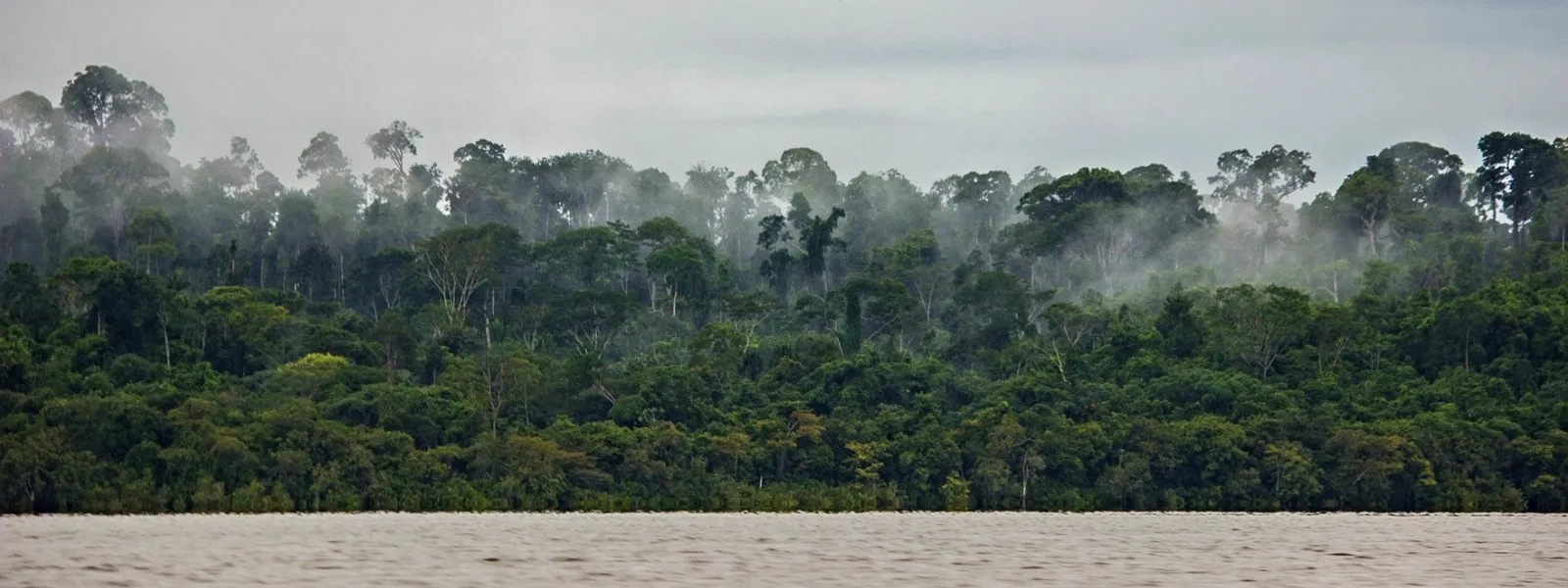
Amazon Watch / Maíra Irigaray
Barragem de Belo Monte no rio Xingu: 10 anos de impactos na Amazônia e de busca por reparações
A usina hidrelétrica de Belo Monte causou um desastre ambiental e social no coração da Amazônia: um dos ecossistemas mais importantes do planeta.
Essa situação só piorou desde que a usina começou a operar em 2016. A busca por justiça e reparação para as comunidades indígenas e ribeirinhas afetadas continua até hoje.
Em 2011, a Comissão Interamericana de Direitos Humanos (CIDH) concedeu a essas comunidades medidas de proteção, que até hoje não foram totalmente implementadas pelo Estado brasileiro.
E, desde junho daquele mesmo ano, a CIDH mantém um processo contra o Estado por sua responsabilidade internacional no caso.
A CIDH pode encaminhar o caso à Corte Interamericana de Direitos Humanos, que tem o poder de emitir uma sentença condenatória contra o Estado brasileiro.
Consulta o expediente de fatos do caso
Após 10 anos de operação da usina hidrelétrica e mais de 15 anos de violações de direitos humanos documentadas, é hora da justiça ser feita para as comunidades afetadas.
Leia a carta aberta das organizações que levam o caso à CIDH
Leia nosso comunicado à imprensa
Contexto
A usina hidrelétrica de Belo Monte — a quarta maior do mundo em capacidade instalada (11.233 MW) — foi construída no rio Xingu, no estado do Pará, norte do Brasil.
Foi inaugurada em 5 de maio de 2016, com uma única turbina. Naquela época, 80% do curso do rio foi desviado e 516 km² de terra foram inundados, uma área maior que a cidade de Chicago. Desse total, 400 km² eram de mata nativa. A usina começou a operar em plena capacidade em novembro de 2019.
Belo Monte foi construída e é operada pelo consórcio Norte Energia S.A., composto principalmente por empresas estatais. Foi financiada pelo Banco Nacional de Desenvolvimento Econômico e Social (BNDES), que aportou ao consórcio 25,4 bilhões de reais (aproximadamente US$ 10,16 bilhões), o maior investimento de sua história. Portanto, o BNDES também é legalmente responsável pelos impactos socioambientais associados ao projeto hidrelétrico.
Décadas de danos ambientais e humanos
As violações dos direitos humanos e a degradação da Amazônia remontam ao início do projeto. Em março de 2011, a Norte Energia iniciou a construção da barragem sem consulta adequada e sem o consentimento prévio, livre e informado das comunidades afetadas.
A construção levou ao deslocamento forçado de mais de 40.000 pessoas, rompendo laços sociais e culturais. O plano de reassentamento em Altamira — cidade diretamente afetada pelo projeto hidrelétrico — incluía moradias na periferia da cidade, sem serviços públicos adequados, moradias dignas para as famílias reassentadas e moradias diferenciadas para aqueles pertencentes a comunidades indígenas.
A operação da barragem de Belo Monte impôs uma seca permanente e artificial na Volta Grande do rio Xingu, agravada pelas secas históricas na Amazônia em 2023 e 2024. Como resultado, a morte de milhões de ovos de peixe foi documentada por quatro anos consecutivos (de 2021 a 2024) e, nos últimos três anos, não houve migração de peixes rio acima para desovar e se reproduzir. Assim, a pesca artesanal, principal fonte de proteína para os povos indígenas e comunidades ribeirinhas, foi severamente afetada: o consumo de peixe caiu de 50% para 30% do total de proteínas consumidas, sendo substituído por alimentos processados. Em suma, houve um colapso ambiental e humanitário que resultou no colapso da pesca como modo de vida tradicional, insegurança alimentar e falta de acesso à água potável para milhares de famílias, empobrecimento e doenças.
Além disso, a construção da barragem aumentou o desmatamento e intensificou a extração ilegal de madeira e a insegurança em terras indígenas e tribais, colocando em risco a sobrevivência dessas comunidades. Outra consequência foi o agravamento da pobreza e dos conflitos sociais, bem como a sobrecarga dos sistemas de saúde, educação e segurança pública em Altamira, cidade considerada a mais violenta do país em 2017, onde houve aumento do tráfico de pessoas e da violência sexual. Também foram registrados casos de violência contra defensores de direitos humanos envolvidos no caso.
Em 2025, durante a 30ª Conferência das Nações Unidas sobre Mudanças Climáticas (COP30), realizada no Brasil, o Ministério Público Federal classificou os danos causados por Belo Monte como ecocídio.
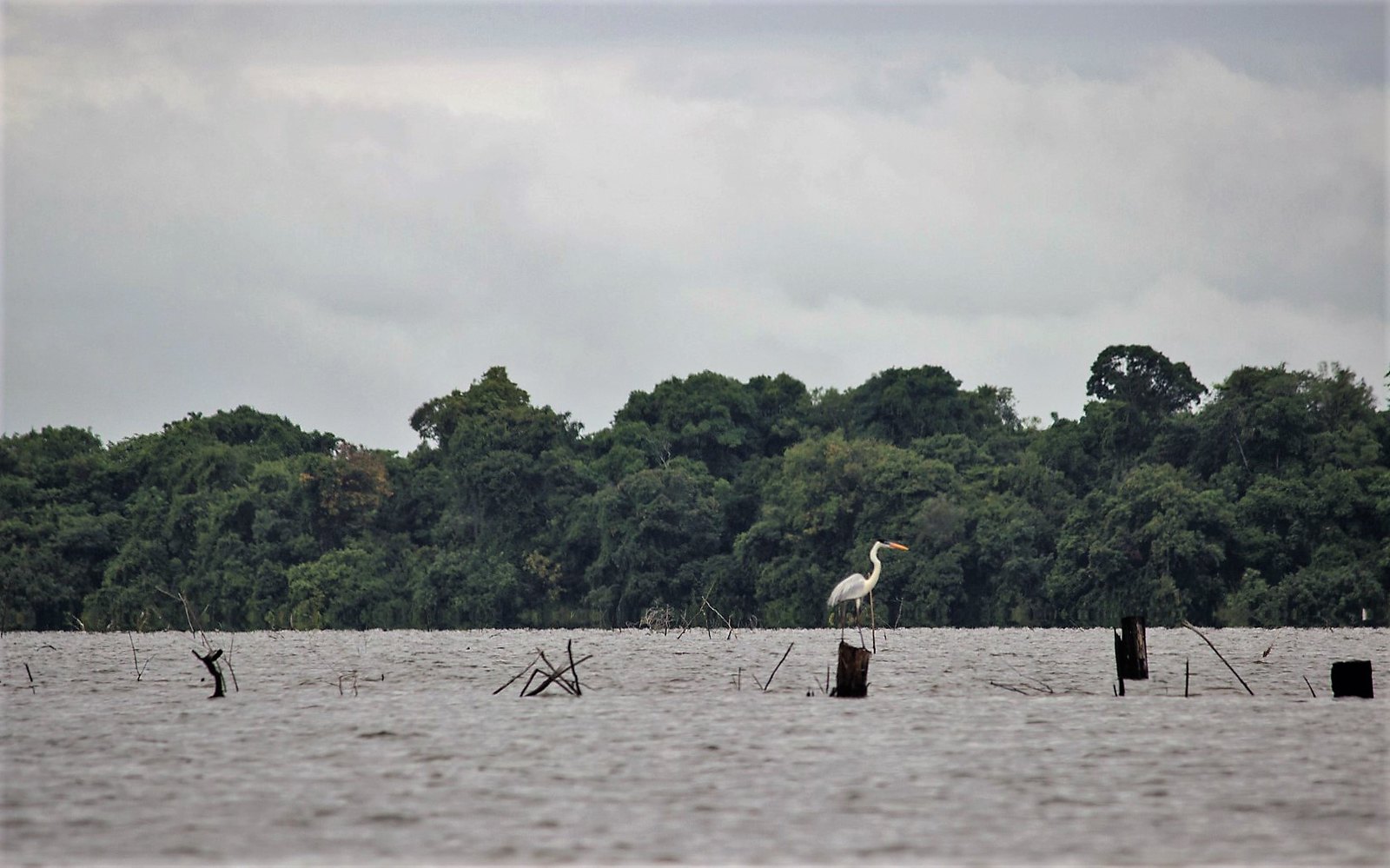
Foto: Amazon Watch / Maíra Irigaray.
A busca por justiça e reparação
Ao longo dos anos, o Ministério Público Federal do Pará, a Defensoria Pública e organizações da sociedade civil impetraram dezenas de ações judiciais em tribunais brasileiros para contestar as diversas irregularidades do projeto, bem como seus impactos. A maioria das ações permanece sem solução, algumas há mais de 10 anos.
Essas ações não obtiveram sucesso porque o governo federal tem reiteradamente anulado decisões favoráveis às comunidades afetadas, recorrendo a um mecanismo pelo qual o presidente do Supremo Tribunal Federal pode suspender uma decisão judicial com base unicamente em argumentos genéricos como "interesse nacional" ou "ordem econômica".
Diante da falta de respostas eficazes em nível nacional, a AIDA — juntamente com uma coalizão de organizações aliadas — levou o caso à Comissão Interamericana de Direitos Humanos (CIDH) e, em 2010, solicitou medidas cautelares para proteger a vida, a integridade e a saúde das comunidades indígenas afetadas.
Em 1º de abril de 2011, a CIDH concedeu essas medidas e solicitou ao Estado brasileiro a suspensão das licenças ambientais e de quaisquer obras de construção até que as condições relativas à consulta prévia e à proteção da saúde e integridade das comunidades fossem atendidas.
E, em 16 de junho de 2011, apresentamos uma denúncia formal à CIDH — juntamente com o Movimento Xingu Vivo Para Siempre, a Coordenação das Organizações Indígenas da Amazônia Brasileira, a Diocese de Altamira, o Conselho Missionário Indígena, a Sociedade Pará de Defesa dos Direitos Humanos e a Global Justice — contra o Estado brasileiro por sua responsabilidade internacional nas violações de direitos humanos contra os povos afetados neste caso. A denúncia foi apresentada em dezembro de 2015.
Em 3 de agosto de 2011, a CIDH modificou as medidas cautelares para solicitar — em vez da suspensão de licenças e obras — a proteção dos povos que vivem em isolamento voluntário, a saúde das comunidades indígenas e a regularização e proteção das terras ancestrais.
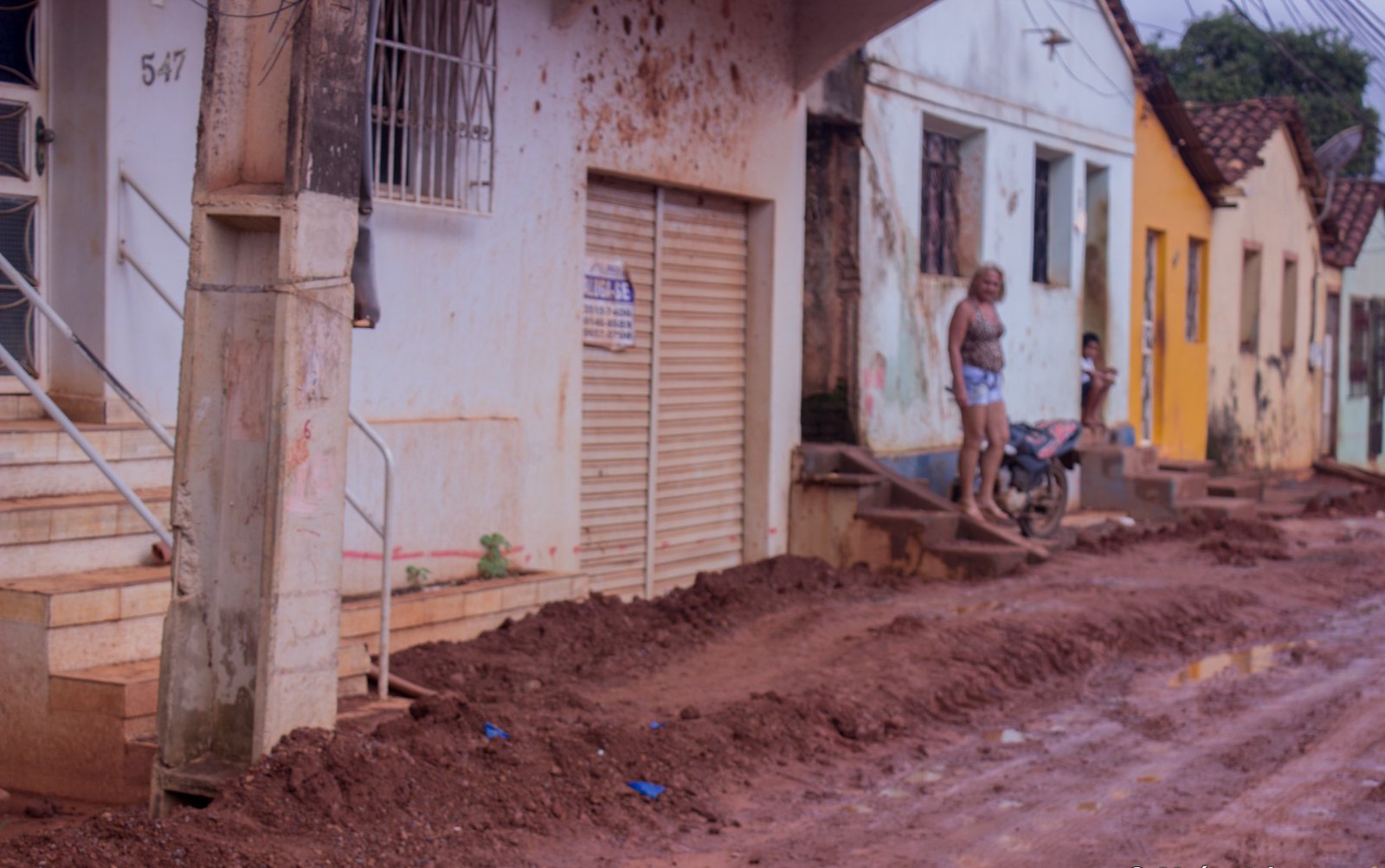
Foto: Amazon Watch / Maíra Irigaray.
Situação atual
As medidas de proteção concedidas pela CIDH permanecem em vigor, mas o Estado brasileiro não as cumpriu integralmente, relatando apenas ações genéricas. As comunidades documentaram as contínuas violações de seus direitos. A situação que motivou o pedido dessas medidas — o risco à vida, à segurança e aos meios de subsistência das comunidades — persiste e se agravou com a usina hidrelétrica operando em plena capacidade e com as recentes secas extremas na Amazônia.
Além do ocorrido em Belo Monte, existe o risco de maiores danos sociais e ambientais decorrentes da implementação de outro megaprojeto de mineração na Volta Grande do Xingu. Lá, a empresa canadense Belo Sun pretende construir a maior mina de ouro a céu aberto do Brasil.
Os impactos sinérgicos e cumulativos da usina e da mina não foram avaliados. O Estado excluiu povos indígenas, comunidades ribeirinhas e comunidades camponesas do processo de licenciamento ambiental do projeto. Apesar disso, dos protestos indígenas e de outras irregularidades em torno do projeto, o governo do estado do Pará autorizou formalmente a mina em abril de 2026.
Belo Monte, assim como outras usinas hidrelétricas, agrava a emergência climática ao gerar emissões de gases de efeito estufa em seu reservatório. Além disso, é ineficiente diante das secas prolongadas e intensas causadas pela crise, pois perde capacidade de geração de energia.
O caso perante a Comissão Interamericana
Em outubro de 2017, a CIDH anunciou que decidiria conjuntamente sobre a admissibilidade (se o caso preenche os requisitos para admissão) e o mérito (se houve, de fato, violação de direitos humanos) da denúncia internacional contra o Estado brasileiro.
Quinze anos após a apresentação da denúncia, as comunidades afetadas e as organizações que as representam ainda aguardam essa decisão. Caso a CIDH conclua que houve violações de direitos humanos e emita recomendações que o Estado brasileiro não cumpra, poderá encaminhar o caso à Corte Interamericana de Direitos Humanos, cujas decisões são vinculativas.
Uma possível decisão da Corte Internacional de Direitos Humanos neste caso estabeleceria um precedente jurídico regional em relação aos direitos dos povos indígenas e ribeirinhos, à participação pública em megaprojetos e à responsabilidade do Estado no contexto da crise climática. Isso é particularmente relevante à luz do Parecer Consultivo nº 32 da Corte, que reafirmou as obrigações dos Estados de proteger pessoas e comunidades em todo o continente da emergência climática.
Partners:
Related projects

An alliance for clean air in Latin America is born
In the face of environmental injustices, like poor air quality and its harm to human health, our societies respond together and organize in similar ways, without even knowing it. This was one of the takeaways from the Latin American Meeting for Clean Air, which in early August brought together researchers, government officials, youth leaders, civil society representatives and international cooperation agencies from Brazil, Chile, Colombia, Ecuador, Mexico and Peru. They met with three main objectives: to strengthen the link between air quality and climate justice, to exchange lessons learned, and to build networks for international collaboration. "Poor air quality and related health problems are a common problem in Latin America, knowing no borders or territorial boundaries," explained Anaid Velasco, Research Manager at the Mexican Center for Environmental Law (CEMDA). According to the World Health Organization, air pollution affects close to 90 percent of people living in urban areas around the world. Despite the magnitude of the problem, public actions and policies to improve the air we breathe are not fully standardized. In addition, air quality indices across the region are not uniform and do not allow people to be adequately informed of the dangers of air pollution in different environments. This represents a problem and, at the same time, an opportunity to collaboratively create and refine tools. Aware of the opportunity, meeting participants founded the Latin American Coalition for Clean Air (ALAIRE) to respond to three primary goals: To position a narrative that makes air quality a strategic priority in the public health and climate crisis management agendas in Latin America. To influence authorities and promote public policies that contribute to an improved management of the sources that contribute to poor air quality in the region. To advocate for conditions for civil society and the business sector to become involved in compliance with regulations, policies and the improvement of air quality in the continent. "The creation of this coalition is a fundamental step towards improving the air we breathe, across the region," Velasco said. "CEMDA is very proud to be part of it as clean air is a fundamental condition to guaranteeing the human right to a healthy environment." The Latin American Meeting for Clean Air was organized by AIDA, El Derecho a No Obedecer (a project of Corporación Otraparte), Trébola Organización Ecológica, Coalición Respirar, El Poder del Consumidor and the Heinrich Böll Foundation. It had open activities attended by 200 people, as well as closed meetings to reach agreements among the key organizations. The meeting served to reaffirm that the fight for clean air is also the fight to reduce greenhouse gases and confront the climate crisis, as well as a necessity to guarantee the right to health of people in the region. The event also confirmed the importance of citizen science, in which individuals are working to demonstrate the true levels of exposure to poor air quality in different cities in the region, in turn highlighting the urgency to act. The newly formed coalition will empower the efforts of citizens, academics, organizations and other actors, while contributing to the achievement of regional agreements for the development and implementation of public policies that improve air quality and protect human health.
Read more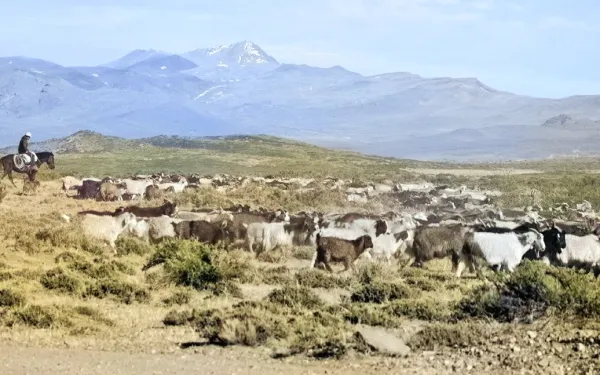
The Mapuche: in defense of ancestral territory in Argentina
In the south of the province of Mendoza, Argentina, several communities belonging to the Mapuche people—one of the 39 self-recognized indigenous peoples throughout the country—have come together in the Malalweche Territorial Identity Organization to defend their rights, way of life and territorial integrity from extractive, energy and tourism activities and projects. One of the threats that these communities are currently facing is the advance of the exploration and exploitation of unconventional hydrocarbons through fracking. In 2018, the government of Mendoza issued Decree 248, which regulates fracking activities in the province. Before issuing the norm, it overlooked the right of the Mapuche communities in the area to be consulted and to give their free, prior and informed consent. It then made the consultation conditional on the communities having legal recognition of rights over their territory. Since then, the Malalweche Territorial Identity Organization has been fighting a court battle to have the decree declared unconstitutional. The lawsuit, initiated by the Oikos Environmental Network Association, is backed by national and international environmental organizations, including the Association for the Promotion and Protection of Human Rights-Xumek, the Environment and Natural Resources Foundation (FARN), AIDA and Earthjustice. The Mapuche communities are tireless in their struggle. The reason is simple: their strength comes from what they protect. It comes from their intimate connection to the territory and all that it holds. A broader vision of territory As in the case with indigenous peoples across the American continent, territories of the Mapuche people are rich in natural resources, which causes large interests to set their eyes on them, ignoring or wanting to ignore those who legitimately inhabit them. For the indigenous communities, territory is not limited to geographical space, but is conceived as the wider space from which human activities, such as grazing paths, emerge and converge. Rivers, mountains and animals are essential elements of the ancestral territory of the Mapuche people. They are distinctive parts of their culture. "These elements also make up the transhumance—a type of pastoralism that consists of seasonal movement along migratory routes—of the people who move, who go from one place to another," explains Gabriel Jofré, a traditional authority and spokesperson for Malalweche. "Today the territory is limited by private property, which makes you settle in a place; our parents used to say that you go where the territory takes you.” The intrusion and territorial usurpation by dominant and oppressive elites —at the beginning of the 20th century—led to the exodus of members of the Mapuche people, the dispersion of others and the silence of many more for fear of repression. In defense of community life Faced with the environmental, social and economic impacts of the intrusion of business activities in the ancestral territory of the Mapuche, the organization Malalweche promotes access to indigenous community property. Although the Argentine State recognizes in its Constitution the ethnic and cultural pre-existence of indigenous peoples and has ratified international conventions that oblige it to respect and guarantee their rights, the legal recognition of the rights of Mapuche communities to indigenous territories faces administrative obstacles and delays due to bureaucratic processes. "That is why, to avoid legal obstacles, we have developed the strategy of creating productive cooperatives," explained Gabriel. Kume Matru food products factory, a cooperative enterprise, was inaugurated on June 23, the date on which Winoj Tripantu, or the beginning of the Mapuche year, is celebrated. Kume Matru is a clear example of the versatility of these communities to walk the path of sharing and bringing together their own needs and those of others; to deliver not only food, but also the whole chain of hands that made it possible. "The people who recover these processes are a reflection of the ancestral forces that are in the territory of the pullü, the spirit of our grandparents," said Gabriel. "It is our children who begin to recover what at some point was cut off, these are processes that must be protected in order for that to happen." In line with this need, last March, the Inter-American Commission on Human Rights established that, in a context of climate crisis and environmental deterioration, "the States have the duty to title, delimit and demarcate the collective ancestral territory, attending to the particular characteristics of the specific human group and avoiding granting concessions for projects that may affect the territories in titling, delimitation and demarcation processes without a process of consultation and consent". The norms are clear, both domestic and international. States must guarantee the rights of indigenous peoples, avoiding governmental acts and/or judicial rulings that could affect them, and ensuring that economic development is sustainable and respectful of environmental integrity. Let us recover the legacy of the original peoples, who teach us to live in harmony with nature, as parts of the whole, interconnected with their forces, from which our own must also emerge as a renewed impulse to defend our common home.
Read more
Lessons on protecting the right to a healthy environment
A healthy environment implies, among other things, breathing clean air, having access to clean water and quality food, and having a decent place to live. Until recently, the human right to a healthy environment was recognized only at the national level in most countries of the continent. Then, on July 28th, in a historic resolution, the United Nations voted unanimously to recognize a clean, healthy and sustainable environment as a universal human right. The decision is a significant step in the long and complex process of guaranteeing the right to a healthy environment in practice, which has been part of AIDA's story since our inception. "For nearly 25 years, we have invoked the right to a healthy environment to defend people in Latin America from environmental impacts that threaten their lives and dignity," explained Gladys Martínez de Lemos, our executive director. AIDA has always worked to highlight the link between a healthy environment and fundamental human rights such as those to integrity, life, and health. "In international law, it has taken time to assume this relationship, which for the AIDA has been undeniable from the start," added Liliana Ávila, senior attorney. "Our approach to international law begins with those affected and, based on that proximity, focuses on the communities whose rights have been most impacted by environmental degradation." What we’ve learned As an essential part of our efforts and over the years, we have learned that: The right to a healthy environment is increasingly included in Constitutions, laws and regional justice systems. This has empowered individuals and communities to demand its defense, as well as motivated judges to integrate it into their decisions. Strategic litigation—a combination of legal, communications, social mobilization and advocacy tools—is especially important in promoting the protection of fundamental human rights. The climate crisis has exacerbated the impacts of environmental degradation on the enjoyment of human rights and cases have tripled in number. This has brought with it the need to rely more on comprehensive and less on case-by-case strategies. Despite important advances, there are still large compliance debts for the right to a healthy environment to materialize in practice. The main challenge is the lack of implementation of court rulings. At the same time, the link between a healthy environment and human rights has served a variety of purposes, including the following: Demonstrating that the right to a healthy environment and other rights essential to life are indivisible. Demanding that States comply with their international human rights obligations, especially the application of the principles of prevention and precaution. Promoting the guarantee of access rights in environmental matters such as the right to information and participation. Our most emblematic cases While defending the right to a healthy environment is present in all our work, there are emblematic cases in which AIDA has helped establish key precedents by guaranteeing it. Restoration of rights for residents of La Oroya, Peru Our work as an international environmental organization began in 1998 with this case. Since then, we’ve worked to demonstrate how the violation of the right to a healthy environment—due to air pollution with heavy metals from a smelter—has violated the rights to life and health of residents of the city of La Oroya, Peru. We’ve shown how the impacts have been differentiated for women, children and the elderly. And we’ve demanded that the Peruvian State take urgent measures to guarantee the rights of the affected population. In 2005, we took the case to the Inter-American Commission on Human Rights, which in September 2021 brought it before the Inter-American Court after establishing the international responsibility of the State. It will be one of the first cases to centrally address the indivisible relationship between a healthy environment and other human rights. A healthy environment as a fundamental right for human existence In November 2017, in response to a consultation made by Colombia, the Inter-American Court of Human Rights established that a healthy environment is an autonomous right, "fundamental to the existence of humanity." It also recognized the impact of climate change on the effective enjoyment of human rights, especially for the most vulnerable populations such as indigenous peoples, children and people living in extreme poverty. In the framework of the consultation, AIDA presented our observations and participated in the hearing before the Court. We demonstrated that the implementation of large infrastructure projects could affect the environment to such an extent that it would put life and personal integrity, among other human rights, at risk. Our contribution made clear the link between human rights and the environment. Access to justice for people affected by environmental damage When Veracruz residents defended the Veracruz Reef in court against damage from a port expansion, AIDA presented technical and legal evidence supporting recognition of the rights to a healthy environment and access to justice. Together, these obligate the government to allow anyone whose fundamental rights are threatened by environmental degradation the possibility of achieving justice, regardless of whether their connection to the threatened ecosystem is indirect or remote. We directly contributed to the Mexican Supreme Court’s ruling in February 2022, in which the Court determined that authorities violated the right to a healthy environment of the people of Veracruz by authorizing the port project. "The UN's recognition of the right to a healthy environment as a universal human right is undoubtedly an impetus for the construction of new key precedents for its protection," said Daniela García, AIDA attorney. It’s also an impetus for states to strengthen their policies and legislation focused on environmental protection, as well as to enshrine this right in their legal frameworks. And it’s a tool for people and organizations that defend the environment and human rights to strengthen their work. At AIDA, we are clear about this, and we reaffirm our commitment to our mission of strengthening people's capacity to guarantee their individual and collective right to a healthy environment.
Read more