
Project
Amazon Watch / Maíra Irigaray
Barragem de Belo Monte no rio Xingu: 10 anos de impactos na Amazônia e de busca por reparações
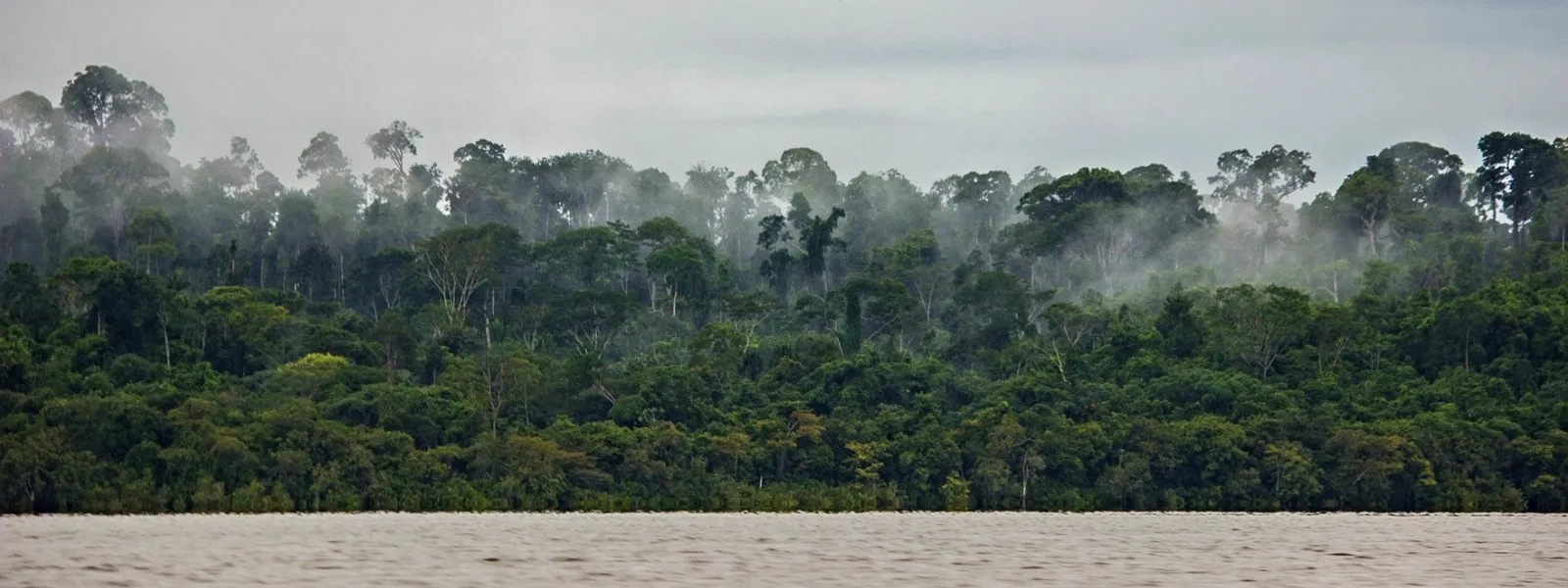
A usina hidrelétrica de Belo Monte causou um desastre ambiental e social no coração da Amazônia: um dos ecossistemas mais importantes do planeta.
Essa situação só piorou desde que a usina começou a operar em 2016. A busca por justiça e reparação para as comunidades indígenas e ribeirinhas afetadas continua até hoje.
Em 2011, a Comissão Interamericana de Direitos Humanos (CIDH) concedeu a essas comunidades medidas de proteção, que até hoje não foram totalmente implementadas pelo Estado brasileiro.
E, desde junho daquele mesmo ano, a CIDH mantém um processo contra o Estado por sua responsabilidade internacional no caso.
A CIDH pode encaminhar o caso à Corte Interamericana de Direitos Humanos, que tem o poder de emitir uma sentença condenatória contra o Estado brasileiro.
Consulta o expediente de fatos do caso
Após 10 anos de operação da usina hidrelétrica e mais de 15 anos de violações de direitos humanos documentadas, é hora da justiça ser feita para as comunidades afetadas.
Leia a carta aberta das organizações que levam o caso à CIDH
Leia nosso comunicado à imprensa
Contexto
A usina hidrelétrica de Belo Monte — a quarta maior do mundo em capacidade instalada (11.233 MW) — foi construída no rio Xingu, no estado do Pará, norte do Brasil.
Foi inaugurada em 5 de maio de 2016, com uma única turbina. Naquela época, 80% do curso do rio foi desviado e 516 km² de terra foram inundados, uma área maior que a cidade de Chicago. Desse total, 400 km² eram de mata nativa. A usina começou a operar em plena capacidade em novembro de 2019.
Belo Monte foi construída e é operada pelo consórcio Norte Energia S.A., composto principalmente por empresas estatais. Foi financiada pelo Banco Nacional de Desenvolvimento Econômico e Social (BNDES), que aportou ao consórcio 25,4 bilhões de reais (aproximadamente US$ 10,16 bilhões), o maior investimento de sua história. Portanto, o BNDES também é legalmente responsável pelos impactos socioambientais associados ao projeto hidrelétrico.
Décadas de danos ambientais e humanos
As violações dos direitos humanos e a degradação da Amazônia remontam ao início do projeto. Em março de 2011, a Norte Energia iniciou a construção da barragem sem consulta adequada e sem o consentimento prévio, livre e informado das comunidades afetadas.
A construção levou ao deslocamento forçado de mais de 40.000 pessoas, rompendo laços sociais e culturais. O plano de reassentamento em Altamira — cidade diretamente afetada pelo projeto hidrelétrico — incluía moradias na periferia da cidade, sem serviços públicos adequados, moradias dignas para as famílias reassentadas e moradias diferenciadas para aqueles pertencentes a comunidades indígenas.
A operação da barragem de Belo Monte impôs uma seca permanente e artificial na Volta Grande do rio Xingu, agravada pelas secas históricas na Amazônia em 2023 e 2024. Como resultado, a morte de milhões de ovos de peixe foi documentada por quatro anos consecutivos (de 2021 a 2024) e, nos últimos três anos, não houve migração de peixes rio acima para desovar e se reproduzir. Assim, a pesca artesanal, principal fonte de proteína para os povos indígenas e comunidades ribeirinhas, foi severamente afetada: o consumo de peixe caiu de 50% para 30% do total de proteínas consumidas, sendo substituído por alimentos processados. Em suma, houve um colapso ambiental e humanitário que resultou no colapso da pesca como modo de vida tradicional, insegurança alimentar e falta de acesso à água potável para milhares de famílias, empobrecimento e doenças.
Além disso, a construção da barragem aumentou o desmatamento e intensificou a extração ilegal de madeira e a insegurança em terras indígenas e tribais, colocando em risco a sobrevivência dessas comunidades. Outra consequência foi o agravamento da pobreza e dos conflitos sociais, bem como a sobrecarga dos sistemas de saúde, educação e segurança pública em Altamira, cidade considerada a mais violenta do país em 2017, onde houve aumento do tráfico de pessoas e da violência sexual. Também foram registrados casos de violência contra defensores de direitos humanos envolvidos no caso.
Em 2025, durante a 30ª Conferência das Nações Unidas sobre Mudanças Climáticas (COP30), realizada no Brasil, o Ministério Público Federal classificou os danos causados por Belo Monte como ecocídio.
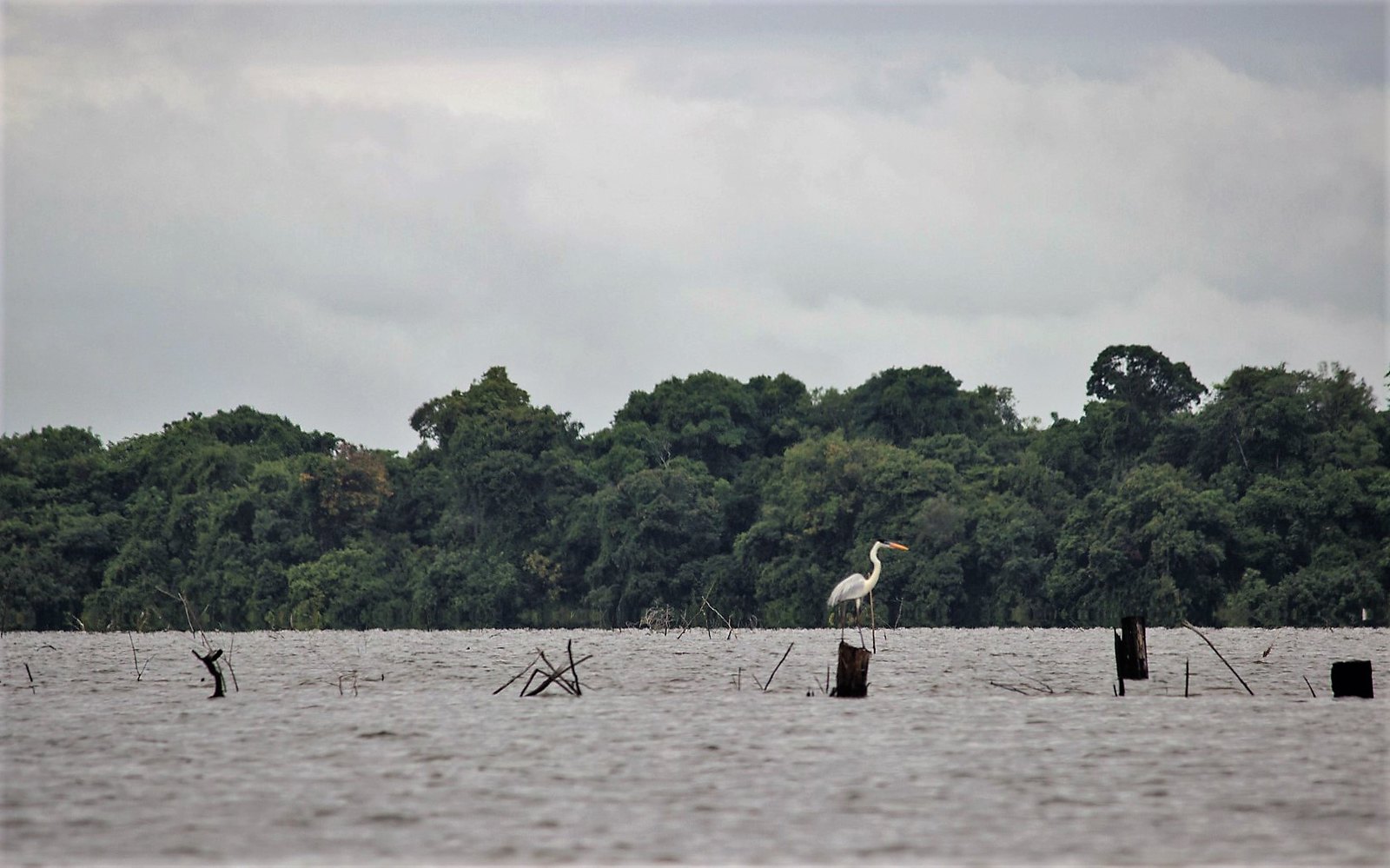
Foto: Amazon Watch / Maíra Irigaray.
A busca por justiça e reparação
Ao longo dos anos, o Ministério Público Federal do Pará, a Defensoria Pública e organizações da sociedade civil impetraram dezenas de ações judiciais em tribunais brasileiros para contestar as diversas irregularidades do projeto, bem como seus impactos. A maioria das ações permanece sem solução, algumas há mais de 10 anos.
Essas ações não obtiveram sucesso porque o governo federal tem reiteradamente anulado decisões favoráveis às comunidades afetadas, recorrendo a um mecanismo pelo qual o presidente do Supremo Tribunal Federal pode suspender uma decisão judicial com base unicamente em argumentos genéricos como "interesse nacional" ou "ordem econômica".
Diante da falta de respostas eficazes em nível nacional, a AIDA — juntamente com uma coalizão de organizações aliadas — levou o caso à Comissão Interamericana de Direitos Humanos (CIDH) e, em 2010, solicitou medidas cautelares para proteger a vida, a integridade e a saúde das comunidades indígenas afetadas.
Em 1º de abril de 2011, a CIDH concedeu essas medidas e solicitou ao Estado brasileiro a suspensão das licenças ambientais e de quaisquer obras de construção até que as condições relativas à consulta prévia e à proteção da saúde e integridade das comunidades fossem atendidas.
E, em 16 de junho de 2011, apresentamos uma denúncia formal à CIDH — juntamente com o Movimento Xingu Vivo Para Siempre, a Coordenação das Organizações Indígenas da Amazônia Brasileira, a Diocese de Altamira, o Conselho Missionário Indígena, a Sociedade Pará de Defesa dos Direitos Humanos e a Global Justice — contra o Estado brasileiro por sua responsabilidade internacional nas violações de direitos humanos contra os povos afetados neste caso. A denúncia foi apresentada em dezembro de 2015.
Em 3 de agosto de 2011, a CIDH modificou as medidas cautelares para solicitar — em vez da suspensão de licenças e obras — a proteção dos povos que vivem em isolamento voluntário, a saúde das comunidades indígenas e a regularização e proteção das terras ancestrais.
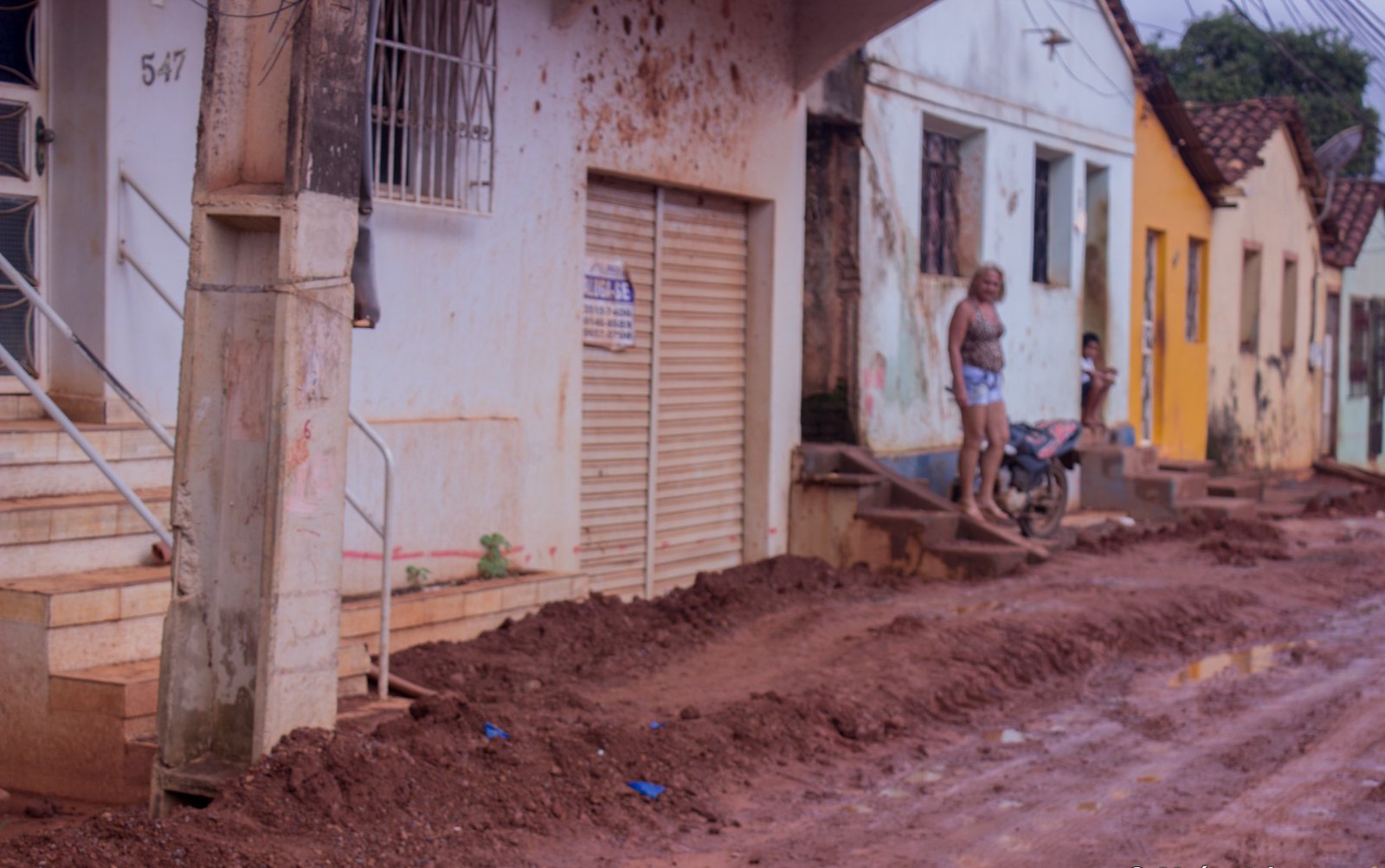
Foto: Amazon Watch / Maíra Irigaray.
Situação atual
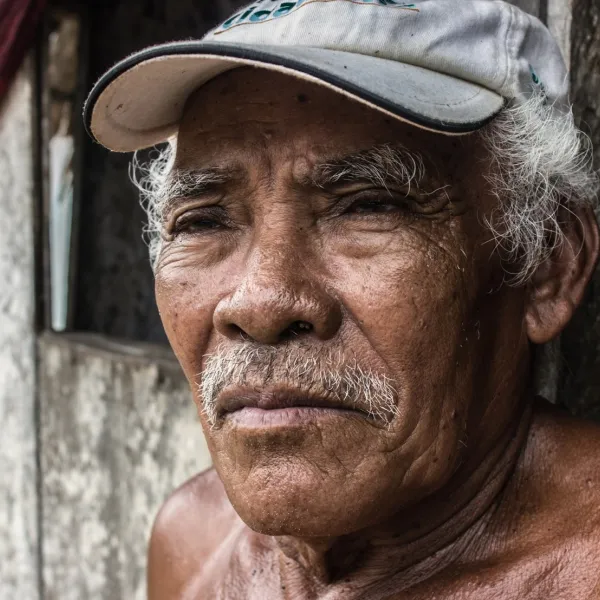
As medidas de proteção concedidas pela CIDH permanecem em vigor, mas o Estado brasileiro não as cumpriu integralmente, relatando apenas ações genéricas. As comunidades documentaram as contínuas violações de seus direitos. A situação que motivou o pedido dessas medidas — o risco à vida, à segurança e aos meios de subsistência das comunidades — persiste e se agravou com a usina hidrelétrica operando em plena capacidade e com as recentes secas extremas na Amazônia.
Além do ocorrido em Belo Monte, existe o risco de maiores danos sociais e ambientais decorrentes da implementação de outro megaprojeto de mineração na Volta Grande do Xingu. Lá, a empresa canadense Belo Sun pretende construir a maior mina de ouro a céu aberto do Brasil.
Os impactos sinérgicos e cumulativos da usina e da mina não foram avaliados. O Estado excluiu povos indígenas, comunidades ribeirinhas e comunidades camponesas do processo de licenciamento ambiental do projeto. Apesar disso, dos protestos indígenas e de outras irregularidades em torno do projeto, o governo do estado do Pará autorizou formalmente a mina em abril de 2026.
Belo Monte, assim como outras usinas hidrelétricas, agrava a emergência climática ao gerar emissões de gases de efeito estufa em seu reservatório. Além disso, é ineficiente diante das secas prolongadas e intensas causadas pela crise, pois perde capacidade de geração de energia.
O caso perante a Comissão Interamericana
Em outubro de 2017, a CIDH anunciou que decidiria conjuntamente sobre a admissibilidade (se o caso preenche os requisitos para admissão) e o mérito (se houve, de fato, violação de direitos humanos) da denúncia internacional contra o Estado brasileiro.
Quinze anos após a apresentação da denúncia, as comunidades afetadas e as organizações que as representam ainda aguardam essa decisão. Caso a CIDH conclua que houve violações de direitos humanos e emita recomendações que o Estado brasileiro não cumpra, poderá encaminhar o caso à Corte Interamericana de Direitos Humanos, cujas decisões são vinculativas.
Uma possível decisão da Corte Internacional de Direitos Humanos neste caso estabeleceria um precedente jurídico regional em relação aos direitos dos povos indígenas e ribeirinhos, à participação pública em megaprojetos e à responsabilidade do Estado no contexto da crise climática. Isso é particularmente relevante à luz do Parecer Consultivo nº 32 da Corte, que reafirmou as obrigações dos Estados de proteger pessoas e comunidades em todo o continente da emergência climática.
Partners:
Related projects
Ambition and urgency needed as high seas treaty negotiations near end
New York: With only one week to go in the negotiations for a new Treaty to protect two thirds of the ocean - the High Seas - civil society is raising alarm about the level of urgency and ambition towards a robust outcome for the ocean. A number of States have made public commitments to secure an ambitious Treaty at this final scheduled session, but there is concern that this is not being fully reflected in the formal negotiating room. The High Seas Alliance (HSA) expects more ambition to be shown by the United Kingdom, the European Union, Canada and the United States which have been public champions for the ocean, including at the recent UN Ocean Conference. These delegations support some progressive positions within the Treaty negotiations, but too many appear to be maintaining positions that will not result in the transformation we need for a healthy and productive ocean for current and future generations. Some states and groups are pushing for a strong outcome. CARICOM, (the Caribbean Community), the Pacific Small Islands Developing States, New Zealand, Costa Rica and Monaco are setting the pace for a speedy and effective outcome. This round of negotiations, known as IGC5, is the fifth and final scheduled meeting convened by the UN General Assembly. It is tasked with concluding a Treaty to protect Biodiversity in Areas Beyond National Jurisdiction, which includes the High Seas, and which makes up half the planet, two thirds of the ocean. For decades, the international community has struggled to reach this agreement during which time climate change and biodiversity loss have escalated. The HSA recognises that the “package” of elements under negotiation are intrinsically linked and critical to successful completion of the negotiations. “The greatest opportunity of our generation to show we are serious about protecting the global ocean is now. A strong High Seas Treaty is in reach but more ambition is needed. Governments must stick to their commitment to deliver a truly ambitious Treaty this week and finally move to taking action that will allow the ocean to recover and thrive; for marine biodiversity, Earth’s climate and the well-being of generations to come. There is no more time to waste. - Sofia Tsenikli, Senior Strategic Advisor to the HSA. QUOTES FROM MEMBER ORGANIZATIONS CANADA Susanna Fuller, VP Operations and Projects, Oceans North: "With the longest coastline in the world and as a self-declared ocean champion, Canada plays a vital role in achieving a strong Treaty. We are hoping to see Canada’s ambitions meet the urgent need for biodiversity protection and responsible management for 50% of the planet. With climate change impacts accelerating and biodiversity loss increasing, finalizing and implementing this Treaty cannot come fast enough." LATIN AMERICA Gladys Martínez de Lemos, Executive Director, AIDA (Interamerican Association for Environmental Defense): "Most Latin American countries have publicly stated their commitment to increase marine protected areas by 30% by 2030. This cannot be achieved without an ambitious High Seas Treaty. In addition, 70% of the areas that would not be protected need a high-level environmental impact assessment process with capacity and implementation. During all the negotiations Costa Rica has shown its commitment to a robust and ambitious Treaty. We thanked Costa Rica for its exemplary championship along these years." SOUTH KOREA Jihyun Lee, High Seas Alliance Youth Ambassador and undergraduate student at Yonsei University, South Korea: "Youth and future generations demand a strong and meaningful High Seas Treaty that will effectively protect the ocean. We are calling in unified support for world governments to finally take bold action for our ocean." US Lisa Speer, NRDC: “We applaud the more progressive approach of the United States, which has been a strong advocate for concluding the negotiations in a timely fashion, and for strengthening environmental assessment. However, we need the US to show more leadership to ensure that the new Treaty will result in the creation of a science-based network of fully protected areas in all areas of the High Seas, which scientists tell us is essential to reversing the decline of the ocean." EU + UK Laura Meller, Protect the Oceans campaign, Greenpeace: "It’s deeply concerning that the European Union and UK continue to insist on maintaining a broken status quo when it comes to creating ocean sanctuaries on the High Seas at this round of negotiations. The bloc and the UK must raise their ambition in the last days of negotiations if they truly want to be global ocean champions, and ensure that a strong Treaty which has the power to create properly protected ocean sanctuaries on the High Seas is finalised this week. If they don’t, their fine words in the run up to these negotiations will be little more than empty rhetoric. The oceans are in crisis. We need ambitious, urgent, action before it’s too late." PSID + CARICOM Travis Aten, Programme Officer, HSA: "We continue to applaud the Pacific Small Island Developing States (PSIDS) and the Caribbean Community’s (CARICOM) continued leadership during this negotiation process, notably through their support of robust and ambitious conservation positions. As islands that are surrounded by the ocean, it is clear to them that this Treaty must move beyond the current status quo and implement real change on how we manage biodiversity of the High Seas." Fabienne McLellan, Managing Director, OceanCare: “It is encouraging to see that there is an increased spirit of urgency in the room. Many negotiators are rolling up their sleeves, aware that the world is watching to judge if the rhetoric on ocean commitments made in the lead up to this conference is translating into the Treaty text. While unfortunately some of the Treaty text elements are being watered down, it is not yet too late to make a turn around. Cementing the status-quo and the lowest common denominator is not good enough. We need an ambitious and implementable Treaty. The state of emergency of the ocean demands nothing less. NOTES Covering nearly half of the world’s surface, the High Seas—a true global commons—is only protected by a loose patchwork of poorly enforced rules that are ill-suited to address a growing onslaught of pressures to the water column and seabed below, including climate change, pollution, fishing, and emerging activities like deep-sea mining and bioprospecting. The negotiations began in 2018 and have since benefited from increased scientific and political awareness of High Seas marine life and habitats, as well as the dangers they face from human activities. For instance, until relatively recently, “High Seas” were considered to be largely devoid of life or too remote to face serious threats from overexploitation. Today, scientists have shown that they support marine systems that are vital to the global food supply, terrestrial ecology, and stability of the climate system. SPOKESPEOPLE Latin America Mariamalia Chavez (Spanish, English), [email protected] Gladys Martínez de Lemos (Spanish, English), AIDA, [email protected]
Read more
Brazilian court reaffirms the power of litigation to strengthen climate action
In July, Brazil's high court ruled that the government has a constitutional duty to allocate the necessary economic resources to support the operation of its Climate Fund, a tool created to combat the climate crisis, which has been paralyzed in recent years. With this ruling, the Supreme Federal Court resolved the first climate litigation in its history and set an important precedent for Brazil and the world. The decision equates the Paris Agreement—which seeks to strengthen the global response to the climate emergency—with a human rights treaty, granting it a higher status than ordinary laws and other inferior norms such as Executive Branch decrees. This may give way for courts and judges in other Latin American countries to make the same recognition. "The Supreme Federal Court created a privileged framework of protection for climate change mitigation and adaptation, one that ensures one of the fundamental pillars of climate action: financing," explains Marcella Ribeiro, an AIDA attorney. "Furthermore, it made clear that the Executive Branch, by restricting resources that by law are destined for climate action, is failing to comply with international agreements and conventions on human rights to which Brazil is a party." The Brazilian Socialist Party, the Socialism and Liberty Party, the Workers’ Party and the Sustainability Network Party filed the lawsuit over the Brazilian government’s failure to provide resources to the Climate Fund in 2020, with support from the Climate Observatory and the Alana Institute. Litigation as a strategic tool The case of the Climate Fund in Brazil demonstrates that strategic climate litigation is an effective and necessary way to help the continent's governments and companies meet their climate commitments. In its most recent report, the Intergovernmental Panel on Climate Change (IPCC) highlighted that climate-related litigation is on the rise and, in some cases, has influenced the results and ambition of climate governance, understood as the way in which different actors—state, civil society, academia and the private sector—define, implement and monitor actions aimed at addressing the causes and consequences of climate change. "In the global south, Brazil is one of the countries where climate litigation is developing most strongly," highlights Javier Dávalos, AIDA senior attorney. "The country is characterized by a growing ecosystem of litigants and organizations that are taking the climate fight to court." Brazil's push for climate litigation in the region is critical because the country is home to 65 percent of the Amazon, a key ecosystem for global climate regulation and one that is at serious risk. Brazil emits the most carbon dioxide of any Latin American nation, with deforestation representing the largest source of these emissions. In this sense, it is fundamental that one of the judges who heard the Climate Fund case explicitly pointed out the large increase in deforestation in the Amazon in 2021— the highest in 15 years: more than 22 percent, and a total area of 13,235km². It is therefore essential to demand in court that the Brazilian state fulfill its obligations to protect the Amazon and the global climate. The importance of financing solutions Transitioning to a zero carbon economy and avoiding the worst physical impacts of climate change requires investing nearly $125 billion USD by 2050, according to the Net Zero Financing Roadmaps study commissioned by the United Nations High Level Champions. These resources must come from two complementary sources, private and public financing. Government financing of climate action represents a relevant public policy and thus must conform to a country's laws. In its ruling, the Brazilian Supreme Federal Court recognized the Climate Fund as the main federal instrument for financing climate action and meeting national greenhouse gas emission reduction targets. It also noted that the government kept the fund paralyzed for two years. Considering that the resources intended to fight the climate crisis seek to materialize fundamental human rights, the court concluded that the government couldn’t restrict them. "Guaranteeing the allocation of resources for climate action means setting a clear limit from which we cannot retreat," Ribeiro said. "Despite the clear violation of the Brazilian state's duties regarding the right to a healthy environment, reflected in the dismantling of environmental norms and institutions, the Brazilian Supreme Court's ruling put a brake on the erosion of the legal protection of the environment and climate in the country." Learn about this and other cases on AIDA’s Plataforma de Litigio Climático para América Latina y el Caribe.
Read more
AIDA applauds recognition of healthy environment as a universal human right
The decision adopted by the UN General Assembly is a call for States to recognize that the defense of the environment is essential for existence on the planet. The historic resolution strengthens longtime efforts to guarantee this right in practice. New York, USA. In a landmark resolution, the UN General Assembly recognized a safe, healthy, clean and sustainable environment as a universal human right. Since this right was absent from then Universal Declaration of Human Rights in 1948, the decision marks a milestone for international human rights law. The resolution endorses language similar to that proposed in October 2021 by the UN Human Rights Council, which issued a draft resolution in June to the 193 members of the General Assembly. Sponsored by Costa Rica, Maldives, Morocco, Slovenia and Switzerland, the universal recognition of the right to a healthy environment was unanimously approved today, by a vote of 161-0. Liliana Avila, senior attorney of AIDA’s Human Rights and Environment Program, responds: "The United Nations recognition is a very important call for States to recognize that the environment involves essential elements without which our existence on the planet would not be possible. Most of the Constitutions in the continent already recognize the healthy environment as a right and citizens claim it daily through different mechanisms. The step taken today undoubtedly strengthens these efforts and advances us towards the construction of societies where this right is a reality." Gladys Martinez de Lemos, Executive Director, states: “Today marks a historic moment, one that enables citizens to demand the creation of measures to guarantee in practice a right that is now universally recognized. At AIDA we celebrate this new tool and reaffirm our 25-year commitment to protecting a healthy environment as a fundamental human right. The UN recognition represents a hope for justice for those who suffer from environmental degradation around the world—people like the residents of La Oroya, Peru, who have for decades breathed polluted air; families in Central America, forced to migrate due to the impacts of the climate crisis; coastal communities in the Caribbean who lost their homes due to the destruction of mangroves and reefs, natural barriers against storms and hurricanes; and the thousands of environmental defenders risking their lives to protect their territories." As a regional organization, AIDA would like to highlight the fact that a Latin American nation, Costa Rica, has led the proposal for recognition before the General Assembly. Its role was key to the result we are celebrating today. We also highlight the hard work of civil society organizations, social movements, local communities and indigenous peoples to promote this recognition. A healthy environment – recognized as a right by more than 150 States around the world – is a prerequisite for the realization of other human rights. Its recognition as a universal human right can lead to more effective laws and policies, and can help to empower local communities in the protection of their territory. Press ConTACT: Victor Quintanilla (Mexico), [email protected], +525570522107
Read more