
Project
Amazon Watch / Maíra Irigaray
Barragem de Belo Monte no rio Xingu: 10 anos de impactos na Amazônia e de busca por reparações
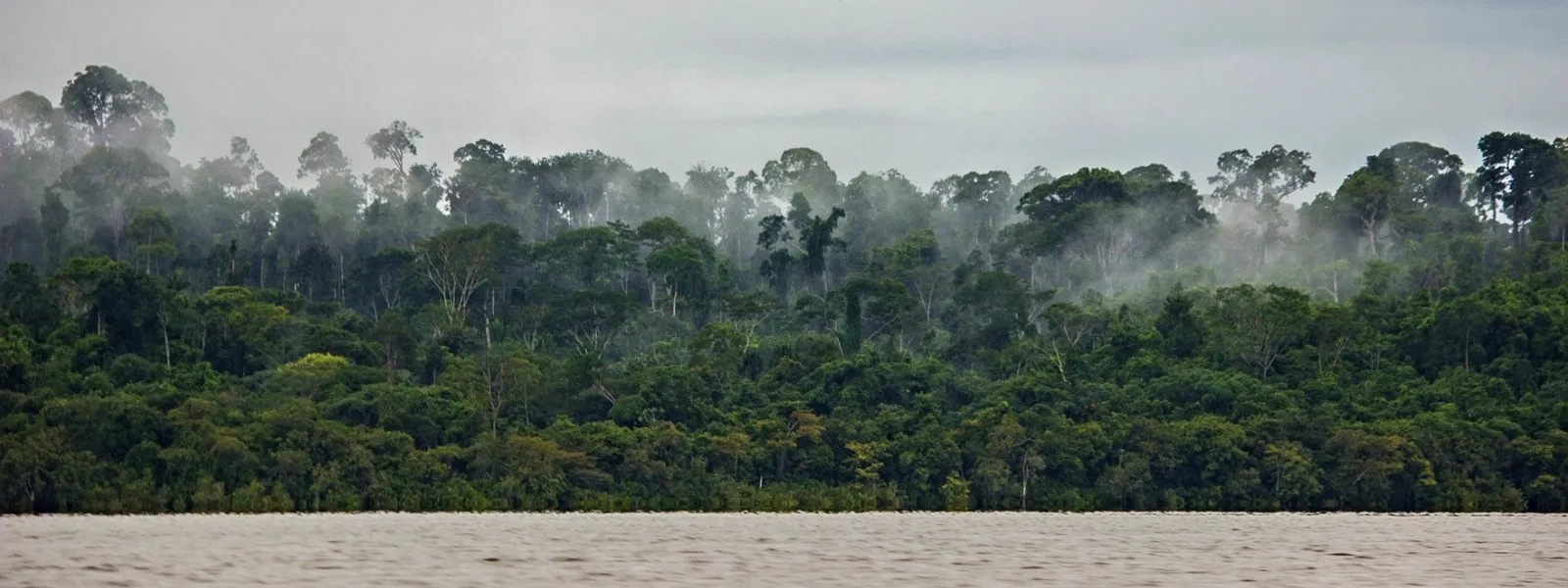
A usina hidrelétrica de Belo Monte causou um desastre ambiental e social no coração da Amazônia: um dos ecossistemas mais importantes do planeta.
Essa situação só piorou desde que a usina começou a operar em 2016. A busca por justiça e reparação para as comunidades indígenas e ribeirinhas afetadas continua até hoje.
Em 2011, a Comissão Interamericana de Direitos Humanos (CIDH) concedeu a essas comunidades medidas de proteção, que até hoje não foram totalmente implementadas pelo Estado brasileiro.
E, desde junho daquele mesmo ano, a CIDH mantém um processo contra o Estado por sua responsabilidade internacional no caso.
A CIDH pode encaminhar o caso à Corte Interamericana de Direitos Humanos, que tem o poder de emitir uma sentença condenatória contra o Estado brasileiro.
Consulta o expediente de fatos do caso
Após 10 anos de operação da usina hidrelétrica e mais de 15 anos de violações de direitos humanos documentadas, é hora da justiça ser feita para as comunidades afetadas.
Leia a carta aberta das organizações que levam o caso à CIDH
Leia nosso comunicado à imprensa
Contexto
A usina hidrelétrica de Belo Monte — a quarta maior do mundo em capacidade instalada (11.233 MW) — foi construída no rio Xingu, no estado do Pará, norte do Brasil.
Foi inaugurada em 5 de maio de 2016, com uma única turbina. Naquela época, 80% do curso do rio foi desviado e 516 km² de terra foram inundados, uma área maior que a cidade de Chicago. Desse total, 400 km² eram de mata nativa. A usina começou a operar em plena capacidade em novembro de 2019.
Belo Monte foi construída e é operada pelo consórcio Norte Energia S.A., composto principalmente por empresas estatais. Foi financiada pelo Banco Nacional de Desenvolvimento Econômico e Social (BNDES), que aportou ao consórcio 25,4 bilhões de reais (aproximadamente US$ 10,16 bilhões), o maior investimento de sua história. Portanto, o BNDES também é legalmente responsável pelos impactos socioambientais associados ao projeto hidrelétrico.
Décadas de danos ambientais e humanos
As violações dos direitos humanos e a degradação da Amazônia remontam ao início do projeto. Em março de 2011, a Norte Energia iniciou a construção da barragem sem consulta adequada e sem o consentimento prévio, livre e informado das comunidades afetadas.
A construção levou ao deslocamento forçado de mais de 40.000 pessoas, rompendo laços sociais e culturais. O plano de reassentamento em Altamira — cidade diretamente afetada pelo projeto hidrelétrico — incluía moradias na periferia da cidade, sem serviços públicos adequados, moradias dignas para as famílias reassentadas e moradias diferenciadas para aqueles pertencentes a comunidades indígenas.
A operação da barragem de Belo Monte impôs uma seca permanente e artificial na Volta Grande do rio Xingu, agravada pelas secas históricas na Amazônia em 2023 e 2024. Como resultado, a morte de milhões de ovos de peixe foi documentada por quatro anos consecutivos (de 2021 a 2024) e, nos últimos três anos, não houve migração de peixes rio acima para desovar e se reproduzir. Assim, a pesca artesanal, principal fonte de proteína para os povos indígenas e comunidades ribeirinhas, foi severamente afetada: o consumo de peixe caiu de 50% para 30% do total de proteínas consumidas, sendo substituído por alimentos processados. Em suma, houve um colapso ambiental e humanitário que resultou no colapso da pesca como modo de vida tradicional, insegurança alimentar e falta de acesso à água potável para milhares de famílias, empobrecimento e doenças.
Além disso, a construção da barragem aumentou o desmatamento e intensificou a extração ilegal de madeira e a insegurança em terras indígenas e tribais, colocando em risco a sobrevivência dessas comunidades. Outra consequência foi o agravamento da pobreza e dos conflitos sociais, bem como a sobrecarga dos sistemas de saúde, educação e segurança pública em Altamira, cidade considerada a mais violenta do país em 2017, onde houve aumento do tráfico de pessoas e da violência sexual. Também foram registrados casos de violência contra defensores de direitos humanos envolvidos no caso.
Em 2025, durante a 30ª Conferência das Nações Unidas sobre Mudanças Climáticas (COP30), realizada no Brasil, o Ministério Público Federal classificou os danos causados por Belo Monte como ecocídio.
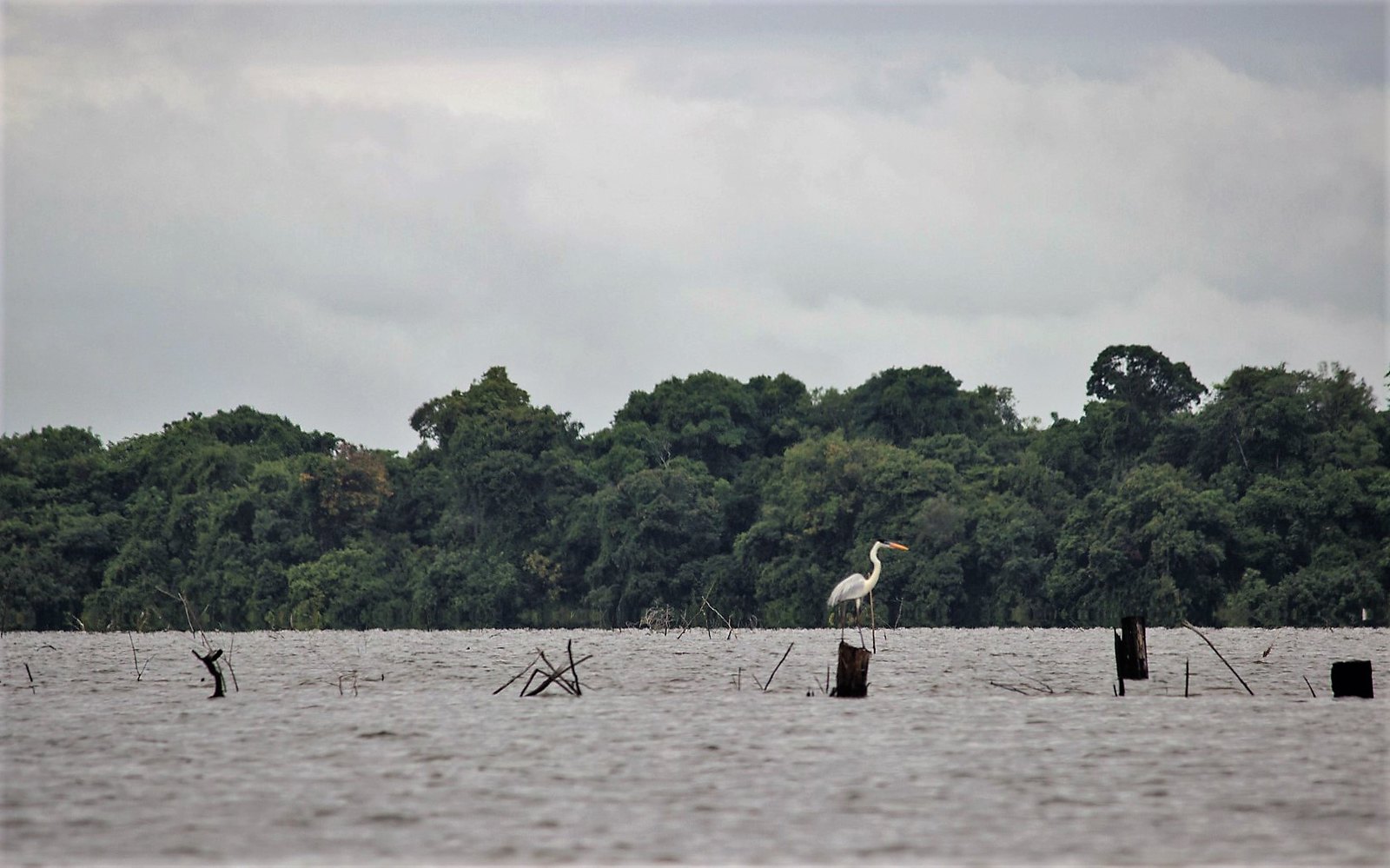
Foto: Amazon Watch / Maíra Irigaray.
A busca por justiça e reparação
Ao longo dos anos, o Ministério Público Federal do Pará, a Defensoria Pública e organizações da sociedade civil impetraram dezenas de ações judiciais em tribunais brasileiros para contestar as diversas irregularidades do projeto, bem como seus impactos. A maioria das ações permanece sem solução, algumas há mais de 10 anos.
Essas ações não obtiveram sucesso porque o governo federal tem reiteradamente anulado decisões favoráveis às comunidades afetadas, recorrendo a um mecanismo pelo qual o presidente do Supremo Tribunal Federal pode suspender uma decisão judicial com base unicamente em argumentos genéricos como "interesse nacional" ou "ordem econômica".
Diante da falta de respostas eficazes em nível nacional, a AIDA — juntamente com uma coalizão de organizações aliadas — levou o caso à Comissão Interamericana de Direitos Humanos (CIDH) e, em 2010, solicitou medidas cautelares para proteger a vida, a integridade e a saúde das comunidades indígenas afetadas.
Em 1º de abril de 2011, a CIDH concedeu essas medidas e solicitou ao Estado brasileiro a suspensão das licenças ambientais e de quaisquer obras de construção até que as condições relativas à consulta prévia e à proteção da saúde e integridade das comunidades fossem atendidas.
E, em 16 de junho de 2011, apresentamos uma denúncia formal à CIDH — juntamente com o Movimento Xingu Vivo Para Siempre, a Coordenação das Organizações Indígenas da Amazônia Brasileira, a Diocese de Altamira, o Conselho Missionário Indígena, a Sociedade Pará de Defesa dos Direitos Humanos e a Global Justice — contra o Estado brasileiro por sua responsabilidade internacional nas violações de direitos humanos contra os povos afetados neste caso. A denúncia foi apresentada em dezembro de 2015.
Em 3 de agosto de 2011, a CIDH modificou as medidas cautelares para solicitar — em vez da suspensão de licenças e obras — a proteção dos povos que vivem em isolamento voluntário, a saúde das comunidades indígenas e a regularização e proteção das terras ancestrais.
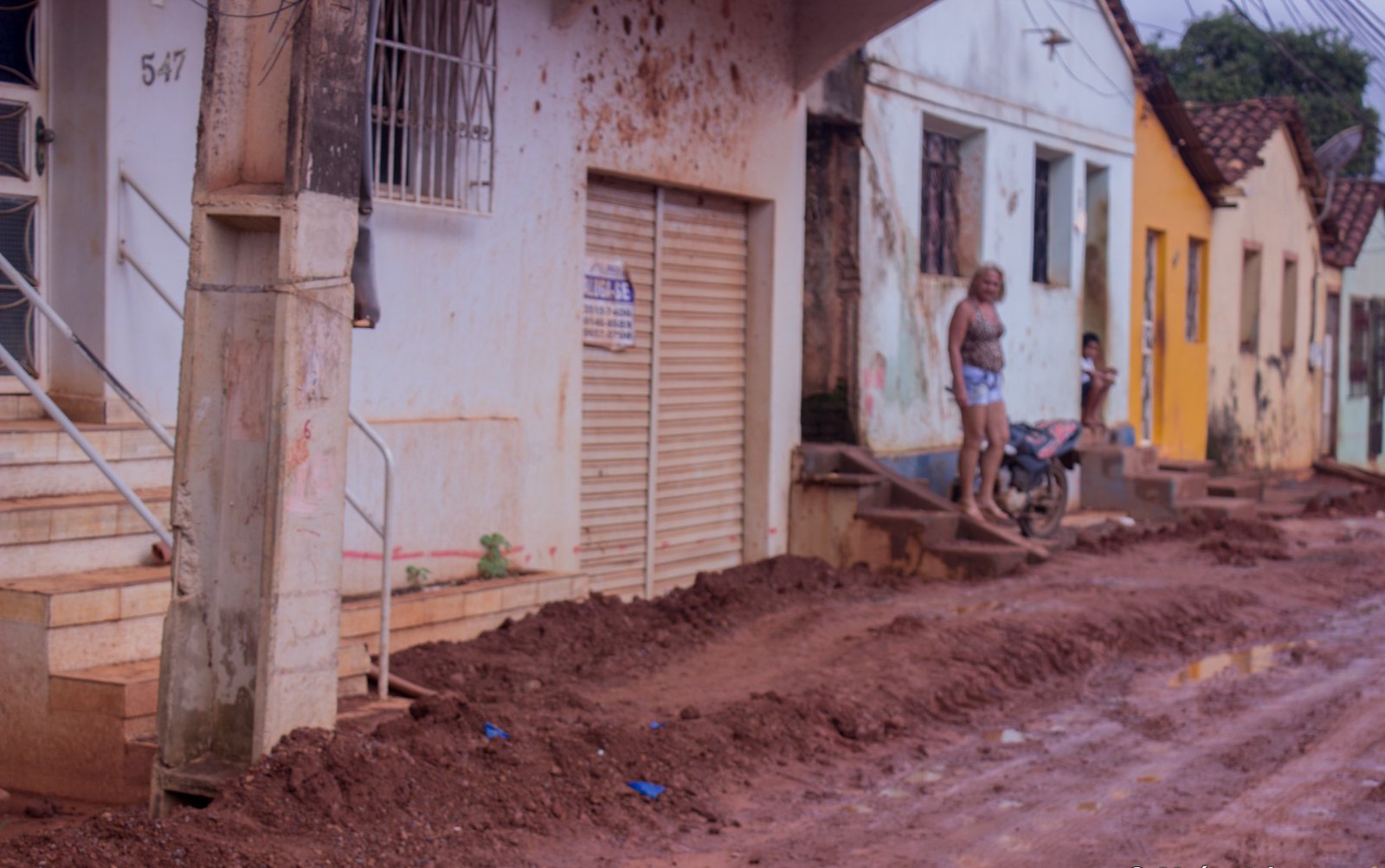
Foto: Amazon Watch / Maíra Irigaray.
Situação atual
As medidas de proteção concedidas pela CIDH permanecem em vigor, mas o Estado brasileiro não as cumpriu integralmente, relatando apenas ações genéricas. As comunidades documentaram as contínuas violações de seus direitos. A situação que motivou o pedido dessas medidas — o risco à vida, à segurança e aos meios de subsistência das comunidades — persiste e se agravou com a usina hidrelétrica operando em plena capacidade e com as recentes secas extremas na Amazônia.
Além do ocorrido em Belo Monte, existe o risco de maiores danos sociais e ambientais decorrentes da implementação de outro megaprojeto de mineração na Volta Grande do Xingu. Lá, a empresa canadense Belo Sun pretende construir a maior mina de ouro a céu aberto do Brasil.
Os impactos sinérgicos e cumulativos da usina e da mina não foram avaliados. O Estado excluiu povos indígenas, comunidades ribeirinhas e comunidades camponesas do processo de licenciamento ambiental do projeto. Apesar disso, dos protestos indígenas e de outras irregularidades em torno do projeto, o governo do estado do Pará autorizou formalmente a mina em abril de 2026.
Belo Monte, assim como outras usinas hidrelétricas, agrava a emergência climática ao gerar emissões de gases de efeito estufa em seu reservatório. Além disso, é ineficiente diante das secas prolongadas e intensas causadas pela crise, pois perde capacidade de geração de energia.
O caso perante a Comissão Interamericana
Em outubro de 2017, a CIDH anunciou que decidiria conjuntamente sobre a admissibilidade (se o caso preenche os requisitos para admissão) e o mérito (se houve, de fato, violação de direitos humanos) da denúncia internacional contra o Estado brasileiro.
Quinze anos após a apresentação da denúncia, as comunidades afetadas e as organizações que as representam ainda aguardam essa decisão. Caso a CIDH conclua que houve violações de direitos humanos e emita recomendações que o Estado brasileiro não cumpra, poderá encaminhar o caso à Corte Interamericana de Direitos Humanos, cujas decisões são vinculativas.
Uma possível decisão da Corte Internacional de Direitos Humanos neste caso estabeleceria um precedente jurídico regional em relação aos direitos dos povos indígenas e ribeirinhos, à participação pública em megaprojetos e à responsabilidade do Estado no contexto da crise climática. Isso é particularmente relevante à luz do Parecer Consultivo nº 32 da Corte, que reafirmou as obrigações dos Estados de proteger pessoas e comunidades em todo o continente da emergência climática.
Partners:
Related projects
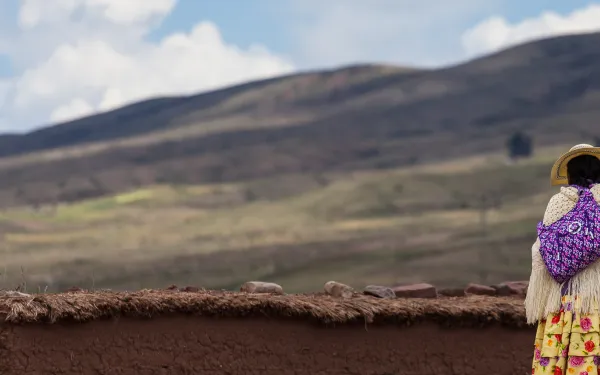
Toward environmental justice: 4 achievements for AIDA in 2022
Success stories are the result of processes that take time, perseverance and joint actions. Faced with the challenges of environmental degradation and the climate crisis, these precepts are more relevant than ever. They are a reminder that the defense of the environment is collective and long-term. For AIDA, 2022 was a year of important achievements in our efforts to contribute to environmental and climate justice in Latin America. These advances demonstrate the importance of collaboration and persistence. They are in turn precedents for litigation, advocacy and alliance-building in favor of the broader regional movement of which we are a part. 1. LA OROYA POLLUTION VICTIMS HEARD BY INTER-AMERICAN COURT People affected by toxic contamination from a metal smelter in the Andean city of La Oroya, Peru, presented their case before the Inter-American Court of Human Rights. More than 20 years after taking the case, AIDA succeeded in presenting their case before the international court and demonstrating the Peruvian government's responsibility in the violation of their rights. The eventual ruling is a historic opportunity to establish a key precedent upholding the right to a healthy environment in Latin America. LEARN MORE 2. DIGITAL PLATFORM STRENGTHENS CLIMATE LITIGATION IN LATIN AMERICA Climate litigation has the power to accelerate corporate and government accountability in the face of the climate crisis, and push actions to protect communities and ecosystems. To strengthen this growing movement, we created the Climate Litigation Platform for Latin America and the Caribbean, which currently displays more than 50 legal cases involving climate arguments. It is our contribution to facilitating the exchange of strategies and arguments among those who use the courts to defend the planet. LEARN MORE 3. INTERNATIONAL AGREEMENT CONTRIBUTES TO OCEAN RESILIENCE AIDA was part of the efforts of organizations, governments, academia and the private sector to reach a binding agreement at the World Trade Organization to curb harmful fisheries subsidies, including those that encourage illegal, overfished and unregulated fishing on the high seas. This will help reduce threats to the ocean, a key ally in addressing the climate crisis due to its ability to absorb the planet's excess heat and carbon dioxide emissions. LEARN MORE 4. REGIONAL ALLIANCE ELEVATES THE VOICE OF THE CLIMATE JUSTICE MOVEMENT In response to the need to change the narrative about the climate crisis and strengthen the voice of the movement for a just energy transition in the region, Presentes was born, an alliance coordinated by AIDA that brings together organizations, communities and environmental advocates. We joined together to communicate more strategically and reach more people through the exchange of knowledge and experiences, pedagogy, the use of digital tools and internal capacity building LEARN MORE We invite you to learn more about these achievements and AIDA's work during the year in our 2022 Annual Report
Read moreToward environmental justice: 4 achievements for AIDA in 2022
Success stories are the result of processes that take time, perseverance and joint actions. Faced with the challenges of environmental degradation and the climate crisis, these precepts are more relevant than ever. They are a reminder that the defense of the environment is collective and long-term. For AIDA, 2022 was a year of important achievements in our efforts to contribute to environmental and climate justice in Latin America. These advances demonstrate the importance of collaboration and persistence. They are in turn precedents for litigation, advocacy and alliance-building in favor of the broader regional movement of which we are a part. 1. LA OROYA POLLUTION VICTIMS HEARD BY INTER-AMERICAN COURT People affected by toxic contamination from a metal smelter in the Andean city of La Oroya, Peru, presented their case before the Inter-American Court of Human Rights. More than 20 years after taking the case, AIDA succeeded in presenting their case before the international court and demonstrating the Peruvian government's responsibility in the violation of their rights. The eventual ruling is a historic opportunity to establish a key precedent upholding the right to a healthy environment in Latin America. LEARN MORE 2. DIGITAL PLATFORM STRENGTHENS CLIMATE LITIGATION IN LATIN AMERICA Climate litigation has the power to accelerate corporate and government accountability in the face of the climate crisis, and push actions to protect communities and ecosystems. To strengthen this growing movement, we created the Climate Litigation Platform for Latin America and the Caribbean, which currently displays more than 50 legal cases involving climate arguments. It is our contribution to facilitating the exchange of strategies and arguments among those who use the courts to defend the planet. LEARN MORE 3. INTERNATIONAL AGREEMENT CONTRIBUTES TO OCEAN RESILIENCE AIDA was part of the efforts of organizations, governments, academia and the private sector to reach a binding agreement at the World Trade Organization to curb harmful fisheries subsidies, including those that encourage illegal, overfished and unregulated fishing on the high seas. This will help reduce threats to the ocean, a key ally in addressing the climate crisis due to its ability to absorb the planet's excess heat and carbon dioxide emissions. LEARN MORE 4. REGIONAL ALLIANCE ELEVATES THE VOICE OF THE CLIMATE JUSTICE MOVEMENT In response to the need to change the narrative about the climate crisis and strengthen the voice of the movement for a just energy transition in the region, Presentes was born, an alliance coordinated by AIDA that brings together organizations, communities and environmental advocates. We joined together to communicate more strategically and reach more people through the exchange of knowledge and experiences, pedagogy, the use of digital tools and internal capacity building LEARN MORE We invite you to learn more about these achievements and AIDA's work during the year in our 2022 Annual Report
Read more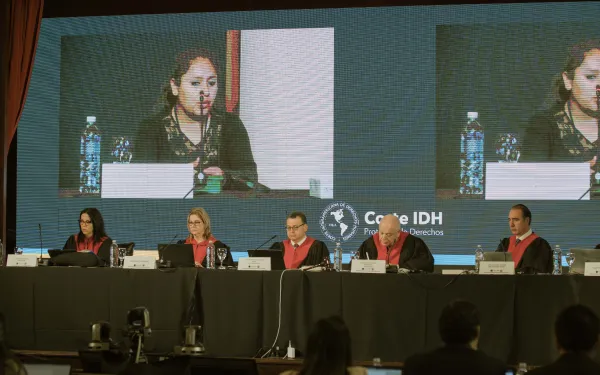
Organizations, coalitions, academia, and specialists support victims of toxic contamination in La Oroya
Experts filed 15 amicus briefs before the Inter-American Court of Human Rights upholding the central argument of the case: that the government of Peru is responsible for violating the human rights of residents of La Oroya for the lack of urgent and effective actions to address pollution from a metal smelter, and its harmful effects. San José, Costa Rica. Organizations, coalitions, academia, and specialists presented 15 legal briefs (Amicus curiae) before the Inter-American Court of Human Rights to support the case of residents of La Oroya against the government of Peru, for human rights resulting from a metal plant spewing toxic pollution into the Andean city for nearly 90 years. The briefs contain solid evidence that support the central argument of the case: that the Peruvian government—by not taking urgent and effective action to address the pollutions and its effects—is responsible for the violation of the rights to life, health, personal integrity, childhood, and a healthy environment of the residents of La Oroya. This argument as expressed in a public audience on October 12 and 13, when the international court heard from witnesses, experts, victims, and government representatives. The briefs, sent to the Court between October 11 and 28, demonstrate that the importance of the case surpasses the Peruvian context and represents a historic opportunity to establish a key precedent in Latin America, and the world, that strengthens the right to a healthy environment and government’s role supervising business activities. One of the briefs was presented by the University Network for Human Rights in partnership with a panel of experts: five former authorities from the Inter-American Commission on Human Rights (Tracy Robinson, James Cavallaro, Paulo de Tarso Vannuchi, Flávia Piovesan and Paulo Abrão) and three former Special Rapporteurs to the United Nations (John Knox, James Anaya, and Juan Méndez). Briefs were presented by Peruvian organizations— including the Technical Committee for Environmental and Human Health and the Civil Society Platform on Business and Human Rights—as well as from other countries in Latin America—the Mexican Center for Environmental Law (Mexico), Defensoria Ambiental (Chile), and Justice for Nature (Costa Rica)—and international organizations such as Earthjustice and The Center for Justice and Environmental Law. Furthering the international scope of the hearing, The Working Group for Strategic Litigation of Red-DESC and the United Nations Working Group on Business and Human Rights. From the academic sector, support came from the Human Rights Research and Education Center of the University of Ottawa (Canada), the Clinic for Human Rights of the Postgraduate Law School of the Pontificia Catholic University of Paraná (Brazil), and the Legal Clinic of Environmental and Public Health of the University of the Andes (Colombia). Other writings were presented by experts on the issues that the case addresses: David R. Boyd, Special Rapporteur to the UN on human rights and the environment, medical anthropologist Susana Ramírez, and attorneys Carla Luzuriaga-Salinas, Macarena Martinic Cristensen, and Ezio Costa Cordella. Following the hearing and the briefs, the next step in the legal process is to present written closing arguments a potential visit to La Oroya by the judges from the Court. The sentence, which cannot be appealed, is expected within six months. press contact Víctor Quintanilla (Mexico), AIDA, [email protected], +525570522107
Read more