
Project
Amazon Watch / Maíra Irigaray
Barragem de Belo Monte no rio Xingu: 10 anos de impactos na Amazônia e de busca por reparações
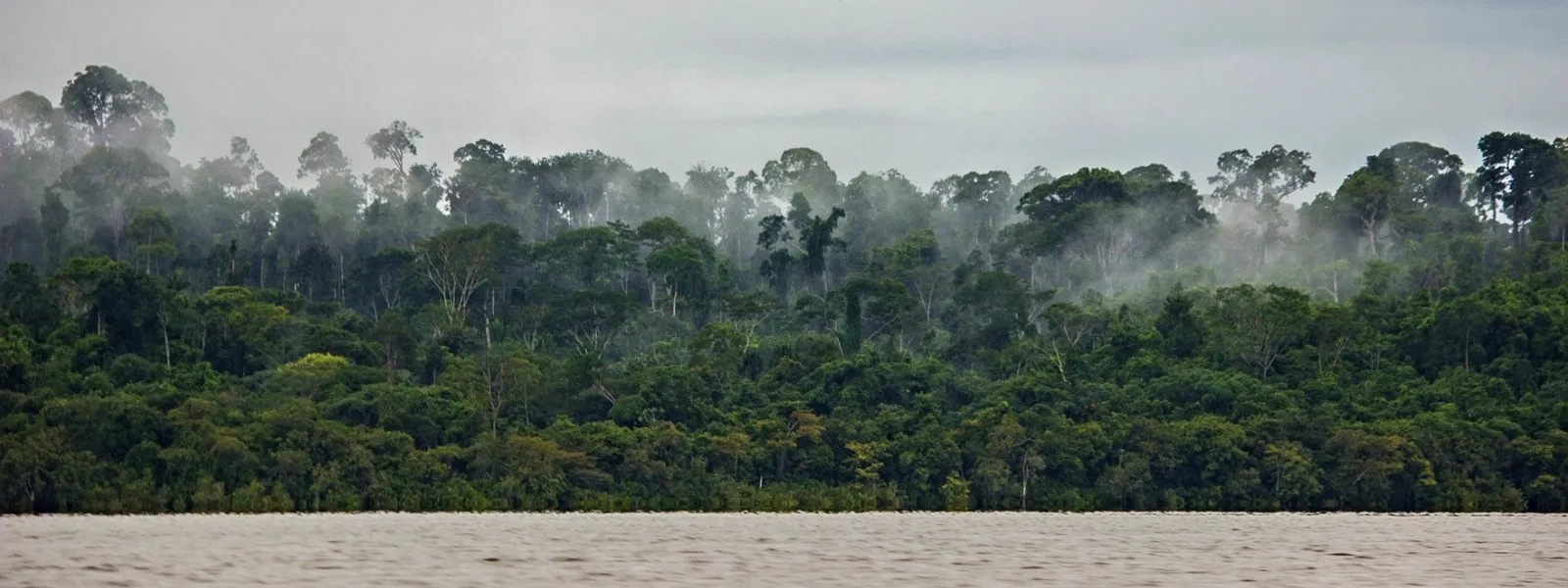
A usina hidrelétrica de Belo Monte causou um desastre ambiental e social no coração da Amazônia: um dos ecossistemas mais importantes do planeta.
Essa situação só piorou desde que a usina começou a operar em 2016. A busca por justiça e reparação para as comunidades indígenas e ribeirinhas afetadas continua até hoje.
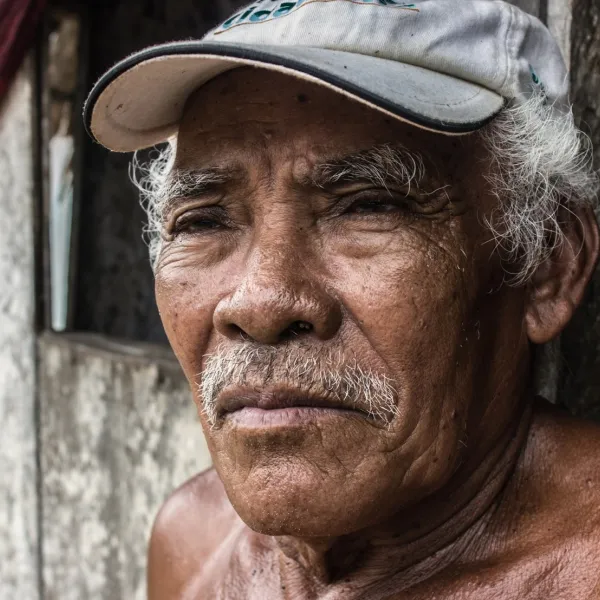
Em 2011, a Comissão Interamericana de Direitos Humanos (CIDH) concedeu a essas comunidades medidas de proteção, que até hoje não foram totalmente implementadas pelo Estado brasileiro.
E, desde junho daquele mesmo ano, a CIDH mantém um processo contra o Estado por sua responsabilidade internacional no caso.
A CIDH pode encaminhar o caso à Corte Interamericana de Direitos Humanos, que tem o poder de emitir uma sentença condenatória contra o Estado brasileiro.
Consulta o expediente de fatos do caso
Após 10 anos de operação da usina hidrelétrica e mais de 15 anos de violações de direitos humanos documentadas, é hora da justiça ser feita para as comunidades afetadas.
Leia a carta aberta das organizações que levam o caso à CIDH
Leia nosso comunicado à imprensa
Contexto
A usina hidrelétrica de Belo Monte — a quarta maior do mundo em capacidade instalada (11.233 MW) — foi construída no rio Xingu, no estado do Pará, norte do Brasil.
Foi inaugurada em 5 de maio de 2016, com uma única turbina. Naquela época, 80% do curso do rio foi desviado e 516 km² de terra foram inundados, uma área maior que a cidade de Chicago. Desse total, 400 km² eram de mata nativa. A usina começou a operar em plena capacidade em novembro de 2019.
Belo Monte foi construída e é operada pelo consórcio Norte Energia S.A., composto principalmente por empresas estatais. Foi financiada pelo Banco Nacional de Desenvolvimento Econômico e Social (BNDES), que aportou ao consórcio 25,4 bilhões de reais (aproximadamente US$ 10,16 bilhões), o maior investimento de sua história. Portanto, o BNDES também é legalmente responsável pelos impactos socioambientais associados ao projeto hidrelétrico.
Décadas de danos ambientais e humanos
As violações dos direitos humanos e a degradação da Amazônia remontam ao início do projeto. Em março de 2011, a Norte Energia iniciou a construção da barragem sem consulta adequada e sem o consentimento prévio, livre e informado das comunidades afetadas.
A construção levou ao deslocamento forçado de mais de 40.000 pessoas, rompendo laços sociais e culturais. O plano de reassentamento em Altamira — cidade diretamente afetada pelo projeto hidrelétrico — incluía moradias na periferia da cidade, sem serviços públicos adequados, moradias dignas para as famílias reassentadas e moradias diferenciadas para aqueles pertencentes a comunidades indígenas.
A operação da barragem de Belo Monte impôs uma seca permanente e artificial na Volta Grande do rio Xingu, agravada pelas secas históricas na Amazônia em 2023 e 2024. Como resultado, a morte de milhões de ovos de peixe foi documentada por quatro anos consecutivos (de 2021 a 2024) e, nos últimos três anos, não houve migração de peixes rio acima para desovar e se reproduzir. Assim, a pesca artesanal, principal fonte de proteína para os povos indígenas e comunidades ribeirinhas, foi severamente afetada: o consumo de peixe caiu de 50% para 30% do total de proteínas consumidas, sendo substituído por alimentos processados. Em suma, houve um colapso ambiental e humanitário que resultou no colapso da pesca como modo de vida tradicional, insegurança alimentar e falta de acesso à água potável para milhares de famílias, empobrecimento e doenças.
Além disso, a construção da barragem aumentou o desmatamento e intensificou a extração ilegal de madeira e a insegurança em terras indígenas e tribais, colocando em risco a sobrevivência dessas comunidades. Outra consequência foi o agravamento da pobreza e dos conflitos sociais, bem como a sobrecarga dos sistemas de saúde, educação e segurança pública em Altamira, cidade considerada a mais violenta do país em 2017, onde houve aumento do tráfico de pessoas e da violência sexual. Também foram registrados casos de violência contra defensores de direitos humanos envolvidos no caso.
Em 2025, durante a 30ª Conferência das Nações Unidas sobre Mudanças Climáticas (COP30), realizada no Brasil, o Ministério Público Federal classificou os danos causados por Belo Monte como ecocídio.
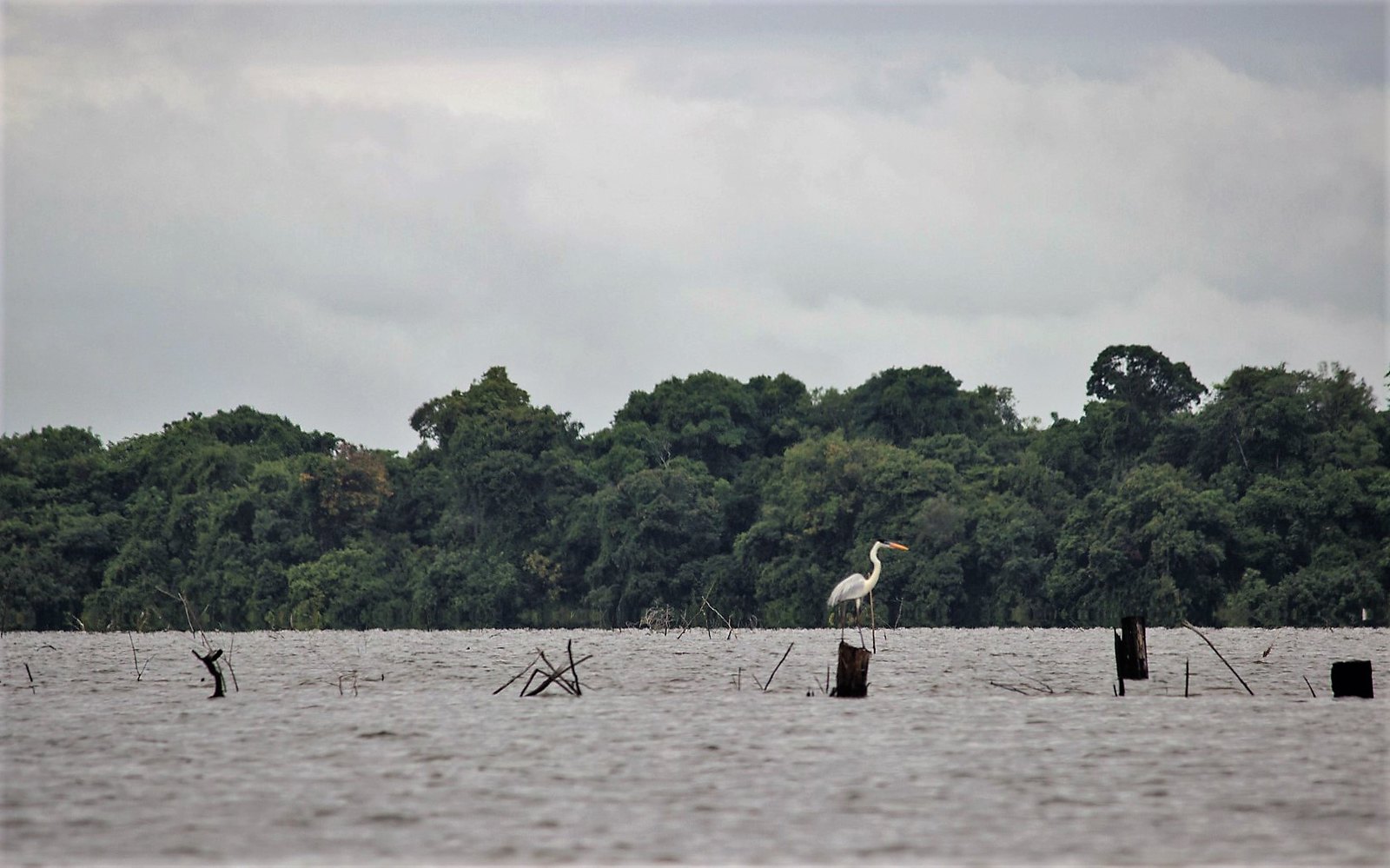
Foto: Amazon Watch / Maíra Irigaray.
A busca por justiça e reparação
Ao longo dos anos, o Ministério Público Federal do Pará, a Defensoria Pública e organizações da sociedade civil impetraram dezenas de ações judiciais em tribunais brasileiros para contestar as diversas irregularidades do projeto, bem como seus impactos. A maioria das ações permanece sem solução, algumas há mais de 10 anos.
Essas ações não obtiveram sucesso porque o governo federal tem reiteradamente anulado decisões favoráveis às comunidades afetadas, recorrendo a um mecanismo pelo qual o presidente do Supremo Tribunal Federal pode suspender uma decisão judicial com base unicamente em argumentos genéricos como "interesse nacional" ou "ordem econômica".
Diante da falta de respostas eficazes em nível nacional, a AIDA — juntamente com uma coalizão de organizações aliadas — levou o caso à Comissão Interamericana de Direitos Humanos (CIDH) e, em 2010, solicitou medidas cautelares para proteger a vida, a integridade e a saúde das comunidades indígenas afetadas.
Em 1º de abril de 2011, a CIDH concedeu essas medidas e solicitou ao Estado brasileiro a suspensão das licenças ambientais e de quaisquer obras de construção até que as condições relativas à consulta prévia e à proteção da saúde e integridade das comunidades fossem atendidas.
E, em 16 de junho de 2011, apresentamos uma denúncia formal à CIDH — juntamente com o Movimento Xingu Vivo Para Siempre, a Coordenação das Organizações Indígenas da Amazônia Brasileira, a Diocese de Altamira, o Conselho Missionário Indígena, a Sociedade Pará de Defesa dos Direitos Humanos e a Global Justice — contra o Estado brasileiro por sua responsabilidade internacional nas violações de direitos humanos contra os povos afetados neste caso. A denúncia foi apresentada em dezembro de 2015.
Em 3 de agosto de 2011, a CIDH modificou as medidas cautelares para solicitar — em vez da suspensão de licenças e obras — a proteção dos povos que vivem em isolamento voluntário, a saúde das comunidades indígenas e a regularização e proteção das terras ancestrais.
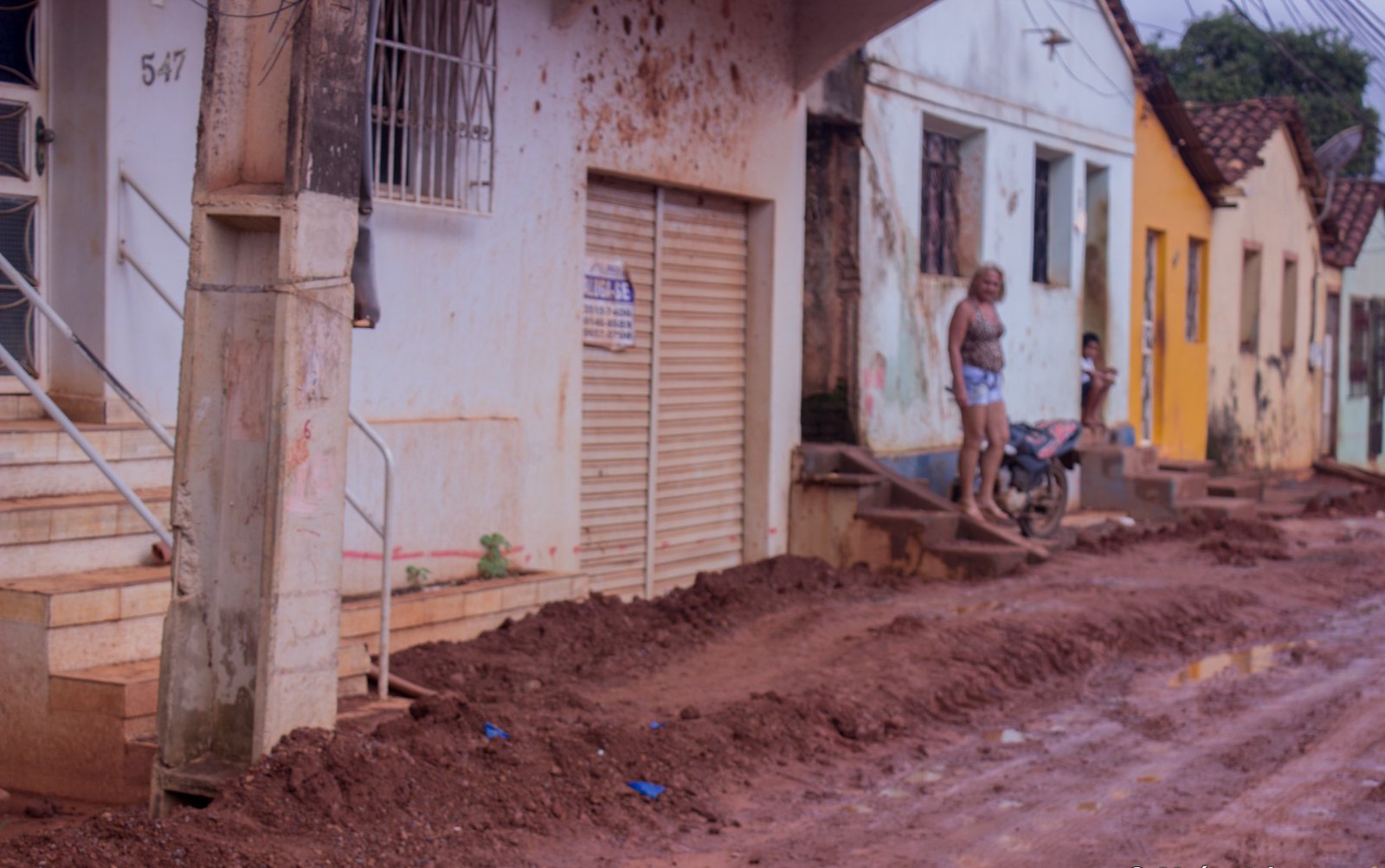
Foto: Amazon Watch / Maíra Irigaray.
Situação atual
As medidas de proteção concedidas pela CIDH permanecem em vigor, mas o Estado brasileiro não as cumpriu integralmente, relatando apenas ações genéricas. As comunidades documentaram as contínuas violações de seus direitos. A situação que motivou o pedido dessas medidas — o risco à vida, à segurança e aos meios de subsistência das comunidades — persiste e se agravou com a usina hidrelétrica operando em plena capacidade e com as recentes secas extremas na Amazônia.
Além do ocorrido em Belo Monte, existe o risco de maiores danos sociais e ambientais decorrentes da implementação de outro megaprojeto de mineração na Volta Grande do Xingu. Lá, a empresa canadense Belo Sun pretende construir a maior mina de ouro a céu aberto do Brasil.
Os impactos sinérgicos e cumulativos da usina e da mina não foram avaliados. O Estado excluiu povos indígenas, comunidades ribeirinhas e comunidades camponesas do processo de licenciamento ambiental do projeto. Apesar disso, dos protestos indígenas e de outras irregularidades em torno do projeto, o governo do estado do Pará autorizou formalmente a mina em abril de 2026.
Belo Monte, assim como outras usinas hidrelétricas, agrava a emergência climática ao gerar emissões de gases de efeito estufa em seu reservatório. Além disso, é ineficiente diante das secas prolongadas e intensas causadas pela crise, pois perde capacidade de geração de energia.
O caso perante a Comissão Interamericana
Em outubro de 2017, a CIDH anunciou que decidiria conjuntamente sobre a admissibilidade (se o caso preenche os requisitos para admissão) e o mérito (se houve, de fato, violação de direitos humanos) da denúncia internacional contra o Estado brasileiro.
Quinze anos após a apresentação da denúncia, as comunidades afetadas e as organizações que as representam ainda aguardam essa decisão. Caso a CIDH conclua que houve violações de direitos humanos e emita recomendações que o Estado brasileiro não cumpra, poderá encaminhar o caso à Corte Interamericana de Direitos Humanos, cujas decisões são vinculativas.
Uma possível decisão da Corte Internacional de Direitos Humanos neste caso estabeleceria um precedente jurídico regional em relação aos direitos dos povos indígenas e ribeirinhos, à participação pública em megaprojetos e à responsabilidade do Estado no contexto da crise climática. Isso é particularmente relevante à luz do Parecer Consultivo nº 32 da Corte, que reafirmou as obrigações dos Estados de proteger pessoas e comunidades em todo o continente da emergência climática.
Partners:
Related projects
Global South statement on climate finance ahead of COP27
COP27 must reach agreements for an equitable, sufficient and sustainable finance that ensures a just transition. The 26th Conference of the Parties (COP26) of the United Nations Framework Convention on Climate Change (UNFCCC), held in Glasgow, Scotland, was one of the most important conferences for the climate finance agenda. Relevant issues of climate finance, such as access, balance and long-term vision, were at the heart of the finance agenda. Moreover, the already complex discussions were exacerbated in the context of COVID-19 pandemic, causing a growing need for financing in developing countries, particularly in the most vulnerable regions. In this regard, COP27 must take up and agree on pending discussions to move forward with firm steps towards the implementation of the Paris Agreement, which mandates "to make financial flows consistent with a pathway towards low greenhouse gas emissions and climate-resilient development ". The most important aspects that countries must agree on at COP27 in Sharm el-Sheikh, Egypt, are: 1. Financing for a just transition, with a climate justice and gender focus: The Glasgow Pact integrates the concept of climate justice for the first time, but does not associate it with the issue of financing. Therefore, it is essential for COP 27 to recognize that finance is a fundamental means of implementation to achieve a just transition. Resources must be allocated with a climate justice and gender focus to foster an adequate distribution of finance that does not increase gender gaps, that is equitable across regions with a thematic balance. 2. Delivering on the $100 billion goal: At COP26, developed countries presented a progress report on the delivery of the $100 billion goal, which shows that the pledge is still not being met. COP27 should serve not only to present the progress made, but also to agree on a delivery plan that will make it possible to know the timing and instruments through which the financing will be transferred, which should not be less than US$500 billion for the period between 2020-2024. 3. Global stocktake and finance: Discussions at COP 27 on the global stocktake should lead to a better connection between needs and financial flows, as well as access to finance schemes, and address all the obstacles that allowed the adequate mobilization of resources in developing countries. 4. Increased funding for adaptation: At COP26, countries agreed to double adaptation finance by 2025, based on 2019 levels. At COP27, developed countries must present a satisfactory plan regarding how financing for adaptation will be doubled, and establish an ambitious goal to achieve a balance between mitigation and adaptation finance. This goal should aim for at least a 10-fold increase in adaptation finance and the plan should clearly include targeted support for the Adaptation Fund. 5. Financing for loss and damage: COP27 should be a milestone for loss and damage finance, achieving agreement on mechanisms to transfer financial resources to countries with the highest needs. On one hand, it is necessary to agree on the creation of a facility that will allow the establishment of medium and long-term goals in this matter. On the other hand, it is also necessary to establish a programmatic scheme in which the countries commit a percentage of their annual allocations to finance losses and damages. This funding should be additional to that earmarked for mitigation and adaptation. 6. A new collective quantified goal based on needs: The technical and high-level deliberations on the new collective quantified goal on climate finance should be based on the recognition of the current financial needs of developing countries. Support schemes for those that have not quantified their needs should be agreed, so that this information can be incorporated in the next 12 months, towards the 2024 negotiations. 7. Improved access to climate finance: At COP27, mandates should be established for multilateral financial mechanisms to make access to climate finance by local actors easier, faster, and more efficient, creating emergency windows in the event of crises, such as the COVID-19 pandemic. Financial mechanisms such as the Green Climate Fund should innovate in their access schemes, particularly for the most vulnerable populations. 8. Decarbonization of public finances: COP27 must recognize that achieving a just transition and complying with Article 2.1.c of the Paris Agreement entail decarbonizing public finances, both in developed and developing countries. For developing countries, this means accelerating the reduction of their dependence on carbon-intensive revenues, such as those from oil, gas and mining concessions, and the sale of gasoline, diesel and natural gas. A fundamental step is to end fossil fuel subsidies and diversify revenues by promoting domestic investments that support a just economic transition, generating new jobs and revenues to invest in national and local needs 9. Debt restructuring and debt-for-nature swaps: At COP27, the importance of mechanisms such as debt-for-nature and climate swaps should be recognized as a way to mobilize more climate finance. The external debt burden is preventing many countries from investing domestic resources to address the problem. International financial institutions and developed countries should facilitate debt restructuring, including debt-for-protection schemes, as a way to mobilize more climate finance, allowing developing countries to invest these resources to reduce emissions and increase resilience by protecting biodiversity, ecosystems and all livelihoods for global benefit. 10. Towards transformational finance: COP27 should mark a milestone in the understanding and mobilization of climate finance, starting with the assumption that current climate finance schemes will not help change the condescending dynamics that have existed within the framework of international cooperation. Combating climate change requires the transformation of economic systems, real collaboration and solidarity, in which it is not only the amount of finance mobilized that matters. The quality of these resources should beequally important to ensure finance reaches those that need it the most, without generating additional burdens on women and vulnerable groups. It is time to transform the finance paradigm to make it more effective, fair and truly sustainable. Adhere to: AIDA Barranquilla +20 CEMDA Chile Sustentable Defensoría Ambiental Fernando Aguilera Fundación Hábitat Verde Fundación Plurales GFLAC Hub’s de Finanzas Sostenibles de GFLAC Instituto de Derecho Ambiental y Desarrollo Sustentable (IDEADS) Instituto Talanoa La Corporación La Caleta OLAC Plataforma CIPÓ Red Mundial de Jóvenes Políticos - Santa Cruz Bolivia
Read more
Victims of toxic contamination in La Oroya take their voice before the Inter-American Court
There’s no deadline that won’t be met. And so, after a 20-year quest for justice, the habitants of the small Andean city of La Oroya, Peru appeared before the Inter-American Court of Human Rights. On October 12 and 13, the judges of the high international court heard their complaint against the government of Peru for the serious violation of human rights derived from a metal smelter that has contaminated La Oroya for almost 90 years. The city has been documented as one of the most polluted places on the planet. "The contamination from the La Oroya Metallurgical Complex has permeated every component of its inhabitants' environment: the water they drink, the soil they walk on, the air they breathe, the schoolyards and the mountains that frame their living environment," said AIDA's attorney Liliana Avila, as she presenting closing arguments in the case. Brave Testimonies At the hearing in Montevideo, Uruguay, three affected former residents of La Oroya gave their testimony. They are just a few of the more than 80 courageous people who filed the lawsuit—those residents willing to defend their right to live in a healthy environment despite the context of harassment they have faced because of it. "The period in which the metal smelter developed was disastrous. The toxic gases emanating from the complex created a thick mist that turned into a dandruff that coated the faces of the children,” recalled Rosa Amaro, a 74-year-old mother who chaired the Movement for Health in La Oroya, where she lived until 2017. “We tried to survive, but the government was like a father who turned his back to us.” Dressed in warm clothes and a woolen hat, Rosa's face, body and voice bore the indelible marks of the passing years, deteriorating health and the fear that forced her to leave her hometown. "They call us enemies of La Oroya." In tears, Rosa expressed to the court her desire to return home and to see her name cleared of all stigmas. "Our struggle is not for one, it is for an entire population". The case represents many more residents of La Oroya who, for fear of reprisals, are not named in the lawsuit. After testifying, Rosa felt relieved of a heavy burden and with enough strength to continue. The population of La Oroya has breathed multiple toxic substances that, according to scientific evidence, cause serious risks to human health. The contamination with lead and other heavy metals has burst into their respiratory system, traveled through their bloodstream and has been deposited imperceptibly in their vital organs. "I didn’t have a childhood because I spent it locked up in four walls, not because they wouldn’t let me go out, but because of the discomfort, because our throats were itchy,” Maricruz Aliaga, 28, told the court. “When we went to school, my mother protected us [from the ashes] with a hat." The contamination has affected her memory and is the reason why, even today, her body is paralyzed several times a year. “In Huancayo, I could breathe.” As a child, Maricruz’s vacations to the neighboring city made her realize that it was not normal to watch the plants she took to school die after just 15 days. Following a lifetime of hostility due to her family’s activism, she now lives in another city, and the effects on their health were her main motivation to study nursing. The toxic elements from the smelter remain in the bodies of those who lived and grew in La Oroya. Their presence has caused health problems, many of them irreversible, and may generate new illnesses in the future. "The only thing we want, since we are no longer going to enjoy good health—that is already done, my health is already destroyed—is for future generations to enjoy good health," Yolanda Zurita added in her testimony before the court. "That will be our reward, our satisfaction; that is what we are looking for." The road to justice Reaching this point has not been easy. On behalf of the victims, and with the support of the Asociación Pro Derechos Humanos (APRODEH), in 2006 AIDA filed the international complaint against the Peruvian government. Finally, in October 2021—15 years after the process began—the Inter-American Commission on Human Rights (IACHR) established the government's responsibility for right violations and referred the case to the Inter-American Court. Preparation for the hearing began at that time and intensified in the weeks leading up to it. The long hours of work were reflected in the solidity with which we demonstrated that the government is responsible for violating the rights to life, health, personal integrity, children and a healthy environment of the inhabitants of La Oroya. At the hearing we presented four main arguments: The existence of serious environmental contamination, The risk and causal link with the damages derived from that contamination, The government’s knowledge of that situation, and The absence of urgent and effective measures to respond to it. In addition, we called in experts whose testimony amply supported our allegations. Two of them presented their findings at the hearing. "The duty of care does not arise with clinical harm, but with the risk of harm," emphasized Marcos Orellana, UN Special Rapporteur on the human rights implications of exposure to hazardous substances and toxic waste. In addition, Marisol Yañez, a psychosocial expert, demonstrated based on 61 in-depth interviews, four focus groups and psychometric tests the existence of "environmental suffering," aggravated by impunity and stigmatization. After the hearing, there remains the written presentation of the arguments and a potential visit to La Oroya by the judges of the Court. The sentence, which cannot be appealed, is expected within the next six months. The importance of the case goes beyond the Peruvian context and represents a historic opportunity to establish a key precedent for all of Latin America. "This is the first case before this court with the potential to develop in-depth violations of the right to a healthy environment as the result of government action regarding public and private companies,” explained Jorge Meza Flores, deputy executive secretary of the IACHR's Petitions and Cases System. Taking into account what is at stake is undoubtedly fundamental when the national debate around La Oroya has prioritized, even in these days, the possible reactivation of the metal smelter over the protection of the fundamental rights and health of an entire population.
Read more
Headed for Egypt: What can we expect from COP27?
By Javier Dávalos, Liliana Ávila and Verónica Méndez* The context in which the 27th United Nations Climate Change Conference (COP27) is taking place—from November 6 to 18 in Sharm El-Sheikh, Egypt—is not particularly encouraging. It will not be easy to address the return to intensive use of fossil fuels in several countries—largely motivated by the economic crisis from the pandemic and the conflict between Russia and Ukraine—and the growing reports of increasingly intense and frequent extreme events due to climate change. At the same time, however, the climate movement is growing stronger, along with the need for systemic and concrete changes. COP27 is a new opportunity for nations to respond with action to the demands of their citizens. At the previous COP in Glasgow, leaders decided that countries should adopt more ambitious measures to combat climate change and comply with the Paris Agreement: to limit global warming to far below 2°C, preferably at 1.5°C, above pre-industrial levels. AIDA will participate in COP27 as an accredited observer, along with our allies, to advocate once again for strong progress on climate action. What is it that most encourages us to participate? Below are some of the main advances we expect from COP27. 1. More Ambitious Nationally Determined Contributions (NDCs) NDCs are how national governments communicate and measure the targets they will adopt to confront the climate crisis. In his first report, Ian Fry, the UN Special Rapporteur on the promotion and protection of human rights in the context of climate change, stated that "the global response to reduce greenhouse gas emissions has been wholly inadequate." In the Glasgow Climate Pact, countries reaffirmed their commitment to limit the global average temperature increase to 1.5°C and to increase the ambition of their NDCs. It is therefore imperative that all countries update their NDCs (only 24 have done so), so that they ensure the inclusion of concrete and ambitious measures and actions. Doing so ensures that countries will continue to make progress and comply with their common, but differentiated, responsibilities as established by the Paris Agreement. 2. Financing for Loss and Damage: Now! Climate change is generating widespread loss and damage. Measures to mitigate and adapt to these losses are late in arriving, leading to a global human rights crisis. States must address this situation in a committed manner. Special Rapporteur Ian Fry notes that there is a need to create a financing mechanism to help people recover from climate change impacts that are beyond their capacity to adapt. In Glasgow there was no consensus on the creation of such a mechanism. The demand for COP27 is to include the issue in the discussion and to push for the adoption of a financing mechanism with strict operating criteria, a human rights perspective, and clear accountability mechanisms. It is also vital to have measurable results on the working of the Santiago Network on Loss and Damage, created at COP25. Demands regarding loss and damage will become an increasingly relevant issue. A strong climate movement, driven mainly by the countries of the South, is arriving in Egypt to ensure progress. 3. Promoting a Just Energy Transition The Intergovernmental Panel on Climate Change (IPCC), in its sixth report on mitigation, indicated that the reduction of greenhouse gas emissions requires significant and urgent transitions, including a substantial reduction in the overall use of fossil fuels. This will perhaps be one of the most debated issues at the conference. Unfortunately, following the Russian invasion of Ukraine, countries that had made progress in the decarbonization of the energy sector have increasingly turned back to fossil fuel production in the face of high energy prices. In addition, there is increased pressure on Latin America to continue exporting fossil fuels. Energy transition is not only an urgent necessity, however, it is also an opportunity to promote justice and equity for the people and species that inhabit the planet. We must move toward decarbonization but we must do so in a just manner, with a comprehensive, democratic and pluralistic transformation process. At COP27, it’s expected that countries will be evaluated on the progress of their commitments to phase out coal-fired power generation and fossil fuel subsidies, as well as their progress toward global reduction of methane emissions. 4. A Conference Free of Corporate Control and Available to All Voices The path to climate justice and many of the issues being addressed at the climate conferences require a diversity of voices, many of which face significant barriers to being heard. Added to this is a disproportionate presence of industries and corporations with agendas aimed directly at defending business interests over the common good and the planet. This creates serious challenges toward achieving more ambitious progress. Rapporteur Fry rightly pointed out that conference venues "are increasingly expensive and difficult for indigenous peoples and civil society organizations to attend." Civil society has expressed its firm opposition to the fact that the most polluting actors are both judge and jury in the matter. The specific demand is for a review of the sponsorship guidelines so that climate conferences do without the contributions of major polluters and so that, starting with COP27, there is a truly equitable inclusion of all actors, especially those who are on the front line of the climate crisis and suffer directly from its consequences. The climate struggle is here to stay. It is a growing and vibrant movement that will not stop until real commitments are made. According to the IPCC, COP27 keeps open the "window of opportunity to ensure a livable and sustainable future." It’s the space where actors converge to defend their interests with that purpose in mind. Governments and other participants must see the climate conferences as a space to advance towards climate justice, to avoid reaching a point of no return, and to put people and the planet at the center of the climate conversation. *Javier Dávalos is coordinator of AIDA's Climate Program, Liliana Ávila is coordinator of the organization's Human Rights and Environment Program, and Verónica Méndez is an attorney with the Climate Program.
Read more