
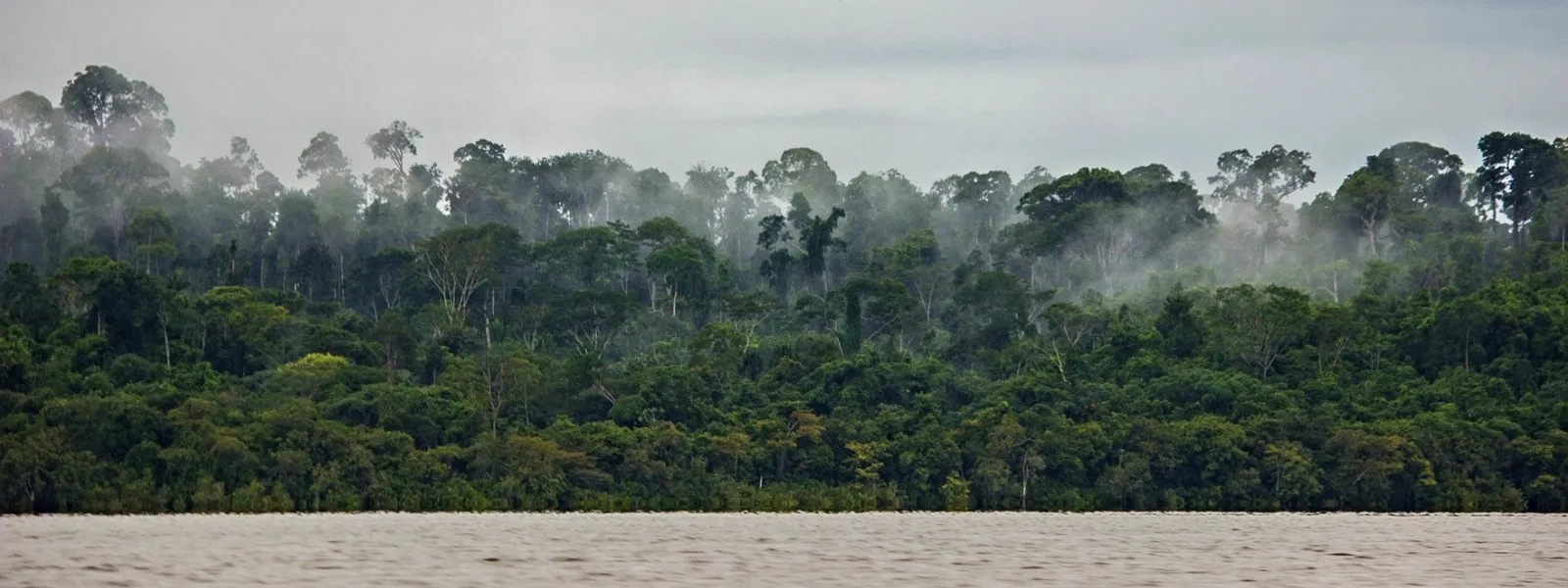
Project
Amazon Watch / Maíra Irigaray
Barragem de Belo Monte no rio Xingu: 10 anos de impactos na Amazônia e de busca por reparações
A usina hidrelétrica de Belo Monte causou um desastre ambiental e social no coração da Amazônia: um dos ecossistemas mais importantes do planeta.
Essa situação só piorou desde que a usina começou a operar em 2016. A busca por justiça e reparação para as comunidades indígenas e ribeirinhas afetadas continua até hoje.
Em 2011, a Comissão Interamericana de Direitos Humanos (CIDH) concedeu a essas comunidades medidas de proteção, que até hoje não foram totalmente implementadas pelo Estado brasileiro.
E, desde junho daquele mesmo ano, a CIDH mantém um processo contra o Estado por sua responsabilidade internacional no caso.
A CIDH pode encaminhar o caso à Corte Interamericana de Direitos Humanos, que tem o poder de emitir uma sentença condenatória contra o Estado brasileiro.
Consulta o expediente de fatos do caso
Após 10 anos de operação da usina hidrelétrica e mais de 15 anos de violações de direitos humanos documentadas, é hora da justiça ser feita para as comunidades afetadas.
Leia a carta aberta das organizações que levam o caso à CIDH
Leia nosso comunicado à imprensa
Contexto
A usina hidrelétrica de Belo Monte — a quarta maior do mundo em capacidade instalada (11.233 MW) — foi construída no rio Xingu, no estado do Pará, norte do Brasil.
Foi inaugurada em 5 de maio de 2016, com uma única turbina. Naquela época, 80% do curso do rio foi desviado e 516 km² de terra foram inundados, uma área maior que a cidade de Chicago. Desse total, 400 km² eram de mata nativa. A usina começou a operar em plena capacidade em novembro de 2019.
Belo Monte foi construída e é operada pelo consórcio Norte Energia S.A., composto principalmente por empresas estatais. Foi financiada pelo Banco Nacional de Desenvolvimento Econômico e Social (BNDES), que aportou ao consórcio 25,4 bilhões de reais (aproximadamente US$ 10,16 bilhões), o maior investimento de sua história. Portanto, o BNDES também é legalmente responsável pelos impactos socioambientais associados ao projeto hidrelétrico.
Décadas de danos ambientais e humanos
As violações dos direitos humanos e a degradação da Amazônia remontam ao início do projeto. Em março de 2011, a Norte Energia iniciou a construção da barragem sem consulta adequada e sem o consentimento prévio, livre e informado das comunidades afetadas.
A construção levou ao deslocamento forçado de mais de 40.000 pessoas, rompendo laços sociais e culturais. O plano de reassentamento em Altamira — cidade diretamente afetada pelo projeto hidrelétrico — incluía moradias na periferia da cidade, sem serviços públicos adequados, moradias dignas para as famílias reassentadas e moradias diferenciadas para aqueles pertencentes a comunidades indígenas.
A operação da barragem de Belo Monte impôs uma seca permanente e artificial na Volta Grande do rio Xingu, agravada pelas secas históricas na Amazônia em 2023 e 2024. Como resultado, a morte de milhões de ovos de peixe foi documentada por quatro anos consecutivos (de 2021 a 2024) e, nos últimos três anos, não houve migração de peixes rio acima para desovar e se reproduzir. Assim, a pesca artesanal, principal fonte de proteína para os povos indígenas e comunidades ribeirinhas, foi severamente afetada: o consumo de peixe caiu de 50% para 30% do total de proteínas consumidas, sendo substituído por alimentos processados. Em suma, houve um colapso ambiental e humanitário que resultou no colapso da pesca como modo de vida tradicional, insegurança alimentar e falta de acesso à água potável para milhares de famílias, empobrecimento e doenças.
Além disso, a construção da barragem aumentou o desmatamento e intensificou a extração ilegal de madeira e a insegurança em terras indígenas e tribais, colocando em risco a sobrevivência dessas comunidades. Outra consequência foi o agravamento da pobreza e dos conflitos sociais, bem como a sobrecarga dos sistemas de saúde, educação e segurança pública em Altamira, cidade considerada a mais violenta do país em 2017, onde houve aumento do tráfico de pessoas e da violência sexual. Também foram registrados casos de violência contra defensores de direitos humanos envolvidos no caso.
Em 2025, durante a 30ª Conferência das Nações Unidas sobre Mudanças Climáticas (COP30), realizada no Brasil, o Ministério Público Federal classificou os danos causados por Belo Monte como ecocídio.
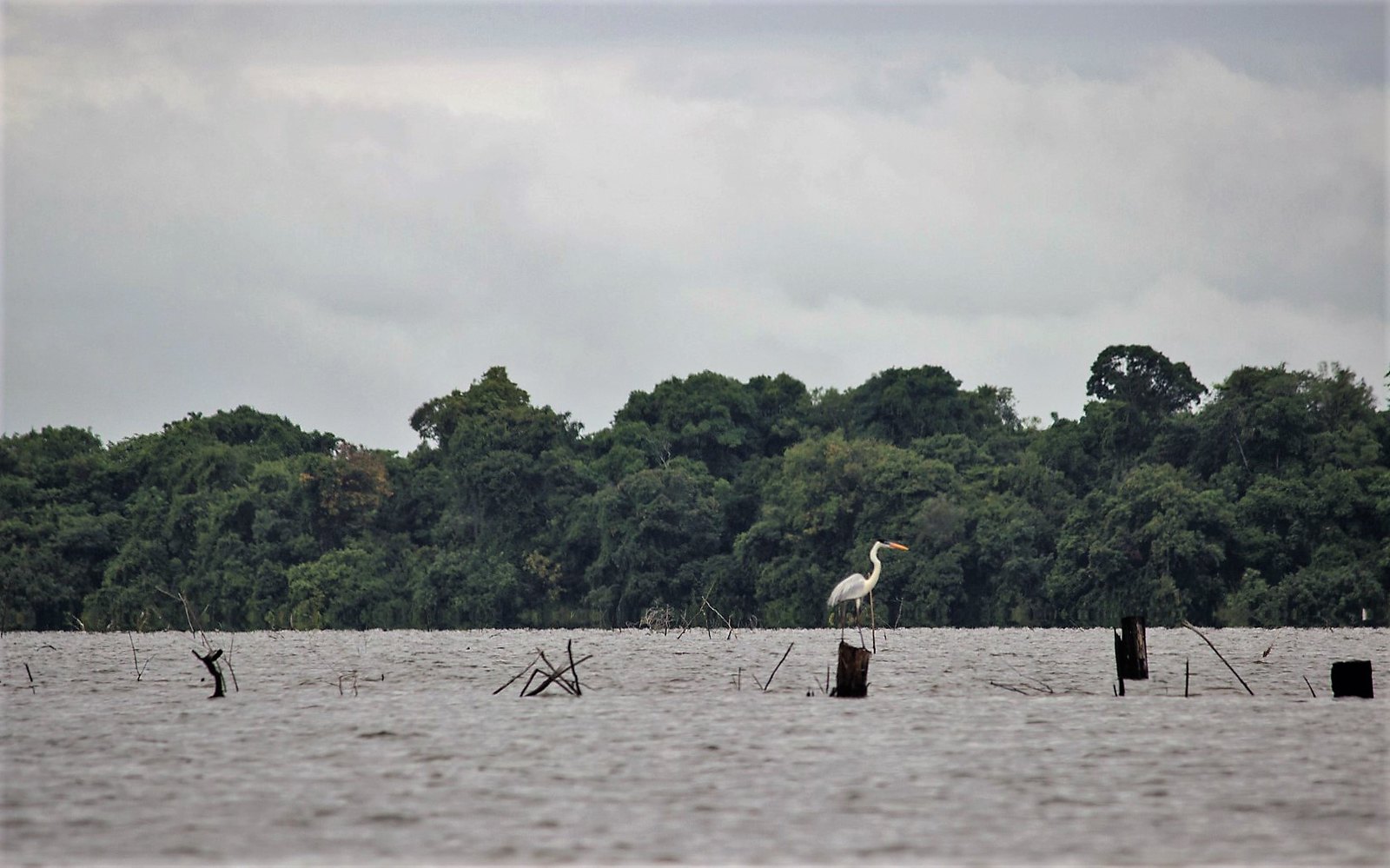
Foto: Amazon Watch / Maíra Irigaray.
A busca por justiça e reparação
Ao longo dos anos, o Ministério Público Federal do Pará, a Defensoria Pública e organizações da sociedade civil impetraram dezenas de ações judiciais em tribunais brasileiros para contestar as diversas irregularidades do projeto, bem como seus impactos. A maioria das ações permanece sem solução, algumas há mais de 10 anos.
Essas ações não obtiveram sucesso porque o governo federal tem reiteradamente anulado decisões favoráveis às comunidades afetadas, recorrendo a um mecanismo pelo qual o presidente do Supremo Tribunal Federal pode suspender uma decisão judicial com base unicamente em argumentos genéricos como "interesse nacional" ou "ordem econômica".
Diante da falta de respostas eficazes em nível nacional, a AIDA — juntamente com uma coalizão de organizações aliadas — levou o caso à Comissão Interamericana de Direitos Humanos (CIDH) e, em 2010, solicitou medidas cautelares para proteger a vida, a integridade e a saúde das comunidades indígenas afetadas.
Em 1º de abril de 2011, a CIDH concedeu essas medidas e solicitou ao Estado brasileiro a suspensão das licenças ambientais e de quaisquer obras de construção até que as condições relativas à consulta prévia e à proteção da saúde e integridade das comunidades fossem atendidas.
E, em 16 de junho de 2011, apresentamos uma denúncia formal à CIDH — juntamente com o Movimento Xingu Vivo Para Siempre, a Coordenação das Organizações Indígenas da Amazônia Brasileira, a Diocese de Altamira, o Conselho Missionário Indígena, a Sociedade Pará de Defesa dos Direitos Humanos e a Global Justice — contra o Estado brasileiro por sua responsabilidade internacional nas violações de direitos humanos contra os povos afetados neste caso. A denúncia foi apresentada em dezembro de 2015.
Em 3 de agosto de 2011, a CIDH modificou as medidas cautelares para solicitar — em vez da suspensão de licenças e obras — a proteção dos povos que vivem em isolamento voluntário, a saúde das comunidades indígenas e a regularização e proteção das terras ancestrais.
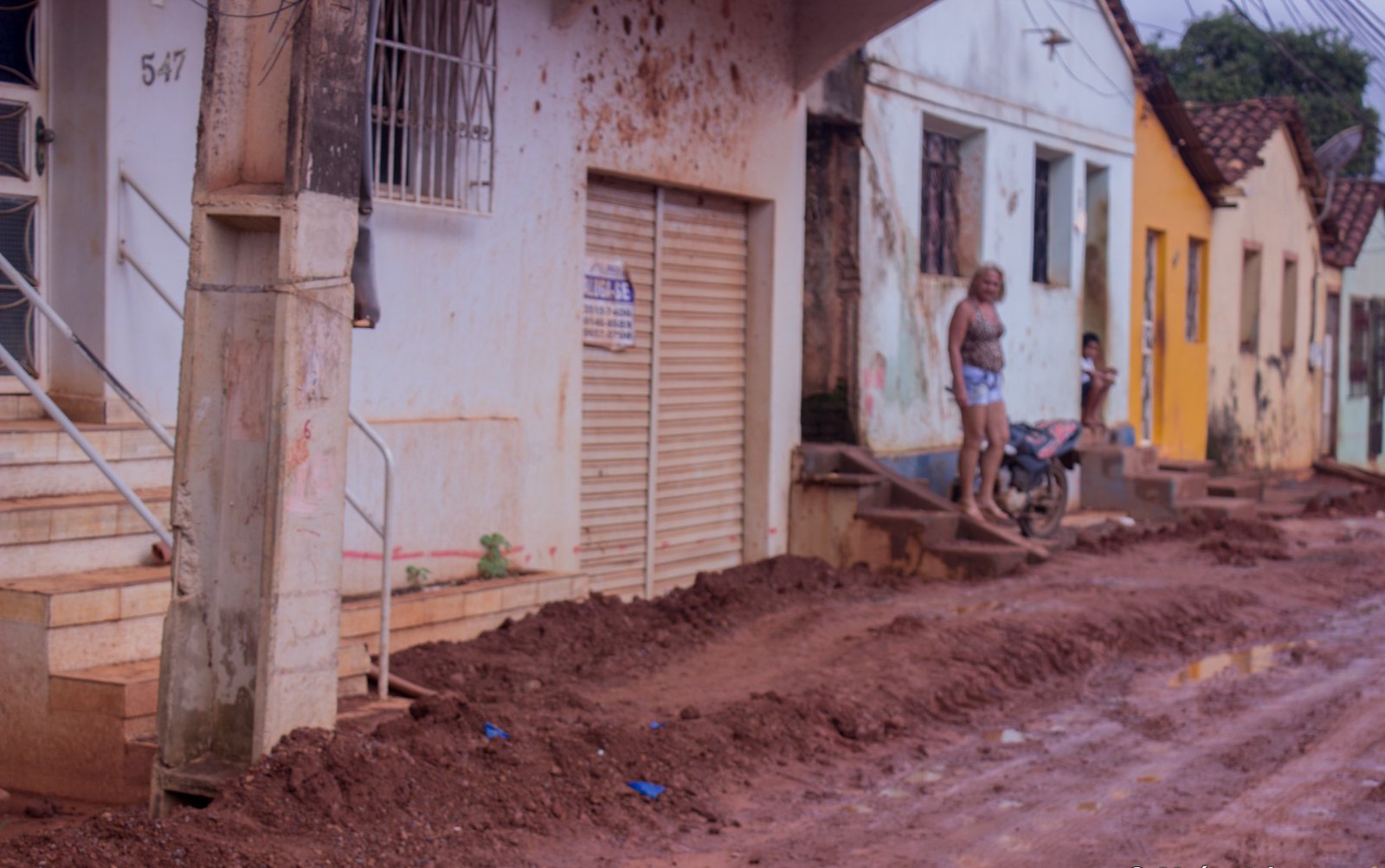
Foto: Amazon Watch / Maíra Irigaray.
Situação atual
As medidas de proteção concedidas pela CIDH permanecem em vigor, mas o Estado brasileiro não as cumpriu integralmente, relatando apenas ações genéricas. As comunidades documentaram as contínuas violações de seus direitos. A situação que motivou o pedido dessas medidas — o risco à vida, à segurança e aos meios de subsistência das comunidades — persiste e se agravou com a usina hidrelétrica operando em plena capacidade e com as recentes secas extremas na Amazônia.
Além do ocorrido em Belo Monte, existe o risco de maiores danos sociais e ambientais decorrentes da implementação de outro megaprojeto de mineração na Volta Grande do Xingu. Lá, a empresa canadense Belo Sun pretende construir a maior mina de ouro a céu aberto do Brasil.
Os impactos sinérgicos e cumulativos da usina e da mina não foram avaliados. O Estado excluiu povos indígenas, comunidades ribeirinhas e comunidades camponesas do processo de licenciamento ambiental do projeto. Apesar disso, dos protestos indígenas e de outras irregularidades em torno do projeto, o governo do estado do Pará autorizou formalmente a mina em abril de 2026.
Belo Monte, assim como outras usinas hidrelétricas, agrava a emergência climática ao gerar emissões de gases de efeito estufa em seu reservatório. Além disso, é ineficiente diante das secas prolongadas e intensas causadas pela crise, pois perde capacidade de geração de energia.
O caso perante a Comissão Interamericana
Em outubro de 2017, a CIDH anunciou que decidiria conjuntamente sobre a admissibilidade (se o caso preenche os requisitos para admissão) e o mérito (se houve, de fato, violação de direitos humanos) da denúncia internacional contra o Estado brasileiro.
Quinze anos após a apresentação da denúncia, as comunidades afetadas e as organizações que as representam ainda aguardam essa decisão. Caso a CIDH conclua que houve violações de direitos humanos e emita recomendações que o Estado brasileiro não cumpra, poderá encaminhar o caso à Corte Interamericana de Direitos Humanos, cujas decisões são vinculativas.
Uma possível decisão da Corte Internacional de Direitos Humanos neste caso estabeleceria um precedente jurídico regional em relação aos direitos dos povos indígenas e ribeirinhos, à participação pública em megaprojetos e à responsabilidade do Estado no contexto da crise climática. Isso é particularmente relevante à luz do Parecer Consultivo nº 32 da Corte, que reafirmou as obrigações dos Estados de proteger pessoas e comunidades em todo o continente da emergência climática.
Partners:
Related projects

Commitments to marine conservation: A look back at Our Ocean 2023
"Our ocean, our connection." That was the theme of the eighth Our Ocean Conference, held March 2-3 in Panama, the first Latin American country to host the annual event. The conference began in 2014 as an initiative of the U.S. State Department to draw international attention to the serious global threats to the ocean and to secure to concrete commitments for marine conservation and sustainable development. The event brought together heads of state and representatives of the private sector, civil society and academic institutions under the specific objective of highlighting the urgency of implementing effective area-based management measures as part of interconnected systems including marine protected areas, the development of a global blue economy, and approaching innovative solutions to marine pollution. An AIDA delegation attended the conference and participated in the plenary sessions and side events. The following is a summary of the event. The inspiring The focus of the conference Our Ocean is not a space for sharing knowledge about this vast ecosystem and its biodiversity. The environmental community already knows for certain that the ocean must be effectively protected as soon as possible and that there is no need to present further evidence of the multiple services it has provided to humanity for centuries. The conference brought together leaders and ministers to advance international agreements and pressure nations to commit to taking the necessary steps to protect the ocean. The power of a generation The voice of youth was prominent throughout the conference, represented for example by more than 70 members of the Sustainable Ocean Alliance (SOA), which since 2014 has built the world's largest network of new generations of people working to create solutions to the ocean's greatest challenges. Hearing youth leaders speak passionately about the importance of caring for the planet for generations to come was encouraging. As the youngest member of AIDA, I found inspiration in meeting other young people advocating for the ocean and its biodiversity. In my daily work I’m surrounded by news and numbers about the damage humanity has caused to the ocean and being part of this conference helped me see the other side of the coin. Those of us who are actively working for a healthier, cleaner and more protected ocean are part of the change and, in large part, it is thanks to us that high officials have stopped to look at the evidence and take concrete action. It is this generation that will inherit the management of the ecological crisis, whose voice deserves to be reflected in commitments to improve the way we relate to the ocean. The positive Support for seabed defense AIDA co-hosted a side event on deep-sea mining with the not-so-simple task of bringing together decision-makers to support a moratorium on deep-sea mining and seabed protection. Thanks to the impetus of a group of co-organizers—including young people from Comms Inc, The Oxygen Project, Only One and SOA—Palau President Surangel Whipps Jr. and Fiji Prime Minister Sitiveni Rabuka attended the event. High-level representatives from Latin American and European countries also attended. It was a space for dialogue between civil society and invited authorities that resulted in encouraging commitments, including France's commitment (seconded by Germany) to invest in scientific research of the seabed and to stop investments in industrial processes related to deep-sea mining. World-renowned oceanographer Sylvia Earle touched the audience with her love for the ocean and her undying commitment to its protection. Those who attended reaffirmed their commitment to the moratorium and the search for alternatives. Commitments to marine biodiversity Overall, the conference provided a unique platform for several nations to make valuable commitments. Participating government delegations made 341 commitments worth nearly $20 billion, including funds to expand and enhance marine protected areas and biodiversity corridors. In Latin America, Panama announced the expansion of Banco Volcán, a marine reserve in the Caribbean, from 14,212 to 93,000 square kilometers. With this, Panama will be protecting 54 percent of its exclusive economic zone, meeting the goal of protecting 30 percent of its territory by 2030. And Ecuador committed to protecting its first eighty nautical miles (14,800 square kilometers), allowing for only artisanal fishing. This decision positions Ecuador as a Latin American leader in marine conservation and sustainable natural resource management. Ecuador called on the other countries that make up the Pacific Marine Corridor—Costa Rica, Panama and Colombia—to take similar measures to preserve one of the most biodiverse spaces in the ocean. What's next? Nations are now expected to comply with their announced commitments. In the region, Panama and Ecuador must expand their protected territories, ensuring the adequate monitoring of biodiversity and the sustainable management of resources. Similarly, it is expected that the countries of the Pacific, Latin America and the European Union that have declared their support for halting deep-sea mining will continue with actions consistent with that position, including active participation in meetings of the Seabed Authority, supporting the moratorium or precautionary pause on extractive activity. While there is certainly a long way to go, each decision announced at the conference in favor of preserving marine biodiversity provides some hope and motivation for our work. We will continue to collaborate with governments and communities to preserve the ocean, the planet's largest and most diverse ecosystem.
Read more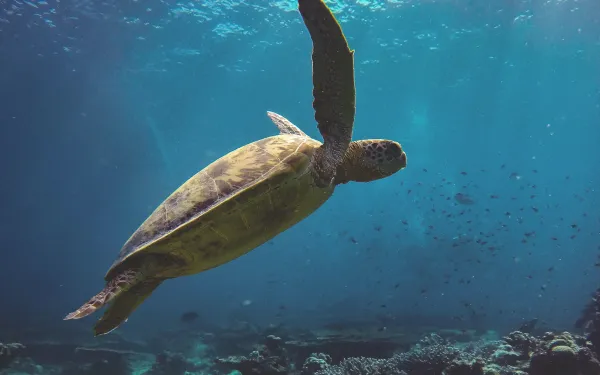
Agreement reached to advance High Seas Treaty
New Treaty agreed to protect half the planet but formal adoption still required. Late this evening governments meeting at the United Nations in New York reached agreement on key substantive issues for a new treaty to protect high seas marine life. To ensure this hard won progress is not lost, The High Seas Alliance is calling for the UN to conclude the formalities of adoption as soon as possible in the final resumed session. "Following a two week long rollercoaster ride of negotiations and super-hero efforts in the last 48 hours, governments reached agreement on key issues that will advance protection and better management of marine biodiversity in the high seas," said Rebecca Hubbard, Director of the High Seas Alliance. The high seas, the area of ocean that lies beyond countries’ national waters, is the largest habitat on Earth and home to millions of species. With currently just over 1% of the high seas protected, the new treaty will provide a pathway to establish marine protected areas in these waters. It is also a key tool to help deliver the recently agreed Kunming-Montreal target of at least 30% protection of the world’s ocean by 2030 that was just agreed in December- the minimum level of protection scientists warn is necessary to ensure a healthy ocean. But time is of the essence. The new Treaty will bring ocean governance into the 21st century, including establishing modern requirements to assess and manage planned human activities that would affect marine life in the high seas as well as ensuring greater transparency. This will greatly strengthen the effective area-based management of fishing, shipping and other activities that have contributed to the overall decline in ocean health. The issue of sufficient financing to fund the implementation of the treaty, as well as equity issues surrounding the sharing of benefits from marine genetic resources was one of the key sticking points between North and South throughout the meeting. However, right up to the final hours of the meeting, governments were able to land an agreement that provided for equitable sharing of these benefits from the deep sea and high seas. "It’s been a very long journey to get to a treaty. We will be looking to the 52 states that make up the High Ambition Coalition to lead the charge to adopt, ratify and identify important high seas areas to protect," said Hubbard. High Seas Alliance Member Quotes Gladys Martínez de Lemos, Executive Director, Interamerican Association for Environmental Defense (AIDA): "Governments have taken an important step that strengthens the legal protection of two-thirds of the ocean and with it marine biodiversity, the livelihoods of coastal communities and global food sovereignty. The agreement sets out a path for establishing areas of high and full protection on the High Seas, as well as for the environmental assessment of projects and activities that may harm this vast area." Laura Meller, oceans campaigner, Greenpeace Nordic: "This is a historic day for conservation and a sign that in a divided world, protecting nature and people can triumph over geopolitics. We praise countries for seeking compromises, putting aside differences and delivering a treaty that will let us protect the oceans, build our resilience to climate change and safeguard the lives and livelihoods of billions of people. We can now finally move from talk to real change at sea. Countries must formally adopt the treaty and ratify it as quickly as possible to bring it into force, and then deliver the fully protected ocean sanctuaries our planet needs. The clock is still ticking to deliver 30x30. We have half a decade left, and we can’t be complacent." Matthew Collis, Deputy Vice President for Policy, IFAW: "The agreement of a new Treaty to conserve the high seas is a wonderful way to celebrate World Wildlife Day for ocean animals and their high seas homes. IFAW congratulates governments on this significant step, which charts a course to protect 30% of the ocean by 2030. To achieve 30x30, governments must now adopt, ratify and implement the new Treaty without delay." Minna Epps, Director of Global Marine and Polar Programme, IUCN: "The High Seas Treaty opens the path for humankind to finally provide protection to marine life across our one ocean. Its adoption closes essential gaps in international law and offers a framework for governments to work together to protect global ocean heath, climate resilience, and the socioeconomic wellbeing and food security of billions of people." Lance Morgan, President, Marine Conservation Institute: "Coming on the heels of the Global Biodiversity Framework, this historic agreement is a huge step towards ensuring marine protected areas in the High Seas and reaching 30x30." Lisa Speer, Director of the International Ocean program, Natural Resources Defense Council (NRDC): "This text provides the basis for protecting key biodiversity hotspots in the high seas. We now have a pathway to achieve the goal of meaningfully protecting at least 30% of the ocean by 2030, a goal that scientists tell us is crucial to maintaining ocean health in the face of ocean warming, acidification and other impacts of climate change. Now let’s get started." Fabienne McLellan, Managing Director, OceanCare: "This Treaty will be the game-changer the ocean urgently needs. We particularly welcome the conservation focused elements, such as environmental impact assessments. EIAs are one of the most effective and important mechanisms to prevent, mitigate and manage harmful activities in cases where there is severe harm to marine life through, for instance, underwater noise pollution. While we advocated for more ambition in the EIA provisions, these requirements will nevertheless strengthen ocean conservation." Susanna Fuller, VP Conservation and Projects, Oceans North: "Following the Kunming Montreal Agreement, which sets out a global path for biodiversity protection, this treaty will bring a similar ambition to the high seas. Because Canada’s waters are bounded by three international ocean basins, it has an outsized role in ensuring that the treaty is fully implemented, once formally adopted." Liz Karan, Director of Ocean Governance project, Pew: "The effective implementation of this landmark treaty is the only pathway to safeguard high seas biodiversity for generations to come and provides a pathway for nations to fulfill the 30 by 30 target. Governments and civil society must now ensure that the agreement is adopted and rapidly enters into force." Christopher Chin, Executive Director, The Center for Oceanic Awareness, Research, and Education (COARE): "With this finalized text, the world is now one great step closer to embracing the importance of the High Seas, and to achieving the 30x30 objectives. Once adopted, however, member States must still ratify the treaty, and we call upon them to do so swiftly." Andrew Deutz, Director of Global Policy, Institutions & Conservation Finance, The Nature Conservancy: "While the treaty leaves room for improvement, we should nevertheless celebrate the fact that –after more than a decade of discussions and three concerted attempts to wrestle it across the line – we finally have a global framework in place for the conservation and sustainable use of biodiversity for almost half of our planet’s surface. Whether this has arrived in time to slow the accelerating ecological crisis happening in our ocean will depend on how quickly countries can ratify the treaty at national level and start mainstreaming ambitions like 30x30 into both their own decision-making, and that of the global bodies which manage human activity on the high seas. If they can do so swiftly, putting people and planet above politics, we may yet have a chance to move beyond the damaging status quo and into a new era of nature-positive stewardship for this most critical of ecosystems." Farah Obaidullah, Ocean Advocate and Founder, Women4Oceans: "This is an historic moment for humanity and for the protection of all living beings in our global ocean. A rare and welcome moment of hope for all of us rightfully concerned with the state of the world. Almost half our planet will now have a chance of some sort of protection from the ever-increasing onslaughts to the ocean. This treaty comes not a moment too soon. With the climate and global wildlife crises worsening and a reckless new industry of deep-sea mining on the horizon, we cannot afford any delays in putting this treaty into force." Press contacts: Patricia Roy (EU), +34 696 905 907 Michael Crocker (US), +1 (207) 522-1366 Mirella von Lindenfels, + 44 7717 844 352 Julio Whalen-Valeriano (UN), +1 (850) 292-4689
Read more
Open Letter from Civil Society Organizations to the President of the Inter-American Development Bank
The undersigned group of civil society organizations greet you as you begin your term as President of the Inter-American Development Bank. We extend to you our best wishes as you assume this task of great responsibility for the people of Latin America and the Caribbean.We take this opportunity to introduce ourselves and express our willingness to continue contributing to the Bank's actions pursuing the region's development. Since 2017, our organizations have been monitoring and making recommendations on the IDB policies and projects, in partnership with local communities and populations. In particular, we promote the Bank’s establishment of better social and environmental policies and practices, as well as adequate and transparent spaces for participation that allow improving the IDB's link and interaction with civil society. To mention just a few examples, we highlight our contributions to the Environmental and Social Policy Framework (ESPF), to the updates of the MICI policy and in the accompaniment of specific cases, and in the revision process of the Access to Information Policy and in the dialogues on the IDB-Amazon Initiative.In conjunction, we are permanently monitoring the Bank's policies and investments throughout the region, including in projects involved in the response to and recovery from the Covid pandemic and many others.We consider it essential that the Bank strengthen its practices and operations, facilitating the promotion and respect for human rights, with special attention paid to the needs of communities and indigenous peoples who are at the forefront in the defense of nature, as well as the protection of key ecosystems in the fight against climate change.Given the relevance of public participation in promoting full development, we reiterate our request to the Bank to generate constructive and lasting participation mechanisms. In particular, we request that the space for dialogue with civil society be reopened in the framework of the next IDB Annual Meetings. This space was a traditional practice that was interrupted in 2014 and has not been resumed to date.We understand that a space for IDB articulation with civil society (social organizations and movements, Indigenous groups, and others who are affected) is not only a good practice that other multilateral agencies are already implementing, but would also contribute to advance the objectives of your administration. As stated in your inaugural speech last January, you stressed your desire to "seize all opportunities for dialogue" and collaborate with different actors to address the most pressing problems of our region.Thus, your administration has an historic opportunity to generate greater openness towards civil society organizations and communities potentially affected by Bank-financed operations. We believe that this demand can no longer be postponed, and that this long-standing claim must be addressed in order to strengthen the work together with the peoples of the region.We remain at your disposal to discuss the points raised in this letter and other matters of common interest at your convenience. Kind regards, Accountability CounselAMATE El SalvadorArticulación Salvadoreña de Sociedad Salvadoreña de Sociedad Civil para la Incidencia en las Instituciones Financieras Internacionales (ASIFI)Asociación Ambiente y Sociedad (Environment and Society Association)Interamerican Association for the Defense of the Environment (AIDA)International Accountability ProjectBank Information CenterCenter for International Environmental Law (CIEL)Coalition for Human Rights In DevelopmentCohesión Comunitaria e Innovación Social A.C. (Mexico)Conectas Direitos HumanosDerecho, Ambiente y Recursos Naturales (DAR, Perú)Ecoa - Ecology and ActionFoundation for the Development of Sustainable Policies (Fundeps)CAUCE Foundation: Environmental Culture - Causa Ecologista (Argentina)Gender ActionInternational RiversMesa de Discapacidad y Derechos (Perú)International Platform against ImpunityProtection International MesoamericaSociedad y Discapacidad - SODIS (Perú)Sustentarse (Chile)Wetlands International / Fundacion Humedales (Argentina) Read and download the letter
Read more