
Project
Amazon Watch / Maíra Irigaray
Barragem de Belo Monte no rio Xingu: 10 anos de impactos na Amazônia e de busca por reparações
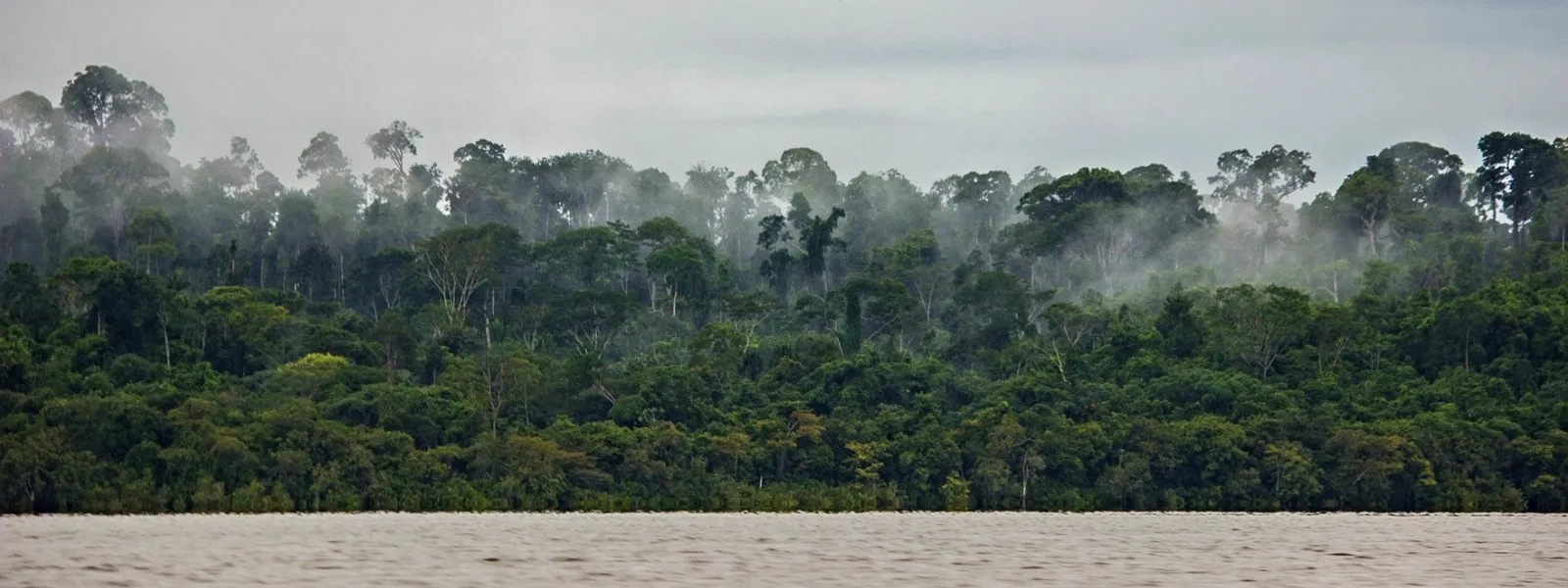
A usina hidrelétrica de Belo Monte causou um desastre ambiental e social no coração da Amazônia: um dos ecossistemas mais importantes do planeta.
Essa situação só piorou desde que a usina começou a operar em 2016. A busca por justiça e reparação para as comunidades indígenas e ribeirinhas afetadas continua até hoje.
Em 2011, a Comissão Interamericana de Direitos Humanos (CIDH) concedeu a essas comunidades medidas de proteção, que até hoje não foram totalmente implementadas pelo Estado brasileiro.
E, desde junho daquele mesmo ano, a CIDH mantém um processo contra o Estado por sua responsabilidade internacional no caso.
A CIDH pode encaminhar o caso à Corte Interamericana de Direitos Humanos, que tem o poder de emitir uma sentença condenatória contra o Estado brasileiro.
Consulta o expediente de fatos do caso
Após 10 anos de operação da usina hidrelétrica e mais de 15 anos de violações de direitos humanos documentadas, é hora da justiça ser feita para as comunidades afetadas.
Leia a carta aberta das organizações que levam o caso à CIDH
Leia nosso comunicado à imprensa
Contexto
A usina hidrelétrica de Belo Monte — a quarta maior do mundo em capacidade instalada (11.233 MW) — foi construída no rio Xingu, no estado do Pará, norte do Brasil.
Foi inaugurada em 5 de maio de 2016, com uma única turbina. Naquela época, 80% do curso do rio foi desviado e 516 km² de terra foram inundados, uma área maior que a cidade de Chicago. Desse total, 400 km² eram de mata nativa. A usina começou a operar em plena capacidade em novembro de 2019.
Belo Monte foi construída e é operada pelo consórcio Norte Energia S.A., composto principalmente por empresas estatais. Foi financiada pelo Banco Nacional de Desenvolvimento Econômico e Social (BNDES), que aportou ao consórcio 25,4 bilhões de reais (aproximadamente US$ 10,16 bilhões), o maior investimento de sua história. Portanto, o BNDES também é legalmente responsável pelos impactos socioambientais associados ao projeto hidrelétrico.
Décadas de danos ambientais e humanos
As violações dos direitos humanos e a degradação da Amazônia remontam ao início do projeto. Em março de 2011, a Norte Energia iniciou a construção da barragem sem consulta adequada e sem o consentimento prévio, livre e informado das comunidades afetadas.
A construção levou ao deslocamento forçado de mais de 40.000 pessoas, rompendo laços sociais e culturais. O plano de reassentamento em Altamira — cidade diretamente afetada pelo projeto hidrelétrico — incluía moradias na periferia da cidade, sem serviços públicos adequados, moradias dignas para as famílias reassentadas e moradias diferenciadas para aqueles pertencentes a comunidades indígenas.
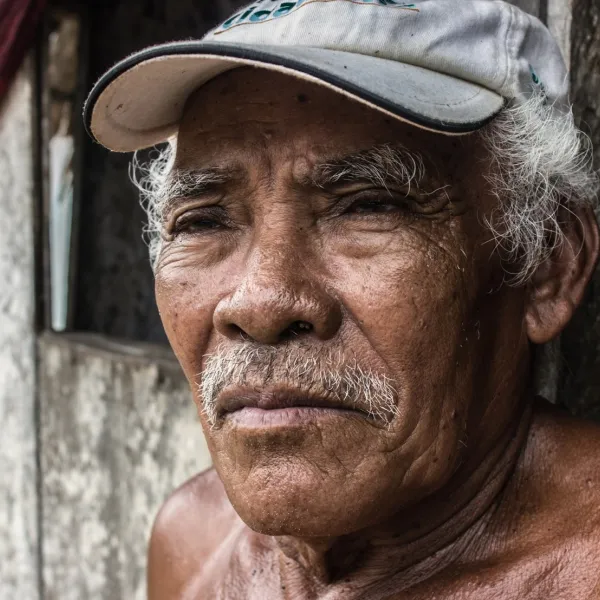
A operação da barragem de Belo Monte impôs uma seca permanente e artificial na Volta Grande do rio Xingu, agravada pelas secas históricas na Amazônia em 2023 e 2024. Como resultado, a morte de milhões de ovos de peixe foi documentada por quatro anos consecutivos (de 2021 a 2024) e, nos últimos três anos, não houve migração de peixes rio acima para desovar e se reproduzir. Assim, a pesca artesanal, principal fonte de proteína para os povos indígenas e comunidades ribeirinhas, foi severamente afetada: o consumo de peixe caiu de 50% para 30% do total de proteínas consumidas, sendo substituído por alimentos processados. Em suma, houve um colapso ambiental e humanitário que resultou no colapso da pesca como modo de vida tradicional, insegurança alimentar e falta de acesso à água potável para milhares de famílias, empobrecimento e doenças.
Além disso, a construção da barragem aumentou o desmatamento e intensificou a extração ilegal de madeira e a insegurança em terras indígenas e tribais, colocando em risco a sobrevivência dessas comunidades. Outra consequência foi o agravamento da pobreza e dos conflitos sociais, bem como a sobrecarga dos sistemas de saúde, educação e segurança pública em Altamira, cidade considerada a mais violenta do país em 2017, onde houve aumento do tráfico de pessoas e da violência sexual. Também foram registrados casos de violência contra defensores de direitos humanos envolvidos no caso.
Em 2025, durante a 30ª Conferência das Nações Unidas sobre Mudanças Climáticas (COP30), realizada no Brasil, o Ministério Público Federal classificou os danos causados por Belo Monte como ecocídio.
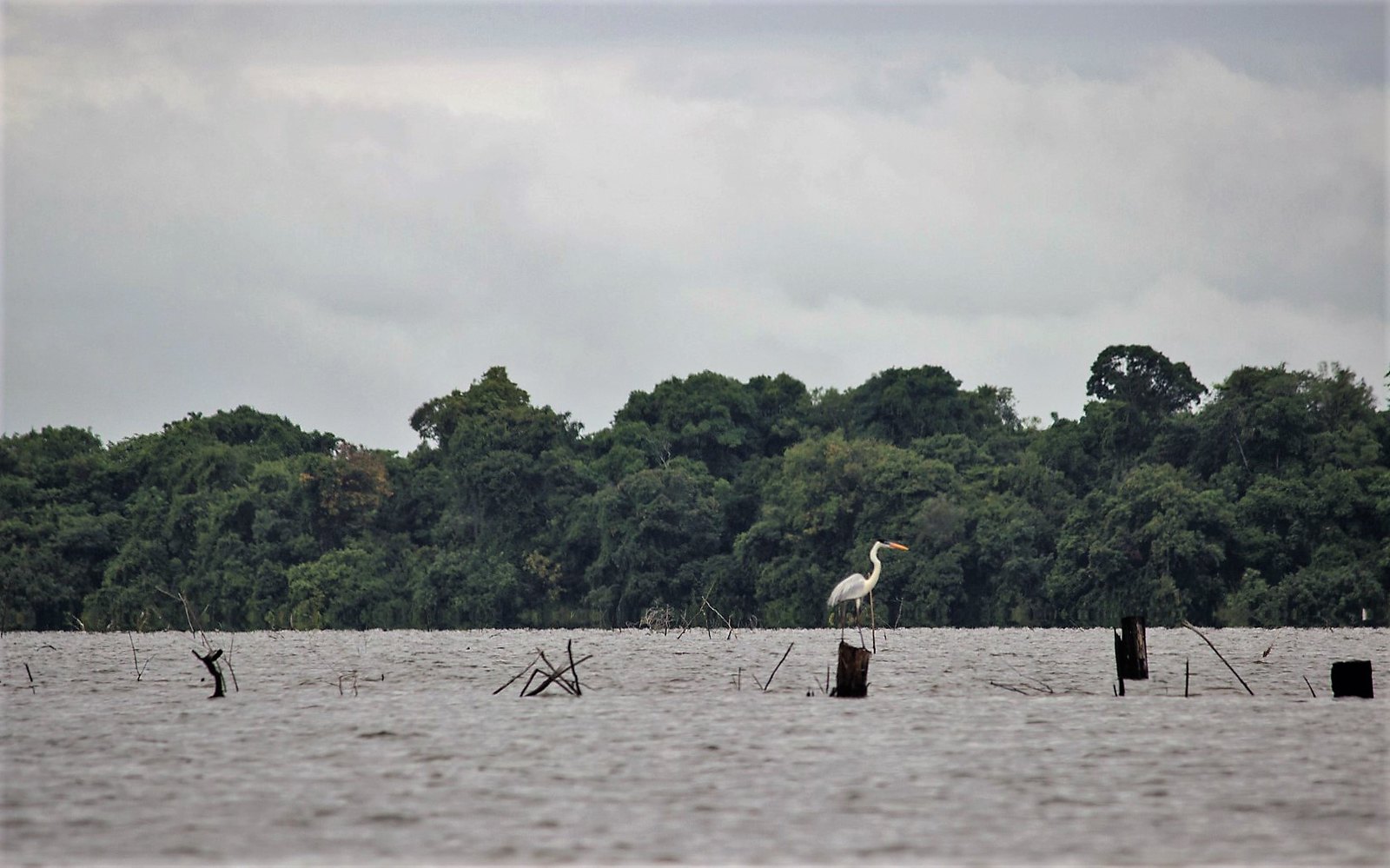
Foto: Amazon Watch / Maíra Irigaray.
A busca por justiça e reparação
Ao longo dos anos, o Ministério Público Federal do Pará, a Defensoria Pública e organizações da sociedade civil impetraram dezenas de ações judiciais em tribunais brasileiros para contestar as diversas irregularidades do projeto, bem como seus impactos. A maioria das ações permanece sem solução, algumas há mais de 10 anos.
Essas ações não obtiveram sucesso porque o governo federal tem reiteradamente anulado decisões favoráveis às comunidades afetadas, recorrendo a um mecanismo pelo qual o presidente do Supremo Tribunal Federal pode suspender uma decisão judicial com base unicamente em argumentos genéricos como "interesse nacional" ou "ordem econômica".
Diante da falta de respostas eficazes em nível nacional, a AIDA — juntamente com uma coalizão de organizações aliadas — levou o caso à Comissão Interamericana de Direitos Humanos (CIDH) e, em 2010, solicitou medidas cautelares para proteger a vida, a integridade e a saúde das comunidades indígenas afetadas.
Em 1º de abril de 2011, a CIDH concedeu essas medidas e solicitou ao Estado brasileiro a suspensão das licenças ambientais e de quaisquer obras de construção até que as condições relativas à consulta prévia e à proteção da saúde e integridade das comunidades fossem atendidas.
E, em 16 de junho de 2011, apresentamos uma denúncia formal à CIDH — juntamente com o Movimento Xingu Vivo Para Siempre, a Coordenação das Organizações Indígenas da Amazônia Brasileira, a Diocese de Altamira, o Conselho Missionário Indígena, a Sociedade Pará de Defesa dos Direitos Humanos e a Global Justice — contra o Estado brasileiro por sua responsabilidade internacional nas violações de direitos humanos contra os povos afetados neste caso. A denúncia foi apresentada em dezembro de 2015.
Em 3 de agosto de 2011, a CIDH modificou as medidas cautelares para solicitar — em vez da suspensão de licenças e obras — a proteção dos povos que vivem em isolamento voluntário, a saúde das comunidades indígenas e a regularização e proteção das terras ancestrais.
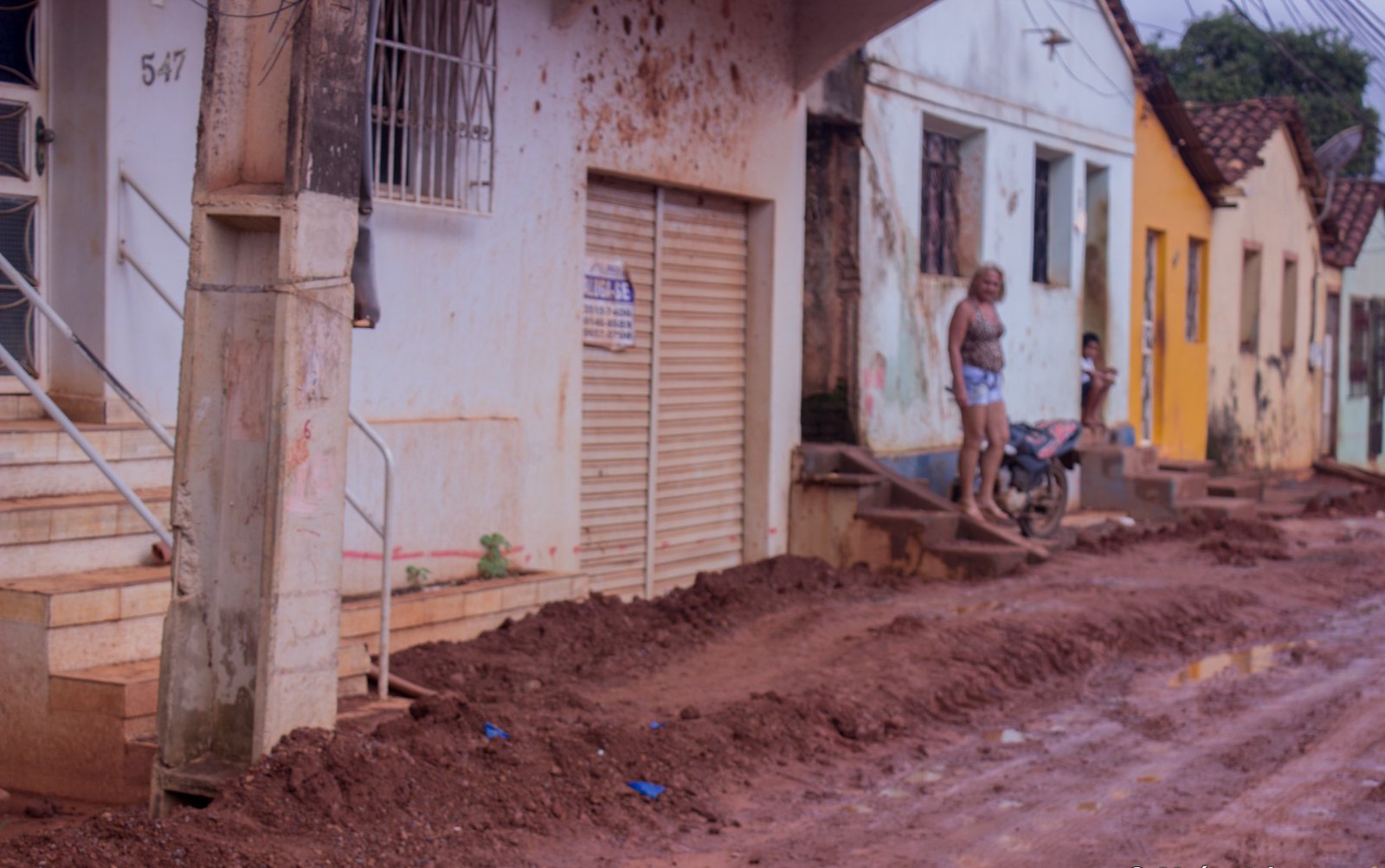
Foto: Amazon Watch / Maíra Irigaray.
Situação atual
As medidas de proteção concedidas pela CIDH permanecem em vigor, mas o Estado brasileiro não as cumpriu integralmente, relatando apenas ações genéricas. As comunidades documentaram as contínuas violações de seus direitos. A situação que motivou o pedido dessas medidas — o risco à vida, à segurança e aos meios de subsistência das comunidades — persiste e se agravou com a usina hidrelétrica operando em plena capacidade e com as recentes secas extremas na Amazônia.
Além do ocorrido em Belo Monte, existe o risco de maiores danos sociais e ambientais decorrentes da implementação de outro megaprojeto de mineração na Volta Grande do Xingu. Lá, a empresa canadense Belo Sun pretende construir a maior mina de ouro a céu aberto do Brasil.
Os impactos sinérgicos e cumulativos da usina e da mina não foram avaliados. O Estado excluiu povos indígenas, comunidades ribeirinhas e comunidades camponesas do processo de licenciamento ambiental do projeto. Apesar disso, dos protestos indígenas e de outras irregularidades em torno do projeto, o governo do estado do Pará autorizou formalmente a mina em abril de 2026.
Belo Monte, assim como outras usinas hidrelétricas, agrava a emergência climática ao gerar emissões de gases de efeito estufa em seu reservatório. Além disso, é ineficiente diante das secas prolongadas e intensas causadas pela crise, pois perde capacidade de geração de energia.
O caso perante a Comissão Interamericana
Em outubro de 2017, a CIDH anunciou que decidiria conjuntamente sobre a admissibilidade (se o caso preenche os requisitos para admissão) e o mérito (se houve, de fato, violação de direitos humanos) da denúncia internacional contra o Estado brasileiro.
Quinze anos após a apresentação da denúncia, as comunidades afetadas e as organizações que as representam ainda aguardam essa decisão. Caso a CIDH conclua que houve violações de direitos humanos e emita recomendações que o Estado brasileiro não cumpra, poderá encaminhar o caso à Corte Interamericana de Direitos Humanos, cujas decisões são vinculativas.
Uma possível decisão da Corte Internacional de Direitos Humanos neste caso estabeleceria um precedente jurídico regional em relação aos direitos dos povos indígenas e ribeirinhos, à participação pública em megaprojetos e à responsabilidade do Estado no contexto da crise climática. Isso é particularmente relevante à luz do Parecer Consultivo nº 32 da Corte, que reafirmou as obrigações dos Estados de proteger pessoas e comunidades em todo o continente da emergência climática.
Partners:
Related projects
Right to a healthy environment global coalition wins UN Human Rights Prize
Manila (PHP), Geneva (CH), Casablanca (MAR), New York (US), Mexico City (MX), Buenos Aires (ARG) — Today, the Global Coalition of Civil Society, Indigenous Peoples, Social Movements, and Local Communities for the Universal Recognition of the Human Right to a Clean, Healthy, and Sustainable Environment was recognized as one of the recipients of the prestigious 2023 United Nations Human Rights Prize. The coalition is awarded for its essential role in advocating for the recognition of the right to a healthy environment by the UN General Assembly (UNGA) in July 2022. The UN Human Rights Prize is awarded once every five years to several recipients at a time. This year is the first time that it has been granted to a global coalition. The prize will be presented in New York on December 10, which also marks the 75th anniversary of the Universal Declaration of Human Rights, making this recognition even more special. This achievement was only possible thanks to tireless efforts that began decades ago and resulted in thousands of people from all across the globe joining forces to achieve a milestone: the recognition by the United Nations of the human right to a clean, healthy, and sustainable environment. First and foremost, the award highlights the importance of collaborating to advance the much-needed protection of our planet and fulfillment of human rights. Alone, no organization, movement, or person would have been able to achieve the universal recognition of the right to a healthy environment. Together, a diverse global coalition made this a reality. Furthermore, the prize recognizes the need to protect participatory spaces for everyone. As civic spaces are worryingly shrinking and many human rights and environmental defenders are under attack worldwide, the award sends a strong reminder: It is essential to respect and strengthen spaces for participation and collaboration. The protection of civic spaces and the respect and support for all human rights defenders is essential for the effective implementation of this newly recognized right. The right also is an integral component of environmental justice and democracy and provides a seamless path to protecting the rights of future generations. This announcement arrives just a few days ahead of the July 28 anniversary of the UNGA’s recognition of the human right to a clean, healthy, and sustainable environment. Since then, millions have continued to experience the cumulative and accelerating impacts of the triple planetary crisis of biodiversity loss, climate change, and pollution, exacerbated by systemic inequalities, that is contributing to ongoing violations of the right to a healthy environment around the world. This prize emphasizes that today more than ever, States must make this right a reality. It is both a recognition and a call to action for governments, businesses, institutions, and people worldwide to ensure that the right to a clean, healthy, and sustainable environment is effectively guaranteed and legally protected so that it can be enjoyed by all. Read the reactions from the members of the coalition here. press contact: Víctor Quintanilla (Mexico), AIDA, [email protected], +521 5570522107
Read more
Climate finance: Questions and answers
The climate crisis knows no borders. It impacts people, ecosystems and species around the world. Addressing this global crisis requires profound and innovative transformations in all facets of human life: the production of energy, food and other goods; the design and construction of infrastructure; the use and management of terrestrial, marine and freshwater habitats; the transport of people and products; and more. These systemic changes demand financial resources and sound investments. This is why we hear time and again that addressing the climate crisis is costly and requires financing. Climate finance is a complicated topic, and so we offer you a glimpse of the basics. What do we mean by climate finance? The United Nations Framework Convention on Climate Change (UNFCCC) describes climate finance as the type of local, national or transnational finance used to support and implement climate change mitigation and adaptation actions with financial resources from public, private and alternative sources. These resources are defined as "new and additional" and cannot include those previously committed, for example, for official development assistance. To better understand this definition, we can point out that climate finance is captured and used to reduce greenhouse gas (GHG) emissions and enhance carbon sinks, or seeks to reduce vulnerability, as well as to maintain and increase the resilience of human and ecological systems to the negative effects of the climate crisis. Why is climate finance important? To echo UN Climate Change Executive Secretary Simon Stiell's message at the Sustainable Investment Forum, "We cannot achieve our climate goals without finance. Whether we are talking about transitioning to renewable energy, improving energy efficiency or protecting vulnerable communities from the effects of climate change, all of these efforts require significant investment." Climate finance impacts everything from national policies to changes occurring at the local level that make a concrete difference in people's lives. "Climate finance is ultimately about what we as societies value: the world we want to live in and the lives and hardships we can save by channeling our money into building resilience to the ravages of climate change," Stiell said in his speech. Financing by and for whom? The impacts of the climate crisis are inversely proportional to the weight of responsibility, in that the countries historically responsible for the highest levels of GHG emissions are often the least affected. This is why the UNFCCC advocates that developed countries, those with the most economic resources, should financially assist the least developed and most vulnerable countries. This is what the principle of "common but differentiated responsibilities and respective capabilities" established in the Convention is all about. On the other hand, the Paris Agreement—a legally binding international treaty in force since November 2016—reaffirms the obligation of developed countries in addition to promoting, for the first time, voluntary contributions from other States. It further provides that developed countries should continue to take the lead in mobilizing climate finance from a wide variety of sources, instruments and channels, taking into account the important role of public funds, as well as the needs and priorities of developing countries. It’s key to note that this mobilization of finance should represent a progression from previous efforts. What climate finance mechanisms exist? Under the UNFCCC, there are three main mechanisms for climate finance to reach nations, created for different purposes and with different scopes: Global Environment Facility (GEF): Grants financial resources to developing countries or countries with economies in transition to meet the objectives of international environmental conventions and agreements. It also manages the Special Climate Change Fund and the Least Developed Countries Fund. Adaptation Fund: Created as a financial instrument for adaptation and resilience in those countries that are part of the Kyoto Protocol. Green Climate Fund (GCF): Created with the objective of financing mitigation and adaptation programs and projects aimed at low-emission and climate-resilient development. It is the main multilateral climate finance entity worldwide. How much financing do we need? In the framework of the UN climate negotiations in 2009, developed countries committed to transfer $100 billion per year to developing countries by 2020 (target extended to 2025 in the Paris Agreement). But this amount has not been achieved. For example, in 2016 they only reached $58.5 billion and, although the amount increased significantly for 2019, they only reached $79.6 billion. In that sense, to meet the goal of net zero emissions by 2050, the Climate Policy Initiative organization estimates that global financing of $4.35 trillion is needed by 2030 (when the 2020 estimate was only $632 billion dollars). What are the main challenges of climate finance today? The main challenge, as we have seen, is the need for a substantial increase in the flow of finance. Another key challenge is to measure and track this type of finance, which is not subject to a common universal definition. Along the same lines, given that developed countries’ commitment to the UN does not include official guidelines on what activities count as climate finance, it’s difficult to ensure that money is not double-counted or that it goes to efforts that will actually help reduce global warming and its impacts. There is also the need to balance the allocation of funds more equitably between mitigation and adaptation activities, as well as those related to loss and damage already suffered by communities around the world. In 2020, 90 percent of global funding went to mitigation, while only 7 percent to adaptation projects and 3 percent to dual activities. On the other hand, it’s important that the financing channeled does not result in human or environmental impacts, as often happens when there are large investments in which adequate consultation and participation processes are not implemented. An energy project, however renewable and clean it may be, can accentuate inequalities and vulnerabilities if it is poorly planned or if it is designed without the participation of local communities. Finally, it should be considered that, although a lot of money is allocated to address the climate crisis, at the same time, businesses that promote dependence on fossil fuels, and that keep us in a predatory and unjust economic system that perpetuates extractivism as a mode of development, continue to increase around the world. This, of course, counteracts the progress we can make in favor of the environment and communities. What is clear is that a specific annual amount of climate finance is not enough; what we really need at this point is that all the money mobilized contributes to the regeneration of the planet and to resolving the environmental and climate crisis, not exacerbating it. At AIDA we monitor the climate finance coming to the region because we understand how important it is to increase the possibilities of building a future where we can live well and in harmony with the environment. We also understand that the problems often caused by poorly designed financing are due to a lack of connection between the territories that suffer the impacts of the climate crisis, and the decision-making spaces where projects are proposed to overcome them. In this sense, AIDA seeks to build a bridge between these two worlds, motivating organizations in the region to be active, to follow up on projects and to participate in decisions. Only in this way can we ensure that scarce climate funds not only exist, but also reach their full potential towards the paradigm shift we all need. Join the "Observatory of the Green Climate Fund for Latin America and the Caribbean", a joint effort to better monitor the world's largest climate fund.
Read more
The dilemmas of a just energy transition
Humanity has an urgent task ahead: to transform energy systems without continuing to fill the atmosphere with warming gasses and pollutants. This is a fact proven by science. Failure to do so means that our planet will no longer be a safe haven for the the many species that call it home. The problem is that the necessary transition is far from simple. In addition to the difficulty of cutting dependence on the fossil fuels that have dominated for centuries, it turns out that not just any transition will do. It’s not just a matter of stopping to burn these fuels, we must also consider other ways to leave behind the development model that has for centuries been separating humanity into winners and losers, while violating human rights. What is a JUST transition? There is currently no single concept of what it means for the energy transition to be just. At AIDA, we believe that to be just, the transition must be equitable and inclusive, recognizing that the impacts of climate change and the necessary transition are not evenly distributed. Thus, certain groups—such as those working in traditional energy sectors and/or marginalized communities—may be disproportionately affected. To get a glimpse of the problem, it’s worth understanding that humanity today is suffering from a myriad of crises that affect the lives and well being of people, especially those in the most vulnerable conditions. These crises include the climate emergency, pollution, biodiversity loss, global pandemics and democratic crises. And at the heart of it all is social inequality, that widening gap between rich and poor that generates disparities in all aspects of life, including access to health, education and economic opportunities. These crises are interconnected and mutually reinforcing. Responses to one can help solve others, but they can also aggravate them. For example, when transitioning to clean energy sources not only helps combat climate change, but also reduces air pollution and improves public health, we are solving two problems in one. An example in the opposite direction occurs when a rapid and unchecked transition to electric mobility results in the aggressive extraction of rare minerals such as lithium, which comes from fragile ecosystems on which local communities depend. Where do we start? To ensure a just transition, we must be guided by the principles of justice, equity and inclusion, and ensure that the most vulnerable populations are not disproportionately affected. As Naomi Klein said in her book This Changes Everything, to address the climate crisis we must understand that climate change is not only an environmental, but also a human rights issue. A just energy transition requires not only ending the burning of fossil fuels, but also addressing economic inequality, including a gender perspective, strengthening social safety nets, protecting workers' rights, respecting the rights of indigenous peoples, empowering communities to participate in decisions that affect their lives, and making reparations to those who have been affected by the current economic and energy model. What role can litigation play? Litigation is already moving in step with the dilemmas of the energy transition. We have seen an increase in lawsuits that appear to go against the energy transition, such as those challenging renewable energy generation projects, or pro-transition regulations, or otherwise hindering the transition. But can it be said that these are always "regressive" lawsuits? A lawsuit to challenge the environmental permitting of a wind generation venture might be blocking the transition, but it is not necessarily regressive. If it is a mega-project, for example, owned by a transnational company that will export all the energy generated without benefiting local communities, and if it intends to be located on indigenous lands without local participation, then it is a project aimed at an "unjust transition" that does not serve us because it reinforces the same model, the one that has us so badly on track. The report Litigation for a Just Transition in Latin America, published in January 2023 by the Sabin Center for Climate Change Law at Columbia University, and translated into Spanish by AIDA, refers to this type of case. The report questions the purpose of just transition litigation, asking whether it promotes or obstructs an energy and climate-resilient transition. In this regard, the authors conclude that just transition litigation cannot be fully characterized as regressive or non-regressive in relation to the transition. As such, they consider that just transition litigation should be seen and understood as a new category of climate litigation, with its own diverse rationale. The issue allows us to reflect on the complexity of the longed-for transition. Faced with this type of dilemma, in AIDA we generally choose to analyze each case, without marrying a dogmatic position. But a constant and, in this sense, valuable starting point is that everything that is carried out in favor of the energy transition—whether projects, policies or actions—must have a strong and decisive focus on the environment, human rights and gender. Without that there is no justice; and without justice there is no remedy or solution. So we believe that litigation does have a role to play, not only in making the transition happen, but also in making it just.
Read more