
Project
Amazon Watch / Maíra Irigaray
Barragem de Belo Monte no rio Xingu: 10 anos de impactos na Amazônia e de busca por reparações
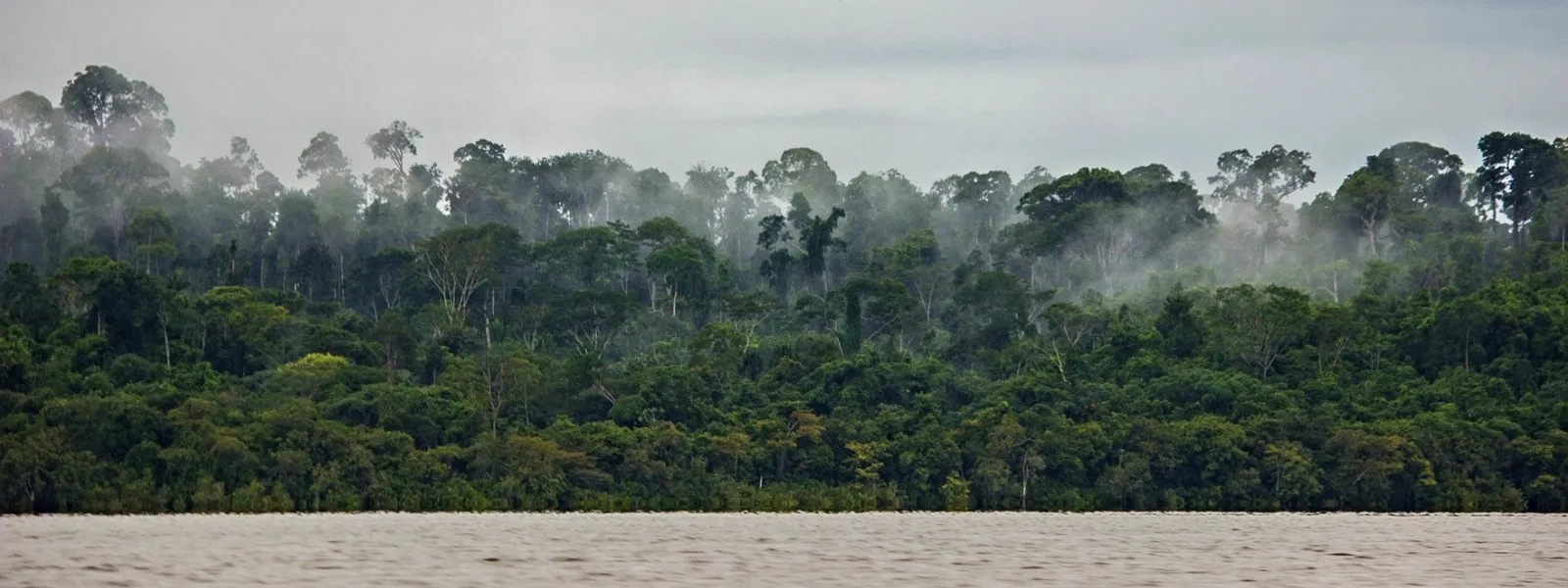
A usina hidrelétrica de Belo Monte causou um desastre ambiental e social no coração da Amazônia: um dos ecossistemas mais importantes do planeta.
Essa situação só piorou desde que a usina começou a operar em 2016. A busca por justiça e reparação para as comunidades indígenas e ribeirinhas afetadas continua até hoje.
Em 2011, a Comissão Interamericana de Direitos Humanos (CIDH) concedeu a essas comunidades medidas de proteção, que até hoje não foram totalmente implementadas pelo Estado brasileiro.
E, desde junho daquele mesmo ano, a CIDH mantém um processo contra o Estado por sua responsabilidade internacional no caso.
A CIDH pode encaminhar o caso à Corte Interamericana de Direitos Humanos, que tem o poder de emitir uma sentença condenatória contra o Estado brasileiro.
Consulta o expediente de fatos do caso
Após 10 anos de operação da usina hidrelétrica e mais de 15 anos de violações de direitos humanos documentadas, é hora da justiça ser feita para as comunidades afetadas.
Leia a carta aberta das organizações que levam o caso à CIDH
Leia nosso comunicado à imprensa
Contexto
A usina hidrelétrica de Belo Monte — a quarta maior do mundo em capacidade instalada (11.233 MW) — foi construída no rio Xingu, no estado do Pará, norte do Brasil.
Foi inaugurada em 5 de maio de 2016, com uma única turbina. Naquela época, 80% do curso do rio foi desviado e 516 km² de terra foram inundados, uma área maior que a cidade de Chicago. Desse total, 400 km² eram de mata nativa. A usina começou a operar em plena capacidade em novembro de 2019.
Belo Monte foi construída e é operada pelo consórcio Norte Energia S.A., composto principalmente por empresas estatais. Foi financiada pelo Banco Nacional de Desenvolvimento Econômico e Social (BNDES), que aportou ao consórcio 25,4 bilhões de reais (aproximadamente US$ 10,16 bilhões), o maior investimento de sua história. Portanto, o BNDES também é legalmente responsável pelos impactos socioambientais associados ao projeto hidrelétrico.
Décadas de danos ambientais e humanos
As violações dos direitos humanos e a degradação da Amazônia remontam ao início do projeto. Em março de 2011, a Norte Energia iniciou a construção da barragem sem consulta adequada e sem o consentimento prévio, livre e informado das comunidades afetadas.
A construção levou ao deslocamento forçado de mais de 40.000 pessoas, rompendo laços sociais e culturais. O plano de reassentamento em Altamira — cidade diretamente afetada pelo projeto hidrelétrico — incluía moradias na periferia da cidade, sem serviços públicos adequados, moradias dignas para as famílias reassentadas e moradias diferenciadas para aqueles pertencentes a comunidades indígenas.
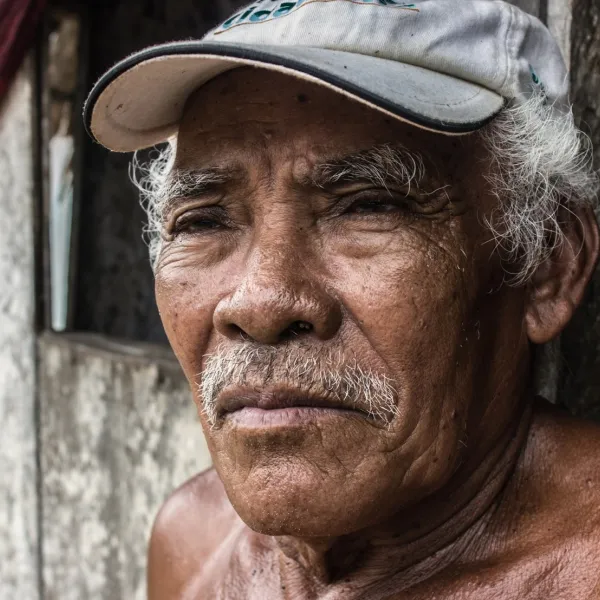
A operação da barragem de Belo Monte impôs uma seca permanente e artificial na Volta Grande do rio Xingu, agravada pelas secas históricas na Amazônia em 2023 e 2024. Como resultado, a morte de milhões de ovos de peixe foi documentada por quatro anos consecutivos (de 2021 a 2024) e, nos últimos três anos, não houve migração de peixes rio acima para desovar e se reproduzir. Assim, a pesca artesanal, principal fonte de proteína para os povos indígenas e comunidades ribeirinhas, foi severamente afetada: o consumo de peixe caiu de 50% para 30% do total de proteínas consumidas, sendo substituído por alimentos processados. Em suma, houve um colapso ambiental e humanitário que resultou no colapso da pesca como modo de vida tradicional, insegurança alimentar e falta de acesso à água potável para milhares de famílias, empobrecimento e doenças.
Além disso, a construção da barragem aumentou o desmatamento e intensificou a extração ilegal de madeira e a insegurança em terras indígenas e tribais, colocando em risco a sobrevivência dessas comunidades. Outra consequência foi o agravamento da pobreza e dos conflitos sociais, bem como a sobrecarga dos sistemas de saúde, educação e segurança pública em Altamira, cidade considerada a mais violenta do país em 2017, onde houve aumento do tráfico de pessoas e da violência sexual. Também foram registrados casos de violência contra defensores de direitos humanos envolvidos no caso.
Em 2025, durante a 30ª Conferência das Nações Unidas sobre Mudanças Climáticas (COP30), realizada no Brasil, o Ministério Público Federal classificou os danos causados por Belo Monte como ecocídio.
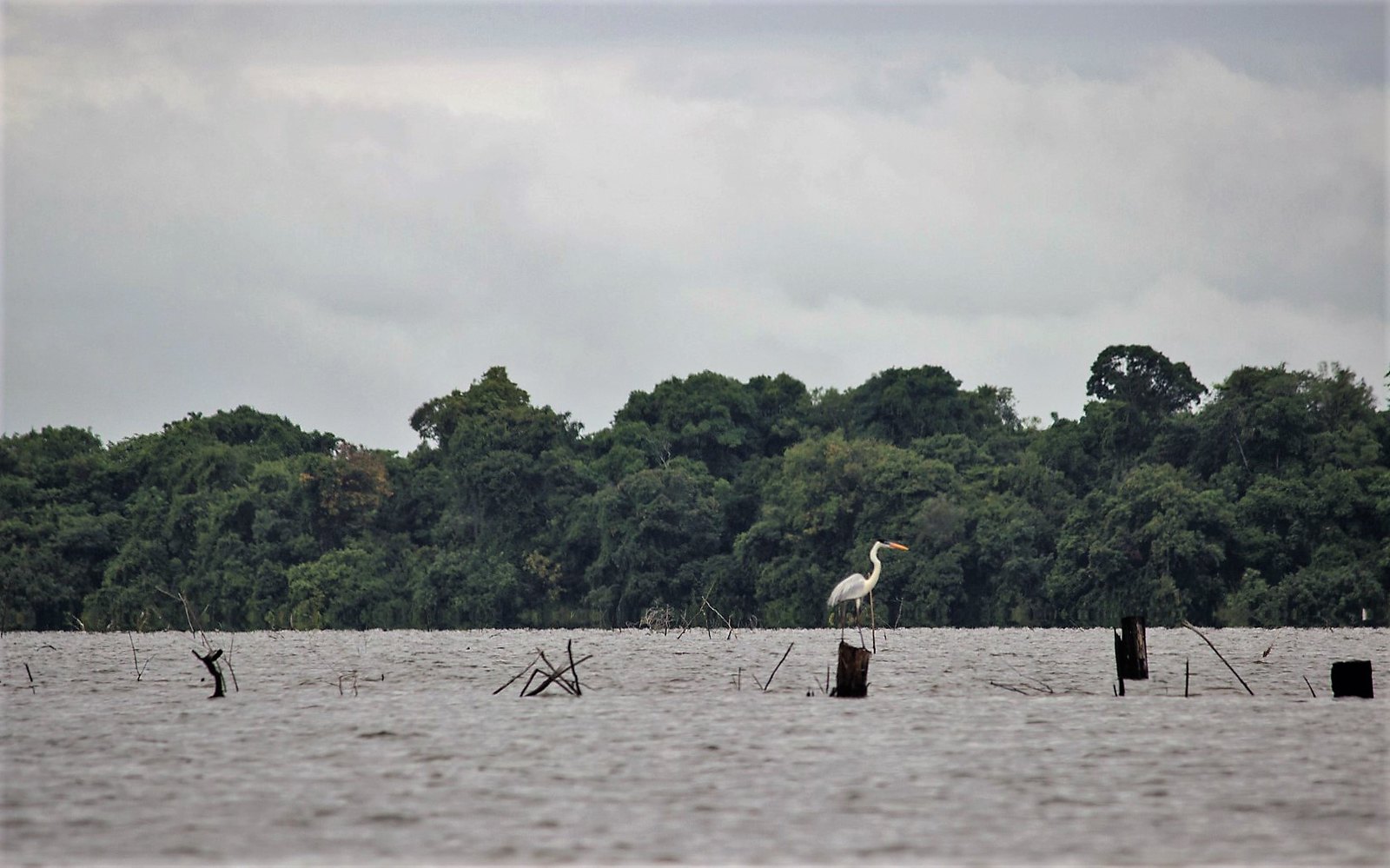
Foto: Amazon Watch / Maíra Irigaray.
A busca por justiça e reparação
Ao longo dos anos, o Ministério Público Federal do Pará, a Defensoria Pública e organizações da sociedade civil impetraram dezenas de ações judiciais em tribunais brasileiros para contestar as diversas irregularidades do projeto, bem como seus impactos. A maioria das ações permanece sem solução, algumas há mais de 10 anos.
Essas ações não obtiveram sucesso porque o governo federal tem reiteradamente anulado decisões favoráveis às comunidades afetadas, recorrendo a um mecanismo pelo qual o presidente do Supremo Tribunal Federal pode suspender uma decisão judicial com base unicamente em argumentos genéricos como "interesse nacional" ou "ordem econômica".
Diante da falta de respostas eficazes em nível nacional, a AIDA — juntamente com uma coalizão de organizações aliadas — levou o caso à Comissão Interamericana de Direitos Humanos (CIDH) e, em 2010, solicitou medidas cautelares para proteger a vida, a integridade e a saúde das comunidades indígenas afetadas.
Em 1º de abril de 2011, a CIDH concedeu essas medidas e solicitou ao Estado brasileiro a suspensão das licenças ambientais e de quaisquer obras de construção até que as condições relativas à consulta prévia e à proteção da saúde e integridade das comunidades fossem atendidas.
E, em 16 de junho de 2011, apresentamos uma denúncia formal à CIDH — juntamente com o Movimento Xingu Vivo Para Siempre, a Coordenação das Organizações Indígenas da Amazônia Brasileira, a Diocese de Altamira, o Conselho Missionário Indígena, a Sociedade Pará de Defesa dos Direitos Humanos e a Global Justice — contra o Estado brasileiro por sua responsabilidade internacional nas violações de direitos humanos contra os povos afetados neste caso. A denúncia foi apresentada em dezembro de 2015.
Em 3 de agosto de 2011, a CIDH modificou as medidas cautelares para solicitar — em vez da suspensão de licenças e obras — a proteção dos povos que vivem em isolamento voluntário, a saúde das comunidades indígenas e a regularização e proteção das terras ancestrais.
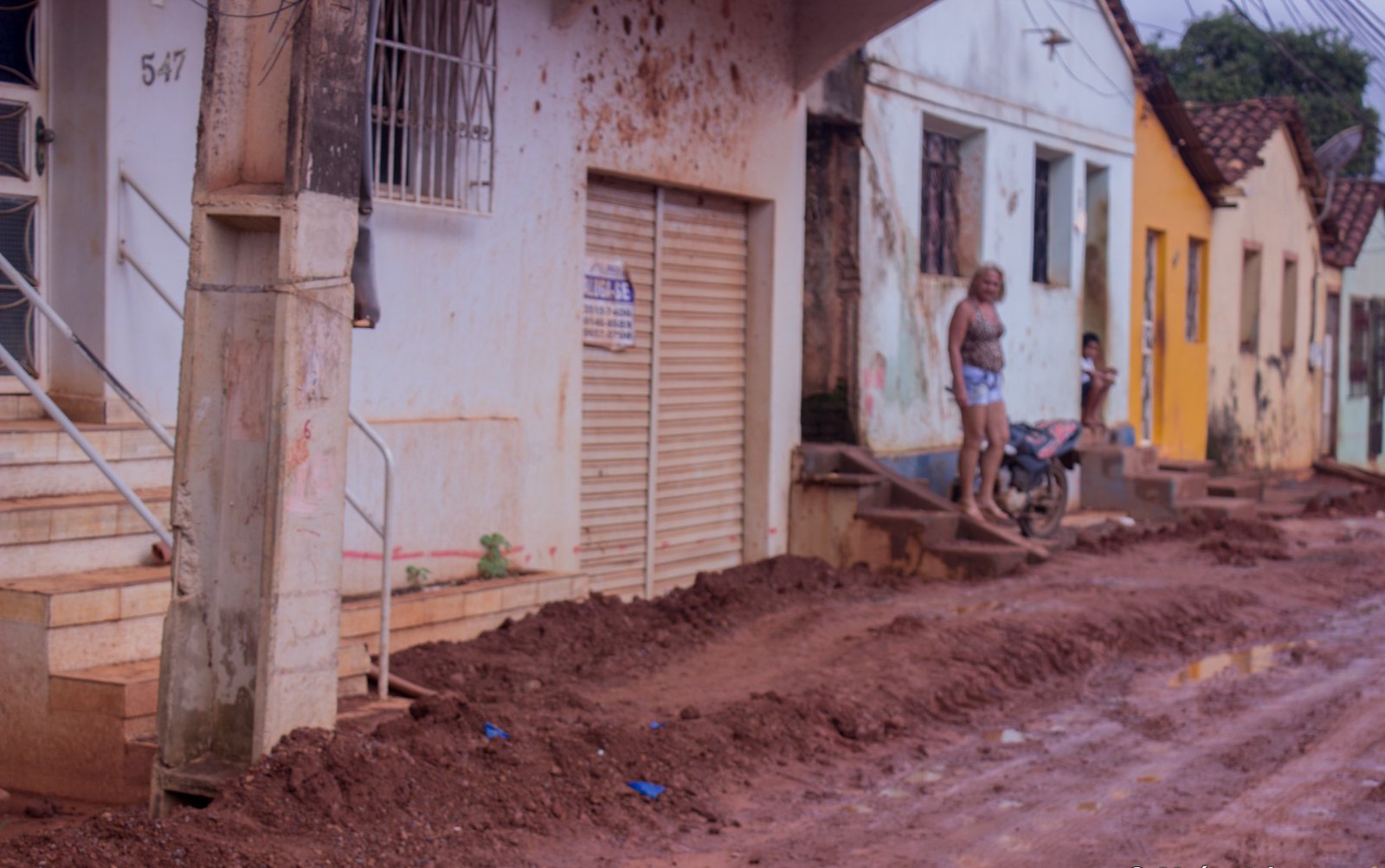
Foto: Amazon Watch / Maíra Irigaray.
Situação atual
As medidas de proteção concedidas pela CIDH permanecem em vigor, mas o Estado brasileiro não as cumpriu integralmente, relatando apenas ações genéricas. As comunidades documentaram as contínuas violações de seus direitos. A situação que motivou o pedido dessas medidas — o risco à vida, à segurança e aos meios de subsistência das comunidades — persiste e se agravou com a usina hidrelétrica operando em plena capacidade e com as recentes secas extremas na Amazônia.
Além do ocorrido em Belo Monte, existe o risco de maiores danos sociais e ambientais decorrentes da implementação de outro megaprojeto de mineração na Volta Grande do Xingu. Lá, a empresa canadense Belo Sun pretende construir a maior mina de ouro a céu aberto do Brasil.
Os impactos sinérgicos e cumulativos da usina e da mina não foram avaliados. O Estado excluiu povos indígenas, comunidades ribeirinhas e comunidades camponesas do processo de licenciamento ambiental do projeto. Apesar disso, dos protestos indígenas e de outras irregularidades em torno do projeto, o governo do estado do Pará autorizou formalmente a mina em abril de 2026.
Belo Monte, assim como outras usinas hidrelétricas, agrava a emergência climática ao gerar emissões de gases de efeito estufa em seu reservatório. Além disso, é ineficiente diante das secas prolongadas e intensas causadas pela crise, pois perde capacidade de geração de energia.
O caso perante a Comissão Interamericana
Em outubro de 2017, a CIDH anunciou que decidiria conjuntamente sobre a admissibilidade (se o caso preenche os requisitos para admissão) e o mérito (se houve, de fato, violação de direitos humanos) da denúncia internacional contra o Estado brasileiro.
Quinze anos após a apresentação da denúncia, as comunidades afetadas e as organizações que as representam ainda aguardam essa decisão. Caso a CIDH conclua que houve violações de direitos humanos e emita recomendações que o Estado brasileiro não cumpra, poderá encaminhar o caso à Corte Interamericana de Direitos Humanos, cujas decisões são vinculativas.
Uma possível decisão da Corte Internacional de Direitos Humanos neste caso estabeleceria um precedente jurídico regional em relação aos direitos dos povos indígenas e ribeirinhos, à participação pública em megaprojetos e à responsabilidade do Estado no contexto da crise climática. Isso é particularmente relevante à luz do Parecer Consultivo nº 32 da Corte, que reafirmou as obrigações dos Estados de proteger pessoas e comunidades em todo o continente da emergência climática.
Partners:
Related projects
Voices seeking justice for the community of La Oroya
The situation of the community of La Oroya in Peru, affected by decades of toxic pollution and the lack of effective government action to combat it, is not an exception in Latin America. Unfortunately, there are many environmental and social sacrifice zones in the continent where highly polluting activities, such as the La Oroya metallurgical complex, are developed. These activities are poorly supervised by the authorities responsible for guaranteeing life, health, personal integrity and other human rights. The importance of the case responds precisely to these realities and transcends the Peruvian context, representing a historic opportunity to set an important precedent for the entire continent. The Inter-American Court of Human Rights, which has yet to rule on the responsibility of the Peruvian state and the reparations to be made to the victims, has taken up the case. In anticipation of the decision, we’d like to share the testimonies of those who have been a key part of the search for justice for La Oroya. They are voices that demonstrate the gravity of the damage caused, and that show that the road to justice has been long, but fruitful. They are voices that express the urgency of guaranteeing a better future for the inhabitants of La Oroya and, ultimately, the effective enjoyment of the right to a healthy environment in the continent. 1. yolanda zurita, petitioner in the case "Community of La Oroya v. Peru" before the Inter-American Human Rights System: 2. anna cederstav, AIDA’s Deputy Director and CFO: 3. Liliana Ávila, Coordinator of AIDA's Human Rights and Environment Program:
Read more
Climate finance and a gender perspective: two concepts that must be intertwined
By Camila Bartelega, Florencia Ortúzar and Francisco Pinilla* Women and girls are disproportionately affected by the onslaught of the climate crisis. This is because they are usually the ones responsible for fetching water and food, and for taking care of children, the elderly, and the sick. Climate change makes this unpaid care work much more difficult. Evidence also shows that women and girls are more vulnerable to natural disasters. It's estimated that they're 14 times more likely to die than men when natural disasters strike. This may be because they are caring for vulnerable people, because they are often not taught how to swim or climb trees, or because they wear inadequate clothing to respond, amongst others. On the other hand, as the climate crisis creates chaos and increases conflict, they are more vulnerable to sexual assault and domestic violence. This is fueled by the growing frustration of a world in which resources are becoming scarcer and more difficult to obtain. It is clear, then, why it is important to include a gender perspective when talking about how best to address the climate crisis. But doing so is important not only to "level the playing field" for historically disadvantaged women, but also because they have a lot of knowledge to contribute, and the additional burdens they carry affect their ability to contribute to the best solutions. Including a gender perspective in climate action is therefore both fair and desirable for more effective and beneficial outcomes. If they are excluded, women lose, and we all lose. For Maite Smet, Executive Director of the International Analog Forestry Network, when we talk about a gender approach, or even a feminist approach, we are talking about issues of power. "Working from a gender and climate justice perspective is about wanting to change systems of power that have historically oppressed and socially excluded people," she said. "It opens up the possibility of including people who have not been part of important climate conversations and decisions." Now let's look at the relationship between gender and climate finance, a critical element in the uphill battle to preserve a livable planet. Gender and climate finance Tackling the global climate crisis will require transforming the way we live on the planet, including energy and food production, infrastructure and transportation. This will require significant financial resources. The Paris Accord stipulates that developed countries must provide financial assistance to the least developed and most vulnerable countries. This brings us to the world of climate finance: The provision of funds to implement mitigation and adaptation measures. All climate finance must have a gender perspective, as the impacts of the climate crisis disproportionately affect women and girls. What does this mean? It means funding that understands and intentionally addresses these differentiated impacts. It means that funding decisions are made with the participation of women, recognizing that they have valuable knowledge of their territories and are therefore the bearers of valuable solutions. Finally, it means making funding available and accessible to women. According to Natalia Daza, gender monitor of the Green Climate Fund for Latin America and the Caribbean and member of the Women Environment and Development Organization, the gender approach to climate finance has a lot to do with understanding that inequality shapes the way social relations take place. "Women are affected differently, usually more negatively, by the impacts of climate change,” she explained. “That's why civil society has a very important role to play in ensuring that climate action includes the voices of women, LGBTIQ+ and feminist organizations, from design to implementation.” The Gender Approach in the Green Climate Fund At AIDA, when we track climate finance coming into the region, we focus on the Green Climate Fund (GCF), the world's leading climate fund, which is accountable to the United Nations Framework Convention on Climate Change. Although far from perfect (not least because what is written is not necessarily followed), it is perhaps the most progressive fund on gender issues. The GCF's gender policy recognizes that climate change affects women and men differently and emphasizes the importance of women's participation and leadership in decision-making processes related to finance. It is considered progressive, compared to other funds, because of its cross-cutting approach, which seeks to integrate gender considerations into all aspects of financing. According to Seblewongel Deneke, the GCF’s gender specialist, any policy or strategy that emerges from the fund must take the gender perspective into account. "It is clear that both women and men contribute equally and should have equal opportunities. But we need to recognize that there are differentiated challenges for men and women, and that both are part of the solution." The policy includes capacity building, tools and materials. "The climate debate is not just about the climate agenda; it brings other elements of inequality to the table. We need to change access to education and health and ensure the basic rights that every individual should have, including women," Deneke said. What is needed? We cannot deny that we have made progress. The importance of the gender perspective in climate action and finance is discussed and recognized. There are policies to ensure it, institutions to implement it, and sometimes even staff and budgets to do so. But the job is not done. Women still have less access to climate finance and fewer positions of power. And mitigation and adaptation projects often fail to consider the disproportionate impact of climate change on women. It is not easy to change things when they move with the inertia of what has always been. But we cannot give up. At AIDA, we have integrated a gender perspective across all our work. In doing so, we have broken new ground on many fronts and improved our results, and not just for the benefit of women. As a regional node of GCF Watch, an international observatory that monitors the Green Climate Fund, AIDA is a bridge between decision-making at the Board level and the territories that receive the projects financed. Florencia Ortúzar, Senior Attorney at AIDA, says that it is not enough to have funds, there must also be adequate investments. "Civil society monitoring is key to ensure that investments in the name of climate are made with respect for human rights and with a gender focus, and to achieve the maximum potential of the funds allocated to these types of projects and programs." This was the theme of an in-person event held in Rio de Janeiro in June. Supported by the Global Alliance for Gender and Green Action (GAGGA) - and organized by CASA Socio-Environmental Fund, AIDA and Both Ends - the event aimed to train and motivate regional organizations with a feminist base to be better prepared to follow up on the Green Climate Fund. Lola Gutiérrez, director of the Bolivian Women's Fund, who attended the event, emphasizes the importance of learning more about the fund, other countries' experiences, and how to access these resources. "Women are affected in different ways by extractivism and climate change, and we are fundamental actors in the solution. It is important to be present and to problematize what is happening." One of the conclusions of the event was that with the progress in policies and with a narrative that is much more receptive to gender, we can stop being gatekeepers that prevent the passage of bad projects and become strikers that propose projects to be implemented to stop the climate crisis. Therein lies the hope that these grassroots organizations will soon be the ones accessing funds and proposing solutions. Only then can we celebrate and rest. * Camila Bartelega is a fellow with AIDA's Climate Program, Florencia Ortúzar is a senior attorney and Francisco Pinilla is a digital communications strategist.
Read more
Report of the International Mission to Colombia: Stop investor-state dispute settlement (ISDS)
In May 2023, a delegation of 13 representatives from social and environmental justice organisations from eight countries in the Americas and Europe visited Colombia to share experiences of struggles against the global investment protection regime. The mission also went to learn firsthand about the peoples and ecosystems being threatened by corporate lawsuits, as well as the environmental, social and cultural harms that transnational investments have already caused, particularly in the departments of La Guajira and Santander.The visit came in response to the significant rise in claims that transnational firms have made against the country in recent years, as highlighted in the Declaration “Recover Colombian Sovereignty in Defense of Water, Life and Territories”, signed by more than 280 organisations from 30 countries as well as 54 Colombian members of Congress. In the last five years, Colombia has faced some of the highest number of arbitration claims in Latin America. In 2018 alone, Colombia received more claims than any other country in the world.Colombia’s pending claims currently total US$13.2 billion – equivalent to 13% of the nation’s budget for 2023 and nearly equal to what Colombia plans to spend on education this year.According to the State National Agency for Legal Defense, as of March 2023, 14 arbitration processes were underway with eight more in the pre-arbitration stage. Colombia’s pending claims currently total US$13.2 billion (52 trillion Colombian pesos as of August 2023), although in three cases the amount claimed is not public. This is equivalent to 13% of the nation’s budget for 2023 and nearly equal to what Colombia plans to spend on education this year.The bulk of investors that have brought arbitration cases are involved in the extractive industries, especially mining.We witnessed how this system enables corporate impunity and threatens the realisation and defence of Colombians’ fundamental human and environmental rights. We also observed how this system interferes with judicial independence, environmental regulation, and national sovereignty. Read and download the report
Read more