
Project
Amazon Watch / Maíra Irigaray
Barragem de Belo Monte no rio Xingu: 10 anos de impactos na Amazônia e de busca por reparações
A usina hidrelétrica de Belo Monte causou um desastre ambiental e social no coração da Amazônia: um dos ecossistemas mais importantes do planeta.
Essa situação só piorou desde que a usina começou a operar em 2016. A busca por justiça e reparação para as comunidades indígenas e ribeirinhas afetadas continua até hoje.
Em 2011, a Comissão Interamericana de Direitos Humanos (CIDH) concedeu a essas comunidades medidas de proteção, que até hoje não foram totalmente implementadas pelo Estado brasileiro.
E, desde junho daquele mesmo ano, a CIDH mantém um processo contra o Estado por sua responsabilidade internacional no caso.
A CIDH pode encaminhar o caso à Corte Interamericana de Direitos Humanos, que tem o poder de emitir uma sentença condenatória contra o Estado brasileiro.
Consulta o expediente de fatos do caso
Após 10 anos de operação da usina hidrelétrica e mais de 15 anos de violações de direitos humanos documentadas, é hora da justiça ser feita para as comunidades afetadas.
Leia a carta aberta das organizações que levam o caso à CIDH
Leia nosso comunicado à imprensa
Contexto
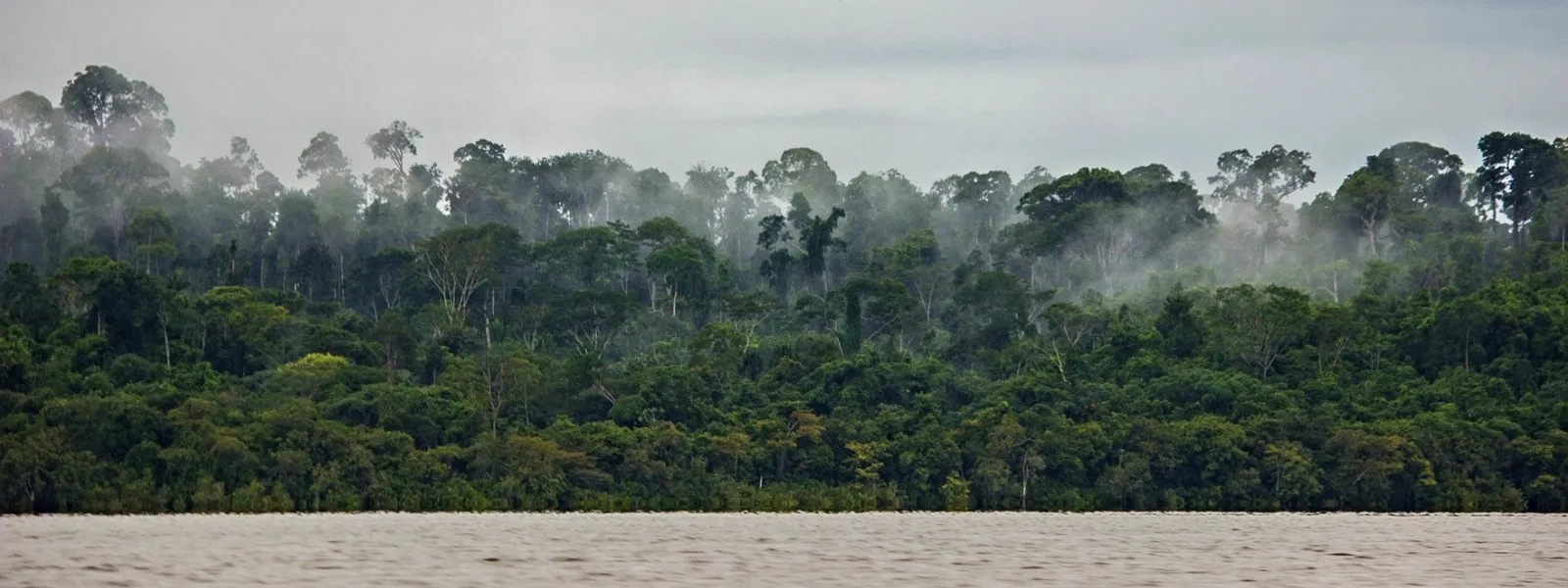
A usina hidrelétrica de Belo Monte — a quarta maior do mundo em capacidade instalada (11.233 MW) — foi construída no rio Xingu, no estado do Pará, norte do Brasil.
Foi inaugurada em 5 de maio de 2016, com uma única turbina. Naquela época, 80% do curso do rio foi desviado e 516 km² de terra foram inundados, uma área maior que a cidade de Chicago. Desse total, 400 km² eram de mata nativa. A usina começou a operar em plena capacidade em novembro de 2019.
Belo Monte foi construída e é operada pelo consórcio Norte Energia S.A., composto principalmente por empresas estatais. Foi financiada pelo Banco Nacional de Desenvolvimento Econômico e Social (BNDES), que aportou ao consórcio 25,4 bilhões de reais (aproximadamente US$ 10,16 bilhões), o maior investimento de sua história. Portanto, o BNDES também é legalmente responsável pelos impactos socioambientais associados ao projeto hidrelétrico.
Décadas de danos ambientais e humanos
As violações dos direitos humanos e a degradação da Amazônia remontam ao início do projeto. Em março de 2011, a Norte Energia iniciou a construção da barragem sem consulta adequada e sem o consentimento prévio, livre e informado das comunidades afetadas.
A construção levou ao deslocamento forçado de mais de 40.000 pessoas, rompendo laços sociais e culturais. O plano de reassentamento em Altamira — cidade diretamente afetada pelo projeto hidrelétrico — incluía moradias na periferia da cidade, sem serviços públicos adequados, moradias dignas para as famílias reassentadas e moradias diferenciadas para aqueles pertencentes a comunidades indígenas.
A operação da barragem de Belo Monte impôs uma seca permanente e artificial na Volta Grande do rio Xingu, agravada pelas secas históricas na Amazônia em 2023 e 2024. Como resultado, a morte de milhões de ovos de peixe foi documentada por quatro anos consecutivos (de 2021 a 2024) e, nos últimos três anos, não houve migração de peixes rio acima para desovar e se reproduzir. Assim, a pesca artesanal, principal fonte de proteína para os povos indígenas e comunidades ribeirinhas, foi severamente afetada: o consumo de peixe caiu de 50% para 30% do total de proteínas consumidas, sendo substituído por alimentos processados. Em suma, houve um colapso ambiental e humanitário que resultou no colapso da pesca como modo de vida tradicional, insegurança alimentar e falta de acesso à água potável para milhares de famílias, empobrecimento e doenças.
Além disso, a construção da barragem aumentou o desmatamento e intensificou a extração ilegal de madeira e a insegurança em terras indígenas e tribais, colocando em risco a sobrevivência dessas comunidades. Outra consequência foi o agravamento da pobreza e dos conflitos sociais, bem como a sobrecarga dos sistemas de saúde, educação e segurança pública em Altamira, cidade considerada a mais violenta do país em 2017, onde houve aumento do tráfico de pessoas e da violência sexual. Também foram registrados casos de violência contra defensores de direitos humanos envolvidos no caso.
Em 2025, durante a 30ª Conferência das Nações Unidas sobre Mudanças Climáticas (COP30), realizada no Brasil, o Ministério Público Federal classificou os danos causados por Belo Monte como ecocídio.
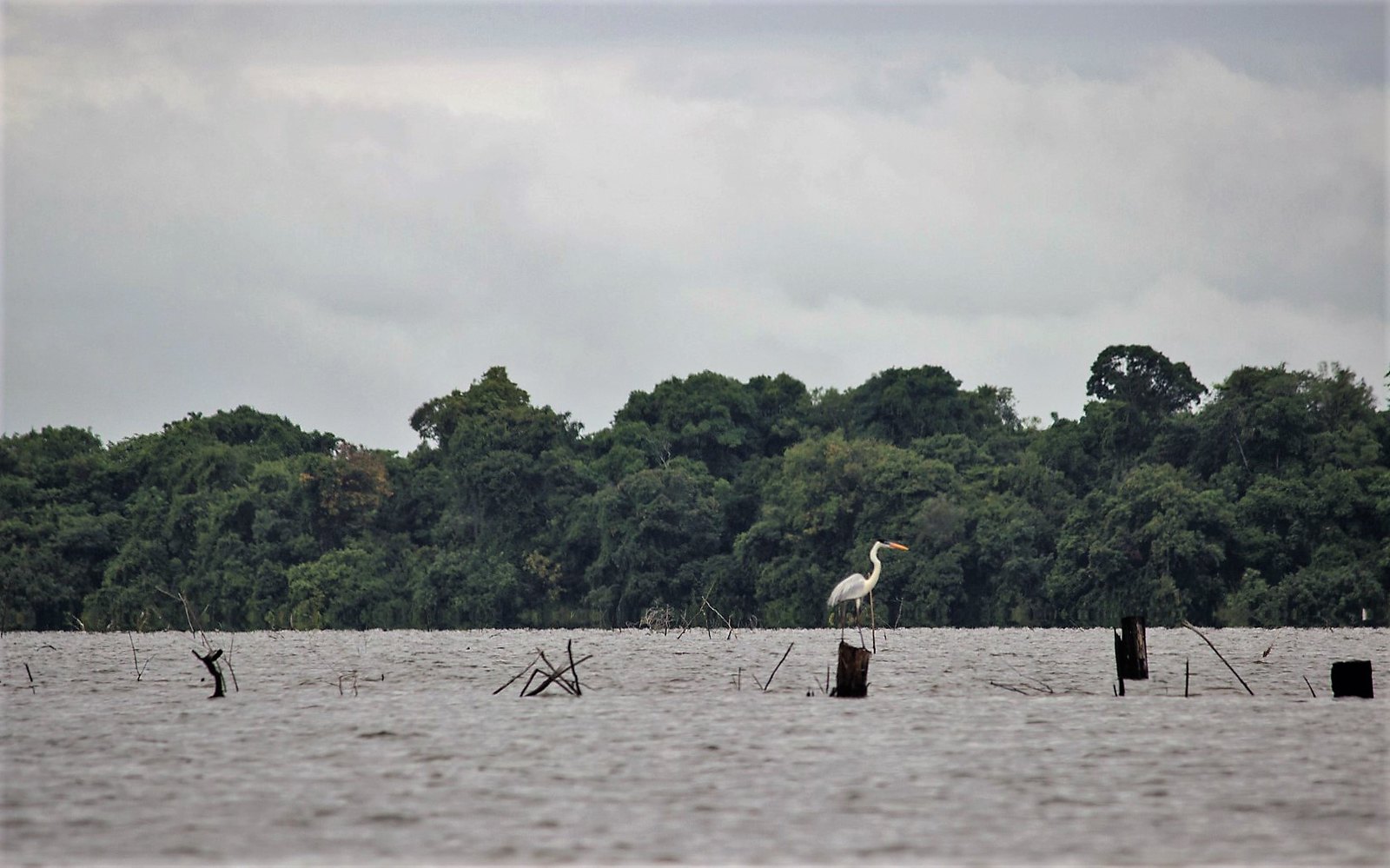
Foto: Amazon Watch / Maíra Irigaray.
A busca por justiça e reparação
Ao longo dos anos, o Ministério Público Federal do Pará, a Defensoria Pública e organizações da sociedade civil impetraram dezenas de ações judiciais em tribunais brasileiros para contestar as diversas irregularidades do projeto, bem como seus impactos. A maioria das ações permanece sem solução, algumas há mais de 10 anos.
Essas ações não obtiveram sucesso porque o governo federal tem reiteradamente anulado decisões favoráveis às comunidades afetadas, recorrendo a um mecanismo pelo qual o presidente do Supremo Tribunal Federal pode suspender uma decisão judicial com base unicamente em argumentos genéricos como "interesse nacional" ou "ordem econômica".
Diante da falta de respostas eficazes em nível nacional, a AIDA — juntamente com uma coalizão de organizações aliadas — levou o caso à Comissão Interamericana de Direitos Humanos (CIDH) e, em 2010, solicitou medidas cautelares para proteger a vida, a integridade e a saúde das comunidades indígenas afetadas.
Em 1º de abril de 2011, a CIDH concedeu essas medidas e solicitou ao Estado brasileiro a suspensão das licenças ambientais e de quaisquer obras de construção até que as condições relativas à consulta prévia e à proteção da saúde e integridade das comunidades fossem atendidas.
E, em 16 de junho de 2011, apresentamos uma denúncia formal à CIDH — juntamente com o Movimento Xingu Vivo Para Siempre, a Coordenação das Organizações Indígenas da Amazônia Brasileira, a Diocese de Altamira, o Conselho Missionário Indígena, a Sociedade Pará de Defesa dos Direitos Humanos e a Global Justice — contra o Estado brasileiro por sua responsabilidade internacional nas violações de direitos humanos contra os povos afetados neste caso. A denúncia foi apresentada em dezembro de 2015.
Em 3 de agosto de 2011, a CIDH modificou as medidas cautelares para solicitar — em vez da suspensão de licenças e obras — a proteção dos povos que vivem em isolamento voluntário, a saúde das comunidades indígenas e a regularização e proteção das terras ancestrais.
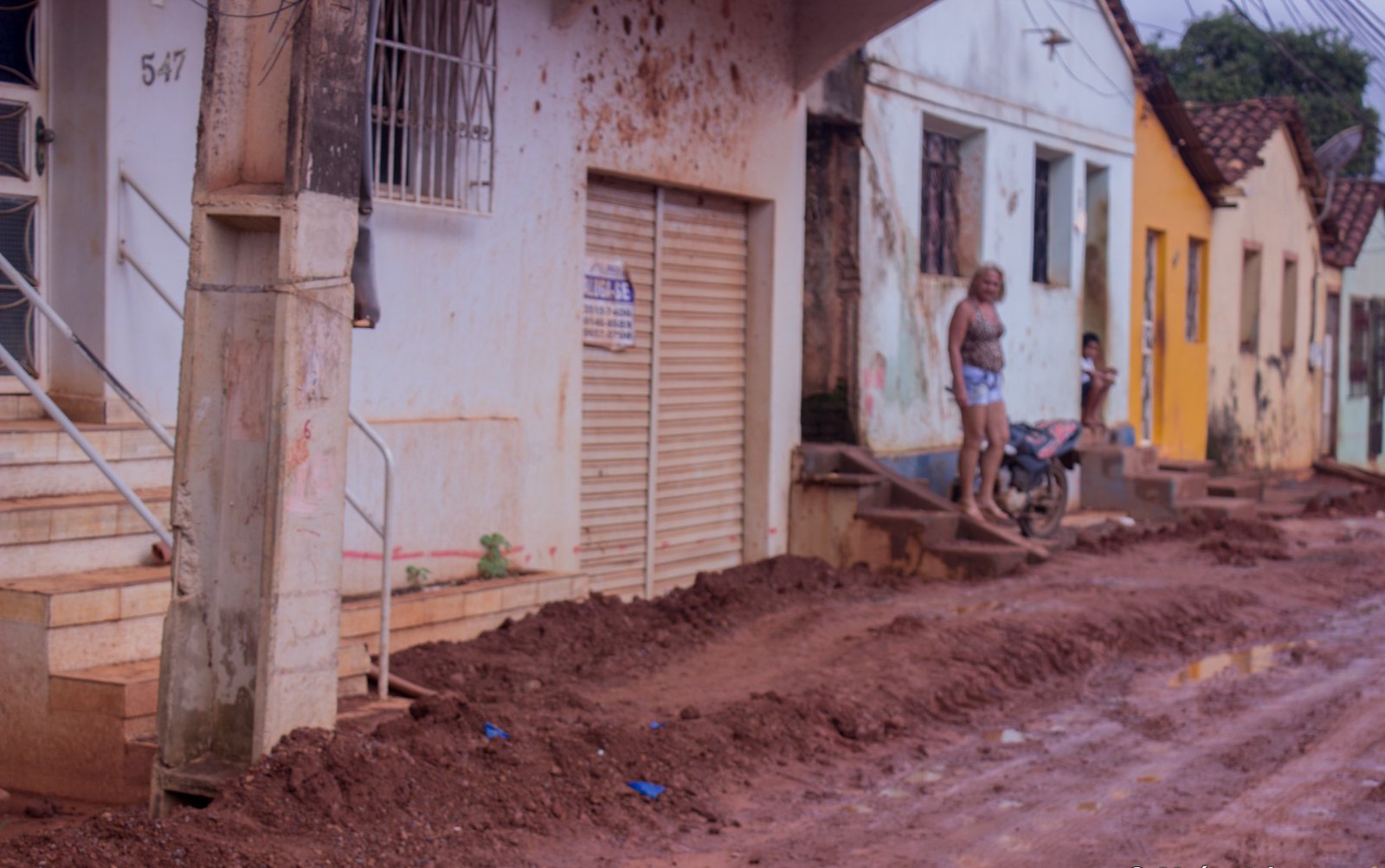
Foto: Amazon Watch / Maíra Irigaray.
Situação atual
As medidas de proteção concedidas pela CIDH permanecem em vigor, mas o Estado brasileiro não as cumpriu integralmente, relatando apenas ações genéricas. As comunidades documentaram as contínuas violações de seus direitos. A situação que motivou o pedido dessas medidas — o risco à vida, à segurança e aos meios de subsistência das comunidades — persiste e se agravou com a usina hidrelétrica operando em plena capacidade e com as recentes secas extremas na Amazônia.
Além do ocorrido em Belo Monte, existe o risco de maiores danos sociais e ambientais decorrentes da implementação de outro megaprojeto de mineração na Volta Grande do Xingu. Lá, a empresa canadense Belo Sun pretende construir a maior mina de ouro a céu aberto do Brasil.
Os impactos sinérgicos e cumulativos da usina e da mina não foram avaliados. O Estado excluiu povos indígenas, comunidades ribeirinhas e comunidades camponesas do processo de licenciamento ambiental do projeto. Apesar disso, dos protestos indígenas e de outras irregularidades em torno do projeto, o governo do estado do Pará autorizou formalmente a mina em abril de 2026.
Belo Monte, assim como outras usinas hidrelétricas, agrava a emergência climática ao gerar emissões de gases de efeito estufa em seu reservatório. Além disso, é ineficiente diante das secas prolongadas e intensas causadas pela crise, pois perde capacidade de geração de energia.
O caso perante a Comissão Interamericana
Em outubro de 2017, a CIDH anunciou que decidiria conjuntamente sobre a admissibilidade (se o caso preenche os requisitos para admissão) e o mérito (se houve, de fato, violação de direitos humanos) da denúncia internacional contra o Estado brasileiro.
Quinze anos após a apresentação da denúncia, as comunidades afetadas e as organizações que as representam ainda aguardam essa decisão. Caso a CIDH conclua que houve violações de direitos humanos e emita recomendações que o Estado brasileiro não cumpra, poderá encaminhar o caso à Corte Interamericana de Direitos Humanos, cujas decisões são vinculativas.
Uma possível decisão da Corte Internacional de Direitos Humanos neste caso estabeleceria um precedente jurídico regional em relação aos direitos dos povos indígenas e ribeirinhos, à participação pública em megaprojetos e à responsabilidade do Estado no contexto da crise climática. Isso é particularmente relevante à luz do Parecer Consultivo nº 32 da Corte, que reafirmou as obrigações dos Estados de proteger pessoas e comunidades em todo o continente da emergência climática.
Partners:
Related projects
"Water is worth more than lithium": Resistance against an unjust energy transition
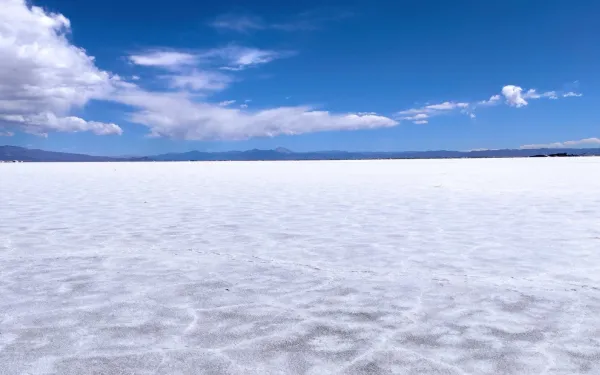
"Water is worth more than lithium" is the slogan under which social organizations, trade unions and indigenous peoples have been expressing their resistance against the constitutional reform in Jujuy, a province in northern Argentina. They claim that this reform, promoted by Governor Gerardo Morales, doesn’t respect international regulations on the rights of indigenous peoples, including Convention 169 of the International Labor Organization (ILO), which establishes the right to free, prior and informed consultation of peoples on projects to be developed in their ancestral territories. In this sense, this reform would have been approved on June 16, in a short process that didn’t allow for broad public participation and deliberation and in which there was no proper consultation with indigenous peoples. Furthermore, the constitutional text represents a significant step backwards on environmental and human rights issues; it also opens the doors to mega-mining -including lithium mining- under the guise of energy transition, criminalizes protests and allows the privatization of both water and indigenous lands. Indigenous communities have claimed that the indiscriminate advancement of lithium mining projects in the province will exacerbate the water crisis currently affecting the area. With increasing international demand for lithium - considered a strategic resource due to its energy storage capacity (useful for the battery and electric vehicle industries) - global mining and production has accelerated in recent years, with a focus on regions rich in the mineral, such as the Andean salt flats of Argentina, Bolivia and Chile, where more than 53% of the world's proven reserves are located. Lithium is found in brines, pegmatites and sedimentary rocks, although it’s easier to from the former. However, extraction requires large quantities of water and takes place in fragile ecosystems such as salt flats, which suffer from water-deficiency and are severely affected by the impacts of the climate crisis. The social resistance to the constitutional reform in Jujuy is also a resistance to a global trend that, in the name of an energy transition that is far from being just, seeks to perpetuate extractivist models that violate human rights. Human rights violations in Jujuy AIDA - along with seven other civil society organizations with extensive experience in environmental and human rights defense - was part of an international mission that visited Jujuy from 21 to 25 August to learn first-hand about possible violations of the right to protest and participation in the context of the constitutional reform. The mission visited the main protest centers and documented testimonies from people from indigenous groups and communities, farmers' associations, trade unions and human rights organizations, as well as social leaders, teachers, lawyers and provincial authorities. Preliminary conclusions indicate that: Even when indigenous peoples and their communities demanded participation in the constitutional reform, it was carried out without an exhaustive deliberative process. Despite climate crisis and water scarcity, the reform doesn’t properly address integrated basin management and ecosystems conservation. The reform seems to favor large-scale industrial, agricultural and livestock use of water resources and opens the doors to concessions that can lead the privatization of water, damaging ecosystem cycles and failing to protect small-scale agriculture and livestock, vital to the existence of native communities. There is a repeated and manifest concern from indigenous communities about the negative impacts of mining, particularly lithium extraction projects. Testimonies report cases of repression of social protest, arbitrary arrests, harassment and alleged torture by the police of people involved in resistance, as well as disproportionate use of force. The mission is currently systematizing the information collected in order to prepare recommendations oriented that will highlight the complex situation in the province of Jujuy and contribute to a dialog that will allow for a better resolution of the social conflict and respect for human rights. What kind of transition does the constitutional reform in Jujuy point to? Addressing this question is important to understand that a just energy transition is incompatible with a context in which private economic interests prevail over social and environmental considerations, and in which government actions ignore the impacts of lithium extraction and the legitimate claims of local communities to manage their water and territory. Jujuy is home to over 12 indigenous peoples and around 400 communities -whose members have dedicated for millennia to salt extraction in Salinas Grandes, the fourth largest salt flat in South America. Their connection to water is sacred and ancient. It’s a cultural connection that is threatened by the exploitation of lithium, which jeopardizes the availability of an extremely scarce resource. "To extract one ton of lithium (through evaporation), 2 million liters of water are evaporated from the wells, that is, 2000 tons of water that cannot be re-circulated," says Ingrid Garcés, professor in the Department of Chemical Engineering and Mineral Processes at the University of Antofagasta, Chile. This "is profitable for the industry because it means a process without energy costs, but unfortunately it has the cost of losing water from a system that is not renewable, especially in a desert region" (like the salt flats). The constitutional reform in Jujuy doesn’t stipulate an order of priority for water use, but puts human and industrial consumption on the same level. Limited access to water is a central concern in the province, as there are few groundwater resources to meet the demand for water for human and domestic use, as well as for small-scale agricultural and livestock production. An urgent change of course The water crisis is one of the most pressing crises worldwide and is intrinsically linked to the climate crisis and the need to switch to alternative energy production. Extreme weather patterns - such as prolonged droughts, floods and more intense storms – have a direct impact on the availability and distribution of water in different regions of the world, leading to a decline in water resources. In this scenario, competition for water use intensifies and requires social water management for the benefit of communities. This is the only way to address the situation in terms of sustainability and environmental justice. The extraction of lithium to satisfy corporate interests is an example of the paradox that tackling the climate crisis comes at the expense of communities and ecosystems. The lack of fair and equitable distribution of benefits and the externalization of environmental and social costs underscores the urgency to rethink and radically transform our relationship with natural resources and the way we address the climate crisis.
Read more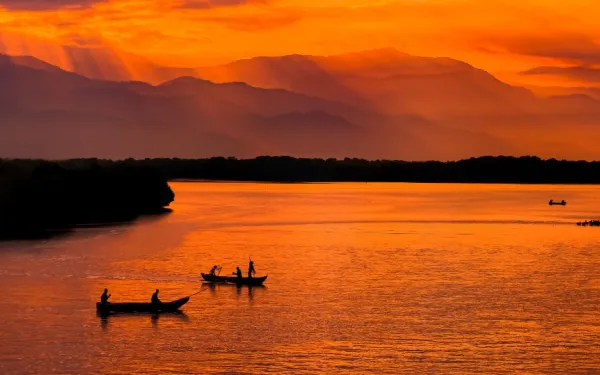
What makes a litigation a climate litigation?
According to a recent report published by the United Nations Environment Programme (UNEP), climate litigation has doubled worldwide in recent years and has become an important and increasingly popular tool for tackling the climate crisis.Furthermore, the Intergovernmental Panel on Climate Change (IPCC) noted in its sixth report that there is now "a growing academic consensus suggesting that climate litigation has become a powerful force in climate governance".Climate litigation is indeed an integral part of the activists' toolkit for promoting climate action. And it is children, youth, indigenous peoples, civil society organizations, women and local communities who have taken the lead in bringing these legal actions.Climate litigation is, at its core, strategic litigation, which means it seeks far-reaching changes in society that go beyond a specific case. Typically, this is achieved by promoting the protection of rights or changes in public policy. Such litigations hold governments, public authorities, companies and other non-state actors accountable in court for the climate crisis and oblige them, among other things, to adopt, implement and gradually increase concrete measures to reduce their emissions and mitigate the impacts of the climate crisis.Over a year ago, AIDA launched the Climate Litigation Platform for Latin America and the Caribbean, a reference website that collects cases of climate litigation in the region. The goal is to promote the exchange of diverse experiences in order to strengthen cases in favor of necessary structural changes.The Platform contains systematized and updated information on litigations filed before any jurisdictional authority (judicial, administrative, international or autonomous). It contains the arguments supporting the cases, related to the legal obligations of States and other actors in the face of the climate crisis.It also contains cases that, while not directly related to the climate crisis, contribute to the pursuit of climate justice on the continent.And this is where confusion and questions arise: what makes a litigation a climate litigation?The truth is that there is no accepted definition to determine which litigation is climate and which is not. It is a relatively new niche in the field of environmental law and -as with many things in life, it has blurred edges. The fact is that our planet is suffering from multiple crises, all of which are interconnected and closely linked to environmental degradation. In this sense, it is almost always possible to link environmental litigations, in some way or another, to the changing climate.In any case, and with the aim of stimulating a discussion on this subject, we venture here to reflect on possible definitions that shed light and allow us to delimit this concept that is gaining so much relevance. An approach to climate litigation and its elementsOne way to approach the question of what makes a litigation a climate litigation is to say that a climate litigation is any litigation that contains arguments related to the climate crisis in its claim or in the sentence that resolves it.Another approach concerns the purpose of the litigation, whereby to say that climate litigation is any litigation relating to climate action. It implies a high complexity and a wide variety of cases, many of which are intertwined. Under this definition, for example, there would be cases that:Seek to mitigate emissions of pollutants that cause global warming.Demand the states to comply (or increase) their international climate commitments.Promote measures to adapt to the unavoidable effects of climate crisis.Demand reparations for damages caused by the climate crisis.Aim to ensure that companies are held accountable for their contribution to the problem.Pursue policies or regulatory changes in favor of climate action.Demand transparency or accountability of government or corporate actions related to the climate crisis.Request that financial institutions raise their standards to take climate and the environment into account in their decision-making.Seek to stop any project that could harm the climate.Aim to protect ecosystems, especially those that act as natural carbon sinks.In some cases, they seek to raise public awareness of issues related to the climate crisis. Climate litigation: A living and ever-growing toolAs can be seen, the variety of cases that can be labeled as climate litigation is enormous and almost as great as the creativity of the people who are implementing this tool.What is interesting is that- despite being a fairly new concept - climate litigation builds on itself. The longer we use it, the more the courts will be involved in examining the obligations of companies and states towards climate action, and the more we will generate more useful jurisprudence, capacities and experiences to move forward.National and international law is strengthened by the use of climate litigation and it is important to keep it alive and growing -and to link it to the responsibility of States and corporations to address the climate crisis- on the basis of the universal human right to a healthy environment.It is important to clarify that strategic litigation -whether climate or environmental- is challenging, complex and expensive. It requires time, resources, skills and commitment. The decision to initiate a climate litigation is not one to be taken lightly. It is often not the best option to achieve a goal.But we can say -with certainty- that it is a key tool in climate action, that has allowed the voices of highly vulnerable and often invisible people and groups to be heard in the forums where decisions are made, where justice is done. It is also the last instance of play in the institutional and legal sphere.Visit the Climate Litigation Platform for Latin America and the Caribbean
Read more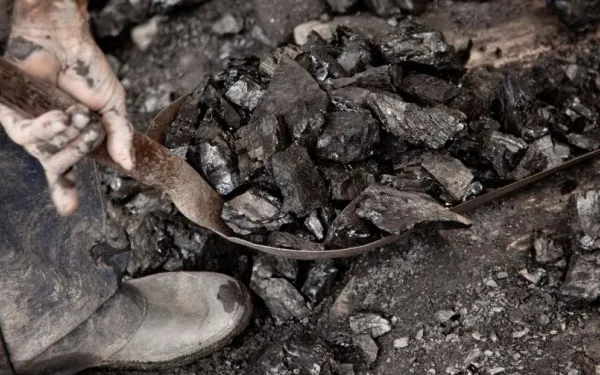
High court orders Colombian government to adopt concrete actions for climate crisis mitigation and adaptation
After evidencing that the Ministry of Environment failed to comply with climate obligations contained in the national legislation, the State Council ordered the entity to take concrete measures to meet these commitments within one year. This is the final decision in the litigation filed by various stakeholders demanding the State to include the climate impact of the coal sector in its climate crisis management. The State Council ordered the Ministry of Environment and Sustainable Development to adopt, within one year, specific measures to mitigate and adapt to the climate crisis in order to fulfill part of the country's climate commitments. With this ruling, the High Court resolved a compliance action filed on May of this year by a coalition of civil society organizations, think tanks and universities to require the State to include the impacts of the coal production chain in the climate policy.In the decision, the State Council acknowledges the Ministry's failure to comply with the norms to include climate impacts in projects with environmental management and control instruments, the lack of regulations regarding emissions from the coal sector, and the absence of a report and evaluation of the impact of the implementation of nature-based solutions programs and projects.Although the decision could have been more ambitious by also recognizing other alleged non-compliances that were proved in the litigation, the high court issued four fundamental orders to be complied by the Ministry of Environment:Inclusion of climate change adaptation and mitigation considerations in the environmental management and control instruments of projects, emphasizing the quantification of greenhouse gas (GHG) emissions and the contributions of environmental compensation measures to the Nationally Determined Contributions, submitted by the State to the United Nations Framework Convention on Climate Change.Adopt a national guideline for formulating, developing, monitoring, reporting and evaluating the impact of implementing nature-based solutions programs and projects. This must include climate change management, integration with an ecosystem approach, contributions to the economy, benefits to biodiversity and human communities.Determining the methodologies for calculating direct and indirect emissions that must be reported, the methods, tools, processes and periodicity of reporting on GHG emissions, and the information and documentation required for GHG inventories.Regulation of the conditions for the verification, certification and registration of GHG emissions, emission reductions and removals as well as determination of the follow-up and control procedures foreseen. Based on the result, this litigation is the first successful case of strategic and climate litigation in the continent, as it was possible to prove that the State failed to comply to specific climate commitments, and has succeeded to order to one of the competent authorities to adopt concrete actions for appropriate climate management. The strategy employed and the precedent achieved can well be replicated in other countries in the region.The enforcement action was filed with the Administrative Court of Cundinamarca by the Interamerican Association for Environmental Defense, the José Alvear Restrepo Lawyers Collective, Censat Agua Viva, Centro de Investigación y Educación Popular, POLEN Transiciones Justas, Universidad de Magdalena and researcher Paola Yanguas.In July, the court issued the first-instance ruling in this case. In it, it issued eight orders requiring not only the Ministry of Environment—but also the Ministry of Mines and Energy—to comply with Law 1931 of 2018 and Law 2165 of 2021, which set out the minimum actions that Colombia must take to meet its climate commitments at international level.This litigation showed that over the last six years, the government has omitted the obligations contained in these laws, particularly in relation to the climate impact caused by the coal sector.The case was subsequently referred to the State Council, whose final decision confirmed part of the ruling of the Administrative Court of Cundinamarca.As the largest coal exporter in Latin America, Colombia is obliged to include in its climate commitments the true extent of the impact of the coal sector. This was demanded by the communities of La Guajira, which have been directly affected for decades.Although these communities did not sign the litigation, they sponsored it and accompanied its presentation with traditional dance and music. Press contact:Víctor Quintanilla-Sangueza (Mexico), AIDA, [email protected], +521 5570522107
Read more