
Project
Amazon Watch / Maíra Irigaray
Barragem de Belo Monte no rio Xingu: 10 anos de impactos na Amazônia e de busca por reparações
A usina hidrelétrica de Belo Monte causou um desastre ambiental e social no coração da Amazônia: um dos ecossistemas mais importantes do planeta.
Essa situação só piorou desde que a usina começou a operar em 2016. A busca por justiça e reparação para as comunidades indígenas e ribeirinhas afetadas continua até hoje.
Em 2011, a Comissão Interamericana de Direitos Humanos (CIDH) concedeu a essas comunidades medidas de proteção, que até hoje não foram totalmente implementadas pelo Estado brasileiro.
E, desde junho daquele mesmo ano, a CIDH mantém um processo contra o Estado por sua responsabilidade internacional no caso.
A CIDH pode encaminhar o caso à Corte Interamericana de Direitos Humanos, que tem o poder de emitir uma sentença condenatória contra o Estado brasileiro.
Consulta o expediente de fatos do caso
Após 10 anos de operação da usina hidrelétrica e mais de 15 anos de violações de direitos humanos documentadas, é hora da justiça ser feita para as comunidades afetadas.
Leia a carta aberta das organizações que levam o caso à CIDH
Leia nosso comunicado à imprensa
Contexto
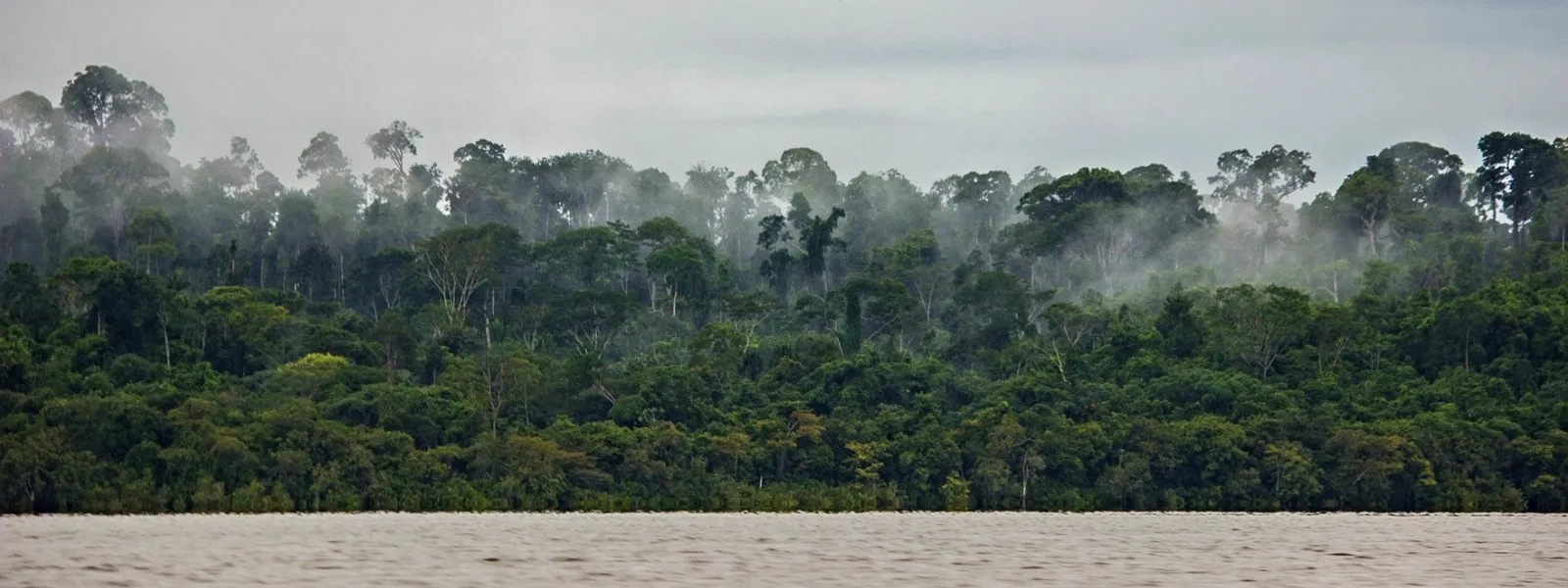
A usina hidrelétrica de Belo Monte — a quarta maior do mundo em capacidade instalada (11.233 MW) — foi construída no rio Xingu, no estado do Pará, norte do Brasil.
Foi inaugurada em 5 de maio de 2016, com uma única turbina. Naquela época, 80% do curso do rio foi desviado e 516 km² de terra foram inundados, uma área maior que a cidade de Chicago. Desse total, 400 km² eram de mata nativa. A usina começou a operar em plena capacidade em novembro de 2019.
Belo Monte foi construída e é operada pelo consórcio Norte Energia S.A., composto principalmente por empresas estatais. Foi financiada pelo Banco Nacional de Desenvolvimento Econômico e Social (BNDES), que aportou ao consórcio 25,4 bilhões de reais (aproximadamente US$ 10,16 bilhões), o maior investimento de sua história. Portanto, o BNDES também é legalmente responsável pelos impactos socioambientais associados ao projeto hidrelétrico.
Décadas de danos ambientais e humanos
As violações dos direitos humanos e a degradação da Amazônia remontam ao início do projeto. Em março de 2011, a Norte Energia iniciou a construção da barragem sem consulta adequada e sem o consentimento prévio, livre e informado das comunidades afetadas.
A construção levou ao deslocamento forçado de mais de 40.000 pessoas, rompendo laços sociais e culturais. O plano de reassentamento em Altamira — cidade diretamente afetada pelo projeto hidrelétrico — incluía moradias na periferia da cidade, sem serviços públicos adequados, moradias dignas para as famílias reassentadas e moradias diferenciadas para aqueles pertencentes a comunidades indígenas.
A operação da barragem de Belo Monte impôs uma seca permanente e artificial na Volta Grande do rio Xingu, agravada pelas secas históricas na Amazônia em 2023 e 2024. Como resultado, a morte de milhões de ovos de peixe foi documentada por quatro anos consecutivos (de 2021 a 2024) e, nos últimos três anos, não houve migração de peixes rio acima para desovar e se reproduzir. Assim, a pesca artesanal, principal fonte de proteína para os povos indígenas e comunidades ribeirinhas, foi severamente afetada: o consumo de peixe caiu de 50% para 30% do total de proteínas consumidas, sendo substituído por alimentos processados. Em suma, houve um colapso ambiental e humanitário que resultou no colapso da pesca como modo de vida tradicional, insegurança alimentar e falta de acesso à água potável para milhares de famílias, empobrecimento e doenças.
Além disso, a construção da barragem aumentou o desmatamento e intensificou a extração ilegal de madeira e a insegurança em terras indígenas e tribais, colocando em risco a sobrevivência dessas comunidades. Outra consequência foi o agravamento da pobreza e dos conflitos sociais, bem como a sobrecarga dos sistemas de saúde, educação e segurança pública em Altamira, cidade considerada a mais violenta do país em 2017, onde houve aumento do tráfico de pessoas e da violência sexual. Também foram registrados casos de violência contra defensores de direitos humanos envolvidos no caso.
Em 2025, durante a 30ª Conferência das Nações Unidas sobre Mudanças Climáticas (COP30), realizada no Brasil, o Ministério Público Federal classificou os danos causados por Belo Monte como ecocídio.
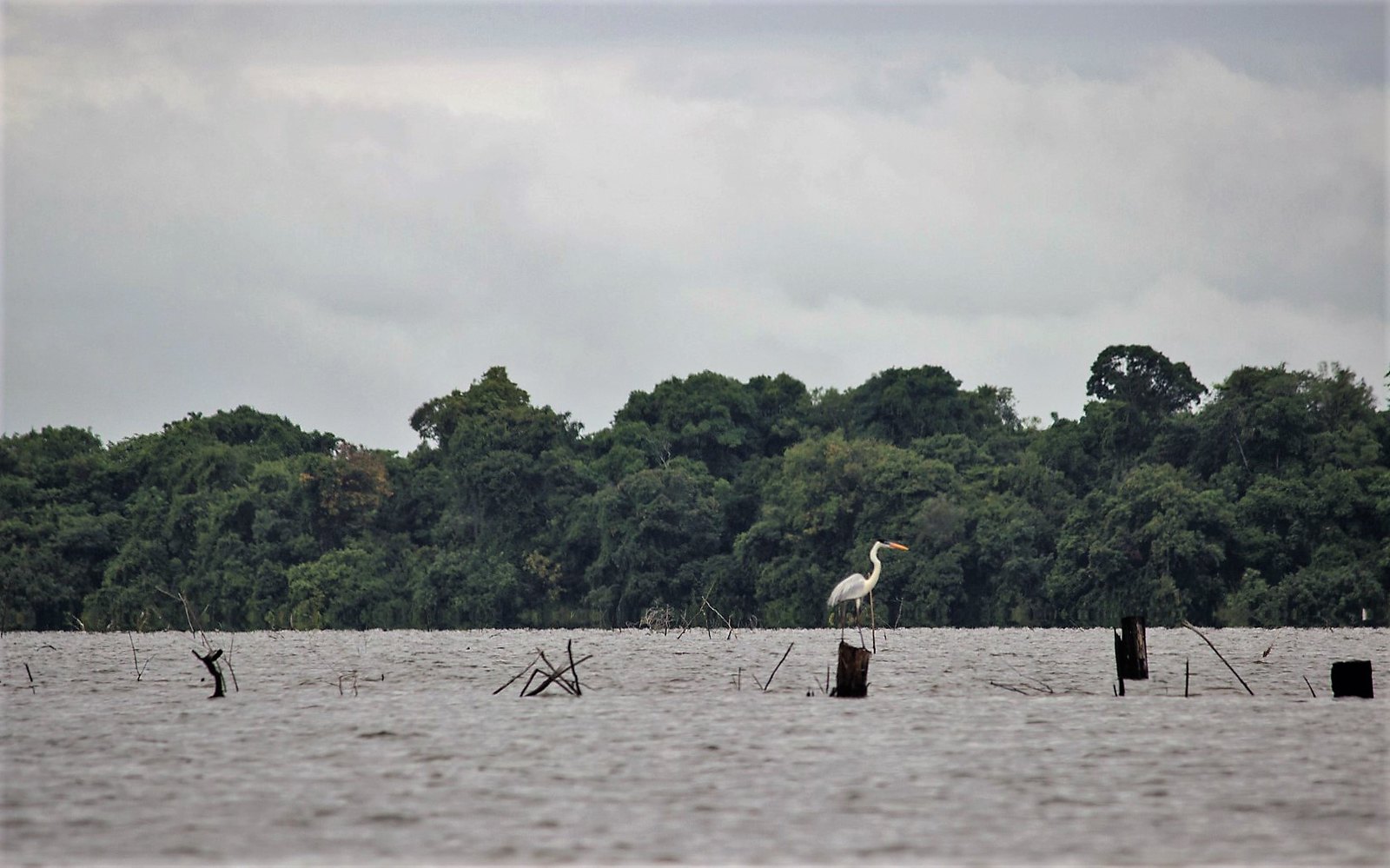
Foto: Amazon Watch / Maíra Irigaray.
A busca por justiça e reparação
Ao longo dos anos, o Ministério Público Federal do Pará, a Defensoria Pública e organizações da sociedade civil impetraram dezenas de ações judiciais em tribunais brasileiros para contestar as diversas irregularidades do projeto, bem como seus impactos. A maioria das ações permanece sem solução, algumas há mais de 10 anos.
Essas ações não obtiveram sucesso porque o governo federal tem reiteradamente anulado decisões favoráveis às comunidades afetadas, recorrendo a um mecanismo pelo qual o presidente do Supremo Tribunal Federal pode suspender uma decisão judicial com base unicamente em argumentos genéricos como "interesse nacional" ou "ordem econômica".
Diante da falta de respostas eficazes em nível nacional, a AIDA — juntamente com uma coalizão de organizações aliadas — levou o caso à Comissão Interamericana de Direitos Humanos (CIDH) e, em 2010, solicitou medidas cautelares para proteger a vida, a integridade e a saúde das comunidades indígenas afetadas.
Em 1º de abril de 2011, a CIDH concedeu essas medidas e solicitou ao Estado brasileiro a suspensão das licenças ambientais e de quaisquer obras de construção até que as condições relativas à consulta prévia e à proteção da saúde e integridade das comunidades fossem atendidas.
E, em 16 de junho de 2011, apresentamos uma denúncia formal à CIDH — juntamente com o Movimento Xingu Vivo Para Siempre, a Coordenação das Organizações Indígenas da Amazônia Brasileira, a Diocese de Altamira, o Conselho Missionário Indígena, a Sociedade Pará de Defesa dos Direitos Humanos e a Global Justice — contra o Estado brasileiro por sua responsabilidade internacional nas violações de direitos humanos contra os povos afetados neste caso. A denúncia foi apresentada em dezembro de 2015.
Em 3 de agosto de 2011, a CIDH modificou as medidas cautelares para solicitar — em vez da suspensão de licenças e obras — a proteção dos povos que vivem em isolamento voluntário, a saúde das comunidades indígenas e a regularização e proteção das terras ancestrais.
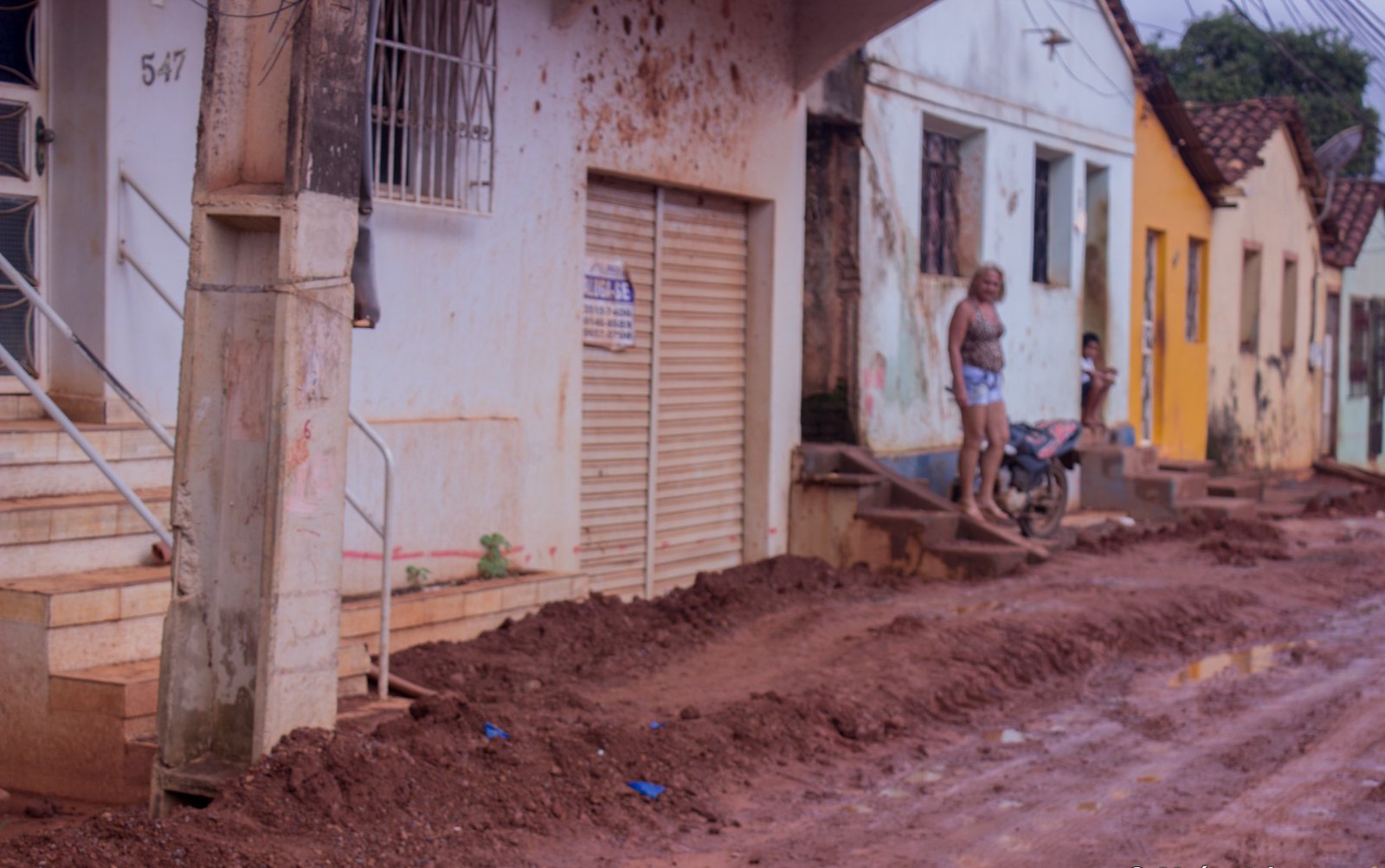
Foto: Amazon Watch / Maíra Irigaray.
Situação atual
As medidas de proteção concedidas pela CIDH permanecem em vigor, mas o Estado brasileiro não as cumpriu integralmente, relatando apenas ações genéricas. As comunidades documentaram as contínuas violações de seus direitos. A situação que motivou o pedido dessas medidas — o risco à vida, à segurança e aos meios de subsistência das comunidades — persiste e se agravou com a usina hidrelétrica operando em plena capacidade e com as recentes secas extremas na Amazônia.
Além do ocorrido em Belo Monte, existe o risco de maiores danos sociais e ambientais decorrentes da implementação de outro megaprojeto de mineração na Volta Grande do Xingu. Lá, a empresa canadense Belo Sun pretende construir a maior mina de ouro a céu aberto do Brasil.
Os impactos sinérgicos e cumulativos da usina e da mina não foram avaliados. O Estado excluiu povos indígenas, comunidades ribeirinhas e comunidades camponesas do processo de licenciamento ambiental do projeto. Apesar disso, dos protestos indígenas e de outras irregularidades em torno do projeto, o governo do estado do Pará autorizou formalmente a mina em abril de 2026.
Belo Monte, assim como outras usinas hidrelétricas, agrava a emergência climática ao gerar emissões de gases de efeito estufa em seu reservatório. Além disso, é ineficiente diante das secas prolongadas e intensas causadas pela crise, pois perde capacidade de geração de energia.
O caso perante a Comissão Interamericana
Em outubro de 2017, a CIDH anunciou que decidiria conjuntamente sobre a admissibilidade (se o caso preenche os requisitos para admissão) e o mérito (se houve, de fato, violação de direitos humanos) da denúncia internacional contra o Estado brasileiro.
Quinze anos após a apresentação da denúncia, as comunidades afetadas e as organizações que as representam ainda aguardam essa decisão. Caso a CIDH conclua que houve violações de direitos humanos e emita recomendações que o Estado brasileiro não cumpra, poderá encaminhar o caso à Corte Interamericana de Direitos Humanos, cujas decisões são vinculativas.
Uma possível decisão da Corte Internacional de Direitos Humanos neste caso estabeleceria um precedente jurídico regional em relação aos direitos dos povos indígenas e ribeirinhos, à participação pública em megaprojetos e à responsabilidade do Estado no contexto da crise climática. Isso é particularmente relevante à luz do Parecer Consultivo nº 32 da Corte, que reafirmou as obrigações dos Estados de proteger pessoas e comunidades em todo o continente da emergência climática.
Partners:
Related projects
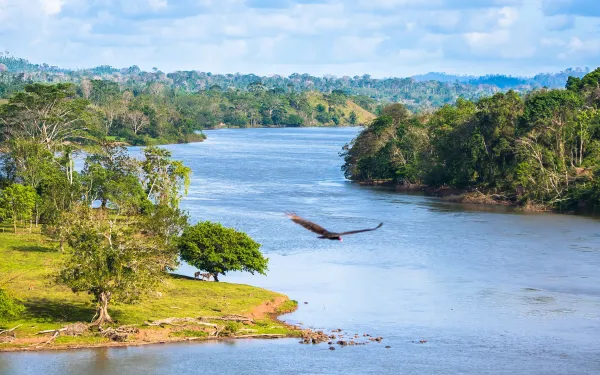
Communities in Nicaragua win Green Climate Fund withdrawal from project that violated their rights
In an unprecedented decision resolving a complaint filed in 2021, the Green Climate Fund terminated a forestry project because the developers failed to comply with the Fund's policies and procedures on socio-environmental safeguards. This non-compliance violated the human rights of indigenous and Afro-descendant communities. The Green Climate Fund, the world's leading multilateral climate finance institution, decided to terminate funding for a forest conservation project in Nicaragua because the developers failed to comply with the institution's policies and procedures on socio-environmental safeguards. The non-compliance violated the rights of indigenous and Afro-descendant communities, as the project threatened to exacerbate the situation of violence from which they were already suffering. The Fund had not made any disbursements for the project and project implementation had not yet begun.The decision, the first of its kind in the Fund's history, is in response to a complaint filed in June 2021 by representatives of the affected communities, with the support of local and international organizations, with the Fund's Independent Redress Mechanism. The Independent Redress Mechanism hears complaints from people who are or may be affected by projects or programs financed by the Fund."This decision is a recognition of the tireless efforts of the communities behind the case, who were able to demonstrate the difficult situation they face, as well as a reminder of the importance of involving local communities in all stages of a project, from its conception," said Florencia Ortúzar, Senior Attorney at AIDA, one of the organizations that accompanied and provided legal support to the complaint process.In the complaint, the communities argued that implementing the project— called Bio-CLIMA: Integrated Climate Action to Reduce Deforestation and Strengthen Resilience in the BOSAWAS and Río San Juan Biospheres— would have serious impacts because:There was no adequate disclosure of information, no indigenous consultation, and no free, prior, and informed consent.The project would cause environmental degradation and increase violence against indigenous communities due to land colonization.The conditions imposed by the Fund's Board of Directors for project approval (including independent monitoring of project implementation and ensuring the legitimate participation of indigenous peoples) were not met.There was a lack of confidence in the Central American Bank for Economic Integration, the entity accredited to channel the funds, as to its compliance with the Fund's policies.There was a lack of confidence in the ability of the Government of Nicaragua, as the implementing agency, to fulfill its obligations in the execution of the project. The goal of the project, for which the Fund committed $64 million USD in 2020, was to restore degraded forest landscapes in Nicaragua's most biodiverse region (home to 80 percent of the country's forests and most of its indigenous peoples) and to channel investments toward sustainable land and forest management.However, the project was designed without adequate consultation, with a complete lack of transparency on the part of the sponsoring bank and ignoring the difficult context of violence and lack of human rights protection still suffered by indigenous communities in Nicaragua, particularly in the project area.In recent decades, the harsh local situation has only worsened because of organized crime, drug trafficking, the expansion of agriculture and cattle ranching, and the promotion of extractivist policies, as well as the lack of state protection.The investigation launched by the Independent Reparations Mechanism, which included field work and face-to-face and virtual interviews with all stakeholders, confirmed some of the allegations made in the complaint, including the lack of adequate consultation processes and the lack of free, prior, and informed consent of the affected communities. This is stated in the investigation’s final report.In July 2023, the Fund's Board of Directors, which was called upon to decide on the future of the project based on the Investigation Report, delegated the task to the Fund's Secretariat. As a result, neither the IRM nor the claimants had any further say in the matter.Finally, on March 7 of this year, the Secretariat announced its decision: to terminate the project's financing agreement, acknowledging that the developers had failed to comply with the Fund's policies, as alleged by the communities in the complaint."The decision is a valuable lesson for the Green Climate Fund, whose policies and safeguards exist to prevent these unfortunate situations and must be applied rigorously and consistently from the conception of projects seeking funding," said Ortúzar. Press contactVíctor Quintanilla (Mexico), AIDA, [email protected], +52 5570522107
Read more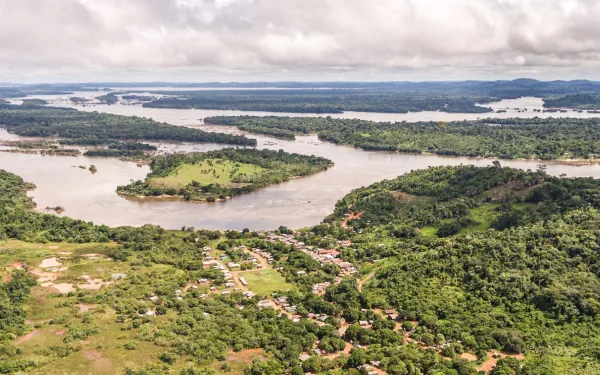
Defending the Volta Grande do Xingu in the Brazilian Amazon
"Certain lives exist only in the Xingu River, mine is one of them. And also that of the indigenous and riverine peoples. Can these lives be destroyed?” The question posed by Sara Rodrigues Lima - a local river dweller, fisherman and researcher - highlights the paradox that one of the most biodiverse, ecologically, climatically and culturally important regions in the world is also one of the most affected by socio-environmental impacts. The Volta Grande (or "Big Bend") of the Xingu River, located in the heart of the Brazilian Amazon, is home to a unique ecosystem and is a key region for the conservation of global biodiversity. For centuries, it has been home to indigenous and riverine peoples who have shared ownership of the river and the Amazonian rainforest, providing sources of food, water, identity, culture and mobility, among other things. This link has translated into livelihood systems based on caring for and defending the territory and their own existence, which are now severely threatened. Since 2015, this region has been the target of large extractive projects that threaten the livelihoods and physical and cultural survival of traditional peoples and communities. This has been accompanied by violence against people defending this Amazonian territory. In order to deal with this situation, the affected peoples and civil society have created a network that unites and strengthens their efforts. The Alliance for the Volta Grande do Xingu, formed by social movements and organizations, including AIDA, supports and coordinates actions to defend the region as a living and healthy territory. The coalition has taken the case to the United Nations. The cumulative impact of two megaprojects One of these projects is the Belo Monte dam, whose construction has caused irreparable environmental damage and human rights violations for several generations. The drought caused by the diversion of the river to generate electricity, as well as the ineffectiveness of the mitigation measures implemented, have led to an ecological and humanitarian collapse in the Volta Grande. Currently, thousands of traditional families are suffering from the death of fish, extinction of fishing, lack of food security, impoverishment, physical and mental illnesses. Another major threat to the region and its traditional inhabitants is the Volta Grande project, where the Canadian company Belo Sun intends to build the largest open-pit gold mine in Brazil. The coexistence of the two projects poses the risk of overlapping areas of direct impact. In this scenario, the potential damage to the environment and to indigenous and riverine peoples will be irreversible. The Belo Sun project is proposed to be built less than 10 kilometers from the Belo Monte dam, on the banks of the Xingu River, in the midst of indigenous lands, protected areas and traditional communities. The magnitude of the synergistic and cumulative impacts of the mine and hydroelectric dam has not been assessed. Also ignored were technical analyses that pointed to the serious impacts of the use of cyanide, the contamination of the river, and the risks of a dam breach that, if it were to occur, would flood 41 kilometers along the river and reach nearby indigenous lands. In addition, the state excluded indigenous peoples, riverine and peasant communities from the environmental licensing process for the mining project. Because they live outside the demarcated indigenous lands or more than 10 kilometers from the project, some indigenous peoples were not considered affected or consulted about the implementation of the project. The lack of consultation and public participation of indigenous and riverine peoples led Brazilian courts to order the suspension of the mining company's operating license. Violence and threats against human rights defenders The arrival of Belo Sun in the area is a serious intervention in the socio-cultural environment of the Volta Grande do Xingu. The overlapping of the mining project in a territorial polygon inhabited by traditional peoples, rural groups benefiting from the agrarian reform, and artisanal miners has led to community divisions and violence against those who oppose the mine. In the context of the project's development, there have been reports of illegal land purchase and sale contracts to evict rural families, threats to the area's inhabitants by private security companies, and violence against peasants claiming agrarian reform lands acquired by the mining company, which are the subject of legal proceedings. Threats of violence against environmental and human rights defenders have also increased in intensity and severity. Some of them have had to leave the area to protect their lives, and those who remain in the area face constant risks and threats. Defending the Volta Grande and its people before the United Nations One of the most important actions of the Alliance for the Volta Grande do Xingu has to do with advocacy in the Universal Periodic Review (UPR), a special process of periodic review of the human rights record of the 193 member states of the United Nations. At Canada's fourth UPR cycle in Geneva in August 2023, more than 50 civil society organizations and communities affected by Canadian business activities presented a report highlighting human rights abuses from 37 projects in nine countries in Latin America and the Caribbean, including Belo Sun's Volta Grande project. The document includes recommendations to ensure that states exercise effective environmental oversight that requires human rights due diligence on the part of companies operating in their territories. One of the defenders of the Volta Grande was part of the delegation in Geneva. In addition to denouncing the abuses suffered, he reported on the risks posed by the socio-environmental impact of the Belo Sun project. More than 20 countries and 13 permanent missions and UN agencies took note of the situation in the region. The results of Canada's fourth UPR cycle, released last month, include 34 recommendations directly related to the Alliance's report. Canada has not yet accepted these recommendations, but may do so at the next session of the UN Human Rights Council, which concludes on April 5. As a follow-up to the UPR advocacy, the Alliance submitted reports on the impact of the Belo Sun project to UN Special Rapporteurs. One of them, sent to the Special Rapporteur on Human Rights Defenders of the Inter-American Commission on Human Rights, focuses on the situation of vulnerability and criminalization of human rights defenders. Similarly, the Alliance submitted a report to the UN Committee on Economic, Social and Cultural Rights highlighting the human rights violations committed by Brazil in the Belo Monte and Belo Sun cases, as well as the lack of effective measures to require human rights due diligence by the companies responsible for these projects. Networking in these international spaces to expose the pattern of environmental impacts and human rights violations of extractive economic projects in Amazonian territories has been one of the alliance's strategies of resistance and denunciation. The conservation of the Amazon and the protection of its peoples are incompatible with the large-scale mining planned by Belo Sun. States have an obligation to prevent serious and irreversible damage to the environment and the population. In the case of Belo Sun, Brazil has the opportunity to avoid repeating the environmental tragedy of Belo Monte and to declare definitively that the mining project is unsustainable from a socio-environmental point of view. The road to these demands and the achievement of these goals will be full of challenges and struggles. But courage and resisting are inherent to those who live in and defend the Amazon. The defense of the Xingu River Basin as a free, vibrant, healthy and safe territory for its peoples and its defenders is an urgent call for social mobilization for the social-ecological protection of one of the world's most important ecosystems.
Read more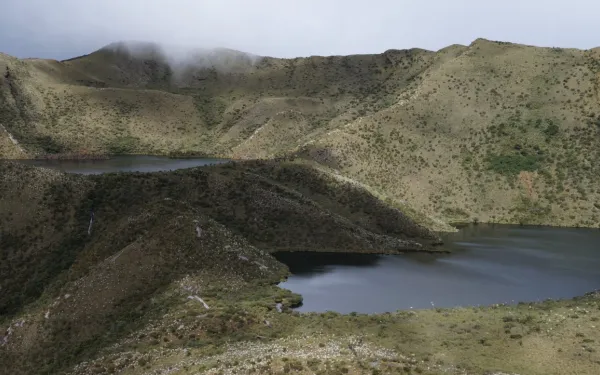
Forest fires: How can we help prevent them?
The recent huge fire in the Valparaíso region of Chile has been described as the country's biggest disaster since the 2010 earthquake. But this year, as in previous years, forest fires and their deadly consequences are not an isolated phenomenon in Latin America. In Colombia, the fires forced the government to declare a national disaster and prompted civil society to call for comprehensive protection of Colombia's forests and páramos. Fire also reached part of Argentina's Patagonia region. Ninety percent of forest fires are caused by humans, particularly through activities such as logging and slash-and-burn agriculture. The climate crisis is contributing to their greater intensity and frequency, increasing the risks to forests, species and communities. In addition, wildfires affect air quality and thus human health If this situation is the result of our actions, it is also in our hands to prevent it. What can we do to prevent fires? Here are some actions that different actors in society can take to contribute to this important task. What can governments do? Design and implement laws to ensure forest security and ensure compliance with existing laws. Develop education campaigns to raise public awareness of the importance of forests and how to care for them. Strengthen fire prevention and suppression infrastructure, including spray planes, containment barriers, and technology to constantly monitor the health of forests. What can businesses do? Reduce emissions of gases that heat the atmosphere and increase the risk of wildfires by switching to cleaner energy sources. If flammable waste is generated, implement policies to dispose of it responsibly. Train their work teams to respond to these types of disasters. Promote best practices that help protect the environment. What can citizens do? Organize garbage collection groups and avoid making campfires and/or practicing livestock and agricultural activities in the forest. Obtain and disseminate quality information about the importance of these ecosystems for life on the planet. Follow safety instructions, such as wearing masks and/or evacuating smoke-contaminated areas. Be vigilant and make sure we know how to report fires and what action plans are in place to protect our nearby forests. It is essential that governments, businesses and citizens work as a team to protect forests and promote a culture that cares for the environment and all life.
Read more