
Project
Amazon Watch / Maíra Irigaray
Barragem de Belo Monte no rio Xingu: 10 anos de impactos na Amazônia e de busca por reparações
A usina hidrelétrica de Belo Monte causou um desastre ambiental e social no coração da Amazônia: um dos ecossistemas mais importantes do planeta.
Essa situação só piorou desde que a usina começou a operar em 2016. A busca por justiça e reparação para as comunidades indígenas e ribeirinhas afetadas continua até hoje.
Em 2011, a Comissão Interamericana de Direitos Humanos (CIDH) concedeu a essas comunidades medidas de proteção, que até hoje não foram totalmente implementadas pelo Estado brasileiro.
E, desde junho daquele mesmo ano, a CIDH mantém um processo contra o Estado por sua responsabilidade internacional no caso.
A CIDH pode encaminhar o caso à Corte Interamericana de Direitos Humanos, que tem o poder de emitir uma sentença condenatória contra o Estado brasileiro.
Consulta o expediente de fatos do caso
Após 10 anos de operação da usina hidrelétrica e mais de 15 anos de violações de direitos humanos documentadas, é hora da justiça ser feita para as comunidades afetadas.
Leia a carta aberta das organizações que levam o caso à CIDH
Leia nosso comunicado à imprensa
Contexto
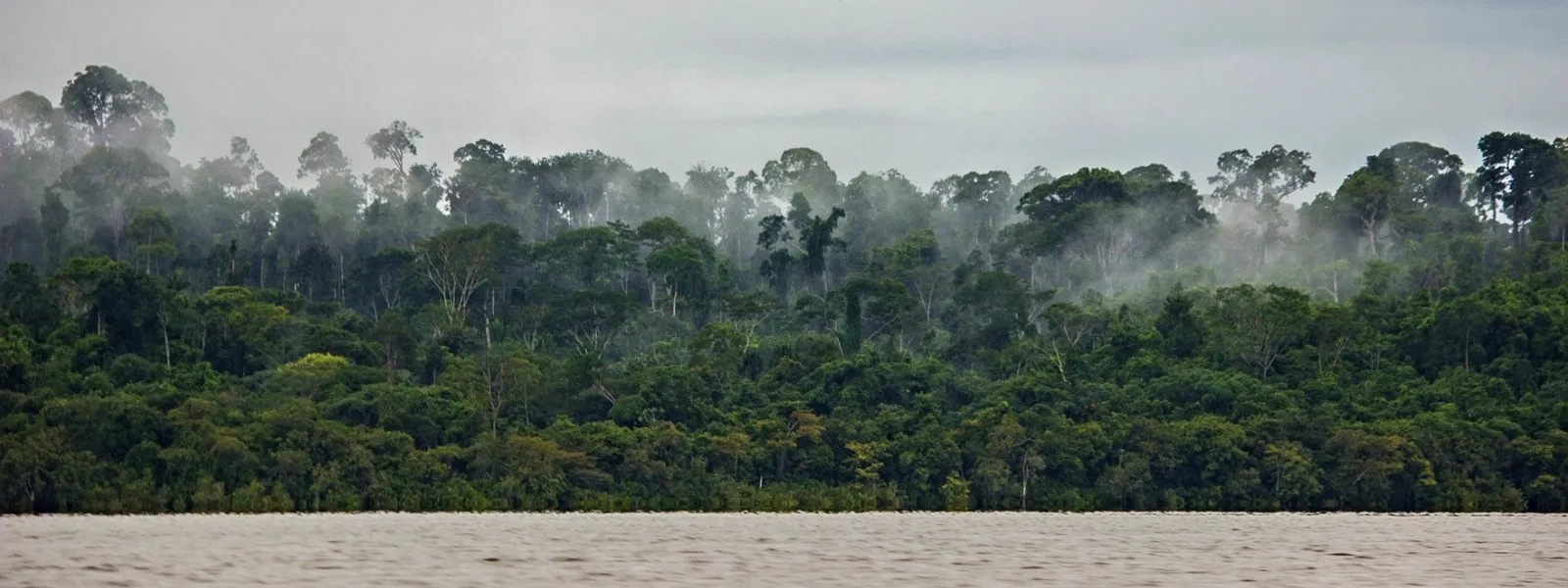
A usina hidrelétrica de Belo Monte — a quarta maior do mundo em capacidade instalada (11.233 MW) — foi construída no rio Xingu, no estado do Pará, norte do Brasil.
Foi inaugurada em 5 de maio de 2016, com uma única turbina. Naquela época, 80% do curso do rio foi desviado e 516 km² de terra foram inundados, uma área maior que a cidade de Chicago. Desse total, 400 km² eram de mata nativa. A usina começou a operar em plena capacidade em novembro de 2019.
Belo Monte foi construída e é operada pelo consórcio Norte Energia S.A., composto principalmente por empresas estatais. Foi financiada pelo Banco Nacional de Desenvolvimento Econômico e Social (BNDES), que aportou ao consórcio 25,4 bilhões de reais (aproximadamente US$ 10,16 bilhões), o maior investimento de sua história. Portanto, o BNDES também é legalmente responsável pelos impactos socioambientais associados ao projeto hidrelétrico.
Décadas de danos ambientais e humanos
As violações dos direitos humanos e a degradação da Amazônia remontam ao início do projeto. Em março de 2011, a Norte Energia iniciou a construção da barragem sem consulta adequada e sem o consentimento prévio, livre e informado das comunidades afetadas.
A construção levou ao deslocamento forçado de mais de 40.000 pessoas, rompendo laços sociais e culturais. O plano de reassentamento em Altamira — cidade diretamente afetada pelo projeto hidrelétrico — incluía moradias na periferia da cidade, sem serviços públicos adequados, moradias dignas para as famílias reassentadas e moradias diferenciadas para aqueles pertencentes a comunidades indígenas.
A operação da barragem de Belo Monte impôs uma seca permanente e artificial na Volta Grande do rio Xingu, agravada pelas secas históricas na Amazônia em 2023 e 2024. Como resultado, a morte de milhões de ovos de peixe foi documentada por quatro anos consecutivos (de 2021 a 2024) e, nos últimos três anos, não houve migração de peixes rio acima para desovar e se reproduzir. Assim, a pesca artesanal, principal fonte de proteína para os povos indígenas e comunidades ribeirinhas, foi severamente afetada: o consumo de peixe caiu de 50% para 30% do total de proteínas consumidas, sendo substituído por alimentos processados. Em suma, houve um colapso ambiental e humanitário que resultou no colapso da pesca como modo de vida tradicional, insegurança alimentar e falta de acesso à água potável para milhares de famílias, empobrecimento e doenças.
Além disso, a construção da barragem aumentou o desmatamento e intensificou a extração ilegal de madeira e a insegurança em terras indígenas e tribais, colocando em risco a sobrevivência dessas comunidades. Outra consequência foi o agravamento da pobreza e dos conflitos sociais, bem como a sobrecarga dos sistemas de saúde, educação e segurança pública em Altamira, cidade considerada a mais violenta do país em 2017, onde houve aumento do tráfico de pessoas e da violência sexual. Também foram registrados casos de violência contra defensores de direitos humanos envolvidos no caso.
Em 2025, durante a 30ª Conferência das Nações Unidas sobre Mudanças Climáticas (COP30), realizada no Brasil, o Ministério Público Federal classificou os danos causados por Belo Monte como ecocídio.
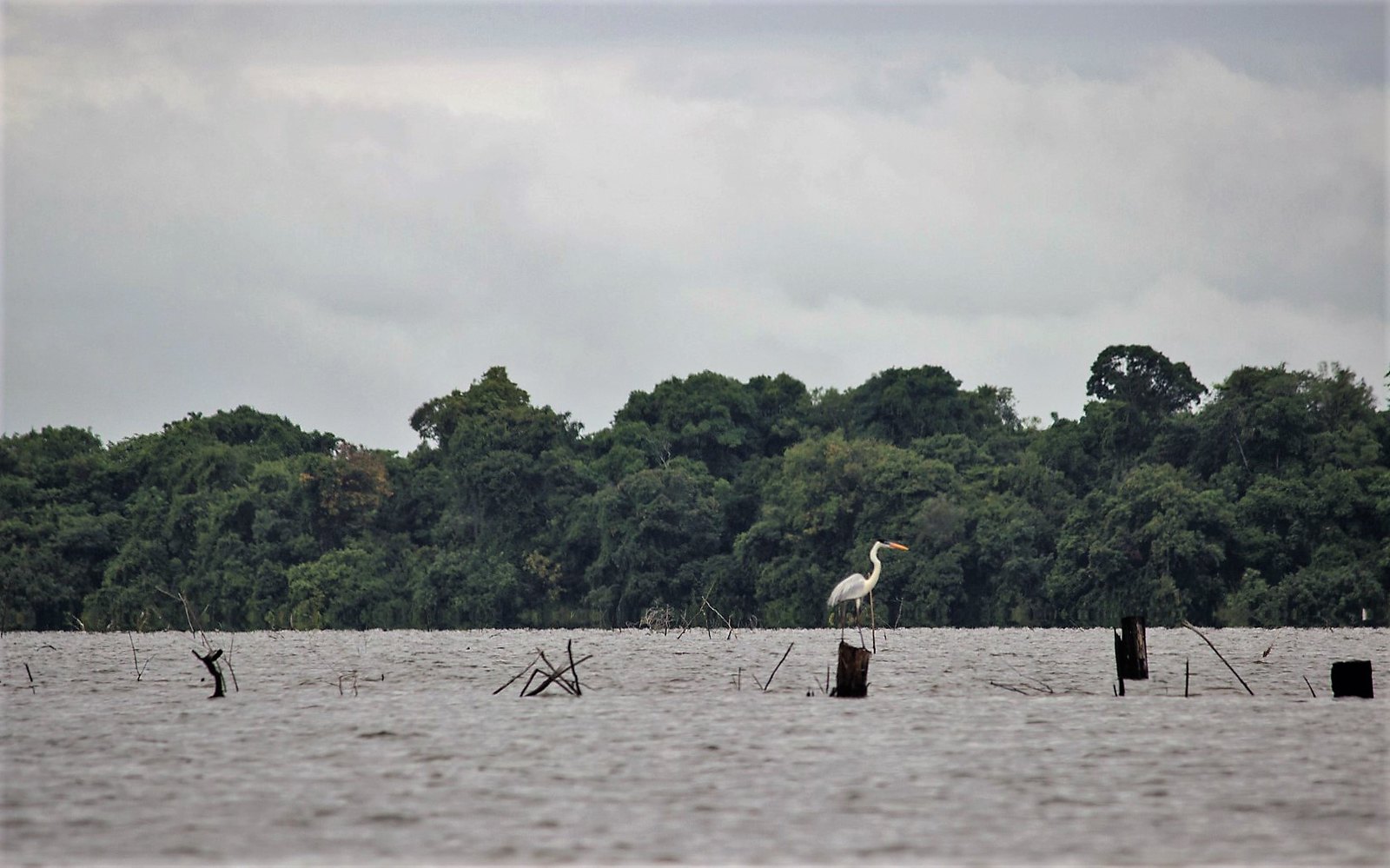
Foto: Amazon Watch / Maíra Irigaray.
A busca por justiça e reparação
Ao longo dos anos, o Ministério Público Federal do Pará, a Defensoria Pública e organizações da sociedade civil impetraram dezenas de ações judiciais em tribunais brasileiros para contestar as diversas irregularidades do projeto, bem como seus impactos. A maioria das ações permanece sem solução, algumas há mais de 10 anos.
Essas ações não obtiveram sucesso porque o governo federal tem reiteradamente anulado decisões favoráveis às comunidades afetadas, recorrendo a um mecanismo pelo qual o presidente do Supremo Tribunal Federal pode suspender uma decisão judicial com base unicamente em argumentos genéricos como "interesse nacional" ou "ordem econômica".
Diante da falta de respostas eficazes em nível nacional, a AIDA — juntamente com uma coalizão de organizações aliadas — levou o caso à Comissão Interamericana de Direitos Humanos (CIDH) e, em 2010, solicitou medidas cautelares para proteger a vida, a integridade e a saúde das comunidades indígenas afetadas.
Em 1º de abril de 2011, a CIDH concedeu essas medidas e solicitou ao Estado brasileiro a suspensão das licenças ambientais e de quaisquer obras de construção até que as condições relativas à consulta prévia e à proteção da saúde e integridade das comunidades fossem atendidas.
E, em 16 de junho de 2011, apresentamos uma denúncia formal à CIDH — juntamente com o Movimento Xingu Vivo Para Siempre, a Coordenação das Organizações Indígenas da Amazônia Brasileira, a Diocese de Altamira, o Conselho Missionário Indígena, a Sociedade Pará de Defesa dos Direitos Humanos e a Global Justice — contra o Estado brasileiro por sua responsabilidade internacional nas violações de direitos humanos contra os povos afetados neste caso. A denúncia foi apresentada em dezembro de 2015.
Em 3 de agosto de 2011, a CIDH modificou as medidas cautelares para solicitar — em vez da suspensão de licenças e obras — a proteção dos povos que vivem em isolamento voluntário, a saúde das comunidades indígenas e a regularização e proteção das terras ancestrais.
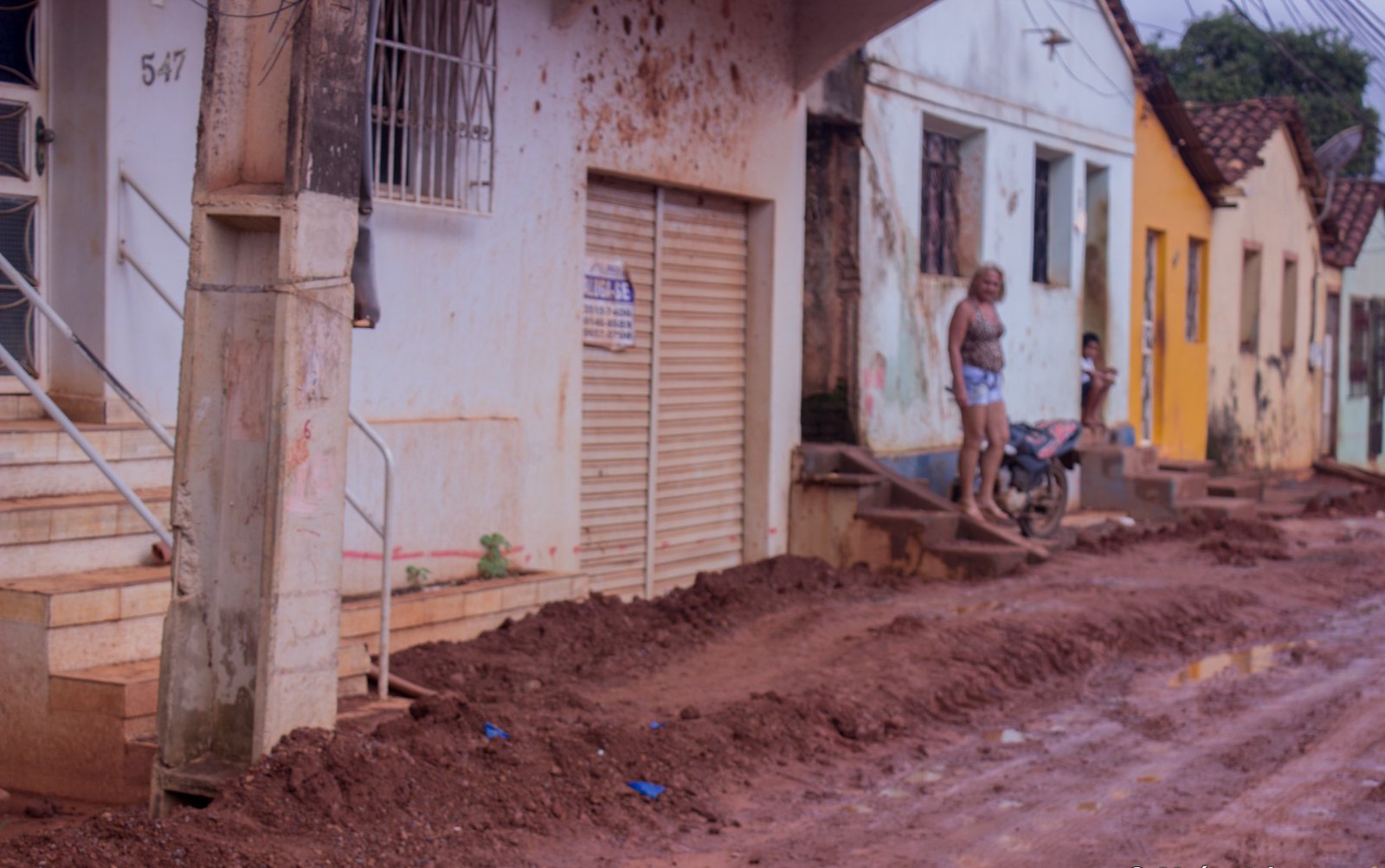
Foto: Amazon Watch / Maíra Irigaray.
Situação atual
As medidas de proteção concedidas pela CIDH permanecem em vigor, mas o Estado brasileiro não as cumpriu integralmente, relatando apenas ações genéricas. As comunidades documentaram as contínuas violações de seus direitos. A situação que motivou o pedido dessas medidas — o risco à vida, à segurança e aos meios de subsistência das comunidades — persiste e se agravou com a usina hidrelétrica operando em plena capacidade e com as recentes secas extremas na Amazônia.
Além do ocorrido em Belo Monte, existe o risco de maiores danos sociais e ambientais decorrentes da implementação de outro megaprojeto de mineração na Volta Grande do Xingu. Lá, a empresa canadense Belo Sun pretende construir a maior mina de ouro a céu aberto do Brasil.
Os impactos sinérgicos e cumulativos da usina e da mina não foram avaliados. O Estado excluiu povos indígenas, comunidades ribeirinhas e comunidades camponesas do processo de licenciamento ambiental do projeto. Apesar disso, dos protestos indígenas e de outras irregularidades em torno do projeto, o governo do estado do Pará autorizou formalmente a mina em abril de 2026.
Belo Monte, assim como outras usinas hidrelétricas, agrava a emergência climática ao gerar emissões de gases de efeito estufa em seu reservatório. Além disso, é ineficiente diante das secas prolongadas e intensas causadas pela crise, pois perde capacidade de geração de energia.
O caso perante a Comissão Interamericana
Em outubro de 2017, a CIDH anunciou que decidiria conjuntamente sobre a admissibilidade (se o caso preenche os requisitos para admissão) e o mérito (se houve, de fato, violação de direitos humanos) da denúncia internacional contra o Estado brasileiro.
Quinze anos após a apresentação da denúncia, as comunidades afetadas e as organizações que as representam ainda aguardam essa decisão. Caso a CIDH conclua que houve violações de direitos humanos e emita recomendações que o Estado brasileiro não cumpra, poderá encaminhar o caso à Corte Interamericana de Direitos Humanos, cujas decisões são vinculativas.
Uma possível decisão da Corte Internacional de Direitos Humanos neste caso estabeleceria um precedente jurídico regional em relação aos direitos dos povos indígenas e ribeirinhos, à participação pública em megaprojetos e à responsabilidade do Estado no contexto da crise climática. Isso é particularmente relevante à luz do Parecer Consultivo nº 32 da Corte, que reafirmou as obrigações dos Estados de proteger pessoas e comunidades em todo o continente da emergência climática.
Partners:
Related projects
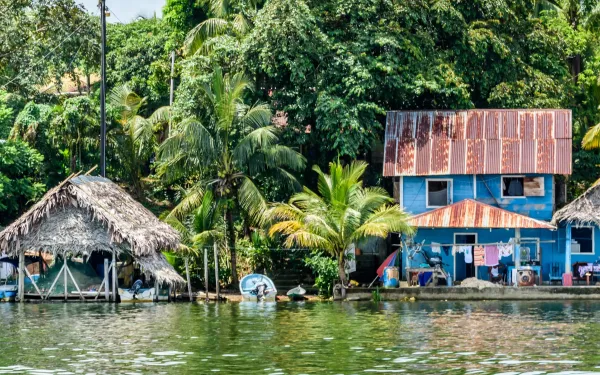
How the Inter-American Court can help protect human rights in the face of the climate emergency
The climate crisis has been identified as the most urgent problem facing humanity and the greatest threat to human rights. In this context, what obligations do States have to protect people, especially those in vulnerable situations, from its effects? The Advisory Opinions of the Inter-American Court of Human Rights provide a powerful answer to this question, since their purpose is to specify the content and scope of the obligations to protect human rights that the States of the Americas have under their domestic laws and the treaties or conventions they have signed. The international court is currently in the process of issuing an advisory opinion to clarify these obligations, specifically regarding the climate crisis. The interpretations provided by the Court in this case will strengthen the arguments of organizations, communities, and other actors who decide to initiate climate litigation before national or international tribunals. It’s important, then, to understand what these advisory opinions are, why they are important, and how they relate to climate litigation; as well as this opinion’s potential for moving the region toward climate justice. What are the Advisory Opinions of the Inter-American Court of Human Rights? The Advisory Opinions of the Inter-American Court are pronouncements issued by this international court—at the request of both the members of the Organization of American States (OAS) and of some of its affiliated organizations—in order to interpret international treaties such as the American Convention on Human Rights, to clarify their scope, to determine the specific obligations they impose, and to develop the guarantees they provide to the inhabitants of the continent. They are important because they consolidate the correct understanding of human rights and thus guide States on how to guarantee and apply them within their territory or jurisdiction. A clear example is Advisory Opinion 23 of 2017, in which the Court set a historic precedent by recognizing the right to a healthy environment as fundamental to human existence and for the first time pronouncing on the content of this right. These declarations contribute to a better understanding of the obligations, authorizations and prohibitions deriving from each of the rights recognized in the international treaties signed by the countries of the continent. They therefore constitute a relevant element in determining the responsibility of a State for possible human rights violations resulting from its actions or omissions. What is the process by which advisory opinions are issued? Any member of the OAS or any of its member institutions may request an advisory opinion to ask the Inter-American Court how to interpret its provisions or those of "other treaties for the protection of human rights" in the hemisphere. The questions must be specific and justified. Once the consultation is received, the Court informs all member states and the organs of the Inter-American Human Rights System so that they may submit their written comments. At the same time, a period of time shall be opened for any interested person or entity to submit to the Court its considerations on the issues raised and how they should be resolved. The Court will then, if it deems it necessary, convene oral hearings to hear the States and other actors involved in the process. It may also ask questions and seek clarification on the written submissions it has received. The Court will then deliberate the matter in closed session and adopt the relevant decision, which will be communicated by its secretariat to all parties to the proceedings. How do advisory opinions contribute to climate litigation? Climate litigation has emerged as an important and increasingly popular tool in the fight against the climate crisis. It is essentially strategic litigation that seeks broad societal change through judicial decisions that hold governments, corporations, and stakeholders accountable for the causes and impacts of the climate crisis. Advisory opinions of the Inter-American Court can help achieve these judgments by providing authoritative interpretations of human rights treaties adopted by states in the region. They serve as a legal benchmark for judging the actions or inactions of state entities and private actors under their control that have exacerbated or threaten to exacerbate the climate crisis. Treaties such as the American Convention on Human Rights establish guarantees for life with dignity, personal integrity and health, which can be invoked before courts as a basis for the obligations of States to adopt actions to adapt to and mitigate the climate crisis. Thus, the advisory opinions offer solid arguments to demand compliance with such actions as a way to protect human rights. Opportunities of the ongoing advisory opinion for climate justice In January 2023, Colombia and Chile requested an advisory opinion from the Inter-American Court to clarify the scope of States' human rights obligations in the context of the climate emergency. Both States stated that their populations and others in the continent are suffering the consequences of the global crisis, particularly due to droughts, floods, and fires, among others. Therefore, they consider it necessary for the Court to determine the appropriate way to interpret the American Convention and the rights recognized therein "in what is relevant to address the situations generated by the climate emergency, its causes and consequences." This will be the first time that the international court will rule on the mandates, prohibitions, and authorizations to be derived from human rights in the specific context of the negative impacts of the climate emergency on individuals and communities in the continent. Once issued, this advisory opinion will clarify the legal obligations of Latin American states to address the climate crisis as a human rights issue. The Court's opinion could compel governments to recognize their competence to reduce greenhouse gas emissions, support adaptation measures, and establish mechanisms to address loss and damage. Given this unique opportunity, AIDA is participating in the public consultation convened by the Court before it issues its Opinion. We have submitted a legal brief with arguments demonstrating the existence of an autonomous human right to a "stable and safe climate" as part of the universal right to a healthy environment, and the consequent obligations of states to prevent and avoid the harmful effects of the climate emergency on their inhabitants. In addition, we are supporting diverse communities in the region to bring their voices to the process and be heard by the Court by submitting other legal briefs that highlight the socio-environmental impacts of the climate emergency on indigenous peoples, women, children, populations with diverse gender orientations and identities, and fragile ecosystems such as coral reefs. We are also supporting the participation of community representatives in the hearings of the case, which the Court has scheduled for April and May in Barbados and Brazil, respectively. The climate justice movement in Latin America and around the world is growing stronger and more effective, fueled by successful climate litigation and important precedents such as the advisory opinions of the Inter-American Court of Human Rights.
Read more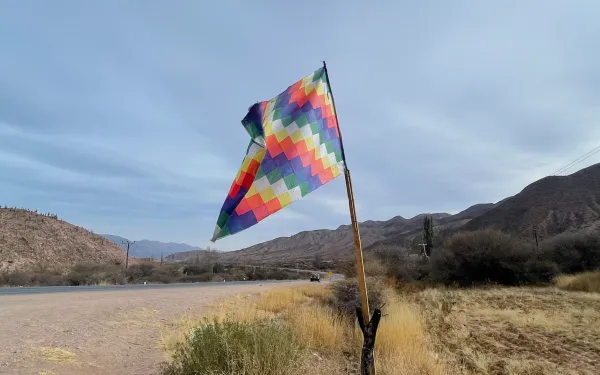
Argentina: the scramble for lithium threatens the rights of Indigenous Peoples in Jujuy
International civil society organisations with extensive experience in the defence of the environment and human rights present the conclusions of an observation mission to the Argentinian province of Jujuy in August 2023 following the constitutional reform approved in June of the same year, which facilitates lithium extraction. Paris and San Salvador de Jujuy. In a report published today, ten international civil society organisations with extensive experience in human rights and environmental issues warn that the lack of prior consultation of the 11 Indigenous Peoples of Jujuy in the approval process for the reform of the provincial constitution is incompatible with international human rights and environmental standards.The report also denounces that the new Jujuy Constitution authorises productive activities on public lands, which opens the door to the implementation of extractive projects in Indigenous ancestral territories, without guaranteeing prior, free and informed consultation with the communities. It also approves the large-scale use of water, which facilitates the use of an essential resource for the survival of Indigenous Peoples for the exploitation of lithium, an activity with a high water footprint.The constitutional reform process is framed in a context of mining deployment in the high Andean wetlands of Jujuy, whose watersheds are located in the area known by the mining industry as the "lithium triangle", located on the borders of Argentina, Bolivia and Chile. This area is so named because it is the largest, most easily extractable and economically profitable lithium reserve in the world."We denounce the permanent and disproportionate restriction of the right to social protest introduced by the Jujuy constitution - in particular the general prohibition of road and street blockades, which are not only a legitimate form of peaceful demonstration, but are also protected by international law," the organisations point out.The report also highlights the testimonies of victims of police repression, who suffered arbitrary detentions and serious physical injuries caused by the excessive and unjustified use of force. It also documents the cases of protesters who are currently facing arbitrary and disproportionate criminal proceedings for participating in and promoting public demonstrations against the constitutional reform.In light of the findings presented in the report, the organisations:Request compliance with the international obligations of the Argentinian State to guarantee the protection of the collective property of Indigenous communities over their ancestral territories, as well as to guarantee the right to water intended for human consumption and the reproduction of life.Urge the authorities to refrain from promoting regulations that restrict the ways, places or times in which citizens can exercise their right to demonstrate publicly.Make an urgent call to the judiciary to assess, based on a rigorous examination of international human rights standards, the probable unconstitutionality of the approval process for the reform and its contents. Relationship between the events in Jujuy and the reforms promoted by Javier Milei’s governmentThe analysis offered in the report on what happened in Jujuy is especially relevant in the current national context because President Javier Milei’s national government has followed a similar line to the trend observed in Jujuy of promoting reforms that deepen an extractivist model in protected ecosystems of the country. This occurs while eliminating frameworks for the protection of human and environmental rights and facilitating the repression and criminalisation of legitimate protests, as detailed in the report.Through Decree of Necessity and Urgency No. 70/2023, President Milei repealed the Land Law (26.737) on 20th December 2023, eliminating restrictions aimed at preventing land grabbing by foreign investment projects. In addition, the "omnibus" bill proposes to repeal environmental protection laws to facilitate economic activities in ecosystems such as native forests and glaciers.These measures, similar to those implemented in Jujuy, were accompanied by disproportionate restrictions on the exercise of the right to protest. For example, on 14th December 2023, the executive approved the "protocol of anti-picketing action", which considers any demonstration that interrupts or decreases the movement of people a flagrant offence, requiring police intervention. Read the report
Read more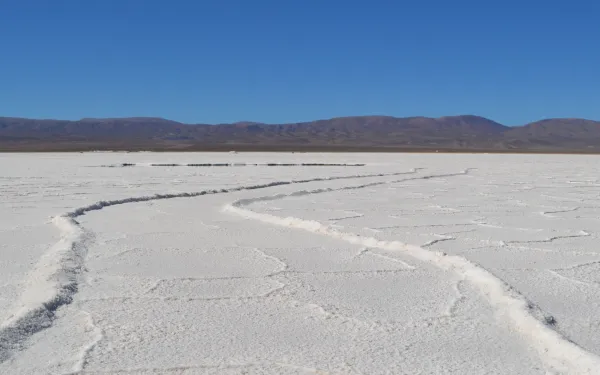
Lithium Fever: Indigenous Peoples’ Rights Under Attack in Jujuy, Argentina
International Fact-finding Mission Report (21-25 August 2023) Jujuy is one of the 23 autonomous provinces making up the federal state of the Argentine Republic. It is located in the north west of the country, bordering the Plurinational State of Bolivia and the Republic of Chile. According to the official census, it is one of the provinces with the highest percentage of indigenous population in the country.On 20 June 2023, the Jujuy Province approved the modification of 193 of the 212 articles of its Provincial Constitution,1 through a Constitutional Convention that was in session for less than a month.The constitutional reform was the subject of numerous and prolonged citizen protests. During and after its approval, different social sectors in Jujuy criticised the lack of citizen participation and the exclusion of indigenous peoples’ voices in the constitutional process. They also denounced provisions in the new Constitution, which severely restrict the right to protest and undermine the rights of indigenous peoples over their ancestral territories and water sources.Eight international civil society organisations with extensive experience in human rights and environmental rights carried out an international fact-finding mission to Jujuy from 21 to 25 August 2023. Members of the International Federation for Human Rights (FIDH),2 the Interamerican Association for Environmental Defense (AIDA), Brot für die Welt/Bread for the World, the Economic, Social and Cultural Rights Project (ProDESC), the Human Rights Law Centre (HRLC), the Centre for the Study of Law, Justice and Society (Dejusticia), Movement Law Lab (MLL) and the Global Network of Movement Lawyers (GNML) participated in this initiative.The objective of the international fact-finding mission was to document, through fieldwork and access to direct sources, potential violations of human and environmental rights that occurred in the context of the constitutional reform, including the repression and criminalisation of people who participated in and promoted protests against it. To this end, the mission interviewed civil society actors, representatives of indigenous peoples and provincial and national authorities. Meetings took place both in San Salvador de Jujuy, the provincial capital, and in rural communities located in the towns of La Quiaca, Salinas Grandes, Susques, Humahuaca, San Roque and Purmamarca.The international fact-finding mission acknowledges that the Provincial Government of Jujuy, as well as the National Government of the Argentine Republic, offered the necessary guarantees for the visit to take place and provided information on the human rights context, respecting the right to defend human rights. It is also grateful for the trust of the representatives and members of indigenous and rural communities and human rights and environmental defenders, who shared their testimonies with the mission. To all of them, we express our recognition and solidarity with their struggle for human rights.This report contains the main findings of the international mission, based on the field visit, the review of primary and secondary documentary sources and the processing of the information gathered during and after the visit to Jujuy, through interviews with more than one hundred people. Read and download the report
Read more