
Project
Amazon Watch / Maíra Irigaray
Barragem de Belo Monte no rio Xingu: 10 anos de impactos na Amazônia e de busca por reparações
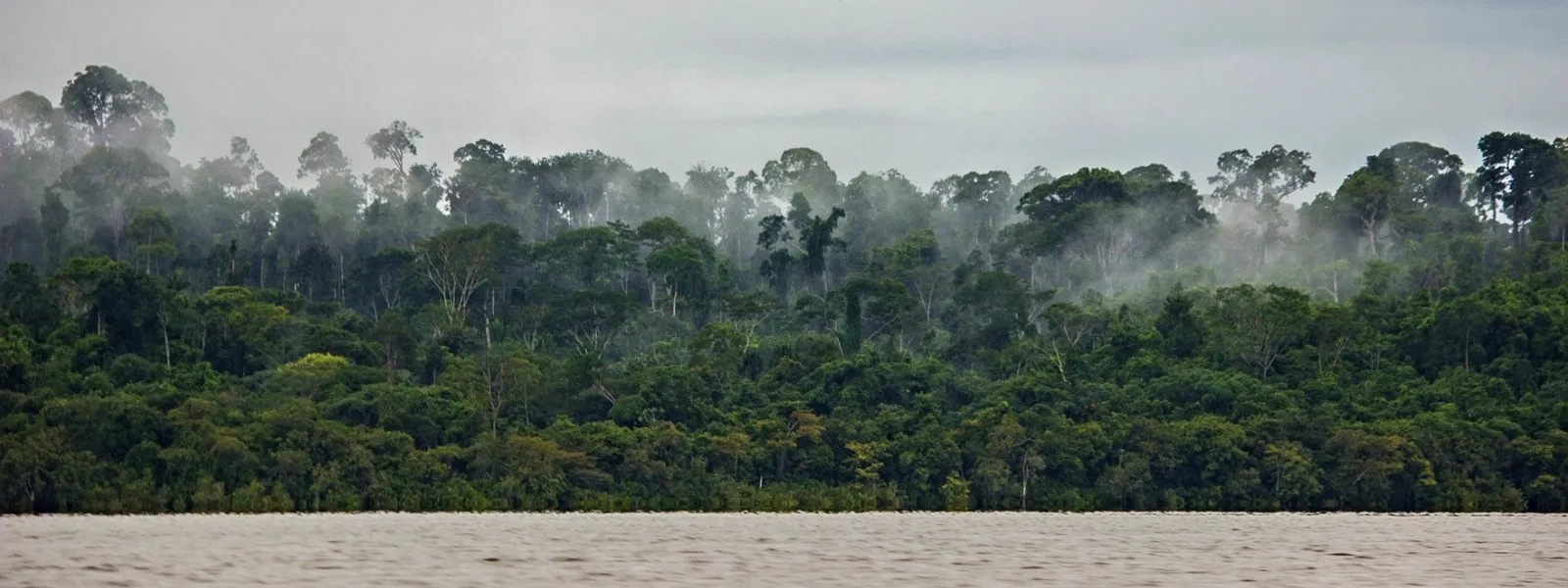
A usina hidrelétrica de Belo Monte causou um desastre ambiental e social no coração da Amazônia: um dos ecossistemas mais importantes do planeta.
Essa situação só piorou desde que a usina começou a operar em 2016. A busca por justiça e reparação para as comunidades indígenas e ribeirinhas afetadas continua até hoje.
Em 2011, a Comissão Interamericana de Direitos Humanos (CIDH) concedeu a essas comunidades medidas de proteção, que até hoje não foram totalmente implementadas pelo Estado brasileiro.
E, desde junho daquele mesmo ano, a CIDH mantém um processo contra o Estado por sua responsabilidade internacional no caso.
A CIDH pode encaminhar o caso à Corte Interamericana de Direitos Humanos, que tem o poder de emitir uma sentença condenatória contra o Estado brasileiro.
Consulta o expediente de fatos do caso
Após 10 anos de operação da usina hidrelétrica e mais de 15 anos de violações de direitos humanos documentadas, é hora da justiça ser feita para as comunidades afetadas.
Leia a carta aberta das organizações que levam o caso à CIDH
Leia nosso comunicado à imprensa
Contexto
A usina hidrelétrica de Belo Monte — a quarta maior do mundo em capacidade instalada (11.233 MW) — foi construída no rio Xingu, no estado do Pará, norte do Brasil.
Foi inaugurada em 5 de maio de 2016, com uma única turbina. Naquela época, 80% do curso do rio foi desviado e 516 km² de terra foram inundados, uma área maior que a cidade de Chicago. Desse total, 400 km² eram de mata nativa. A usina começou a operar em plena capacidade em novembro de 2019.
Belo Monte foi construída e é operada pelo consórcio Norte Energia S.A., composto principalmente por empresas estatais. Foi financiada pelo Banco Nacional de Desenvolvimento Econômico e Social (BNDES), que aportou ao consórcio 25,4 bilhões de reais (aproximadamente US$ 10,16 bilhões), o maior investimento de sua história. Portanto, o BNDES também é legalmente responsável pelos impactos socioambientais associados ao projeto hidrelétrico.
Décadas de danos ambientais e humanos
As violações dos direitos humanos e a degradação da Amazônia remontam ao início do projeto. Em março de 2011, a Norte Energia iniciou a construção da barragem sem consulta adequada e sem o consentimento prévio, livre e informado das comunidades afetadas.
A construção levou ao deslocamento forçado de mais de 40.000 pessoas, rompendo laços sociais e culturais. O plano de reassentamento em Altamira — cidade diretamente afetada pelo projeto hidrelétrico — incluía moradias na periferia da cidade, sem serviços públicos adequados, moradias dignas para as famílias reassentadas e moradias diferenciadas para aqueles pertencentes a comunidades indígenas.
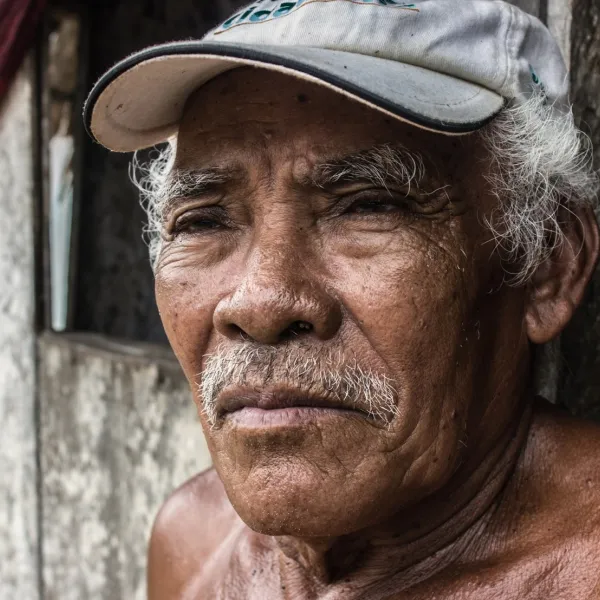
A operação da barragem de Belo Monte impôs uma seca permanente e artificial na Volta Grande do rio Xingu, agravada pelas secas históricas na Amazônia em 2023 e 2024. Como resultado, a morte de milhões de ovos de peixe foi documentada por quatro anos consecutivos (de 2021 a 2024) e, nos últimos três anos, não houve migração de peixes rio acima para desovar e se reproduzir. Assim, a pesca artesanal, principal fonte de proteína para os povos indígenas e comunidades ribeirinhas, foi severamente afetada: o consumo de peixe caiu de 50% para 30% do total de proteínas consumidas, sendo substituído por alimentos processados. Em suma, houve um colapso ambiental e humanitário que resultou no colapso da pesca como modo de vida tradicional, insegurança alimentar e falta de acesso à água potável para milhares de famílias, empobrecimento e doenças.
Além disso, a construção da barragem aumentou o desmatamento e intensificou a extração ilegal de madeira e a insegurança em terras indígenas e tribais, colocando em risco a sobrevivência dessas comunidades. Outra consequência foi o agravamento da pobreza e dos conflitos sociais, bem como a sobrecarga dos sistemas de saúde, educação e segurança pública em Altamira, cidade considerada a mais violenta do país em 2017, onde houve aumento do tráfico de pessoas e da violência sexual. Também foram registrados casos de violência contra defensores de direitos humanos envolvidos no caso.
Em 2025, durante a 30ª Conferência das Nações Unidas sobre Mudanças Climáticas (COP30), realizada no Brasil, o Ministério Público Federal classificou os danos causados por Belo Monte como ecocídio.
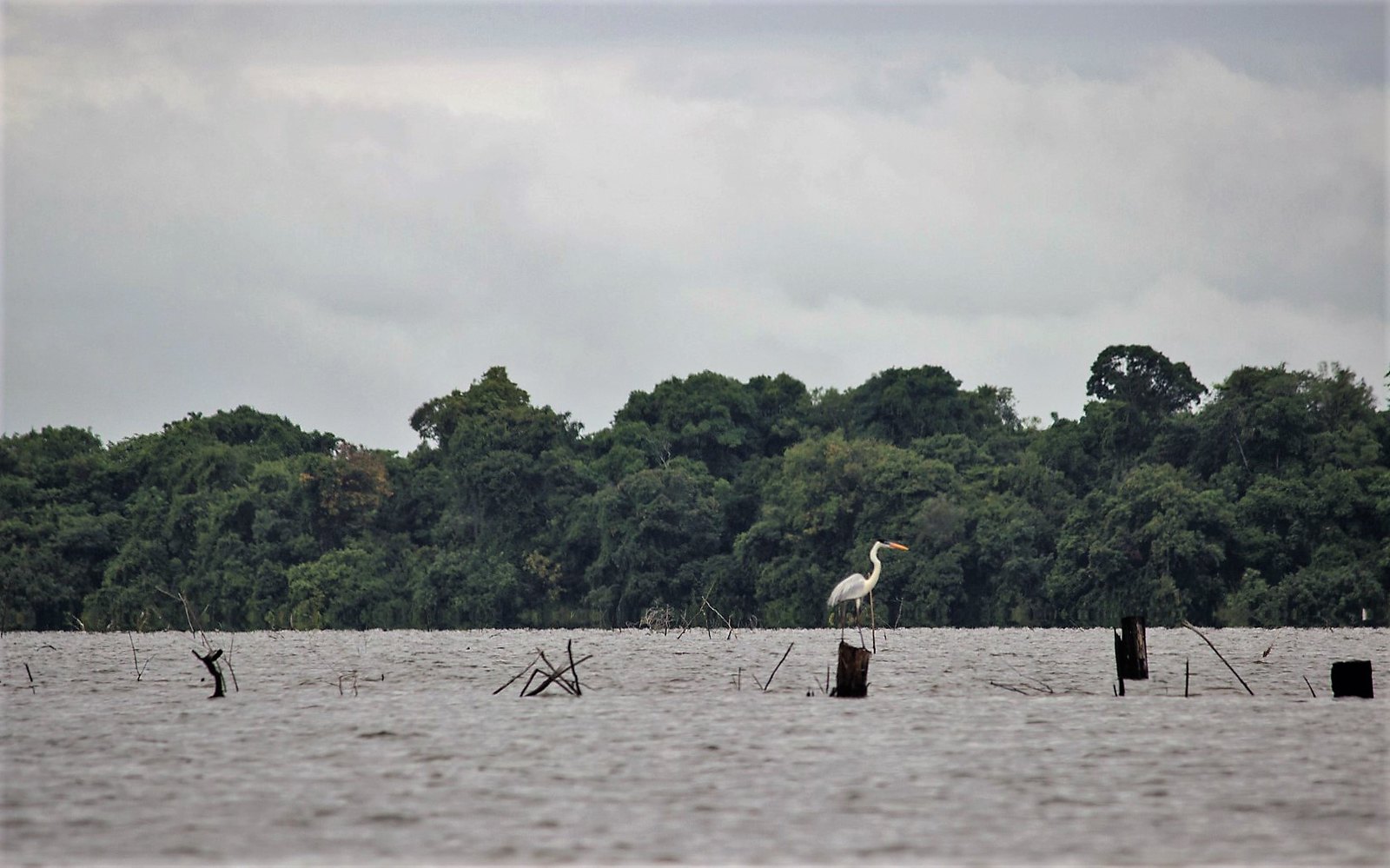
Foto: Amazon Watch / Maíra Irigaray.
A busca por justiça e reparação
Ao longo dos anos, o Ministério Público Federal do Pará, a Defensoria Pública e organizações da sociedade civil impetraram dezenas de ações judiciais em tribunais brasileiros para contestar as diversas irregularidades do projeto, bem como seus impactos. A maioria das ações permanece sem solução, algumas há mais de 10 anos.
Essas ações não obtiveram sucesso porque o governo federal tem reiteradamente anulado decisões favoráveis às comunidades afetadas, recorrendo a um mecanismo pelo qual o presidente do Supremo Tribunal Federal pode suspender uma decisão judicial com base unicamente em argumentos genéricos como "interesse nacional" ou "ordem econômica".
Diante da falta de respostas eficazes em nível nacional, a AIDA — juntamente com uma coalizão de organizações aliadas — levou o caso à Comissão Interamericana de Direitos Humanos (CIDH) e, em 2010, solicitou medidas cautelares para proteger a vida, a integridade e a saúde das comunidades indígenas afetadas.
Em 1º de abril de 2011, a CIDH concedeu essas medidas e solicitou ao Estado brasileiro a suspensão das licenças ambientais e de quaisquer obras de construção até que as condições relativas à consulta prévia e à proteção da saúde e integridade das comunidades fossem atendidas.
E, em 16 de junho de 2011, apresentamos uma denúncia formal à CIDH — juntamente com o Movimento Xingu Vivo Para Siempre, a Coordenação das Organizações Indígenas da Amazônia Brasileira, a Diocese de Altamira, o Conselho Missionário Indígena, a Sociedade Pará de Defesa dos Direitos Humanos e a Global Justice — contra o Estado brasileiro por sua responsabilidade internacional nas violações de direitos humanos contra os povos afetados neste caso. A denúncia foi apresentada em dezembro de 2015.
Em 3 de agosto de 2011, a CIDH modificou as medidas cautelares para solicitar — em vez da suspensão de licenças e obras — a proteção dos povos que vivem em isolamento voluntário, a saúde das comunidades indígenas e a regularização e proteção das terras ancestrais.
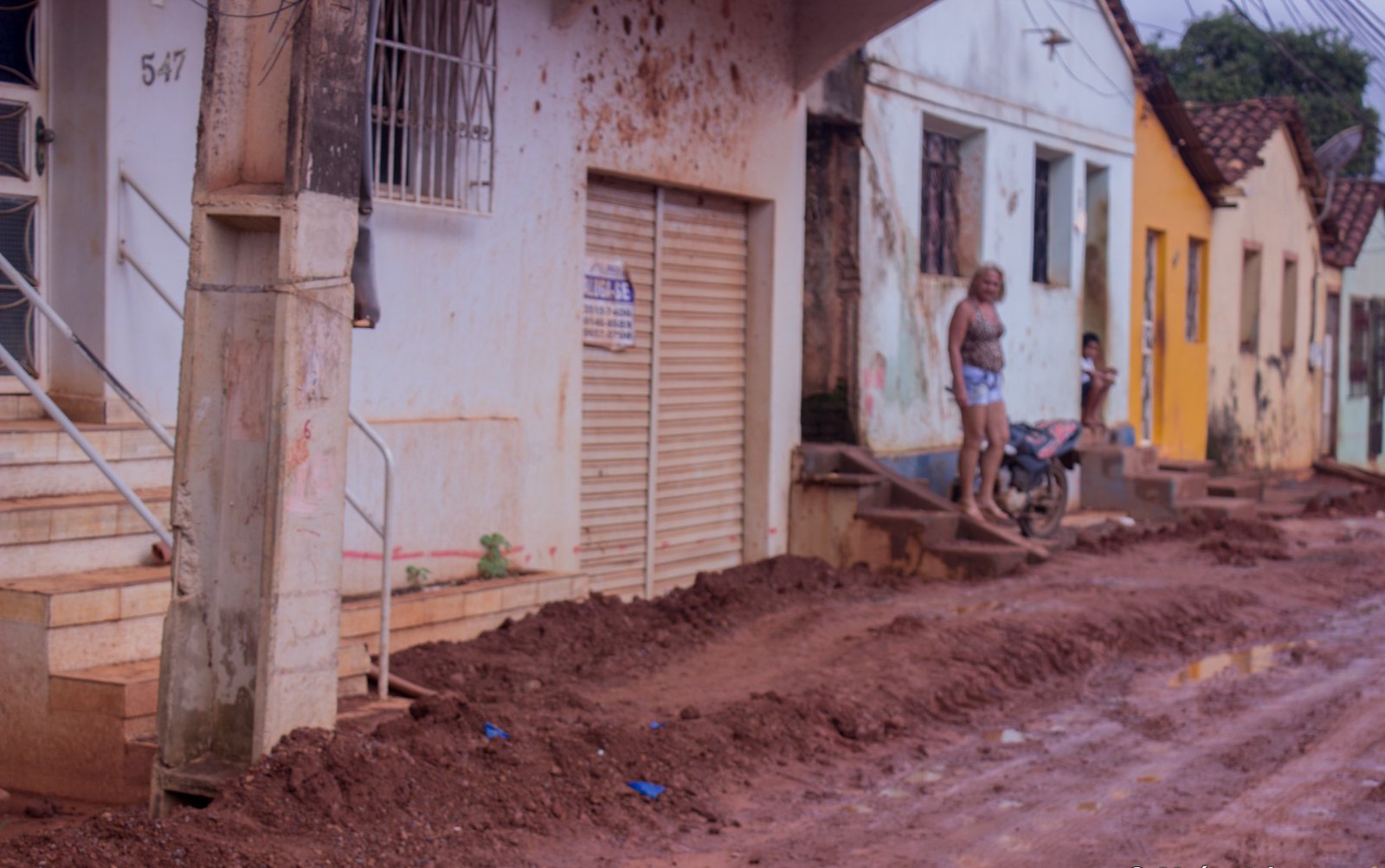
Foto: Amazon Watch / Maíra Irigaray.
Situação atual
As medidas de proteção concedidas pela CIDH permanecem em vigor, mas o Estado brasileiro não as cumpriu integralmente, relatando apenas ações genéricas. As comunidades documentaram as contínuas violações de seus direitos. A situação que motivou o pedido dessas medidas — o risco à vida, à segurança e aos meios de subsistência das comunidades — persiste e se agravou com a usina hidrelétrica operando em plena capacidade e com as recentes secas extremas na Amazônia.
Além do ocorrido em Belo Monte, existe o risco de maiores danos sociais e ambientais decorrentes da implementação de outro megaprojeto de mineração na Volta Grande do Xingu. Lá, a empresa canadense Belo Sun pretende construir a maior mina de ouro a céu aberto do Brasil.
Os impactos sinérgicos e cumulativos da usina e da mina não foram avaliados. O Estado excluiu povos indígenas, comunidades ribeirinhas e comunidades camponesas do processo de licenciamento ambiental do projeto. Apesar disso, dos protestos indígenas e de outras irregularidades em torno do projeto, o governo do estado do Pará autorizou formalmente a mina em abril de 2026.
Belo Monte, assim como outras usinas hidrelétricas, agrava a emergência climática ao gerar emissões de gases de efeito estufa em seu reservatório. Além disso, é ineficiente diante das secas prolongadas e intensas causadas pela crise, pois perde capacidade de geração de energia.
O caso perante a Comissão Interamericana
Em outubro de 2017, a CIDH anunciou que decidiria conjuntamente sobre a admissibilidade (se o caso preenche os requisitos para admissão) e o mérito (se houve, de fato, violação de direitos humanos) da denúncia internacional contra o Estado brasileiro.
Quinze anos após a apresentação da denúncia, as comunidades afetadas e as organizações que as representam ainda aguardam essa decisão. Caso a CIDH conclua que houve violações de direitos humanos e emita recomendações que o Estado brasileiro não cumpra, poderá encaminhar o caso à Corte Interamericana de Direitos Humanos, cujas decisões são vinculativas.
Uma possível decisão da Corte Internacional de Direitos Humanos neste caso estabeleceria um precedente jurídico regional em relação aos direitos dos povos indígenas e ribeirinhos, à participação pública em megaprojetos e à responsabilidade do Estado no contexto da crise climática. Isso é particularmente relevante à luz do Parecer Consultivo nº 32 da Corte, que reafirmou as obrigações dos Estados de proteger pessoas e comunidades em todo o continente da emergência climática.
Partners:
Related projects
Expanding coal mining in Colombia contravenes a just energy transition
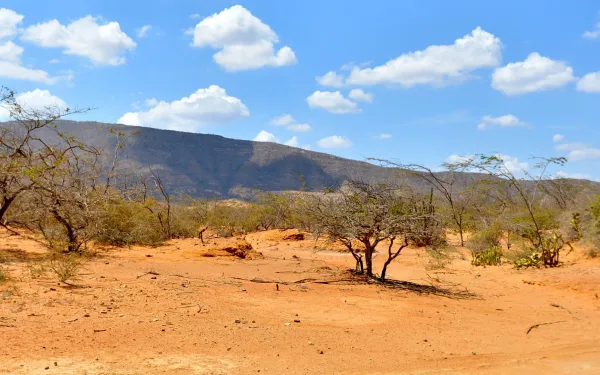
Colombia faces numerous challenges related to the just energy transition the world needs. As the main exporter of thermal coal in Latin America, one of its primary challenges is to define the future of this mineral in the country's economic and energy matrices, as well as how to align this sector with its commitments to address the global climate crisis. Certainly, the measures taken to achieve a just energy transition and meet climate commitments must respect and guarantee human rights. The State must do so with a differentiated perspective that respects the most vulnerable groups in society who are most affected by the impacts of the climate crisis and transition processes. As part of a plan to change the energy transition strategy, the current government has proposed to create a roadmap that focuses, among other things, on promoting renewable energy projects from non-conventional sources, among other initiatives. The proposal is based on four principles: equity, social and binding participation, sovereign graduality with reliability, and a principle of knowledge. Although the proposed strategy can be seen as progress towards energy transition and meeting international commitments and standards, it has some gaps: it does not focus sufficiently on fossil fuel substitution and ignores the role and impact of the coal sector in all its phases. The omission of the structural causes of the climate crisis hinders the consolidation of an energy transition, which is now a contested scenario with various claims and interests at stake. A vivid example is the department of La Guajira in the north of the country, where a high potential for renewable energy coincides with the extraction of 35% of exported coal, exacerbating the climate crisis. This has increased the region's already high climate vulnerability and aggravated human rights violations in that territory. The impacts–particularly water stress, desertification, and reduced rainfall—have been so severe that the government has declared a state of economic, social, and environmental emergency in La Guajira, where the El Niño phenomenon is expected to occur with greater intensity and duration than in previous years. The coal sector’s role in the energy transition process Combating and addressing the climate crisis requires progress in replacing fossil fuels, as well as slowing down the expansion of their extraction and exploitation with the obvious consequence of limiting their use as much as possible. In the countries of the Global South, which are highly dependent on the extraction and commercialization of fossil fuels, the debate has begun on whether and how to move forward with the substitution process. If Colombia is to move forward in meeting its climate commitments and in the process of a just energy transition, it must halt the approval of new thermal coal mining projects, avoid the expansion of existing projects, and initiate responsible exit processes for a gradual closure of mining operations in which rights are guaranteed. The energy transition roadmap should focus on avoiding, as much as possible, human rights impacts (territorial, subsistence, and environmental) on the communities most affected by the impacts of the climate crisis. The goal is to avoid further human rights violations and a lack of protection for the territories traversed by the coal sector's production chain. The debate around the energy transition and the socio-environmental conflicts associated with coal is fully exemplified in the case of the Bruno stream, in La Guajira, with an ongoing legal process. It is now in the hands of the Constitutional Court to decide between the protection of a stream vital to an area of high water stress and the exploitation of its channel to expand the mine of the company Carbones del Cerrejón (owned by the multinational Glencore). What is at stake is the guarantee of the Wayúu communities' rights of access to water, health and life. The debate about the energy transition and the socio-environmental conflicts associated with coal is exemplified by Bruno Stream in La Guajira, which is the subject of a court case. It is now in the hands of the Constitutional Court to decide between the protection of a stream vital to an area of high water stress and the exploitation of its channel to expand the mine of the Carbones del Cerrejón company (owned by the multinational Glencore). What is at stake is the guarantee of the Wayúu communities' rights to access to water, health and life. What just transition does need After analyzing the role of coal in the process of just energy transition in Colombia, it is possible to conclude that the country is not meeting its climate commitments because it has not established specific measures and actions for the coal sector in its climate policy. If Colombia wants to move forward in fossil fuel substitution, climate policy and the energy transition process cannot be separated from the monitoring and decision-making of the relevant authorities regarding specific projects in the coal sector. Climate change management and the energy transition process must recognize the claims of justice, reparation, and non-repetition raised by communities affected by years of coal extraction, such as those in the department of La Guajira. In a just energy transition scenario, progressive, participatory and inclusive processes to end mining - together with the affected communities - must be ensured, aiming to create diversification and conversion scenarios in regions with high dependence on the coal sector. Acting within this framework is desirable and possible.
Read more
Unmasking Canada Rights Violations Across Latin America (Executive Summary)
In the 4th cycle of Canada’s Universal Periodic Review (UPR), more than 50 civil society organizations and communities impacted by Canadian business conduct in Latin America and the Caribbean presented three reports that reveal troubling findings.Regional Report: Reveals the status of 37 projects in 9 countries in the region, involving 34 Canadian companies and consortiums. Most of these projects are in the extractive sector (27 mining and 8 oil) and two renewable energy projects (1 hydroelectric, 1 wind). In all of them, human rights have been violated and serious environmental impacts have been reported, impacting Indigenous, Afro-descendant, peasant and fishing communities.Amazon Report: Measures the impact of Canadian companies in the Amazon basin of Brazil, Ecuador, Colombia, and Peru. The report analyzes 12 extractive projects that impact fragile ecosystems and Indigenous communities, demonstrating that Canadian companies systematically violate impacted communities’ human rights and threaten the environment in a region with the greatest biodiversity in the world, which is a strategic space to confront the climate crisis.Oil Report: Assessing Canadian business conduct in eight oil projects in Colombia, Ecuador and Peru, the report reveals how the lack of protection mechanisms, access to justice, and comprehensive redress for impacted peoples and communities, requires Canada to recognize the interconnection between human rights and the environment, and take concrete measures to address the negative impacts of Canadian companies. This is not the first time that Canada has been denounced before the United Nations Universal System for the improper behavior of its companies abroad. During its third UPR, Canada received six recommendations that, despite committing to implementation, evidence presented by civil society in this cycle demonstrates the persistence of non-compliance with its extraterritorial obligations and lack of adequate measures to fulfill the responsibility to regulate the conduct of its companies. View and download the Regional Report (in Spanish)View and download the Amazon ReportView and download the Oil Report (in Spanish)
Read more
Report reveals shocking rights violations by Canadian corporations in Latin America
Geneva - A groundbreaking report titled "Unmasking Canada: Rights Violations Across Latin America" was unveiled at the United Nations Universal Periodic Review Process (UPR) pre-session in Geneva, spanning from August 28 to September 1, 2023. This in-depth investigation highlights extensive human rights and environmental breaches by Canadian companies in Latin America and the Caribbean. Compiled through the collaboration of over 50 civil society organizations, the report implicates 37 Canadian projects across nine countries in the region. Of these, 32 projects have been found responsible for environmental rights infringements, including 105 oil spills in Peru's Block 192, directly linked to Frontera Energy. Additionally, the right to Free, Prior, and Informed Consent was violated in 26 projects, exemplified by dubious practices in Ecuador's Warintza project managed by Solaris Resources Inc. Violent confrontations tied to 16 projects are also highlighted, with a notable incident in Peru in July 2023, where 20 individuals were injured. While Canada positions itself as "climate forward," this report challenges such a portrayal, emphasizing Canada's protection of extractive industries that are responsible for significant human rights and environmental harm. In response to these findings and anticipating Canada's UPR on November 10, 2023, the report advocates for UN member states to impose legally binding resolutions on Canada, compelling the nation to address corporate misconduct overseas. Mauricio Terena, Legal Coordinator from Brazil’s Association of Indigenous People (APIB), said: "We have come here to denounce the involvement of Canadian companies in human rights violations in Brazil, particularly the case of the Belo Sun mining company in Pará, which aims to establish the country's largest open-pit gold mine. While Canada portrays itself as a defender of human rights and the environment, its actions contradict this narrative, especially when infringing upon the rights of indigenous peoples in Brazil. The discrepancy becomes evident when we realize that Canada has not signed the ILO's Convention 169. Therefore, we hope that the states with which we are in dialogue recognize this reality and urge Canada to reassess the operations of its corporations, seeking tangible action in defense of indigenous peoples and traditional communities". Addressing the UPR's function, where every four years UN member states review each other's human rights records, Latin American civil society representatives presented new recommendations for Canada. These recommendations underscore the need for Canada to introduce binding and comprehensive legislation centered on due diligence and corporate accountability. This encompasses the oversight of financial institutions and Canadian corporations throughout their global supply chains, aiming to prevent, mitigate, and penalize corporate misdeeds while ensuring victims of such practices overseas can seek justice and full reparation. "We hope that the UPR (Universal Periodic Review) process will establish itself as another strategy in our defense of indigenous peoples' rights, serving as a tool for the protection of human, indigenous, and environmental rights. It is essential to acknowledge that corporations involved in such violations are committing criminal acts. These actions should not be viewed merely as isolated incidents, but rather on a broader scale, as violating indigenous rights impacts all of humanity. Thus, beyond national and international laws, these transgressions should be seen from a more comprehensive perspective. It is crucial for states to commit, within the UN framework, to join a global mechanism where they recognize the need to monitor and mutually hold each other accountable for actions that uphold human, indigenous, and environmental rights", said Maria Judite "Kari" Guajajara, Legal Advisor at the National Indigenous Organization of the Brazilian Amazon (COIAB). This isn't the first instance of Canada facing allegations within the United Nations Universal System due to the activities of its corporations abroad. Six recommendations were directed at Canada during the 3rd cycle of the Periodic Review. These addressed, among other concerns, Canadian businesses' vital assurance and protection of human rights. Nevertheless, even after pledging to meet these recommendations, Canada consistently failed to fulfill its extraterritorial obligations, neglecting to take effective action to supervise corporate activities domestically and internationally. Gisela Hurtado, Advocacy Manager at Amazon Watch, commented: "Our report unveils the disturbing reality behind Canada's corporate endeavors in Latin America. While Canada boasts of ethical business conduct, the documented evidence reveals a starkly contrasting picture – one where profit is prioritized over people and the environment. Urgent change is paramount." The report's presentation in Geneva was spearheaded by a delegation that included Mauricio Terena from APIB; Maria Judite "Kari" Guajajara from COIAB; Josefa de Oliveira, a Popular Educator with Movimento Xingu Vivo Para Sempre; Lorena Aranha Curuaia, Vice President of the Iawá Community; ; and Brayan Mojanajinsoy Pasos, General Secretary of the Association of Indigenous Councils of the Municipality of Villagarzón Putumayo (ACIMVIP). The delegation was further supported by representatives from organizations including Amazon Watch, AIDA (Regional), Earthworks (US) Gaia (Colombia), and Ambiente y Sociedad (Colombia). Short summary involving Canadian companies involved in rights violations highlighted in the report 1. Frontera Energy in Lote 192 in Peru: - Over 2,000 sites contaminated, affecting 26 Amazonian indigenous communities. - Proposed activity closure plan doesn’t include reparations for affected communities. 2. Mineradora Argentina Gold SRL (joint venture between Barrick Gold and Shandong Gold): - Responsible for at least five toxic substance leakages, including cyanide and arsenic, into the Jáchal River in Argentina from the Veladero mine. - The project is in violation of the Glacier Law due to its location in a glacial zone and affects the UNESCO recognized biodiversity heritage site, the San Guilhermo Reserve. 3. Belo Sun's Volta Grande project in Brazil: - Cumulative impacts with the Belo Monte hydroelectric dam, located less than 10 km away from the prospected mining site; - Armed security forces hired by the Canadian mining company to monitor local leaders and hindering their freedom of movement; - Utter disrespect to Free, Prior and Informed Consent of Indigenous and riverine communities; - Imminent and irreversible risks of an environmental tragedy if toxic waste spills into the Xingu River due to a potential dam break, given the lack of sysmic and tailings dam safety studies. - Direct impact on communities, their traditional livelihoods, and local ecosystems. 4. The Mina Varadero in Chile: - Contaminated water sources with mercury, impacting rural populations and children. 5. ISAGEN - Brookfield Asset Management's Hidrosogamoso dam in Colombia: - Significant harm to local ecosystems and communities. 6. American Lithium's mining projects (Falchani, Macusani, and Quelccaya) in Peru: - Regularly release toxic residues, affecting over 700,000 people and contaminating the Lake Titicaca and Amazon River basins. 7. Solaris Resources Inc.'s Warintza mining project in Ecuador: - Ignored the territorial rights of the Shuar Arutam indigenous people and adopted divisive tactics. 8. Mining project of Ixtaca in Mexico: - Suspended due to violations of indigenous rights. 9. El Pato II mining project in Guatemala: - Affected the Poqomam Maya and mestizo communities without proper prior consultation. 10. Libero Copper's Mocoa mining project in Colombia: - Directly harmed the ancestral territory of the Inga people, violating their rights. 11. Cosigo Resources LTD's Machado gold extraction project in Colombia: - Severely impacted sacred indigenous sites in the Yaigojé Apaporis territory. 12. Barrick Gold's Pueblo Viejo mine in the Dominican Republic: - Forced the displacement of 65 local families due to the El Llagal waste dam. 13. Mining projects of La Plata by Atico Mining Corporation and Las Naves by Curimining S.A. (a subsidiary of Adventus Mining Corporation) and **Salazar Resources Limited in Ecuador: - Tried legalizing their operations despite violating national and international human rights laws, leading to confrontations and injuries. 14. Petrotal's Lote 95 in Peru: - Protests demanding community rights resulted in several deaths by police forces guarding the oil field. 15. Equinox Gold in Brazil: - Concealed data regarding their operations and impacts, including a dam break. - 4,000 of people directly impacted by toxic waste resulted from the dam break that contaminated local Amazonian rivers, violating the right to a clean environment and adequate access to drinking water. - Criminalization of local community leaders that protested for the right to water. 16. Gran Tierra Energy in Ecuador: - Conducted explorations without proper information dissemination in the Charapa, Chanangué, and Iguana blocks.
Read more