
Project
Amazon Watch / Maíra Irigaray
Barragem de Belo Monte no rio Xingu: 10 anos de impactos na Amazônia e de busca por reparações
A usina hidrelétrica de Belo Monte causou um desastre ambiental e social no coração da Amazônia: um dos ecossistemas mais importantes do planeta.
Essa situação só piorou desde que a usina começou a operar em 2016. A busca por justiça e reparação para as comunidades indígenas e ribeirinhas afetadas continua até hoje.
Em 2011, a Comissão Interamericana de Direitos Humanos (CIDH) concedeu a essas comunidades medidas de proteção, que até hoje não foram totalmente implementadas pelo Estado brasileiro.
E, desde junho daquele mesmo ano, a CIDH mantém um processo contra o Estado por sua responsabilidade internacional no caso.
A CIDH pode encaminhar o caso à Corte Interamericana de Direitos Humanos, que tem o poder de emitir uma sentença condenatória contra o Estado brasileiro.
Consulta o expediente de fatos do caso
Após 10 anos de operação da usina hidrelétrica e mais de 15 anos de violações de direitos humanos documentadas, é hora da justiça ser feita para as comunidades afetadas.
Leia a carta aberta das organizações que levam o caso à CIDH
Leia nosso comunicado à imprensa
Contexto
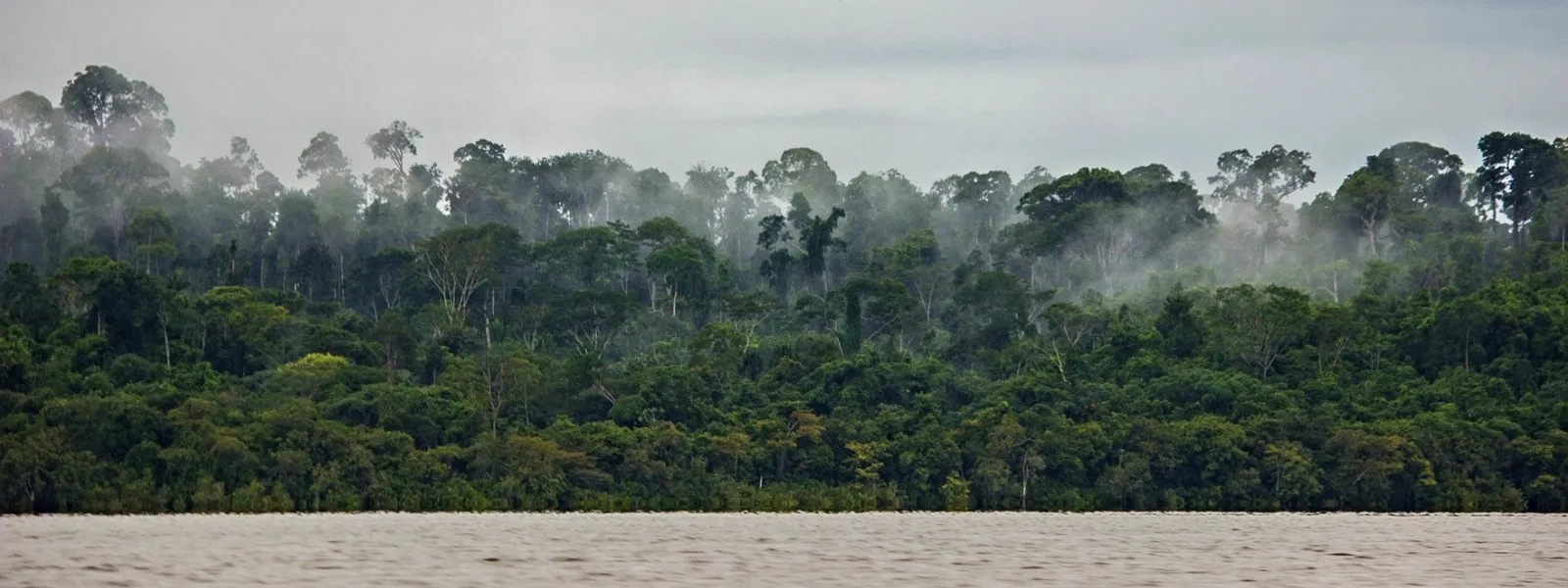
A usina hidrelétrica de Belo Monte — a quarta maior do mundo em capacidade instalada (11.233 MW) — foi construída no rio Xingu, no estado do Pará, norte do Brasil.
Foi inaugurada em 5 de maio de 2016, com uma única turbina. Naquela época, 80% do curso do rio foi desviado e 516 km² de terra foram inundados, uma área maior que a cidade de Chicago. Desse total, 400 km² eram de mata nativa. A usina começou a operar em plena capacidade em novembro de 2019.
Belo Monte foi construída e é operada pelo consórcio Norte Energia S.A., composto principalmente por empresas estatais. Foi financiada pelo Banco Nacional de Desenvolvimento Econômico e Social (BNDES), que aportou ao consórcio 25,4 bilhões de reais (aproximadamente US$ 10,16 bilhões), o maior investimento de sua história. Portanto, o BNDES também é legalmente responsável pelos impactos socioambientais associados ao projeto hidrelétrico.
Décadas de danos ambientais e humanos
As violações dos direitos humanos e a degradação da Amazônia remontam ao início do projeto. Em março de 2011, a Norte Energia iniciou a construção da barragem sem consulta adequada e sem o consentimento prévio, livre e informado das comunidades afetadas.
A construção levou ao deslocamento forçado de mais de 40.000 pessoas, rompendo laços sociais e culturais. O plano de reassentamento em Altamira — cidade diretamente afetada pelo projeto hidrelétrico — incluía moradias na periferia da cidade, sem serviços públicos adequados, moradias dignas para as famílias reassentadas e moradias diferenciadas para aqueles pertencentes a comunidades indígenas.
A operação da barragem de Belo Monte impôs uma seca permanente e artificial na Volta Grande do rio Xingu, agravada pelas secas históricas na Amazônia em 2023 e 2024. Como resultado, a morte de milhões de ovos de peixe foi documentada por quatro anos consecutivos (de 2021 a 2024) e, nos últimos três anos, não houve migração de peixes rio acima para desovar e se reproduzir. Assim, a pesca artesanal, principal fonte de proteína para os povos indígenas e comunidades ribeirinhas, foi severamente afetada: o consumo de peixe caiu de 50% para 30% do total de proteínas consumidas, sendo substituído por alimentos processados. Em suma, houve um colapso ambiental e humanitário que resultou no colapso da pesca como modo de vida tradicional, insegurança alimentar e falta de acesso à água potável para milhares de famílias, empobrecimento e doenças.
Além disso, a construção da barragem aumentou o desmatamento e intensificou a extração ilegal de madeira e a insegurança em terras indígenas e tribais, colocando em risco a sobrevivência dessas comunidades. Outra consequência foi o agravamento da pobreza e dos conflitos sociais, bem como a sobrecarga dos sistemas de saúde, educação e segurança pública em Altamira, cidade considerada a mais violenta do país em 2017, onde houve aumento do tráfico de pessoas e da violência sexual. Também foram registrados casos de violência contra defensores de direitos humanos envolvidos no caso.
Em 2025, durante a 30ª Conferência das Nações Unidas sobre Mudanças Climáticas (COP30), realizada no Brasil, o Ministério Público Federal classificou os danos causados por Belo Monte como ecocídio.
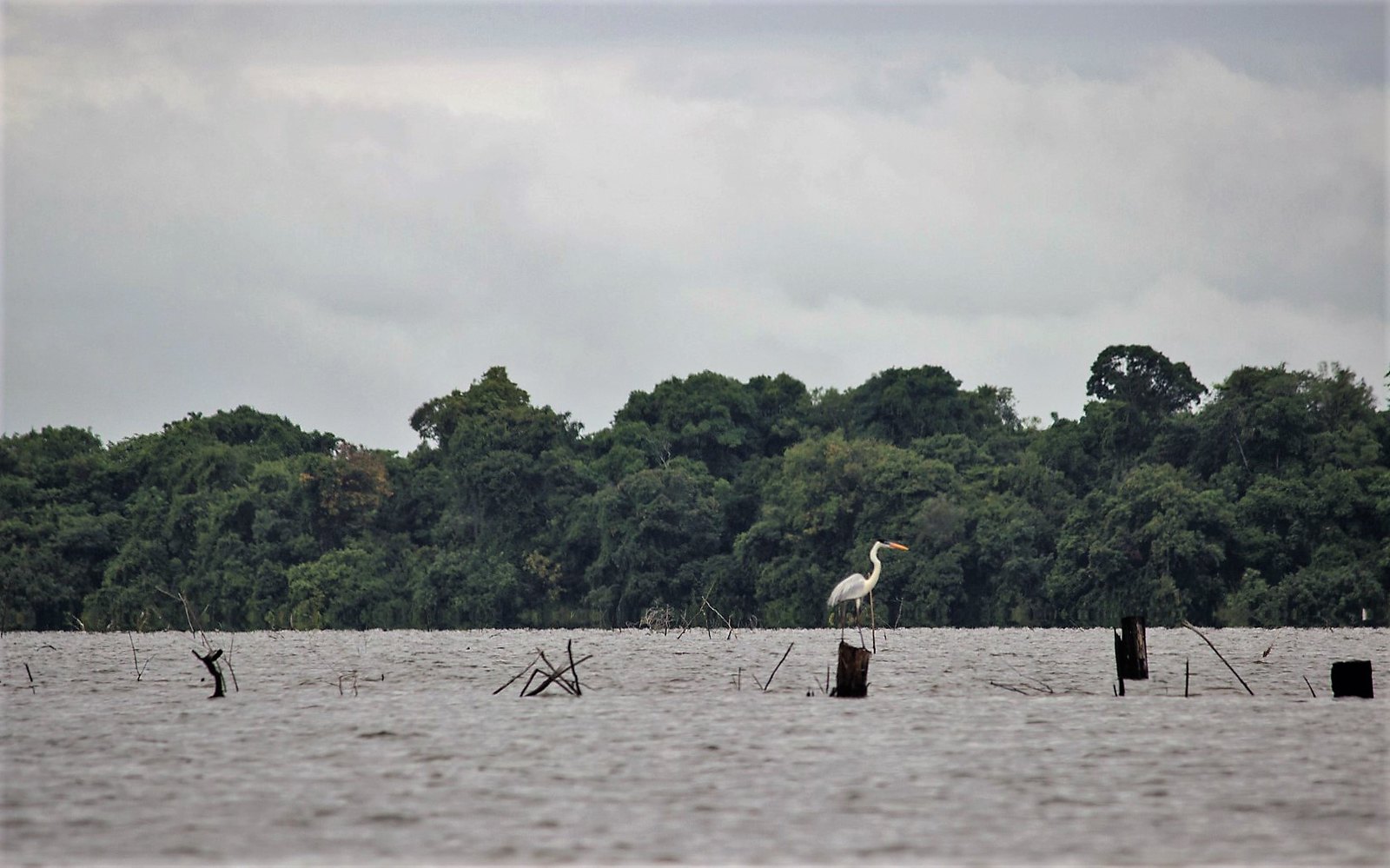
Foto: Amazon Watch / Maíra Irigaray.
A busca por justiça e reparação
Ao longo dos anos, o Ministério Público Federal do Pará, a Defensoria Pública e organizações da sociedade civil impetraram dezenas de ações judiciais em tribunais brasileiros para contestar as diversas irregularidades do projeto, bem como seus impactos. A maioria das ações permanece sem solução, algumas há mais de 10 anos.
Essas ações não obtiveram sucesso porque o governo federal tem reiteradamente anulado decisões favoráveis às comunidades afetadas, recorrendo a um mecanismo pelo qual o presidente do Supremo Tribunal Federal pode suspender uma decisão judicial com base unicamente em argumentos genéricos como "interesse nacional" ou "ordem econômica".
Diante da falta de respostas eficazes em nível nacional, a AIDA — juntamente com uma coalizão de organizações aliadas — levou o caso à Comissão Interamericana de Direitos Humanos (CIDH) e, em 2010, solicitou medidas cautelares para proteger a vida, a integridade e a saúde das comunidades indígenas afetadas.
Em 1º de abril de 2011, a CIDH concedeu essas medidas e solicitou ao Estado brasileiro a suspensão das licenças ambientais e de quaisquer obras de construção até que as condições relativas à consulta prévia e à proteção da saúde e integridade das comunidades fossem atendidas.
E, em 16 de junho de 2011, apresentamos uma denúncia formal à CIDH — juntamente com o Movimento Xingu Vivo Para Siempre, a Coordenação das Organizações Indígenas da Amazônia Brasileira, a Diocese de Altamira, o Conselho Missionário Indígena, a Sociedade Pará de Defesa dos Direitos Humanos e a Global Justice — contra o Estado brasileiro por sua responsabilidade internacional nas violações de direitos humanos contra os povos afetados neste caso. A denúncia foi apresentada em dezembro de 2015.
Em 3 de agosto de 2011, a CIDH modificou as medidas cautelares para solicitar — em vez da suspensão de licenças e obras — a proteção dos povos que vivem em isolamento voluntário, a saúde das comunidades indígenas e a regularização e proteção das terras ancestrais.
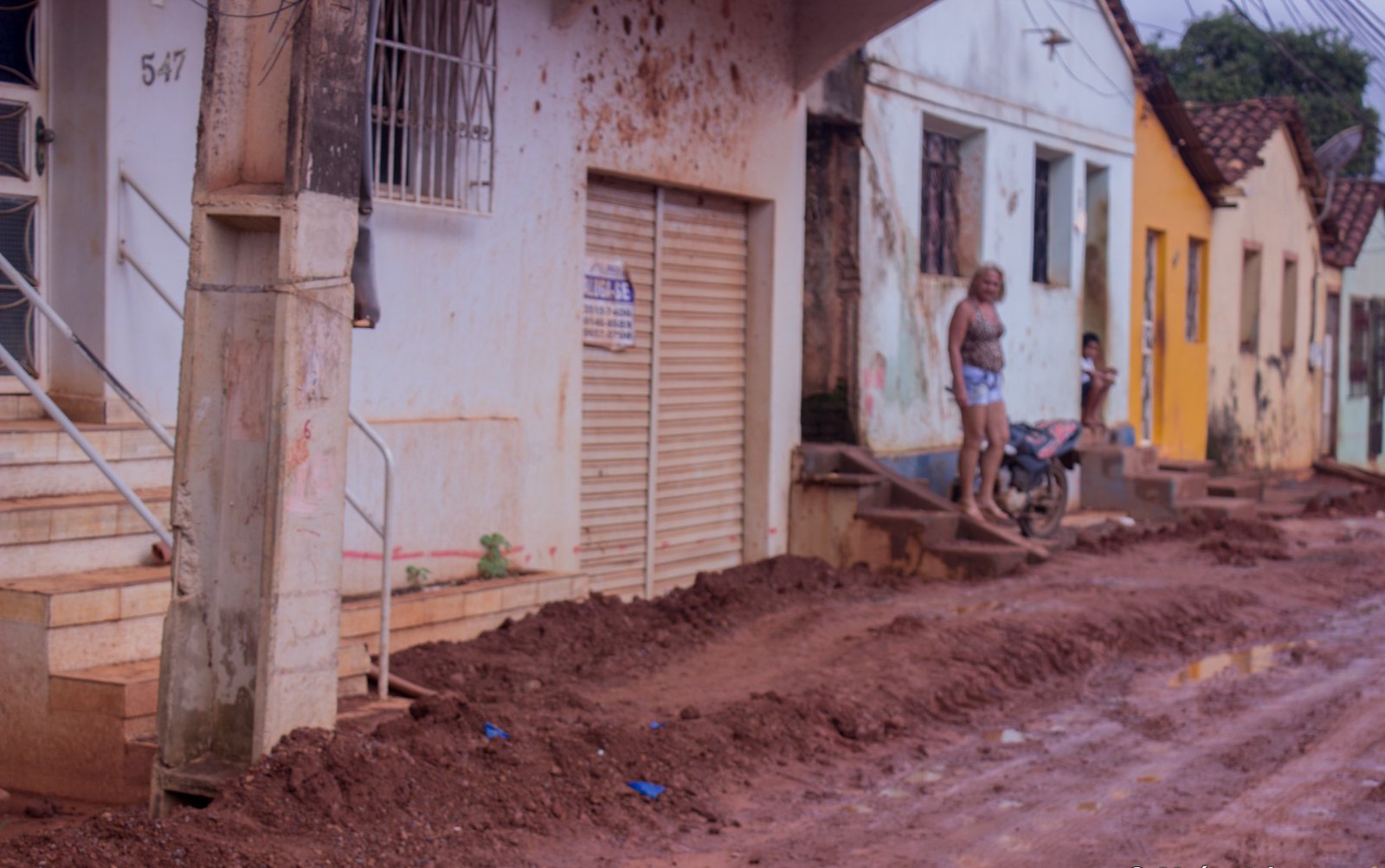
Foto: Amazon Watch / Maíra Irigaray.
Situação atual
As medidas de proteção concedidas pela CIDH permanecem em vigor, mas o Estado brasileiro não as cumpriu integralmente, relatando apenas ações genéricas. As comunidades documentaram as contínuas violações de seus direitos. A situação que motivou o pedido dessas medidas — o risco à vida, à segurança e aos meios de subsistência das comunidades — persiste e se agravou com a usina hidrelétrica operando em plena capacidade e com as recentes secas extremas na Amazônia.
Além do ocorrido em Belo Monte, existe o risco de maiores danos sociais e ambientais decorrentes da implementação de outro megaprojeto de mineração na Volta Grande do Xingu. Lá, a empresa canadense Belo Sun pretende construir a maior mina de ouro a céu aberto do Brasil.
Os impactos sinérgicos e cumulativos da usina e da mina não foram avaliados. O Estado excluiu povos indígenas, comunidades ribeirinhas e comunidades camponesas do processo de licenciamento ambiental do projeto. Apesar disso, dos protestos indígenas e de outras irregularidades em torno do projeto, o governo do estado do Pará autorizou formalmente a mina em abril de 2026.
Belo Monte, assim como outras usinas hidrelétricas, agrava a emergência climática ao gerar emissões de gases de efeito estufa em seu reservatório. Além disso, é ineficiente diante das secas prolongadas e intensas causadas pela crise, pois perde capacidade de geração de energia.
O caso perante a Comissão Interamericana
Em outubro de 2017, a CIDH anunciou que decidiria conjuntamente sobre a admissibilidade (se o caso preenche os requisitos para admissão) e o mérito (se houve, de fato, violação de direitos humanos) da denúncia internacional contra o Estado brasileiro.
Quinze anos após a apresentação da denúncia, as comunidades afetadas e as organizações que as representam ainda aguardam essa decisão. Caso a CIDH conclua que houve violações de direitos humanos e emita recomendações que o Estado brasileiro não cumpra, poderá encaminhar o caso à Corte Interamericana de Direitos Humanos, cujas decisões são vinculativas.
Uma possível decisão da Corte Internacional de Direitos Humanos neste caso estabeleceria um precedente jurídico regional em relação aos direitos dos povos indígenas e ribeirinhos, à participação pública em megaprojetos e à responsabilidade do Estado no contexto da crise climática. Isso é particularmente relevante à luz do Parecer Consultivo nº 32 da Corte, que reafirmou as obrigações dos Estados de proteger pessoas e comunidades em todo o continente da emergência climática.
Partners:
Related projects
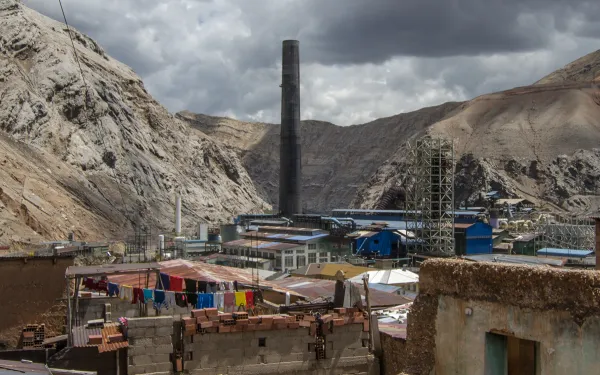
With La Oroya case, the Inter-American Court may set a key precedent for protecting a healthy environment in Latin America
On October 12 and 13, the international court will hear the case of people affected by toxic pollution in La Oroya, Peru. Beyond reestablishing the rights of the victims, the court’s eventual decision marks an historic opportunity to strengthen the protection of the right to a healthy environment in the region and to encourage States to adequately supervise corporate activities. Montevideo, Uruguay. On October 12 and 13, the Inter-American Court of Human Rights will hear the case of residents from La Oroya, Peru, whose fundamental rights have been violated for decades due to heavy metal contamination from a metal smelting complex. The hearing will take place during the 153rd Session of the Court, to be held October 10-21 in Montevideo, Uruguay. Last October, 15 years after the international lawsuit against the Peruvian State was filed, the Inter-American Commission on Human Rights—in it’s decision on the merits of the case—established the Peruvian government’s international responsibility in the violation of the human rights of the residents of La Oroya, and referred the case to the Inter-American Court. At the hearing next week, as part of the process of drafting their ruling, the judges of the court will hear from witnesses, experts, and victims, as well as from State representatives. As organizations that have legally represented and accompanied the group of victims since the beginning of the case, the Interamerican Association for Environmental Defense (AIDA) and the Pro Human Rights Association (APRODEH) will bring to the court strong arguments, supported by legal and scientific evidence, to defend the rights of the affected people. After a decades-long search of justice, the case is important not only for the community of La Oroya, but for all people affected by corporate activities across the continent. In addition, the case is representative of a serious political, social and environmental situation that has not been considered by national, regional and international politics. The current conditions prevent the citizens of La Oroya from having healthy prospects for the future. There exists a real need for justice and mobilization to generate a strong recognition of economic and environmental alternatives for the direct and indirect victims. Liliana Avila, senior attorney at AIDA, explains the context of the case and emphasizes the importance of a favorable and forceful decision by the court: "The La Oroya case before the Inter-American Court puts an end to more than 20 years of waiting in the search for justice and reparations for those whose lives were drastically changed by historic exposure to toxic contamination. It is a milestone for the Inter-American Human Rights System because it will be one of the first cases to centrally address the indivisible relationship between a healthy environment and other fundamental human rights such as life, health and personal integrity. It constitutes a unique opportunity to set a regional and global precedent for the protection of the right to a healthy environment and compliance with the obligations of States to adequately supervise corporate activities, as well as to guarantee the special protection of children, girls, women, the elderly and other vulnerable groups.” Gloria Cano Legua, executive director of APRODEH, refers to the urgency of a decision that grants justice and reparation to the people of La Oroya: "The victims have had to see how the State, through various governments, has disregarded its obligations, while their health problems have worsened. The indifference and sometimes hostility with which they have been treated has offended their dignity". PReSS CONTACTS: Víctor Quintanilla (AIDA), [email protected], +525570522107 Gloria Cano Legue (APRODEH), [email protected], +51 964 809 193 Christian Huaylinos Camacuari (APRODEH), [email protected], +51 959 789 232
Read more
Presentes: Here and now for climate justice
Hope, too, needs a space when we talk about the climate crisis. While it’s true that humanity is facing our greatest collective challenge, it’s also true that there are people, communities, and organizations taking action, right now, to cocreate a better future. We cannot deny that we are already living with the impacts of the climate crisis. Yet we must speak honestly and urgently about them, without paralyzing ourselves in the process. Sharing information is a means to understanding our planet and creating meaningful conversations so that today, in the present moment, our societies can begin to build a more just tomorrow. Presentes was born as a collective and collaborative effort to change the narratives around climate justice. It’s a Latin American alliance that seeks to bring the climate conversation to a wider audience while simultaneously strengthening alliances among those already working for the cause. The challenge lies in demonstrating that when we talk about the energy transition –a fundamental step towards a better future– we must also talk about respecting human rights and the rights of nature, and caring for all forms of life on this planet. What better way to show this than by telling the stories of those working for it every day? Presentes is coordinated by AIDA, with the goal of bringing together civil society organizations, local communities, environmental defenders and citizens from across Latin America. Toward a better tomorrow What can we do to address the climate crisis? What is clean energy? How can we build a more just world for all beings, and what does that look like? There are some of the questions we’ll be exploring, together, through the Presentes platforms. Our goal is to extend this conversation to people from across Latin American, in all phases of their own climate journey. As a starting point, the founding organizations signed a manifesto recognizing that, to achieve a society with climate justice, it is essential to recognize our role in this new environmental reality, and make way for a just change that leaves no one behind, that is fueled by new forms of energy, and that responds to the call of those people who, with dignity and determination, continue to fight for the defense of life on Earth. View this post on Instagram A post shared by Presentes (@presentesorg) These are the pillars of Presentes and the point from which we can, from our own focuses and starting points, begin to visualize a better future for all the beings who live on this Earth. Join your voice to Presentes! Each participant, whether an organization or an individual, helps to enrich the ecosystem of sharing and solidarity that is forming around Presentes. Beginning from where you are now, you can: Add your organization to the alliance. By doing so, you’ll work with the diverse groups that form the Presentes, amplify your own organization's work, and receive a biweekly digital newsletter with valuable information to strengthen your communication efforts. Join the conversation in our WhatsApp group to receive free content to learn more about the climate crisis and how we confront it, together. Follow Presentes on Instagram and Facebook and help the content reach beyond our network, into yours. Because now is the only time there is, it’s the time to be present.
Read more
Governments of the world: Climate action is a legal duty
Climate action is a legal duty. After decades of empty promises, it is time for real action and accountability.Climate change is here now. Ecosystems are collapsing at an unprecedented rate. Vast regions of the world are becoming uninhabitable. Billions of people are facing the prospect of a dangerous and uncertain future. Extreme weather events have wreaked havoc across every continent this year alone. The “window of opportunity to secure a liveable and sustainable future for all” is closing fast.For decades, you have pledged to address the climate crisis. In successive treaties and decisions, you promised to slash greenhouse gas emissions. Just last year in Glasgow, you reaffirmed your commitment to limit global average temperature increase to 1.5°C and to ramp up mitigation ambition within the year. Yet countries’ latest global mitigation commitments show that we are completely off track. So far the vast majority of countries have not delivered on their commitment to strengthen their targets this year.We are on the precipice of the most serious intergenerational violation of human rights in history. But affected communities and those who stand with them are not giving up.We – lawyers and activists from across the globe – are standing with frontline communities to challenge your inadequate climate action. We have filed over 80 cases around the world to compel you to ramp-up your climate ambition: from the Netherlands to Nepal; from Canada to Colombia, from Belgium to Brazil, from Norway to New Zealand, from South Africa to South Korea.The law is on our side. Courts in dozens of countries have already recognized that you have a legal duty to address the climate crisis, and that this requires you to take more ambitious climate action. Cases have led to the adoption of new climate laws, stronger mitigation targets, and the closure of coal-fired power plants. The Intergovernmental Panel on Climate Change (IPCC) itself has recognised that climate litigation has the power to shape “the outcome and ambition of climate governance” towards aligning government action to best available science.COP27 is an opportunity for you to change course: to minimize the extent of suffering and human rights violations caused by your failure to address the crisis, and to live up to your legal obligations under domestic and international law.Governments of the world: your delay is costing lives. Strong action is needed now to protect people and the planet.If you continue to fail us, we will continue to turn to the courts to demand accountability.Signatories:Alana (Brazil), AIDA (Latin America and the Caribbean), Aurora (Sweden), The Australian Climate Case (Australia), Grata Fund (Australia), Phi Finney McDonald (Australia), Center for Environmental Rights (South Africa), Natural Justice (South Africa), Client Earth (Global), Climate Action Network Europe (Europe), Climate Case Ireland (Ireland), Ecojustice (Canada), Europäische Klimaklage (Austria), Germanwatch (Germany), Giudizio Universale (Italy), Rete Legalità per il Clima (Italy), A Sud (Italy), Global Legal Action Network (Global), Klimaatzak (Belgium), Klimatická (Czech Republic), Lawyers for Climate Action NZ (New Zealand), Lee Salmon Long (New Zealand), Notre Affaire à Tous (France), Adv. Padam Shrestha (Nepal), Plan B (UK), Protect the Planet (Germany), Russian Climate Case (Russia), Urgenda (Netherlands), Youth4ClimateAction (South Korea). Read and download the letter
Read more