
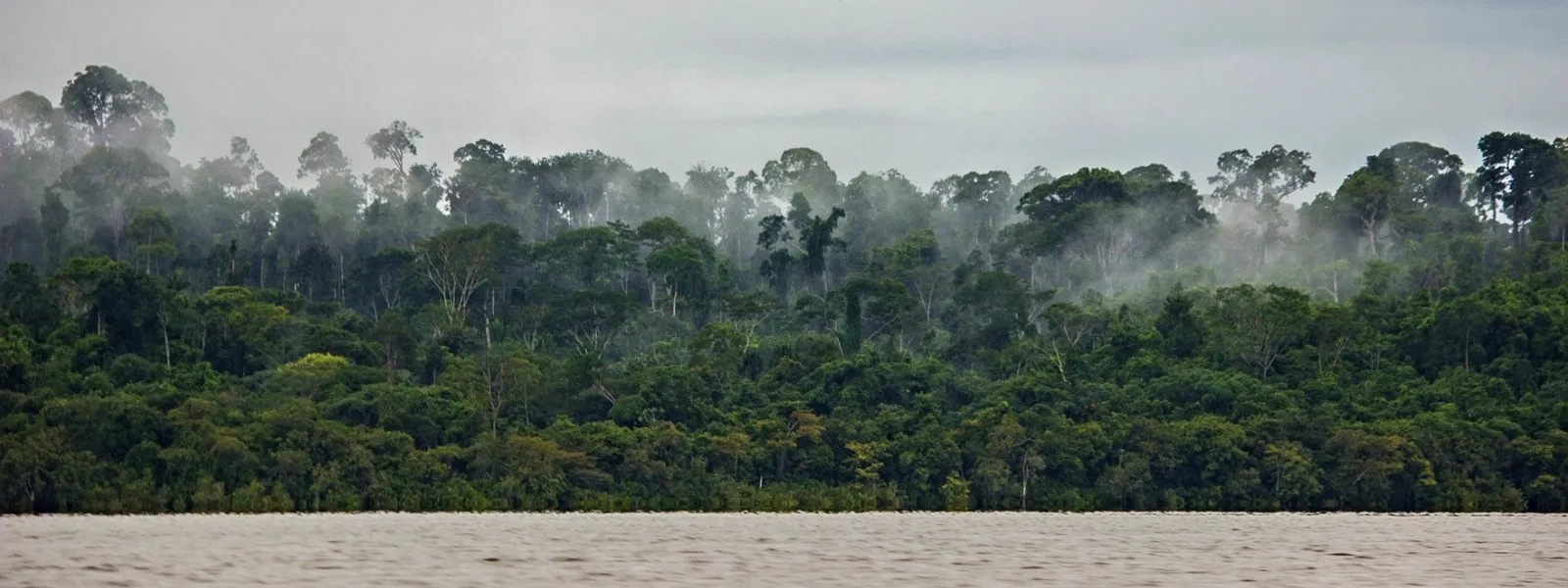
Project
Amazon Watch / Maíra Irigaray
Barragem de Belo Monte no rio Xingu: 10 anos de impactos na Amazônia e de busca por reparações
A usina hidrelétrica de Belo Monte causou um desastre ambiental e social no coração da Amazônia: um dos ecossistemas mais importantes do planeta.
Essa situação só piorou desde que a usina começou a operar em 2016. A busca por justiça e reparação para as comunidades indígenas e ribeirinhas afetadas continua até hoje.
Em 2011, a Comissão Interamericana de Direitos Humanos (CIDH) concedeu a essas comunidades medidas de proteção, que até hoje não foram totalmente implementadas pelo Estado brasileiro.
E, desde junho daquele mesmo ano, a CIDH mantém um processo contra o Estado por sua responsabilidade internacional no caso.
A CIDH pode encaminhar o caso à Corte Interamericana de Direitos Humanos, que tem o poder de emitir uma sentença condenatória contra o Estado brasileiro.
Consulta o expediente de fatos do caso
Após 10 anos de operação da usina hidrelétrica e mais de 15 anos de violações de direitos humanos documentadas, é hora da justiça ser feita para as comunidades afetadas.
Leia a carta aberta das organizações que levam o caso à CIDH
Leia nosso comunicado à imprensa
Contexto
A usina hidrelétrica de Belo Monte — a quarta maior do mundo em capacidade instalada (11.233 MW) — foi construída no rio Xingu, no estado do Pará, norte do Brasil.
Foi inaugurada em 5 de maio de 2016, com uma única turbina. Naquela época, 80% do curso do rio foi desviado e 516 km² de terra foram inundados, uma área maior que a cidade de Chicago. Desse total, 400 km² eram de mata nativa. A usina começou a operar em plena capacidade em novembro de 2019.
Belo Monte foi construída e é operada pelo consórcio Norte Energia S.A., composto principalmente por empresas estatais. Foi financiada pelo Banco Nacional de Desenvolvimento Econômico e Social (BNDES), que aportou ao consórcio 25,4 bilhões de reais (aproximadamente US$ 10,16 bilhões), o maior investimento de sua história. Portanto, o BNDES também é legalmente responsável pelos impactos socioambientais associados ao projeto hidrelétrico.
Décadas de danos ambientais e humanos
As violações dos direitos humanos e a degradação da Amazônia remontam ao início do projeto. Em março de 2011, a Norte Energia iniciou a construção da barragem sem consulta adequada e sem o consentimento prévio, livre e informado das comunidades afetadas.
A construção levou ao deslocamento forçado de mais de 40.000 pessoas, rompendo laços sociais e culturais. O plano de reassentamento em Altamira — cidade diretamente afetada pelo projeto hidrelétrico — incluía moradias na periferia da cidade, sem serviços públicos adequados, moradias dignas para as famílias reassentadas e moradias diferenciadas para aqueles pertencentes a comunidades indígenas.
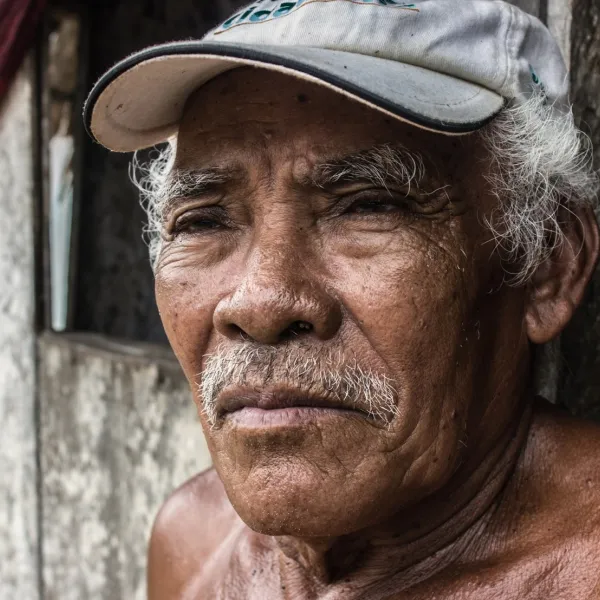
A operação da barragem de Belo Monte impôs uma seca permanente e artificial na Volta Grande do rio Xingu, agravada pelas secas históricas na Amazônia em 2023 e 2024. Como resultado, a morte de milhões de ovos de peixe foi documentada por quatro anos consecutivos (de 2021 a 2024) e, nos últimos três anos, não houve migração de peixes rio acima para desovar e se reproduzir. Assim, a pesca artesanal, principal fonte de proteína para os povos indígenas e comunidades ribeirinhas, foi severamente afetada: o consumo de peixe caiu de 50% para 30% do total de proteínas consumidas, sendo substituído por alimentos processados. Em suma, houve um colapso ambiental e humanitário que resultou no colapso da pesca como modo de vida tradicional, insegurança alimentar e falta de acesso à água potável para milhares de famílias, empobrecimento e doenças.
Além disso, a construção da barragem aumentou o desmatamento e intensificou a extração ilegal de madeira e a insegurança em terras indígenas e tribais, colocando em risco a sobrevivência dessas comunidades. Outra consequência foi o agravamento da pobreza e dos conflitos sociais, bem como a sobrecarga dos sistemas de saúde, educação e segurança pública em Altamira, cidade considerada a mais violenta do país em 2017, onde houve aumento do tráfico de pessoas e da violência sexual. Também foram registrados casos de violência contra defensores de direitos humanos envolvidos no caso.
Em 2025, durante a 30ª Conferência das Nações Unidas sobre Mudanças Climáticas (COP30), realizada no Brasil, o Ministério Público Federal classificou os danos causados por Belo Monte como ecocídio.
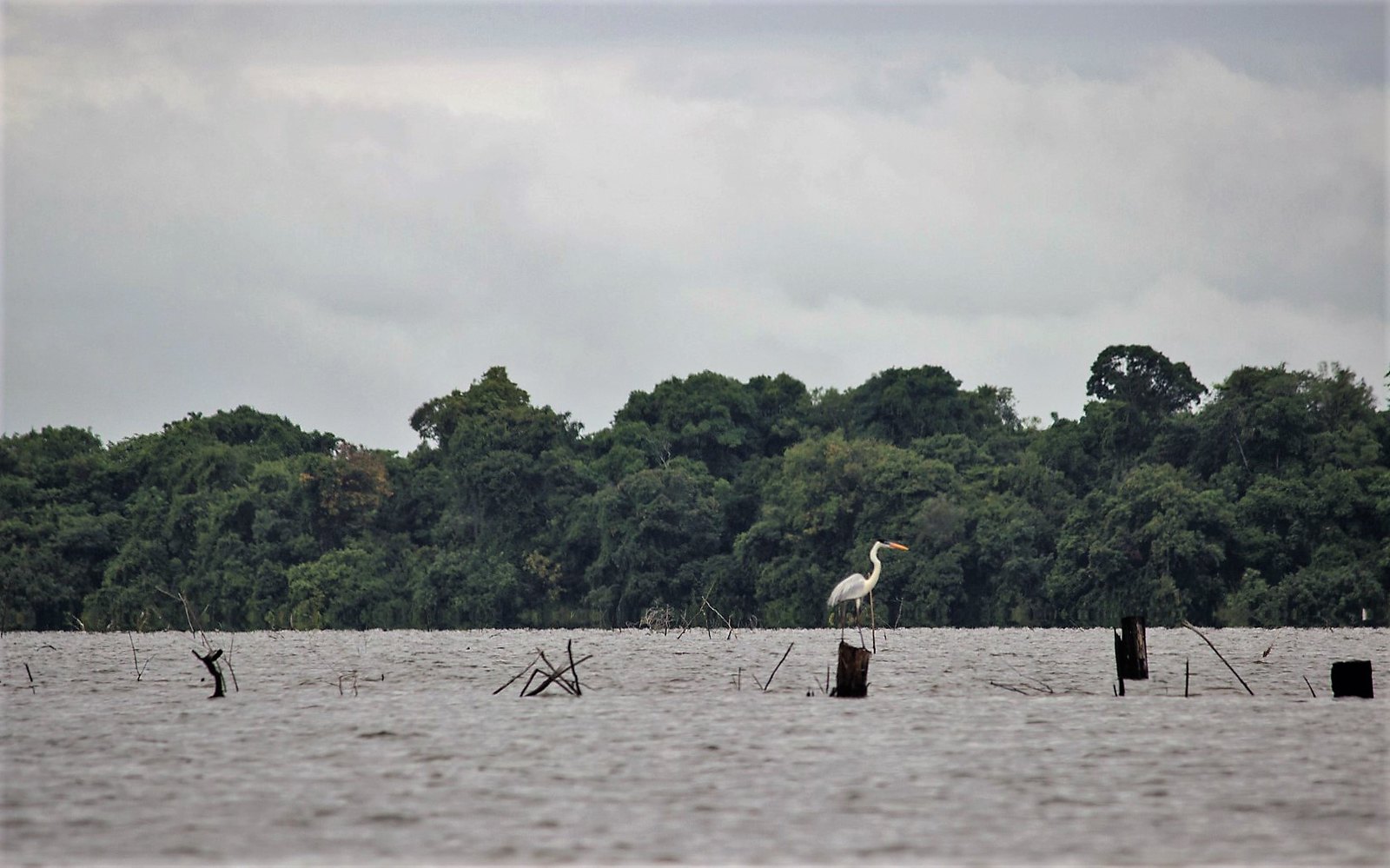
Foto: Amazon Watch / Maíra Irigaray.
A busca por justiça e reparação
Ao longo dos anos, o Ministério Público Federal do Pará, a Defensoria Pública e organizações da sociedade civil impetraram dezenas de ações judiciais em tribunais brasileiros para contestar as diversas irregularidades do projeto, bem como seus impactos. A maioria das ações permanece sem solução, algumas há mais de 10 anos.
Essas ações não obtiveram sucesso porque o governo federal tem reiteradamente anulado decisões favoráveis às comunidades afetadas, recorrendo a um mecanismo pelo qual o presidente do Supremo Tribunal Federal pode suspender uma decisão judicial com base unicamente em argumentos genéricos como "interesse nacional" ou "ordem econômica".
Diante da falta de respostas eficazes em nível nacional, a AIDA — juntamente com uma coalizão de organizações aliadas — levou o caso à Comissão Interamericana de Direitos Humanos (CIDH) e, em 2010, solicitou medidas cautelares para proteger a vida, a integridade e a saúde das comunidades indígenas afetadas.
Em 1º de abril de 2011, a CIDH concedeu essas medidas e solicitou ao Estado brasileiro a suspensão das licenças ambientais e de quaisquer obras de construção até que as condições relativas à consulta prévia e à proteção da saúde e integridade das comunidades fossem atendidas.
E, em 16 de junho de 2011, apresentamos uma denúncia formal à CIDH — juntamente com o Movimento Xingu Vivo Para Siempre, a Coordenação das Organizações Indígenas da Amazônia Brasileira, a Diocese de Altamira, o Conselho Missionário Indígena, a Sociedade Pará de Defesa dos Direitos Humanos e a Global Justice — contra o Estado brasileiro por sua responsabilidade internacional nas violações de direitos humanos contra os povos afetados neste caso. A denúncia foi apresentada em dezembro de 2015.
Em 3 de agosto de 2011, a CIDH modificou as medidas cautelares para solicitar — em vez da suspensão de licenças e obras — a proteção dos povos que vivem em isolamento voluntário, a saúde das comunidades indígenas e a regularização e proteção das terras ancestrais.
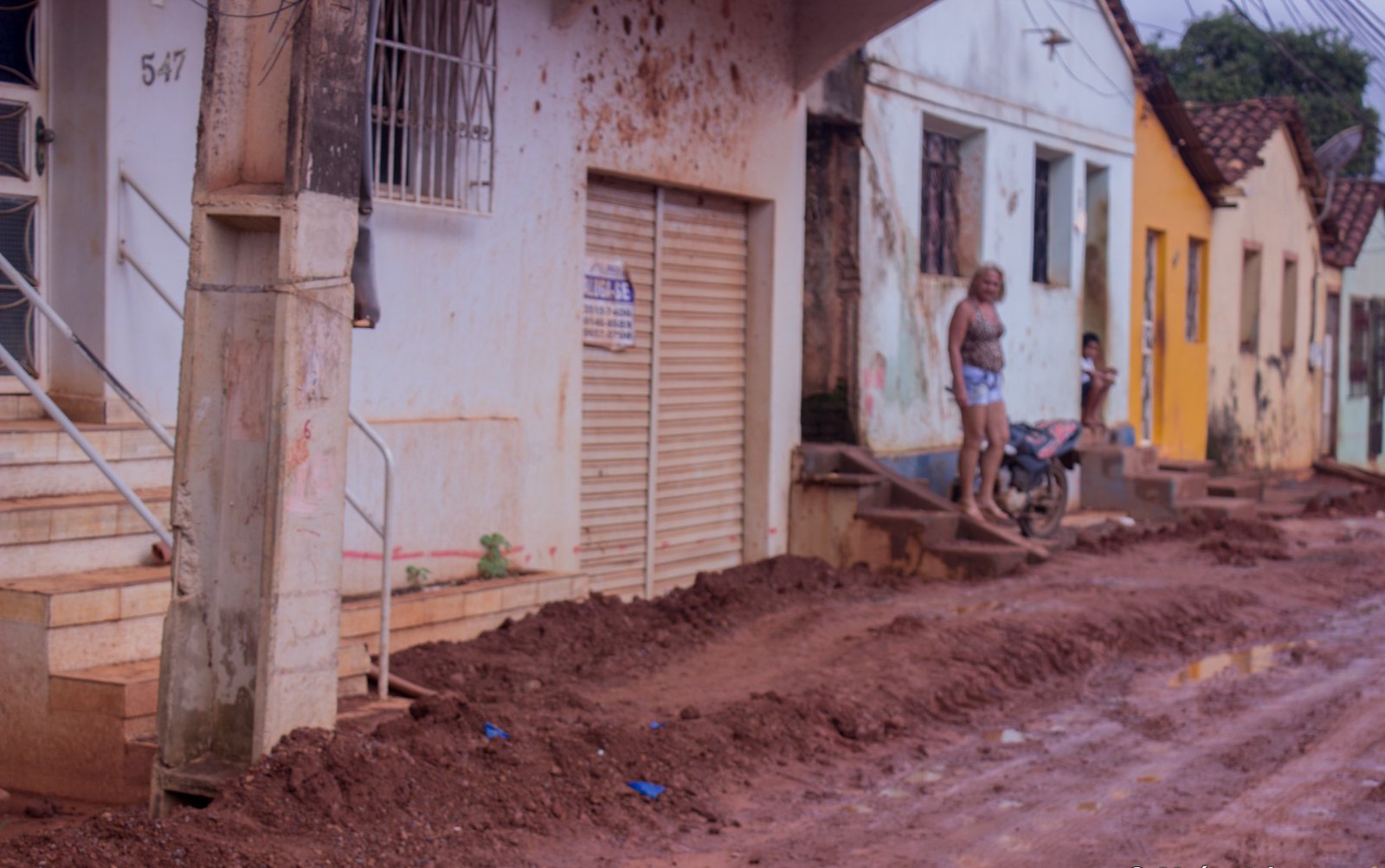
Foto: Amazon Watch / Maíra Irigaray.
Situação atual
As medidas de proteção concedidas pela CIDH permanecem em vigor, mas o Estado brasileiro não as cumpriu integralmente, relatando apenas ações genéricas. As comunidades documentaram as contínuas violações de seus direitos. A situação que motivou o pedido dessas medidas — o risco à vida, à segurança e aos meios de subsistência das comunidades — persiste e se agravou com a usina hidrelétrica operando em plena capacidade e com as recentes secas extremas na Amazônia.
Além do ocorrido em Belo Monte, existe o risco de maiores danos sociais e ambientais decorrentes da implementação de outro megaprojeto de mineração na Volta Grande do Xingu. Lá, a empresa canadense Belo Sun pretende construir a maior mina de ouro a céu aberto do Brasil.
Os impactos sinérgicos e cumulativos da usina e da mina não foram avaliados. O Estado excluiu povos indígenas, comunidades ribeirinhas e comunidades camponesas do processo de licenciamento ambiental do projeto. Apesar disso, dos protestos indígenas e de outras irregularidades em torno do projeto, o governo do estado do Pará autorizou formalmente a mina em abril de 2026.
Belo Monte, assim como outras usinas hidrelétricas, agrava a emergência climática ao gerar emissões de gases de efeito estufa em seu reservatório. Além disso, é ineficiente diante das secas prolongadas e intensas causadas pela crise, pois perde capacidade de geração de energia.
O caso perante a Comissão Interamericana
Em outubro de 2017, a CIDH anunciou que decidiria conjuntamente sobre a admissibilidade (se o caso preenche os requisitos para admissão) e o mérito (se houve, de fato, violação de direitos humanos) da denúncia internacional contra o Estado brasileiro.
Quinze anos após a apresentação da denúncia, as comunidades afetadas e as organizações que as representam ainda aguardam essa decisão. Caso a CIDH conclua que houve violações de direitos humanos e emita recomendações que o Estado brasileiro não cumpra, poderá encaminhar o caso à Corte Interamericana de Direitos Humanos, cujas decisões são vinculativas.
Uma possível decisão da Corte Internacional de Direitos Humanos neste caso estabeleceria um precedente jurídico regional em relação aos direitos dos povos indígenas e ribeirinhos, à participação pública em megaprojetos e à responsabilidade do Estado no contexto da crise climática. Isso é particularmente relevante à luz do Parecer Consultivo nº 32 da Corte, que reafirmou as obrigações dos Estados de proteger pessoas e comunidades em todo o continente da emergência climática.
Partners:
Related projects

AIDA celebrates WTO agreement to curb harmful fisheries subsidies
We consider the agreement a "crucial step" for the sustainability of fishery resources in the short, medium and long term, as well as for ensuring food security and the livelihoods of coastal communities. Geneva, Switzerland. As an environmental organization that has closely followed the negotiations to limit global fisheries subsidies, the Interamerican Association for Environmental Defense (AIDA) applauds that member countries of the World Trade Organization (WTO) reached, after more than two decades, a binding agreement to curb some harmful fisheries subsidies. It represents a fundamental step toward achieving the effective management of our fisheries resources, as well as toward ensuring global food security and the livelihoods of coastal communities. "This is a crucial step towards ensuring the sustainability of fishery resources in the short, medium and long term," said Gladys Martinez de Lemos, executive director of AIDA. "We urge the 164 member countries of the WTO to ratify the agreement as soon as possible, and to implement the necessary changes derived from it to contribute significantly to the health of marine life and the well-being of those who depend on it." It is estimated that, each year, governments spend approximately $22 billion in negative subsidies to offset costs for fuel, fishing gear and vessel improvements, among others. As a result of that support, 63 percent of fish stocks worldwide must be rebuilt and 34 percent are fished at "biologically unsustainable" levels, according to recent data. The agreement reached at the 12th WTO Ministerial Conference, held June 12-16, provides for the creation of a global framework to reduce subsidies for illegal, unreported and unregulated fishing; subsidies for fishing overexploited stocks; and subsidies for vessels fishing on the unregulated high seas. The high seas fishing provisions represent an achievement for Latin America, a region whose fishing industry is severely threatened by aggressive foreign fleets fishing inside and outside of national jurisdictions. The agreement also includes measures aimed at greater transparency and accountability in the way governments support their fisheries sector. The countries agreed to continue negotiating rules to curb subsidies that promote fishing in other countries' waters, overfishing and the overcapacity of a fleet to catch more fish than is sustainable. "This agreement is one part of the movement we need at the international level to contribute to the health of the ocean," explained Magie Rodríguez, AIDA attorney. "We have three more to go: the high seas treaty, more ambitious and rigorous standards for ocean mining, and recognition of the key role the ocean plays in the climate crisis. We will continue to work with our allies to achieve these goals.” Although negotiations on fisheries subsidies officially began in 2001, it was not until the 2017 WTO Ministerial Conference that countries committed to taking action to reach an agreement at the next conference—which was to take place in December 2020, but was suspended due to the pandemic. This commitment also responds to the fulfillment of target 14.6 of the United Nations Sustainable Development Goals. In 2021, the Ministerial Conference failed to reach an agreement, but it did reach a draft text. "This year's achievement would not have been possible without the joint efforts of many different organizations, academia, governments and the private sector," said Martinez. press contact Victor Quintanilla (Mexico), [email protected], +525570522107
Read more
What is a just energy transition?
It is possible to propose real solutions to current problems. The various crises facing humanity—climate, energy, food, environment, health—as well as the enormous inequalities that cause, and are deepened by, them can be overcome if we manage to rethink the systems in which we live. In 2021, the energy sector contributed 73.2 percent of total global greenhouse gas emissions. The current energy system, based on fossil fuels, is unequal and inequitable. It is concentrated in large private or state-owned companies, is particularly conflictive in terms of access to resources, and is closed to social participation in decision-making. For these reasons, progress on the energy transition is urgent. There is no single view of energy transition; it is a concept in dispute. Toward what? For whom? How? Conservative views focus the transition on a process of technological substitution toward a change in the energy matrix focused on renewable resources and the search for energy efficiency. On the other hand, the most complete proposals warn that a change in the energy matrix is necessary, but not enough. They see the transition as a process of integral transformation, territorially situated and plural, which implies the creation of new socio-political conditions that restructure the organization, ownership and distribution of the current production and consumption systems. The goal is advancing the right to energy. If we consider the transition as a systems change, it is essential to build another type of relationship between human beings, nature and means of production. Guidelines for thinking about the energy transition in Latin America Based on the arguments of Pablo Bertinat, an expert on the subject, to walk this path in the region requires that we: Build the right to energy as a collective right, in congruence with the rights of nature. We must: take into account the damages to territories and communities created by energy development; eradicate Sacrifice Zones by recognizing their vulnerability; and guarantee respect for human rights during the transition. Solve energy poverty problems with clean, accessible, reliable and affordable energy. Energy projects must benefit the territory in which they are installed in terms of creation, supply and work force, in order to achieve the redistribution of wealth. Advance a process of energy reduction in the face of a scenario of restriction in which resources do not cover the demand. This implies an integral transition. A new productive model based on the availability of energy must be considered, as well as rethinking transportation systems, agriculture, infrastructure, etc. Deepen the change of the energy matrix from processes of resignification of technologies to those that are adequate, that is to say, that allow social inclusion, that are built from the communities, that are oriented to solve their problems, and that take into account the processes of acceptance of new energy enterprises. Promote energy democratization processes through the participation of diverse actors, particularly excluded sectors, in decision-making regarding the transition and the creation and implementation of policies, guaranteeing the rights of access to timely and complete information, quality participation and access to environmental justice, in order to ensure energy autonomy at the local level. In conclusion, speaking of a just energy transition implies recovering energy as a tool to satisfy human needs in a context of finite resources and inequalities. We must not start from scratch. Local communities, academic institutions, non-governmental organizations, social organizations and governments have already taken important steps towards a just, democratic and popular energy transition in the region. With this momentum, the transition is not only desirable, but possible.
Read more
5 reasons to end coal extraction and use
The use of coal to generate energy began two thousand years ago. Today, its role as a fuel must come to an end: the negative impacts of its exploitation and use far outweigh the benefits. The solution to the climate crisis lies, in large part, in ending dependence on coal. Across the region, we’re seeing a growth in coal projects that conflicts with global emissions reduction targets. In a post-pandemic context, nations must commit to an economic recovery that keeps coal in the ground. As governments and companies across Latin America continue to promote the industry and ignore the true costs of coal, we’re offering them five reasons why the mining and burning of coal is a bad decision – economically, politically, environmentally, for human rights and the climate. 1. Coal is economically unviable due to the high costs of its impacts. The current production chain fails to consider the external costs derived from coal’s climate and environmental impacts, and social damages and it causes, which could double or even triple the price of electricity generated. For example, exporting a ton of coal from Colombia to Europe, the United States or Asia entails estimated external costs between $144.64 and $210.95 per ton, three times the market price of coal (which was $47.80 per ton in August 2019) (1). The exploitation and use of coal becomes economically unviable because the market price is not enough to cover the repair of the damage caused. The most serious aspect is that since the companies in the industry do not assume these costs, they are left in the hands of States, communities and ecosystems. 2. Coal projects create unemployment Arguments that coal mining stimulates development wherever it is carried out are a myth. The pollution created by coal mining impacts the health of the people exposed to it, affecting their work effectiveness and putting them at a disadvantage in accessing other work options. This results in up an unemployment rate of up to 40 percent in populations located near coalmines. In addition, the non-conventional renewable energy industry currently employs many more people than the coal industry. According to the International Renewable Energy Agency, that industry generated 11 million jobs worldwide in 2018, while the 10 countries with the most coal-dependent labor sources only generate approximately 225 thousand jobs. According to UN estimates, switching to renewable energies could generate up to 35 million additional jobs between 2020 and 2050. 3. Investing in coal is increasingly risky Both banks and insurance companies are ceasing to invest in the coal sector because of its high costs, high risks and low profitability. Today, 26 of the world's 35 largest banks have policies restricting financing for projects related to coal mining or coal-fired power generation. In fact, a group of OECD countries recently announced that they will end financial support for coal-fired power plants. Similarly, at least 18 of the world's largest insurance companies have decided to restrict activities linked to the coal industry. This shows that, thanks to public pressure, the industry is being de-financed and its market is no longer insurable. 4. Coal use aggravates the global climate crisis The extraction and burning of coal aggravates the climate crisis and causes vast human rights impacts: among them floods that displace residents, fires that destroy villages and ecosystems, and droughts that destroy crops. According to the Intergovernmental Panel on Climate Change, coal is responsible for 44 percent of carbon dioxide (C02) emissions from fossil fuels. Just nine countries are responsible for 85 percent of global emissions from its combustion. Coal mining also emits methane, a gas with 67 times more power than CO2 to warm the planet over a 20-year period and whose emissions are responsible for about 25 percent of global warming. Building new coal-fired power plants implies catastrophic climate change. This is why the UN proposed urgently accelerating the decarbonization of all aspects of the economy. To stay on track toward limited warming just 1.5°C by 2050, 90 percent of coal must remain in the ground. 5. Coal mining and use violate essential human rights, such as health. The entire cycle of coal—from its extraction, transport and export, to its burning or combustion—causes irreversible damage to people. One of the main impacts of coal mining is the degradation of air quality, which in turn violates the rights to health, life and a healthy environment, generating high rates of morbidity and mortality. The damages caused by coal mining include pneumoconiosis (black lung), known as "the miner's disease", which considerably reduces the life expectancy of those who work in mines and the surrounding communities, where children are the most affected. Likewise, pollutant emissions from coal-fired power plants are mainly responsible for the formation of microscopic particles (PM10 and PM2.5) capable of penetrating the respiratory and blood systems, increasing the rates of serious diseases such as lung cancer, and causing premature deaths. These five reasons are at the same time arguments for the decarbonization of Latin America's energy matrix. The region can and should direct its efforts towards a matrix based on non-conventional renewable energies that are environmentally friendly, people-friendly and sustainable over time. For more information, see our report Carbón, un combustible condenado al entierro. El final de una era y la promesa de una transición justa. (1) Precios actualizados a 2019 tomados de Cardoso A. Behind the life cycle of coal: Socio-environmental liabilities of coalmining in Cesar, Colombia. Ecological Economics 120 (2015) 71- 82, y Cardoso A., Santamaria R,. Peñalver L. (2019). Thetrue cost of coal in Colombia.
Read more