
Project
Amazon Watch / Maíra Irigaray
Barragem de Belo Monte no rio Xingu: 10 anos de impactos na Amazônia e de busca por reparações
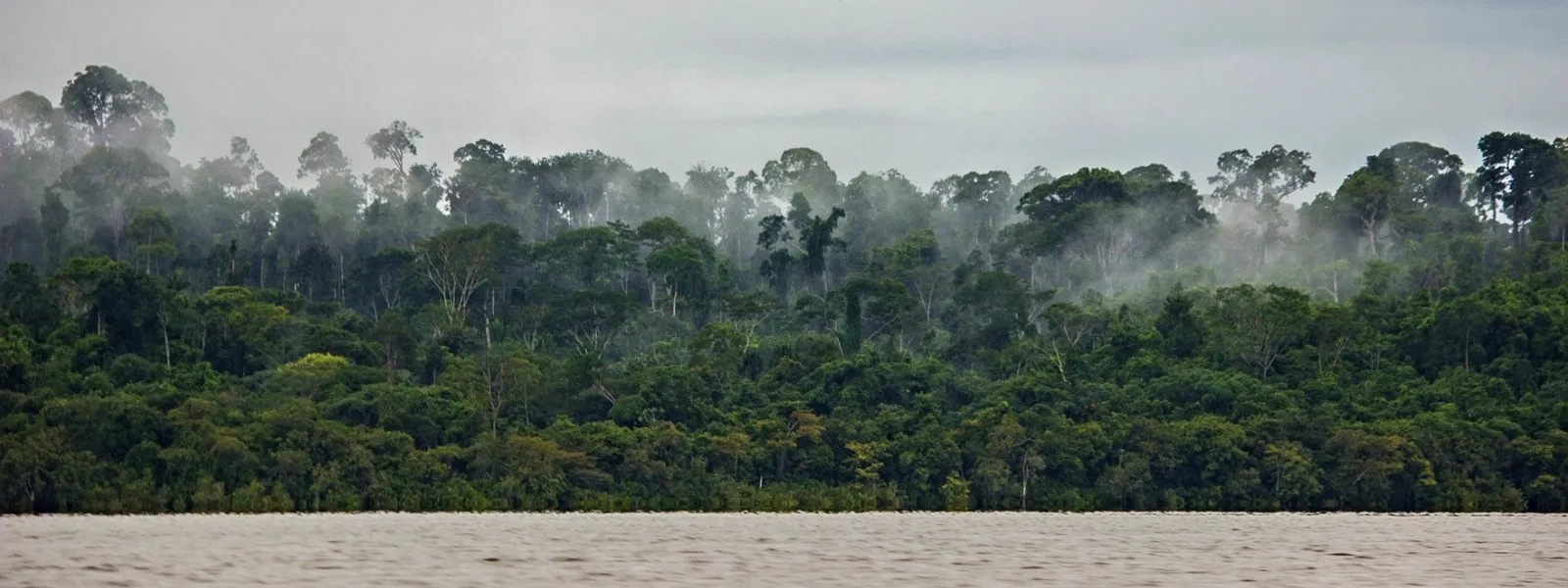
A usina hidrelétrica de Belo Monte causou um desastre ambiental e social no coração da Amazônia: um dos ecossistemas mais importantes do planeta.
Essa situação só piorou desde que a usina começou a operar em 2016. A busca por justiça e reparação para as comunidades indígenas e ribeirinhas afetadas continua até hoje.
Em 2011, a Comissão Interamericana de Direitos Humanos (CIDH) concedeu a essas comunidades medidas de proteção, que até hoje não foram totalmente implementadas pelo Estado brasileiro.
E, desde junho daquele mesmo ano, a CIDH mantém um processo contra o Estado por sua responsabilidade internacional no caso.
A CIDH pode encaminhar o caso à Corte Interamericana de Direitos Humanos, que tem o poder de emitir uma sentença condenatória contra o Estado brasileiro.
Consulta o expediente de fatos do caso
Após 10 anos de operação da usina hidrelétrica e mais de 15 anos de violações de direitos humanos documentadas, é hora da justiça ser feita para as comunidades afetadas.
Leia a carta aberta das organizações que levam o caso à CIDH
Leia nosso comunicado à imprensa
Contexto
A usina hidrelétrica de Belo Monte — a quarta maior do mundo em capacidade instalada (11.233 MW) — foi construída no rio Xingu, no estado do Pará, norte do Brasil.
Foi inaugurada em 5 de maio de 2016, com uma única turbina. Naquela época, 80% do curso do rio foi desviado e 516 km² de terra foram inundados, uma área maior que a cidade de Chicago. Desse total, 400 km² eram de mata nativa. A usina começou a operar em plena capacidade em novembro de 2019.
Belo Monte foi construída e é operada pelo consórcio Norte Energia S.A., composto principalmente por empresas estatais. Foi financiada pelo Banco Nacional de Desenvolvimento Econômico e Social (BNDES), que aportou ao consórcio 25,4 bilhões de reais (aproximadamente US$ 10,16 bilhões), o maior investimento de sua história. Portanto, o BNDES também é legalmente responsável pelos impactos socioambientais associados ao projeto hidrelétrico.
Décadas de danos ambientais e humanos
As violações dos direitos humanos e a degradação da Amazônia remontam ao início do projeto. Em março de 2011, a Norte Energia iniciou a construção da barragem sem consulta adequada e sem o consentimento prévio, livre e informado das comunidades afetadas.
A construção levou ao deslocamento forçado de mais de 40.000 pessoas, rompendo laços sociais e culturais. O plano de reassentamento em Altamira — cidade diretamente afetada pelo projeto hidrelétrico — incluía moradias na periferia da cidade, sem serviços públicos adequados, moradias dignas para as famílias reassentadas e moradias diferenciadas para aqueles pertencentes a comunidades indígenas.
A operação da barragem de Belo Monte impôs uma seca permanente e artificial na Volta Grande do rio Xingu, agravada pelas secas históricas na Amazônia em 2023 e 2024. Como resultado, a morte de milhões de ovos de peixe foi documentada por quatro anos consecutivos (de 2021 a 2024) e, nos últimos três anos, não houve migração de peixes rio acima para desovar e se reproduzir. Assim, a pesca artesanal, principal fonte de proteína para os povos indígenas e comunidades ribeirinhas, foi severamente afetada: o consumo de peixe caiu de 50% para 30% do total de proteínas consumidas, sendo substituído por alimentos processados. Em suma, houve um colapso ambiental e humanitário que resultou no colapso da pesca como modo de vida tradicional, insegurança alimentar e falta de acesso à água potável para milhares de famílias, empobrecimento e doenças.
Além disso, a construção da barragem aumentou o desmatamento e intensificou a extração ilegal de madeira e a insegurança em terras indígenas e tribais, colocando em risco a sobrevivência dessas comunidades. Outra consequência foi o agravamento da pobreza e dos conflitos sociais, bem como a sobrecarga dos sistemas de saúde, educação e segurança pública em Altamira, cidade considerada a mais violenta do país em 2017, onde houve aumento do tráfico de pessoas e da violência sexual. Também foram registrados casos de violência contra defensores de direitos humanos envolvidos no caso.
Em 2025, durante a 30ª Conferência das Nações Unidas sobre Mudanças Climáticas (COP30), realizada no Brasil, o Ministério Público Federal classificou os danos causados por Belo Monte como ecocídio.
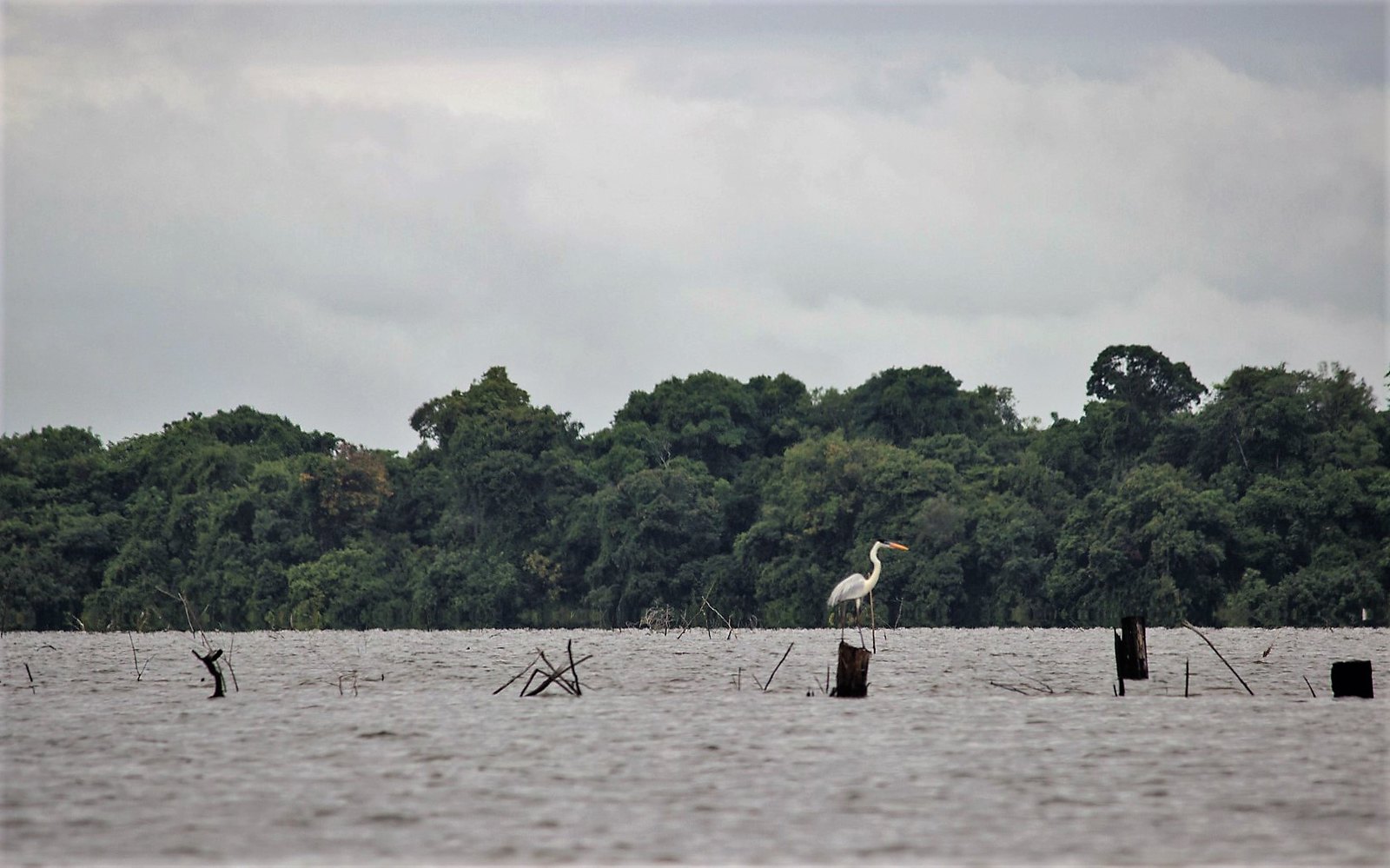
Foto: Amazon Watch / Maíra Irigaray.
A busca por justiça e reparação
Ao longo dos anos, o Ministério Público Federal do Pará, a Defensoria Pública e organizações da sociedade civil impetraram dezenas de ações judiciais em tribunais brasileiros para contestar as diversas irregularidades do projeto, bem como seus impactos. A maioria das ações permanece sem solução, algumas há mais de 10 anos.
Essas ações não obtiveram sucesso porque o governo federal tem reiteradamente anulado decisões favoráveis às comunidades afetadas, recorrendo a um mecanismo pelo qual o presidente do Supremo Tribunal Federal pode suspender uma decisão judicial com base unicamente em argumentos genéricos como "interesse nacional" ou "ordem econômica".
Diante da falta de respostas eficazes em nível nacional, a AIDA — juntamente com uma coalizão de organizações aliadas — levou o caso à Comissão Interamericana de Direitos Humanos (CIDH) e, em 2010, solicitou medidas cautelares para proteger a vida, a integridade e a saúde das comunidades indígenas afetadas.
Em 1º de abril de 2011, a CIDH concedeu essas medidas e solicitou ao Estado brasileiro a suspensão das licenças ambientais e de quaisquer obras de construção até que as condições relativas à consulta prévia e à proteção da saúde e integridade das comunidades fossem atendidas.
E, em 16 de junho de 2011, apresentamos uma denúncia formal à CIDH — juntamente com o Movimento Xingu Vivo Para Siempre, a Coordenação das Organizações Indígenas da Amazônia Brasileira, a Diocese de Altamira, o Conselho Missionário Indígena, a Sociedade Pará de Defesa dos Direitos Humanos e a Global Justice — contra o Estado brasileiro por sua responsabilidade internacional nas violações de direitos humanos contra os povos afetados neste caso. A denúncia foi apresentada em dezembro de 2015.
Em 3 de agosto de 2011, a CIDH modificou as medidas cautelares para solicitar — em vez da suspensão de licenças e obras — a proteção dos povos que vivem em isolamento voluntário, a saúde das comunidades indígenas e a regularização e proteção das terras ancestrais.
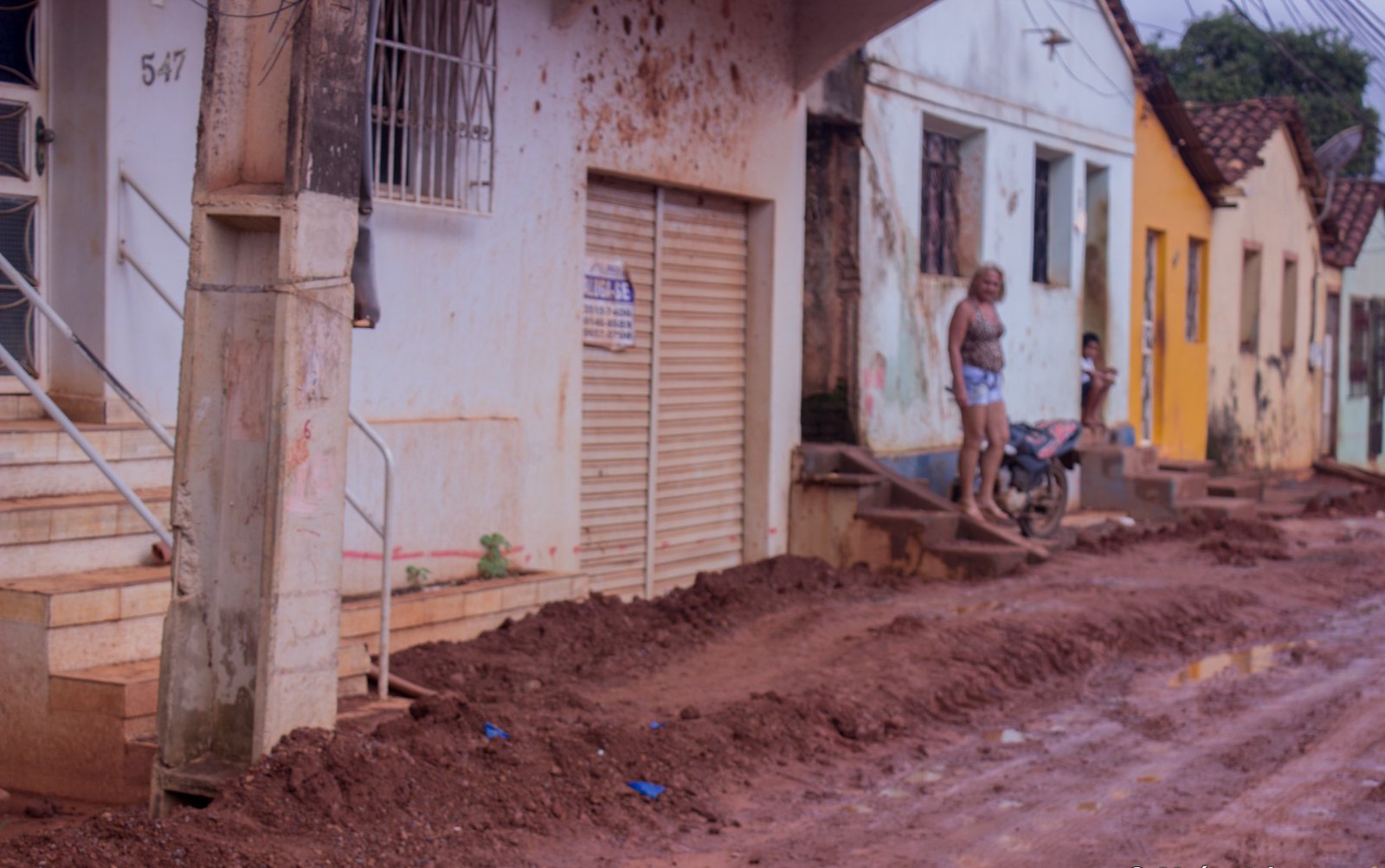
Foto: Amazon Watch / Maíra Irigaray.
Situação atual
As medidas de proteção concedidas pela CIDH permanecem em vigor, mas o Estado brasileiro não as cumpriu integralmente, relatando apenas ações genéricas. As comunidades documentaram as contínuas violações de seus direitos. A situação que motivou o pedido dessas medidas — o risco à vida, à segurança e aos meios de subsistência das comunidades — persiste e se agravou com a usina hidrelétrica operando em plena capacidade e com as recentes secas extremas na Amazônia.
Além do ocorrido em Belo Monte, existe o risco de maiores danos sociais e ambientais decorrentes da implementação de outro megaprojeto de mineração na Volta Grande do Xingu. Lá, a empresa canadense Belo Sun pretende construir a maior mina de ouro a céu aberto do Brasil.
Os impactos sinérgicos e cumulativos da usina e da mina não foram avaliados. O Estado excluiu povos indígenas, comunidades ribeirinhas e comunidades camponesas do processo de licenciamento ambiental do projeto. Apesar disso, dos protestos indígenas e de outras irregularidades em torno do projeto, o governo do estado do Pará autorizou formalmente a mina em abril de 2026.
Belo Monte, assim como outras usinas hidrelétricas, agrava a emergência climática ao gerar emissões de gases de efeito estufa em seu reservatório. Além disso, é ineficiente diante das secas prolongadas e intensas causadas pela crise, pois perde capacidade de geração de energia.
O caso perante a Comissão Interamericana
Em outubro de 2017, a CIDH anunciou que decidiria conjuntamente sobre a admissibilidade (se o caso preenche os requisitos para admissão) e o mérito (se houve, de fato, violação de direitos humanos) da denúncia internacional contra o Estado brasileiro.
Quinze anos após a apresentação da denúncia, as comunidades afetadas e as organizações que as representam ainda aguardam essa decisão. Caso a CIDH conclua que houve violações de direitos humanos e emita recomendações que o Estado brasileiro não cumpra, poderá encaminhar o caso à Corte Interamericana de Direitos Humanos, cujas decisões são vinculativas.
Uma possível decisão da Corte Internacional de Direitos Humanos neste caso estabeleceria um precedente jurídico regional em relação aos direitos dos povos indígenas e ribeirinhos, à participação pública em megaprojetos e à responsabilidade do Estado no contexto da crise climática. Isso é particularmente relevante à luz do Parecer Consultivo nº 32 da Corte, que reafirmou as obrigações dos Estados de proteger pessoas e comunidades em todo o continente da emergência climática.
Partners:
Related projects
Latin American fisheries are at risk
By Magie Rodríguez (AIDA) and Ernesto Fernández Monge (The Pew Charitable Trusts) Fishing is fundamental to the Latin American economy and, for of our region’s people, their way of life. It’s a centuries-old industry at risk. According to the Food and Agriculture Organization of the United Nations, the region produces 21.5 million metric tons of fish each year, a quarter of the world's annual production. Roughly 2.3 million people are involved in fishing activities. However, the industry is losing out to aggressive foreign fleets, mostly from Europe and Asia, fishing within Latin America's exclusive economic zones (EEZs) and in areas just outside them. Unlike domestic vessels, these fleets often benefit from substantial funding from their home governments, which allows them to fish outside their own countries' waters. These fishing subsidies, intended to increase capacity, are harmful. They pay for fuel and other expenses, artificially reduce the cost of fishing, and allow fleets to fish in areas where it would otherwise be unprofitable to do so. After more than two decades of talks, the 164 member governments of the World Trade Organization (WTO) are closer than ever to agreeing on a new globally binding treaty that would curb harmful subsidies that allow fleets to fish both in other countries' waters and on the high seas. Fishing offshore, on the periphery of another nation's waters, can harm a country's fisheries in part because it allows foreign vessels to catch migratory species, such as tuna or billfish, before they enter the EEZ. As trade ministers prepare to meet in Geneva for a WTO ministerial conference June 12-15, Latin American leaders must push for a fisheries subsidies agreement that will help their countries' fishermen better compete with foreign fleets. To do so, the agreement should eliminate all capacity-enhancing subsidies that prop up so-called distant-water fishing and allow more fishing than the market would otherwise sustain. Each year, governments around the world dole out $22 billion in harmful subsidies to fisheries and, of that amount, nearly two-thirds comes from just six countries and the European Union. About one-third of that amount, $7.2 billion, is targeted to help countries fish in other nations' EEZs and offshore at the edge of those territorial waters, according to a new research-based tool developed by scientists at the University of California, Santa Barbara, with funding from The Pew Charitable Trusts. The increase in distant-water fishing is driven by a sad reality: having depleted fish stocks in their own waters, major fishing nations are looking elsewhere to fill their nets. Ecuador's Galapagos Islands made headlines last year when research revealed that in just one month, 300 Chinese vessels spent 73 thousand hours fishing off the EEZ surrounding the Galapagos. In addition, the tool shows that, for example, 180 vessels from just four countries (China, South Korea, Chinese Taipei and Spain) spent a total of 84 thousand hours fishing in Argentina's EEZ in 2018. That's the equivalent of 9.6 years on the water. That undertaking was made possible by nearly $92 million in harmful subsidies. Encouragingly, leaders across the region have long supported reducing subsidies in distant waters: Argentina, Chile and Uruguay co-sponsored a WTO proposal in 2019 to ban such subsidies and, in July 2021, Uruguay's foreign minister stated that such a ban would have "enormous potential to have a significant impact on the state of the oceans and the livelihoods of fishing communities." However, major fishing nations are seeking to water down the text of the potential WTO agreement so that they can continue fishing in other countries' waters. That’s why Latin American trade ministers must continue to push for the elimination of subsidies in distant waters, helping to ensure that fish from their waters primarily reach their vessels, restore competitive advantage to the region's fishermen, and sustain a vital industry—and livelihood—across the continent.
Read more
Court ruling may approve licensing for Belo Sun's mining project in the Amazon
Environmental licensing for the largest open-pit gold mine project in Brazil has been challenged by eight lawsuits exposing flaws in environmental impact studies. A possible decision in favor of Belo Sun may set a precedent that illegally restricts consultation of traditional peoples and sanctions human rights violations. Altamira (Pará), April 22, 2022 — On Monday, April 25, the Regional Federal Court of the 1st Region (TRF1) will rule on two decisive cases that could pave the way for the beginning of the project by Canadian mining company Belo Sun in Pará, in the Brazilian Amazon. The company plans to build the largest open-pit gold mine in Brazil, at Volta Grande do Xingu, one of the most biodiverse sites in the world and a region that has already suffered the impacts of the Belo Monte dam and hydroelectric plant. In 2017, the Regional Federal Court of the 1st Region (TRF1) revoked a second license granted by the state of Pará for the installation of the project, prompting the mining company to undergo a process of prior consultation with affected Indigenous peoples, in accordance with Convention 169 of the International Labor Organization (ILO). The Court also required the company to prepare an Indigenous Component Study (ECI) within the parameters required by Funai (Brazilian National Indigenous Foundation), on the impacts of the project on Indigenous peoples. At the hearing on April25, 2022, the court will revisit the case. Belo Sun claims it has complied with the requirements, but the Federal Prosecution Office (MPF) is contesting this assertion. The Prosecution Office says that Belo Sun performed no actual consultation with affected populations, and that the ECI study is flawed — researchers have considered the project to be environmentally unfeasible, with a high likelihood of dam failure. The Prosecution Office's claims are based on a report published in February by researchers from the Observatory of Community Protocols of Consultation and Prior, Free and Informed Consent, at the request of the Prosecution Office itself. “If the TRF-1 upholds Belo Sun's request, we will be facing a dangerous precedent, which illegally restricts the content of the consultation provided for in Articles 6, 15, and 16 of Convention 169 of the International Labor Organization (ILO), and sanctions the violation of the human rights of Indigenous peoples and traditional communities in Volta Grande do Xingu. Such decision would legitimize the lawless actions undertaken by Belo Sun and would open the doors to the exploration of the newest gold frontier in the Amazon, which, if made possible, will surely drive the ecocide and systematic destruction of the already-fragile region of Volta Grande,” declares Ana Carolina Alfinito, legal advisor at Amazon Watch, an organization that is part of the Volta Grande do Xingu Alliance. Belo Sun’s Volta Grande Project would affect multiple Indigenous peoples, including the Jurunas of the Paquiçamba Indigenous Land, the Araras of the Arara da Volta Grande Indigenous Territory, the isolated peoples of the Ituna-Itatá Indigenous Territory, and “desaldeados”—Indigenous groups who traditionally occupy territories that haven’t yet been formally demarcated by the Brazilian government. These groups inhabit territories very close to the site the project would occupy. Such is the case of the population that lives on Ilha da Fazenda, Ressaca, and Galo, in addition to the communities of São Francisco (Juruna), Iawa (Kuruaya), Jericoá II (Xipaia), Kanipá (Xipaia), and Kaniamã (Xipaia). The São Francisco community, for example, is located only 600 meters from the project area, so it would suffer serious and direct impacts, which makes its exclusion from the impact assessment and consultation process even more serious. According to the document from the Prosecution Office, Belo Sun only collected testimonies from the affected communities, leaving no room for Indigenous people to express their views and influence the project, as should occur in an effective consultation process. The report also suggests that the mining company is attempting to classify meetings with the desaldeado communities as consultations—although the company’s initial and expressed goal was merely to collect information. There are no records that Indigenous people who attended these meetings were informed that they were attending a prior consultation process for deliberation on the gold mine. A 2012 ruling by the Inter-American Court of Human Rights upholds that consultations must take place “at all stages of planning and from the earliest phases.” The same ruling by the Court determined that prior consultation is a responsibility of the government, which cannot be delegated to private companies, “much less to those interested in extracting the resources. There are records of meetings in which only representatives of Belo Sun and some of the Indigenous communities participated, without the presence of governmental agencies,” the Observatory's report points out. In a statement to Repórter Brasil, Lorena Kuruaya says that the Iawá community, made up of members of the Xipaia and Kuruaia peoples and one of those affected by Belo Sun’s project, sent several consultation requests to Funai but got no response. “We need to know about the project, about explosions and the use of cyanide, because we fear what happened in Brumadinho and Mariana. To date, we have been treated as if we were invisible in the consultation process,” reads a letter from 2020 signed by community members. In another joint communiqué, according to Repórter Brasil, residents of Iawá and the Kanipá, Jericoá I, and Jericoá II communities informed Funai that none of them had been “sought, consulted, let alone informed” about the implications of the project, and requested mediation from the agency so the mining company could present explanations, execution plans, and potential environmental impacts. “A decision in favor of Belo Sun means that the Brazilian government, as in the case of Belo Monte, will once again side with big companies, completely ignoring the socio-environmental impacts that will result from this project,” points out lawyer Marcella Ribeiro, from the Human Rights program of AIDA (Inter-American Association for Environmental Defense). “The polygons under scrutiny go beyond the river area and extend to Indigenous regions. Within a few years we will likely see gold exploration in adjoining areas. And if Bill 191 is approved, these Indigenous lands will become a large mine,” she proclaims. Failures and impacts of Belo Sun’s project According to experts, the Belo Sun mining project in Volta Grande do Xingu has serious structural flaws which were not clearly presented to the impacted communities during the consultation process. Environmental impact studies carried out by the mining company disregard both the potential seismic impacts on the tailings dam that needs to be built and the cumulative impacts it would cause along with the dam of the Belo Monte plant. The dam designed for the mine would be similar in size to the Vale dam that collapsed in Mariana in 2015, causing Brazil's biggest environmental disaster. A report by an expert in geology and mining, Dr. Steven H. Emerman, claims that at least nine million cubic meters of toxic mining waste could reach the Xingu River and travel more than 40 kilometers in two hours, causing irreversible damage. These tailings could contain highly toxic metals, such as cyanide, arsenic, and mercury, which could lead to ecocide of the Xingu River. Furthermore, Belo Sun’s project is only ten kilometers from the main dam on the Xingu River, built for the Belo Monte hydroelectric power plant. The exploration conducted by the mining company expects explosions 24 hours a day to extract gold from the earth, for at least 12 years. There is a risk that the explosions will impact the stability of the Belo Monte dam, as well as that of the Volta Grande project, something that has not been considered until now. Belo Monte itself, in a recent statement, warned of the risks of implementing a minint megaproject in the area. Other studies point to impacts such as changes in the reproductive cycle of fauna, deforestation and/or burning, pollution of water resources, and soil contamination. Volta Grande do Xingu Alliance This is a communiqué by the Volta Grande do Xingu Alliance, which includes organizations and social movements from Brazil and the world. The Alliance supports the defense of life and dignity in the Volta Grande do Xingu region and its permanent protection against infrastructure projects such as the Belo Monte hydroelectric plant and Belo Sun’s mine. The Alliance comprises: AIDA, Amazon Watch, Earthworks, International Rivers, Instituto Socioambiental – ISA, Mining Watch, Movimento Xingu Vivo para Sempre, and Rede Xingu+.
Read more
The indigenous resistance, told in their own voice
It’s vital that indigenous and traditional communities have the opportunity to use and strengthen their voices not only to denounce the systematic violation of their rights, but also to share the ancestral knowledge that is key to addressing the current environmental and climate crises. For a variety of reasons, organizations that accompany indigenous struggles, as well as the media and journalists who portray them, often speak on behalf of these peoples. While this intermediary work can help increase the visibility and impact of the frontline defense of territories, there is no better way to hear and understand their stories than from the people who live them. The Intercultural Encounter of Indigenous Communicators represents a step forward in this sense, as it amplifies the work of six indigenous defenders who have made communication a valuable tool for protecting their territories. The project brings together members of indigenous communications collectives from across Mexico, Central and South America to share their experiences defending land, culture and ancestral ways of life. Their stories are of strength and self-determination. Juana Ramírez Villegas, an indigenous woman of the Mixe or Ayuuk people in Oaxaca, Mexico, is part of a communications collective that has enabled coordination between different affected communities and elevated their demands for respect of their territory and defense of their rights to the national level. Together they’re resisting the construction of a massive port and railway infrastructure project across the Isthmus de Tehuantepec known as the Interoceanic corridor. Elvia Bo, a Mayan woman from Southern Belize and part of the organization SATIIM, has kept remote indigenous communities in southern Belize informed of their rights. She is working to install a radio signal powerful enough to reach the many remote indigenous communities of her area through her broadcasting. Her work has been key in confronting repeated attempts by governments and large companies to implement extractive megaprojects within indigenous territory. Laura Brito Boriyu is a member of the Wakuaipa Communication Collective, a group of youth from the Wayúu indigenous community in Colombia. Their communication and audiovisual production skills have served to denounce the impacts suffered for more than 40 years by the Wayúu people in La Guajira as a result of one of the largest open-pit coal mines in the world. Their stories are subverting the heavy investment in propaganda that the company makes while it destroys Wayúu ancestral territory. Mitã Xipaya, a young communicator from the Xipaya people of the Medio Xingu in Altamira, Brasil, is part of the UJIMX collective. They’re denouncing the socio-environmental damages of the Belo Monte megadam, built deep in the Amazon rainforest, which has destroyed not only the natural environment but also the region’s social structure and, particularly, young peoples’ mental health. In that sense, collectives like UJIMX are using communications to motivate youth to envision a better future and work to transform Altamira. Arewana Juruna and Kujaesage Kaiabi are indigenous communicators and filmmakers who live in the Indigenous Territory of Xingú in Mato Grosso, where 16 indigenous communities live and protect the forests of the Xingú river basin. Faced with government policies that favor deforestation, they and other indigenous communicators of the Amazon play a vital role in raising awareness about the need to protect this critical ecosystem. This project has enabled the teams and efforts of these collectives to grow and strengthen. You can read more about each of these indigenous communicators and see the work they produced on the project’s website. They and their people are united by the great history of resistance that indigenous peoples have and continue to show to the current global development model, which prioritizes extractive megaprojects and destructive policies over ancestral knowledge and preservation. Truly understanding their stories and listening to them, from the voices of their protagonists, is fundamental if we as a society wish to move towards a better way of living, in harmony and balance with nature. Preserving the only planet we know from the climate crisis, humanity’s greatest threat, requires incorporating the ancestral knowledge of indigenous peoples in the design and implementation of solutions. This project was spearheaded by AIDA with the support of the Swift Foundation, Tierra Poderosa and organizations that directly support these communities, including the Centro Mexicano de Derecho Ambiental (CEMDA), the Colectivo de Abogados José Alvear Restrepo (CAJAR), the Movimiento Xingú Vivo para Siempre, the Sarstoon-Temash Institute for Indigenous Management (SATIIM), the Unión de Comunidades Indígenas de la Zona Norte del Istmo (UCIZONI) and the União da Juventude Indígena do Meio do Xingú (UJIMX).
Read more