
Project
Amazon Watch / Maíra Irigaray
Barragem de Belo Monte no rio Xingu: 10 anos de impactos na Amazônia e de busca por reparações
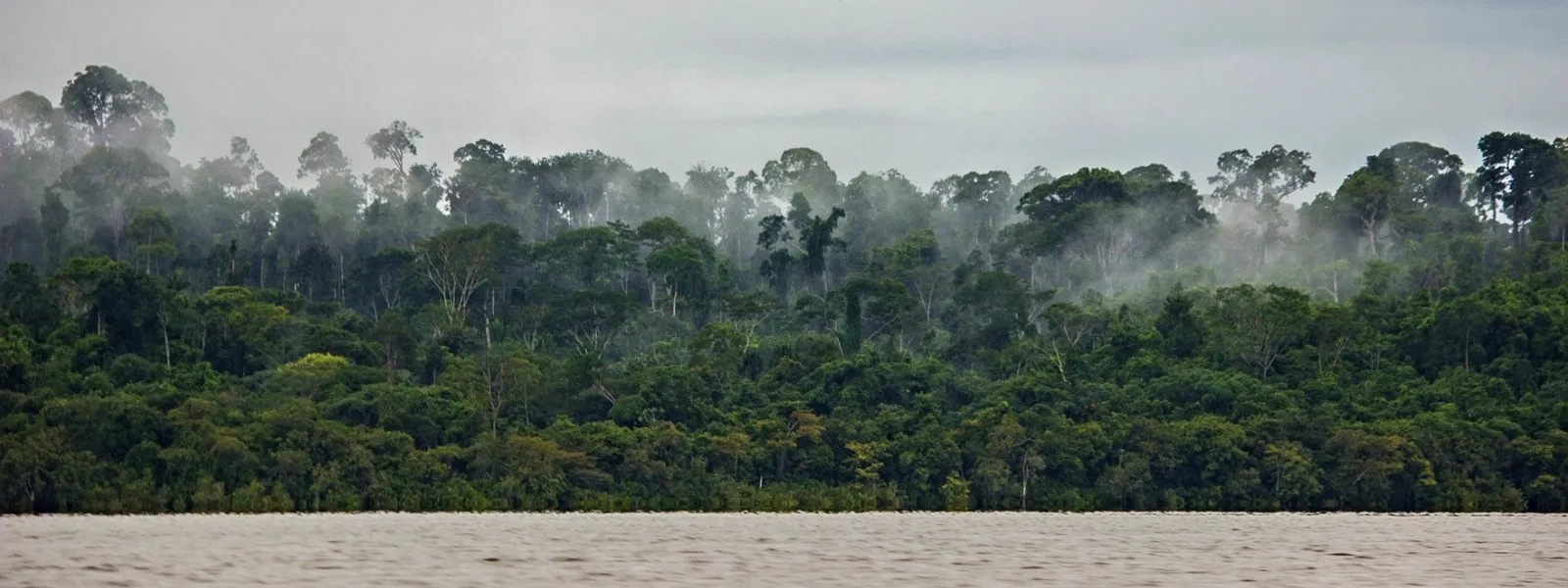
A usina hidrelétrica de Belo Monte causou um desastre ambiental e social no coração da Amazônia: um dos ecossistemas mais importantes do planeta.
Essa situação só piorou desde que a usina começou a operar em 2016. A busca por justiça e reparação para as comunidades indígenas e ribeirinhas afetadas continua até hoje.
Em 2011, a Comissão Interamericana de Direitos Humanos (CIDH) concedeu a essas comunidades medidas de proteção, que até hoje não foram totalmente implementadas pelo Estado brasileiro.
E, desde junho daquele mesmo ano, a CIDH mantém um processo contra o Estado por sua responsabilidade internacional no caso.
A CIDH pode encaminhar o caso à Corte Interamericana de Direitos Humanos, que tem o poder de emitir uma sentença condenatória contra o Estado brasileiro.
Consulta o expediente de fatos do caso
Após 10 anos de operação da usina hidrelétrica e mais de 15 anos de violações de direitos humanos documentadas, é hora da justiça ser feita para as comunidades afetadas.
Leia a carta aberta das organizações que levam o caso à CIDH
Leia nosso comunicado à imprensa
Contexto
A usina hidrelétrica de Belo Monte — a quarta maior do mundo em capacidade instalada (11.233 MW) — foi construída no rio Xingu, no estado do Pará, norte do Brasil.
Foi inaugurada em 5 de maio de 2016, com uma única turbina. Naquela época, 80% do curso do rio foi desviado e 516 km² de terra foram inundados, uma área maior que a cidade de Chicago. Desse total, 400 km² eram de mata nativa. A usina começou a operar em plena capacidade em novembro de 2019.
Belo Monte foi construída e é operada pelo consórcio Norte Energia S.A., composto principalmente por empresas estatais. Foi financiada pelo Banco Nacional de Desenvolvimento Econômico e Social (BNDES), que aportou ao consórcio 25,4 bilhões de reais (aproximadamente US$ 10,16 bilhões), o maior investimento de sua história. Portanto, o BNDES também é legalmente responsável pelos impactos socioambientais associados ao projeto hidrelétrico.
Décadas de danos ambientais e humanos
As violações dos direitos humanos e a degradação da Amazônia remontam ao início do projeto. Em março de 2011, a Norte Energia iniciou a construção da barragem sem consulta adequada e sem o consentimento prévio, livre e informado das comunidades afetadas.
A construção levou ao deslocamento forçado de mais de 40.000 pessoas, rompendo laços sociais e culturais. O plano de reassentamento em Altamira — cidade diretamente afetada pelo projeto hidrelétrico — incluía moradias na periferia da cidade, sem serviços públicos adequados, moradias dignas para as famílias reassentadas e moradias diferenciadas para aqueles pertencentes a comunidades indígenas.
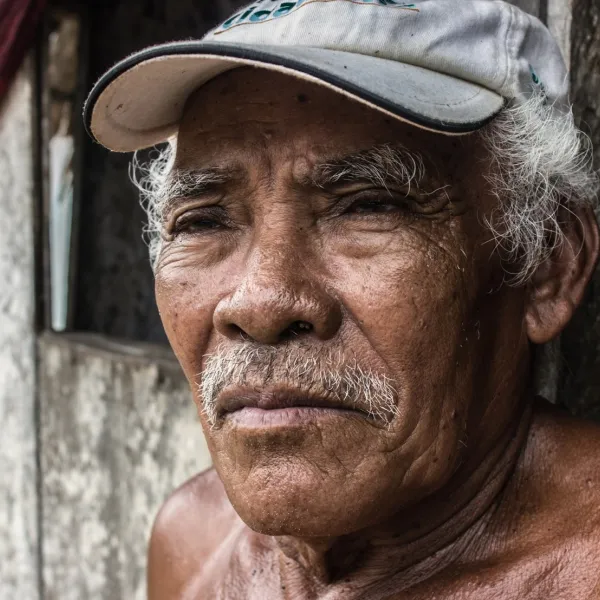
A operação da barragem de Belo Monte impôs uma seca permanente e artificial na Volta Grande do rio Xingu, agravada pelas secas históricas na Amazônia em 2023 e 2024. Como resultado, a morte de milhões de ovos de peixe foi documentada por quatro anos consecutivos (de 2021 a 2024) e, nos últimos três anos, não houve migração de peixes rio acima para desovar e se reproduzir. Assim, a pesca artesanal, principal fonte de proteína para os povos indígenas e comunidades ribeirinhas, foi severamente afetada: o consumo de peixe caiu de 50% para 30% do total de proteínas consumidas, sendo substituído por alimentos processados. Em suma, houve um colapso ambiental e humanitário que resultou no colapso da pesca como modo de vida tradicional, insegurança alimentar e falta de acesso à água potável para milhares de famílias, empobrecimento e doenças.
Além disso, a construção da barragem aumentou o desmatamento e intensificou a extração ilegal de madeira e a insegurança em terras indígenas e tribais, colocando em risco a sobrevivência dessas comunidades. Outra consequência foi o agravamento da pobreza e dos conflitos sociais, bem como a sobrecarga dos sistemas de saúde, educação e segurança pública em Altamira, cidade considerada a mais violenta do país em 2017, onde houve aumento do tráfico de pessoas e da violência sexual. Também foram registrados casos de violência contra defensores de direitos humanos envolvidos no caso.
Em 2025, durante a 30ª Conferência das Nações Unidas sobre Mudanças Climáticas (COP30), realizada no Brasil, o Ministério Público Federal classificou os danos causados por Belo Monte como ecocídio.
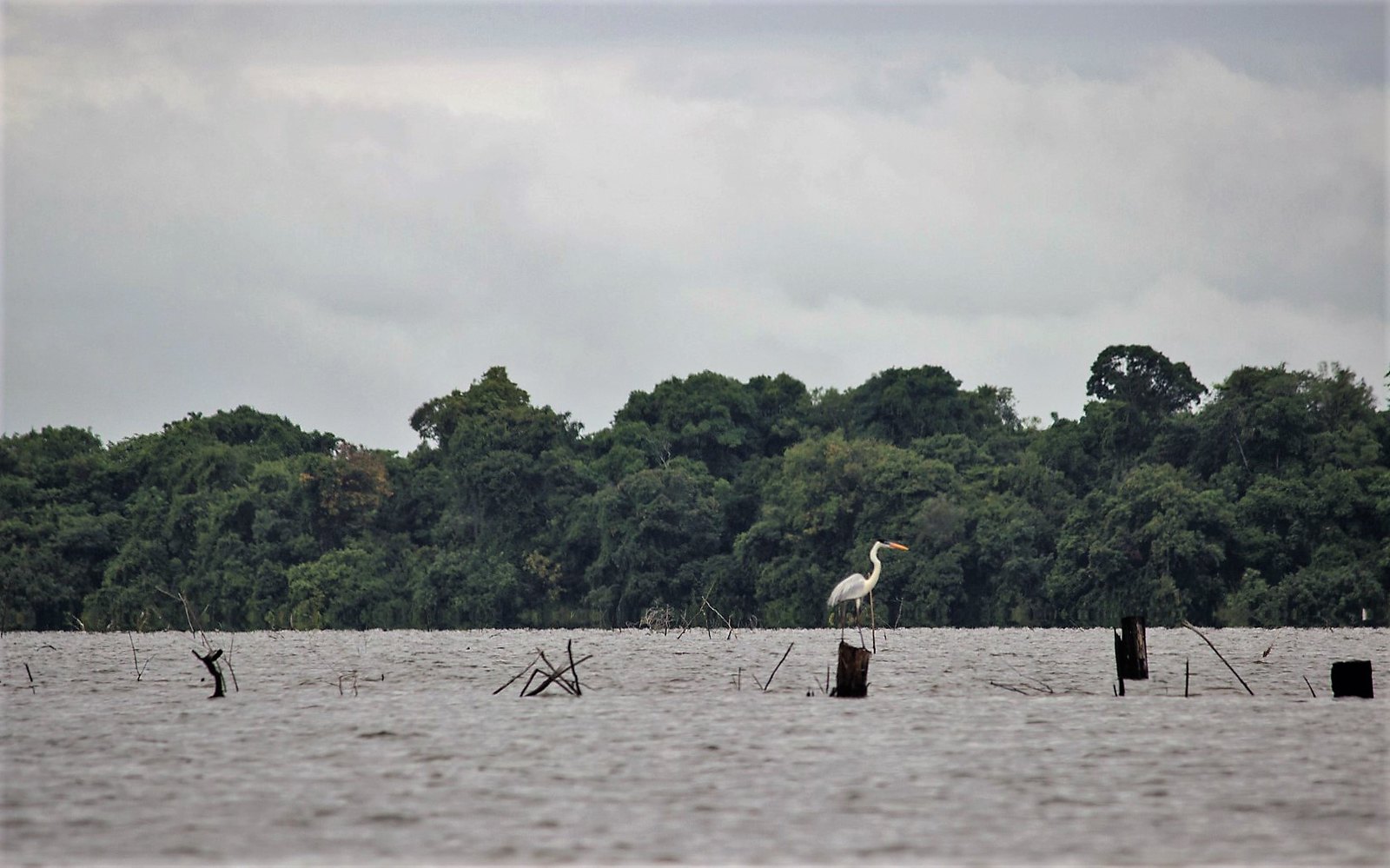
Foto: Amazon Watch / Maíra Irigaray.
A busca por justiça e reparação
Ao longo dos anos, o Ministério Público Federal do Pará, a Defensoria Pública e organizações da sociedade civil impetraram dezenas de ações judiciais em tribunais brasileiros para contestar as diversas irregularidades do projeto, bem como seus impactos. A maioria das ações permanece sem solução, algumas há mais de 10 anos.
Essas ações não obtiveram sucesso porque o governo federal tem reiteradamente anulado decisões favoráveis às comunidades afetadas, recorrendo a um mecanismo pelo qual o presidente do Supremo Tribunal Federal pode suspender uma decisão judicial com base unicamente em argumentos genéricos como "interesse nacional" ou "ordem econômica".
Diante da falta de respostas eficazes em nível nacional, a AIDA — juntamente com uma coalizão de organizações aliadas — levou o caso à Comissão Interamericana de Direitos Humanos (CIDH) e, em 2010, solicitou medidas cautelares para proteger a vida, a integridade e a saúde das comunidades indígenas afetadas.
Em 1º de abril de 2011, a CIDH concedeu essas medidas e solicitou ao Estado brasileiro a suspensão das licenças ambientais e de quaisquer obras de construção até que as condições relativas à consulta prévia e à proteção da saúde e integridade das comunidades fossem atendidas.
E, em 16 de junho de 2011, apresentamos uma denúncia formal à CIDH — juntamente com o Movimento Xingu Vivo Para Siempre, a Coordenação das Organizações Indígenas da Amazônia Brasileira, a Diocese de Altamira, o Conselho Missionário Indígena, a Sociedade Pará de Defesa dos Direitos Humanos e a Global Justice — contra o Estado brasileiro por sua responsabilidade internacional nas violações de direitos humanos contra os povos afetados neste caso. A denúncia foi apresentada em dezembro de 2015.
Em 3 de agosto de 2011, a CIDH modificou as medidas cautelares para solicitar — em vez da suspensão de licenças e obras — a proteção dos povos que vivem em isolamento voluntário, a saúde das comunidades indígenas e a regularização e proteção das terras ancestrais.
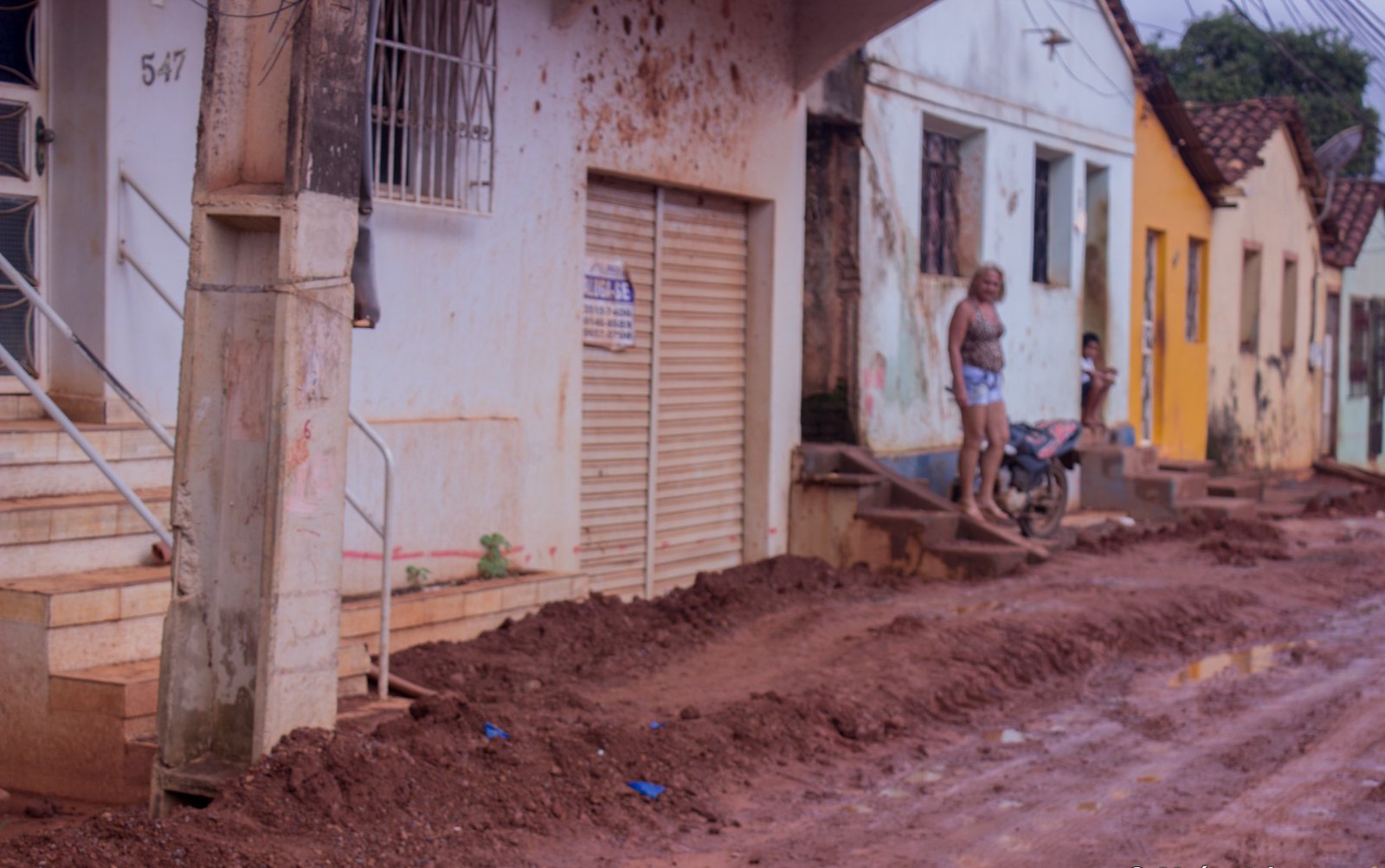
Foto: Amazon Watch / Maíra Irigaray.
Situação atual
As medidas de proteção concedidas pela CIDH permanecem em vigor, mas o Estado brasileiro não as cumpriu integralmente, relatando apenas ações genéricas. As comunidades documentaram as contínuas violações de seus direitos. A situação que motivou o pedido dessas medidas — o risco à vida, à segurança e aos meios de subsistência das comunidades — persiste e se agravou com a usina hidrelétrica operando em plena capacidade e com as recentes secas extremas na Amazônia.
Além do ocorrido em Belo Monte, existe o risco de maiores danos sociais e ambientais decorrentes da implementação de outro megaprojeto de mineração na Volta Grande do Xingu. Lá, a empresa canadense Belo Sun pretende construir a maior mina de ouro a céu aberto do Brasil.
Os impactos sinérgicos e cumulativos da usina e da mina não foram avaliados. O Estado excluiu povos indígenas, comunidades ribeirinhas e comunidades camponesas do processo de licenciamento ambiental do projeto. Apesar disso, dos protestos indígenas e de outras irregularidades em torno do projeto, o governo do estado do Pará autorizou formalmente a mina em abril de 2026.
Belo Monte, assim como outras usinas hidrelétricas, agrava a emergência climática ao gerar emissões de gases de efeito estufa em seu reservatório. Além disso, é ineficiente diante das secas prolongadas e intensas causadas pela crise, pois perde capacidade de geração de energia.
O caso perante a Comissão Interamericana
Em outubro de 2017, a CIDH anunciou que decidiria conjuntamente sobre a admissibilidade (se o caso preenche os requisitos para admissão) e o mérito (se houve, de fato, violação de direitos humanos) da denúncia internacional contra o Estado brasileiro.
Quinze anos após a apresentação da denúncia, as comunidades afetadas e as organizações que as representam ainda aguardam essa decisão. Caso a CIDH conclua que houve violações de direitos humanos e emita recomendações que o Estado brasileiro não cumpra, poderá encaminhar o caso à Corte Interamericana de Direitos Humanos, cujas decisões são vinculativas.
Uma possível decisão da Corte Internacional de Direitos Humanos neste caso estabeleceria um precedente jurídico regional em relação aos direitos dos povos indígenas e ribeirinhos, à participação pública em megaprojetos e à responsabilidade do Estado no contexto da crise climática. Isso é particularmente relevante à luz do Parecer Consultivo nº 32 da Corte, que reafirmou as obrigações dos Estados de proteger pessoas e comunidades em todo o continente da emergência climática.
Partners:
Related projects

Member countries of the World Trade Organization must reach an agreement on fisheries subsidies
We regret that the World Trade Organization (WTO) Ministerial Conference, held today in Geneva, failed to reach an agreement on fisheries subsidies, an urgent measure to achieve effective management of our fisheries resources, as well as to ensure global food security and the livelihoods of coastal communities. At the same time, we recognize that the negotiations are at an advanced stage and that we finally have a draft text. We wish to highlight the commitment and participation of Latin American delegations including Argentina, Chile, Colombia, Costa Rica, Guatemala, Mexico, Panama, Peru and Uruguay. We urge all WTO member countries to assume the great responsibility of reaching an agreement soon. After two decades of negotiations, the deadlines for completing the negotiations and reaching an agreement have been repeatedly missed. Although negotiations officially began in 2001, it was not until the 2017 Ministerial Conference that countries committed to take action and reach an agreement at the next conference, which was to take place in December 2020, but was suspended due to the pandemic. This commitment also responds to the fulfillment of target 14.6 of the United Nations Sustainable Development Goals. This target establishes that by 2020 "certain forms of fisheries subsidies which contribute to overcapacity and overfishing" should be prohibited, and aims to "eliminate subsidies that contribute to illegal, unreported and unregulated fishing and refrain from introducing new such subsidies, recognizing that appropriate and effective special and differential treatment for developing and least developed countries should be an integral part of the World Trade Organization fisheries subsidies negotiation." According to recent estimates, governments spend US$35 billion each year to support their fisheries sectors, of which US$22 billion represent negative subsidies, which promote overfishing. That practice results in alarming data, including that 63 percent of global fish stocks need to be rebuilt and that, according to a 2020 FAO report, 34 percent of them are fished at "biologically unsustainable" levels. While the agreement is being finalized, more needs to be done to ensure the sustainability of fish stocks. We urge WTO member countries to define without further delay commitments in this regard at the national and regional levels. For our part, AIDA attorneys will continue to work hand-in-hand with governments to reach an ambitious agreement. It is imperative that said agreement adopt solid rules, eliminate the possibility of creating legal loopholes, and seize the opportunity to establish ocean policies aimed at achieving greater sustainability and guaranteeing the satisfaction of the needs of current and future generations, as well as the conservation of our marine resources. press contact Victor Quintanilla (Mexico), [email protected], +525570522107
Read more
People v. Shell: A step towards climate justice
On May 26, the District Court in The Hague, Netherlands, issued a landmark climate ruling. It ordered Anglo-Dutch oil company Shell—one of the world's leading fossil fuel producers and suppliers—to reduce its carbon dioxide (CO2) emissions by 45 percent by 2030, compared to 2019 levels. The decision came in response to a 2019 lawsuit filed by Friends of the Earth, along with six other organizations and more than 17 thousand Dutch citizens. Although Shell publicly committed in 2020 to achieving net-zero emissions by 2050, the Dutch court found that this pledge was not enough. According to the verdict, the multinational is responsible for not only its own CO2 emissions, but also those of its suppliers and customers, which together threaten the fragile planetary balance and the realization of human rights. The ruling determines, for the first time, that a company and its subsidiaries must align their policies with global CO2 emission reduction targets. It bases this obligation on the emission reduction targets of the Paris Agreement, adopted in 2015. Thus, those who litigated against Shell fulfilled their main objective, which was not to obtain financial compensation for damages caused, but to force the oil company to reduce its emissions in compliance with the Paris Agreement's goal of limiting the increase in global temperatures to 2°C compared to pre-industrial levels, and to continue efforts to reach 1.5°C. The Shell group has been aware for nearly 60 years of the risks of climate change, as demonstrated by a documentary they themselves produced in the 1990s. However, the multinational responsible for nine times more emissions than the whole of the Netherlands has never stopped investing in fossil fuels, intentionally favoring its economic interests at the expense of the environment, the climate and people. Check here the recording of the conversation we had with Niels Hazekamp, Senior Policy Adviserat Both Ends, one of the organizations that sued Shell, where explains the details of the litigation. A worldwide precedent The ruling is a major step forward in the use of judicial systems as tools to advance climate justice, and it demonstrates that society, as a whole, is more determined than ever to stop the negative impacts that powerful multinationals have on the environment, the climate and the enjoyment of fundamental human rights. Despite being litigated on European soil, the case represents a significant step towards global climate justice, offering an interesting opportunity for replication in Latin America and the world. The case not only opened the discussion on corporate climate responsibility, but was also a pioneer in incorporating the use of the UN Guiding Principles on Business and Human Rights and the OECD Guidelines for Multinational Enterprises. The use of these instruments, which regulate multinational companies by requiring them to respect human rights, demonstrates their potential for global climate justice. The language of the verdict is based primarily on respect for human rights, thus opening the possibility of applying the same reasoning against other polluting companies, in accordance with the obligations set out in the above-mentioned instruments. More about the People v. Shell ruling Under the ruling, Shell must reduce Type 1 net emissions—those generated by its activities and those of its subsidiaries—and make a significant effort to reduce Type 2 and 3 net emissions—those generated by users of the oil and gas produced by the multinational. To account for the net reduction of its emissions, the oil company cannot resort to any of the carbon capture or offsetting tools established under the Paris Agreement, which consist of capturing CO2 emissions from coal and gas-fired power plants and heavy industry, for deep subway storage or reuse. It is worth noting that, although there is no certainty about the exact nature of the climate impacts caused by Shell, the judges highlighted the universally recognized risks to communities and ecosystems related to industrial pollution, and the company's financial priorities, to support their ruling. Primary doubts and concerns The primary doubts regarding this ruling have to do with its implementation. Although the court established that Shell may not use offsetting or absorption systems for its emissions, it does not oblige it to end the exploration, extraction and exploitation of fossil fuels. Furthermore, the subjectivity of the ruling does not allow for the identification of exactly what kind of effort could be considered significant for the reduction of emissions by the oil company's customers. Nor is there clarity regarding the responsibility of the Shell group for the sale of its refineries to other public companies in the Global South, which would allow the multinational to comply in part with emissions reductions, while the refineries continue to operate in some of the most vulnerable places on the planet. In addition to the use of the Paris Agreement, which assisted the judges in ruling in favor of the climate in this case, the litigation opened the door to the use of existing soft law instruments such as the UN Guiding Principles on Business and Human Rights, or others that are expected to be legally binding to regulate the activities of transnational corporations and other business enterprises. Likewise, considering the difficulty and possible manipulation in counting emissions, new avenues are opening up to establish specific obligations on polluting actors. As recommended by several civil society organizations, basing corporate emission reductions on the measurement of barrels of oil, cubic meters of gas and tons of carbon would be easier and more useful for the implementation of successful judgments such as this one. Finally, there are concerns about the rights of Shell workers, which could be negatively affected by the ruling. The drastic reduction that Shell will have to apply to its oil and gas activities must be framed in a fair and inclusive transition process, which includes respecting labor rights and transforming its activities by making them more sustainable. The case of People v. Shell has opened up valuable tools for a global shift towards climate justice and holding companies accountable for their environmental and human rights harms. For those of active in climate litigation, the case demonstrates the need to strengthen the capacities of our teams, the importance of creativity and the use of science, the importance of ensuring that we have the time and resources to pursue landmark cases and, finally, the relevance of building alliances to build upon the current momentum of the global climate justice movement.
Read more
Transition in AIDA's Executive Leadership
The board of directors and team of AIDA, the Interamerican Association for Environmental Defense, are announcing a transition in its leadership. After 18 years of dedicated service, Astrid Puentes Riaño has decided to step down from her role as co-executive director, effective August 31, 2021. Today, AIDA is a solid organization with regional presence, a committed board of directors and strong internal leadership. As such, the time is right for a transition and to further strengthen the organization for the benefit of Latin America’s people, communities, and environment. Anna Cederstav, current co-executive director, will continue in a leadership role, and in the coming weeks we will begin the process of recruiting new executive leadership. At this time of transition, we would like to express our deep appreciation and gratitude to Astrid. For nearly two decades, she and Anna have led AIDA and its team of legal and scientific professionals in working with hundreds of partner organizations in more than ten countries of Latin America. As a result, AIDA is today one of the most effective environmental law organizations in the region. Astrid’s vision, strategic leadership and powerful command of various issues, jurisdictions, and national and regional laws, have strengthened AIDA and increased its impact. At the same time, Astrid has become one of the savviest and most dedicated environmental rights litigators in Latin America. She has helped establish the link between human rights and the environment and spearheaded efforts on climate change and climate justice in the region. Astrid has been, and continues to be, a mentor to her colleagues, and we are all better because of her leadership, which we will miss. We are confident that she will continue to bring her passion, dedication and expertise to the defense of the environment and human rights in Latin America and around the world. The AIDA board and team congratulate Astrid on all she has accomplished with AIDA and look forward to continuing our collaboration with her. We thank her for all she has contributed and wish her the best in her future endeavors. We are grateful for the support of each of our allies and reiterate our commitment to working to achieve environmental justice, climate justice and strong environmental governance in our beloved region.
Read more