
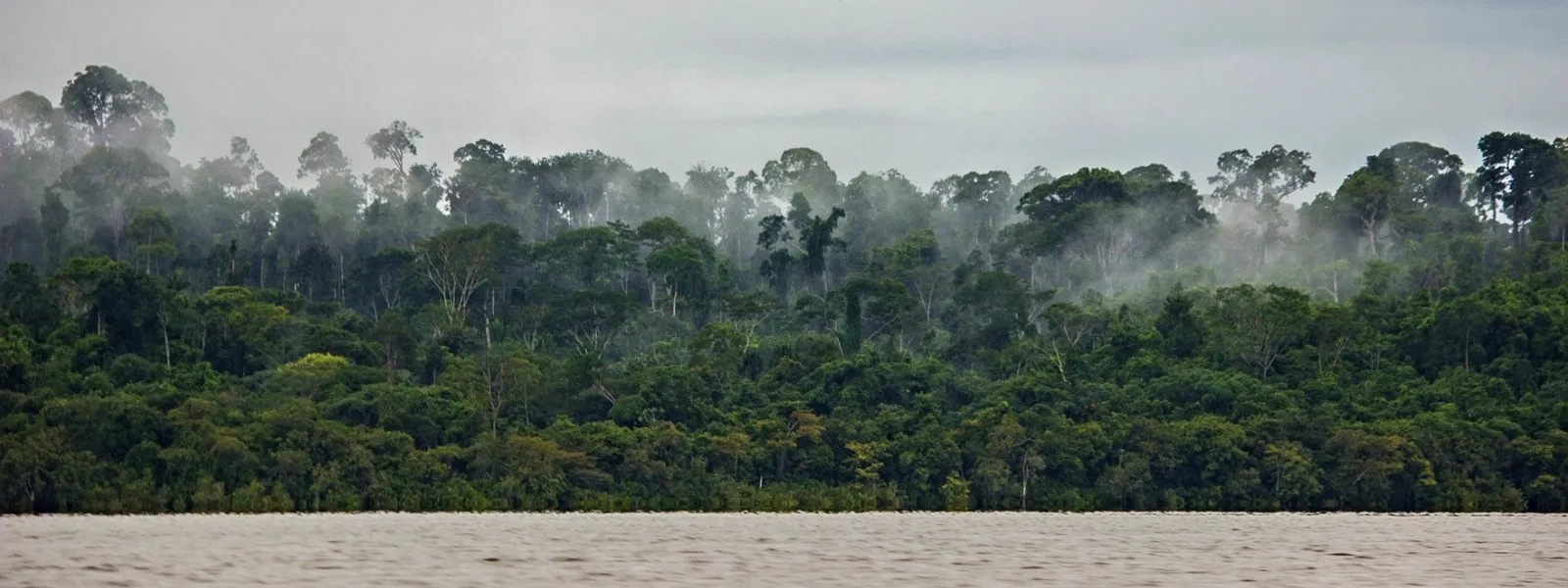
Project
Amazon Watch / Maíra Irigaray
Barragem de Belo Monte no rio Xingu: 10 anos de impactos na Amazônia e de busca por reparações
A usina hidrelétrica de Belo Monte causou um desastre ambiental e social no coração da Amazônia: um dos ecossistemas mais importantes do planeta.
Essa situação só piorou desde que a usina começou a operar em 2016. A busca por justiça e reparação para as comunidades indígenas e ribeirinhas afetadas continua até hoje.
Em 2011, a Comissão Interamericana de Direitos Humanos (CIDH) concedeu a essas comunidades medidas de proteção, que até hoje não foram totalmente implementadas pelo Estado brasileiro.
E, desde junho daquele mesmo ano, a CIDH mantém um processo contra o Estado por sua responsabilidade internacional no caso.
A CIDH pode encaminhar o caso à Corte Interamericana de Direitos Humanos, que tem o poder de emitir uma sentença condenatória contra o Estado brasileiro.
Consulta o expediente de fatos do caso
Após 10 anos de operação da usina hidrelétrica e mais de 15 anos de violações de direitos humanos documentadas, é hora da justiça ser feita para as comunidades afetadas.
Leia a carta aberta das organizações que levam o caso à CIDH
Leia nosso comunicado à imprensa
Contexto
A usina hidrelétrica de Belo Monte — a quarta maior do mundo em capacidade instalada (11.233 MW) — foi construída no rio Xingu, no estado do Pará, norte do Brasil.
Foi inaugurada em 5 de maio de 2016, com uma única turbina. Naquela época, 80% do curso do rio foi desviado e 516 km² de terra foram inundados, uma área maior que a cidade de Chicago. Desse total, 400 km² eram de mata nativa. A usina começou a operar em plena capacidade em novembro de 2019.
Belo Monte foi construída e é operada pelo consórcio Norte Energia S.A., composto principalmente por empresas estatais. Foi financiada pelo Banco Nacional de Desenvolvimento Econômico e Social (BNDES), que aportou ao consórcio 25,4 bilhões de reais (aproximadamente US$ 10,16 bilhões), o maior investimento de sua história. Portanto, o BNDES também é legalmente responsável pelos impactos socioambientais associados ao projeto hidrelétrico.
Décadas de danos ambientais e humanos
As violações dos direitos humanos e a degradação da Amazônia remontam ao início do projeto. Em março de 2011, a Norte Energia iniciou a construção da barragem sem consulta adequada e sem o consentimento prévio, livre e informado das comunidades afetadas.
A construção levou ao deslocamento forçado de mais de 40.000 pessoas, rompendo laços sociais e culturais. O plano de reassentamento em Altamira — cidade diretamente afetada pelo projeto hidrelétrico — incluía moradias na periferia da cidade, sem serviços públicos adequados, moradias dignas para as famílias reassentadas e moradias diferenciadas para aqueles pertencentes a comunidades indígenas.
A operação da barragem de Belo Monte impôs uma seca permanente e artificial na Volta Grande do rio Xingu, agravada pelas secas históricas na Amazônia em 2023 e 2024. Como resultado, a morte de milhões de ovos de peixe foi documentada por quatro anos consecutivos (de 2021 a 2024) e, nos últimos três anos, não houve migração de peixes rio acima para desovar e se reproduzir. Assim, a pesca artesanal, principal fonte de proteína para os povos indígenas e comunidades ribeirinhas, foi severamente afetada: o consumo de peixe caiu de 50% para 30% do total de proteínas consumidas, sendo substituído por alimentos processados. Em suma, houve um colapso ambiental e humanitário que resultou no colapso da pesca como modo de vida tradicional, insegurança alimentar e falta de acesso à água potável para milhares de famílias, empobrecimento e doenças.
Além disso, a construção da barragem aumentou o desmatamento e intensificou a extração ilegal de madeira e a insegurança em terras indígenas e tribais, colocando em risco a sobrevivência dessas comunidades. Outra consequência foi o agravamento da pobreza e dos conflitos sociais, bem como a sobrecarga dos sistemas de saúde, educação e segurança pública em Altamira, cidade considerada a mais violenta do país em 2017, onde houve aumento do tráfico de pessoas e da violência sexual. Também foram registrados casos de violência contra defensores de direitos humanos envolvidos no caso.
Em 2025, durante a 30ª Conferência das Nações Unidas sobre Mudanças Climáticas (COP30), realizada no Brasil, o Ministério Público Federal classificou os danos causados por Belo Monte como ecocídio.
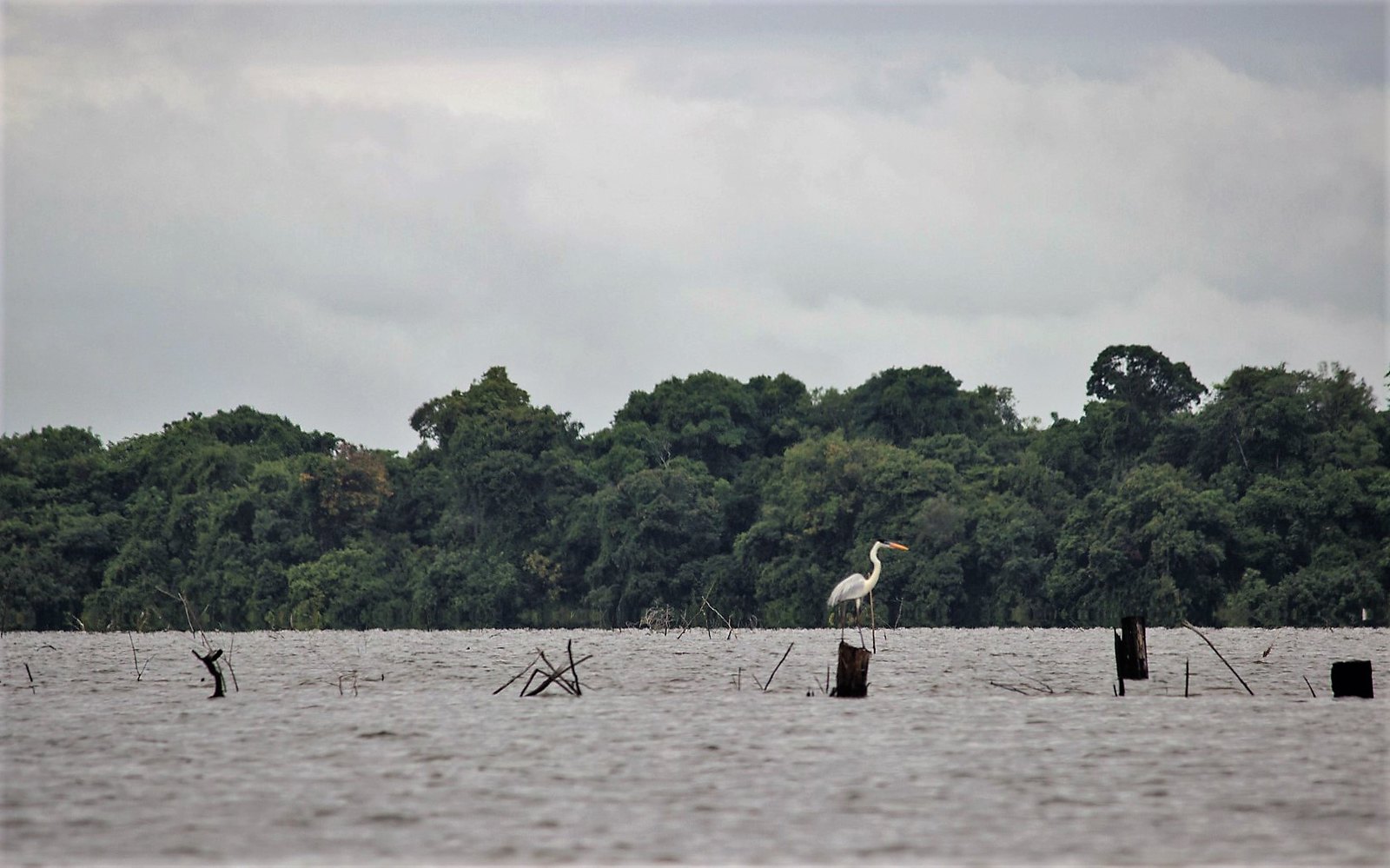
Foto: Amazon Watch / Maíra Irigaray.
A busca por justiça e reparação
Ao longo dos anos, o Ministério Público Federal do Pará, a Defensoria Pública e organizações da sociedade civil impetraram dezenas de ações judiciais em tribunais brasileiros para contestar as diversas irregularidades do projeto, bem como seus impactos. A maioria das ações permanece sem solução, algumas há mais de 10 anos.
Essas ações não obtiveram sucesso porque o governo federal tem reiteradamente anulado decisões favoráveis às comunidades afetadas, recorrendo a um mecanismo pelo qual o presidente do Supremo Tribunal Federal pode suspender uma decisão judicial com base unicamente em argumentos genéricos como "interesse nacional" ou "ordem econômica".
Diante da falta de respostas eficazes em nível nacional, a AIDA — juntamente com uma coalizão de organizações aliadas — levou o caso à Comissão Interamericana de Direitos Humanos (CIDH) e, em 2010, solicitou medidas cautelares para proteger a vida, a integridade e a saúde das comunidades indígenas afetadas.
Em 1º de abril de 2011, a CIDH concedeu essas medidas e solicitou ao Estado brasileiro a suspensão das licenças ambientais e de quaisquer obras de construção até que as condições relativas à consulta prévia e à proteção da saúde e integridade das comunidades fossem atendidas.
E, em 16 de junho de 2011, apresentamos uma denúncia formal à CIDH — juntamente com o Movimento Xingu Vivo Para Siempre, a Coordenação das Organizações Indígenas da Amazônia Brasileira, a Diocese de Altamira, o Conselho Missionário Indígena, a Sociedade Pará de Defesa dos Direitos Humanos e a Global Justice — contra o Estado brasileiro por sua responsabilidade internacional nas violações de direitos humanos contra os povos afetados neste caso. A denúncia foi apresentada em dezembro de 2015.
Em 3 de agosto de 2011, a CIDH modificou as medidas cautelares para solicitar — em vez da suspensão de licenças e obras — a proteção dos povos que vivem em isolamento voluntário, a saúde das comunidades indígenas e a regularização e proteção das terras ancestrais.
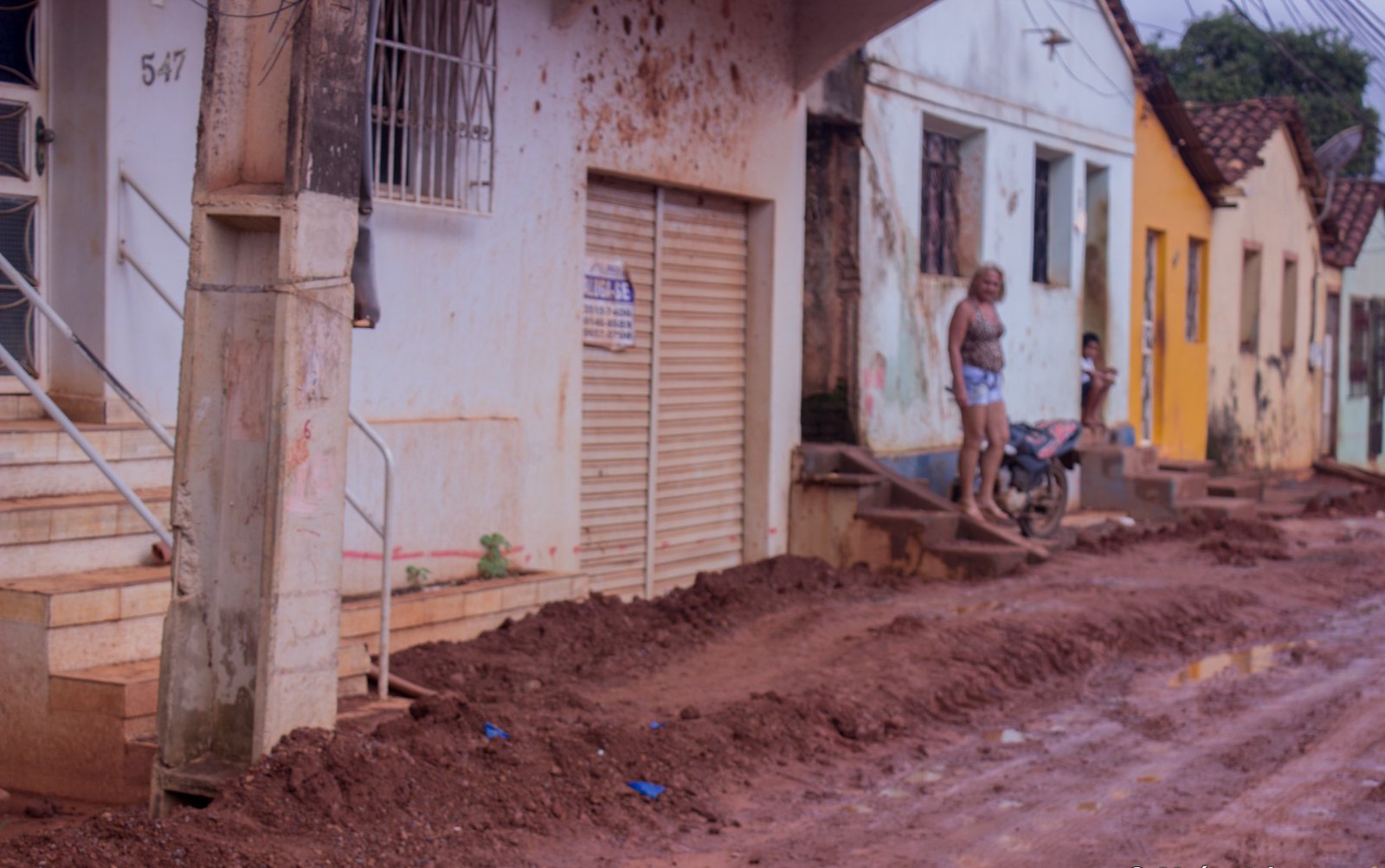
Foto: Amazon Watch / Maíra Irigaray.
Situação atual
As medidas de proteção concedidas pela CIDH permanecem em vigor, mas o Estado brasileiro não as cumpriu integralmente, relatando apenas ações genéricas. As comunidades documentaram as contínuas violações de seus direitos. A situação que motivou o pedido dessas medidas — o risco à vida, à segurança e aos meios de subsistência das comunidades — persiste e se agravou com a usina hidrelétrica operando em plena capacidade e com as recentes secas extremas na Amazônia.
Além do ocorrido em Belo Monte, existe o risco de maiores danos sociais e ambientais decorrentes da implementação de outro megaprojeto de mineração na Volta Grande do Xingu. Lá, a empresa canadense Belo Sun pretende construir a maior mina de ouro a céu aberto do Brasil.
Os impactos sinérgicos e cumulativos da usina e da mina não foram avaliados. O Estado excluiu povos indígenas, comunidades ribeirinhas e comunidades camponesas do processo de licenciamento ambiental do projeto. Apesar disso, dos protestos indígenas e de outras irregularidades em torno do projeto, o governo do estado do Pará autorizou formalmente a mina em abril de 2026.
Belo Monte, assim como outras usinas hidrelétricas, agrava a emergência climática ao gerar emissões de gases de efeito estufa em seu reservatório. Além disso, é ineficiente diante das secas prolongadas e intensas causadas pela crise, pois perde capacidade de geração de energia.
O caso perante a Comissão Interamericana
Em outubro de 2017, a CIDH anunciou que decidiria conjuntamente sobre a admissibilidade (se o caso preenche os requisitos para admissão) e o mérito (se houve, de fato, violação de direitos humanos) da denúncia internacional contra o Estado brasileiro.
Quinze anos após a apresentação da denúncia, as comunidades afetadas e as organizações que as representam ainda aguardam essa decisão. Caso a CIDH conclua que houve violações de direitos humanos e emita recomendações que o Estado brasileiro não cumpra, poderá encaminhar o caso à Corte Interamericana de Direitos Humanos, cujas decisões são vinculativas.
Uma possível decisão da Corte Internacional de Direitos Humanos neste caso estabeleceria um precedente jurídico regional em relação aos direitos dos povos indígenas e ribeirinhos, à participação pública em megaprojetos e à responsabilidade do Estado no contexto da crise climática. Isso é particularmente relevante à luz do Parecer Consultivo nº 32 da Corte, que reafirmou as obrigações dos Estados de proteger pessoas e comunidades em todo o continente da emergência climática.
Partners:
Related projects
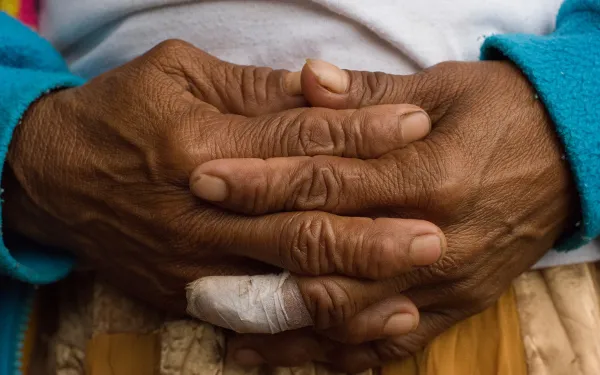
Inter-American Court upholds indigenous rights in Argentina
In Argentina’s Rivadavia department, along the border of Bolivia and Paraguay, the lands have been inhabited by indigenous people for at least 60 years. Communities there subsist primarily from hunting, gathering, and fishing. Many of these ancestral peoples have been battling for governmental recognition of their land rights since 1984, when the country’s transition from dictatorship to democracy began. This lack of recognition has had profound impacts on the lives of indigenous inhabitants, affected by changes in their land and its use. As Creole families settled in the area, they brought their own customs and economic activities, such as animal grazing and illegal logging. Barbed wire fence was erected without consulting indigenous populations, and an international bridge was built that crosses into their land. These developments have changed how the indigenous people eat and disrupted their access to water, threatening their very cultural identity. With no protection from the Argentine government, in 1998 a coalition of indigenous groups took their struggle before the Inter-American Commission on Human Rights. Grouped in the Lhaka Honhat (Nuestra Tierra) Association—made up of Wichí (Mataco), Iyjwaja (Chorote), Komlek (Toba), Niwackle (Chulupí) and Tapy'y (Tapiete) indigenous peoples—, they were represented by the Centre for Legal and Social Studies. In 2012, the Commission issued its Merits Report, establishing the violation of indigenous communities' rights and recommending that the State adopt reparation measures. When Argentina failed to comply with the provision, the case was referred to the Inter-American Court of Human Rights. On April 2, 2020, the Court’s decision declared Argentina responsible for the violation of the indigenous peoples’ rights to community property, cultural identity, a healthy environment, and adequate food and water. The ruling marks an important milestone in the struggle for indigenous rights. It is the first time that the Court, in a contentious case, has analyzed these rights autonomously on the basis of Article 26 of the American Convention, and ordered specific measures for their restitution, including actions for access to food and water, the recovery of forest resources, and the recovery of indigenous culture. Actions for Reparation Among other implications, the Court's decision could lead to solutions to the health issues afflicting the indigenous communities of Lhaka Honhat. The violation of their rights to food and water has caused deaths from malnutrition and dehydration. The Court demanded that the State present a study within six months that identifies critical situations of lack of access to drinking water and food, formulates a plan of action to address them, and begins its implementation. It also ordered the creation and implementation of a community development fund within a period of no more than four years. As for the territory, the State shall, within a maximum period of six years: Delineate, demarcate, and grant a single collective title without subdivisions or fragmentations for the indigenous communities. Transfer the Creole population out of the indigenous territory through specific mechanisms that promote, above all, voluntary transfer. Remove barbed wire fences and livestock belonging to Creole settlers from indigenous lands. Refrain from carrying out acts, works or undertakings in indigenous territory. Additionally, the Court requested the adoption of legislative and/or other measures to provide legal certainty to the right to indigenous community property in Argentina. Supporting the Indigenous Struggle In March 2019, AIDA helped author and amicus brief in support of the climate of the indigenous communities of the Lhaka Honhat Association. We did so alongside our allies on the litigation group of the International Network for Economic, Social and Cultural Rights (ESCR-Net), including Amnesty International, the Asociación Civil por Igualdad y Justicia, the Colombian Commission of Jurists, Dejusticia, FIAN International, International Women's Rights Action Watch - Asia Pacific, and the Minority Rights Group International. Our arguments highlighted the importance of recognizing economic, social, cultural, and environmental rights as real enforceable rights—similar to others such as the right to life or personal integrity—due to their independent and indivisible nature. In this sense, AIDA recalled the important advance that the Court promoted with Advisory Opinion 023, which recognizes the right to a healthy environment as fundamental to human life. Our brief called on the government to respect the rights of indigenous peoples—as outlined in Article 26 of the American Convention on Human Rights—to a healthy environment, food and water, and cultural identity. The Court's decision establishes an important regional precedent for the protection of the environment in the Americas. It contributes to the consolidation of standards to protect the land of indigenous communities, as well as their rights to a healthy environment, water and culture.
Read more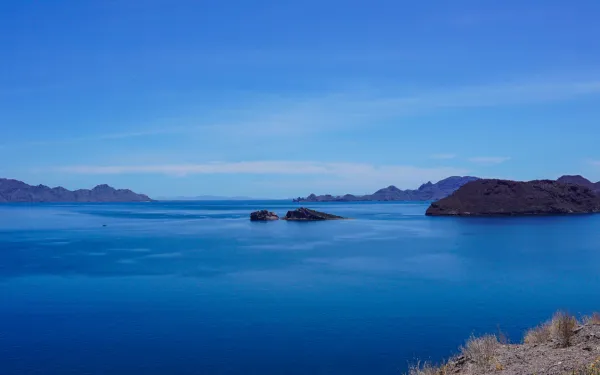
What I learned from my internship at AIDA
Last year, I completed a three-month internship with AIDA in La Paz, the capital of Baja California Sur, Mexico. It was part of the academic process to become a lawyer in Germany, my home country. The internship allowed me to combine my professional training with my passion for nature, as well as to gain experience working with an international NGO in the field of environmental law. I applied to the internship with AIDA's Marine Biodiversity and Coastal Protection Program without specifying a preferred location. Imagine my delight to learn that the internship would take place in La Paz, Mexico, a small city surrounded by nature. Coming from one of the most densely populated countries in the world, it was amazing to live in a place with so much space. I was fascinated by the diversity of ecosystems in the area: deserts, mangroves, mountainous pine forests, and the rock and coral reefs of the Gulf of California. On my first weekend, I was able to take in the abundance of wildlife in La Paz when Camilo Thompson, AIDA attorney and my supervisor, and Mario del Angel, his neighbor and a kayak guide, took me on a tour of the El Mogote wetlands, an ecosystem of international importance. I was impressed to see, in the first light of day, a group of dolphins in the bay. The morning was complete when I had my first chilaquiles, a typical Mexican dish, for breakfast. As we toured the waterways taking pictures of herons among the mangroves, I learned about the importance of coastal wetlands—they serve as habitat for key species and are natural carbon sinks. From the beginning of my internship, I participated in the virtual meetings of AIDA’s marine team, distributed throughout several countries of the region. I learned about the variety of animals and ecosystems that AIDA works to protect. From the office in La Paz, our contribution was focused on Mexico. I learned about national regulations related to reefs, herbivorous fish, and Natural Protected Areas. I supported research on the state of protection of these fish, which are essential for keeping Latin American and global coral reefs healthy. The combination of direct contact with nature and working in the office for local and regional projects gave me a different perspective on the nature of environmental law, and increased my motivation to learn. I learned that AIDA has worked for years with other organizations, local stakeholders, and scientists to protect fisheries and endangered species such as whales and sea turtles. One of the most enriching aspects of my internship was being able to experience first-hand the natural wealth that AIDA seeks to preserve. Though I’d been a diver for many years, I never ceased to be amazed by the sight of sea lions, bull and hammerhead sharks, killer whales, rays, sea turtles, and countless species of reef fish in their natural habitat. While in La Paz, I finished my rescue diver course and accompanied a team of marine biologists to conduct a visual census of marine life on Espiritu Santo Island. On four occasions, I visited Cabo Pulmo National Park, the largest coral reserve in the Gulf of California. I went diving and snorkeling. I participated in meetings of the Cabo Pulmo Vivo coalition, dedicated to protecting the park and its area of influence. It was gratifying to know that I was doing my small part for the site’s conservation. The internship gave my professional training a multidisciplinary approach. La Paz is one of the scientific centers of marine biology in Mexico and, while there, I was able to exchange ideas with marine biologists on diving trips and while socializing in bars in the city. Around La Paz, I was also able to spend time bird watching, one of my hobbies. The state of Baja California Sur is home to roughly 432 species of birds. I was able to see a wide variety of migratory species, as well five of the six endemic ones. I completed the internship very grateful for the experiences I had gained. Now, I’m back in Berlin, but I plan to return soon to La Paz to see the birds, whale sharks, and other majestic species that inhabit the area and are living proof of the valuable work of organizations like AIDA.
Read moreWhat I learned from my internship at AIDA
Last year, I completed a three-month internship with AIDA in La Paz, the capital of Baja California Sur, Mexico. It was part of the academic process to become a lawyer in Germany, my home country. The internship allowed me to combine my professional training with my passion for nature, as well as to gain experience working with an international NGO in the field of environmental law. I applied to the internship with AIDA's Marine Biodiversity and Coastal Protection Program without specifying a preferred location. Imagine my delight to learn that the internship would take place in La Paz, Mexico, a small city surrounded by nature. Coming from one of the most densely populated countries in the world, it was amazing to live in a place with so much space. I was fascinated by the diversity of ecosystems in the area: deserts, mangroves, mountainous pine forests, and the rock and coral reefs of the Gulf of California. On my first weekend, I was able to take in the abundance of wildlife in La Paz when Camilo Thompson, AIDA attorney and my supervisor, and Mario del Angel, his neighbor and a kayak guide, took me on a tour of the El Mogote wetlands, an ecosystem of international importance. I was impressed to see, in the first light of day, a group of dolphins in the bay. The morning was complete when I had my first chilaquiles, a typical Mexican dish, for breakfast. As we toured the waterways taking pictures of herons among the mangroves, I learned about the importance of coastal wetlands—they serve as habitat for key species and are natural carbon sinks. From the beginning of my internship, I participated in the virtual meetings of AIDA’s marine team, distributed throughout several countries of the region. I learned about the variety of animals and ecosystems that AIDA works to protect. From the office in La Paz, our contribution was focused on Mexico. I learned about national regulations related to reefs, herbivorous fish, and Natural Protected Areas. I supported research on the state of protection of these fish, which are essential for keeping Latin American and global coral reefs healthy. The combination of direct contact with nature and working in the office for local and regional projects gave me a different perspective on the nature of environmental law, and increased my motivation to learn. I learned that AIDA has worked for years with other organizations, local stakeholders, and scientists to protect fisheries and endangered species such as whales and sea turtles. One of the most enriching aspects of my internship was being able to experience first-hand the natural wealth that AIDA seeks to preserve. Though I’d been a diver for many years, I never ceased to be amazed by the sight of sea lions, bull and hammerhead sharks, killer whales, rays, sea turtles, and countless species of reef fish in their natural habitat. While in La Paz, I finished my rescue diver course and accompanied a team of marine biologists to conduct a visual census of marine life on Espiritu Santo Island. On four occasions, I visited Cabo Pulmo National Park, the largest coral reserve in the Gulf of California. I went diving and snorkeling. I participated in meetings of the Cabo Pulmo Vivo coalition, dedicated to protecting the park and its area of influence. It was gratifying to know that I was doing my small part for the site’s conservation. The internship gave my professional training a multidisciplinary approach. La Paz is one of the scientific centers of marine biology in Mexico and, while there, I was able to exchange ideas with marine biologists on diving trips and while socializing in bars in the city. Around La Paz, I was also able to spend time bird watching, one of my hobbies. The state of Baja California Sur is home to roughly 432 species of birds. I was able to see a wide variety of migratory species, as well five of the six endemic ones. I completed the internship very grateful for the experiences I had gained. Now, I’m back in Berlin, but I plan to return soon to La Paz to see the birds, whale sharks, and other majestic species that inhabit the area and are living proof of the valuable work of organizations like AIDA.
Read more