
Project
Amazon Watch / Maíra Irigaray
Barragem de Belo Monte no rio Xingu: 10 anos de impactos na Amazônia e de busca por reparações
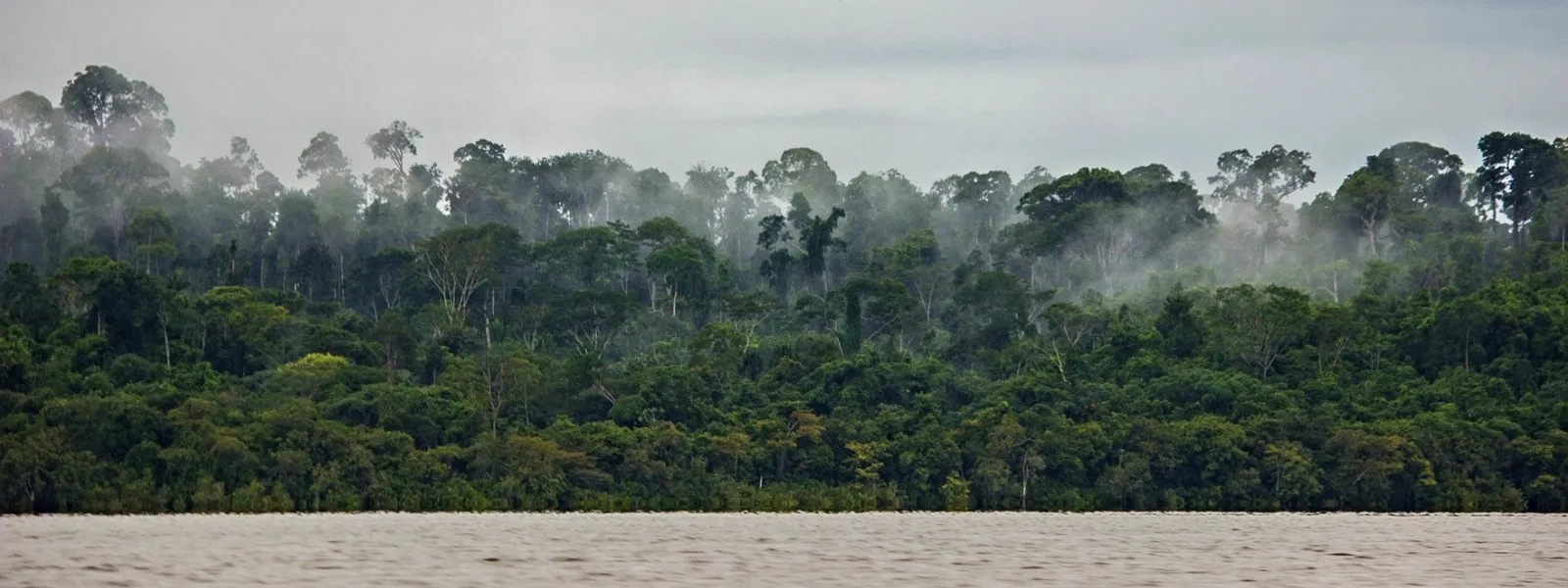
A usina hidrelétrica de Belo Monte causou um desastre ambiental e social no coração da Amazônia: um dos ecossistemas mais importantes do planeta.
Essa situação só piorou desde que a usina começou a operar em 2016. A busca por justiça e reparação para as comunidades indígenas e ribeirinhas afetadas continua até hoje.
Em 2011, a Comissão Interamericana de Direitos Humanos (CIDH) concedeu a essas comunidades medidas de proteção, que até hoje não foram totalmente implementadas pelo Estado brasileiro.
E, desde junho daquele mesmo ano, a CIDH mantém um processo contra o Estado por sua responsabilidade internacional no caso.
A CIDH pode encaminhar o caso à Corte Interamericana de Direitos Humanos, que tem o poder de emitir uma sentença condenatória contra o Estado brasileiro.
Consulta o expediente de fatos do caso
Após 10 anos de operação da usina hidrelétrica e mais de 15 anos de violações de direitos humanos documentadas, é hora da justiça ser feita para as comunidades afetadas.
Leia a carta aberta das organizações que levam o caso à CIDH
Leia nosso comunicado à imprensa
Contexto
A usina hidrelétrica de Belo Monte — a quarta maior do mundo em capacidade instalada (11.233 MW) — foi construída no rio Xingu, no estado do Pará, norte do Brasil.
Foi inaugurada em 5 de maio de 2016, com uma única turbina. Naquela época, 80% do curso do rio foi desviado e 516 km² de terra foram inundados, uma área maior que a cidade de Chicago. Desse total, 400 km² eram de mata nativa. A usina começou a operar em plena capacidade em novembro de 2019.
Belo Monte foi construída e é operada pelo consórcio Norte Energia S.A., composto principalmente por empresas estatais. Foi financiada pelo Banco Nacional de Desenvolvimento Econômico e Social (BNDES), que aportou ao consórcio 25,4 bilhões de reais (aproximadamente US$ 10,16 bilhões), o maior investimento de sua história. Portanto, o BNDES também é legalmente responsável pelos impactos socioambientais associados ao projeto hidrelétrico.
Décadas de danos ambientais e humanos
As violações dos direitos humanos e a degradação da Amazônia remontam ao início do projeto. Em março de 2011, a Norte Energia iniciou a construção da barragem sem consulta adequada e sem o consentimento prévio, livre e informado das comunidades afetadas.
A construção levou ao deslocamento forçado de mais de 40.000 pessoas, rompendo laços sociais e culturais. O plano de reassentamento em Altamira — cidade diretamente afetada pelo projeto hidrelétrico — incluía moradias na periferia da cidade, sem serviços públicos adequados, moradias dignas para as famílias reassentadas e moradias diferenciadas para aqueles pertencentes a comunidades indígenas.
A operação da barragem de Belo Monte impôs uma seca permanente e artificial na Volta Grande do rio Xingu, agravada pelas secas históricas na Amazônia em 2023 e 2024. Como resultado, a morte de milhões de ovos de peixe foi documentada por quatro anos consecutivos (de 2021 a 2024) e, nos últimos três anos, não houve migração de peixes rio acima para desovar e se reproduzir. Assim, a pesca artesanal, principal fonte de proteína para os povos indígenas e comunidades ribeirinhas, foi severamente afetada: o consumo de peixe caiu de 50% para 30% do total de proteínas consumidas, sendo substituído por alimentos processados. Em suma, houve um colapso ambiental e humanitário que resultou no colapso da pesca como modo de vida tradicional, insegurança alimentar e falta de acesso à água potável para milhares de famílias, empobrecimento e doenças.
Além disso, a construção da barragem aumentou o desmatamento e intensificou a extração ilegal de madeira e a insegurança em terras indígenas e tribais, colocando em risco a sobrevivência dessas comunidades. Outra consequência foi o agravamento da pobreza e dos conflitos sociais, bem como a sobrecarga dos sistemas de saúde, educação e segurança pública em Altamira, cidade considerada a mais violenta do país em 2017, onde houve aumento do tráfico de pessoas e da violência sexual. Também foram registrados casos de violência contra defensores de direitos humanos envolvidos no caso.
Em 2025, durante a 30ª Conferência das Nações Unidas sobre Mudanças Climáticas (COP30), realizada no Brasil, o Ministério Público Federal classificou os danos causados por Belo Monte como ecocídio.
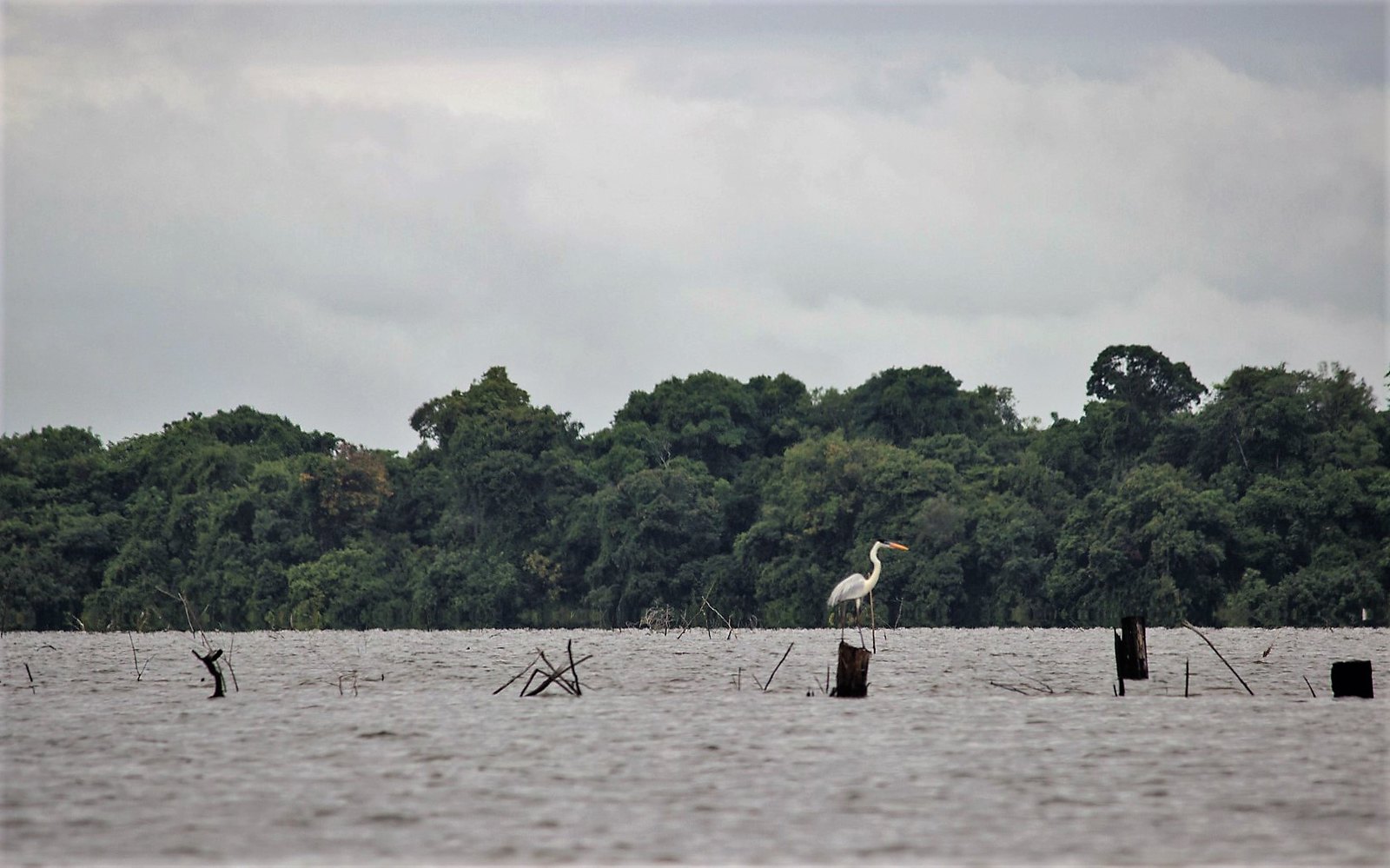
Foto: Amazon Watch / Maíra Irigaray.
A busca por justiça e reparação
Ao longo dos anos, o Ministério Público Federal do Pará, a Defensoria Pública e organizações da sociedade civil impetraram dezenas de ações judiciais em tribunais brasileiros para contestar as diversas irregularidades do projeto, bem como seus impactos. A maioria das ações permanece sem solução, algumas há mais de 10 anos.
Essas ações não obtiveram sucesso porque o governo federal tem reiteradamente anulado decisões favoráveis às comunidades afetadas, recorrendo a um mecanismo pelo qual o presidente do Supremo Tribunal Federal pode suspender uma decisão judicial com base unicamente em argumentos genéricos como "interesse nacional" ou "ordem econômica".
Diante da falta de respostas eficazes em nível nacional, a AIDA — juntamente com uma coalizão de organizações aliadas — levou o caso à Comissão Interamericana de Direitos Humanos (CIDH) e, em 2010, solicitou medidas cautelares para proteger a vida, a integridade e a saúde das comunidades indígenas afetadas.
Em 1º de abril de 2011, a CIDH concedeu essas medidas e solicitou ao Estado brasileiro a suspensão das licenças ambientais e de quaisquer obras de construção até que as condições relativas à consulta prévia e à proteção da saúde e integridade das comunidades fossem atendidas.
E, em 16 de junho de 2011, apresentamos uma denúncia formal à CIDH — juntamente com o Movimento Xingu Vivo Para Siempre, a Coordenação das Organizações Indígenas da Amazônia Brasileira, a Diocese de Altamira, o Conselho Missionário Indígena, a Sociedade Pará de Defesa dos Direitos Humanos e a Global Justice — contra o Estado brasileiro por sua responsabilidade internacional nas violações de direitos humanos contra os povos afetados neste caso. A denúncia foi apresentada em dezembro de 2015.
Em 3 de agosto de 2011, a CIDH modificou as medidas cautelares para solicitar — em vez da suspensão de licenças e obras — a proteção dos povos que vivem em isolamento voluntário, a saúde das comunidades indígenas e a regularização e proteção das terras ancestrais.
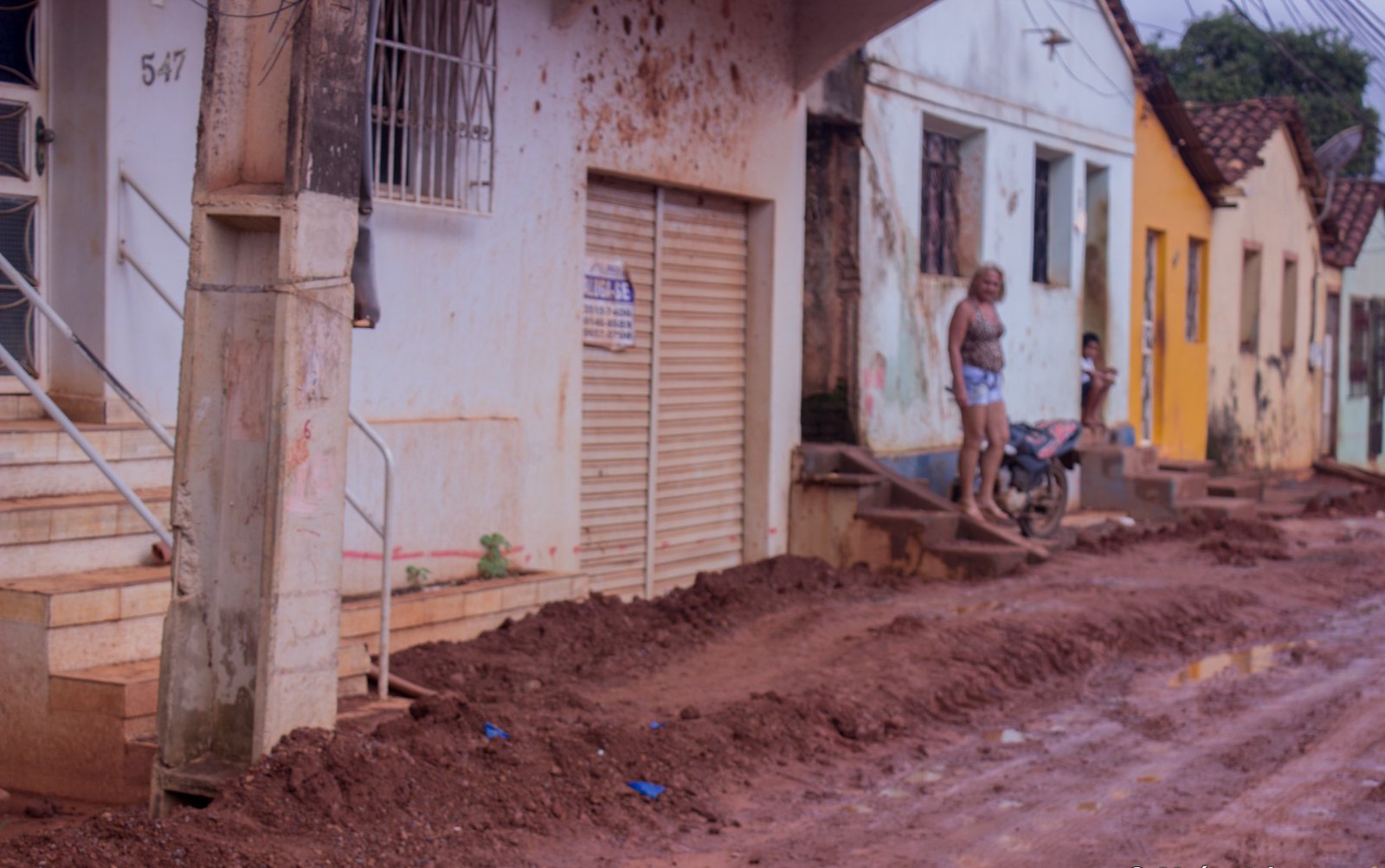
Foto: Amazon Watch / Maíra Irigaray.
Situação atual
As medidas de proteção concedidas pela CIDH permanecem em vigor, mas o Estado brasileiro não as cumpriu integralmente, relatando apenas ações genéricas. As comunidades documentaram as contínuas violações de seus direitos. A situação que motivou o pedido dessas medidas — o risco à vida, à segurança e aos meios de subsistência das comunidades — persiste e se agravou com a usina hidrelétrica operando em plena capacidade e com as recentes secas extremas na Amazônia.
Além do ocorrido em Belo Monte, existe o risco de maiores danos sociais e ambientais decorrentes da implementação de outro megaprojeto de mineração na Volta Grande do Xingu. Lá, a empresa canadense Belo Sun pretende construir a maior mina de ouro a céu aberto do Brasil.
Os impactos sinérgicos e cumulativos da usina e da mina não foram avaliados. O Estado excluiu povos indígenas, comunidades ribeirinhas e comunidades camponesas do processo de licenciamento ambiental do projeto. Apesar disso, dos protestos indígenas e de outras irregularidades em torno do projeto, o governo do estado do Pará autorizou formalmente a mina em abril de 2026.
Belo Monte, assim como outras usinas hidrelétricas, agrava a emergência climática ao gerar emissões de gases de efeito estufa em seu reservatório. Além disso, é ineficiente diante das secas prolongadas e intensas causadas pela crise, pois perde capacidade de geração de energia.
O caso perante a Comissão Interamericana
Em outubro de 2017, a CIDH anunciou que decidiria conjuntamente sobre a admissibilidade (se o caso preenche os requisitos para admissão) e o mérito (se houve, de fato, violação de direitos humanos) da denúncia internacional contra o Estado brasileiro.
Quinze anos após a apresentação da denúncia, as comunidades afetadas e as organizações que as representam ainda aguardam essa decisão. Caso a CIDH conclua que houve violações de direitos humanos e emita recomendações que o Estado brasileiro não cumpra, poderá encaminhar o caso à Corte Interamericana de Direitos Humanos, cujas decisões são vinculativas.
Uma possível decisão da Corte Internacional de Direitos Humanos neste caso estabeleceria um precedente jurídico regional em relação aos direitos dos povos indígenas e ribeirinhos, à participação pública em megaprojetos e à responsabilidade do Estado no contexto da crise climática. Isso é particularmente relevante à luz do Parecer Consultivo nº 32 da Corte, que reafirmou as obrigações dos Estados de proteger pessoas e comunidades em todo o continente da emergência climática.
Partners:
Related projects
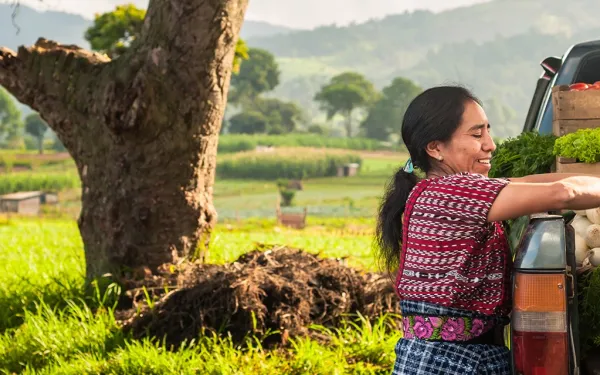
Why are women so important to the pursuit of environmental justice?
Women have long played a fundamental role in the conservation and defense of the planet. Past and present struggles for environmental justice and the defense of animals have been, to a large extent, led by women. Yet the close relationship between women and the environment has not escaped the inequalities that characterize today’s societies. Poverty, exclusion, and inequality are intertwined with environmental degradation and the climate crisis. Women, in general, suffer these plagues in a differential and aggravated manner. In natural disasters, for example, women often experience higher mortality rates than men. Due to the role women play in their communities, they are often less equipped with mechanisms to help them respond to emergencies that result from disasters. They are less likely to know how to swim or climb trees. They are more likely to be responsible for young children or older members of the family. They are more likely to wear clothing that makes it difficult to quickly react to a crisis situation. Furthermore, for historical and cultural reasons, women are less likely to have access to information or be able to participate in situations that affect their right to a healthy environment. They also are less likely to have access to the mechanisms for addressing injustices or repairing damages from catastrophes. Women who do take on roles in the public sphere, participating in public issues, are more likely to take on additional responsibilities that, generally, a man in the same situation would not have to assume. And, at the same time, they confront more intense risks and greater obstacles to the development of their leadership. In this context, the gender focus—defined as the mechanism developed to guarantee holistically valuing the impact any action has on men, women, and those who identify between those categories—is fundamental to making asymmetries visible, overcoming barriers of discrimination, and removing scenarios of exclusion that impede women’s ability to enjoy their right to equality. The gender focus seeks to ensure that those challenges are included in the design, implementation, monitoring, and evaluation of each intervention on a political, economic, and social level. The gender perspective is indispensable to empowering the leadership of women, which is proving increasingly vital in the struggle for environmental justice. In effect, the development of ecofeminist theories offers the world new and transformative alternatives to the ways of thinking that are bringing about the destruction of our environment and negatively affecting the lives of men, women, and other living things. Women are more than simply the most affected by the climate crisis. They also are active participants with a vital role to play in preserving nature and seeking solutions for the health of our planet.
Read more
Learning from Mendoza, Argentina: “Water is not negotiable
Near the end of 2019, the citizens of Mendoza, Argentina united in one of the province’s most important social manifestations. Their objective was clear: to defend their water. People of all ages—members of NGOs, environmental assemblies, anti-mining movements, scientists and academics—took to the streets to demand that the local government reverse the modification of Law 7722, known as "guardian of the water" or "the people’s law." The law is fundamental for the protection of water in Mendoza because it prohibits the use of cyanide, mercury, sulfuric acid and other toxic chemicals in mining activities—all of which seriously contaminate rivers, lakes and other natural water sources. Enacted on June 21, 2007, this law resulted from a long struggle by civil society. A step back in environmental protection The government intended to modify Law 7722 with another regulation, Law 9209, which allowed for "the use of chemical substances [including cyanide], mixtures or dissolutions of them, to ensure the sustainability of the [mining] project.” The justification for eliminating the prohibition on the use of cyanide and other toxic elements was "to guarantee the sustainability of the use of natural resources, with special emphasis on the protection of water resources and to ensure compliance with mining activities.” The use of cyanide in legal mining is becoming less frequent due to the risks involved in its manufacture, transport and use. Cyanide compounds are highly toxic in their gaseous form or when dissolved in water. Considering that the limit of cyanide in drinking water for safe human consumption is four drops per liter, the concentrations used in mining present high risks. In addition, there is abundant evidence of cyanide spills and losses from mining facilities during transport, and multiple cases of mass fatalities of wildlife near mining facilities, particularly migratory birds. The legislative amendment sought to make the procedures for environmental control and monitoring more flexible, by establishing that it was no longer obligatory for the Environmental Impact Statement of a mining project to be ratified by law. This undermined the effectiveness of Law 7722. These changes, promoted by the government of Mendoza, violated environmental protection principles contained in Argentina’s Constitution, among them sustainability and other national regulations that the provinces are obliged to comply with and enrich. For example, article 41 of the Constitution states that "all inhabitants have the right to a healthy, balanced environment, suitable for human development and for productive activities to satisfy present needs without compromising those of future generations; and they have the duty to preserve it." The citizen's response The social response to this modification—which intended to give free rein to the use of substances with a high environmental impact—surpassed all precedents. By successfully reversing an initiative already approved by Mendoza's legislators, it became an example for the entire region. The largest demonstrations in Mendoza's history began on December 22. Under the slogans "water is not negotiable" and "water is worth more than gold," the people of Mendoza organized to express their disapproval of the new law. The following day, 50,000 people gathered in front of the Provincial Government House after a journey of more than 100 kilometers, which began in the town of San Carlos, in the Uco Valley. They demanded: Law 7722 is not to be touched. Despite this widespread popular rejection, the Governor of Mendoza enacted the reform. Then, thousands of self-convoked neighbors gathered at kilometer zero—between San Martín and Garibaldi Streets—in the provincial capital to demand the law’s repeal. On December 26, faced with constant and growing social pressure, the Governor announced that he would not enact the new law. That palliative measure was deemed unconvincing and mobilizations intensified. The Governor then decided to reverse the amendment to Law 7722. On Friday the 27th, he announced the reform’s repeal, which finally happened on Monday the 30th. The case of Mendoza teaches a valuable lesson to all Latin American countries: When citizens are aware of the importance of nature and the scale of the dangers it faces, they will not yield. Socio-environmental conflicts are not only a response to those who have control over natural resources, but also to their effects on a complex social network. For humans and also for other beings, nature is a formative part of our identity, culture and customs. We are part of it and it is part of us. It is a living and interconnected network. That is why we must be its main defenders. The prompt and necessary updating of the concept of "sustainable development" is one of the challenges of Environmental Law in the 21st century. We mustn’t promote development that attacks nature and ignores human rights. Learn more about the use of cyanide in mining (in Spanish).
Read more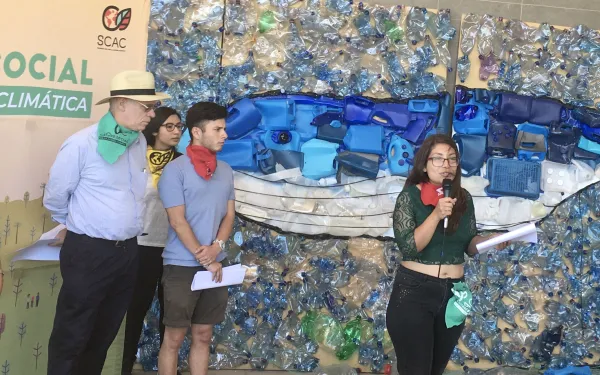
Strengthening society’s call for climate action
When Cristina Briseño learned that the twenty-fifth United Nations Conference on Climate Change (COP25) would be moved from Santiago, Chile to Madrid, Spain she felt like crying. "I had a lot of faith in the pressure that an event as big as this would create for urgent environmental issues in Chile," she told me. At 46 years old, Cristina, a Chilean citizen who has always supported environmental causes, signed up to volunteer at the Social Summit for Climate Action, planned as a parallel event to COP25. When the Conference was move to Madrid, the People’s Summit stayed in Santiago. "The opportunity to discuss climate change issues in a country as vulnerable as Chile was missed," Ingrid Wehr, director of the Heinrich Böll Foundation's Southern Cone Regional Office, said during the Summit. But all was not lost. COP25 was moved due to social unrest in Chile—the result of a historic movement in which the society’s most vulnerable are making their voices heard. In this context, the Social Summit further demonstrated that citizens have a lot to say on environmental issues, and much to contribute to confronting the climate crisis. "In the end, you have to keep fighting with the tools you have," Cristina told me. The Summit that persisted The Summit was organized by Civil Society for Climate Action (SCAC), a platform that brings together more than 130 organizations from different sectors in Chile. It took place at the Tío Lalo Parra Cultural Center in the municipality of Cerrillos, located in southwest Santiago, where the official COP25 was to be held. Characterized by a large amount of waste and unused land, Cerrillos has a desert-like appearance and eroded terrain. "Holding the Summit there meant decentralizing a problem that tends to be discussed in big cities or in the most central spaces of the capitals," Cristina explained. Over 10 days, from December 2 to 11, the Summit hosted hundreds of activities on issues related to the climate crisis, emphasizing the need for more ambitious actions to address it. There were talks, conferences, workshops, art exhibitions, plays, and interactive activities. Participants discussed many issues. While one group focused on socio-environmental activism and conflict, or the role of young people as agents of change, another delved into the impacts of the climate crisis on the ocean and fisheries. Citizens, researchers, activists and community representatives reflected together. From their shared experiences, they demonstrated that the social crisis in Chile is also an environmental crisis reflecting the inequality that plagues the region. "SCAC, which was born with the intention of celebrating the Summit alongside COP25, achieved something very important for the country's environmental movement," said Florencia Ortúzar, an AIDA attorney who participated in an event on decarbonization and just transition. “It achieved the union of Chile’s environmental groups, from the smallest and youngest to the largest and most consolidated. Now we are all connected.” The voice of Latin America Historically, international climate negotiations have failed to respond to the demands of Latin American civil society. That’s why efforts to include the region and the voice of its citizens in climate conversations are so valuable. The Latin American Climate Manifesto embodies this spirit of inclusion. It was jointly developed by hundreds of individuals and organizations from across the region, and launched simultaneously at the Social Summit in Chile and a parallel event in Madrid. The document calls for a better world and outlines the actions necessary to achieve it, focusing on nine water; nature; energy transition; new development models; women; native, indigenous, afro-descendants, and ethnic and tribal peoples; human rights and climate change;climate justice; and climate governance. If anything characterized 2019, it was increased global awareness about the seriousness of the climate crisis and the urgency of facing it together. Last year also saw the awakening of a new social consciousness, and with it the rising voices of the most vulnerable among us, demanding justice. These awakenings are not coincidence, but two sides of the same coin. The call for social justice and environmental justice is being heard around the world, opening up a window of opportunity for change. That’s why it’s essential that human rights be recognized as a central element in all climate action.
Read more