

Project
Amazon Watch / Maíra Irigaray
Barragem de Belo Monte no rio Xingu: 10 anos de impactos na Amazônia e de busca por reparações
A usina hidrelétrica de Belo Monte causou um desastre ambiental e social no coração da Amazônia: um dos ecossistemas mais importantes do planeta.
Essa situação só piorou desde que a usina começou a operar em 2016. A busca por justiça e reparação para as comunidades indígenas e ribeirinhas afetadas continua até hoje.
Em 2011, a Comissão Interamericana de Direitos Humanos (CIDH) concedeu a essas comunidades medidas de proteção, que até hoje não foram totalmente implementadas pelo Estado brasileiro.
E, desde junho daquele mesmo ano, a CIDH mantém um processo contra o Estado por sua responsabilidade internacional no caso.
A CIDH pode encaminhar o caso à Corte Interamericana de Direitos Humanos, que tem o poder de emitir uma sentença condenatória contra o Estado brasileiro.
Consulta o expediente de fatos do caso
Após 10 anos de operação da usina hidrelétrica e mais de 15 anos de violações de direitos humanos documentadas, é hora da justiça ser feita para as comunidades afetadas.
Leia a carta aberta das organizações que levam o caso à CIDH
Leia nosso comunicado à imprensa
Contexto
A usina hidrelétrica de Belo Monte — a quarta maior do mundo em capacidade instalada (11.233 MW) — foi construída no rio Xingu, no estado do Pará, norte do Brasil.
Foi inaugurada em 5 de maio de 2016, com uma única turbina. Naquela época, 80% do curso do rio foi desviado e 516 km² de terra foram inundados, uma área maior que a cidade de Chicago. Desse total, 400 km² eram de mata nativa. A usina começou a operar em plena capacidade em novembro de 2019.
Belo Monte foi construída e é operada pelo consórcio Norte Energia S.A., composto principalmente por empresas estatais. Foi financiada pelo Banco Nacional de Desenvolvimento Econômico e Social (BNDES), que aportou ao consórcio 25,4 bilhões de reais (aproximadamente US$ 10,16 bilhões), o maior investimento de sua história. Portanto, o BNDES também é legalmente responsável pelos impactos socioambientais associados ao projeto hidrelétrico.
Décadas de danos ambientais e humanos
As violações dos direitos humanos e a degradação da Amazônia remontam ao início do projeto. Em março de 2011, a Norte Energia iniciou a construção da barragem sem consulta adequada e sem o consentimento prévio, livre e informado das comunidades afetadas.
A construção levou ao deslocamento forçado de mais de 40.000 pessoas, rompendo laços sociais e culturais. O plano de reassentamento em Altamira — cidade diretamente afetada pelo projeto hidrelétrico — incluía moradias na periferia da cidade, sem serviços públicos adequados, moradias dignas para as famílias reassentadas e moradias diferenciadas para aqueles pertencentes a comunidades indígenas.
A operação da barragem de Belo Monte impôs uma seca permanente e artificial na Volta Grande do rio Xingu, agravada pelas secas históricas na Amazônia em 2023 e 2024. Como resultado, a morte de milhões de ovos de peixe foi documentada por quatro anos consecutivos (de 2021 a 2024) e, nos últimos três anos, não houve migração de peixes rio acima para desovar e se reproduzir. Assim, a pesca artesanal, principal fonte de proteína para os povos indígenas e comunidades ribeirinhas, foi severamente afetada: o consumo de peixe caiu de 50% para 30% do total de proteínas consumidas, sendo substituído por alimentos processados. Em suma, houve um colapso ambiental e humanitário que resultou no colapso da pesca como modo de vida tradicional, insegurança alimentar e falta de acesso à água potável para milhares de famílias, empobrecimento e doenças.
Além disso, a construção da barragem aumentou o desmatamento e intensificou a extração ilegal de madeira e a insegurança em terras indígenas e tribais, colocando em risco a sobrevivência dessas comunidades. Outra consequência foi o agravamento da pobreza e dos conflitos sociais, bem como a sobrecarga dos sistemas de saúde, educação e segurança pública em Altamira, cidade considerada a mais violenta do país em 2017, onde houve aumento do tráfico de pessoas e da violência sexual. Também foram registrados casos de violência contra defensores de direitos humanos envolvidos no caso.
Em 2025, durante a 30ª Conferência das Nações Unidas sobre Mudanças Climáticas (COP30), realizada no Brasil, o Ministério Público Federal classificou os danos causados por Belo Monte como ecocídio.
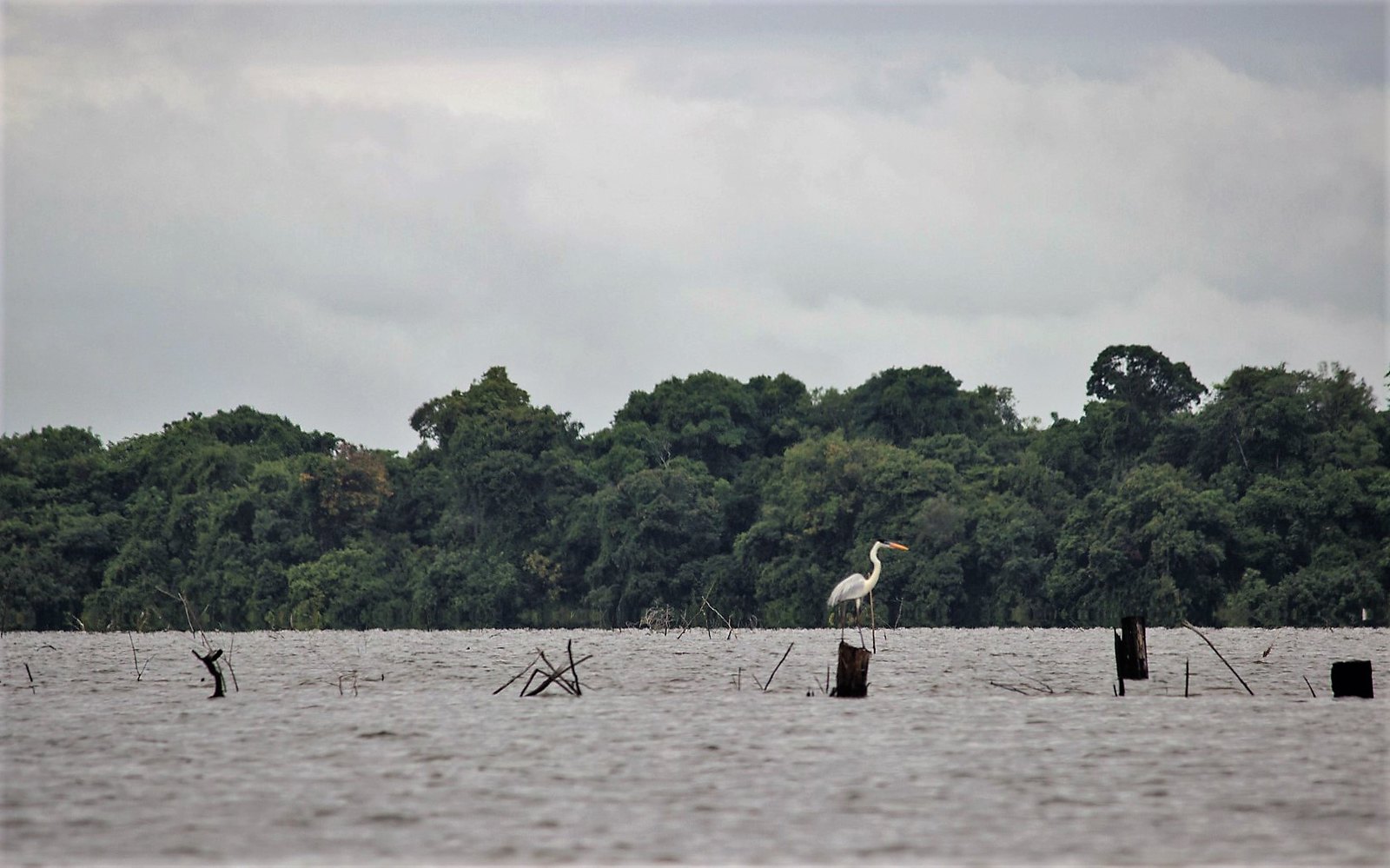
Foto: Amazon Watch / Maíra Irigaray.
A busca por justiça e reparação
Ao longo dos anos, o Ministério Público Federal do Pará, a Defensoria Pública e organizações da sociedade civil impetraram dezenas de ações judiciais em tribunais brasileiros para contestar as diversas irregularidades do projeto, bem como seus impactos. A maioria das ações permanece sem solução, algumas há mais de 10 anos.
Essas ações não obtiveram sucesso porque o governo federal tem reiteradamente anulado decisões favoráveis às comunidades afetadas, recorrendo a um mecanismo pelo qual o presidente do Supremo Tribunal Federal pode suspender uma decisão judicial com base unicamente em argumentos genéricos como "interesse nacional" ou "ordem econômica".
Diante da falta de respostas eficazes em nível nacional, a AIDA — juntamente com uma coalizão de organizações aliadas — levou o caso à Comissão Interamericana de Direitos Humanos (CIDH) e, em 2010, solicitou medidas cautelares para proteger a vida, a integridade e a saúde das comunidades indígenas afetadas.
Em 1º de abril de 2011, a CIDH concedeu essas medidas e solicitou ao Estado brasileiro a suspensão das licenças ambientais e de quaisquer obras de construção até que as condições relativas à consulta prévia e à proteção da saúde e integridade das comunidades fossem atendidas.
E, em 16 de junho de 2011, apresentamos uma denúncia formal à CIDH — juntamente com o Movimento Xingu Vivo Para Siempre, a Coordenação das Organizações Indígenas da Amazônia Brasileira, a Diocese de Altamira, o Conselho Missionário Indígena, a Sociedade Pará de Defesa dos Direitos Humanos e a Global Justice — contra o Estado brasileiro por sua responsabilidade internacional nas violações de direitos humanos contra os povos afetados neste caso. A denúncia foi apresentada em dezembro de 2015.
Em 3 de agosto de 2011, a CIDH modificou as medidas cautelares para solicitar — em vez da suspensão de licenças e obras — a proteção dos povos que vivem em isolamento voluntário, a saúde das comunidades indígenas e a regularização e proteção das terras ancestrais.
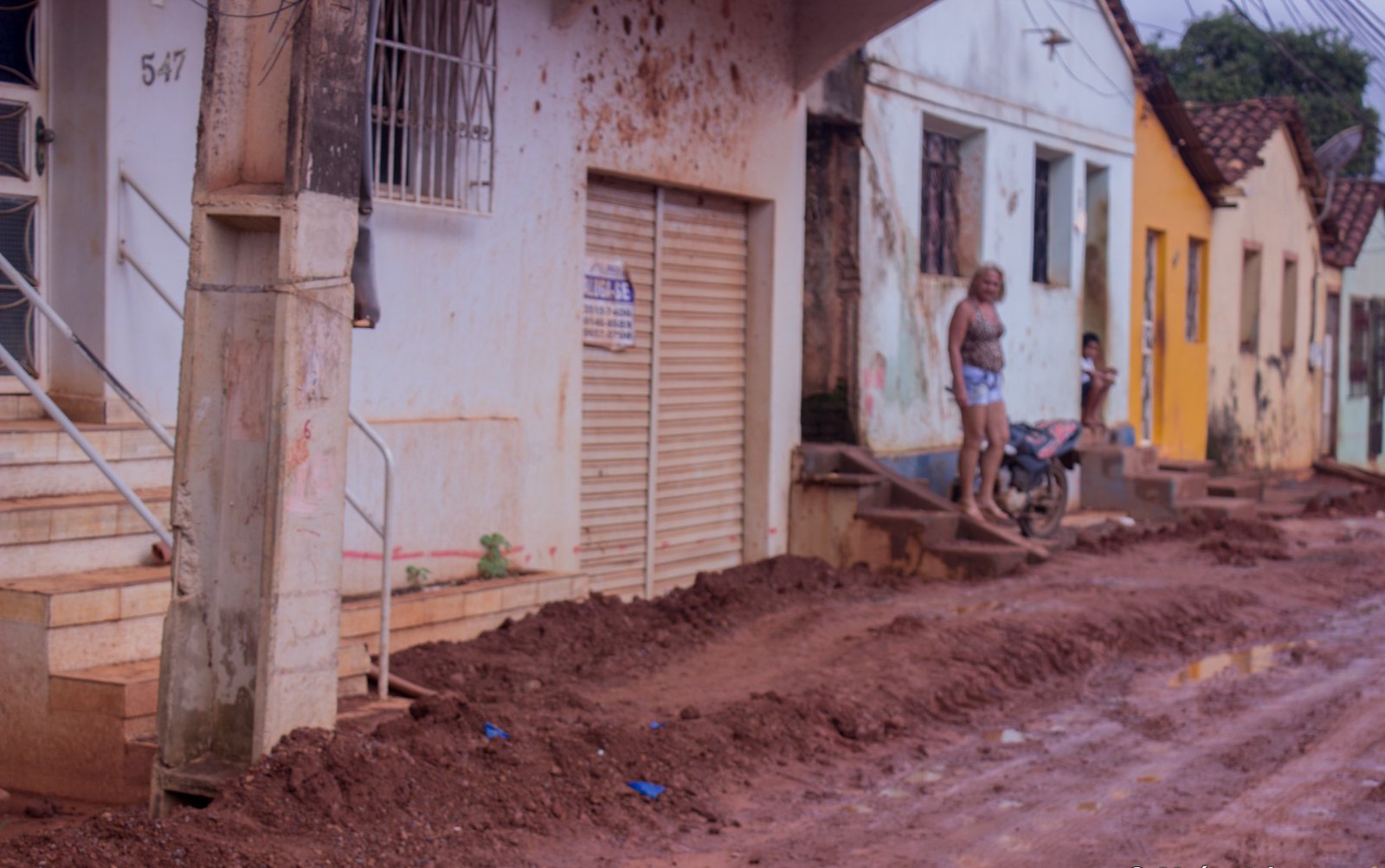
Foto: Amazon Watch / Maíra Irigaray.
Situação atual
As medidas de proteção concedidas pela CIDH permanecem em vigor, mas o Estado brasileiro não as cumpriu integralmente, relatando apenas ações genéricas. As comunidades documentaram as contínuas violações de seus direitos. A situação que motivou o pedido dessas medidas — o risco à vida, à segurança e aos meios de subsistência das comunidades — persiste e se agravou com a usina hidrelétrica operando em plena capacidade e com as recentes secas extremas na Amazônia.
Além do ocorrido em Belo Monte, existe o risco de maiores danos sociais e ambientais decorrentes da implementação de outro megaprojeto de mineração na Volta Grande do Xingu. Lá, a empresa canadense Belo Sun pretende construir a maior mina de ouro a céu aberto do Brasil.
Os impactos sinérgicos e cumulativos da usina e da mina não foram avaliados. O Estado excluiu povos indígenas, comunidades ribeirinhas e comunidades camponesas do processo de licenciamento ambiental do projeto. Apesar disso, dos protestos indígenas e de outras irregularidades em torno do projeto, o governo do estado do Pará autorizou formalmente a mina em abril de 2026.
Belo Monte, assim como outras usinas hidrelétricas, agrava a emergência climática ao gerar emissões de gases de efeito estufa em seu reservatório. Além disso, é ineficiente diante das secas prolongadas e intensas causadas pela crise, pois perde capacidade de geração de energia.
O caso perante a Comissão Interamericana
Em outubro de 2017, a CIDH anunciou que decidiria conjuntamente sobre a admissibilidade (se o caso preenche os requisitos para admissão) e o mérito (se houve, de fato, violação de direitos humanos) da denúncia internacional contra o Estado brasileiro.
Quinze anos após a apresentação da denúncia, as comunidades afetadas e as organizações que as representam ainda aguardam essa decisão. Caso a CIDH conclua que houve violações de direitos humanos e emita recomendações que o Estado brasileiro não cumpra, poderá encaminhar o caso à Corte Interamericana de Direitos Humanos, cujas decisões são vinculativas.
Uma possível decisão da Corte Internacional de Direitos Humanos neste caso estabeleceria um precedente jurídico regional em relação aos direitos dos povos indígenas e ribeirinhos, à participação pública em megaprojetos e à responsabilidade do Estado no contexto da crise climática. Isso é particularmente relevante à luz do Parecer Consultivo nº 32 da Corte, que reafirmou as obrigações dos Estados de proteger pessoas e comunidades em todo o continente da emergência climática.
Partners:
Related projects
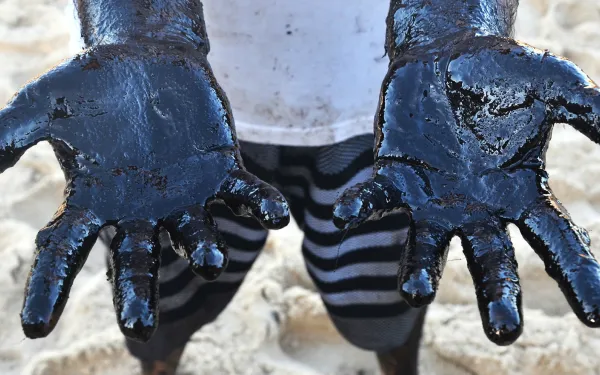
The oil spill devouring life on Brazil’s beaches
Photos: Marcela Cintra / Text: Laura Yaniz Since late August, oil has been registered at more than 500 points along 2,500 kilometers of coastline in northeastern Brazil. What began with the appearance of small black spots on some beaches quickly became huge stains that changed the color of the sand itself. The spill’s origin remains unknown, as local organizations and communities organize to clean up their beaches. Far from being resolved, the problem is getting worse every day. The oil’s advance is threatening the marine life in mangroves and coral reefs, both key ecosystems for the survival of species. In addition, residents of the affected communities, who depend on tourism and fishing, have seen their lifestyles and economies threatened. Their health is also at risk due to the consumption of contaminated seafood and direct exposure to the spill. Faced with the inaction of government authorities, the people have been cleaning the beaches and sea with their own hands. The spill itself, coupled with state neglect, violates the human rights of the inhabitants of the hundreds of affected beaches. AIDA—together with the Projeto Publico Institute, Salve Maracaipe, Projeto Caribessa and Rede Minha Jampa—denounced these violations before the Inter-American Commission on Human Rights in an effort to urge the Brazilian government to respond to this social and environmental crisis. Soledad García Muñoz, the Commission's Special Rapporteur on Economic, Social, Cultural and Environmental Rights expressed her solidarity with the Brazilian people and authorities in the face of the tragedy and called on the State to "take the necessary measures to avoid a bigger deterioration of the affected ecosystems, considering that the time, the resources and the way of acting focused on human rights are the key factors for the effectiveness of a contingency plan that the present situation deserves.” She added: “the slower and partial are the measures adopted, more irreparable will be the damages for the Brazilian coast and its biodiversity, as well as for the quality of life of the people that live in these affected regions. It is necessary an urgent and sensible response in face of these serious events generated by the contamination, because that could also accelerate the effects of the climate change in the coast, mangroves, swamps and other ecologically vulnerable habitats.”
Read more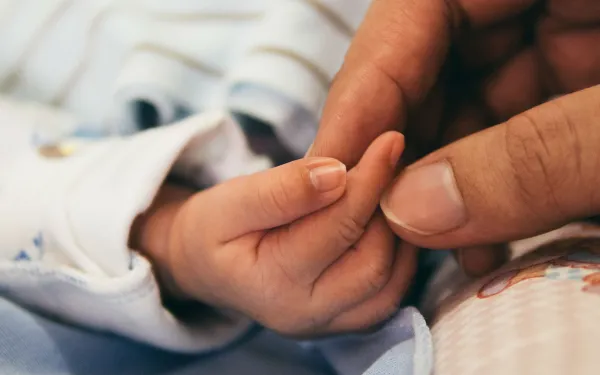
Air pollution: it damages your health from day one
Although they occur seasonally each year, respiratory diseases are becoming increasingly severe, said pediatrician Gina Pinilla, who works in Bogotá. As air quality decreases, health complications increase for children who come to the emergency department. What Dr. Pinilla has observed in more than a decade of experience as a doctor is no mere impression. A study conducted by a multidisciplinary team of researchers in Colombia shows that health damage from poor air quality is noticeable from day one. Hospital admissions increase over the first 24 to 72 hours and can extend for almost two weeks. It’s the first multi-city study conducted in Colombia and Latin America to determine the relationship between air pollution and respiratory and circulatory diseases in the population, explained lead researcher Dr. Laura Rodriguez of the Industrial University of Santander. Each contaminant affects us differently One of the findings that most caught the researchers' attention is that harms caused by pollutants are different for children and adults. Children suffer from respiratory diseases, while adults face cardiovascular complications. "Children between 5 and 9 years old face greater impacts and are more likely to have an episode that takes them to the emergency room,” explained Dr. Rodriguez. “But this doesn't mean that the younger ones are unaffected. When a child has respiratory complications, he or she may stay hospitalized for up to a week and be connected to respiratory support. "There are children who need prolonged hospitalizations. For a week, they are dependent on oxygen, whether from a nasal cannula or oxygen machines,” Dr. Pinilla added. “Then they are left with side effects and get sick often." The particular mixture of pollutants found in the air also affects each age group differently. "Pollution in every city has its own behavior: interaction, quantity and the change in makeup between cities," said Dr. Rodriguez. In Bogotá, for example, pollution by sulfur dioxide and particulate matter (PM10 and PM2.5) are related to circulatory diseases in people over 60. Pollution by nitrogen dioxide, sulfur dioxide and PM2.5 particles significantly increases the risk of hospitalization in people under the age of 15. The researcher says that the damage caused by nitrogen dioxide is not given much importance, despite being associated with cardiovascular disease in adults. And, when that pollutant is combined with sulfur dioxide and particulate matter, its effects are enhanced. Pollution harms, even in small quantities An important takeaway from this study is that contaminants can begin to damage public health even before they reach maximum allowable limits. Nitrogen dioxide, for example, is considered harmful, yet regulations have set very high emission limits. "Reaching these limits is very difficult. The city has to be in absurdly high pollution for the alerts to sound," explained Dr. Rodriguez. “The health effects are not related to whether you are exposed to the limits or not, but to the type of mixture you are breathing, because the pollutants are potentiating each other.” In several Latin American cities, regulations allow pollution limits that exceed the recommendations of the World Health Organization (WHO). For example, the WHO recommends a maximum average of 20 µg/m3 (micrograms per cubic meter) of PM10 (solid particles such as ash, soot and dust), but Bogotá has an average of 38 µg/m3. Other cities in the region have even higher annual averages: 40 (Monterrey), 55 (Mexico City), 62 (Lima) and 69 (Santiago). What does this information mean for your city? When poor air quality reaches its most critical levels, hospitals are left without beds and many children with respiratory illnesses remain in the emergency area, explained Dr. Pinilla. It's a common situation because there are no action plans for environmental contingencies. For Dr. Laura Rodriguez, the most important result of her research would be that it helps institutions take action to confront the issue. She recommends local governments and health institutions: Control and regulate the air quality parameters of industrial emissions, and consider monitoring other pollutants. Increase efforts to communicate to the public about the risks of pollution levels in their cities. Prepare hospitals, especially in the first months of the year when pollution reaches its highest level, aggravated by changes in the climate. She emphasized the importance of making intersectoral and multidisciplinary plans and investigations to understand the panorama of air pollution, and to ensure that this information gets into the hands of the appropriate authorities. The study was also conducted by Julián Alfredo Fernández-Niño (U. del Norte, Barranquilla), Néstor Rojas (U. Nacional), Luis Camilo Blanco (U. Santo Tomás) and Víctor Herrera, U. Autónoma de Bucaramanga). Consult it here.
Read moreAir pollution: it damages your health from day one
Although they occur seasonally each year, respiratory diseases are becoming increasingly severe, said pediatrician Gina Pinilla, who works in Bogotá. As air quality decreases, health complications increase for children who come to the emergency department. What Dr. Pinilla has observed in more than a decade of experience as a doctor is no mere impression. A study conducted by a multidisciplinary team of researchers in Colombia shows that health damage from poor air quality is noticeable from day one. Hospital admissions increase over the first 24 to 72 hours and can extend for almost two weeks. It’s the first multi-city study conducted in Colombia and Latin America to determine the relationship between air pollution and respiratory and circulatory diseases in the population, explained lead researcher Dr. Laura Rodriguez of the Industrial University of Santander. Each contaminant affects us differently One of the findings that most caught the researchers' attention is that harms caused by pollutants are different for children and adults. Children suffer from respiratory diseases, while adults face cardiovascular complications. "Children between 5 and 9 years old face greater impacts and are more likely to have an episode that takes them to the emergency room,” explained Dr. Rodriguez. “But this doesn't mean that the younger ones are unaffected. When a child has respiratory complications, he or she may stay hospitalized for up to a week and be connected to respiratory support. "There are children who need prolonged hospitalizations. For a week, they are dependent on oxygen, whether from a nasal cannula or oxygen machines,” Dr. Pinilla added. “Then they are left with side effects and get sick often." The particular mixture of pollutants found in the air also affects each age group differently. "Pollution in every city has its own behavior: interaction, quantity and the change in makeup between cities," said Dr. Rodriguez. In Bogotá, for example, pollution by sulfur dioxide and particulate matter (PM10 and PM2.5) are related to circulatory diseases in people over 60. Pollution by nitrogen dioxide, sulfur dioxide and PM2.5 particles significantly increases the risk of hospitalization in people under the age of 15. The researcher says that the damage caused by nitrogen dioxide is not given much importance, despite being associated with cardiovascular disease in adults. And, when that pollutant is combined with sulfur dioxide and particulate matter, its effects are enhanced. Pollution harms, even in small quantities An important takeaway from this study is that contaminants can begin to damage public health even before they reach maximum allowable limits. Nitrogen dioxide, for example, is considered harmful, yet regulations have set very high emission limits. "Reaching these limits is very difficult. The city has to be in absurdly high pollution for the alerts to sound," explained Dr. Rodriguez. “The health effects are not related to whether you are exposed to the limits or not, but to the type of mixture you are breathing, because the pollutants are potentiating each other.” In several Latin American cities, regulations allow pollution limits that exceed the recommendations of the World Health Organization (WHO). For example, the WHO recommends a maximum average of 20 µg/m3 (micrograms per cubic meter) of PM10 (solid particles such as ash, soot and dust), but Bogotá has an average of 38 µg/m3. Other cities in the region have even higher annual averages: 40 (Monterrey), 55 (Mexico City), 62 (Lima) and 69 (Santiago). What does this information mean for your city? When poor air quality reaches its most critical levels, hospitals are left without beds and many children with respiratory illnesses remain in the emergency area, explained Dr. Pinilla. It's a common situation because there are no action plans for environmental contingencies. For Dr. Laura Rodriguez, the most important result of her research would be that it helps institutions take action to confront the issue. She recommends local governments and health institutions: Control and regulate the air quality parameters of industrial emissions, and consider monitoring other pollutants. Increase efforts to communicate to the public about the risks of pollution levels in their cities. Prepare hospitals, especially in the first months of the year when pollution reaches its highest level, aggravated by changes in the climate. She emphasized the importance of making intersectoral and multidisciplinary plans and investigations to understand the panorama of air pollution, and to ensure that this information gets into the hands of the appropriate authorities. The study was also conducted by Julián Alfredo Fernández-Niño (U. del Norte, Barranquilla), Néstor Rojas (U. Nacional), Luis Camilo Blanco (U. Santo Tomás) and Víctor Herrera, U. Autónoma de Bucaramanga). Consult it here.
Read more