
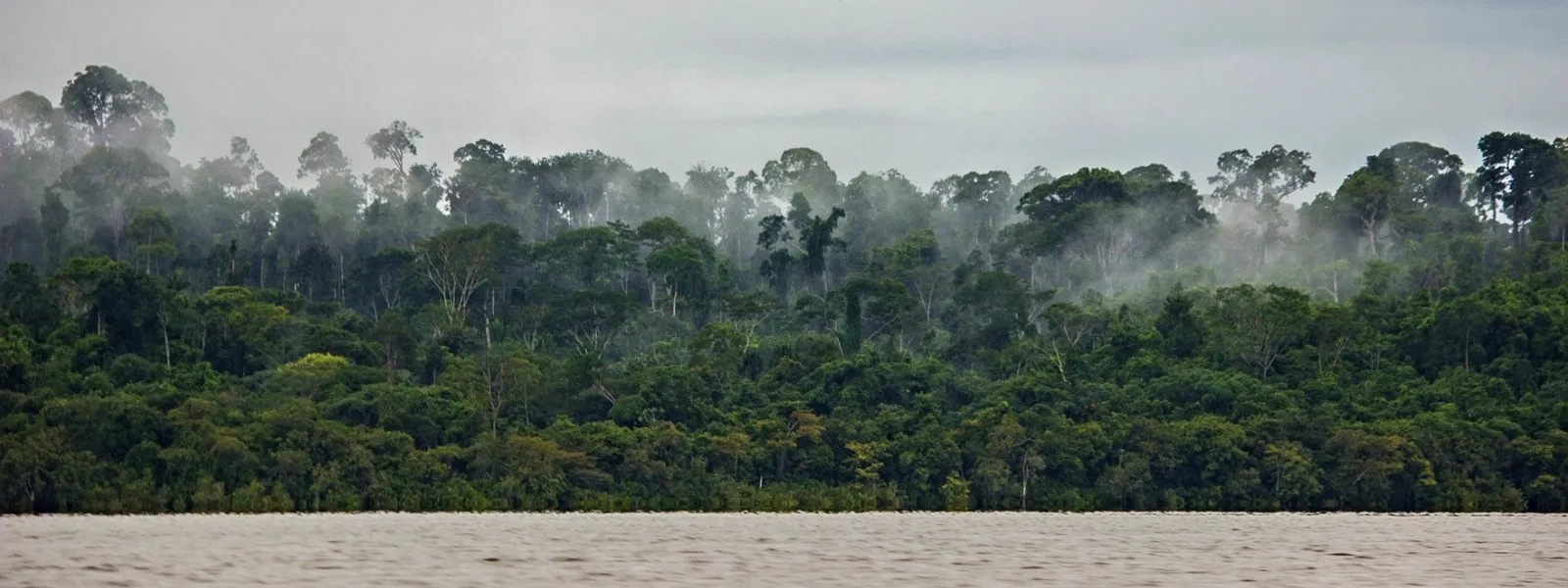
Project
Amazon Watch / Maíra Irigaray
Barragem de Belo Monte no rio Xingu: 10 anos de impactos na Amazônia e de busca por reparações
A usina hidrelétrica de Belo Monte causou um desastre ambiental e social no coração da Amazônia: um dos ecossistemas mais importantes do planeta.
Essa situação só piorou desde que a usina começou a operar em 2016. A busca por justiça e reparação para as comunidades indígenas e ribeirinhas afetadas continua até hoje.
Em 2011, a Comissão Interamericana de Direitos Humanos (CIDH) concedeu a essas comunidades medidas de proteção, que até hoje não foram totalmente implementadas pelo Estado brasileiro.
E, desde junho daquele mesmo ano, a CIDH mantém um processo contra o Estado por sua responsabilidade internacional no caso.
A CIDH pode encaminhar o caso à Corte Interamericana de Direitos Humanos, que tem o poder de emitir uma sentença condenatória contra o Estado brasileiro.
Consulta o expediente de fatos do caso
Após 10 anos de operação da usina hidrelétrica e mais de 15 anos de violações de direitos humanos documentadas, é hora da justiça ser feita para as comunidades afetadas.
Leia a carta aberta das organizações que levam o caso à CIDH
Leia nosso comunicado à imprensa
Contexto
A usina hidrelétrica de Belo Monte — a quarta maior do mundo em capacidade instalada (11.233 MW) — foi construída no rio Xingu, no estado do Pará, norte do Brasil.
Foi inaugurada em 5 de maio de 2016, com uma única turbina. Naquela época, 80% do curso do rio foi desviado e 516 km² de terra foram inundados, uma área maior que a cidade de Chicago. Desse total, 400 km² eram de mata nativa. A usina começou a operar em plena capacidade em novembro de 2019.
Belo Monte foi construída e é operada pelo consórcio Norte Energia S.A., composto principalmente por empresas estatais. Foi financiada pelo Banco Nacional de Desenvolvimento Econômico e Social (BNDES), que aportou ao consórcio 25,4 bilhões de reais (aproximadamente US$ 10,16 bilhões), o maior investimento de sua história. Portanto, o BNDES também é legalmente responsável pelos impactos socioambientais associados ao projeto hidrelétrico.
Décadas de danos ambientais e humanos
As violações dos direitos humanos e a degradação da Amazônia remontam ao início do projeto. Em março de 2011, a Norte Energia iniciou a construção da barragem sem consulta adequada e sem o consentimento prévio, livre e informado das comunidades afetadas.
A construção levou ao deslocamento forçado de mais de 40.000 pessoas, rompendo laços sociais e culturais. O plano de reassentamento em Altamira — cidade diretamente afetada pelo projeto hidrelétrico — incluía moradias na periferia da cidade, sem serviços públicos adequados, moradias dignas para as famílias reassentadas e moradias diferenciadas para aqueles pertencentes a comunidades indígenas.
A operação da barragem de Belo Monte impôs uma seca permanente e artificial na Volta Grande do rio Xingu, agravada pelas secas históricas na Amazônia em 2023 e 2024. Como resultado, a morte de milhões de ovos de peixe foi documentada por quatro anos consecutivos (de 2021 a 2024) e, nos últimos três anos, não houve migração de peixes rio acima para desovar e se reproduzir. Assim, a pesca artesanal, principal fonte de proteína para os povos indígenas e comunidades ribeirinhas, foi severamente afetada: o consumo de peixe caiu de 50% para 30% do total de proteínas consumidas, sendo substituído por alimentos processados. Em suma, houve um colapso ambiental e humanitário que resultou no colapso da pesca como modo de vida tradicional, insegurança alimentar e falta de acesso à água potável para milhares de famílias, empobrecimento e doenças.
Além disso, a construção da barragem aumentou o desmatamento e intensificou a extração ilegal de madeira e a insegurança em terras indígenas e tribais, colocando em risco a sobrevivência dessas comunidades. Outra consequência foi o agravamento da pobreza e dos conflitos sociais, bem como a sobrecarga dos sistemas de saúde, educação e segurança pública em Altamira, cidade considerada a mais violenta do país em 2017, onde houve aumento do tráfico de pessoas e da violência sexual. Também foram registrados casos de violência contra defensores de direitos humanos envolvidos no caso.
Em 2025, durante a 30ª Conferência das Nações Unidas sobre Mudanças Climáticas (COP30), realizada no Brasil, o Ministério Público Federal classificou os danos causados por Belo Monte como ecocídio.
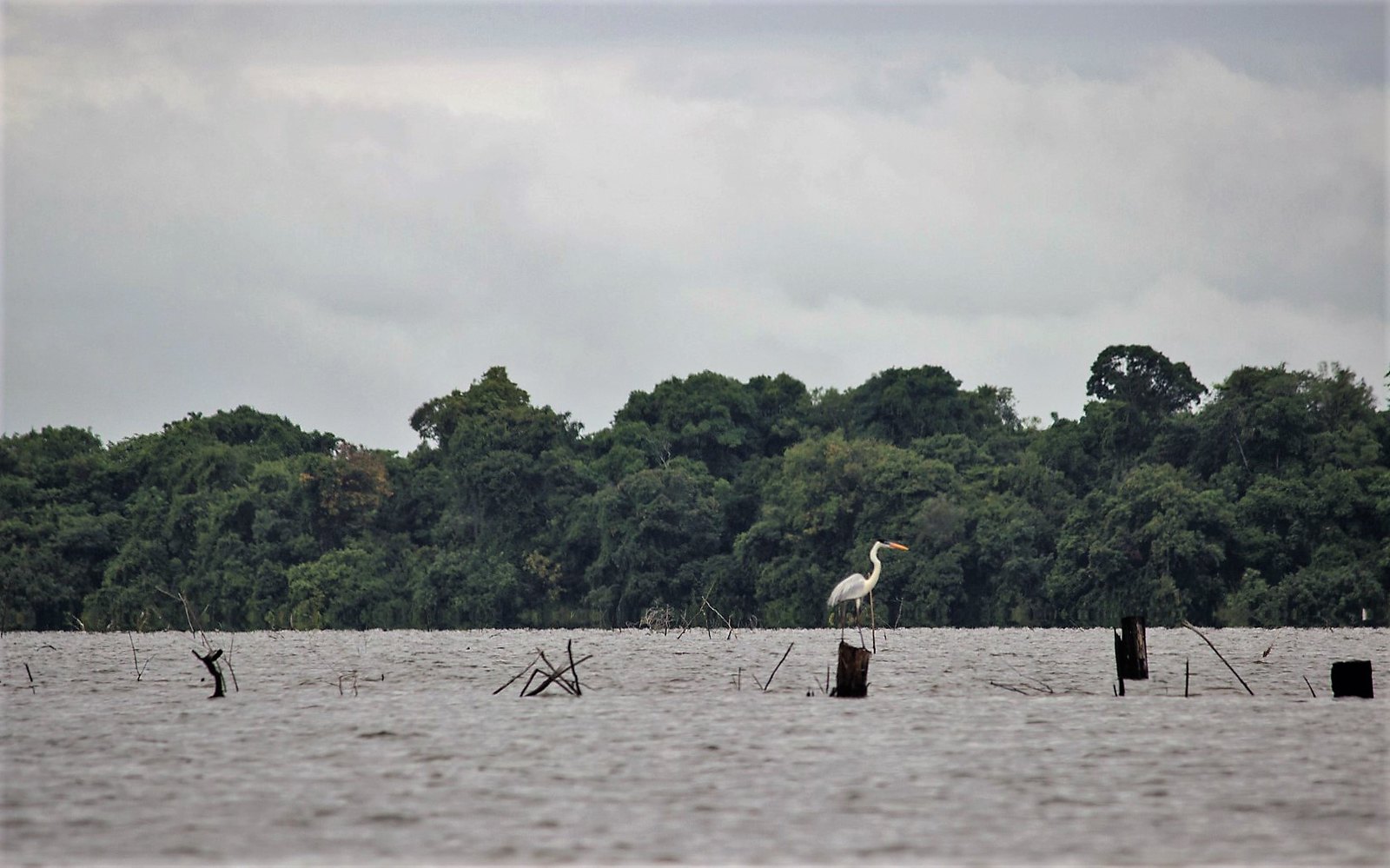
Foto: Amazon Watch / Maíra Irigaray.
A busca por justiça e reparação
Ao longo dos anos, o Ministério Público Federal do Pará, a Defensoria Pública e organizações da sociedade civil impetraram dezenas de ações judiciais em tribunais brasileiros para contestar as diversas irregularidades do projeto, bem como seus impactos. A maioria das ações permanece sem solução, algumas há mais de 10 anos.
Essas ações não obtiveram sucesso porque o governo federal tem reiteradamente anulado decisões favoráveis às comunidades afetadas, recorrendo a um mecanismo pelo qual o presidente do Supremo Tribunal Federal pode suspender uma decisão judicial com base unicamente em argumentos genéricos como "interesse nacional" ou "ordem econômica".
Diante da falta de respostas eficazes em nível nacional, a AIDA — juntamente com uma coalizão de organizações aliadas — levou o caso à Comissão Interamericana de Direitos Humanos (CIDH) e, em 2010, solicitou medidas cautelares para proteger a vida, a integridade e a saúde das comunidades indígenas afetadas.
Em 1º de abril de 2011, a CIDH concedeu essas medidas e solicitou ao Estado brasileiro a suspensão das licenças ambientais e de quaisquer obras de construção até que as condições relativas à consulta prévia e à proteção da saúde e integridade das comunidades fossem atendidas.
E, em 16 de junho de 2011, apresentamos uma denúncia formal à CIDH — juntamente com o Movimento Xingu Vivo Para Siempre, a Coordenação das Organizações Indígenas da Amazônia Brasileira, a Diocese de Altamira, o Conselho Missionário Indígena, a Sociedade Pará de Defesa dos Direitos Humanos e a Global Justice — contra o Estado brasileiro por sua responsabilidade internacional nas violações de direitos humanos contra os povos afetados neste caso. A denúncia foi apresentada em dezembro de 2015.
Em 3 de agosto de 2011, a CIDH modificou as medidas cautelares para solicitar — em vez da suspensão de licenças e obras — a proteção dos povos que vivem em isolamento voluntário, a saúde das comunidades indígenas e a regularização e proteção das terras ancestrais.
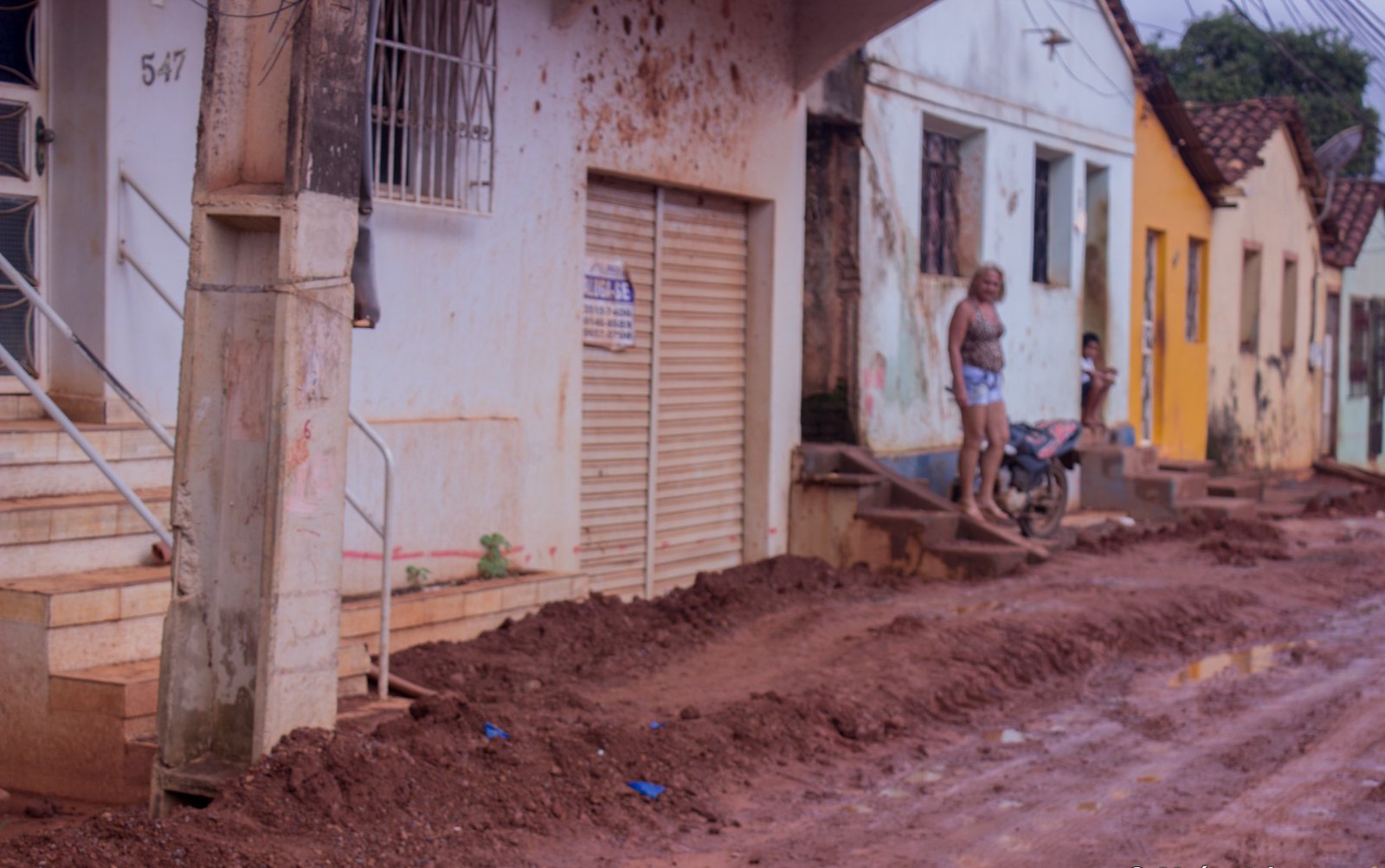
Foto: Amazon Watch / Maíra Irigaray.
Situação atual
As medidas de proteção concedidas pela CIDH permanecem em vigor, mas o Estado brasileiro não as cumpriu integralmente, relatando apenas ações genéricas. As comunidades documentaram as contínuas violações de seus direitos. A situação que motivou o pedido dessas medidas — o risco à vida, à segurança e aos meios de subsistência das comunidades — persiste e se agravou com a usina hidrelétrica operando em plena capacidade e com as recentes secas extremas na Amazônia.
Além do ocorrido em Belo Monte, existe o risco de maiores danos sociais e ambientais decorrentes da implementação de outro megaprojeto de mineração na Volta Grande do Xingu. Lá, a empresa canadense Belo Sun pretende construir a maior mina de ouro a céu aberto do Brasil.
Os impactos sinérgicos e cumulativos da usina e da mina não foram avaliados. O Estado excluiu povos indígenas, comunidades ribeirinhas e comunidades camponesas do processo de licenciamento ambiental do projeto. Apesar disso, dos protestos indígenas e de outras irregularidades em torno do projeto, o governo do estado do Pará autorizou formalmente a mina em abril de 2026.
Belo Monte, assim como outras usinas hidrelétricas, agrava a emergência climática ao gerar emissões de gases de efeito estufa em seu reservatório. Além disso, é ineficiente diante das secas prolongadas e intensas causadas pela crise, pois perde capacidade de geração de energia.
O caso perante a Comissão Interamericana
Em outubro de 2017, a CIDH anunciou que decidiria conjuntamente sobre a admissibilidade (se o caso preenche os requisitos para admissão) e o mérito (se houve, de fato, violação de direitos humanos) da denúncia internacional contra o Estado brasileiro.
Quinze anos após a apresentação da denúncia, as comunidades afetadas e as organizações que as representam ainda aguardam essa decisão. Caso a CIDH conclua que houve violações de direitos humanos e emita recomendações que o Estado brasileiro não cumpra, poderá encaminhar o caso à Corte Interamericana de Direitos Humanos, cujas decisões são vinculativas.
Uma possível decisão da Corte Internacional de Direitos Humanos neste caso estabeleceria um precedente jurídico regional em relação aos direitos dos povos indígenas e ribeirinhos, à participação pública em megaprojetos e à responsabilidade do Estado no contexto da crise climática. Isso é particularmente relevante à luz do Parecer Consultivo nº 32 da Corte, que reafirmou as obrigações dos Estados de proteger pessoas e comunidades em todo o continente da emergência climática.
Partners:
Related projects
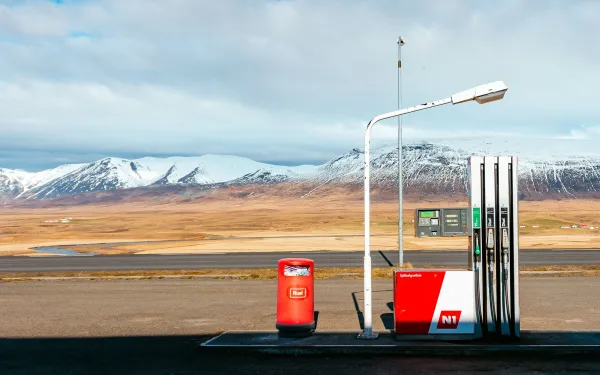
Lessons for moving into a world without fossil fuels
By Javier Dávalos and Florencia Ortúzar Recent social conflict in Ecuador, triggered by the abrupt suspension of diesel and gasoline subsidies, has demonstrated the need for a just energy transition that takes people into account. Measures aimed at ending government support for the production and use of fossil fuels must be progressive and consensual. The extraction of coal, oil and gas produces significant emissions of carbon dioxide and methane, contaminants that cause global warming. Burning these fuels to produce energy also contributes greatly to air pollution, which kills millions of people annually. Nevertheless, governments worldwide spend between 160 and 400 billion dollars each year to subsidize the fossil fuel industry, according to information from the United Nations Environment Program. Total financial support for renewable energy reaches only 121 billion. If we really want to combat the climate crisis and improve our air quality, we much change this situation. Understanding subsidies Public incentives to producers and consumers of coal, oil and natural gas include payments to consumers or businesses and tax deductions. Therefore, even if fuel prices rise steadily, subsidies keep them artificially low. As a result, transportation and trade costs are contained and remain internationally competitive. These subsidies weigh heavily on national economies, which are left without resources that could well be allocated to sectors such as health and education. Support for the industry deepens our dependence on fossil fuels and ties us to a crippling economic system that the planet desperately needs us to escape. It’s important to understand that this dependence is much more acute for the most vulnerable among us, for whom each dollar counts toward quality of life. A just energy transition The events in Ecuador have taught us a valuable lesson: a desirable result does not necessarily justify the way it is carried out. There, the subsidies for diesel and gasoline were eliminated by decree, unilaterally and without prior national dialogue, hitting the poorest sectors of society hardest. This provoked an intense and violent social conflict that forced the government to revoke its decree, which had not even considered the fight against the climate crisis (let alone a just energy transition). Actions of this type, which imply important changes in the basic needs of the population, like the fuel needed for transportation, must be accompanied by protective measures for society’s most vulnerable. It’s time to leave fossil fuel subsidies behind. But their elimination must be framed in serious plans that seek a real transition to a low-carbon way of life. And must be accompanied by supportive actions such as the promotion of local economies, the protection of ecosystems that naturally regulate the climate, the effective improvement of public transport systems, and investment in renewable energy sources. Only in this way will we begin walking in the direction of climate justice. A new social pact to tackle inequality Chile has also erupted in protests in recent weeks. Events there confirm that forgotten segments of society will no longer bear the burden of inequality, and that the time has come to change course. The Chilean crisis is not directly related to fossil fuels subsidies, but it is related to a fundamental problem in Latin America: abysmal social inequality that has for too reigned in our region. Deep social discontent erupted after the government increased the price of public transportation without considering the social consequences it would have. When commodity prices rise, the most vulnerable will always be the hardest hit. Therefore, these changes must incorporate actions that close social gaps rather than aggravate them. Like Ecuador, Chile has shown us that it is time to aim further, beyond palliative measures that affect the pockets of the poorest, in search of a new social pact. The current social and environmental crisis can be taken as a unique opportunity to begin building a more just society, putting an end to the serious inequalities that have long afflicted our countries, our region and the world.
Read more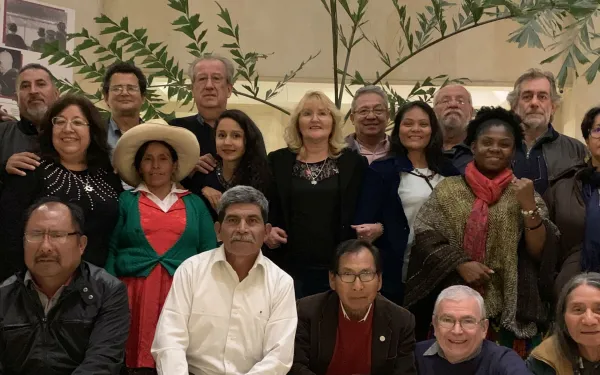
Bogota Declaration for the protection of environmental defenders
As people from 10 different countries who have been awarded the Goldman Environmental Prize, in addition to other environmental defenders, who are contributing to the protection of the environment and the struggle for life, who have come together today in Bogotá with colleagues from throughout our region, we express our solidarity with advocates and communities in Colombia and throughout Latin America and the Caribbean that are currently facing the highest level of risk for their work to protect life on Earth. Therefore, we call on governments, companies, financial institutions, investors, and entities to actively and effectively protect and respect the life and rights of advocates, those of their families, and their communities. We are aware of the serious human rights violations of vulnerable populations, especially of local communities and indigenous people, communities of African descent and farmers, which we face in Latin America and throughout the world. We demand an end to legal persecution and criminalization of our brothers and sisters who defend life and justice, and justice for those whose lives have been forcibly taken from them in this struggle. We hope that our work inspires many young people and others, whose work in turn inspires many more globally. We are convinced that, together, we can address the climate crisis—through collaborative work focused around knowledge and respect for the rights and diverse communities of the world. We call on humanity to stand in solidarity and act in accordance with the work of advocates, and to use peaceful means, art, and motherly love to continue achieving the transformation that the planet and humanity require to protect both people and life. We urge Colombia to continue promoting the dream of achieving peace between Colombians and nature. Turning the page on violence is the path for the next generations to inherit: a better Colombia, Latin America, Caribbean and world. Signatories Francia Márquez (Colombia) Goldman Environmental Prize, 2018 Bertha Zuñiga Cáceres (Honduras), daughter of Bertha Cáceres, Goldman Environmental Prize, 2015 Ruth Buendía (Peru), Goldman Environmental Prize, 2014 Nohra Padilla (Colombia) Goldman Environmental Prize, 2013 Sofía Gatica (Argentina) Goldman Environmental Prize, 2012 Francisco Pineda (El Salvador) Goldman Environmental Prize, 2011 Humbero Ríos Labrada (Cuba) Goldman Environmental Prize, 2010 Jesús León Santos (Mexico) Goldman Environmental Prize, 2008 María Elena Foronda Farro (Peru) Goldman Environmental Prize, 2003 Jean La Rose (Guyana) Goldman Environmental Prize, 2002 Elías Díaz Peña (Paraguay) Goldman Environmental Prize, 2000 Oscar Rivas (Paraguay) Goldman Environmental Prize, 2000 Jorge Varela (Honduras) Goldman Environmental Prize, 1999 Berito Kuwaruwa (Colombia) Goldman Environmental Prize, 1998 Juan Pablo Orrego (Chile) Goldman Environmental Prize, 1997 Evaristo Nugkuag (Peru) Goldman Environmental Prize, 1991 Stiefen Petrust (Suriname) Eliana Torrico Tejada (Bolivia) Danielle Duarte Gomes (Brazil) Antonia Melo Da Silva (Brazil) Liliana Ávila (Colombia) Juana Hofman (Colombia) Javier Ibarraga Ospina (Colombia) Alix Mancilla (Colombia) Blanca Inés Pérez (Colombia) Rosa Peña (Colombia) Astrid Puentes Riaño (Colombia, Mexico) Andrea Cerami (Mexico) Jorge García Lucas (Guatemala) Severina Morales Pérez (Guatemala) Joaquín Raymundo González (Guatemala) Jovita Tzul (Guatemala) Julián López (Mexico) Marcelina López (Mexico) Leydy Aracely Pech Martín (Mexico) Elena Villafuerte (Mexico) Liliana Caruhuaz (Peru) Eddy Peña (Peru) Katherine Sánchez (Peru)
Read more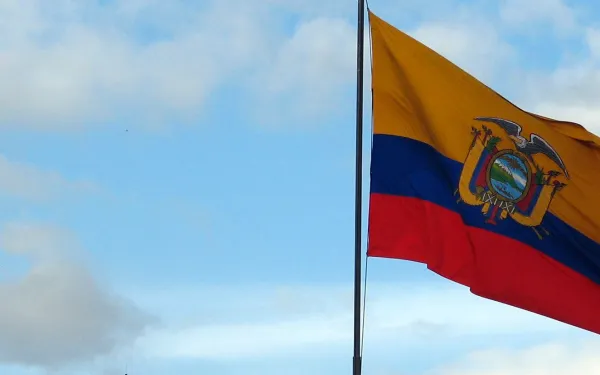
AIDA Statement on the Situation in Ecuador
The Interamerican Association for Environmental Defense (AIDA) recognizes the positive steps made in Ecuador through the United Nations-mediated dialogue between the government and the indigenous movement. The mediation follows weeks of conflict stemming from the government’s elimination of diesel and gas subsidies through decree 883. In a context of global climate emergency, it is necessary to eliminate subsidies for fossil fuels and any other market distortion that promotes their continued exploitation and use. However, no measure will be successful if it is not done with full awareness of the impacts it implies for the most vulnerable segments of the population, directly affected by increased prices of transportation and consumer goods. The energy transition must be progressive and respectful of human rights. Only in this way will we be able to move towards true climate justice. Measures such as those adopted in Ecuador must also be framed within proper planning, aimed at moving towards a low-carbon economy, as well as reducing dependence on oil, large-scale mining and other sectors that contribute to the climate crisis. AIDA commends the commitment of the government and the indigenous movement to developing a new decree in a joint and participatory manner. The recent conflict demonstrates the need to strengthen a plurinational and multicultural State, where decisions are discussed and agreed upon with indigenous peoples and all national actors. Ecuador now has the opportunity to set a key precedent at the global level by designing comprehensive policies that support the fulfillment of its climate commitments and at the same time respect and protect its people, especially vulnerable groups. We hope that the dialogue will be successful and will serve as an example of the collective construction of climate solutions to ensure participation, respect for human rights, gender equity and, in short, the well-being of present and future generations. press contact: Victor Quintanilla (Mexico), [email protected], +5215570522107
Read more