
Project
Amazon Watch / Maíra Irigaray
Barragem de Belo Monte no rio Xingu: 10 anos de impactos na Amazônia e de busca por reparações
A usina hidrelétrica de Belo Monte causou um desastre ambiental e social no coração da Amazônia: um dos ecossistemas mais importantes do planeta.
Essa situação só piorou desde que a usina começou a operar em 2016. A busca por justiça e reparação para as comunidades indígenas e ribeirinhas afetadas continua até hoje.
Em 2011, a Comissão Interamericana de Direitos Humanos (CIDH) concedeu a essas comunidades medidas de proteção, que até hoje não foram totalmente implementadas pelo Estado brasileiro.
E, desde junho daquele mesmo ano, a CIDH mantém um processo contra o Estado por sua responsabilidade internacional no caso.
A CIDH pode encaminhar o caso à Corte Interamericana de Direitos Humanos, que tem o poder de emitir uma sentença condenatória contra o Estado brasileiro.
Consulta o expediente de fatos do caso
Após 10 anos de operação da usina hidrelétrica e mais de 15 anos de violações de direitos humanos documentadas, é hora da justiça ser feita para as comunidades afetadas.
Leia a carta aberta das organizações que levam o caso à CIDH
Leia nosso comunicado à imprensa
Contexto
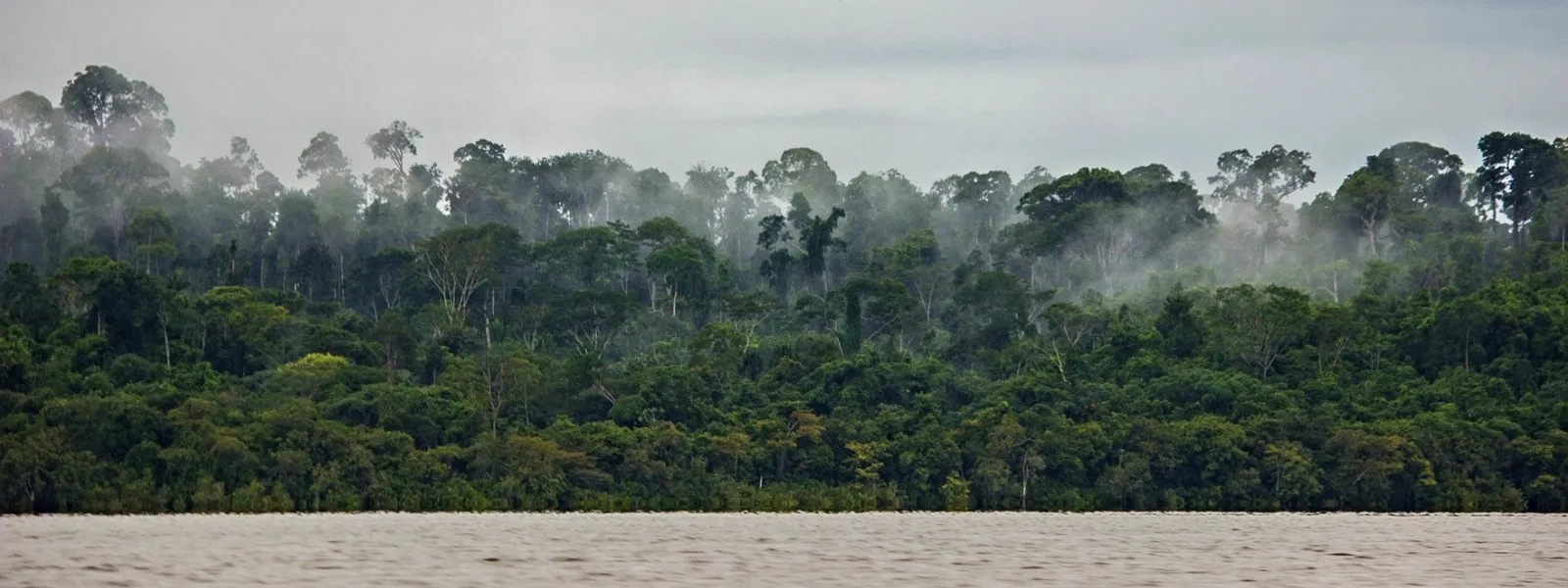
A usina hidrelétrica de Belo Monte — a quarta maior do mundo em capacidade instalada (11.233 MW) — foi construída no rio Xingu, no estado do Pará, norte do Brasil.
Foi inaugurada em 5 de maio de 2016, com uma única turbina. Naquela época, 80% do curso do rio foi desviado e 516 km² de terra foram inundados, uma área maior que a cidade de Chicago. Desse total, 400 km² eram de mata nativa. A usina começou a operar em plena capacidade em novembro de 2019.
Belo Monte foi construída e é operada pelo consórcio Norte Energia S.A., composto principalmente por empresas estatais. Foi financiada pelo Banco Nacional de Desenvolvimento Econômico e Social (BNDES), que aportou ao consórcio 25,4 bilhões de reais (aproximadamente US$ 10,16 bilhões), o maior investimento de sua história. Portanto, o BNDES também é legalmente responsável pelos impactos socioambientais associados ao projeto hidrelétrico.
Décadas de danos ambientais e humanos
As violações dos direitos humanos e a degradação da Amazônia remontam ao início do projeto. Em março de 2011, a Norte Energia iniciou a construção da barragem sem consulta adequada e sem o consentimento prévio, livre e informado das comunidades afetadas.
A construção levou ao deslocamento forçado de mais de 40.000 pessoas, rompendo laços sociais e culturais. O plano de reassentamento em Altamira — cidade diretamente afetada pelo projeto hidrelétrico — incluía moradias na periferia da cidade, sem serviços públicos adequados, moradias dignas para as famílias reassentadas e moradias diferenciadas para aqueles pertencentes a comunidades indígenas.
A operação da barragem de Belo Monte impôs uma seca permanente e artificial na Volta Grande do rio Xingu, agravada pelas secas históricas na Amazônia em 2023 e 2024. Como resultado, a morte de milhões de ovos de peixe foi documentada por quatro anos consecutivos (de 2021 a 2024) e, nos últimos três anos, não houve migração de peixes rio acima para desovar e se reproduzir. Assim, a pesca artesanal, principal fonte de proteína para os povos indígenas e comunidades ribeirinhas, foi severamente afetada: o consumo de peixe caiu de 50% para 30% do total de proteínas consumidas, sendo substituído por alimentos processados. Em suma, houve um colapso ambiental e humanitário que resultou no colapso da pesca como modo de vida tradicional, insegurança alimentar e falta de acesso à água potável para milhares de famílias, empobrecimento e doenças.
Além disso, a construção da barragem aumentou o desmatamento e intensificou a extração ilegal de madeira e a insegurança em terras indígenas e tribais, colocando em risco a sobrevivência dessas comunidades. Outra consequência foi o agravamento da pobreza e dos conflitos sociais, bem como a sobrecarga dos sistemas de saúde, educação e segurança pública em Altamira, cidade considerada a mais violenta do país em 2017, onde houve aumento do tráfico de pessoas e da violência sexual. Também foram registrados casos de violência contra defensores de direitos humanos envolvidos no caso.
Em 2025, durante a 30ª Conferência das Nações Unidas sobre Mudanças Climáticas (COP30), realizada no Brasil, o Ministério Público Federal classificou os danos causados por Belo Monte como ecocídio.
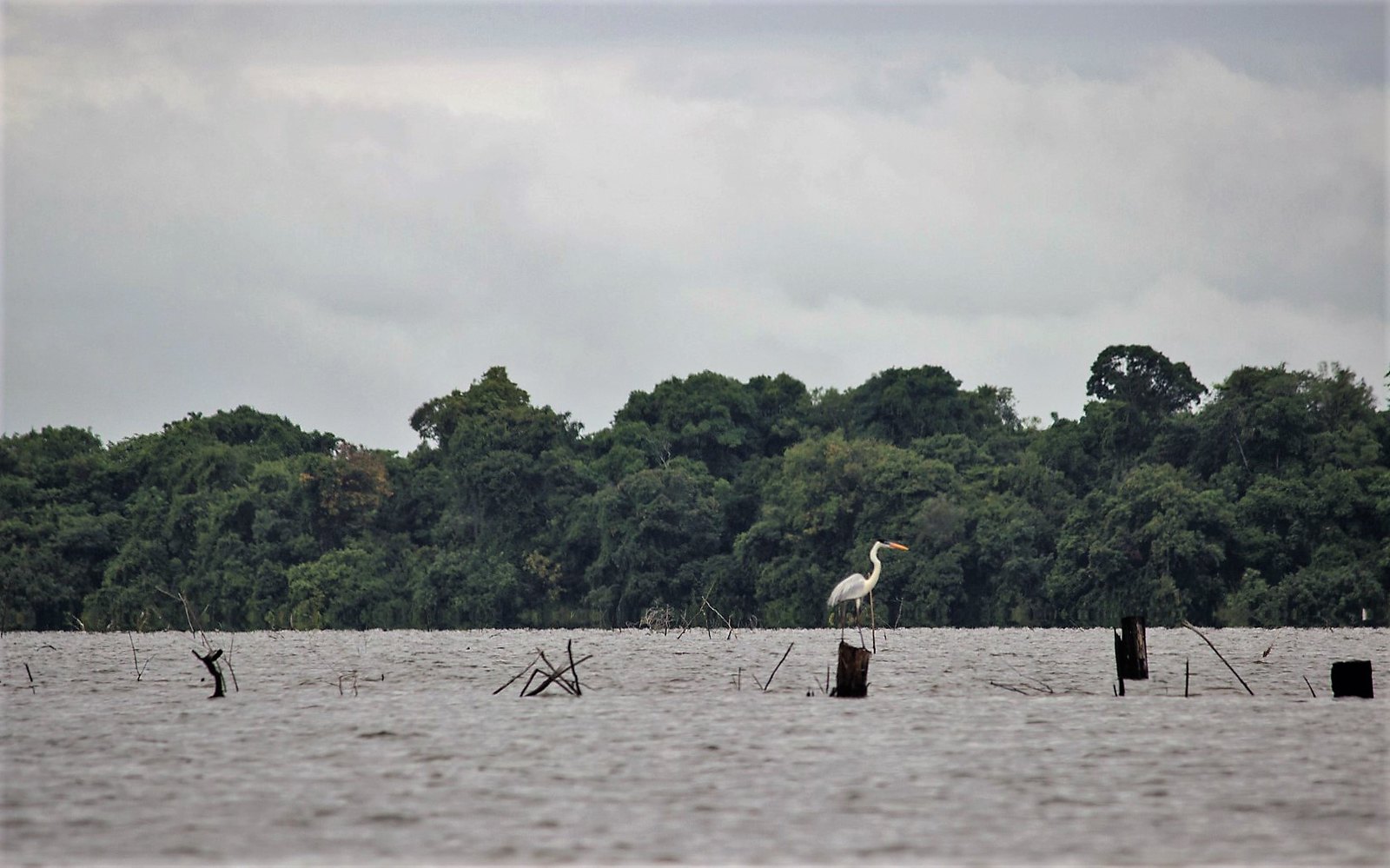
Foto: Amazon Watch / Maíra Irigaray.
A busca por justiça e reparação
Ao longo dos anos, o Ministério Público Federal do Pará, a Defensoria Pública e organizações da sociedade civil impetraram dezenas de ações judiciais em tribunais brasileiros para contestar as diversas irregularidades do projeto, bem como seus impactos. A maioria das ações permanece sem solução, algumas há mais de 10 anos.
Essas ações não obtiveram sucesso porque o governo federal tem reiteradamente anulado decisões favoráveis às comunidades afetadas, recorrendo a um mecanismo pelo qual o presidente do Supremo Tribunal Federal pode suspender uma decisão judicial com base unicamente em argumentos genéricos como "interesse nacional" ou "ordem econômica".
Diante da falta de respostas eficazes em nível nacional, a AIDA — juntamente com uma coalizão de organizações aliadas — levou o caso à Comissão Interamericana de Direitos Humanos (CIDH) e, em 2010, solicitou medidas cautelares para proteger a vida, a integridade e a saúde das comunidades indígenas afetadas.
Em 1º de abril de 2011, a CIDH concedeu essas medidas e solicitou ao Estado brasileiro a suspensão das licenças ambientais e de quaisquer obras de construção até que as condições relativas à consulta prévia e à proteção da saúde e integridade das comunidades fossem atendidas.
E, em 16 de junho de 2011, apresentamos uma denúncia formal à CIDH — juntamente com o Movimento Xingu Vivo Para Siempre, a Coordenação das Organizações Indígenas da Amazônia Brasileira, a Diocese de Altamira, o Conselho Missionário Indígena, a Sociedade Pará de Defesa dos Direitos Humanos e a Global Justice — contra o Estado brasileiro por sua responsabilidade internacional nas violações de direitos humanos contra os povos afetados neste caso. A denúncia foi apresentada em dezembro de 2015.
Em 3 de agosto de 2011, a CIDH modificou as medidas cautelares para solicitar — em vez da suspensão de licenças e obras — a proteção dos povos que vivem em isolamento voluntário, a saúde das comunidades indígenas e a regularização e proteção das terras ancestrais.
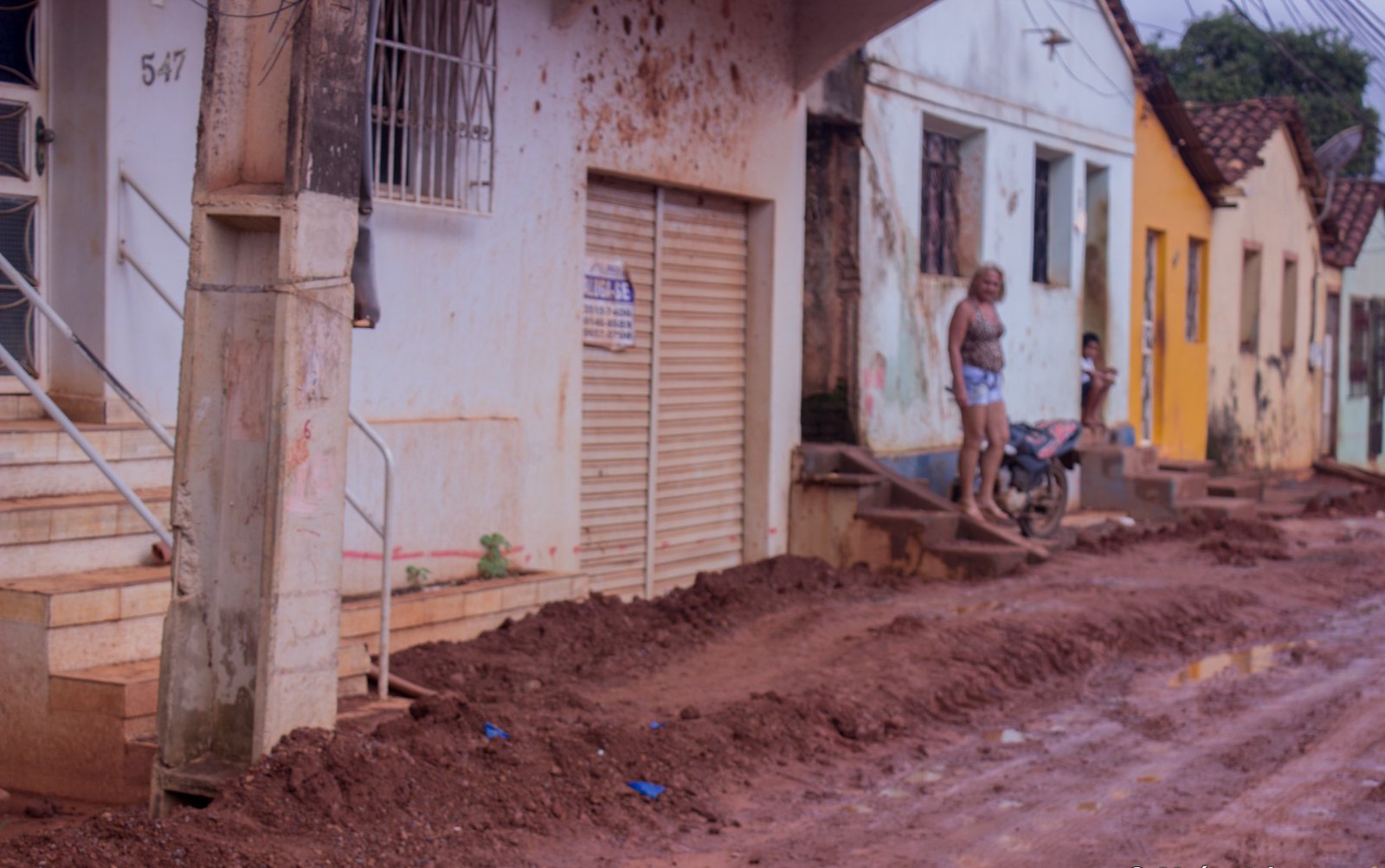
Foto: Amazon Watch / Maíra Irigaray.
Situação atual
As medidas de proteção concedidas pela CIDH permanecem em vigor, mas o Estado brasileiro não as cumpriu integralmente, relatando apenas ações genéricas. As comunidades documentaram as contínuas violações de seus direitos. A situação que motivou o pedido dessas medidas — o risco à vida, à segurança e aos meios de subsistência das comunidades — persiste e se agravou com a usina hidrelétrica operando em plena capacidade e com as recentes secas extremas na Amazônia.
Além do ocorrido em Belo Monte, existe o risco de maiores danos sociais e ambientais decorrentes da implementação de outro megaprojeto de mineração na Volta Grande do Xingu. Lá, a empresa canadense Belo Sun pretende construir a maior mina de ouro a céu aberto do Brasil.
Os impactos sinérgicos e cumulativos da usina e da mina não foram avaliados. O Estado excluiu povos indígenas, comunidades ribeirinhas e comunidades camponesas do processo de licenciamento ambiental do projeto. Apesar disso, dos protestos indígenas e de outras irregularidades em torno do projeto, o governo do estado do Pará autorizou formalmente a mina em abril de 2026.
Belo Monte, assim como outras usinas hidrelétricas, agrava a emergência climática ao gerar emissões de gases de efeito estufa em seu reservatório. Além disso, é ineficiente diante das secas prolongadas e intensas causadas pela crise, pois perde capacidade de geração de energia.
O caso perante a Comissão Interamericana
Em outubro de 2017, a CIDH anunciou que decidiria conjuntamente sobre a admissibilidade (se o caso preenche os requisitos para admissão) e o mérito (se houve, de fato, violação de direitos humanos) da denúncia internacional contra o Estado brasileiro.
Quinze anos após a apresentação da denúncia, as comunidades afetadas e as organizações que as representam ainda aguardam essa decisão. Caso a CIDH conclua que houve violações de direitos humanos e emita recomendações que o Estado brasileiro não cumpra, poderá encaminhar o caso à Corte Interamericana de Direitos Humanos, cujas decisões são vinculativas.
Uma possível decisão da Corte Internacional de Direitos Humanos neste caso estabeleceria um precedente jurídico regional em relação aos direitos dos povos indígenas e ribeirinhos, à participação pública em megaprojetos e à responsabilidade do Estado no contexto da crise climática. Isso é particularmente relevante à luz do Parecer Consultivo nº 32 da Corte, que reafirmou as obrigações dos Estados de proteger pessoas e comunidades em todo o continente da emergência climática.
Partners:
Related projects

ON WORLD OCEAN DAY: An open letter
If we have learned anything from the Covid-19 pandemic it is that we are all inextricably connected with each other and the natural world. Without greater balance and cooperation we cannot survive as a species. Human wellbeing is at the heart of what we do. Our work, to protect the ocean is driven by the reality that humankind needs a healthy planet that can sustain life, for the sake of our homes, health, livelihoods and food. Many have taken the rupture to our lives caused by Covid-19 to think about this and about how we can rebuild better, learning from the pandemic to achieve a greater balance and to protect the fundamentals which make life on Earth possible. Doing so is a necessity. We do not have the luxury of choosing between paths which damage the natural world and those which do not. If we continue to harm nature at the rate we have been, our world will not be able to sustain human wellbeing – from jobs to food security and health. We have been given a stark warning. Once we emerge and start to rebuild, we need to do so in a way that protects the fundamentals that all human beings rely upon, foremost among these being a planet capable of sustaining human life. Governments will be put under pressure to drop environmental protections to make it easier for industry to operate; to privilege short term economics and job increases over other considerations. These will be presented as a choice – choose humans over nature - but it is not a real choice. For the good of humankind, we must achieve balance with the natural world, a coexistence which ultimately enables us to thrive. If we do not achieve that balance, take action to do better now, the rupture in our lives will get bigger, we will face other, escalating global disasters. We ask governments to protect human wellbeing and to make decisions which keep a functioning blue planet beneath our feet. Deep Sea Conservation Coalition Ecology Action Centre Global Fishing Watch Global Ocean Trust Greenovation Hub High Seas Alliance Interamerican Association for Environmental Defense International Programme on the State of the Ocean Marine CoLABoration Marine Conservation Institute Marine Conservation Society Oceans North Our Fish Seas at Risk Shark Project International Turkish Marine Research Foundation One Ocean
Read more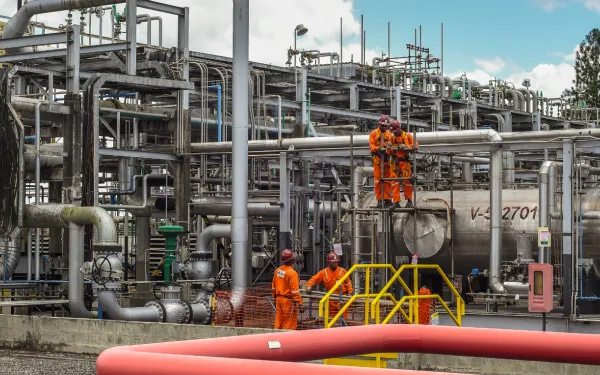
Continued extractive activities put indigenous and rural communities at increased risk from the pandemic
In most Latin American nations, governments have implemented health and social isolation measures to contain the spread of the COVID-19 pandemic. Within the framework of these restrictions, exceptions have been established for activities considered essential, including emergency care, the provision of health services, and the marketing and supply of essential goods. However, the governments of Bolivia, Ecuador and Peru have also exempted mining and oil activities from the restrictions, stating they are in the national interest. The exceptional treatment accorded to extractive activities in some countries of the region has significantly increased the vulnerability of indigenous peoples, and amplified the risks and threats they face, since these operations are carried out in their territories. In addition, the entry and exit of workers without proper health measures diminishes the effectiveness of the protective measures adopted by these peoples, such as epidemiological fences or social isolation. Thus, there is an increase in the spread of the virus and in the number of infected persons. In addition, in practice, these rural populations have little or no access to the health and sanitation services needed to deal with a health crisis such as that generated by COVID-19. At the regional level, the Coordinating Body of Indigenous Organizations of the Amazon Basin (COICA) has demanded that States guarantee access to health and food for the indigenous peoples and nationalities of the Pan-Amazon, as well as to intensify surveillance and protection of the territories "invaded by oil, mining, logging and other people." The particular situation of each country is as follows: BOLIVIA In late March, the government issued a Supreme Decree establishing that companies that "provide services for the supply of gasoline, gas, diesel and other fuels" are authorized to continue their operations "without interruption.” The decision has generated concern among indigenous organizations. "In Tarija and part of Santa Cruz, as well as in El Chaco, the oil companies continue to work with total normality. There are changes in personnel that arrive in vehicles continuously. Our fear is that they will bring the virus to the indigenous communities," indigenous leader Alex Villca, member of the Coordinating Committee for the Defense of Indigenous, Native, Peasant and Protected Areas Territories (Contiocap), told Mongabay. ECUADOR The organization of the Waorani Nationality of Ecuador (NAWE) alerted the national government to the detection of two positive cases of coronavirus among the workers of Block 16, which would be operated by the company Repsol YPF. The Waorani called on the government to adopt special protocols for "the protection of territories and indigenous populations," adopting measures to control and restrict the activities of oil company personnel who "are operating legally in indigenous territories and to prevent the propagation of the pandemic." Repsol Ecuador S.A. informed in a press release that the two positive cases correspond to workers of a contracting company who, after being previously tested, did not enter the company's operations. PERU In March, the government issued a Supreme Decree to combat the health crisis resulting from the pandemic. The decree provides for restrictions on the right to freedom of movement, exempting from this measure certain welfare and economic activities considered essential. Mining was not one of them. However, the Ministry of Energy and Mines included mining among the essential activities that must still be carried out in quarantine to ensure minimum operations, saying it would do so without affecting the integrity of workers and communities. This decision came after the National Society of Mining, Oil and Energy and the National Confederation of Private Business Institutions separately stated that the mining industry could not be stopped. The National Organization of Andean and Amazonian Indigenous Women of Peru criticized this decision. The presence of mining and oil operations in indigenous territories "puts the lives and health" of those peoples at risk, they said. In the context of the pandemic, states must implement comprehensive and concerted health strategies to respect, guarantee and protect indigenous and peasant communities near mining or oil exploitation projects and other activities that put them at risk.
Read more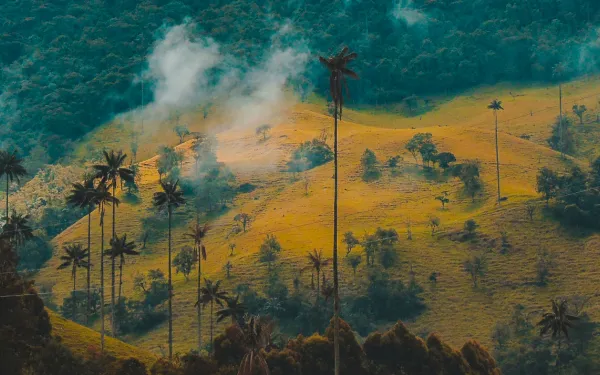
Colombia: Holding virtual hearings violates communities' right to participation
In the context of the pandemic, and since the beginning of Colombia's obligatory isolation, businessmen have asked the Colombian government to "simplify environmental procedures." On April 3, 25 entrepreneurs sent a letter to President Iván Duque asking for the simplification of processes including prior consultation, environmental licenses and royalities. One of the first measures undertaken was the attempt to simplify the prior consultation, proposing to make it virtual. In response, indigenous communities and the Ombudsman's Office requested that the Ministry of the Interior respect human rights and reverse the measure, which it did. However, the quest to change the way consultations are conducted continues. At the request of the Ministry of the Environment, the National Environmental Licensing Authority (ANLA) is promoting several virtual environmental hearings, even proposing they be held on radio and digital platforms such as Facebook and YouTube. These are hearings to address key environmental issues in the country. The problem is that communication on these platforms is unilateral, denounced the organization DeJusticia, thus eliminating the possibility of discussing technical issues, and presenting an obstacle for those with limited access to the Internet. On April 13, 2020, ANLA issued Resolution 642, which opened the way for virtual participation processes. Days later, the licensing authority scheduled a virtual hearing to discuss a very important issue for the region: the return of aerial spraying with glyphosate, a toxic herbicide. The hearing, scheduled for May 27, was intended to address the modification of the glyphosate environmental management plan. But, thanks to a legal action, on May 18 a judge from the department of Nariño suspended the hearing. As evidenced, there exists an ongoing intention to carry out similar proposals during the pandemic. Many have been halted by the early warnings of citizens, judicial actions or statements by control authorities. On 20 May, the Administrative Court of Santander ordered the Ministry of the Environment to plan virtual working groups. It has also called for a virtual public hearing on the Santurbán páramo, where a mega-mining project threatens to harm this strategic ecosystem, which is vital for local water supply and the mitigation of the climate crisis. Holding virtual hearings implies a damage to the rural, indigenous and urban communities affected by a project, and to Colombian society in general. In addition to being in the midst of the worst crisis in recent history, these communities lack access to the internet and the basic necessities that could guarantee their virtual participation. In Colombia, and across the region, the rights of access to information, justice and participation are among the most violated. We must stand at high alert so that the pandemic does not become an excuse to continue abusing them. All remaining proposed virtual proceedings must be immediately suspended, until there exists guarantees for the due exercise of the right to participation and the exercise of national and international oversight in these matters.
Read more